

ProductPRODUCT
Featured products
Contact Us
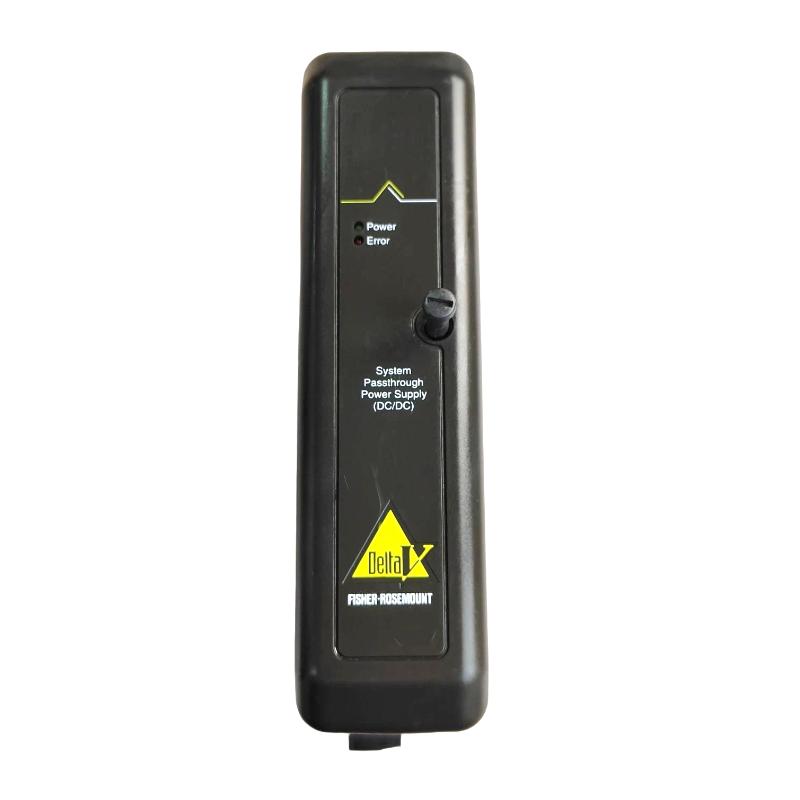
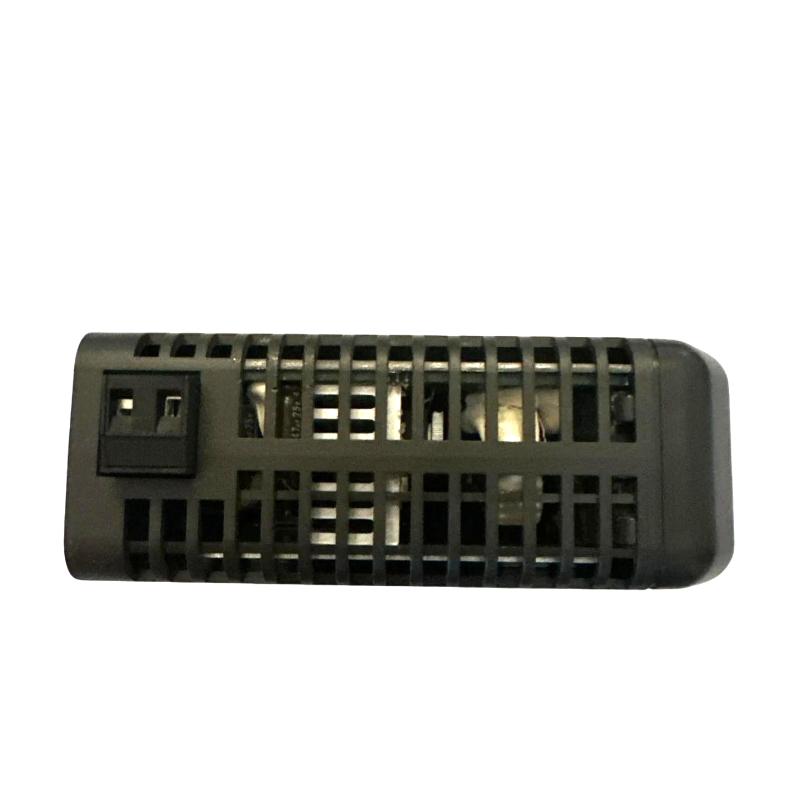
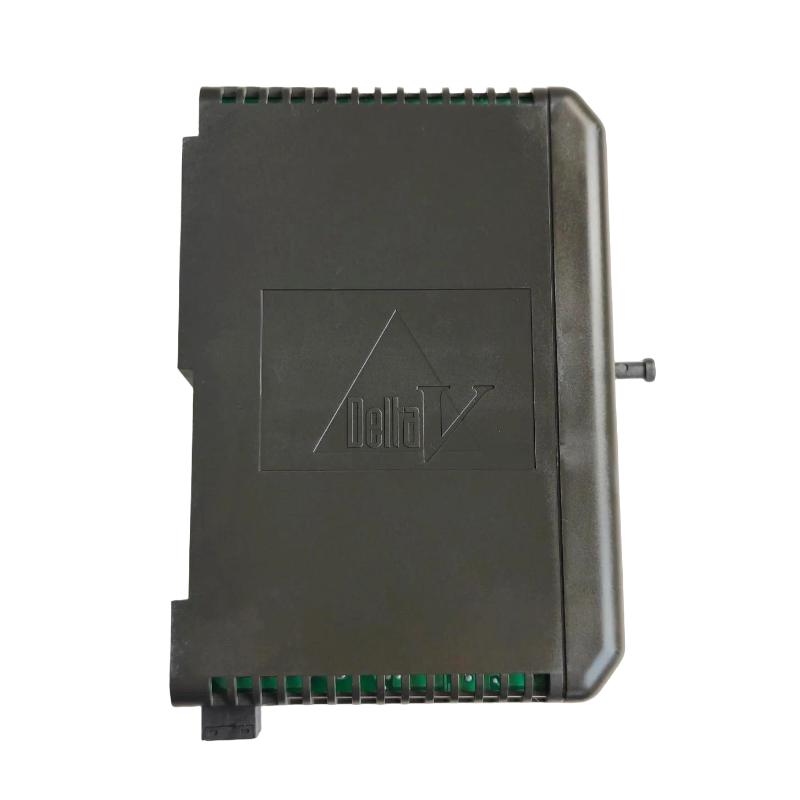
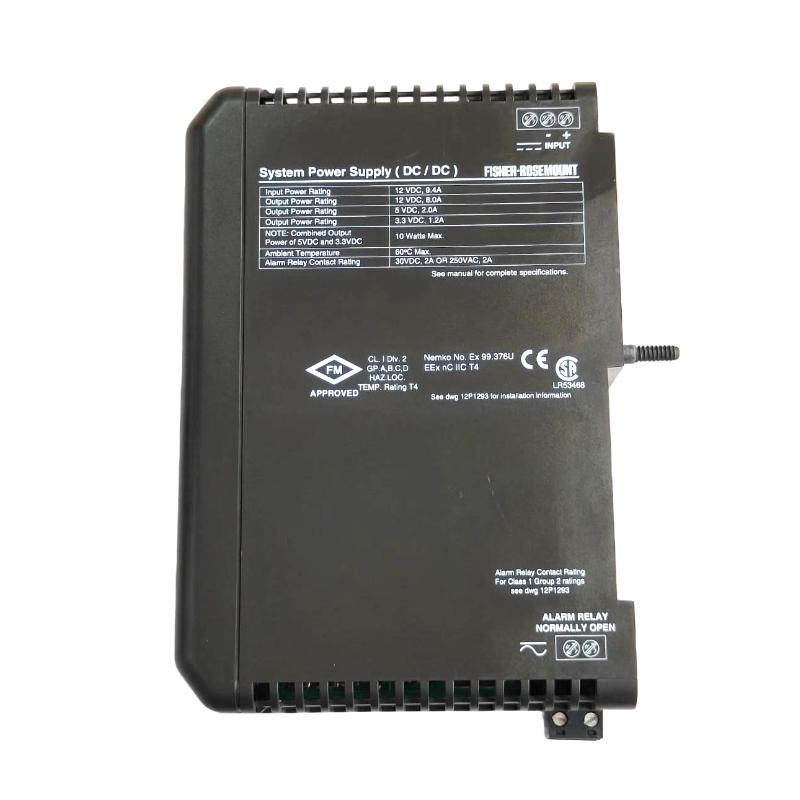
- Emerson
- KJ1501X1-PW1
- Power Supply Module
- USA
- 150 × 100 × 35 mm
- 0.2 kg
- Xiamen, China
- New & In Stock
- T/T, PayPal, Western Union
- 1 Year
- 1-3 Working Days
- DHL, UPS, TNT, FedEx and EMS.
- 24-Hour Service
- COO
- 53
Our advantage

Global Logistics
We have a 10-year logistics and express cooperation agreement, so our products can be shipped to any place in the world.

Brand new and original
Our products are imported in bulk from the place of origin. Because of the cooperative relationship, our products are all original and 100% new.

24-hour service
We provide 7*24 hours service to our customers. We will be there whenever you need us.

Price advantage
All our products are priced very favorably because we have our own warehouse and supply.
| Company Information | |||
| [email protected] | |||
| Mobile | +8615980777398 | ||
| +8615980777398 | |||
| 15980777398 |
Product Overview
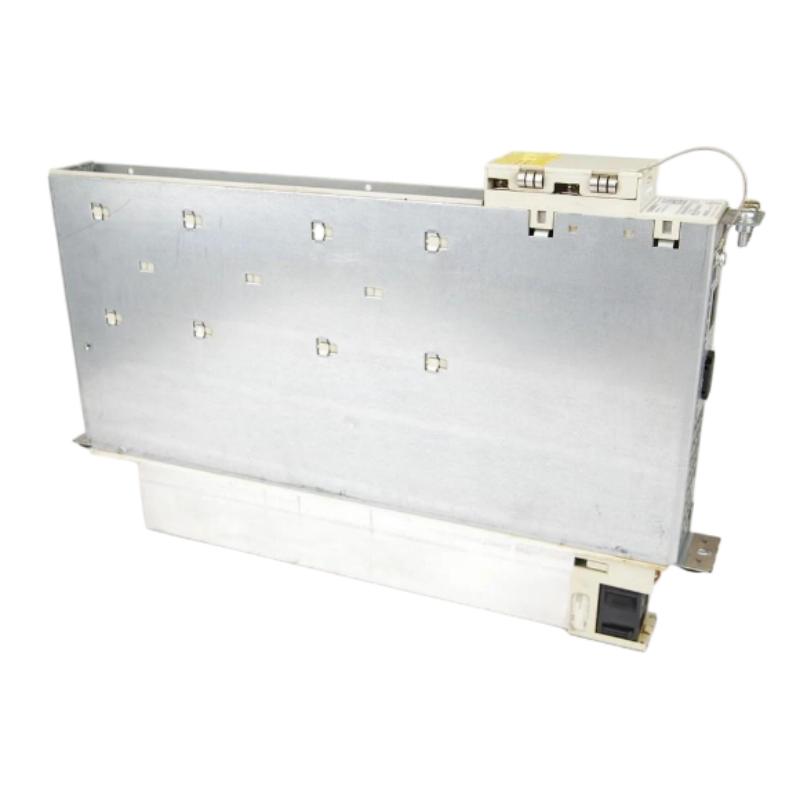
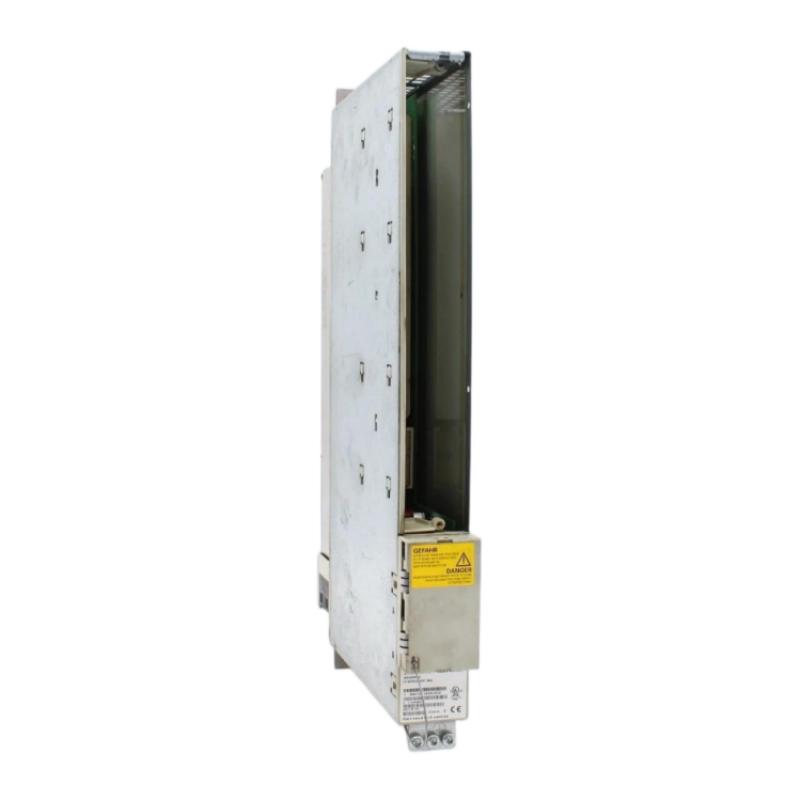
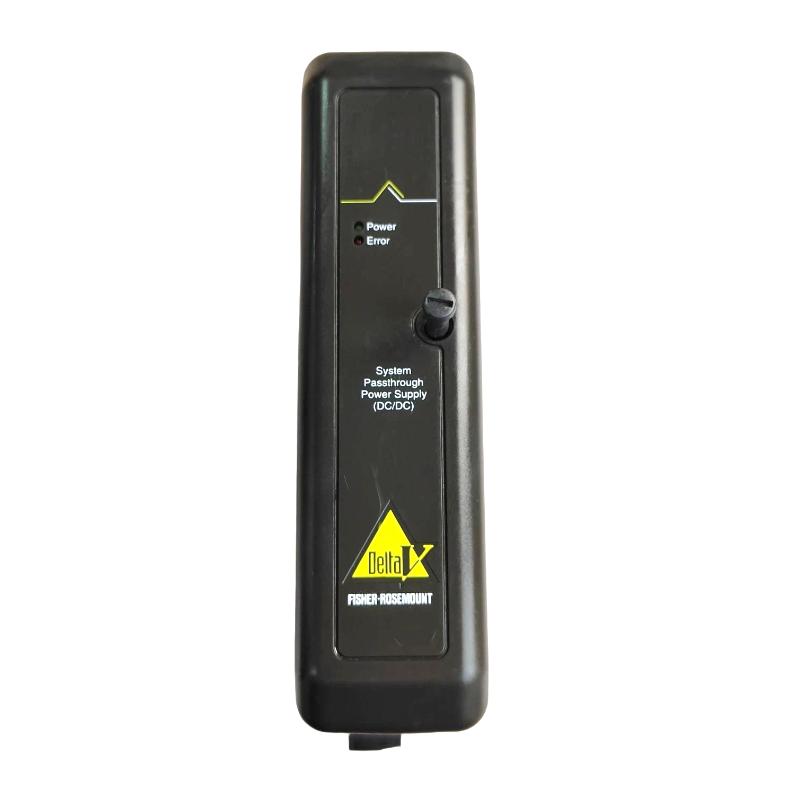
The Emerson KJ1501X1-PW1 Power Supply Module is an industrial power component used to support automation and process-control hardware. It belongs to the power infrastructure of the control system and is responsible for supplying the electrical power required by associated system components.
Unlike a controller, I/O card, or communication module, the KJ1501X1-PW1 does not execute control logic or process field signals. Its function is centered on maintaining the electrical supply needed by the hardware that performs those tasks.
In an industrial control cabinet, a power supply module is normally installed upstream of the equipment it supports. The quality and capacity of this power source can directly affect controller availability, I/O operation, communication stability, and system startup behavior.
For replacement work, the KJ1501X1-PW1 should be evaluated together with the existing power-distribution arrangement. Input requirements, output requirements, connected load, protection, wiring, and cabinet conditions should all be considered before commissioning.
Technical Specifications
| Parameter | Specification |
|---|---|
| Manufacturer | Emerson |
| Model | KJ1501X1-PW1 |
| Product Type | Power Supply Module |
| Primary Function | Automation System Power Supply |
| System Role | Power Infrastructure |
| Application | Industrial Automation / Process Control |
| Installation | Control System Cabinet |
| Dimensions | 150 × 100 × 35 mm |
| Weight | 0.2 kg |
The supplied physical specifications are 150 × 100 × 35 mm with a stated weight of 0.2 kg.
The exact electrical ratings should be matched to the target installation before use. A suitable replacement must satisfy the required input, output, current capacity, and system compatibility rather than simply matching the mechanical dimensions.
Product Features
The KJ1501X1-PW1 focuses on supplying power to the control-system hardware that forms the automation architecture.
Key characteristics include:
- Emerson KJ1501X1-PW1 Power Supply Module
- Intended for industrial automation systems
- Supports control-system power requirements
- Suitable for process-control installations
- Designed for cabinet-based system integration
- Provides power for associated automation hardware
- Can operate as part of a centralized power architecture
- Suitable for maintenance and replacement applications
- Compact installation format
- Dimensions of 150 × 100 × 35 mm
- Stated weight of 0.2 kg
The relatively low weight makes the module convenient for cabinet installation, but physical size should not be used as an indication of electrical capacity. The connected system load remains the primary consideration when evaluating the module.
Working Principle
The KJ1501X1-PW1 operates as part of the electrical supply path between the upstream power source and the automation equipment.
A simplified arrangement is:
Incoming Power → KJ1501X1-PW1 → System Power Distribution → Controllers / I/O / Communication Hardware
The module receives its designated input power and supplies the required electrical output to the equipment connected to its downstream power architecture.
A power supply has a different responsibility from an automation controller. The controller determines what the process should do, while the power supply establishes the electrical conditions under which the controller and related hardware can operate.
In a process-control cabinet, several modules may depend on the same power infrastructure. As a result, a problem with the supply or its wiring can affect multiple devices simultaneously. This is why power measurements and distribution checks are important when troubleshooting apparently unrelated control-system faults.
Role in a Control System Power Architecture
The KJ1501X1-PW1 sits at the infrastructure level of an automation system.
A typical relationship can be represented as:
Power Source → Protection → KJ1501X1-PW1 → Power Distribution → Automation Hardware
The downstream equipment may include controllers, I/O modules, communication hardware, and other system components depending on the installed architecture.
During normal operation, the power module supports the electrical requirements of these devices. During commissioning, engineers should therefore verify the complete load rather than checking only whether the power supply can energize an individual module.
This is particularly important when expanding an existing cabinet. Additional I/O cards or communication hardware increase the overall power demand and may change the operating conditions of the existing power supply.
Industrial Applications
The KJ1501X1-PW1 can be used in industrial automation environments where dedicated power is required for control-system equipment.
| Application | Typical Use |
|---|---|
| Process Automation | Supplying control-system hardware |
| Distributed Control Systems | Supporting controllers and system modules |
| Oil and Gas | Powering automation infrastructure |
| Chemical Processing | Supporting process-control cabinets |
| Power Generation | Supplying control and monitoring equipment |
| Water Treatment | Supporting automation hardware |
| Petrochemical Plants | Maintaining control-system power |
| Industrial Machinery | Providing power for control components |
The actual application depends on the electrical requirements of the installed system and the equipment connected to the power supply.
Installation and Maintenance
The KJ1501X1-PW1 should be installed in a suitable control cabinet with appropriate electrical protection, wiring, ventilation, and maintenance clearance.
Before energizing the system, technicians should confirm the module’s electrical compatibility with the existing power architecture. Particular attention should be paid to the input source, output requirements, total connected load, and wiring polarity where applicable.
Recommended checks include:
- Confirm the complete KJ1501X1-PW1 part number.
- Verify the applicable control-system architecture.
- Check the incoming power source.
- Confirm required output conditions.
- Calculate the downstream load.
- Verify upstream circuit protection.
- Inspect input and output wiring.
- Check terminal tightness.
- Verify polarity where applicable.
- Inspect connectors for mechanical damage.
- Check cabinet ventilation.
- Confirm adequate installation clearance.
- Measure output conditions under normal load.
- Monitor connected equipment during startup.
- Review system diagnostics after commissioning.
If several modules begin reporting faults simultaneously, investigate the common power path before replacing individual cards. Input fluctuations, overloaded circuits, loose terminals, and poor power distribution can produce symptoms that resemble failures in the downstream automation hardware.
Related Components
The KJ1501X1-PW1 normally works with other components that form the control-system power and automation architecture.
| Component | Function |
|---|---|
| Incoming Power Source | Provides electrical power to the system |
| Circuit Protection | Protects the power-supply circuit |
| KJ1501X1-PW1 | Supplies power to downstream automation hardware |
| Power Distribution Wiring | Delivers power to connected modules |
| Controller | Executes control strategies |
| I/O Modules | Interface with field devices |
| Communication Modules | Exchange system and device data |
| Terminal Blocks | Provide electrical connections |
| Control Cabinet | Houses the automation hardware |
| Field Equipment | Provides process inputs or receives control outputs |
The power supply should be considered together with these components because the actual operating condition is determined by the complete electrical system.
Recommended Related Models
Related Emerson power-supply products should be compared according to their electrical ratings, system role, physical arrangement, and compatibility with the existing control architecture.
| Model / Product Family | Product Type | Typical Application |
|---|---|---|
| Emerson KJ1501X1-PW1 | Power Supply Module | Industrial automation system power |
| Emerson KJ1501X1-BK1 | System Power Supply Module | System-level DC power architecture |
| Emerson KJ1501X1-BK1 SE5009 | System Power Supply Module | System-level power conversion |
| Emerson KJ1501X1-BC4 | DC/DC Power Supply Module | DC power conversion |
| Emerson KJ1501X1-BC2 | Power Supply Module | Control-system power infrastructure |
| Emerson DeltaV Power Supply Modules | Power Supply Hardware | Controller and I/O system power |
The KJ1501X1-PW1 should not be replaced simply because another Emerson power supply has a similar appearance or mounting size. Electrical ratings, system function, load requirements, and installation configuration should be verified before selecting an alternative.
Key Advantages
- Emerson KJ1501X1-PW1 Power Supply Module.
- Intended for industrial automation applications.
- Supports control-system power infrastructure.
- Suitable for process-control environments.
- Can supply associated automation hardware.
- Suitable for cabinet-based installations.
- Compact physical format.
- Useful for system maintenance and replacement.
- Can form part of a centralized automation power architecture.
- Dimensions of 150 × 100 × 35 mm.
- Stated weight of 0.2 kg.
Technical FAQs
What is the KJ1501X1-PW1 used for in an Emerson control cabinet?
The KJ1501X1-PW1 is used as a power-supply component for the automation system. Its role is to provide the electrical supply required by associated control-system hardware rather than processing field signals or executing control logic.
What should be checked before connecting additional modules to the KJ1501X1-PW1 power architecture?
The first step is to calculate the additional electrical load. The current demand of the existing controllers, I/O modules, communication equipment, and the proposed hardware should be considered together. The available power capacity and distribution wiring should then be checked against the resulting load.
Why can a power-supply problem appear as a communication fault?
Communication modules and controllers depend on stable electrical power. A voltage drop, intermittent connection, or overloaded supply can cause a communication interface or controller to reset. From the operator’s perspective, this may appear as a network or communication failure even though the underlying problem is electrical.
What maintenance measurements are useful when evaluating a KJ1501X1-PW1?
Input voltage, output voltage, load behavior, terminal condition, and operating temperature are useful starting points. Measurements should ideally be taken during normal system operation because a power supply can appear normal with little or no load while exhibiting instability when the connected equipment is operating.