

ProductPRODUCT
Featured products
Contact Us
- Emerson
- KJ1501X1-BC4
- Power Supply Module
- USA
- 125 × 105 × 40 mm
- 0.35 kg
- Xiamen, China
- New & In Stock
- T/T, PayPal, Western Union
- 1 Year
- 1-3 Working Days
- DHL, UPS, TNT, FedEx and EMS.
- 24-Hour Service
- COO
- 63
Our advantage

Global Logistics
We have a 10-year logistics and express cooperation agreement, so our products can be shipped to any place in the world.

Brand new and original
Our products are imported in bulk from the place of origin. Because of the cooperative relationship, our products are all original and 100% new.

24-hour service
We provide 7*24 hours service to our customers. We will be there whenever you need us.

Price advantage
All our products are priced very favorably because we have our own warehouse and supply.
| Company Information | |||
| [email protected] | |||
| Mobile | +8615980777398 | ||
| +8615980777398 | |||
| 15980777398 |
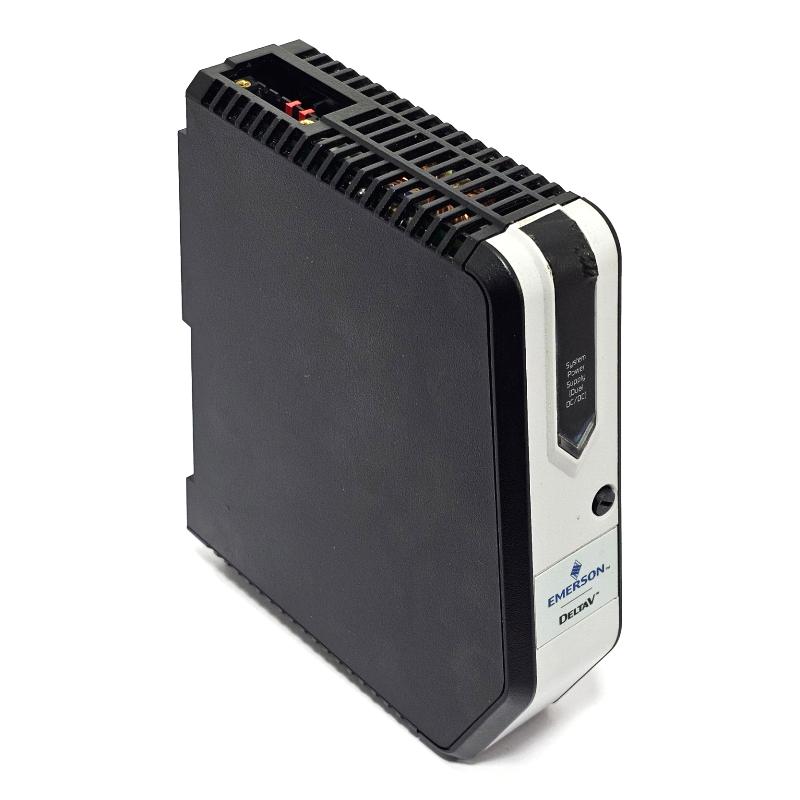
Product Overview
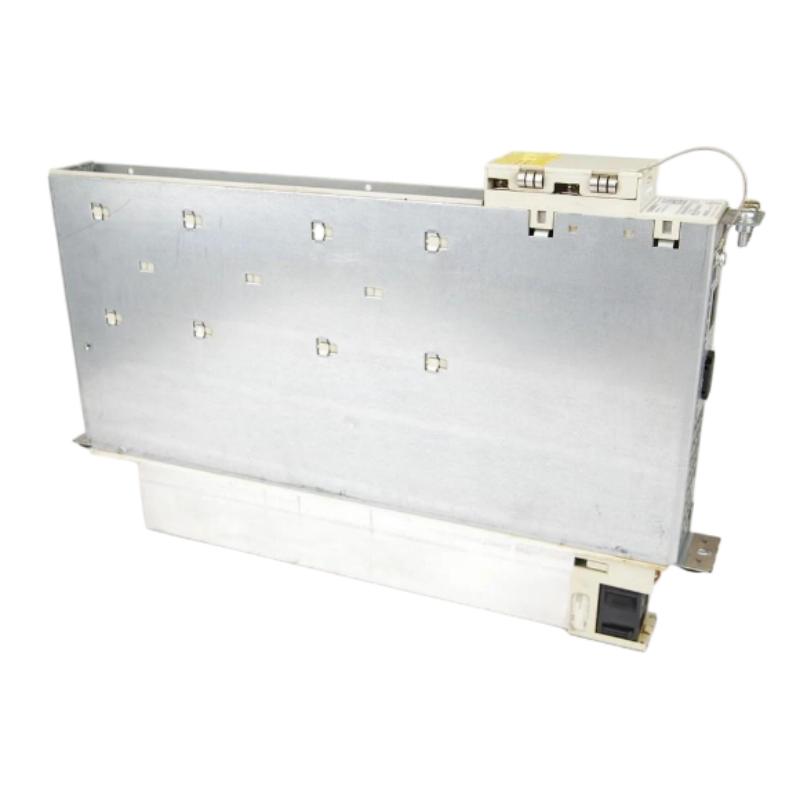
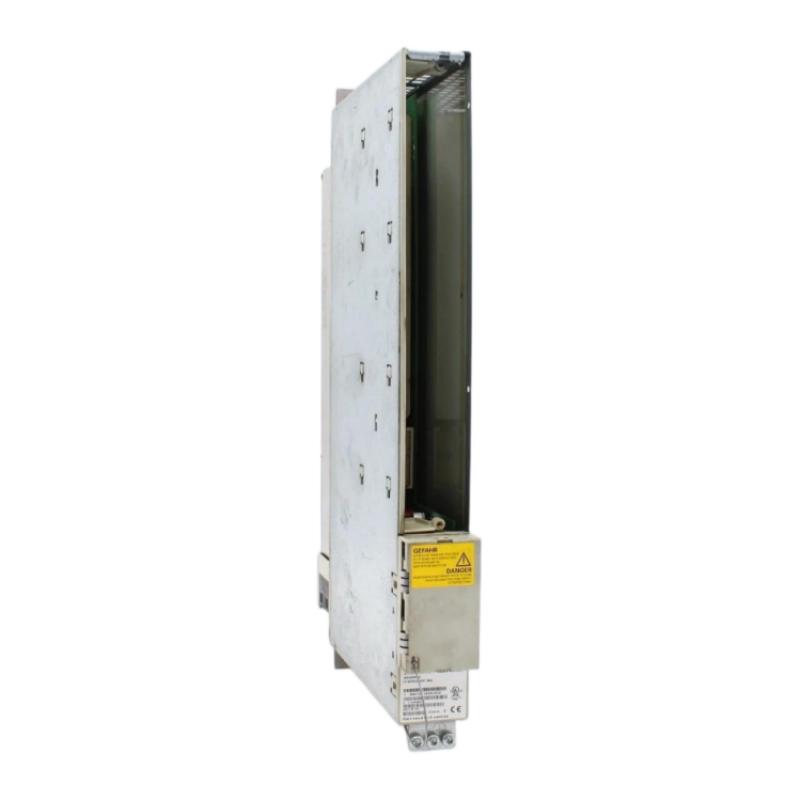
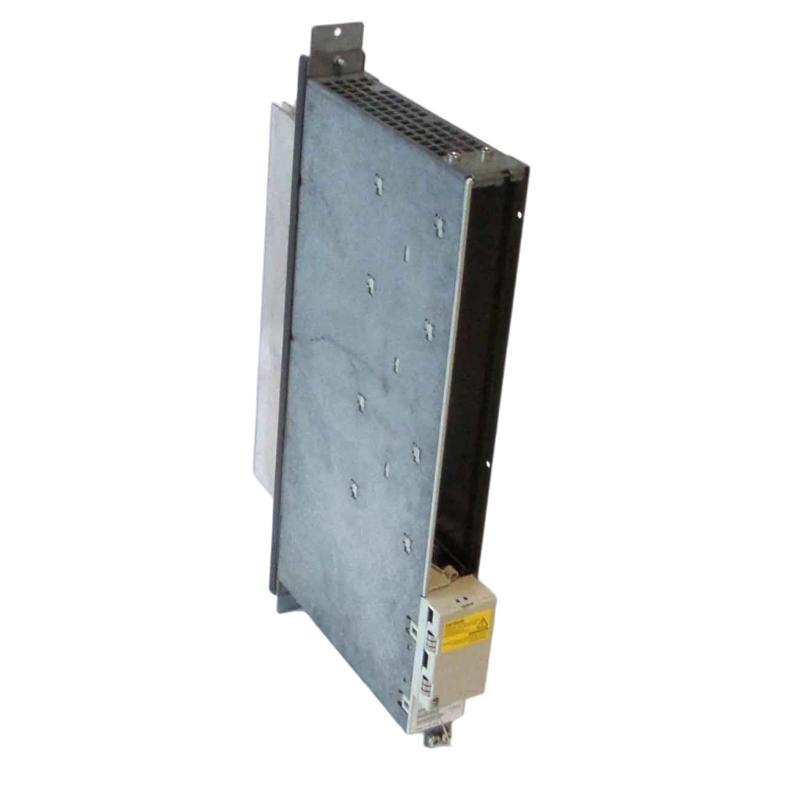
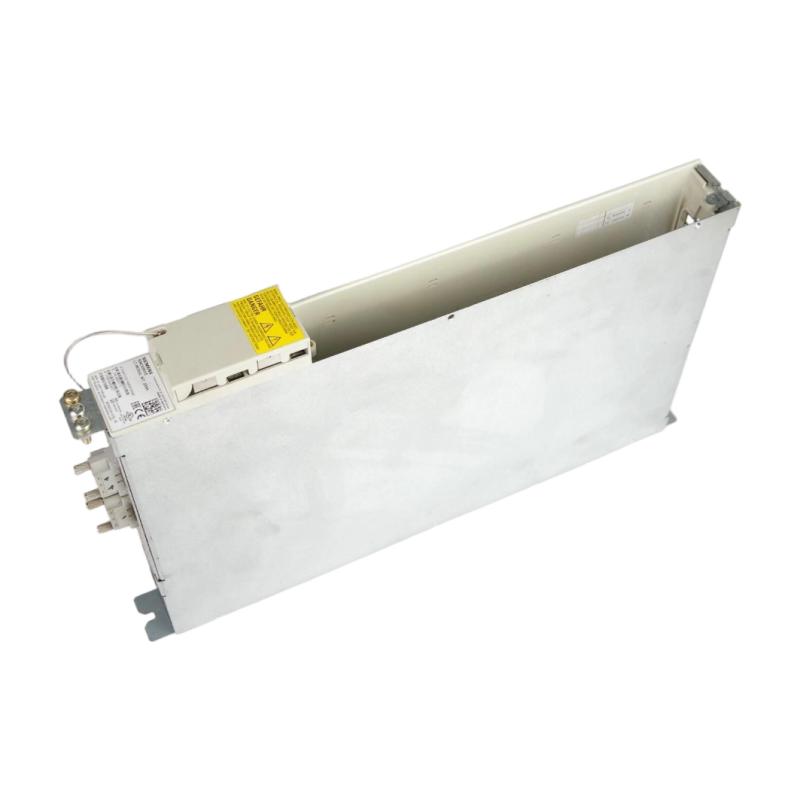
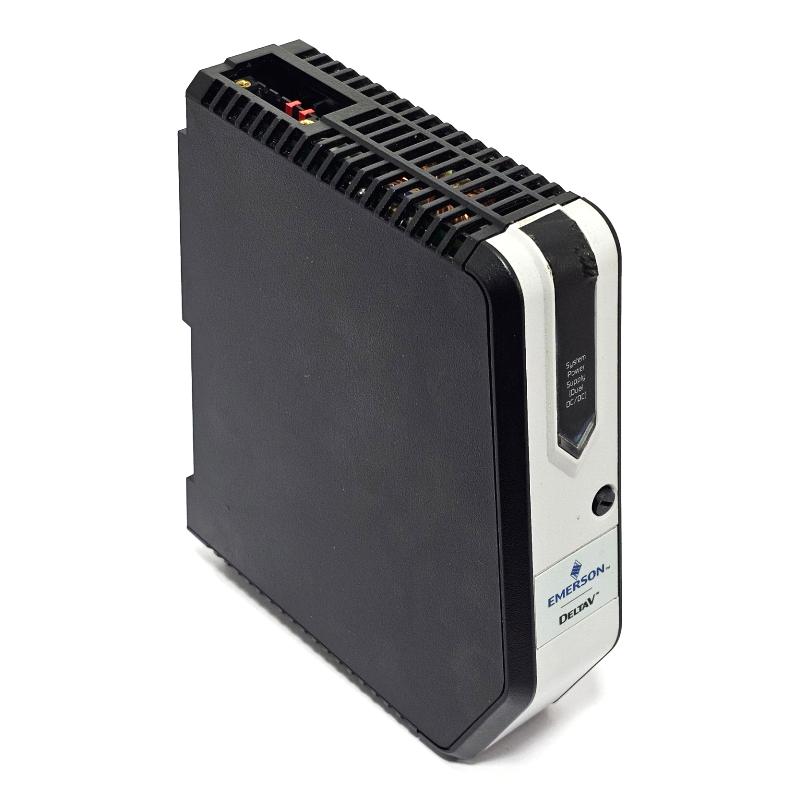
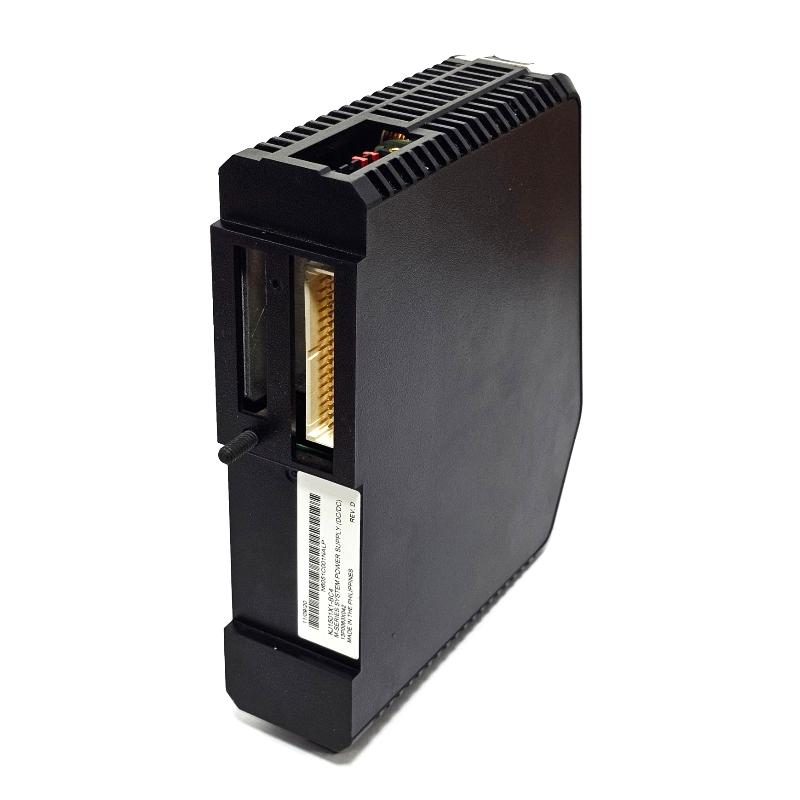
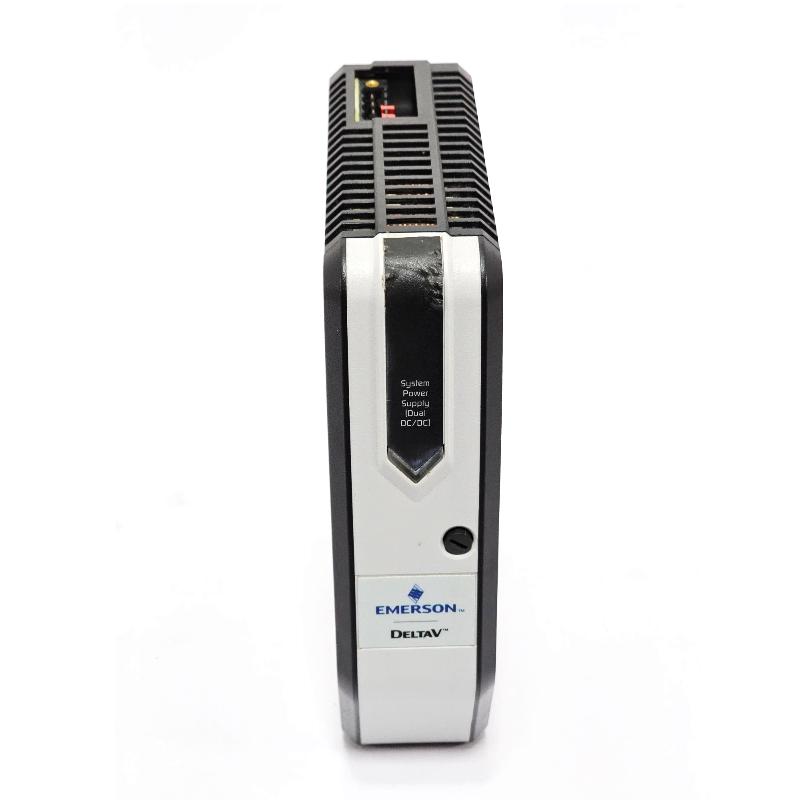
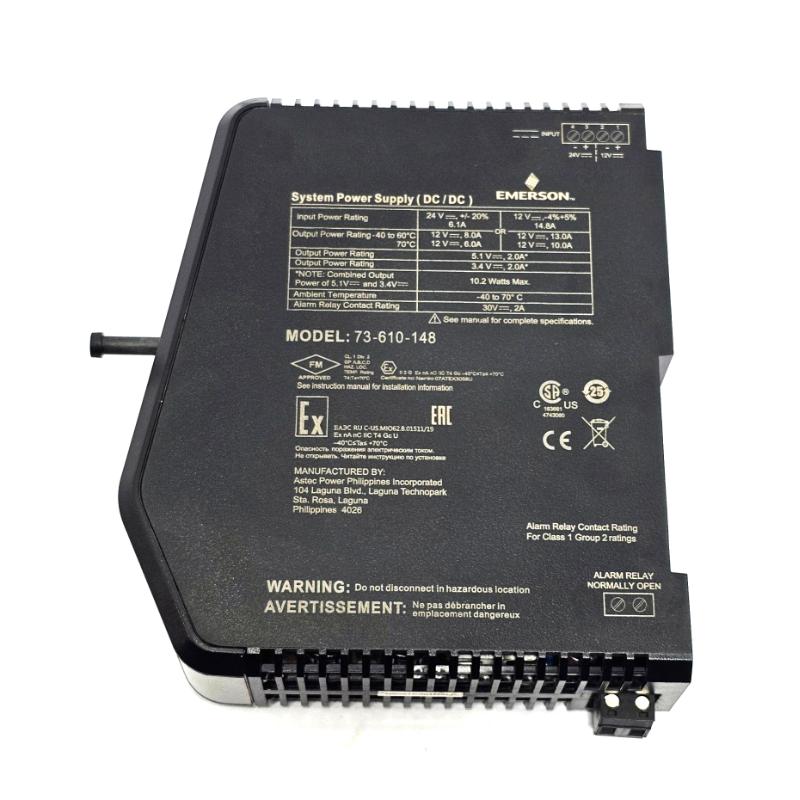
The Emerson KJ1501X1-BC4 Power Supply Module (DC/DC) is a DC/DC power conversion component used within industrial automation and process-control systems. Its job is to take an available DC input and convert it into a suitable DC output for associated control-system hardware.
Unlike an I/O module or controller, the KJ1501X1-BC4 does not execute control strategies or process field signals. It belongs to the power infrastructure of the automation system and supports the electrical requirements of the equipment connected downstream.
The DC/DC architecture is particularly useful where the available cabinet or system power is already DC but the connected automation hardware requires a different regulated DC supply. In this arrangement, the power module provides electrical separation between the source supply conditions and the requirements of the downstream equipment.
For maintenance and replacement work, the complete KJ1501X1-BC4 designation should be retained. The input/output voltage relationship, load requirements, wiring arrangement, and compatibility with the installed control-system architecture should all be checked before installation.
Technical Specifications
| Parameter | Specification |
|---|---|
| Manufacturer | Emerson |
| Model | KJ1501X1-BC4 |
| Product Type | DC/DC Power Supply Module |
| Primary Function | DC-to-DC Power Conversion |
| System Role | Power Supply Layer |
| Application | Industrial Automation / Process Control |
| Input Type | DC |
| Output Type | DC |
| Dimensions | 125 × 105 × 40 mm |
| Weight | 0.35 kg |
The supplied physical specifications are 125 × 105 × 40 mm with a stated weight of 0.35 kg.
The exact electrical input range, output voltage, current capacity, and allowable load should be verified against the intended installation before selecting the module for replacement or system expansion.
Product Features
The KJ1501X1-BC4 is focused on DC power conversion within an industrial control architecture.
Key characteristics include:
- Emerson KJ1501X1-BC4 power supply module
- DC/DC power conversion architecture
- Designed for industrial automation systems
- Converts one DC supply condition into another required DC supply
- Suitable for control-system power infrastructure
- Supports downstream automation hardware
- Compact cabinet-oriented construction
- Suitable for system replacement and maintenance applications
- Can be integrated into distributed control-system power arrangements
- Helps separate upstream DC supply conditions from downstream load requirements
- Dimensions of 125 × 105 × 40 mm
- Stated weight of 0.35 kg
The module should be evaluated according to the actual electrical load rather than its physical size. A correct replacement needs to satisfy both the available DC input and the requirements of the equipment receiving the converted output.
Working Principle
The KJ1501X1-BC4 works as a DC/DC conversion stage between the available DC source and the downstream automation equipment.
A simplified arrangement is:
DC Source → KJ1501X1-BC4 → Regulated DC Output → Control-System Hardware
The module receives DC power at its input and converts it to the appropriate DC output required by the connected equipment.
The purpose of this arrangement is not simply to reduce or increase voltage. In an industrial automation system, the power supply must maintain a suitable electrical output while the connected load changes within its specified operating range.
For example, a control cabinet may have a common DC supply available from an upstream power system, while a particular automation subsystem requires a different DC voltage. A DC/DC power supply provides the conversion stage between these two electrical domains.
This makes the module particularly relevant to distributed control cabinets where different hardware sections have different power requirements.
Role in a Control System Power Architecture
The KJ1501X1-BC4 operates below the controller and I/O layers.
A typical power arrangement can be represented as:
DC Power Source → Protection / Distribution → KJ1501X1-BC4 → Automation Hardware → Controllers / I/O / Communication Equipment
The power module does not determine process-control decisions. Instead, it supplies the electrical conditions required for other modules to perform their functions.
This distinction is useful during troubleshooting. If several automation modules experience simultaneous resets, communication interruptions, or power-related alarms, the common power-distribution path should be checked before assuming that each individual controller or I/O module has failed.
For cabinet expansion, the additional load should also be calculated before connecting new equipment to the converted DC output.
Industrial Applications
The KJ1501X1-BC4 is suitable for industrial automation installations where DC power conversion is required.
| Application | Typical Power Requirement |
|---|---|
| Process Control Cabinets | DC supply conversion for automation hardware |
| Distributed Control Systems | Supplying compatible control-system equipment |
| Industrial Automation | Providing converted DC power to control components |
| Oil and Gas Systems | Supporting DC-powered automation infrastructure |
| Chemical Processing | Supplying control and monitoring equipment |
| Power Generation | Supporting auxiliary automation hardware |
| Water Treatment | DC power conversion within control cabinets |
| Utility Equipment | Supplying distributed control components |
The actual application should be determined by the electrical requirements of the connected equipment and the installed system architecture.
Installation and Maintenance
The KJ1501X1-BC4 should be installed in an appropriate control cabinet with adequate space for wiring, inspection, ventilation, and maintenance.
Because it is a DC/DC power supply, both sides of the conversion stage require careful attention. The input supply must be suitable for the module, while the output must remain compatible with the connected load.
Recommended checks include:
- Confirm the complete KJ1501X1-BC4 model.
- Verify the DC input requirements.
- Confirm the required DC output.
- Check the connected load current.
- Calculate the total downstream power demand.
- Verify upstream DC protection.
- Inspect input wiring.
- Inspect output wiring.
- Confirm terminal tightness.
- Check polarity before energizing.
- Verify grounding arrangements where applicable.
- Inspect the module for overheating or physical damage.
- Check cabinet ventilation.
- Measure the output under normal load conditions.
- Monitor the downstream equipment after commissioning.
If the output voltage is abnormal, do not immediately assume the module itself has failed. An overloaded output, incorrect wiring, unsuitable input supply, poor terminal connection, or downstream short circuit can produce similar symptoms.
Related Components
The KJ1501X1-BC4 normally works with several components within an industrial power architecture.
| Component | Function |
|---|---|
| DC Power Source | Provides the incoming DC supply |
| Circuit Protection | Protects the DC power circuit |
| KJ1501X1-BC4 | Converts the DC input into the required DC output |
| Terminal Blocks | Provide electrical termination |
| DC Distribution System | Distributes power to downstream loads |
| DeltaV / Control Hardware | Uses the supplied power for automation functions |
| I/O Modules | Process field signals |
| Communication Modules | Handle system and device communication |
| Controller | Executes configured control strategies |
| Control Cabinet | Houses the power and automation hardware |
The complete power path should be evaluated during commissioning because the power supply’s performance depends on the source, wiring, protection, load, and cabinet environment.
Recommended Related Models
Related Emerson power products should be selected according to the available DC source, required output voltage, load capacity, mounting arrangement, and system architecture.
| Model / Product Family | Product Type | Typical Application |
|---|---|---|
| Emerson KJ1501X1-BC4 | DC/DC Power Supply Module | DC power conversion |
| Emerson KJ1501X1-BC2 | Power Supply Module | Industrial control-system power |
| Emerson DeltaV Power Supply Modules | Power Supply Hardware | Control-system power infrastructure |
| Emerson DeltaV Controllers | Controller Hardware | Process-control execution |
| Emerson DeltaV I/O Modules | I/O Hardware | Field signal interface |
| Emerson DeltaV Communication Hardware | Communication Hardware | Control-system communication |
The KJ1501X1-BC2 can be considered when the application requires a different power-supply configuration, but it should not be treated as a direct substitute based only on the product-family name. The electrical specifications and system configuration must be matched first.
Key Advantages
- Emerson KJ1501X1-BC4 Power Supply Module.
- DC/DC power conversion architecture.
- Suitable for industrial automation systems.
- Provides a dedicated DC power-conversion stage.
- Supports downstream control-system hardware.
- Suitable for cabinet-based power architectures.
- Useful for DC-powered distributed control systems.
- Can help accommodate different DC voltage requirements within an automation cabinet.
- Compact installation format.
- Dimensions of 125 × 105 × 40 mm.
- Stated weight of 0.35 kg.
Technical FAQs
What is the main difference between a DC/DC power supply and a conventional AC/DC power supply?
A DC/DC power supply receives DC power at its input and converts it into the required DC output. An AC/DC power supply, by contrast, starts with an AC input and converts it to DC. The KJ1501X1-BC4 therefore belongs to the DC-to-DC conversion stage of the power architecture.
How should the KJ1501X1-BC4 be selected for a new automation cabinet?
Start with the available DC source and determine the required downstream voltage and current. The total load of the connected controllers, I/O hardware, communication equipment, and other devices should then be calculated. Input compatibility, output capacity, protection, wiring, and cabinet conditions should all be checked before installation.
What could cause the KJ1501X1-BC4 output to drop when equipment is connected?
A drop under load can result from excessive downstream demand, an unsuitable input supply, incorrect wiring, poor terminals, or a fault in the connected equipment. Measuring the input and output conditions both with and without the load can help determine whether the problem originates on the supply side or the load side.
Why is polarity especially important when installing a DC/DC power supply?
Unlike many AC connections, DC circuits have defined positive and negative conductors. Reversed polarity can prevent equipment from operating correctly and may damage sensitive downstream hardware depending on the circuit design. Input and output polarity should therefore be verified before energizing the system.