

ProductPRODUCT
Featured products

Contact Us
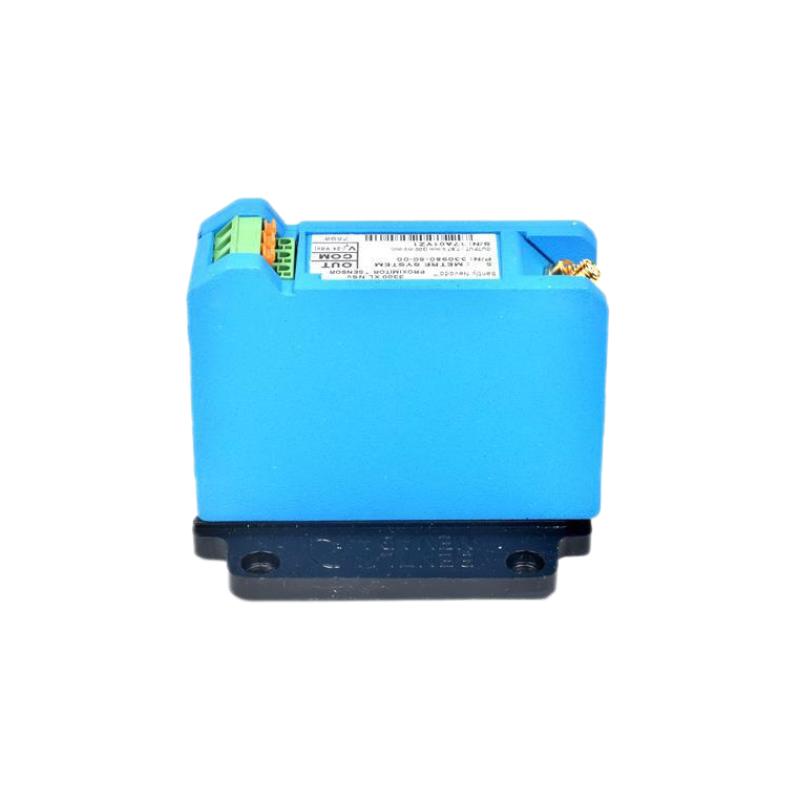
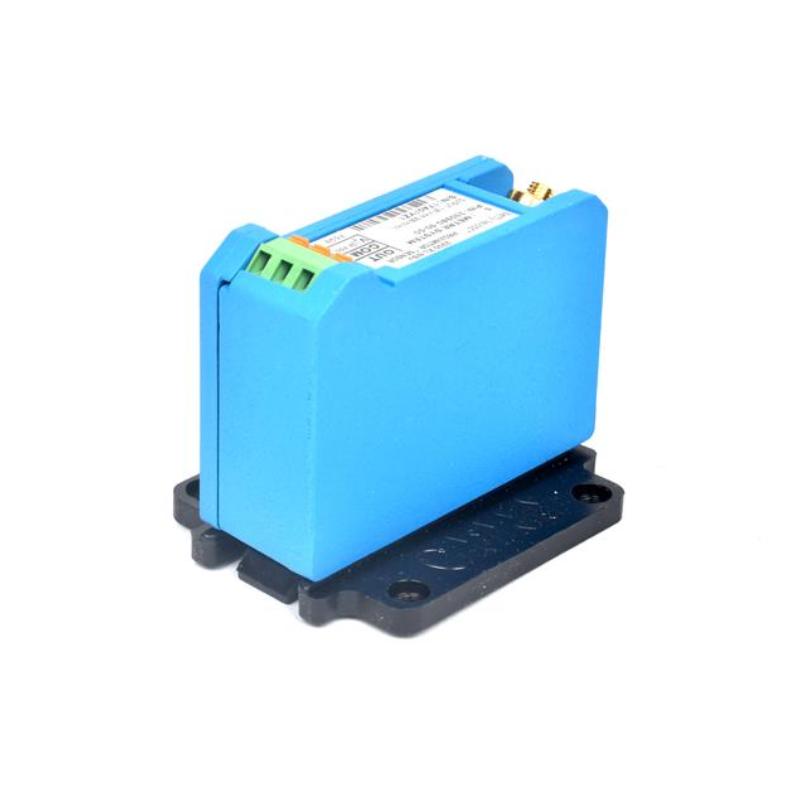
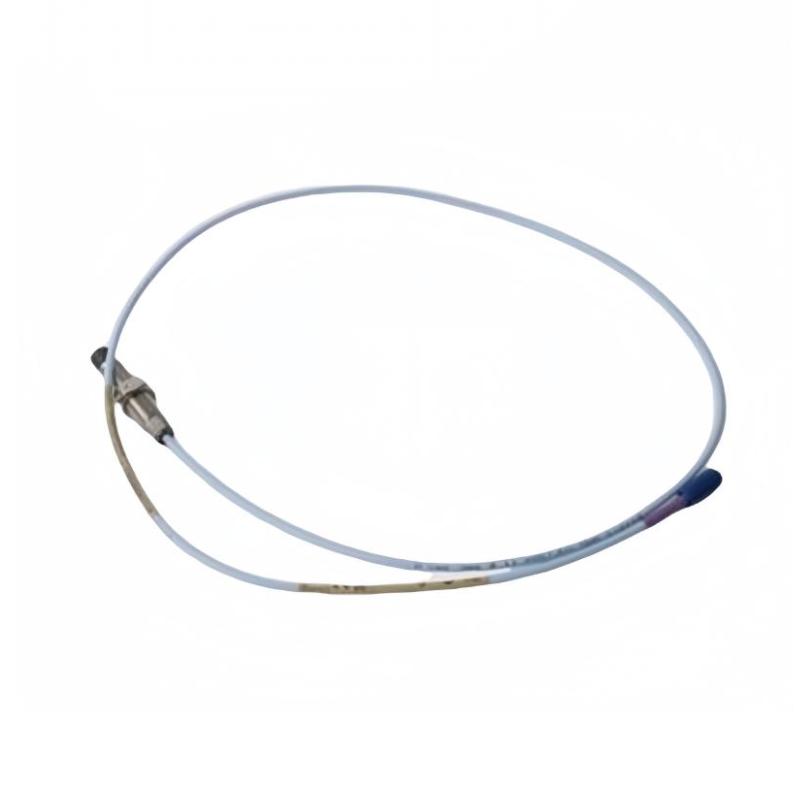
- Bently Nevada
- 74712-06-03-04-00
- High Temperature Two-Wire Seismoprobe Velocity Transducer
- USA
- 410 × 240 × 230 mm
- 1kg
- Xiamen, China
- New & In Stock
- T/T, PayPal, Western Union
- 1 Year
- 1-3 Working Days
- DHL, UPS, TNT, FedEx and EMS.
- 24-Hour Service
- COO
- 3
Our advantage

Global Logistics
We have a 10-year logistics and express cooperation agreement, so our products can be shipped to any place in the world.

Brand new and original
Our products are imported in bulk from the place of origin. Because of the cooperative relationship, our products are all original and 100% new.

24-hour service
We provide 7*24 hours service to our customers. We will be there whenever you need us.

Price advantage
All our products are priced very favorably because we have our own warehouse and supply.
| Company Information | |||
| [email protected] | |||
| Mobile | +8615980777398 | ||
| +8615980777398 | |||
| 15980777398 |
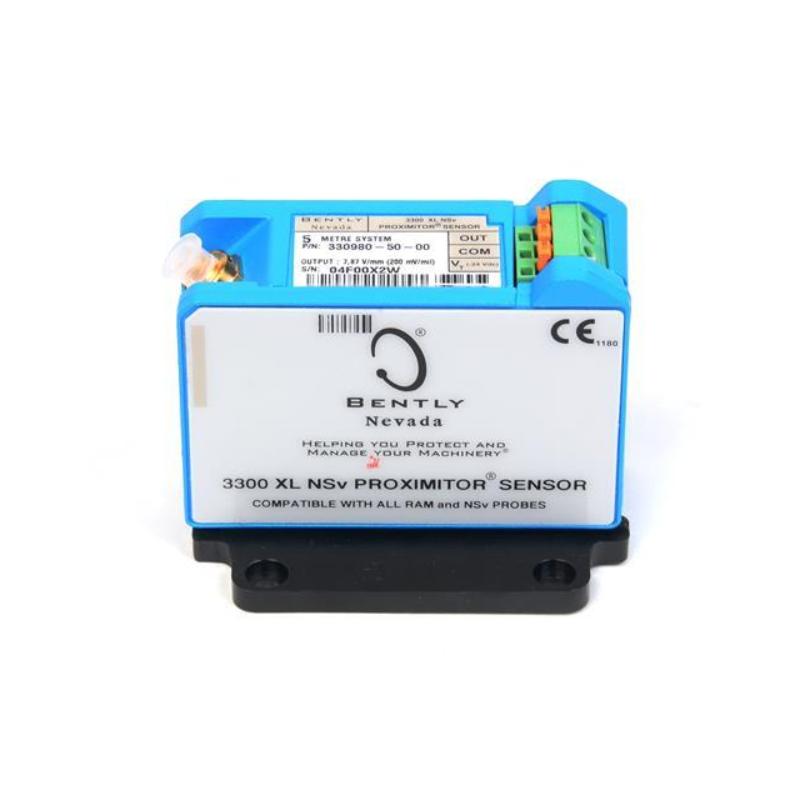
Bently Nevada 74712-06-03-04-00 — Product Specifications, Technical Overview, Applications, Advantages, and Related Models
1. Product Overview
Bently Nevada 74712-06-03-04-00 is the specific model number identified for this product evaluation. Bently Nevada is a brand associated with industrial instrumentation, machinery condition monitoring, vibration measurement, and equipment protection systems.
In industrial environments, accurately identifying a component is essential for purchasing, equipment maintenance, spare-parts management, and replacement planning. A complete part number may represent a particular hardware configuration, assembly, cable arrangement, sensor option, or other product-specific variation.
Important technical clarification: The exact product description and manufacturer-defined specifications for model 74712-06-03-04-00 cannot be established confidently from the part number alone in this offline response. The model should not be assigned an unverified product function, series, electrical rating, or physical specification. The following report provides an industrial technical overview, identifies the details that require confirmation, and lists related product candidates without claiming that they are direct replacements.
2. Detailed Product Parameters
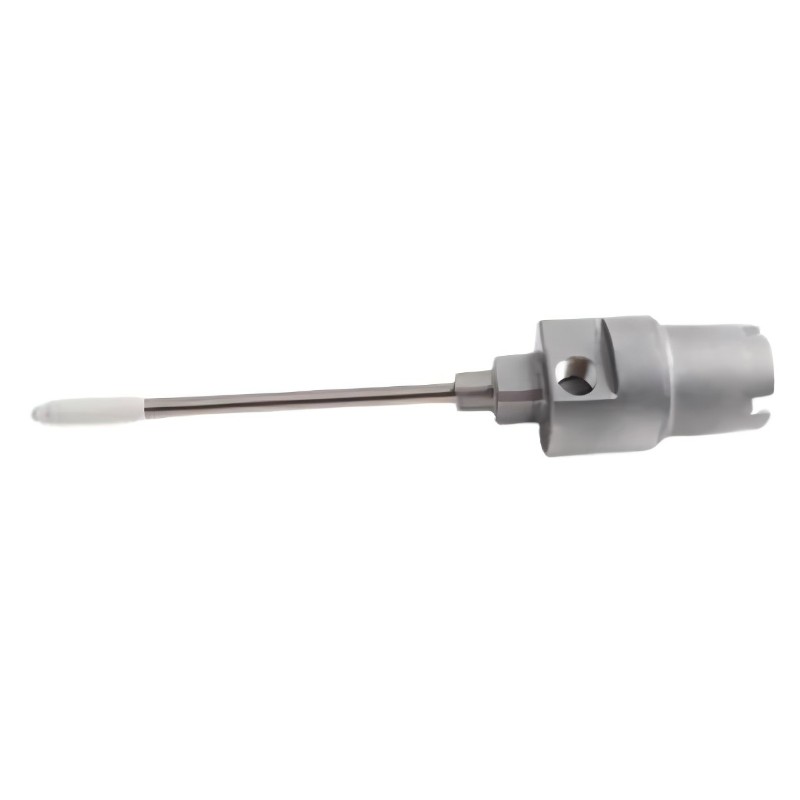
The 74712-06-03-04-00 is a high-temperature Seismoprobe velocity transducer. It uses a two-wire moving-coil design to measure absolute vibration velocity, making it suitable for compatible machinery installations where casing or bearing-housing vibration needs to be monitored.
2.1 General Specifications
| Parameter | Technical Specification |
|---|---|
| Brand | Bently Nevada |
| Complete Model Number | 74712-06-03-04-00 |
| Product Name | High-Temperature Seismoprobe Velocity Transducer |
| Product Series | 74712 Seismoprobe |
| Product Category | Industrial vibration measurement sensor |
| Transducer Type | Two-wire moving-coil velocity transducer |
| Measurement Principle | Electromagnetic induction |
| Primary Measurement | Absolute vibration velocity |
| Output Type | Self-generating voltage proportional to vibration velocity |
| Sensitivity | 20 mV/mm/s (500 mV/in/s), ±5% |
| Frequency Response | 10–1,000 Hz, typical +0/−3 dB |
| Minimum Operating Frequency | 10 Hz (600 CPM) |
| Coil Resistance | 1.25 kΩ ±5% |
| Locked-Coil Inductance | Approximately 125 mH, typical |
| Recommended Load Resistance | 10 kΩ, subject to the applicable system configuration |
| Dynamic Displacement Range | Approximately 2.54 mm peak-to-peak |
| Velocity Range | 25 mm/s at 100 Hz, under specified conditions |
| Mounting Orientation | 0° nominal orientation, with the specified ±100° operating-angle option |
| Mounting Base | Rectangular flange |
| Connector Arrangement | Side-mounted connector |
| Approval Option | 00 — no agency approvals |
| Case Material | Anodized aluminum, configuration-dependent details to be confirmed |
| Operating Temperature | −29°C to +204°C |
| Storage Temperature | −29°C to +204°C |
| Overall Height | Approximately 102 mm, typical |
| Body Diameter | Approximately 41 mm, typical |
| Dimensions (mm) | Approximately 102 mm high × 41 mm diameter; confirm the dimensional drawing |
| Weight (kg) | Approximately 0.48 kg |
| Power Supply | No separate excitation supply required by the self-generating moving-coil element |
| Typical Installation | Suitable rigid mounting point on a machine casing or bearing housing |
| Compatible Equipment | Monitoring or diagnostic equipment designed for the specified velocity-transducer output |
| Replacement Requirement | Verify the full part number, mounting, connector, input loading, and monitoring compatibility |
Dimensional note: The stated height and diameter are typical physical references, not a guaranteed installation envelope. Allow for mounting clearance, the connector, cable routing, and any installation hardware.
2.2 Understanding the Model Number
The complete part number identifies the particular mechanical and electrical configuration of the transducer. The suffixes should be retained when purchasing a replacement.
| Part Number Segment | Configuration Meaning |
|---|---|
| 74712 | High-temperature Seismoprobe velocity transducer family |
| 06 | 0° mounting orientation option, ±100° operating-angle specification, 10 Hz minimum operating frequency |
| 03 | Rectangular-flange mounting base |
| 04 | Side-mounted connector |
| 00 | No agency approval option |
The code should be read as a complete configuration rather than as a general model designation. A transducer with a different mounting base or connector arrangement may require mechanical changes, a different cable arrangement, or a separate compatibility assessment.
2.3 Electrical and Measurement Characteristics
The transducer operates through a moving-coil mechanism. When the machine casing or bearing housing vibrates, the relative movement inside the transducer generates an electrical signal proportional to vibration velocity.
The signal can be connected to compatible monitoring or diagnostic instrumentation. The receiving equipment must be configured for the specified sensitivity and input requirements so that the displayed measurement accurately represents the physical vibration.
The nominal sensitivity of 20 mV/mm/s means that a vibration velocity of 1 mm/s produces approximately 20 mV under the stated measurement conditions. At 5 mm/s, the corresponding output would be approximately 100 mV, assuming linear operation within the specified range.
The 10–1,000 Hz frequency response makes the sensor relevant to many machinery vibration applications. Actual performance depends on mounting stiffness, cable arrangement, the receiving instrument, environmental conditions, and the operating limits of the complete measurement system.
3. Product Introduction
The Bently Nevada 74712-06-03-04-00 is designed for high-temperature vibration measurement in industrial machinery applications.
Unlike a proximity probe, which measures the distance between a sensor tip and a target surface, this transducer measures absolute vibration velocity at the location where it is mounted. This distinction is important when selecting an instrument for machinery condition monitoring.
The 74712 uses a moving-coil mechanism to generate its measurement signal. Because the sensing element generates its own voltage in response to mechanical vibration, the transducer itself does not require a separate excitation supply. The associated monitoring instrument must still provide a suitable electrical input and signal-processing arrangement.
3.1 How the Product Works
The measurement process can be understood in three stages.
Stage 1: Mechanical vibration. The machine casing, bearing housing, or another suitable structural mounting point vibrates during operation.
Stage 2: Signal generation. The internal moving-coil mechanism responds to the movement and generates a voltage proportional to vibration velocity.
Stage 3: Monitoring and evaluation. Compatible instrumentation receives the signal and displays or records the measurement. Maintenance personnel can then compare vibration levels with operating history, alarm settings, and applicable engineering criteria.
This approach provides useful information about the motion of the machine structure. It does not directly measure shaft-relative displacement, and it should not be treated as a replacement for a proximity probe when shaft-relative measurement is required.
3.2 Design Characteristics
The 74712 product family is intended for installations that require a velocity transducer capable of operating at elevated temperatures.
Its two-wire moving-coil design avoids the need for a separate excitation supply at the transducer. Its side-mounted connector and rectangular-flange mounting arrangement define how the particular configuration is installed and connected.
These characteristics can be useful in established monitoring installations where the required measurement type, operating temperature, mounting geometry, and receiving instrument have already been specified.
4. Main Product Applications
4.1 Bearing-Housing Vibration Monitoring
Bearing housings are common locations for vibration measurements because they provide information about the movement of the machine structure supporting the rotating assembly.
The 74712 may be installed at a suitable bearing-housing location to measure absolute vibration velocity. The resulting data can help maintenance personnel identify changes in vibration behavior and determine whether further inspection is warranted.
Possible causes of unusual readings include imbalance, looseness, misalignment, structural resonance, bearing-related problems, and changes in operating conditions. A velocity measurement alone does not conclusively identify the fault; diagnosis should consider other measurements and the machine’s operating history.
4.2 Turbine and Generator Monitoring
Turbines and generators contain high-value rotating assemblies that often operate continuously under demanding conditions.
Where casing or bearing-housing vibration is the required measurement, a suitable velocity transducer can contribute to the monitoring arrangement. The 74712’s high-temperature capability may be relevant at installation points exposed to elevated temperatures within its specified limits.
Before installation, engineers should assess the local temperature, vibration level, mounting surface, cable route, and receiving instrument. The transducer should not be placed in a location where the mounting surface or local environment exceeds its documented limits.
4.3 Compressor Monitoring
Industrial compressors are commonly used in energy, chemical processing, manufacturing, and other continuous-process operations.
Vibration velocity measurements can help track changes in casing motion and support maintenance investigations. The 74712 may be considered where a compatible absolute-vibration measurement is required.
The appropriate sensor location depends on compressor construction, bearing arrangement, operating speed, and the monitoring strategy. A qualified engineer should determine whether velocity, acceleration, or shaft-relative displacement is the most appropriate measurement.
4.4 Pump and Motor Installations
Pumps and motors can develop vibration changes because of hydraulic forces, mechanical imbalance, looseness, alignment problems, or deterioration of supporting components.
A casing-mounted velocity transducer can provide useful measurements when the monitoring system is designed for that measurement type.
The 74712 may be suitable for applicable installations requiring elevated-temperature capability. The temperature rating should not be interpreted as permission to install the sensor directly on any hot surface; the mounting location and actual thermal exposure must remain within the specified limits.
4.5 Structural Vibration Measurement
Some industrial applications require measurement of vibration at rigid structural points rather than direct shaft measurement.
Examples include machine support structures, suitable equipment housings, and structural points where absolute vibration is part of a condition-monitoring program.
A velocity transducer can help assess the vibration response of these structures. Mounting rigidity is especially important because a poorly attached sensor may measure local mounting movement rather than the intended machine behavior.
4.6 Condition-Based Maintenance
Condition-based maintenance relies on actual equipment condition rather than a fixed maintenance interval alone.
Vibration velocity readings from an appropriate sensor can be recorded over time and compared with baseline measurements. Changes in magnitude, frequency content, or operating-state behavior may indicate that a machine requires further investigation.
The 74712 can contribute to such a strategy when it is correctly installed and connected to compatible instrumentation. The value of the data depends on consistent sensor placement, suitable measurement settings, accurate records, and qualified interpretation.
5. Product Advantages
5.1 High-Temperature Capability
One of the principal characteristics of the 74712 family is its elevated operating-temperature capability.
The specified range extends to +204°C, which may make the transducer suitable for installations where some conventional vibration sensors cannot meet the environmental requirements.
The temperature rating applies to the transducer under its specified conditions. Connector components, cables, mounting hardware, and receiving instrumentation must also be suitable for their respective environments.
5.2 Self-Generating Measurement Signal
The moving-coil principle produces an output voltage in response to vibration without requiring separate excitation of the sensing element.
This simplifies the power requirements at the sensor itself. It does not eliminate the need for appropriate input circuitry, correct cable connections, or suitable signal conditioning in the monitoring system.
5.3 Direct Vibration-Velocity Output
The transducer provides an output proportional to vibration velocity.
Velocity is a widely used parameter for assessing vibration in many industrial machines. It can support trend monitoring, comparison with established baseline values, and investigation of changes in mechanical behavior.
The most suitable measurement parameter still depends on the machine, the fault of interest, and the applicable engineering standard.
5.4 Defined Mounting Configuration
The specified rectangular-flange base and side-mounted connector help establish the physical arrangement of the sensor.
For replacement work, matching these details can reduce unnecessary mechanical modifications and help preserve the original cable routing. The complete installation drawing should be checked before assuming that a visually similar unit will fit.
5.5 Broad Industrial Monitoring Relevance
The Seismoprobe velocity-transducer concept is relevant to many rotating machinery applications.
It can support vibration measurement on suitable bearing housings, machine casings, and structural locations when the operating environment and signal requirements are appropriate.
This versatility does not mean that the same configuration is suitable for every machine. Sensor selection should always be based on the measurement objective and the specific installation.
5.6 Useful for Maintenance and Replacement Planning
The full model number provides a practical reference for spare-parts management.
Maintaining accurate inventory records, installation locations, hardware details, and replacement history helps technicians select the correct component during maintenance or an unplanned shutdown.
For this model, retaining the complete 74712-06-03-04-00 designation is particularly important because mounting, connector, and approval options can differ between configurations.
6. Brand and Product Series
6.1 Brand Information
| Parameter | Description |
|---|---|
| Brand | Bently Nevada |
| Industry | Industrial instrumentation and machinery condition monitoring |
| Product Category | Vibration measurement |
| Product Type | High-temperature velocity transducer |
| Product Family | 74712 Seismoprobe |
| Measurement Method | Two-wire moving-coil velocity measurement |
| Typical Equipment | Turbines, compressors, pumps, motors, and industrial machinery |
| Main Purpose | Absolute vibration measurement at suitable mounting locations |
6.2 Product Series: 74712 Seismoprobe
The 74712 belongs to the Seismoprobe velocity-transducer family. It is a high-temperature version of the related 9200 Seismoprobe family.
Both families use the moving-coil principle to measure absolute vibration velocity. The key selection consideration is whether the particular model meets the installation’s temperature requirements, mounting requirements, and electrical interface specifications.
The 74712-06-03-04-00 is not simply a generic vibration sensor. Its complete ordering code specifies a particular mounting orientation, minimum operating frequency, mounting base, connector arrangement, and approval option.
7. Five Related Models and Product Configurations
The following models and product families are relevant for technical evaluation. They include configurations from the same Seismoprobe family and other vibration-monitoring products that may be useful in related applications.
A different configuration is not automatically an interchangeable replacement. Dimensions and weights marked as unverified require confirmation against the exact part number.
| Model | Product Name | Main Parameters | Typical Application | Dimensions (mm) | Weight (kg) |
|---|---|---|---|---|---|
| 74712-06-05-03-00 | High-Temperature Seismoprobe Velocity Transducer | 74712 family; 10 Hz minimum frequency option; no-base mounting configuration; terminal-block connection option | High-temperature absolute-vibration measurement where the mounting arrangement matches | Approximately 102 mm high × 41 mm diameter, typical family reference; verify drawing | Approximately 0.48 kg, typical family reference |
| 74712-03-11-02-00 | Seismoprobe Velocity Transducer Configuration | 74712 family; different configuration code requiring confirmation of mounting, frequency, and connector options | Compatible vibration-monitoring installations | Not independently verified | Not independently verified |
| 9200 Seismoprobe | Velocity Transducer | Two-wire moving-coil technology; absolute vibration-velocity output; temperature capability differs from the high-temperature 74712 family | Standard-temperature casing and bearing-housing vibration | Depends on complete configuration | Not independently verified |
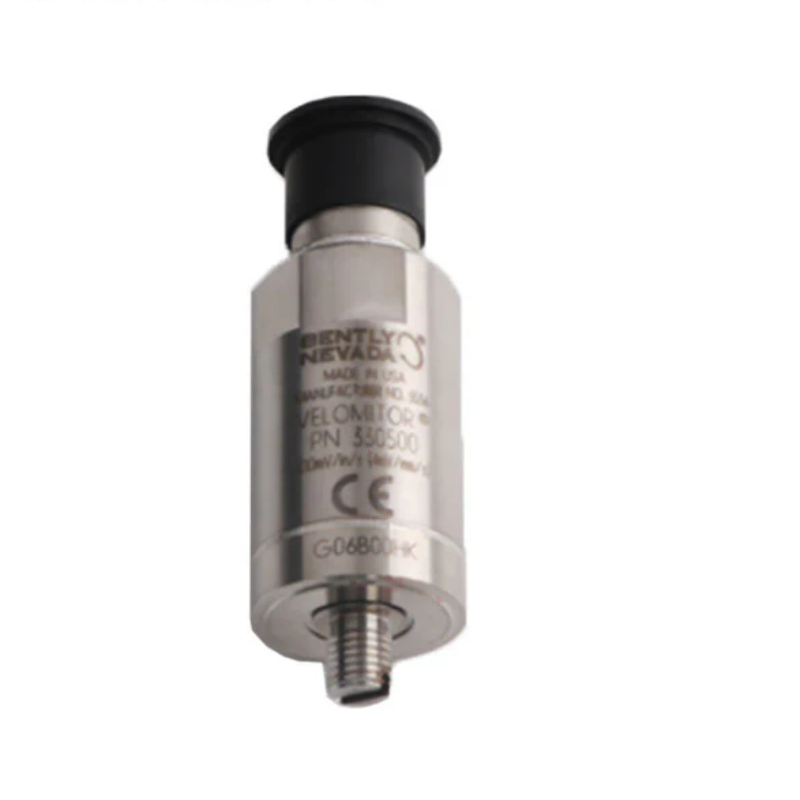
| 330500-01-04 | Velomitor Piezo-Velocity Transducer | Solid-state velocity sensing; electrical characteristics and temperature limits depend on the specific configuration | Compatible casing and structural vibration monitoring | Not independently verified | Not independently verified |
| 330180-12-00 | 3300 XL Proximitor Sensor | Proximity-probe signal conditioning; requires compatible probe and extension cable | Shaft-relative vibration and displacement measurement | Not independently verified | Not independently verified |
7.1 74712-06-05-03-00
This configuration belongs to the same high-temperature Seismoprobe family and is a useful candidate for comparison.
Its mounting and connection options differ from those of the 74712-06-03-04-00. It should therefore be considered only when the mounting base, connector arrangement, cable termination, and installed monitoring system are compatible.
7.2 74712-03-11-02-00
This is another 74712 configuration designation that may be useful when comparing available Seismoprobe variants.
The exact meaning of each option should be confirmed against the applicable configuration record before purchasing. In particular, verify the minimum operating frequency, mounting arrangement, connector type, and approval requirements.
7.3 9200 Seismoprobe
The 9200 is a related moving-coil velocity-transducer family.
It measures absolute vibration velocity and may be appropriate for installations that do not require the high-temperature capabilities of the 74712 family.
The selection between a 9200 and a 74712 should be based on temperature exposure, mounting details, frequency requirements, and compatibility with the receiving instrument.
7.4 330500-01-04
The 330500 family is associated with Velomitor piezoelectric velocity transducers.
This type of sensor offers a different sensing technology from the moving-coil Seismoprobe. It may be considered for suitable casing-vibration monitoring applications, provided that its output and environmental specifications match the installed instrumentation.
It should not be treated as a direct replacement without an engineering review.
7.5 330180-12-00
The 330180 family is associated with Proximitor sensors used in proximity measurement systems.
Unlike the 74712, which measures absolute vibration velocity, a Proximitor system is generally used with a compatible proximity probe to measure target distance and shaft-relative movement.
This model is relevant when the monitoring requirement concerns shaft displacement rather than casing velocity.
8. Five Other Bently Nevada Models for Broader Industrial Applications
The following models are candidates for wider machinery-monitoring projects. They cover proximity measurement, vibration monitoring, temperature monitoring, and rotational reference functions.
They are not direct substitutes for the 74712-06-03-04-00. Exact dimensions and weights vary by product design and configuration, so they are marked for verification where a dependable model-specific value is unavailable.
| Model | Product Name | Main Parameters or Function | Typical Application | Dimensions (mm) | Weight (kg) |
|---|---|---|---|---|---|
| 330101 | 3300 XL 8 mm Proximity Probe | Non-contact displacement measurement; complete probe length and configuration must be confirmed | Shaft-relative vibration and position measurement | Depends on full part number; verify drawing | Not independently verified |
| 330103 | 3300 XL 8 mm Proximity Probe | Non-contact proximity sensing; requires compatible extension cable and Proximitor | Rotating machinery shaft monitoring | Depends on full part number; verify drawing | Not independently verified |
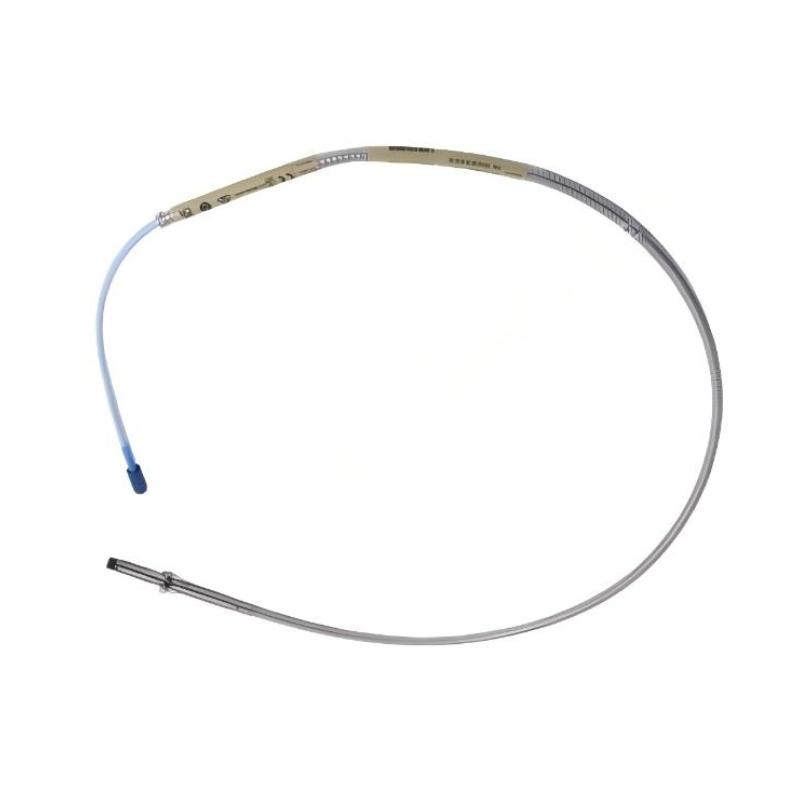
| 330130 | 3300 XL Extension Cable | Connects compatible probe and Proximitor components; length and connector options are configuration-dependent | Proximity measurement installations | Depends on cable length; verify configuration | Not independently verified |
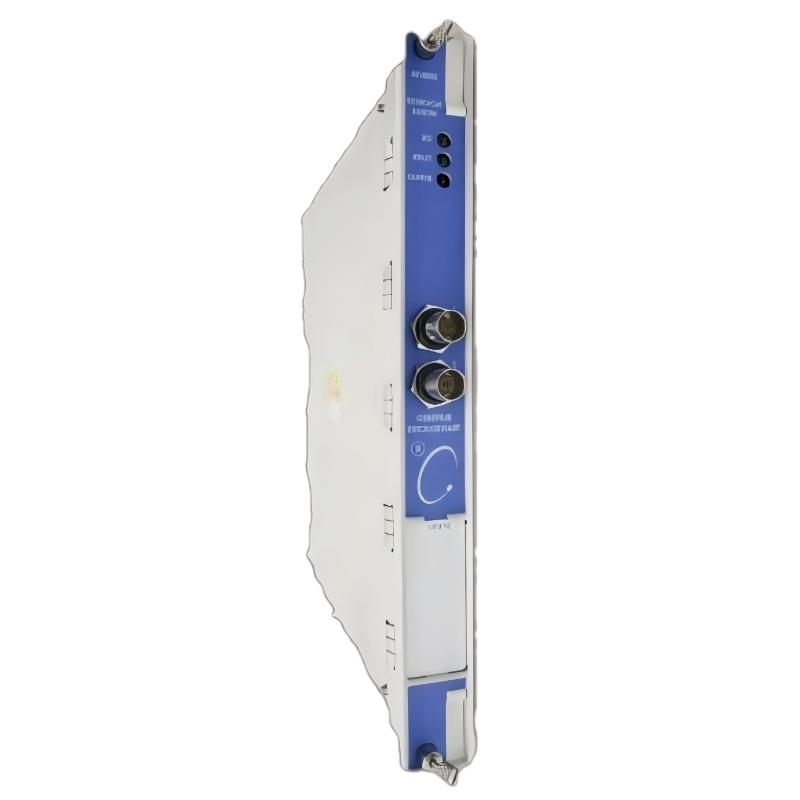
| 3500/42M | Proximitor Seismic Monitor | Multi-channel monitoring of supported vibration and position signals | Machinery condition monitoring and protection | Depends on rack and module configuration | Not independently verified |
| 3500/61 | Temperature Monitor | Temperature monitoring using supported sensor-input configurations | Bearing, housing, and process-equipment temperature monitoring | Depends on module configuration | Not independently verified |
8.1 Model 330101
The 330101 is associated with the 3300 XL 8 mm proximity-probe family.
Proximity probes measure the distance between the probe tip and a suitable conductive target. In rotating machinery, this approach is used for shaft-relative displacement and vibration measurement.
The complete part number is required to confirm the probe’s length, thread arrangement, connector, and compatibility with the rest of the measurement chain.
8.2 Model 330103
The 330103 is another proximity-probe model in the 3300 XL family.
It may be relevant to applications requiring non-contact shaft measurement. Correct selection requires matching the probe to the intended Proximitor sensor, extension cable, mounting arrangement, and monitoring-system input.
8.3 Model 330130
The 330130 is associated with the 3300 XL extension-cable family.
Extension cables form part of the electrical measurement chain between a proximity probe and its compatible Proximitor sensor. The correct cable length and configuration must be selected to maintain the specified system characteristics.
Cable appearance alone is not sufficient to establish compatibility.
8.4 Model 3500/42M
The 3500/42M is a monitoring module used for supported vibration and position measurements.
It is relevant to projects involving a broader machinery monitoring and protection arrangement. Unlike the 74712 transducer, which provides a vibration-velocity signal, this module performs monitoring functions on compatible sensor inputs.
It should be evaluated according to the required channels, sensor types, rack configuration, and protection requirements.
8.5 Model 3500/61
The 3500/61 is a temperature-monitoring module associated with supported temperature-sensor inputs.
Temperature measurements can complement vibration monitoring by helping maintenance personnel evaluate thermal changes in bearings, machinery housings, and other monitored locations.
The correct sensor type, module configuration, wiring arrangement, and monitoring-system compatibility should be verified before installation.
9. Technical Comparison of the Main Options
| Comparison Item | 74712-06-03-04-00 | 9200 Seismoprobe | 330500-01-04 | 330101 | 3500/42M |
|---|---|---|---|---|---|
| Product Type | High-temperature moving-coil transducer | Moving-coil velocity transducer | Piezoelectric velocity transducer | Proximity probe | Monitoring module |
| Measurement Principle | Moving coil | Moving coil | Piezoelectric sensing | Non-contact proximity sensing | Electronic monitoring of supported inputs |
| Primary Measurement | Absolute vibration velocity | Absolute vibration velocity | Vibration velocity | Target distance and shaft-relative displacement | Supported vibration and position parameters |
| High-Temperature Focus | Yes, up to the specified family limit | Depends on the specific installation and configuration | Depends on exact model and rating | Depends on probe configuration | Depends on module and system environment |
| Separate Sensor Excitation | Not required by the moving-coil element | Not required by the moving-coil element | Depends on the sensor design | Requires the compatible measurement system | Not applicable as a standalone sensor |
| Dimensions | Approximately 102 × 41 mm, typical height and diameter | Verify configuration | Verify configuration | Verify complete part number | Verify module and rack arrangement |
| Weight (kg) | Approximately 0.48 kg | Not independently verified | Not independently verified | Not independently verified | Not independently verified |
| Direct Replacement | Reference model | Requires compatibility verification | Requires engineering review | No; different measurement principle | No; different product function |
10. Installation and Maintenance Considerations
Correct installation is essential to obtain meaningful vibration measurements. A high-quality transducer can produce unreliable data if it is mounted incorrectly, connected to unsuitable instrumentation, or operated outside its environmental limits.
10.1 Mounting Surface
The transducer should be installed on a suitable rigid surface at the approved measurement point.
A loose mounting arrangement can introduce unwanted resonance or local movement, resulting in measurements that do not accurately represent the machine’s vibration.
The rectangular-flange configuration must be matched to the intended mounting surface and approved installation method.
10.2 Cable and Connector Arrangement
The side-mounted connector must be accessible and protected from mechanical damage, excessive strain, and unsuitable environmental exposure.
Cable routing should avoid unnecessary tension, sharp bends, and interference with moving components. The wiring and input termination must follow the specified arrangement for the complete transducer and monitoring system.
10.3 Temperature Limits
The operating temperature range is specified as −29°C to +204°C.
Before installation, assess the actual temperature at the mounting location, including temperature changes during startup, shutdown, and abnormal operation.
The sensor’s temperature rating does not automatically establish the rating of the cable, connector, mounting hardware, or associated electronics.
10.4 Calibration and Signal Verification
After installation, verify that the monitoring equipment is configured for the correct transducer sensitivity and input characteristics.
The measured signal should be checked against an appropriate baseline or an approved test procedure. Unexpected readings should be investigated before the measurement is used for machinery-protection decisions.
10.5 Replacement Procedures
When replacing an installed transducer, record the complete part number and verify the mounting arrangement before removal.
After installation, confirm the connector configuration, cable continuity, monitor scaling, signal response, and any applicable alarm or diagnostic settings. Follow the site’s approved machinery-protection and commissioning procedures.
11. Procurement Checklist
| Verification Item | Requirement | Why It Matters |
|---|---|---|
| Full model number | 74712-06-03-04-00 | Ensures the intended configuration is ordered |
| Product series | 74712 Seismoprobe | Confirms the correct product family |
| Measurement type | Absolute vibration velocity | Prevents confusion with proximity or acceleration sensors |
| Sensitivity | 20 mV/mm/s, ±5% | Supports correct monitor scaling |
| Frequency range | 10–1,000 Hz, typical | Confirms suitability for the intended measurement |
| Mounting base | Rectangular flange | Ensures mechanical fit |
| Connector | Side-mounted | Ensures the connection arrangement matches |
| Temperature | −29°C to +204°C | Confirms suitability for the installation environment |
| Dimensions | Approximately 102 mm high × 41 mm diameter | Supports mechanical planning |
| Weight (kg) | Approximately 0.48 kg | Supports handling and inventory planning |
| Approval option | 00 — no agency approvals | Avoids assuming certification that is not specified |
| Receiving instrument | Compatible velocity-transducer input | Ensures correct electrical operation |
| Replacement records | Part number and installation details | Improves traceability |
12. Final Product Assessment
The Bently Nevada 74712-06-03-04-00 is a high-temperature, two-wire moving-coil Seismoprobe velocity transducer intended for absolute vibration measurement.
Its principal characteristics include a typical 10–1,000 Hz frequency response, nominal sensitivity of 20 mV/mm/s, a temperature range extending to +204°C, rectangular-flange mounting, and a side-mounted connector. Its typical physical references are approximately 102 mm in height, 41 mm in diameter, and 0.48 kg in weight.
The most relevant related products are other 74712 configurations and the 9200 Seismoprobe family. The 330500 velocity-transducer family may also be worth evaluating for compatible casing-vibration applications. The 3300 XL proximity-probe family and the 3500 monitoring modules address different measurement and monitoring functions.
For replacement purchases, the complete model number and all configuration details should be checked carefully. Similar product names, mounting appearances, or measurement applications do not establish electrical or mechanical interchangeability.
Recommended selection approach: Start with the 74712 family when the installation specifically requires a high-temperature moving-coil velocity transducer. Compare alternative models only after confirming the required measurement type, operating temperature, mounting arrangement, connector, input sensitivity, and monitoring-system compatibility.