

ProductPRODUCT
Featured products
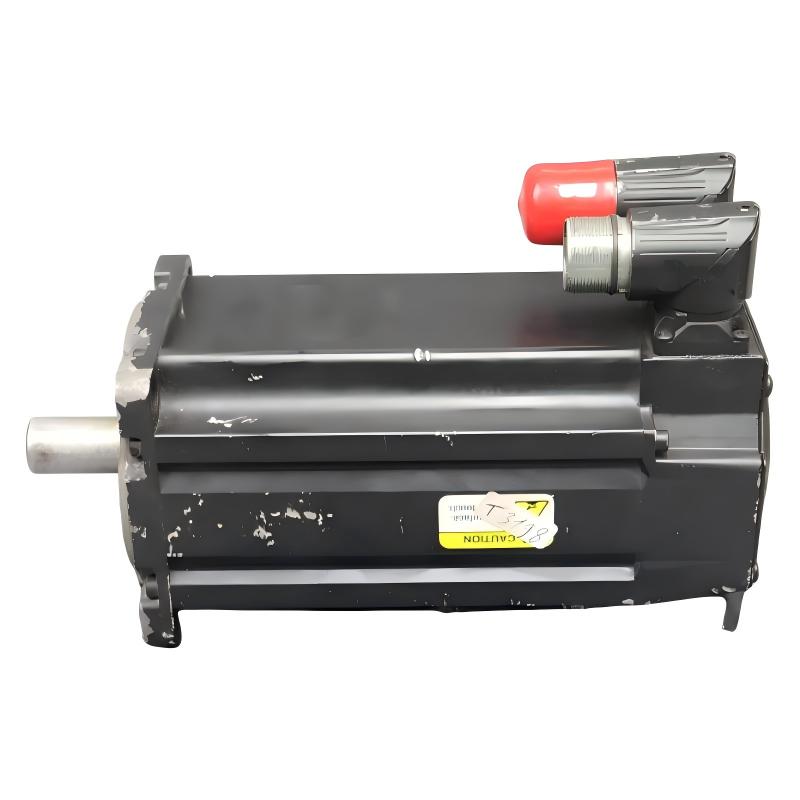
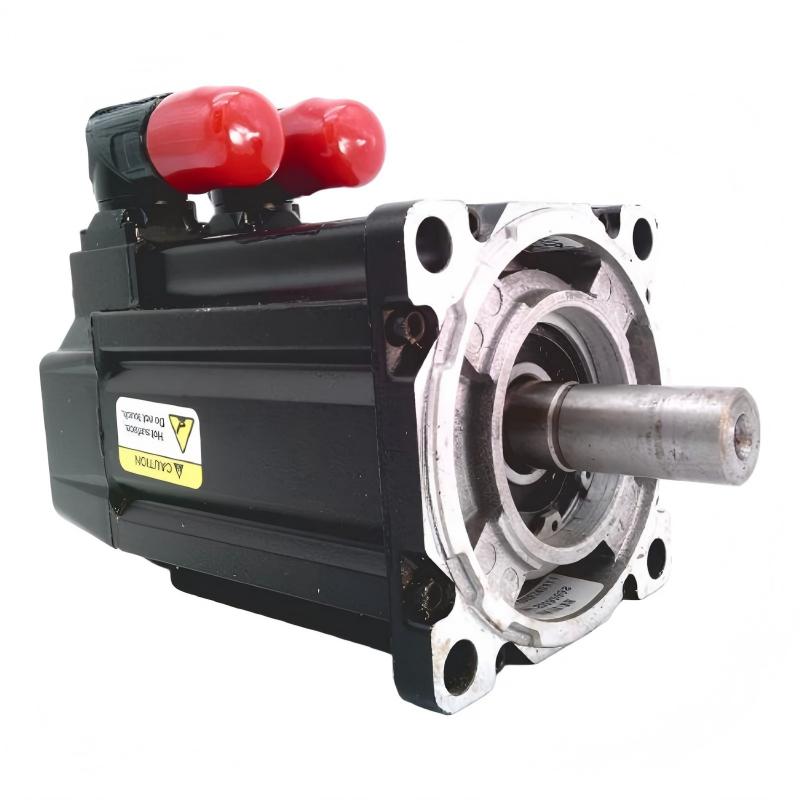
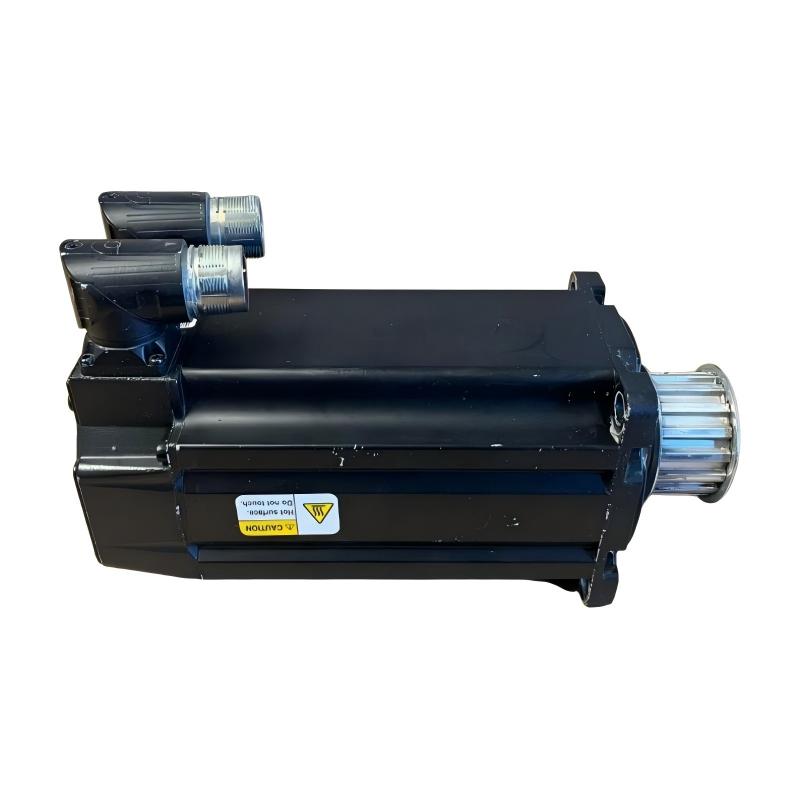
Contact Us
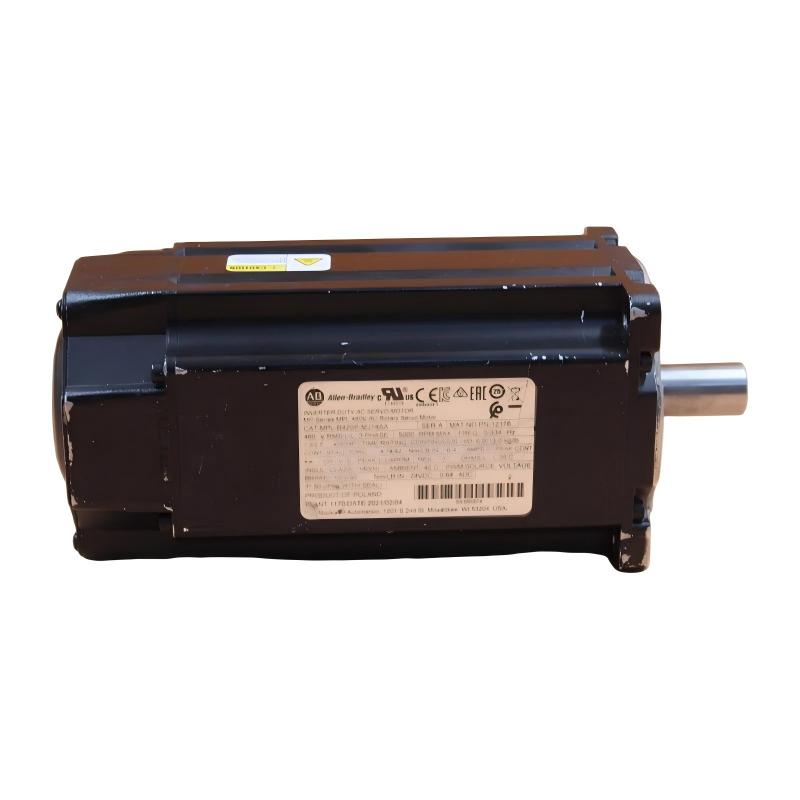
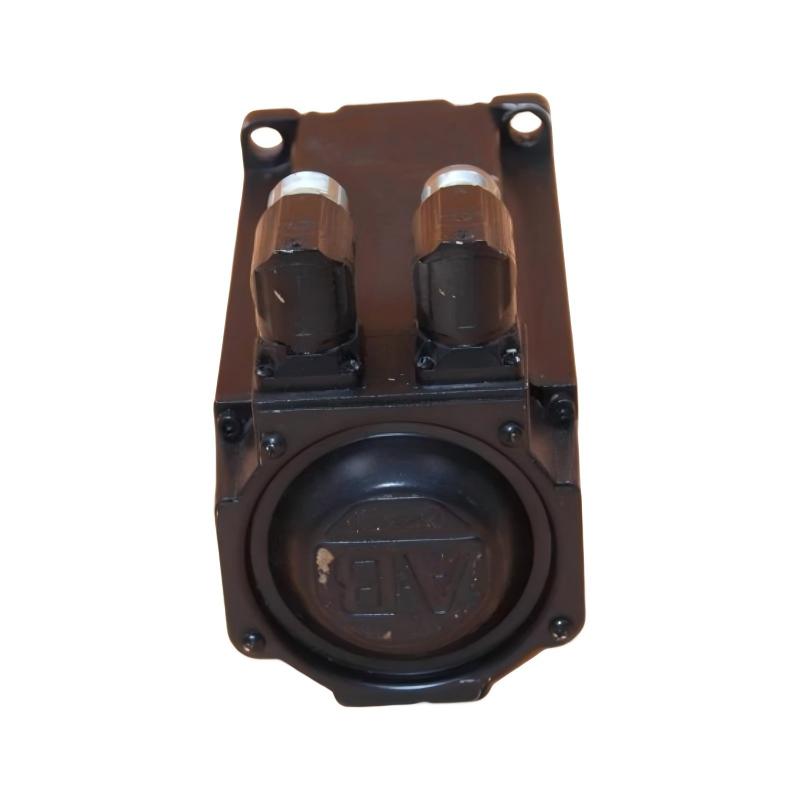
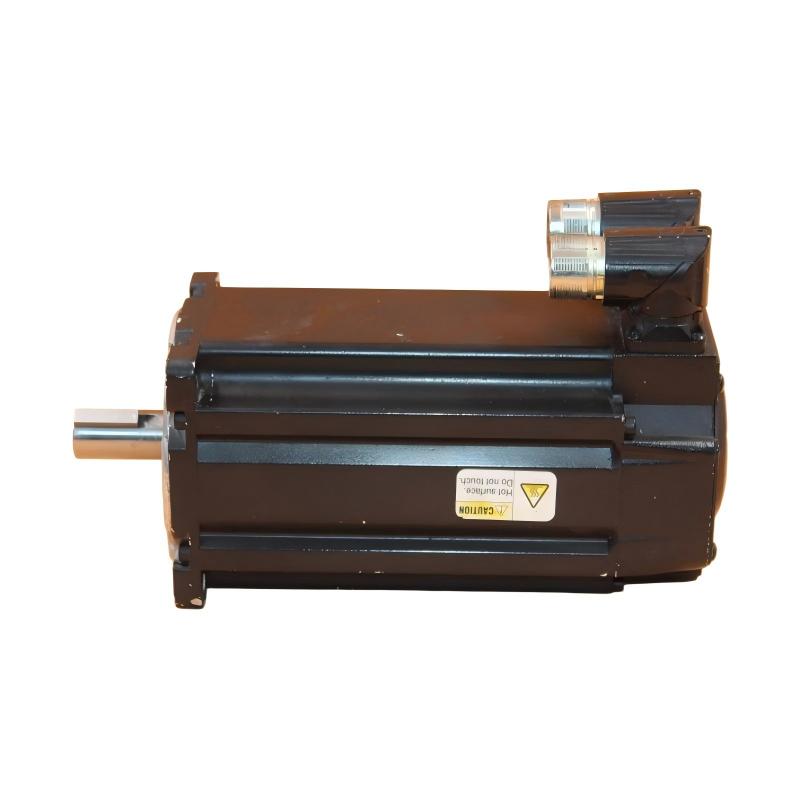
- Allen Bradley
- MPL-B420P-MJ74AA
- Low-Inertia Brushless Servo Motors Product
- USA
- 63 mm × 63 mm × 150 mm
- 5.9kg
- Xiamen, China
- New & In Stock
- T/T, PayPal, Western Union
- 1 Year
- 1-3 Working Days
- DHL, UPS, TNT, FedEx and EMS.
- 24-Hour Service
- COO
- 9
Our advantage

Global Logistics
We have a 10-year logistics and express cooperation agreement, so our products can be shipped to any place in the world.

Brand new and original
Our products are imported in bulk from the place of origin. Because of the cooperative relationship, our products are all original and 100% new.

24-hour service
We provide 7*24 hours service to our customers. We will be there whenever you need us.

Price advantage
All our products are priced very favorably because we have our own warehouse and supply.
| Company Information | |||
| [email protected] | |||
| Mobile | +8615980777398 | ||
| +8615980777398 | |||
| 15980777398 |
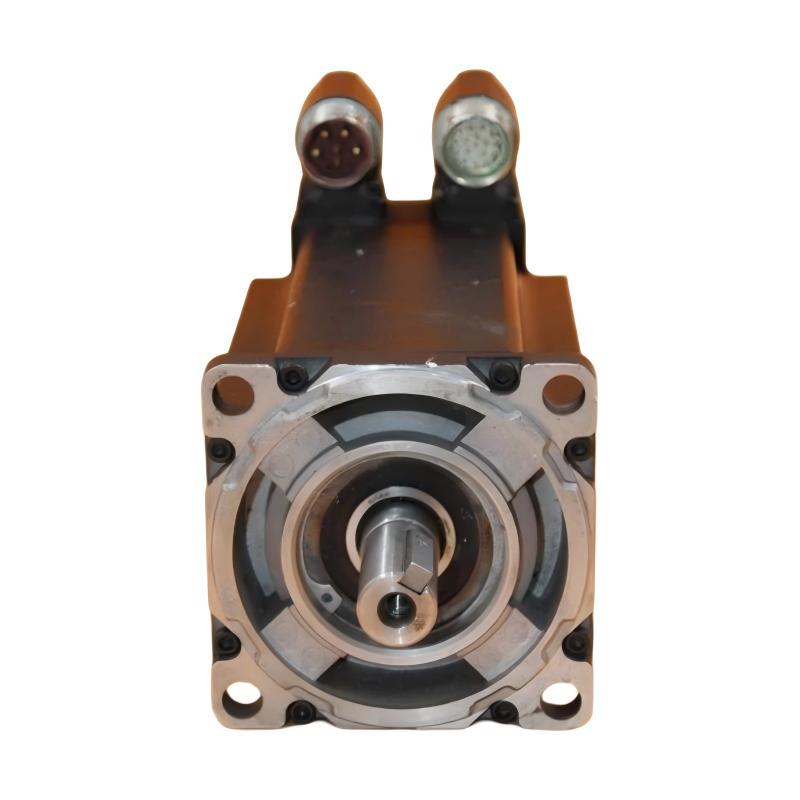
Allen-Bradley MPL-B420P-MJ74AA Low-Inertia Servo Motor
1. Product Overview
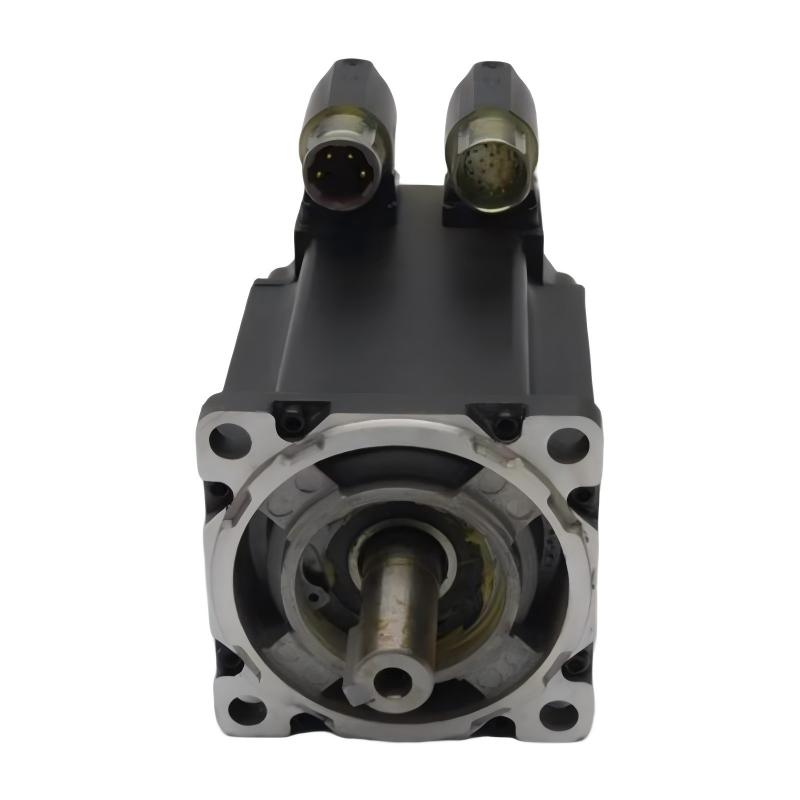
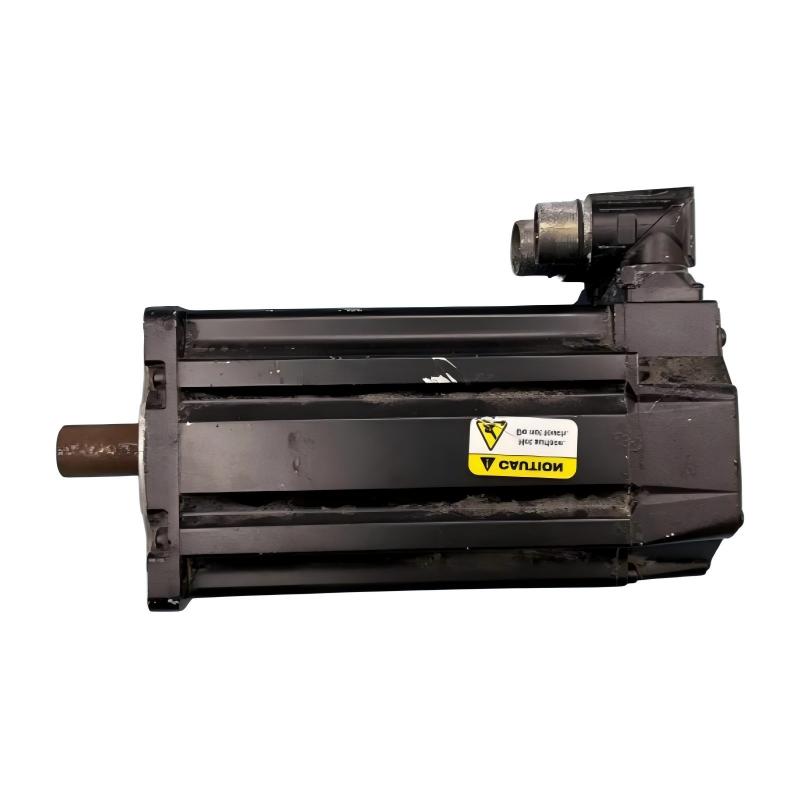
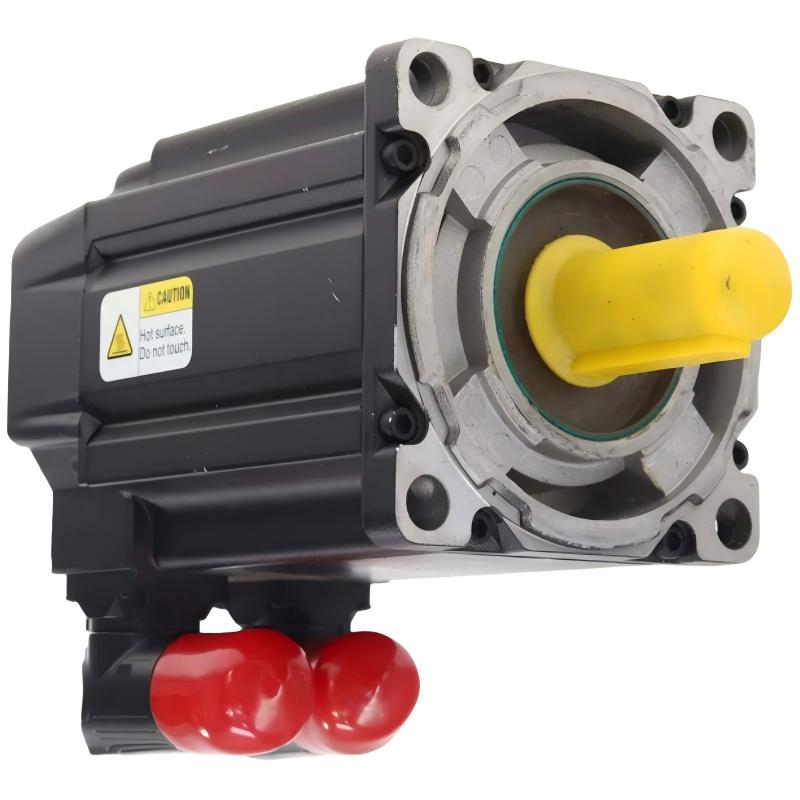
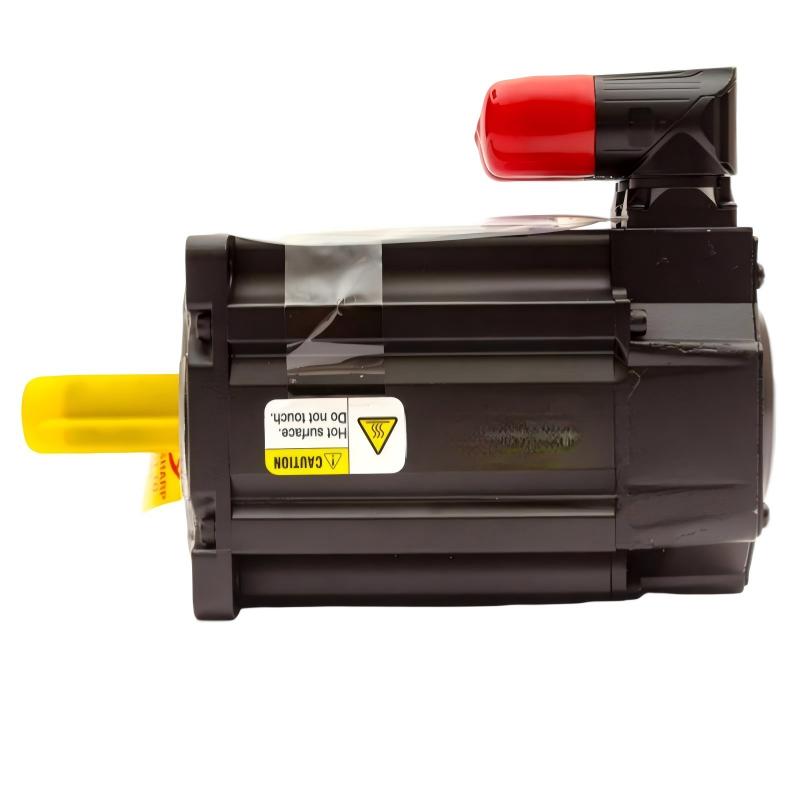
The Allen-Bradley MPL-B420P-MJ74AA is a low-inertia brushless rotary servo motor designed for high-performance industrial motion-control applications. It belongs to the MP-Series Low-Inertia Servo Motor family and uses a 400 V AC-class motor design, a 115 mm frame, a 50.8 mm magnet stack, and a rated speed of 5000 rpm.
The motor provides approximately 4.74 N·m of continuous torque and up to 13.5 N·m of peak torque, with a continuous rated power of approximately 1.9 kW. This combination makes the B420P configuration suitable for machine axes that require high rotational speed, controlled acceleration, repeatable positioning, and a relatively compact motor package.
The MJ74AA configuration is particularly important because it combines an absolute multi-turn encoder, keyed shaft, and 24 V DC holding brake. Compared with the corresponding MJ72AA configuration, the integrated brake provides an additional mechanical holding function for applications where the axis must remain stationary when servo power is removed.
The motor uses a SpeedTec DIN connector and an IEC metric flange mounting arrangement. The right-angle connector design can be rotated through approximately 180 degrees, which can be useful when cable routing space is limited inside a machine enclosure.
2. Brand Information
Brand: Allen-Bradley
Product Family: MP-Series Servo Motors
Product Series: MPL Low-Inertia Servo Motors
Motor Type: Brushless Rotary Servo Motor
Configuration: MPL-B420P-MJ74AA
The MPL-B420P-MJ74AA is part of the low-inertia MPL motor family. The MPL range was designed for applications where servo response, speed, acceleration, positioning, and machine-cycle performance are important.
The B420P motor occupies a mid-range position within the MPL B-series power range. It provides more continuous torque than the B310P, B320P, and B330P configurations while remaining below the B430P in continuous torque and power.
3. Detailed Technical Specifications
| Parameter | MPL-B420P-MJ74AA Specification |
|---|---|
| Model | MPL-B420P-MJ74AA |
| Brand | Allen-Bradley |
| Product Family | MP-Series Servo Motors |
| Product Series | MPL Low-Inertia Servo Motors |
| Motor Type | Brushless Rotary Servo Motor |
| Motor Construction | Permanent-magnet synchronous servo motor |
| Voltage Class | 400 V AC |
| Rated Speed | 5000 rpm |
| Maximum Speed | 5000 rpm |
| Continuous Torque | 4.74 N·m |
| Peak Torque | 13.5 N·m |
| Continuous Rated Power | 1.9 kW |
| Frame Size | 115 mm |
| Magnet Stack Length | 50.8 mm |
| Mounting | IEC Metric Flange Mount |
| Mounting Style | Type FF / metric flange configuration |
| Feedback | Absolute Multi-Turn Encoder |
| Encoder Resolution | 1024 Sin/Cos cycles/rev |
| Encoder Protocol | Hiperface |
| Shaft | Keyed Shaft |
| Shaft Seal | No shaft seal |
| Brake | 24 V DC Holding Brake |
| Motor Connector | SpeedTec DIN, Type M7 |
| Connector Style | Right-angle connector |
| Connector Orientation | Approximately 180° rotatable |
| Food Grade | No |
| Rotor Inertia | Approximately 0.00026–0.00030 kg·m² |
| Operating Temperature | Up to approximately 40 °C |
| Approximate Product Weight | Approximately 5.9 kg / 13 lb |
| Frame Diameter Reference | 115 mm |
| Magnet Stack Dimension | 50.8 mm |
| Overall Dimensions | Configuration-dependent; use 115 mm frame and 50.8 mm stack as principal dimensional references |
The published technical data identifies the motor as a 115 mm frame, 50.8 mm magnet-stack, 5000 rpm, 400 V AC-class servo motor with absolute multi-turn feedback, keyed shaft, and 24 V DC brake.
The published product listings give the model weight at approximately 13 lb, which is approximately 5.9 kg. Because shipping, connector configuration, and catalog conventions can cause small differences in listed weight, the weight should be treated as an approximate reference rather than a dimensional certification value.
4. Dimensions and Mechanical Configuration
The MPL-B420P-MJ74AA uses a 115 mm frame size and a 50.8 mm magnet stack.
The 115 mm frame dimension is an important selection parameter because it determines the general motor mounting envelope and helps establish compatibility with the mechanical structure of the machine.
The 50.8 mm magnet stack corresponds to a 2-inch stack length. This relatively compact motor construction supports the low-inertia characteristics of the MPL motor family while providing a useful level of continuous torque.
The motor uses an IEC metric flange mounting arrangement. The mounting interface should be matched carefully with the machine’s motor adapter, mounting plate, coupling, and shaft centerline.
Because the connector is a right-angle SpeedTec DIN type and can be rotated, the actual installation envelope is not simply the motor frame diameter multiplied by the motor length. Cable exit direction must also be considered when designing the machine enclosure.
For engineering drawings, replacement work, or mechanical interference checks, the manufacturer’s dimensional drawing for the exact catalog configuration should be used rather than estimating the complete motor envelope from the frame size alone.
5. Product Series – MPL Low-Inertia Servo Motors
The MPL series is a low-inertia servo motor family intended for high-performance motion-control systems.
Low rotor inertia is especially useful when the motor has to accelerate and decelerate the load rapidly. A lower-inertia motor can respond quickly to changes in commanded speed and position when the motor and load are properly matched.
The B420P is designed around a 5000 rpm operating class. This makes it suitable for applications where both speed and torque are important.
The MPL B-series contains several motor sizes and torque levels. The B310P, B320P, B330P, B420P, and B430P provide a useful progression in continuous torque and rated power.
6. Understanding the MPL-B420P-MJ74AA Model
The complete catalog number contains information describing the motor configuration.
MPL identifies the low-inertia servo motor family.
B420P identifies the particular motor size and performance configuration.
MJ identifies a specific feedback, shaft, and configuration combination.
74AA identifies the associated option configuration, including the 24 V DC holding-brake arrangement.
For practical equipment selection, the complete catalog number should always be used rather than referring only to “B420P,” because different suffixes can change feedback type, shaft configuration, and brake configuration.
7. Absolute Multi-Turn Feedback
One of the major features of the MPL-B420P-MJ74AA is its absolute multi-turn feedback system.
The encoder provides motor-position information while also retaining multi-turn position information. This is particularly useful for machine axes that require reliable position tracking across multiple mechanical revolutions.
The encoder uses a 1024 cycles/revolution Sin/Cos feedback format and a Hiperface protocol.
Absolute multi-turn feedback can be especially valuable in applications where the machine needs to know the position of an axis without relying solely on a conventional incremental pulse count after every power-up.
For example, rotary indexing equipment, precision positioning systems, material-handling axes, and automated production equipment can benefit from the ability to maintain detailed positional information.
The exact behavior after power loss depends on the complete servo drive, feedback interface, machine control architecture, and system configuration. Therefore, the motor should always be evaluated as part of the complete servo system rather than as an isolated component.
8. 24 V DC Holding Brake
The MJ74AA configuration includes a 24 V DC holding brake.
This is one of the main differences between the MJ74AA and the corresponding MJ72AA configuration.
A holding brake is useful when the axis needs additional mechanical holding capability while the motor is not actively producing torque.
Typical examples include vertical axes, lifting mechanisms, positioning axes, and machines where the load should remain stationary during a controlled stop or when servo power is removed.
The brake should not automatically be considered a substitute for a dedicated safety-rated braking system. Brake selection and control must follow the machine’s safety architecture, load characteristics, stopping requirements, and applicable standards.
The brake’s electrical supply and release timing should also be considered during servo commissioning. Brake control normally needs to be coordinated with servo enable, motor torque generation, and machine sequencing.
9. Continuous Torque
The MPL-B420P-MJ74AA provides approximately 4.74 N·m of continuous torque.
Continuous torque is the torque level that is particularly important when determining whether the motor can maintain a load over a sustained operating period.
The actual allowable continuous torque in a real machine depends on speed, ambient temperature, mounting conditions, duty cycle, drive settings, and motor thermal conditions.
A machine designer should therefore avoid selecting a servo motor simply because the required average torque is below the motor’s nominal continuous rating. Acceleration torque, deceleration torque, peak duty, load inertia, friction, and thermal duty should all be included in the calculation.
10. Peak Torque
The published peak torque value for the B420P is approximately 13.5 N·m.
Peak torque provides additional short-duration torque capability for acceleration, deceleration, transient loads, and demanding motion profiles.
This makes the B420P useful for applications where the machine spends part of its cycle operating under significantly higher torque than the steady-state requirement.
Peak torque should not be treated as a continuous operating value. The duration and repetition of peak torque events must be evaluated together with the servo drive’s current capability and the motor’s thermal limitations.
11. Rated Speed
The MPL-B420P-MJ74AA is rated for 5000 rpm, with the published maximum speed also listed as 5000 rpm.
A 5000 rpm servo motor can provide substantial mechanical speed for high-cycle machinery.
High speed can be advantageous for applications such as:
- High-speed indexing.
- Rotary positioning.
- Packaging equipment.
- Electronic assembly machinery.
- Printing and converting equipment.
- Automated material handling.
- High-speed cutting mechanisms.
- Pick-and-place systems.
- Machine-tool auxiliary axes.
- Automated inspection equipment.
The actual operating speed should always be selected according to the load, inertia, lubrication requirements, coupling, bearings, mechanical resonance, and motion profile.
12. Rated Power
The B420P configuration provides approximately 1.9 kW of continuous rated power.
A 1.9 kW servo motor provides a useful balance between compact mechanical size and available torque.
The motor is therefore suitable for axes that require more power than smaller B310P and B320P configurations but do not require the higher continuous torque level of a B430P.
Power alone should not be used for servo sizing. Torque at the required operating speed is generally more useful when determining whether a motor is appropriate for a particular mechanical load.
13. Low-Inertia Rotor Design
The low-inertia design is one of the central characteristics of the MPL product family.
The published technical data places the rotor inertia of the B420P in the approximately 0.00026–0.00030 kg·m² range, depending on the particular technical-data convention used.
Low rotor inertia can help the servo system accelerate the motor rapidly and follow demanding changes in velocity.
This is particularly beneficial when the machine has frequent starts and stops or when the required positioning profile contains rapid acceleration and deceleration segments.
The final machine response is determined by both motor inertia and reflected load inertia. A high-inertia mechanical load can still dominate system response even when a low-inertia motor is selected.
14. Keyed Shaft Configuration
The MPL-B420P-MJ74AA uses a keyed shaft.
A keyed shaft provides a conventional mechanical interface for couplings, pulleys, gears, and other rotating components designed for keyed servo shafts.
During installation, the shaft key, coupling bore, axial positioning, clamping method, and allowable shaft loading should all be checked.
Radial and axial loads should remain within the motor’s specified mechanical limits. Incorrect coupling alignment can produce vibration, bearing loading, encoder errors, and premature mechanical wear.
15. Shaft Seal Configuration
The standard MPL-B420P-MJ74AA configuration is listed with no shaft seal.
This point is important when installing the motor in environments containing coolant, cutting fluid, oil mist, dust, washdown fluid, or other contaminants.
If the machine environment requires additional shaft protection, the mechanical design should provide suitable external protection or use a motor configuration specifically intended for the environmental conditions.
The absence of a shaft seal should therefore be considered during machine design rather than treated as a minor specification detail.
16. SpeedTec DIN Connector
The motor uses a SpeedTec DIN Type M7 connector.
The right-angle connector configuration can help reduce the space required for motor cable routing.
The connector can be rotated through approximately 180 degrees, allowing the cable exit direction to be adapted to the machine’s available installation space.
This is particularly useful in compact automation equipment where the motor is installed close to guarding, linear mechanisms, gearboxes, or other machine structures.
17. Typical Product Applications
The MPL-B420P-MJ74AA can be applied to many industrial motion-control systems requiring relatively high speed, controlled torque, and accurate position feedback.
Packaging Machinery
Packaging machines often contain multiple servo axes operating in coordinated motion.
The B420P’s 5000 rpm speed capability and absolute multi-turn feedback make this type of motor suitable for rotary indexing, film handling, cutting, feeding, sealing, and positioning functions when the mechanical and electrical requirements are appropriately matched.
The integrated holding brake can also be useful on machine axes that must maintain position during a stopped condition.
Material Handling
Servo motors are commonly used for conveyors, indexing mechanisms, transfer units, and automated handling equipment.
The B420P can be considered where the axis requires controlled acceleration and deceleration together with repeatable positioning.
Pick-and-Place Machinery
High-speed pick-and-place systems frequently require rapid acceleration, controlled deceleration, and repeatable positioning.
The low-inertia characteristics of the MPL series can be useful for such motion profiles, provided the mechanical load is properly matched to the motor.
Printing and Converting Equipment
Printing and converting machines often require synchronized servo motion.
Applications can include web handling, tension-control mechanisms, rotary positioning, cutting, slitting, and registration functions.
Absolute feedback can be useful when the control system requires detailed positional information across multiple motor revolutions.
Machine Tools
The motor can also be considered for auxiliary machine-tool axes and other automated rotary mechanisms where speed and positioning accuracy are important.
Actual suitability depends on the required torque, speed, duty cycle, mechanical loads, and environmental conditions.
Automated Assembly Equipment
Assembly machines commonly use servo motors for indexing, feeding, positioning, and rotary actuation.
The B420P can provide a useful combination of 1.9 kW continuous power, 4.74 N·m continuous torque, and 13.5 N·m peak torque for appropriately sized axes.
Vertical Axes
The integrated 24 V DC holding brake makes the MJ74AA configuration particularly relevant to applications where the motor may need to hold a load in position.
Vertical mechanisms should receive special attention during brake and safety-system design because motor holding torque and mechanical load retention are separate engineering considerations.
18. Major Product Advantages
18.1 High-Speed Operation
The 5000 rpm rated speed allows the motor to support high-cycle motion profiles.
This is useful when machine productivity depends on short cycle times and rapid axis movement.
18.2 Strong Torque Capability
With approximately 4.74 N·m continuous torque and 13.5 N·m peak torque, the B420P provides substantial torque capacity for its motor class.
18.3 Integrated Holding Brake
The MJ74AA includes a 24 V DC holding brake.
This makes it particularly useful for applications where an axis must maintain mechanical position while the servo is not actively driving.
18.4 Absolute Multi-Turn Feedback
The absolute multi-turn encoder provides detailed positional feedback and is well suited to machine axes where position tracking is an important part of the control strategy.
18.5 Low-Inertia Construction
The low-inertia design supports fast acceleration and deceleration when the motor is correctly matched to the load.
18.6 Keyed Shaft
The keyed shaft provides a conventional mechanical interface for servo couplings and other rotating components.
18.7 Flexible Connector Orientation
The right-angle SpeedTec DIN connector and approximately 180-degree rotation capability provide additional flexibility when routing motor cables.
18.8 Compact Frame Relative to Performance
The 115 mm frame and 50.8 mm magnet stack provide a relatively compact motor package for the available torque and power level.
19. Five Related or Same-Series Models
The following models are useful comparison choices because they are closely related to the MPL-B420P-MJ74AA family or provide different configurations of the same B420P motor platform.
| Model | Series / Configuration | Rated Speed | Continuous Torque | Peak Torque | Rated Power | Feedback | Shaft | Brake | Dimensions / Frame | Weight |
|---|---|---|---|---|---|---|---|---|---|---|
| MPL-B420P-MJ72AA | MPL Low-Inertia | 5000 rpm | 4.74 N·m | 13.5 N·m | 1.9 kW | Absolute Multi-Turn | Keyed | No Brake | 115 mm frame / 50.8 mm stack | Approx. 5.4 kg |
| MPL-B420P-MK72AA | MPL Low-Inertia | 5000 rpm | 4.74 N·m | 13.5 N·m | 1.9 kW | Absolute Multi-Turn | Keyless | No Brake | 115 mm frame / 50.8 mm stack | Approx. configuration-dependent |
| MPL-B420P-MK74AA | MPL Low-Inertia | 5000 rpm | 4.74 N·m | 13.5 N·m | 1.9 kW | Absolute Multi-Turn | Keyless | 24 V DC | 115 mm frame / 50.8 mm stack | Approx. configuration-dependent |
| MPL-B420P-SJ74AA | MPL Low-Inertia | 5000 rpm | 4.74 N·m | 13.5 N·m | 1.9 kW | Absolute Single-Turn | Keyed | 24 V DC | 115 mm frame / 50.8 mm stack | Approx. configuration-dependent |
| MPL-B420P-HJ74AA | MPL Low-Inertia | 5000 rpm | 4.74 N·m | 13.5 N·m | 1.9 kW | Incremental | Keyed | 24 V DC | 115 mm frame / 50.8 mm stack | Approx. configuration-dependent |
These variants are useful when the application requires the same basic B420P mechanical platform but a different combination of feedback, shaft, or brake configuration.
The B420P configuration family includes multiple feedback and shaft options, so the complete catalog number should be checked carefully before ordering or replacing a motor.
20. B420P Configuration Comparison
| Model | Feedback | Shaft | Brake | Main Difference |
|---|---|---|---|---|
| MPL-B420P-MJ72AA | Absolute Multi-Turn | Keyed | No | Same basic motor without holding brake |
| MPL-B420P-MJ74AA | Absolute Multi-Turn | Keyed | 24 V DC | Absolute multi-turn + keyed shaft + brake |
| MPL-B420P-MK72AA | Absolute Multi-Turn | Keyless | No | Keyless shaft configuration |
| MPL-B420P-MK74AA | Absolute Multi-Turn | Keyless | 24 V DC | Keyless shaft with brake |
| MPL-B420P-SJ72AA | Absolute Single-Turn | Keyed | No | Single-turn absolute feedback |
| MPL-B420P-SJ74AA | Absolute Single-Turn | Keyed | 24 V DC | Single-turn absolute feedback with brake |
| MPL-B420P-HJ72AA | Incremental | Keyed | No | Incremental feedback |
| MPL-B420P-HJ74AA | Incremental | Keyed | 24 V DC | Incremental feedback with brake |
This comparison shows why the exact suffix is important. The motor performance may remain broadly similar while the feedback architecture and mechanical options change significantly.
21. Five Same-Brand Representative Models
The following five models provide useful comparison points within the same Allen-Bradley servo motor portfolio. They are presented as representative models rather than as a ranking of product popularity.
| Model | Series | Rated Speed | Continuous Torque | Peak Torque | Rated Power | Feedback / Configuration | Dimensions | Brake | Approx. Weight |
|---|---|---|---|---|---|---|---|---|---|
| MPL-B310P-MJ74AA | MPL Low-Inertia | 5000 rpm | 1.58 N·m | 3.61 N·m | 0.77 kW | Absolute Multi-Turn, keyed | Smaller MPL frame / stack configuration | 24 V DC | Approx. 2.7 kg |
| MPL-B320P-MJ74AA | MPL Low-Inertia | 5000 rpm | 3.05 N·m | 7.91 N·m | 1.5 kW | Absolute Multi-Turn, keyed | Approx. 80 mm class frame | 24 V DC | Approx. 3.7 kg |
| MPL-B330P-MJ74AA | MPL Low-Inertia | 5000 rpm | 4.18 N·m | 11.1 N·m | 1.8 kW | Absolute Multi-Turn, keyed | Approx. 100 mm class frame | 24 V DC | Approx. 4.6 kg |
| MPL-B420P-MJ74AA | MPL Low-Inertia | 5000 rpm | 4.74 N·m | 13.5 N·m | 1.9 kW | Absolute Multi-Turn, keyed | 115 mm frame / 50.8 mm stack | 24 V DC | Approx. 5.9 kg |
| MPL-B430P-MJ74AA | MPL Low-Inertia | 5000 rpm | 6.55 N·m | 19.8 N·m | 2.2 kW | Absolute Multi-Turn, keyed | Larger MPL frame configuration | 24 V DC | Approx. 5.5 kg |
The published MPL technical data places the B310P through B430P models at approximately 0.77 kW, 1.5 kW, 1.8 kW, 1.9 kW, and 2.2 kW respectively, with corresponding increases in continuous and peak torque.
22. Comparison of B310P, B320P, B330P, B420P and B430P
| Model | Rated Speed | Continuous Torque | Peak Torque | Power | Approx. Rotor Inertia | Approx. Weight |
|---|---|---|---|---|---|---|
| MPL-B310P | 5000 rpm | 1.58 N·m | 3.61 N·m | 0.77 kW | 0.000044 kg·m² | 2.7 kg |
| MPL-B320P | 5000 rpm | 3.05 N·m | 7.91 N·m | 1.5 kW | 0.000078 kg·m² | 3.7 kg |
| MPL-B330P | 5000 rpm | 4.18 N·m | 11.1 N·m | 1.8 kW | 0.00012 kg·m² | 4.6 kg |
| MPL-B420P | 5000 rpm | 4.74 N·m | 13.5 N·m | 1.9 kW | 0.00026 kg·m² | 4.3 kg* |
| MPL-B430P | 5000 rpm | 6.55 N·m | 19.8 N·m | 2.2 kW | 0.00038 kg·m² | 5.5 kg |
*The generic technical-data table gives approximately 4.3 kg for the B420P motor family, while specific catalog configurations can have different listed shipping/product weights. For the exact MPL-B420P-MJ74AA, approximately 5.9 kg is a more appropriate catalog reference for the complete configuration.
23. Application Selection Guide
| Application | Suitability of MPL-B420P-MJ74AA | Main Reason |
|---|---|---|
| Packaging machines | High | High speed, positioning, brake option |
| Rotary indexing | High | 5000 rpm and absolute multi-turn feedback |
| Pick-and-place | High | Low-inertia response and high-speed operation |
| Material handling | High | Torque and controlled acceleration |
| Vertical axis | Suitable | Integrated 24 V DC holding brake |
| Assembly automation | High | Accurate servo positioning |
| Printing equipment | Suitable | Speed and feedback capabilities |
| Converting machinery | Suitable | High-speed synchronized motion |
| Machine-tool auxiliary axis | Suitable | High speed and servo control |
| Inspection equipment | Suitable | Positioning and repeatability |
| General rotary automation | High | Compact servo package and broad motion capability |
Actual application suitability depends on load inertia, duty cycle, mechanical transmission, speed requirements, environmental conditions, drive compatibility, and machine safety requirements.
24. Servo Drive Compatibility
The MPL-B420P-MJ74AA is associated with several servo-drive families within the same motion-control ecosystem, including Kinetix and Ultra 3000 drive families. Published technical data lists compatibility with Kinetix 5500, Kinetix 6200/6500, Kinetix 6000, Kinetix 300, Kinetix 350, Kinetix 2000, Kinetix 7000, and Ultra 3000 families.
Drive selection should not be based only on motor power.
The drive must also be compatible with the motor’s voltage class, feedback protocol, encoder configuration, continuous current, peak current, braking requirements, motor cable, and control architecture.
The exact motor-drive combination should be verified using the appropriate drive selection documentation before installation.
25. Mechanical Installation Considerations
The motor should be mounted on a rigid, accurately aligned machine structure.
The 115 mm frame should be matched with the appropriate metric mounting interface.
The motor shaft should be aligned carefully with the driven mechanism. Excessive angular, parallel, or axial misalignment can place additional loads on the motor bearings and coupling.
The coupling should be selected for the motor’s speed and torque requirements.
At 5000 rpm, even a small mechanical imbalance can become significant. High-speed applications therefore require careful attention to coupling balance, shaft alignment, mounting rigidity, and mechanical resonance.
Cable routing should also take advantage of the rotatable right-angle connector where necessary, while maintaining the required bend radius and avoiding excessive force on the connector.
26. Electrical Installation Considerations
The motor requires the correct servo power connection, feedback connection, and brake wiring.
The 24 V DC holding brake requires a suitable brake-control circuit.
Brake control should be coordinated with the servo drive’s enable sequence.
The motor feedback connection is also critical because the absolute multi-turn encoder is an integral part of the servo-control system.
Incorrect feedback wiring can result in encoder faults, incorrect motor commutation, position errors, or inability to enable the servo.
Motor and feedback cables should be routed according to the requirements of the complete servo system, particularly where high-frequency electrical noise or other industrial interference is present.
27. Thermal Considerations
Although the motor is designed for continuous industrial operation, thermal performance depends on the actual application.
Important factors include:
- Continuous torque.
- Average torque.
- Peak torque duration.
- Operating speed.
- Ambient temperature.
- Mounting arrangement.
- Heat dissipation.
- Machine enclosure temperature.
- Duty cycle.
- Acceleration frequency.
A motor operating at high torque for a long period can generate substantially more heat than a motor operating intermittently at lower torque.
For this reason, servo sizing should include a thermal evaluation rather than relying only on peak torque.
28. Advantages for High-Cycle Machinery
The MPL-B420P-MJ74AA is well suited to high-cycle machinery because it combines high speed with servo-controlled torque and position.
A 5000 rpm operating class allows the motor to perform rapid motion cycles.
The low-inertia rotor supports rapid acceleration and deceleration when properly matched with the load.
The absolute multi-turn feedback provides detailed position information.
The 24 V DC brake adds a useful holding function for applications where mechanical retention is required.
These features make the motor suitable for automated machinery where cycle time, positioning, and repeatability are important.
29. Advantages for Vertical Motion
The holding brake is especially relevant to vertical applications.
A vertical axis may need to remain stationary when servo torque is disabled.
The integrated 24 V DC brake provides a mechanical holding function for such conditions.
However, vertical-axis design should include appropriate load calculations, brake torque verification, mechanical safety measures, and machine-level risk assessment.
The brake should not be treated as the only safety mechanism unless the complete safety design specifically supports that architecture.
30. Advantages for Rotary Positioning
Rotary indexing and positioning systems can benefit from the B420P’s combination of:
- 5000 rpm speed.
- 4.74 N·m continuous torque.
- 13.5 N·m peak torque.
- Absolute multi-turn feedback.
- Low-inertia construction.
- Keyed shaft.
- Holding brake.
This combination makes the motor particularly appropriate for rotary mechanisms where rapid movement and repeatable stopping are required.
31. Advantages for Compact Machine Design
The 115 mm frame and 50.8 mm magnet stack provide a relatively compact package for the available motor performance.
The right-angle connector further helps with machine layout.
This can be advantageous when servo motors must be installed inside compact machine modules or close to guarding and other mechanisms.
The actual complete installation envelope must still be checked using the exact dimensional drawing.
32. Maintenance Considerations
The MPL-B420P-MJ74AA is a brushless servo motor and does not use traditional motor brushes that require periodic replacement.
However, routine machine maintenance should still include inspection of:
- Motor mounting bolts.
- Coupling condition.
- Shaft alignment.
- Motor cables.
- Feedback connectors.
- Brake wiring.
- Encoder-related faults.
- Unusual vibration.
- Bearing noise.
- Excessive motor temperature.
- Mechanical contamination.
- Cable strain.
- Machine grounding.
A servo motor may continue operating while developing a mechanical or electrical problem, so early detection of vibration, temperature, or feedback abnormalities can reduce the risk of unplanned downtime.
33. Common Replacement Considerations
When replacing an existing servo motor with an MPL-B420P-MJ74AA, the complete catalog number should be checked carefully.
The replacement must match:
- Frame size.
- Mounting flange.
- Shaft configuration.
- Feedback type.
- Encoder protocol.
- Brake configuration.
- Motor voltage class.
- Rated speed.
- Continuous torque.
- Peak torque.
- Motor cable and connector.
- Servo drive compatibility.
A motor that has the same physical frame size may still be electrically incompatible if its encoder or feedback configuration differs.
Likewise, a motor without a brake should not automatically be considered a replacement for a motor with a holding brake.
34. Technical Specification Summary
| Specification Category | MPL-B420P-MJ74AA |
|---|---|
| Brand | Allen-Bradley |
| Series | MPL Low-Inertia |
| Product Family | MP-Series Servo Motors |
| Motor Type | Brushless Rotary Servo Motor |
| Voltage Class | 400 V AC |
| Rated Speed | 5000 rpm |
| Maximum Speed | 5000 rpm |
| Continuous Torque | 4.74 N·m |
| Peak Torque | 13.5 N·m |
| Rated Power | 1.9 kW |
| Frame Size | 115 mm |
| Magnet Stack | 50.8 mm |
| Feedback | Absolute Multi-Turn |
| Feedback Resolution | 1024 Sin/Cos cycles/rev |
| Feedback Protocol | Hiperface |
| Shaft | Keyed |
| Brake | 24 V DC Holding Brake |
| Shaft Seal | No |
| Connector | SpeedTec DIN Type M7 |
| Connector Orientation | Right-angle, approximately 180° rotatable |
| Mounting | IEC Metric Flange |
| Rotor Inertia | Approximately 0.00026–0.00030 kg·m² |
| Approximate Weight | Approximately 5.9 kg |
| Operating Temperature Reference | Up to approximately 40 °C |
| Primary Application | High-performance industrial motion control |
35. Why the MPL-B420P-MJ74AA Is Different from the MJ72AA
The most important difference between the MPL-B420P-MJ74AA and MPL-B420P-MJ72AA is the integrated brake configuration.
| Feature | MPL-B420P-MJ74AA | MPL-B420P-MJ72AA |
|---|---|---|
| Series | MPL Low-Inertia | MPL Low-Inertia |
| Rated Speed | 5000 rpm | 5000 rpm |
| Continuous Torque | 4.74 N·m | 4.74 N·m |
| Peak Torque | 13.5 N·m | 13.5 N·m |
| Rated Power | 1.9 kW | 1.9 kW |
| Frame | 115 mm | 115 mm |
| Stack | 50.8 mm | 50.8 mm |
| Feedback | Absolute Multi-Turn | Absolute Multi-Turn |
| Shaft | Keyed | Keyed |
| Brake | 24 V DC Holding Brake | No Brake |
| Connector | SpeedTec DIN | SpeedTec DIN |
| Shaft Seal | No | No |
| Primary Advantage | Adds mechanical holding function | Simpler no-brake configuration |
For a machine axis that needs a holding brake, the MJ74AA configuration is the more appropriate configuration to investigate.
For an axis that does not require a holding brake, the corresponding no-brake configuration may simplify the system.
36. Recommended Selection Logic
When selecting the MPL-B420P-MJ74AA, begin with the mechanical load.
Calculate the required continuous torque at the motor shaft.
Then calculate the maximum acceleration torque.
After that, calculate the reflected inertia of the driven load.
Next, verify the required operating speed.
Then check the thermal duty cycle.
Finally, verify the encoder, drive, brake, shaft, connector, and mounting requirements.
This sequence helps prevent a common servo-selection mistake: choosing a motor based only on its rated power.
For servo systems, the combination of torque, speed, inertia, acceleration, duty cycle, feedback, and mechanical interface is more important than power alone.
37. Five Closely Related Model Recommendations
For applications similar to the MPL-B420P-MJ74AA, the following five models are particularly useful comparison candidates:
MPL-B420P-MJ72AA – Same B420P motor platform with absolute multi-turn feedback and keyed shaft, but without the integrated 24 V DC brake.
MPL-B420P-MK74AA – Similar absolute multi-turn configuration with a keyless shaft and 24 V DC holding brake.
MPL-B420P-SJ74AA – B420P configuration using absolute single-turn feedback, keyed shaft, and brake.
MPL-B420P-HJ74AA – B420P configuration using incremental feedback, keyed shaft, and brake.
MPL-B430P-MJ74AA – A higher-torque member of the same general MPL family, useful when the B420P’s 4.74 N·m continuous torque is not sufficient.
These alternatives allow the machine designer to change feedback type, shaft configuration, brake arrangement, or torque capacity without moving completely outside the MPL servo motor family.
38. Five Same-Brand Representative Models
For broader comparison within the same Allen-Bradley servo portfolio, the following models provide useful reference points:
| Model | Rated Speed | Continuous Torque | Peak Torque | Power | Feedback | Brake | Approx. Dimensions | Approx. Weight |
|---|---|---|---|---|---|---|---|---|
| MPL-B310P-MJ74AA | 5000 rpm | 1.58 N·m | 3.61 N·m | 0.77 kW | Absolute Multi-Turn | 24 V DC | Smaller MPL frame | 2.7 kg |
| MPL-B320P-MJ74AA | 5000 rpm | 3.05 N·m | 7.91 N·m | 1.5 kW | Absolute Multi-Turn | 24 V DC | Approx. 80 mm class | 3.7 kg |
| MPL-B330P-MJ74AA | 5000 rpm | 4.18 N·m | 11.1 N·m | 1.8 kW | Absolute Multi-Turn | 24 V DC | Approx. 100 mm class | 4.6 kg |
| MPL-B420P-MJ74AA | 5000 rpm | 4.74 N·m | 13.5 N·m | 1.9 kW | Absolute Multi-Turn | 24 V DC | 115 mm / 50.8 mm stack | Approx. 5.9 kg |
| MPL-B430P-MJ74AA | 5000 rpm | 6.55 N·m | 19.8 N·m | 2.2 kW | Absolute Multi-Turn | 24 V DC | Larger MPL frame | Approx. 5.5 kg |
The B310P through B430P range provides a convenient way to compare torque and power requirements within the low-inertia MPL family.
39. Product Advantages at a Glance
| Advantage | Description |
|---|---|
| High-speed performance | Rated for 5000 rpm |
| Strong continuous torque | Approximately 4.74 N·m |
| High peak torque | Approximately 13.5 N·m |
| 1.9 kW power class | Suitable for medium-performance servo axes |
| Low-inertia design | Supports rapid acceleration and deceleration |
| Absolute multi-turn feedback | Provides detailed positional information |
| Hiperface feedback | Integrated high-resolution feedback architecture |
| Keyed shaft | Conventional mechanical coupling interface |
| Integrated brake | 24 V DC holding brake |
| Compact construction | 115 mm frame with 50.8 mm magnet stack |
| Flexible connector | Right-angle SpeedTec DIN connector |
| Rotatable connector | Helps simplify machine cable routing |
| Broad industrial use | Suitable for packaging, automation, handling, assembly, and positioning |
40. Final Product Description
The Allen-Bradley MPL-B420P-MJ74AA is a 400 V AC-class, low-inertia brushless rotary servo motor designed for industrial motion-control applications requiring high speed, controlled torque, accurate feedback, and reliable mechanical positioning.
With a 5000 rpm rated speed, approximately 4.74 N·m continuous torque, 13.5 N·m peak torque, and approximately 1.9 kW continuous rated power, the motor provides a balanced performance level for demanding automated machine axes.
Its absolute multi-turn encoder, 1024 Sin/Cos cycles/revolution feedback, and Hiperface protocol provide the feedback architecture required for sophisticated servo positioning applications.
The 24 V DC holding brake is the defining feature of the MJ74AA configuration. It makes the motor particularly useful for applications where an axis needs additional mechanical holding capability, including vertical motion systems, indexing mechanisms, and automated machinery that requires the axis to remain stationary during specific machine states.
The 115 mm frame, 50.8 mm magnet stack, keyed shaft, and SpeedTec DIN connector provide a practical mechanical and electrical configuration for industrial machine integration.
The motor’s low-inertia construction also makes it suitable for applications involving repeated acceleration and deceleration. When correctly matched to the load, the motor can provide responsive motion control without requiring an excessively large motor package.
For replacement and new-machine design, the complete MPL-B420P-MJ74AA catalog number should be retained because the suffix identifies important differences in feedback, shaft, and brake configuration. The closest alternatives include the MJ72AA, MK72AA, MK74AA, SJ74AA, and HJ74AA configurations, while the B310P, B320P, B330P, and B430P provide different torque and power levels within the broader MPL family.
Overall, the MPL-B420P-MJ74AA is a compact, high-speed servo motor configuration intended for demanding industrial motion applications where speed, torque, low inertia, absolute multi-turn feedback, and mechanical holding capability are important selection criteria.