

ProductPRODUCT
Featured products
Contact Us
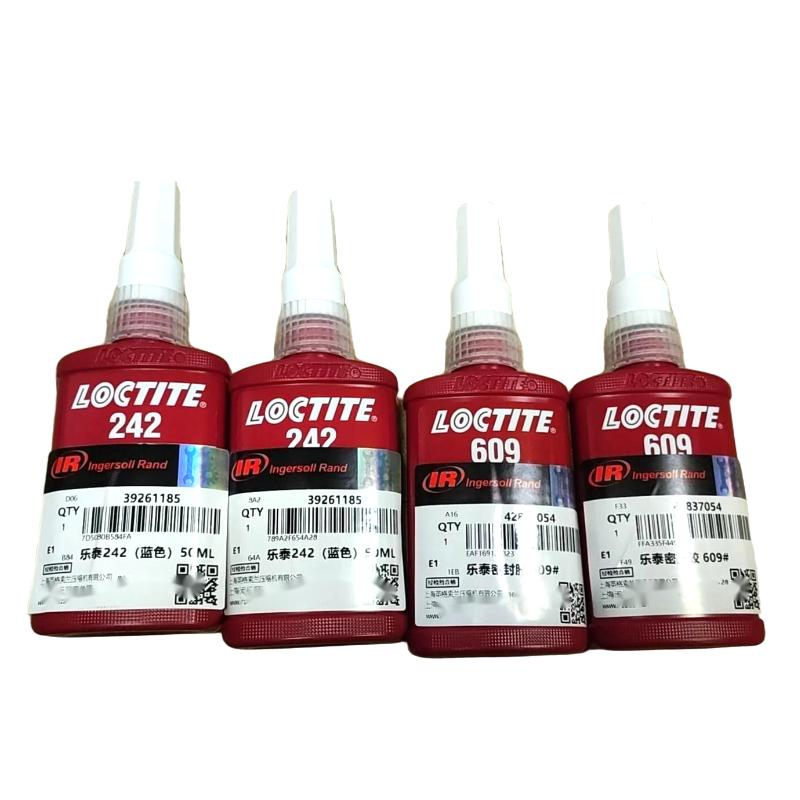
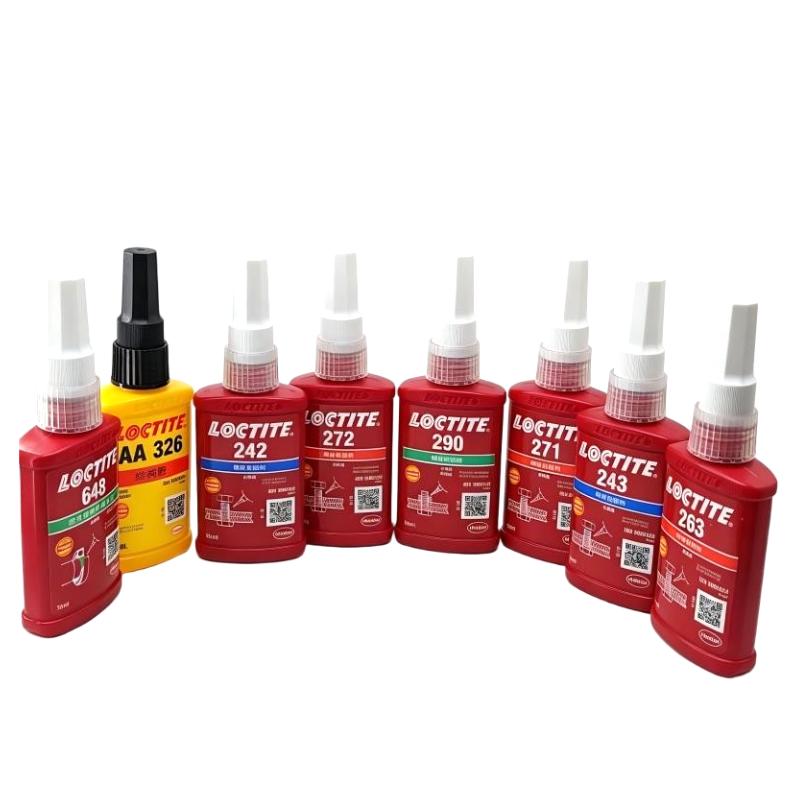
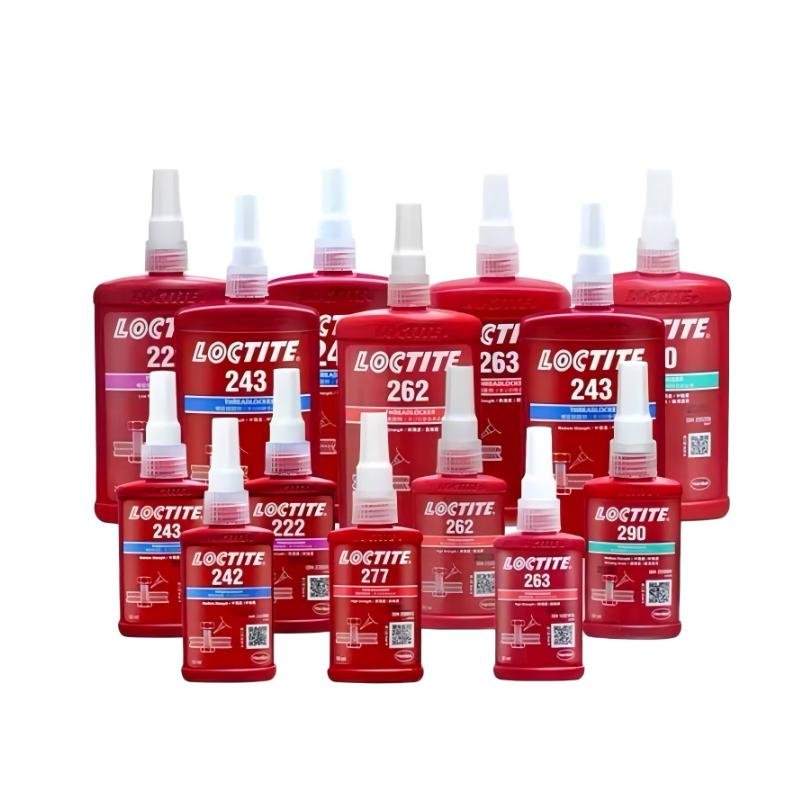
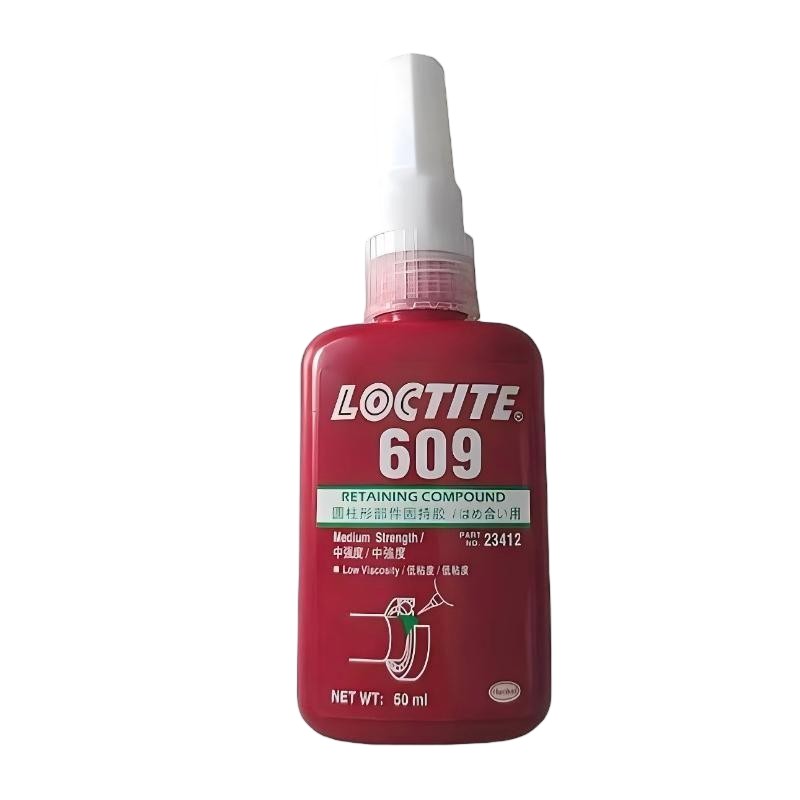
- Ingersoll Rand
- 47556925001 42837054
- Loctite Sealant
- USA
- 80 × 20 × 50 mm
- 0.1 kg
- Xiamen, China
- New & In Stock
- T/T, PayPal, Western Union
- 1 Year
- 1-3 Working Days
- DHL, UPS, TNT, FedEx and EMS.
- 24-Hour Service
- COO
- 16
Our advantage

Global Logistics
We have a 10-year logistics and express cooperation agreement, so our products can be shipped to any place in the world.

Brand new and original
Our products are imported in bulk from the place of origin. Because of the cooperative relationship, our products are all original and 100% new.

24-hour service
We provide 7*24 hours service to our customers. We will be there whenever you need us.

Price advantage
All our products are priced very favorably because we have our own warehouse and supply.
| Company Information | |||
| [email protected] | |||
| Mobile | +8615980777398 | ||
| +8615980777398 | |||
| 15980777398 |
Product Overview
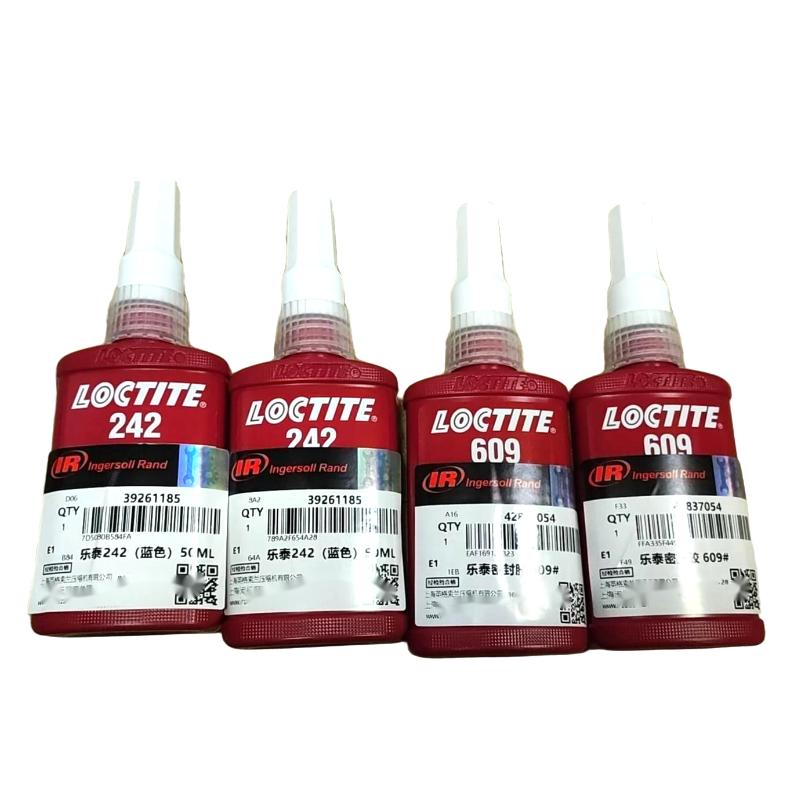
The Ingersoll Rand 42837054 Loctite Sealant, associated with part number 47556925001, is an industrial maintenance consumable intended for use in equipment servicing and repair activities. Sealants play an important role in maintaining the integrity of mechanical assemblies by helping prevent unwanted leakage, filling suitable gaps, or sealing specified joints.
In industrial compressed-air equipment, sealing materials may be required during the maintenance of pipe connections, threaded fittings, housings, covers, and other mechanical interfaces. Selecting the correct sealant is essential because different products are formulated for different materials, operating conditions, and joint designs.
The Loctite brand includes a range of specialized adhesive and sealing products. Depending on the exact formulation, a product may be designed for threaded pipe connections, rigid metal flanges, gasket formation, or other sealing applications. These products are not automatically interchangeable. The exact formulation associated with part number 42837054 should therefore be confirmed from its original packaging, product label, or Ingersoll Rand parts documentation before use.
For maintenance teams, using the correct consumable helps ensure that repairs follow the equipment manufacturer’s intended procedures. An unsuitable sealant may affect joint performance, curing, serviceability, or compatibility with the fluids and materials present in the equipment.
The 42837054 part is relevant to industrial spare-parts procurement where the original Ingersoll Rand identification must be maintained. Buyers should verify both part numbers, the product description, and the packaging information before placing an order.
Technical Specifications
| Parameter | Specification |
|---|---|
| Brand | Ingersoll Rand |
| Product Brand | LOCTITE |
| Part Number | 47556925001 |
| Product Number | 42837054 |
| Product Type | Industrial Sealant |
| Product Category | Maintenance Consumable |
| Typical Use | Equipment maintenance and specified sealing applications |
| Dimensions Provided | 80 × 20 × 50 mm |
| Weight Provided | 0.1 kg |
| Formulation | Verify from original product label |
| Color | Verify from original product label |
| Packaging Type | Verify from supplied unit |
| Curing Method | Depends on the exact LOCTITE formulation |
| Operating Temperature | Depends on the exact formulation |
| Chemical Compatibility | Must be confirmed against the product technical data |
| Application Method | Follow the product-specific instructions |
Important: The exact LOCTITE formulation, chemical properties, curing time, temperature limits, and pressure rating have not been independently confirmed for this part number. Do not use specifications from another LOCTITE product as substitutes.
Function and Working Principle
Sealants are used to create or improve sealing performance at suitable joints and interfaces. Their working principles vary according to their chemical formulation and intended application.
For industrial maintenance, the most important consideration is matching the sealant to the joint design and service conditions.
1. Sealing Joint Interfaces
Mechanical assemblies may contain threaded connections, flange joints, covers, and other interfaces where a sealing material is required.
A suitable sealant can fill small irregularities or gaps between compatible surfaces. This helps reduce the possibility of fluid or gas escaping through the joint.
The correct application depends on the sealant type. A product designed for threaded metal fittings should not automatically be used on a flat flange or a gasket surface.
2. Supporting Leak Prevention
Leak prevention is an important part of compressed-air equipment maintenance. Leaks in pneumatic connections can reduce system efficiency and affect equipment performance.
When the product is specified for the joint being serviced, correct sealant application can help maintain the integrity of the connection. The sealant must be compatible with the pressure, temperature, media, and materials involved.
3. Filling Suitable Surface Irregularities
Some sealants are designed to accommodate minor surface imperfections in specific joint arrangements. Their ability to fill gaps depends on viscosity, curing behavior, joint geometry, and the materials being joined.
The maximum permitted gap and required surface condition must be taken from the technical documentation for the exact formulation.
4. Curing and Joint Formation
Different LOCTITE products use different curing mechanisms. Some anaerobic formulations cure when confined between close-fitting metal surfaces in the absence of air, while other sealants use different chemical or physical curing processes.
The curing method directly affects preparation, assembly, handling time, and the time required before the equipment can be returned to service.
For this reason, the product label and technical data sheet should always be consulted before application.
5. Supporting Equipment Maintenance
Using the correct sealing consumable during maintenance helps technicians follow the intended repair procedure. It can also reduce the risk of repeat work caused by unsuitable materials or incorrect application.
The sealant should be treated as one part of a complete maintenance procedure that includes inspection, surface preparation, correct assembly, and post-maintenance testing.
Role in Industrial Compressed-Air Systems
Ingersoll Rand equipment is used in industrial compressed-air installations where mechanical integrity and reliable operation are important. Depending on the equipment design and the specified repair procedure, sealing consumables may be required during servicing.
Compressor Connection Maintenance
Compressed-air equipment contains connections and joints that must maintain their sealing performance under operating conditions.
When the relevant service procedure specifies a compatible sealant, technicians should apply it according to the manufacturer’s instructions. The sealant should not be substituted simply because another product has a similar appearance or general-purpose description.
Pneumatic Pipe and Fitting Assemblies
Threaded pneumatic connections may require a dedicated thread sealant. The correct product must be suitable for the thread material, connection design, operating pressure, and compressed-air service conditions.
The 42837054 formulation should be verified before assuming that it is intended for threaded connections.
Mechanical Housing and Cover Maintenance
Certain equipment housings and covers use designed sealing arrangements to prevent leakage or contamination. Depending on the joint design, the maintenance procedure may specify a gasket, O-ring, formed-in-place sealant, or another sealing material.
A sealant should only be used where the equipment documentation permits it.
Preventive Maintenance
Sealants may be included in maintenance inventories so that technicians have the specified materials available when carrying out scheduled repairs.
Maintaining the correct part identification helps prevent accidental substitution and supports consistent maintenance practices across different machines.
Industrial Applications
The exact application of part number 42837054 should be confirmed from Ingersoll Rand documentation. The following are general industrial maintenance areas where appropriately specified sealants may be used.
1. Air Compressor Maintenance
Industrial air compressors contain mechanical joints, pipe connections, and other interfaces that may require sealing during maintenance.
A suitable sealant can help restore the intended sealing arrangement when its use is specified by the equipment manufacturer.
2. Pneumatic Connection Servicing
Compressed-air systems use threaded fittings and pipe connections throughout distribution networks. Certain connection designs require a compatible thread-sealing product.
The sealant must be suitable for the materials and operating conditions of the connection.
3. Mechanical Equipment Repair
Industrial machinery may include covers, housings, and rigid joints that require a specified sealing material during reassembly.
The technician should identify the original joint design and use the material recommended for that particular interface.
4. Maintenance Workshops
Industrial maintenance workshops often keep approved sealants and assembly consumables in stock for routine repairs.
Accurate part-number management helps ensure that the correct material is available when servicing equipment.
5. Compressed-Air System Overhaul
During a larger maintenance project, technicians may inspect and reassemble multiple connections and mechanical interfaces.
Using the correct sealing material as part of the approved overhaul procedure can help maintain equipment integrity after the system is returned to service.
Installation and Application Guidelines
The application procedure for 42837054 must be based on the exact LOCTITE formulation and the Ingersoll Rand equipment service instructions. The following guidelines describe general practices for industrial sealant handling.
1. Confirm Product Identification
Before opening the package, check the product label and confirm the part number.
Verify that the material is the correct sealant for the intended repair. Do not assume that all LOCTITE products have the same application method or curing characteristics.
2. Identify the Joint Type
Determine whether the joint is threaded, flanged, gasketed, or another type of mechanical interface.
Check the equipment documentation to establish whether a liquid sealant is permitted. Some connections require a specific gasket or sealing component instead.
3. Prepare the Surfaces
Surface preparation depends on the product formulation and joint design.
Where required by the product instructions, remove old sealing material, oil, grease, dust, and other contaminants. Use cleaning products that are compatible with the equipment materials and the selected sealant.
Avoid damaging sealing surfaces during removal of old material.
4. Apply the Correct Quantity
Follow the application instructions for the exact product. Excessive material may cause problems, particularly where sealant can enter internal passages or contact moving components.
For threaded connections, flange joints, and gasket applications, the required application pattern may be different.
5. Assemble the Joint Correctly
Assemble the connection according to the equipment manufacturer’s instructions. Use the specified tightening sequence and torque values where applicable.
Do not compensate for damaged threads, distorted flanges, or incorrect component fit by applying additional sealant.
6. Observe the Required Curing Conditions
Curing time and handling requirements depend on the formulation, temperature, surface materials, and joint configuration.
Do not pressurize or operate the equipment until the required conditions have been satisfied.
7. Inspect Before Returning to Service
After assembly and curing, inspect the repaired area. Carry out the pressure or leak test specified by the equipment manufacturer and applicable safety procedures.
Record the maintenance activity and the consumable used for future reference.
Compatible Maintenance Materials and Equipment
The sealant should be used only with joint types and materials approved by its product documentation.
| Related Item or Material | Function | Compatibility Considerations |
|---|---|---|
| Threaded metal fittings | Connects pneumatic or fluid lines | Use only a sealant approved for the thread type and service conditions |
| Metal flange assemblies | Joins rigid mechanical surfaces | Confirm whether the joint requires a liquid flange sealant or a separate gasket |
| O-rings | Provides sealing between mating components | Do not replace an O-ring with liquid sealant unless the procedure specifically permits it |
| Gaskets | Creates a seal between components | Check the specified gasket material and installation method |
| Cleaning materials | Removes contamination before assembly | Ensure chemical compatibility with the equipment and sealant |
| Threaded pipe connections | Provides mechanical connections in piping systems | Confirm sealant suitability for the media, pressure, and temperature |
| Compressor service components | Supports equipment maintenance | Follow the Ingersoll Rand service documentation |
| Protective equipment | Supports safe handling | Follow the product safety data sheet |
The table describes general maintenance materials and does not mean that all of these items are included with the product.
Product Selection and Replacement Considerations
Sealants are application-specific consumables. A replacement should not be selected solely because it carries the LOCTITE brand or has a similar appearance.
Before substituting another product for 42837054, compare the following:
- Exact product formulation and product identification.
- Intended joint type and application.
- Compatible substrate materials.
- Chemical compatibility with the operating media.
- Operating temperature range.
- Pressure and service conditions.
- Curing mechanism and required curing time.
- Maximum permitted joint gap.
- Disassembly and maintenance requirements.
- Ingersoll Rand service recommendations.
A thread sealant, flange sealant, gasket compound, and retaining compound serve different purposes. Substituting one type for another may lead to leakage, difficult disassembly, or damage to the serviced assembly.
For equipment that is still under warranty or subject to a controlled maintenance program, use the specified material or obtain approval for an alternative before proceeding.
Key Advantages of Correct Sealant Selection
Supports Joint Integrity
A correctly selected sealant can help maintain the intended sealing performance of compatible mechanical joints.
Helps Reduce Leakage Risk
Where approved for the application, a suitable sealant can help prevent unwanted gas or fluid leakage through the joint.
Supports Maintenance Consistency
Using the specified consumable helps technicians follow established service procedures and maintain consistent repair practices.
Simplifies Spare-Parts Identification
Retaining both Ingersoll Rand and product identification numbers helps buyers and maintenance teams locate the intended consumable.
Supports Equipment Servicing
Having the correct sealing material available can help avoid delays during planned maintenance and repair work.
Application-Specific Performance
The LOCTITE product range includes formulations for different industrial sealing requirements. Selecting the correct formulation is essential to achieving the intended result.
Technical FAQs
1. What is Ingersoll Rand 42837054?
It is listed as a LOCTITE sealant associated with Ingersoll Rand part number 47556925001. The exact formulation and application should be confirmed from the product label or manufacturer documentation.
2. What is the product used for?
It is identified as an industrial maintenance sealant. The specific joint type and application cannot be confirmed without the exact formulation information.
3. Is 42837054 a thread sealant?
This has not been independently verified. LOCTITE manufactures several types of sealants, including thread sealants and flange sealants. Check the original packaging before using it on threaded connections.
4. Can it be used on air compressor equipment?
Only if the exact formulation is approved for the relevant equipment joint and operating conditions. Follow the Ingersoll Rand service procedure.
5. Can it replace a conventional gasket?
Not automatically. Some sealants are designed to form gaskets in specified applications, while other joints require a separate gasket or O-ring. Follow the equipment manufacturer’s instructions.
6. Does the product require curing time?
Curing requirements depend on the exact LOCTITE formulation. Consult the product label and technical data sheet before returning the equipment to service.
7. What materials can it be applied to?
Material compatibility depends on the formulation. Confirm suitability for the metals, plastics, coatings, and other materials involved in the joint.
8. What is the product’s operating temperature range?
The exact temperature range has not been confirmed for part number 42837054. Do not use the limits of another LOCTITE product as a substitute.
9. What are the dimensions and weight?
The supplied product listing gives dimensions of 80 × 20 × 50 mm and a weight of 0.1 kg. These are listing values and should be checked against the actual package if precise shipping information is required.
10. What should buyers check before ordering?
Verify both part numbers, 47556925001 and 42837054, along with the product label, formulation, packaging, shelf life, and intended application. For maintenance-critical equipment, confirm the item against the original Ingersoll Rand parts documentation.
Procurement and Storage Recommendations
When purchasing Ingersoll Rand 42837054 Loctite Sealant, confirm the full part identification rather than relying on the general product description alone.
Ask the supplier to confirm the relationship between part number 47556925001 and product number 42837054. Where possible, request a photograph of the original label and packaging. This helps establish the exact formulation and reduces the risk of receiving a different LOCTITE product.
For maintenance inventory, store sealants according to the manufacturer’s instructions. Temperature, humidity, contamination, and exposure to unsuitable conditions can affect product shelf life and performance.
Check the expiry date or shelf-life information before use. Do not use material that has exceeded its specified shelf life or shows signs of deterioration.
Keep the original container or packaging available until the maintenance task is complete. The label provides important information about handling, curing, and application restrictions.
For industrial repairs, record the product identification and the joint where it was used. This information helps future maintenance teams understand the materials used during previous service work.
Conclusion
The Ingersoll Rand 42837054 Loctite Sealant, associated with part number 47556925001, is an industrial maintenance consumable listed for equipment servicing applications. Its supplied dimensions are 80 × 20 × 50 mm, with a listed weight of 0.1 kg.
Correct product identification is essential because different LOCTITE formulations are designed for different sealing tasks. Before applying or substituting this item, confirm its exact formulation, joint compatibility, curing requirements, and operating limits through the product label and Ingersoll Rand maintenance documentation.
For industrial maintenance and spare-parts procurement, accurate part-number verification and proper storage help ensure that the intended consumable is available when required.