

ProductPRODUCT
Featured products
Contact Us
- Ingersoll Rand
- 47556925001 95022125
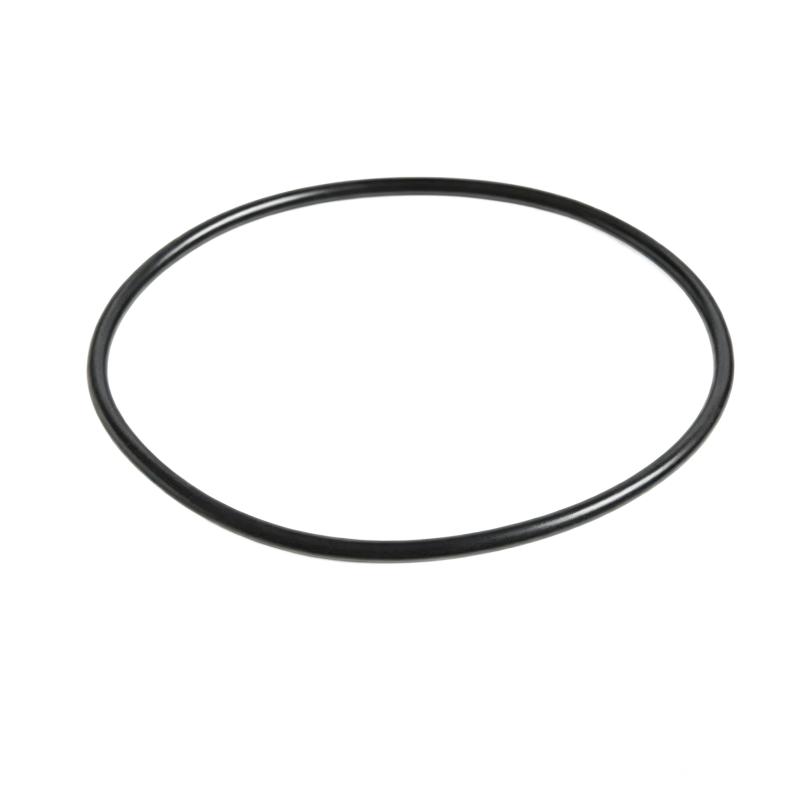
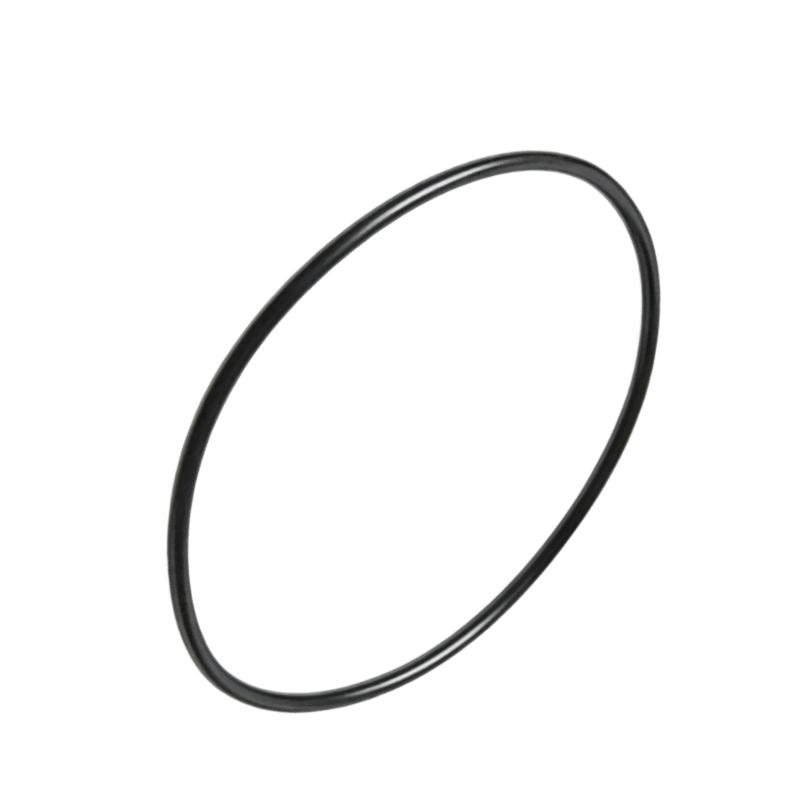
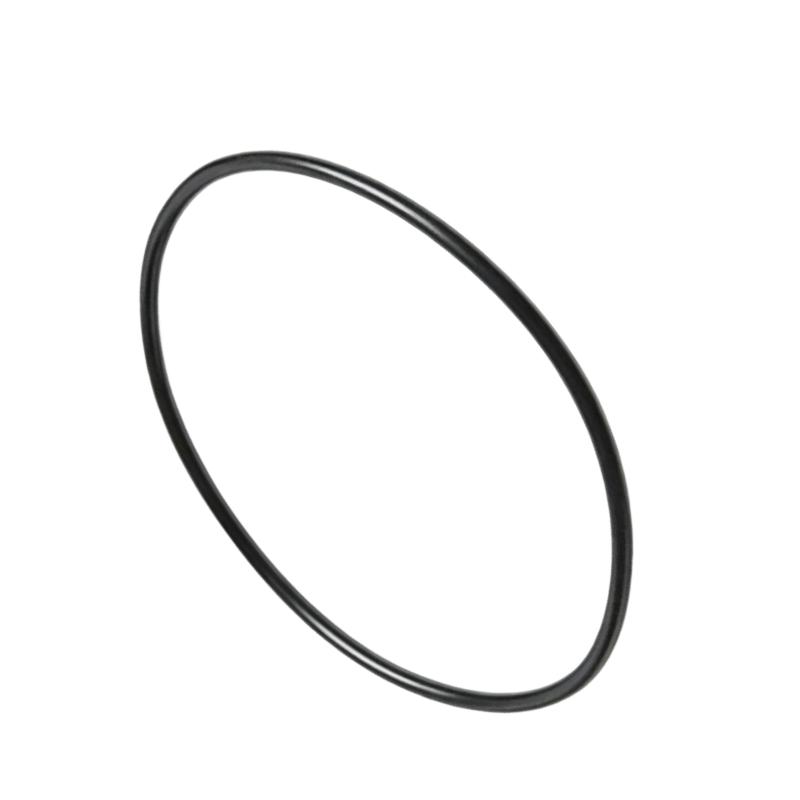
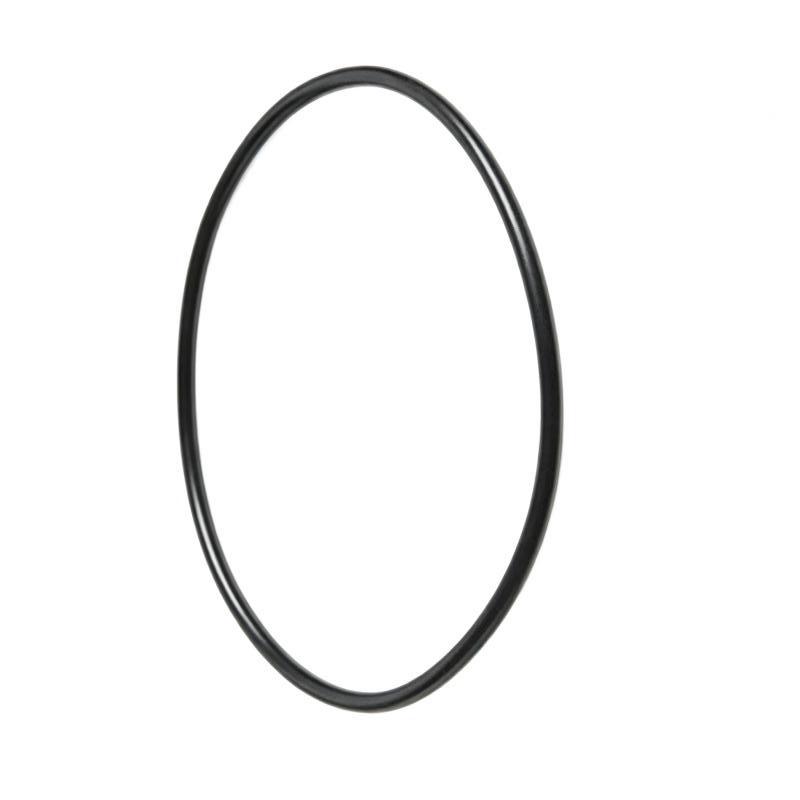
- O-Ring
- USA
- 50 × 10 × 30 mm
- 0.1 kg
- Xiamen, China
- New & In Stock
- T/T, PayPal, Western Union
- 1 Year
- 1-3 Working Days
- DHL, UPS, TNT, FedEx and EMS.
- 24-Hour Service
- COO
- 16
Our advantage

Global Logistics
We have a 10-year logistics and express cooperation agreement, so our products can be shipped to any place in the world.

Brand new and original
Our products are imported in bulk from the place of origin. Because of the cooperative relationship, our products are all original and 100% new.

24-hour service
We provide 7*24 hours service to our customers. We will be there whenever you need us.

Price advantage
All our products are priced very favorably because we have our own warehouse and supply.
| Company Information | |||
| [email protected] | |||
| Mobile | +8615980777398 | ||
| +8615980777398 | |||
| 15980777398 |
Product Overview
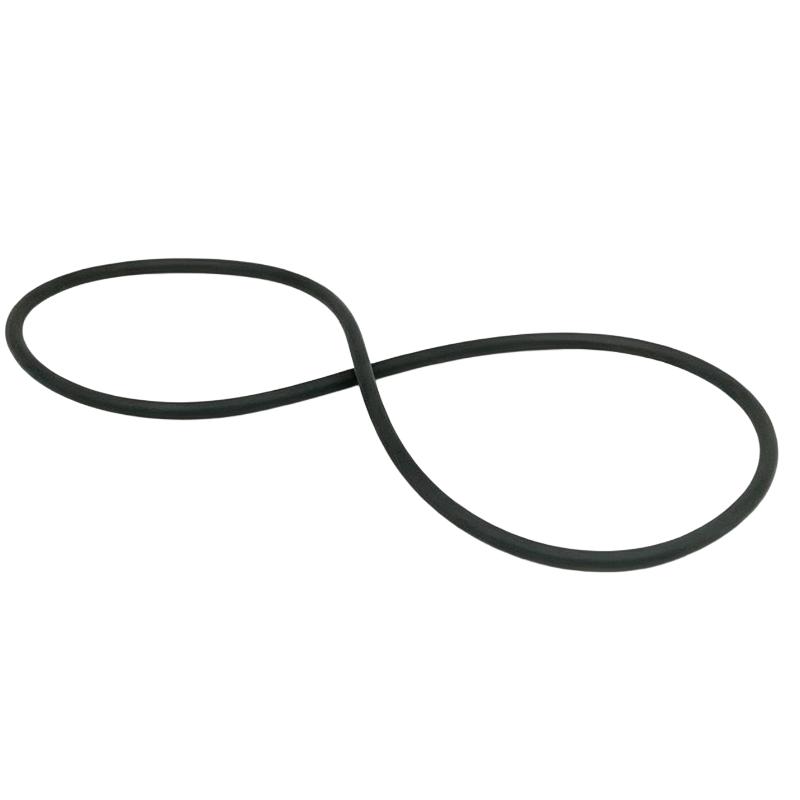
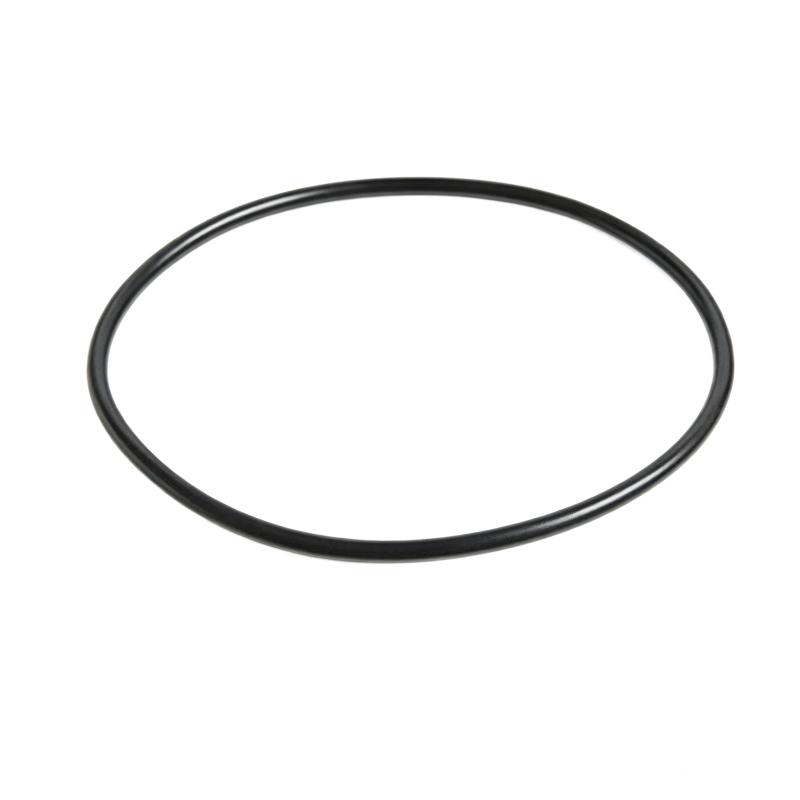
The Ingersoll Rand 47556925001 95022125 O-Ring is an industrial sealing component intended for use in compatible Ingersoll Rand compressed-air equipment. O-rings are essential parts of compressor assemblies because they help prevent air, oil, and other operating fluids from escaping through joints between connected components.
In industrial screw air compressors, sealing elements are used in valve assemblies, housings, pipe connections, covers, and other components where two surfaces must maintain a reliable seal. Although an O-ring is a relatively small component, its condition can directly affect equipment pressure stability, lubrication performance, and operating reliability.
Part number 95022125 is identified in product listings as an Ingersoll Rand O-ring. Its published dimensional specification is 88.57 × 2.62 mm, with an SAE AS568 profile and FKM70 material designation. FKM is a fluorocarbon elastomer commonly selected for sealing applications that require resistance to oils, elevated temperatures, and certain industrial fluids.
The supplied product listing also includes the reference 47556925001. Since the relationship between this reference and 95022125 should be confirmed against the actual component label or equipment parts list, buyers should verify both numbers before ordering.
An O-ring must be selected according to its actual inside diameter, cross-section, material, temperature range, pressure conditions, and chemical compatibility. A visually similar seal may not provide the same sealing performance if its dimensions or material differ.
For maintenance teams, selecting the correct replacement seal is important for preventing leakage, reducing unnecessary equipment downtime, and maintaining the designed operating conditions of an air compressor.
Technical Specifications
| Parameter | Specification |
|---|---|
| Brand | Ingersoll Rand |
| Manufacturer | Ingersoll Rand |
| Part Number | 47556925001 |
| Reference Part Number | 95022125 |
| Product Type | O-Ring / Sealing Ring |
| Application | Industrial Air Compressor |
| Published O-Ring Dimensions | 88.57 × 2.62 mm |
| Standard Reference | SAE AS568 |
| Material | FKM70 Fluoroelastomer |
| Supplied Listing Dimensions | 50 × 10 × 30 mm |
| Supplied Listing Weight | 0.1 kg |
| Main Function | Prevents leakage at compatible sealing joints |
| Typical Equipment | Compatible Ingersoll Rand compressed-air systems |
Important dimensional note: The 50 × 10 × 30 mm figure is retained as the supplied listing dimension and should not be treated as the actual O-ring size. Confirm the physical seal dimensions before installation.
Function and Working Principle
The primary function of an O-ring is to create a seal between two mating surfaces. It works through elastic deformation: when installed in a correctly sized groove and compressed by the mating component, the ring develops contact pressure against the surrounding surfaces.
1. Static Sealing
In static applications, the O-ring seals two components that do not move relative to each other during normal operation. Examples may include covers, housings, flanges, and fixed connections.
The ring is compressed when the components are assembled. This compression creates a sealing contact that helps prevent compressed air or lubricant from escaping.
2. Pressure Containment
Air compressors operate with pressurized air and lubricating oil circulating through different internal passages. Sealing components help maintain separation between these areas and prevent unwanted leakage.
The suitability of an O-ring depends on the pressure, groove design, extrusion clearance, and material properties. Correct installation is therefore essential.
3. Elastic Recovery
FKM70 elastomer can deform under installation pressure and recover its shape to a certain extent when the load changes. This elastic behavior allows the ring to maintain contact with the sealing surfaces during normal operating conditions.
Over time, temperature, chemical exposure, compression, and mechanical wear may reduce this recovery capability. Regular inspection helps identify seals that need replacement.
4. Oil and Temperature Resistance
The published material designation for part 95022125 is FKM70. Fluoroelastomer materials are commonly used in industrial sealing applications because they can provide resistance to many oils and elevated-temperature environments.
Actual compatibility depends on the specific fluid formulation, temperature, exposure duration, and operating conditions. Always confirm material suitability against the compressor manufacturer’s maintenance requirements.
Role in Industrial Air Compressor Systems
An O-ring is a small but important part of an air compressor’s sealing arrangement. It helps maintain the integrity of component connections and supports stable operation.
Compressor Housing Sealing
O-rings may be installed between housings, covers, and other assembled components. Their purpose is to prevent leakage through the joint while maintaining the correct assembly arrangement.
Lubrication System Sealing
Oil-injected screw compressors rely on lubricating oil for sealing, cooling, and lubrication. Properly selected seals help prevent oil leakage from compatible connections and housings.
Valve and Connection Assemblies
Valve assemblies and pipe connections may use O-rings to seal mating surfaces. A damaged or incorrectly sized ring can cause leakage and affect the performance of the associated assembly.
Maintenance and Equipment Reliability
During compressor servicing, seals are often inspected alongside filters, separators, valves, and other wear components. Replacing a damaged O-ring at the appropriate maintenance interval can help prevent minor leakage from developing into a larger maintenance issue.
Industrial Applications
1. Rotary Screw Air Compressors
Rotary screw compressors use multiple sealing points throughout their air and oil systems. Compatible O-rings help maintain sealing integrity around selected housings, connections, and assemblies.
2. Industrial Compressed-Air Systems
Compressed-air equipment in manufacturing facilities depends on reliable sealing to maintain pressure and reduce air losses. O-rings are used in compatible compressor components and auxiliary assemblies.
3. Manufacturing Plants
Production facilities use compressed air for pneumatic tools, actuators, packaging equipment, and material-handling systems. Maintaining compressor seals helps support reliable air supply to these processes.
4. Pneumatic Equipment
Pneumatic systems rely on stable pressure to operate cylinders, valves, and other air-powered devices. Compressor maintenance, including replacement of worn sealing elements, helps reduce leakage within the air supply system.
5. Compressor Service and Overhaul
During planned maintenance or equipment overhaul, technicians may inspect and replace O-rings where required. Correct part identification is especially important when servicing older compressor models or equipment with multiple similar seal sizes.
Installation and Maintenance Guidelines
Correct installation is necessary to achieve the intended sealing performance. Even a suitable O-ring may leak if it is damaged, incorrectly fitted, or installed in an unsuitable groove.
1. Verify the Part Number
Before installation, confirm the part number against the compressor’s parts list, maintenance documentation, or original component label.
Check whether 47556925001 and 95022125 are both applicable references for the required assembly. Do not rely on a similar-looking part or an unverified cross-reference.
2. Check the Actual Dimensions
Confirm the O-ring’s inside diameter and cross-section. The published specification for 95022125 is 88.57 × 2.62 mm.
The supplied 50 × 10 × 30 mm listing dimensions should be treated separately from the actual seal dimensions.
3. Inspect the Sealing Groove
Before installing the replacement, inspect the groove and mating surfaces for scratches, burrs, corrosion, dirt, or old seal residue.
A damaged groove or contaminated surface can prevent the O-ring from sealing correctly, even when the replacement part is correct.
4. Clean the Installation Area
Remove oil deposits, dust, and foreign particles using cleaning materials approved for the compressor and the seal material.
Avoid sharp tools that may scratch the sealing surfaces or damage the replacement ring.
5. Install Without Twisting
Fit the O-ring carefully into its designated groove. Avoid stretching it excessively, twisting it, or allowing it to become pinched during assembly.
Use only an approved lubricant where required by the equipment manufacturer’s installation procedure.
6. Inspect After Assembly
After reassembly, follow the compressor manufacturer’s pressure-testing and commissioning procedures. Check the repaired area for air or oil leakage under the specified operating conditions.
If leakage continues, inspect the groove, mating surfaces, assembly alignment, and replacement seal specification rather than simply tightening the connection further.
Compatible System Components
The O-ring is a sealing spare part rather than an independently operating device. Its compatibility depends on the compressor assembly in which it is installed.
| Component | Function | Relationship to the O-Ring |
|---|---|---|
| Compressor housing | Supports internal compressor assemblies | May contain sealing grooves for O-rings |
| Valve assembly | Controls air or oil flow | Selected joints may require compatible sealing rings |
| Oil system connections | Carry lubricating oil | Seals help prevent oil leakage |
| Pipe fittings | Connect compressor piping | Some fitting designs use O-ring seals |
| Cover and flange assemblies | Provide access and structural closure | O-rings may seal mating surfaces |
| Air-oil separator assembly | Separates oil from compressed air | Associated connections may use sealing elements |
| Compressor maintenance kit | Supplies service parts | May include seals for scheduled maintenance |
The table describes common compressor-system relationships. It does not confirm that this specific O-ring is used in every listed assembly. Always check the applicable equipment parts documentation.
Replacement and Selection Considerations
When replacing an Ingersoll Rand O-ring, matching the part number alone may not be sufficient if the equipment has been modified or the original component is no longer available.
Consider the following factors:
| Selection Factor | What to Verify |
|---|---|
| Part Number | Confirm 47556925001 and 95022125 against the equipment parts list |
| Inside Diameter | Verify the actual published or measured seal diameter |
| Cross-Section | Confirm the 2.62 mm published cross-section |
| Material | Verify FKM70 or the manufacturer-approved alternative |
| Temperature | Confirm compatibility with the compressor’s operating temperature |
| Pressure | Check suitability for the sealing location and pressure conditions |
| Fluid Compatibility | Confirm resistance to the actual compressor oil or other fluid |
| Groove Dimensions | Verify groove width, depth, and surface condition |
| Installation Method | Follow the compressor manufacturer’s fitting procedure |
An alternative O-ring should not be selected based only on its outside appearance. Material differences can affect swelling, hardening, compression set, and service life.
Key Advantages
Reliable Sealing Function
A correctly selected and installed O-ring helps prevent leakage at compatible compressor joints and connections.
FKM70 Material
The published FKM70 material specification is suitable for many industrial sealing applications involving oils and elevated temperatures, subject to actual fluid and temperature compatibility.
Compact Design
The O-ring occupies little installation space while providing an effective sealing interface between properly designed mating components.
Maintenance-Friendly Replacement
O-rings can be inspected and replaced during planned compressor servicing when the relevant assembly is accessible.
Support for Compressor Reliability
Maintaining the correct sealing condition helps reduce leakage-related problems and supports stable compressor operation.
Identifiable Spare-Part Reference
The 95022125 reference provides a useful identification point when checking maintenance records and sourcing replacement parts.
Technical FAQs
1. What is the Ingersoll Rand 95022125?
It is an O-ring sealing component listed for use with Ingersoll Rand compressed-air equipment. Its function is to prevent leakage at compatible sealing joints.
2. What are the published dimensions of the 95022125 O-ring?
Published product information identifies the ring as 88.57 × 2.62 mm. The 50 × 10 × 30 mm dimensions supplied for this listing should not be interpreted as the actual seal dimensions.
3. What material is used for this O-ring?
The 95022125 is listed as FKM70 fluoroelastomer. This material is commonly used in industrial sealing applications requiring resistance to many oils and elevated temperatures.
4. What does FKM70 mean?
FKM identifies a family of fluoroelastomer materials, while 70 generally refers to a nominal hardness of approximately 70 Shore A. The exact material formulation and compatibility should be confirmed from the manufacturer’s documentation.
5. What is the purpose of an O-ring in an air compressor?
An O-ring creates a seal between mating components. It helps prevent compressed air, oil, or other fluids from leaking through joints and connections.
6. Can a damaged O-ring cause compressor oil leakage?
Yes. If an O-ring becomes cracked, hardened, deformed, or incorrectly installed, it may no longer maintain adequate sealing pressure. This can lead to oil leakage where the ring is used in an oil-containing assembly.
7. Can another FKM O-ring replace the 95022125?
Only if its dimensions, material properties, pressure capability, temperature range, and application compatibility meet the equipment requirements. Similar material alone does not guarantee interchangeability.
8. When should the O-ring be replaced?
Replacement should follow the compressor manufacturer’s maintenance schedule and inspection findings. It should also be replaced if it shows cuts, cracks, permanent deformation, hardening, swelling, or other visible damage.
9. How can installation-related leakage be prevented?
Use the correct seal, clean the groove and mating surfaces, avoid twisting or cutting the ring, and follow the approved assembly procedure. Inspect the repaired connection after commissioning.
10. What should buyers confirm before ordering?
Verify the complete part number, actual O-ring dimensions, material specification, and equipment compatibility. If both 47556925001 and 95022125 appear in the listing, confirm their relationship against the original part label or equipment parts documentation.
Procurement and Maintenance Recommendations
When purchasing the Ingersoll Rand 47556925001 / 95022125 O-ring, confirm the required part reference with the equipment manufacturer documentation or the original seal marking. The 95022125 designation is associated with an 88.57 × 2.62 mm FKM70 O-ring, so these dimensions should be checked before the part is installed.
For maintenance departments, keeping commonly used sealing components available can help reduce delays during compressor servicing. However, storing different O-ring sizes together without clear identification can lead to incorrect installation. Each seal should be labeled and stored in a clean environment away from excessive heat, direct sunlight, and conditions that may damage elastomer materials.
During compressor overhaul, inspect the sealing groove and surrounding surfaces rather than replacing the O-ring alone. Scratches, corrosion, and assembly damage may cause continued leakage even after a new seal has been installed.
For purchasing and logistics, distinguish the actual O-ring dimensions from the package or listing dimensions. Confirm the unit weight and packaging information with the supplier when arranging shipment.
Conclusion
The Ingersoll Rand 47556925001 / 95022125 O-Ring is a compact sealing spare part used in compatible compressed-air equipment. The 95022125 reference is listed with an 88.57 × 2.62 mm SAE AS568 profile and FKM70 fluoroelastomer material.
Although small, an O-ring plays an important role in maintaining sealing integrity within industrial compressor assemblies. Correct part identification, material compatibility, careful installation, and routine inspection help support reliable equipment operation and reduce leakage-related maintenance problems.