

ProductPRODUCT
Featured products

Contact Us
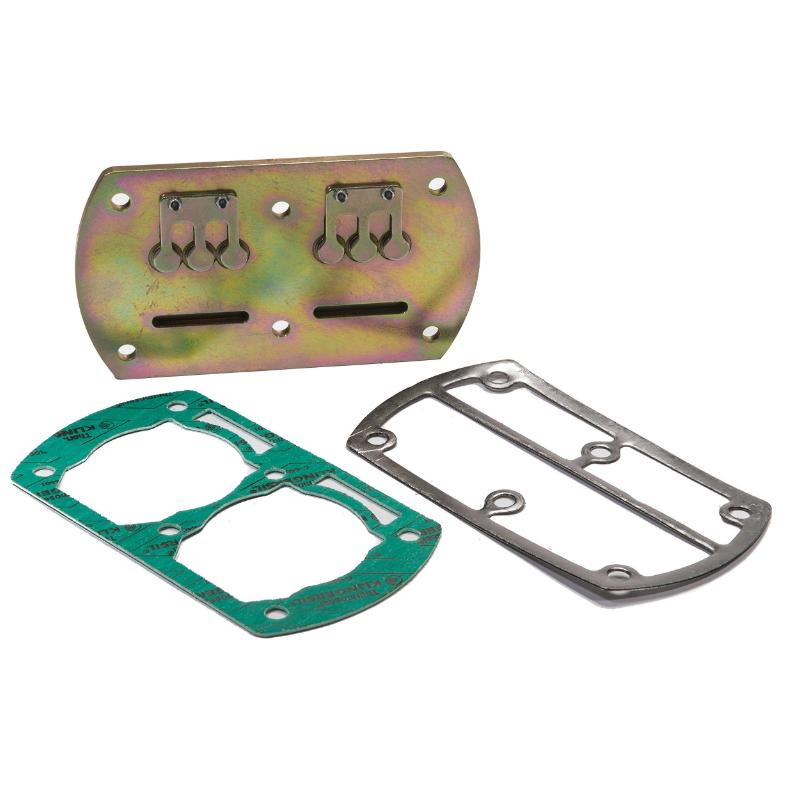
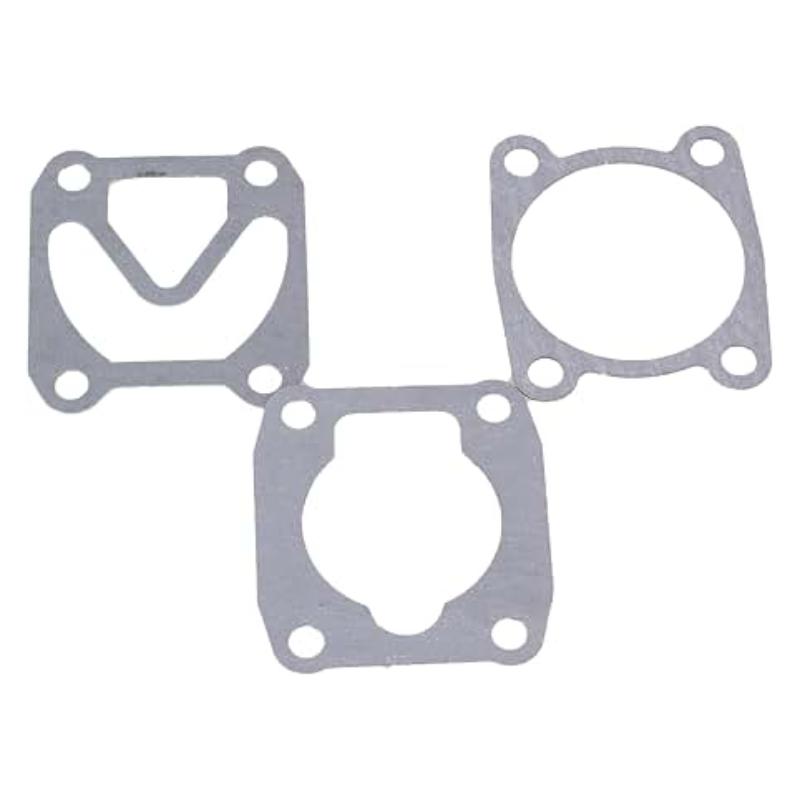
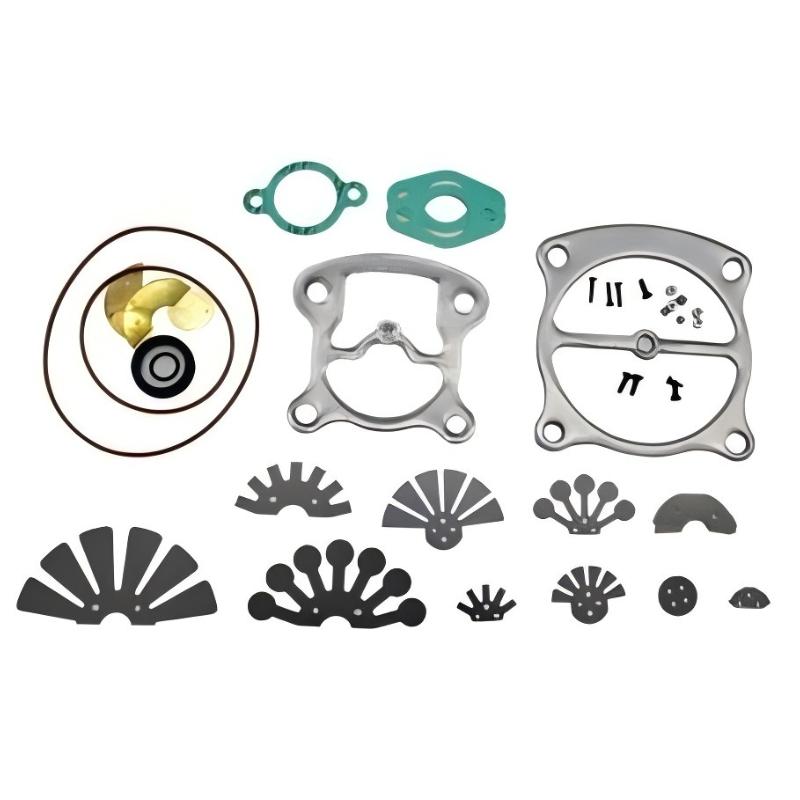
- Ingersoll Rand
- 47556925001 92876457
- Sealing Gasket
- USA
- 320 × 180 × 3 mm
- 0.185 kg
- Xiamen, China
- New & In Stock
- T/T, PayPal, Western Union
- 1 Year
- 1-3 Working Days
- DHL, UPS, TNT, FedEx and EMS.
- 24-Hour Service
- COO
- 17
Our advantage

Global Logistics
We have a 10-year logistics and express cooperation agreement, so our products can be shipped to any place in the world.

Brand new and original
Our products are imported in bulk from the place of origin. Because of the cooperative relationship, our products are all original and 100% new.

24-hour service
We provide 7*24 hours service to our customers. We will be there whenever you need us.

Price advantage
All our products are priced very favorably because we have our own warehouse and supply.
| Company Information | |||
| [email protected] | |||
| Mobile | +8615980777398 | ||
| +8615980777398 | |||
| 15980777398 |
Product Overview
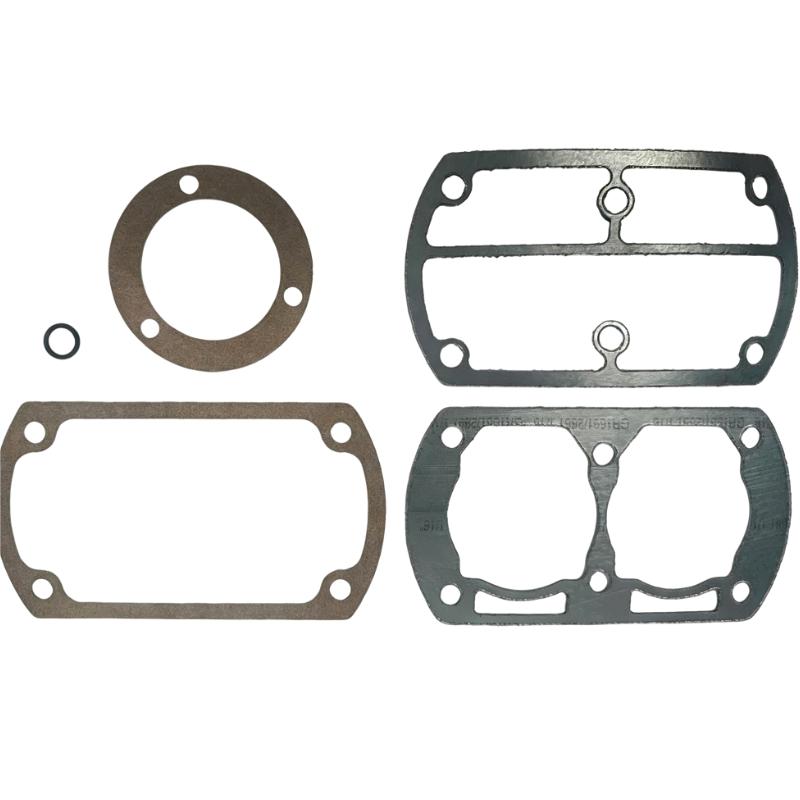
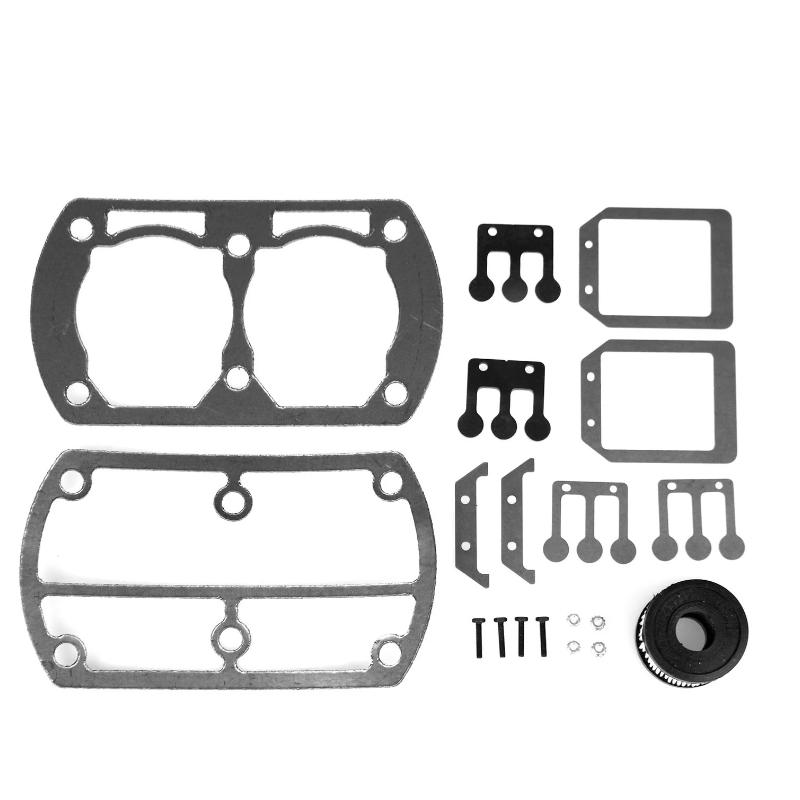
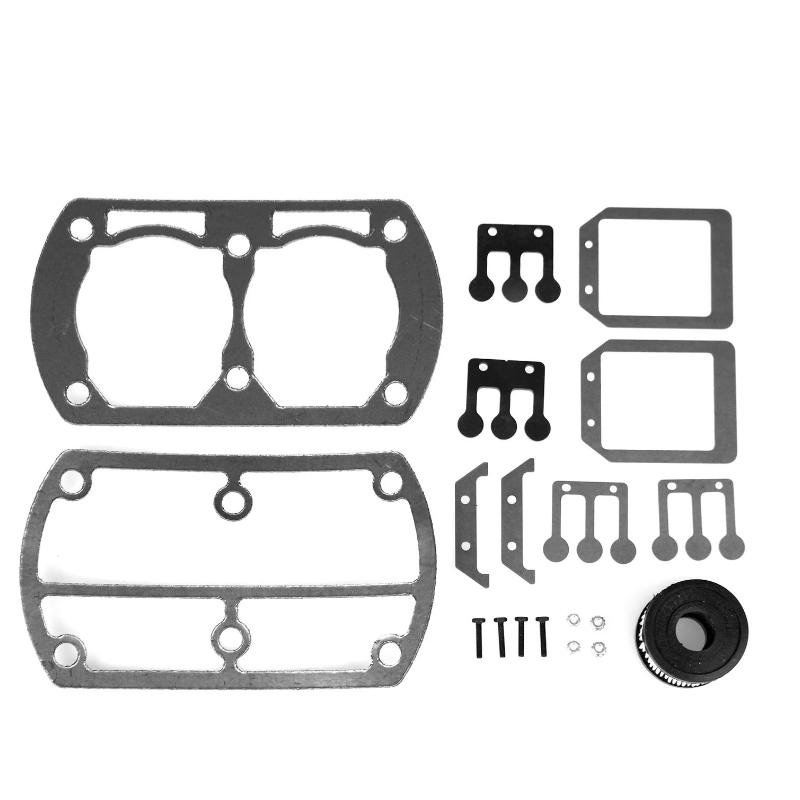
The Ingersoll Rand 47556925001 92876457 Sealing Gasket is an industrial replacement sealing component intended for compatible Ingersoll Rand compressed-air equipment. Gaskets are essential parts of compressor assemblies because they help create a tight sealing interface between connected components and reduce the risk of air, oil, or other fluid leakage.
In an industrial air compressor, sealing points can be found around covers, housings, flanges, valve assemblies, and other mechanical connections. These interfaces are exposed to pressure, temperature changes, vibration, and continuous operating cycles. A properly selected gasket helps maintain the integrity of these connections and supports stable equipment operation.
The part number 92876457 is identified in available Ingersoll Rand parts listings as a gasket. The additional reference 47556925001 is retained as supplied in the product identification, but its exact relationship to 92876457 should be checked against the compressor parts list or original component label before ordering.
With supplied dimensions of 320 × 180 × 3 mm and a weight of 0.185 kg, this gasket is a relatively thin sealing component. Its dimensions, material, profile, and installation position must match the intended equipment interface. Even a small difference in thickness or shape can affect compression, sealing pressure, and long-term reliability.
For maintenance teams, replacing a worn or damaged gasket is an important part of compressor servicing. Correct part identification and careful installation help reduce leakage, prevent contamination, and avoid unnecessary equipment downtime.
Technical Specifications
| Parameter | Specification |
|---|---|
| Brand | Ingersoll Rand |
| Manufacturer | Ingersoll Rand |
| Supplied Part Number | 47556925001 |
| Reference Part Number | 92876457 |
| Product Type | Sealing Gasket |
| Application | Compatible industrial air compressor equipment |
| Length | 320 mm |
| Width | 180 mm |
| Thickness | 3 mm |
| Dimensions | 320 × 180 × 3 mm |
| Weight | 0.185 kg |
| Main Function | Sealing between mating components |
| Installation Type | Gasket interface |
| Material | To be confirmed against the original part |
| Equipment Compatibility | Verify using compressor model and serial number |
Note: The dimensions and weight are supplied product-listing values. The exact gasket material, profile, installation location, and relationship between the two supplied part references should be confirmed before procurement.
Function and Working Principle
A gasket creates a sealing barrier between two mating surfaces. When the connected components are assembled and fastened, the gasket is compressed to accommodate minor surface irregularities and help prevent unwanted leakage.
1. Sealing Between Connected Components
Industrial compressor assemblies contain multiple joints where two surfaces must remain sealed during operation. A gasket is positioned between the mating surfaces and compressed according to the equipment’s specified assembly procedure.
The gasket helps reduce the passage of compressed air, lubricating oil, or other media through the joint. Its effectiveness depends on the material, geometry, surface condition, and applied compression.
2. Maintaining Pressure Integrity
Air compressors operate under pressure, and leakage at a sealing interface can affect system performance. A correctly selected gasket helps maintain the designed sealing condition around the relevant connection.
A damaged, incorrectly sized, or improperly installed gasket may allow leakage. This can contribute to pressure instability, reduced equipment efficiency, and additional maintenance requirements.
3. Accommodating Surface Irregularities
Machined metal surfaces may contain small imperfections that prevent direct metal-to-metal contact from creating a reliable seal. A suitable gasket fills these minor irregularities when compressed.
The required compression depends on the gasket’s material and design. Excessive compression can damage the gasket, while insufficient compression may leave leakage paths.
4. Supporting Oil and Air Circuit Separation
Depending on its installation location, a compressor gasket may help separate different internal passages or prevent lubricant from escaping through a joint.
The exact media handled by 92876457 should be confirmed from the applicable equipment documentation. The gasket should not be assumed to be suitable for every air, oil, or coolant connection simply because it is designed for compressor equipment.
5. Reducing Maintenance-Related Leakage
Gaskets can deteriorate through aging, heat exposure, compression set, chemical contact, vibration, or repeated disassembly. Replacing a gasket during appropriate maintenance can restore the sealing interface when the mating components remain in acceptable condition.
However, gasket replacement alone may not resolve leakage if the underlying surfaces are scratched, warped, corroded, or incorrectly assembled.
Role in Industrial Air Compressor Systems
The 92876457 gasket is a mechanical sealing part rather than an electrical or control component. Its role is to support the physical integrity of compatible compressor assemblies.
Compressor Housing Sealing
Gaskets used at housing interfaces help maintain the seal between connected mechanical sections. Their dimensions and profile must match the relevant mating surfaces.
Valve Assembly Sealing
Some compressor assemblies contain valves and related components that rely on accurately fitted sealing interfaces. A suitable gasket can help prevent unwanted leakage around these connections.
The exact installation position of 92876457 should be verified using the relevant parts drawing rather than assumed from its general product description.
Lubrication System Integrity
In oil-lubricated compressor equipment, sealing components help prevent lubricant leakage from housings and connected assemblies. Correct gasket selection is important because oil compatibility and operating temperature can affect material performance.
Maintenance and Equipment Restoration
During compressor servicing, a gasket may be replaced when the associated assembly is opened for inspection or repair. Using the correct replacement part helps maintenance personnel restore the intended joint configuration.
Industrial Applications
The gasket is intended for compatible Ingersoll Rand equipment. Its exact application should be determined from the compressor model, serial number, and parts documentation.
1. Industrial Screw Air Compressors
Industrial screw compressors contain multiple housings, covers, and connected assemblies that require reliable sealing. A correctly matched gasket can help maintain the integrity of the relevant joint during continuous operation.
2. Compressed-Air Production Facilities
Manufacturing plants depend on stable compressed-air supplies for pneumatic tools, actuators, valves, and production machinery. Leakage from compressor assemblies can increase operating costs and maintenance demands.
Maintaining sealing components is one part of keeping the compressed-air generation equipment in reliable condition.
3. Industrial Maintenance Workshops
Maintenance teams may use replacement gaskets during planned servicing, equipment inspection, and mechanical repairs. Correct part identification is especially important when working with older compressor models or equipment with incomplete maintenance records.
4. Compressor Overhaul and Repair
During an overhaul, connected components may be removed for inspection and cleaning. A gasket that has been compressed or damaged during disassembly may need replacement before the equipment is reassembled.
The replacement should match the original design and material requirements.
5. General Compressed-Air Systems
In suitable installations, compressor sealing components contribute to the reliability of the compressed-air supply. Their condition should be considered alongside filters, separators, valves, lubricating components, and other maintenance items.
Installation and System Integration
Correct gasket installation is essential for achieving a reliable seal. Even a dimensionally similar replacement may fail if the material, surface condition, or assembly procedure is unsuitable.
1. Verify the Part Number
Before installation, confirm both supplied references:
- 47556925001
- 92876457
Compare the numbers with the original component, compressor parts list, and equipment identification plate. Confirm the relationship between the two references before placing a repeat order.
Do not rely on a supplier’s general description alone when the equipment is used in a critical production process.
2. Check the Dimensions
The supplied dimensions are:
- Length: 320 mm
- Width: 180 mm
- Thickness: 3 mm
Compare the replacement with the original gasket and the mating surface. Check the external profile, openings, bolt holes, and any internal passages.
A gasket with the correct overall length and width may still be unsuitable if its openings or hole positions differ.
3. Inspect the Mating Surfaces
Before installing the replacement, inspect both mating surfaces for:
- Scratches and scoring.
- Corrosion or pitting.
- Burrs and sharp edges.
- Oil residue and dirt.
- Surface distortion or warping.
- Damage around bolt holes.
Clean the surfaces using a method compatible with the equipment and gasket material. Do not use aggressive scraping methods that could damage precision sealing surfaces.
4. Confirm Material Compatibility
The exact material of this gasket has not been confirmed. Before installation, verify that the material is suitable for the compressor’s operating temperature, pressure, lubricant, and other media.
A gasket designed for one service condition may deteriorate prematurely in another. Material selection should follow the equipment manufacturer’s requirements.
5. Install According to the Assembly Procedure
Position the gasket carefully and make sure it aligns with the relevant openings and locating features. Avoid stretching, folding, or damaging the sealing surface during installation.
Use the specified fasteners and tightening sequence. Apply the manufacturer’s recommended torque values rather than estimating them.
Do not add sealant unless the equipment documentation specifically requires it. An unsuitable sealant can interfere with the gasket’s sealing function or contaminate internal passages.
6. Inspect After Reassembly
After the assembly is completed, follow the compressor manufacturer’s startup procedure. Check the joint for leakage under the specified operating conditions.
If leakage continues, stop and investigate the mating surfaces, fasteners, alignment, and gasket compatibility. Repeatedly tightening fasteners without checking the underlying cause may damage the assembly.
Compatible System Components
A sealing gasket works together with the mechanical parts that form the joint. The following table describes typical related components in compressor maintenance. It does not establish that every component is directly compatible with part number 92876457.
| Component | Function | Maintenance Considerations |
|---|---|---|
| Compressor housing | Provides the structural enclosure for internal components | Inspect mating surfaces for damage and distortion |
| Valve assembly | Controls or directs air and related flow paths | Verify gasket profile and passage alignment |
| Cover or flange | Forms a removable mechanical joint | Check flatness, bolt holes, and fastening sequence |
| Fasteners | Provide the clamping force required for the joint | Use specified fasteners and torque values |
| Air filter | Removes airborne particles from intake air | Replace according to operating conditions and maintenance intervals |
| Oil filter | Removes contaminants from compressor lubricant | Confirm correct element and service interval |
| Air-oil separator | Separates lubricant from compressed air in applicable compressors | Inspect sealing interfaces during replacement |
| Lubrication components | Support oil circulation and equipment lubrication | Confirm lubricant compatibility and inspect for leakage |
| Compressor piping | Transfers compressed air or other operating media | Check connections and adjacent sealing points |
Replacement Models and Selection Considerations
A gasket should generally be replaced with the exact specified part or an approved equivalent. Unlike some electrical components, a sealing gasket cannot be selected by general size or appearance alone.
| Selection Option | Consideration |
|---|---|
| Ingersoll Rand 92876457 | Confirm that this is the correct reference for the compressor model and installation location |
| Supplied reference 47556925001 | Verify its relationship to 92876457 using the original label or parts documentation |
| Genuine OEM gasket | Preferred when exact material, geometry, and equipment compatibility are required |
| Approved equivalent gasket | Use only when material, dimensions, profile, and operating limits are confirmed |
| Custom-cut gasket | Consider only with an approved drawing and verified material specification |
Before selecting a replacement, check:
- Compressor model and serial number.
- Complete part number and reference number.
- Gasket length, width, and thickness.
- External shape and internal openings.
- Bolt-hole positions and diameters.
- Material and chemical compatibility.
- Operating pressure and temperature.
- Surface finish and mating-component condition.
- Manufacturer-approved installation procedure.
A gasket should not be substituted solely because its dimensions appear similar. The material and sealing design are equally important.
Key Advantages
Reliable Sealing Function
A correctly matched gasket helps maintain the sealing interface between connected compressor components and reduces the risk of leakage.
Support for Compressor Maintenance
The replacement gasket can be used during appropriate servicing and repair work when the associated assembly must be opened.
Defined Physical Dimensions
The supplied 320 × 180 × 3 mm dimensions provide a reference for preliminary product identification and inventory management. Final compatibility must still be verified.
Lightweight Mechanical Component
With a supplied weight of 0.185 kg, the gasket is a relatively lightweight replacement component that can be stored as part of a maintenance spare-parts inventory.
Helps Protect Equipment Performance
Maintaining the correct sealing condition can help reduce air or lubricant leakage and support stable compressor operation.
Useful for Planned Maintenance
Replacing damaged or deteriorated gaskets during scheduled service can help avoid repeated disassembly and unnecessary production interruptions.
Technical FAQs
1. What is the Ingersoll Rand 47556925001 92876457?
It is identified as a sealing gasket, with 92876457 listed as an Ingersoll Rand gasket reference. The additional number 47556925001 is retained from the supplied product identification and should be checked against the original equipment documentation.
2. What is the main function of this gasket?
Its general function is to create a sealing interface between connected components and help prevent unwanted leakage. The exact media and installation location depend on the compressor assembly for which it is specified.
3. What are the dimensions of this gasket?
The supplied dimensions are 320 × 180 × 3 mm. Check the original gasket’s profile, openings, and bolt-hole positions before installation.
4. How much does the gasket weigh?
The supplied product weight is 0.185 kg. Confirm the actual unit weight if accurate shipping or inventory data is required.
5. What material is the gasket made from?
The exact material has not been confirmed. Check the original component specification or Ingersoll Rand parts documentation before selecting a replacement material.
6. Can this gasket be used on any Ingersoll Rand compressor?
No. Compatibility should not be assumed across all Ingersoll Rand compressor models. Confirm the compressor model, serial number, and installation location.
7. Why should a gasket be replaced during maintenance?
Gaskets may become compressed, hardened, cracked, deformed, or damaged over time. Replacing an unsuitable gasket can help restore the intended sealing condition after an assembly has been opened.
8. Can a similar-sized gasket be used as a substitute?
Not without checking the complete geometry and material requirements. Overall dimensions alone do not confirm compatibility. The profile, openings, thickness, material, and operating conditions must also match.
9. What should be checked before installing the replacement?
Inspect the gasket, mating surfaces, bolt holes, and fasteners. Confirm that the material is suitable and that the gasket is correctly aligned before tightening the assembly according to the specified procedure.
10. How can repeated gasket leakage be prevented?
Use the correct part, inspect the mating surfaces, maintain proper alignment, follow the recommended tightening sequence, and investigate any underlying pressure, temperature, vibration, or mechanical problem that may contribute to leakage.
Procurement and Maintenance Recommendations
When purchasing the Ingersoll Rand 47556925001 92876457 Sealing Gasket, begin by verifying the complete part identification. The reference 92876457 is listed as a gasket, while the relationship to 47556925001 should be confirmed against the original component or the relevant compressor parts documentation.
For purchasing and inventory management, record the compressor model, serial number, gasket dimensions, material specification, and installation location. These details help distinguish similar-looking sealing parts and reduce the risk of ordering an unsuitable replacement.
For new or surplus components, inspect the gasket for deformation, cuts, cracks, contamination, and signs of improper storage. Keep replacement gaskets in clean, dry conditions and avoid placing heavy objects on them.
During compressor maintenance, inspect the mating surfaces and related fasteners whenever the joint is opened. If the original gasket has failed, investigate possible causes such as surface damage, incorrect tightening, excessive temperature, chemical incompatibility, or vibration.
After replacement, follow the manufacturer’s assembly and startup instructions. Check the joint under the specified operating conditions and document the part number, replacement date, and inspection results.
Conclusion
The Ingersoll Rand 47556925001 92876457 Sealing Gasket is a mechanical sealing component intended for compatible industrial compressor equipment. With supplied dimensions of 320 × 180 × 3 mm and a weight of 0.185 kg, it is designed to serve as a replacement sealing part in an appropriate compressor assembly.
The 92876457 reference is identified as an Ingersoll Rand gasket. Before ordering, users should verify the relationship between the two supplied part references, confirm the compressor model and serial number, and check the gasket’s material and installation profile.
Correct part selection, proper surface preparation, and careful installation are essential for maintaining sealing performance and supporting reliable compressor operation.