

ProductPRODUCT
Featured products


Contact Us
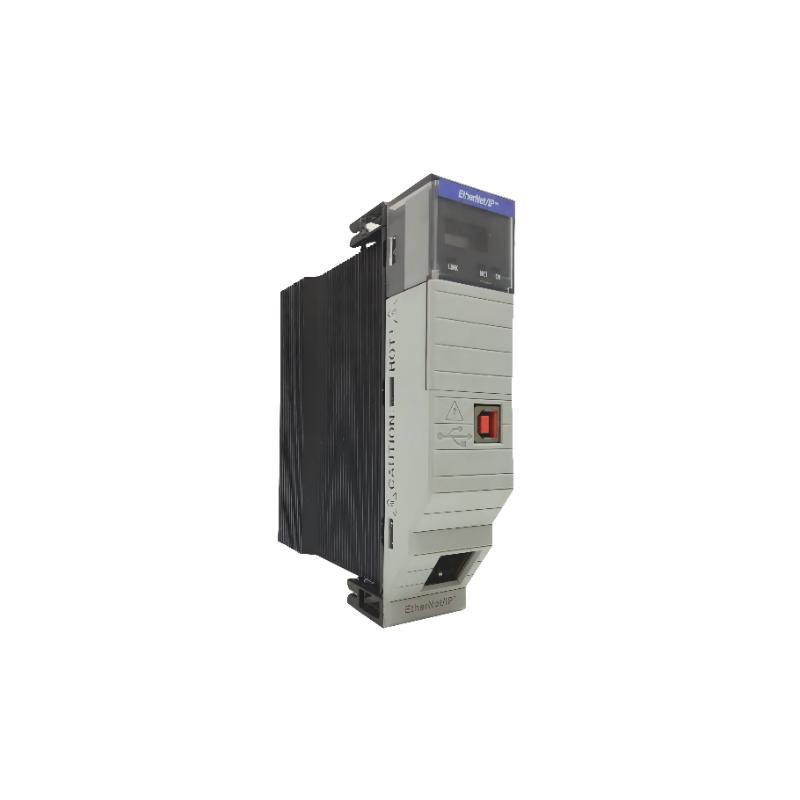
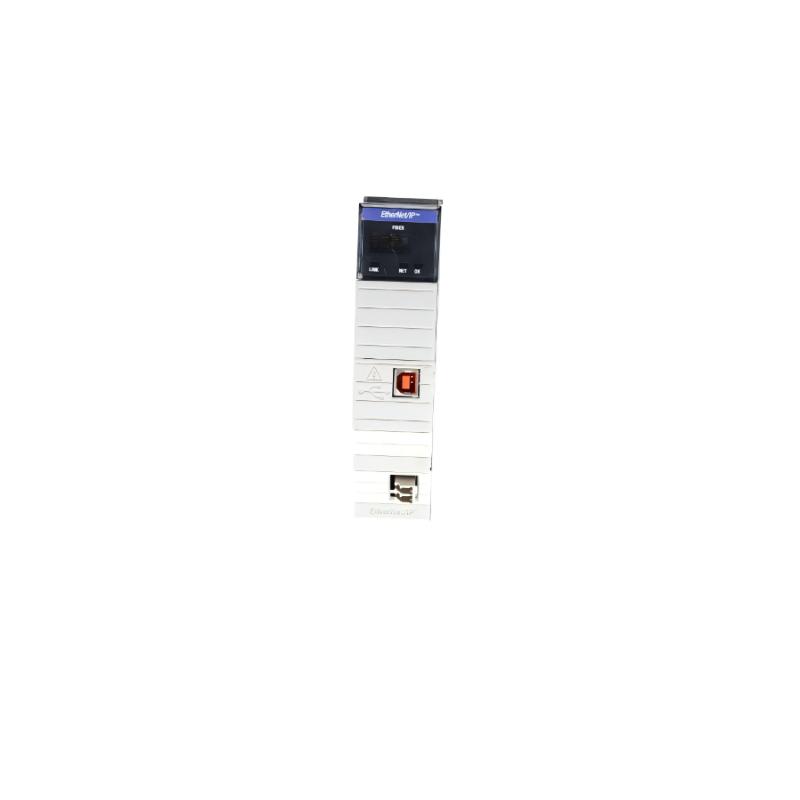
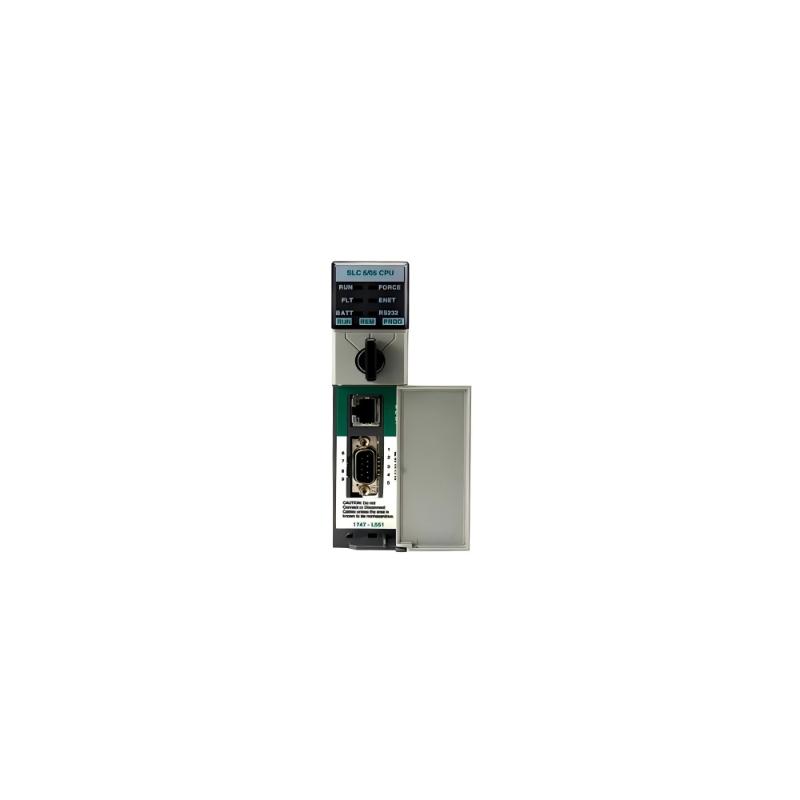
- Allen Bradley
- 1756-EN2F
- ControlLogix ControlNet Communication Module
- USA
- 140 × 145 × 35 mm
- 0.3kg
- Xiamen, China
- New & In Stock
- T/T, PayPal, Western Union
- 1 Year
- 1-3 Working Days
- DHL, UPS, TNT, FedEx and EMS.
- 24-Hour Service
- COO
- 96
Our advantage

Global Logistics
We have a 10-year logistics and express cooperation agreement, so our products can be shipped to any place in the world.

Brand new and original
Our products are imported in bulk from the place of origin. Because of the cooperative relationship, our products are all original and 100% new.

24-hour service
We provide 7*24 hours service to our customers. We will be there whenever you need us.

Price advantage
All our products are priced very favorably because we have our own warehouse and supply.
| Company Information | |||
| [email protected] | |||
| Mobile | +8615980777398 | ||
| +8615980777398 | |||
| 15980777398 |
Industrial Communication Module Technical Report
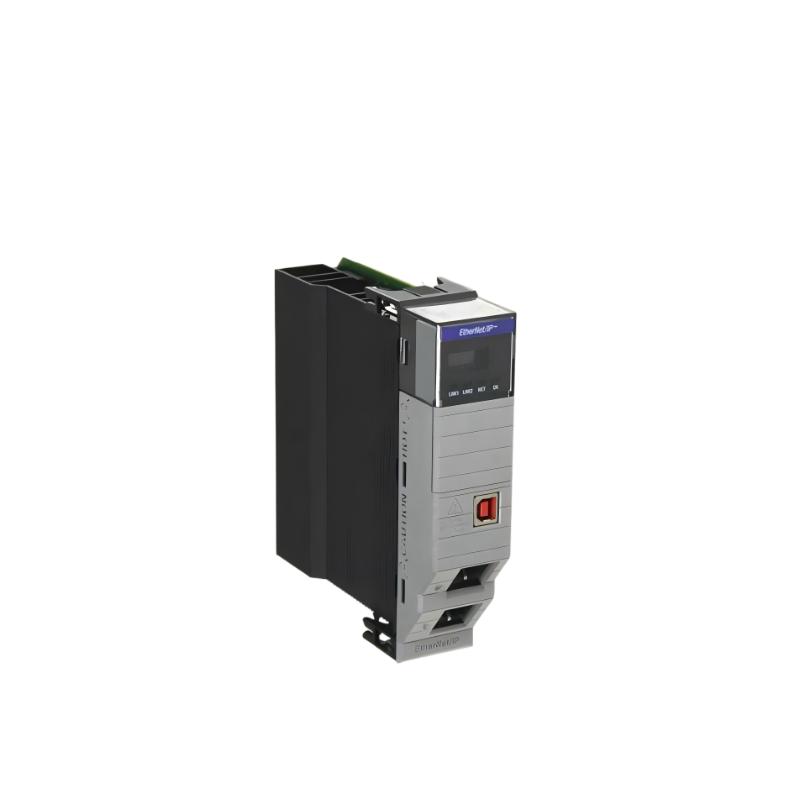
Model: 1756-EN2F EtherNet/IP Fiber Communication Module
1. Product Overview
The 1756-EN2F is a ControlLogix EtherNet/IP communication module designed for high-speed industrial networking using multimode fiber optic communication. It enables a ControlLogix controller to connect to Ethernet-based industrial systems with high reliability and electrical isolation.
Unlike copper Ethernet modules, this version uses fiber optic LC connectors, making it suitable for environments with high electromagnetic interference or long-distance communication requirements.
The module supports TCP/IP and EtherNet/IP protocols and is widely used in distributed automation systems requiring stable, high-bandwidth communication.
2. Brand and Series Information
- Brand: Industrial automation control platform
- Series: ControlLogix 1756 Series
- Product Family: EtherNet/IP Communication Modules
- Module Type: Fiber Optic Ethernet Communication Module
The 1756 series supports modular PLC architecture, allowing multiple communication modules to be integrated into a single chassis system for flexible industrial networking.
3. Product Description
The 1756-EN2F module provides EtherNet/IP communication via a single multimode fiber optic port (LC connector). It supports 10/100 Mbps data transmission and integrates directly into the ControlLogix backplane.
It enables PLC controllers to communicate with SCADA systems, HMIs, distributed I/O devices, and other Ethernet-based industrial controllers.
The fiber optic interface provides enhanced noise immunity and allows communication over longer distances compared to copper Ethernet modules.
It supports CIP messaging, TCP/IP connections, and high-capacity industrial data exchange.
4. Technical Parameters
| Parameter | Specification |
|---|---|
| Communication Protocol | EtherNet/IP |
| Network Type | Industrial Ethernet (Fiber Optic) |
| Data Rate | 10/100 Mbps |
| Fiber Type | Multimode LC connector |
| Number of Ports | 1 Ethernet fiber port |
| TCP Connections | 128 |
| CIP Connections | up to 256 |
| USB Port | 1 programming/configuration port |
| Power Consumption | 6.2 W |
| Current Draw | 1.2 A @ 5.1 V DC |
| Auxiliary Current | 3 mA @ 24 V DC |
| Thermal Dissipation | 21.28 BTU/hr |
| Isolation Voltage | 30 V continuous |
| Operating Temperature | 0°C to 60°C |
| Storage Temperature | -40°C to 85°C |
| Humidity Range | 5% – 95% non-condensing |
| Vibration Resistance | 2 G (10–500 Hz) |
| Shock Resistance | 30 G |
| Chassis Compatibility | 1756 ControlLogix chassis |
| Slot Width | 1 slot |
| Dimensions | 140 × 145 × 35 mm |
| Weight | ~0.30 kg |
5. Product Applications
The 1756-EN2F is widely used in industrial environments requiring high-speed and interference-resistant communication:
- Large-scale manufacturing automation systems
- Industrial SCADA monitoring systems
- Power generation control networks
- Oil and gas processing facilities
- Chemical plant distributed control systems
- High-noise industrial environments (steel mills, mining)
- Long-distance industrial Ethernet communication systems
- High-availability automation infrastructure
It is especially suitable where electromagnetic interference (EMI) or long-distance communication limits copper Ethernet performance.
6. Product Advantages
- Fiber optic communication with high EMI immunity
- Stable EtherNet/IP industrial protocol support
- High connection capacity (up to 256 CIP connections)
- Supports long-distance data transmission
- Strong noise resistance in harsh industrial environments
- Flexible integration into ControlLogix architecture
- Low latency industrial communication performance
- Stable operation under vibration and temperature variation
- Supports modern industrial Ethernet networking
- Reliable for mission-critical automation systems
7. Same Series / Related Models (ControlLogix Ethernet Family)
| Model | Function | Key Parameters |
|---|---|---|
| 1756-EN2F | Fiber EtherNet/IP module | 100 Mbps fiber, 128 TCP, ~0.30 kg |
| 1756-EN2TR | Redundant Ethernet module | Dual-port copper, ring topology support |
| 1756-EN2T | Standard Ethernet module | Copper Ethernet 10/100 Mbps |
| 1756-ENBT | Legacy Ethernet module | Basic EtherNet/IP communication |
| 1756-EWEB | Web-enabled Ethernet module | Web diagnostics and data access |
8. Other Popular Modules in Same Ecosystem
| Model | Function | Key Parameters |
|---|---|---|
| 1756-L71 | PLC controller module | High-performance CPU, large memory |
| 1756-L72 | Advanced controller module | Faster processing capability |
| 1756-IF8 | Analog input module | 8-channel signal acquisition |
| 1756-OB16E | Digital output module | 16-point electronic output |
| 1756-IB16 | Digital input module | 16-channel digital input module |
9. Engineering Summary
The 1756-EN2F is a fiber optic EtherNet/IP communication module designed for industrial environments requiring high-speed, long-distance, and interference-resistant networking.
Its fiber interface significantly improves communication reliability in electrically noisy environments compared to copper Ethernet modules.
It remains a strong choice in industries where deterministic Ethernet communication and high system robustness are required, especially in large-scale distributed automation systems.