

ProductPRODUCT
Featured products
Contact Us
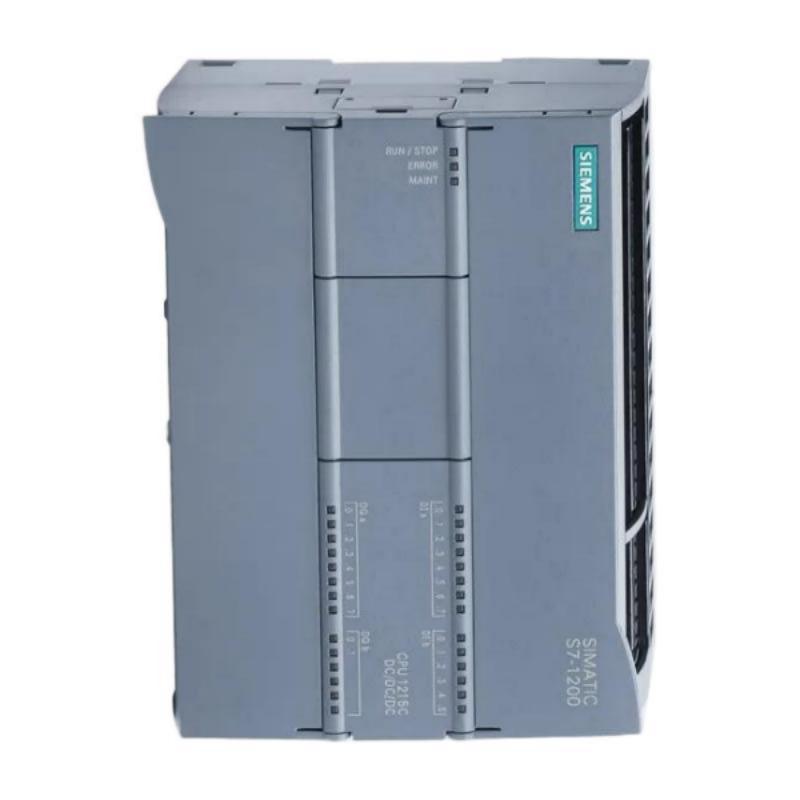
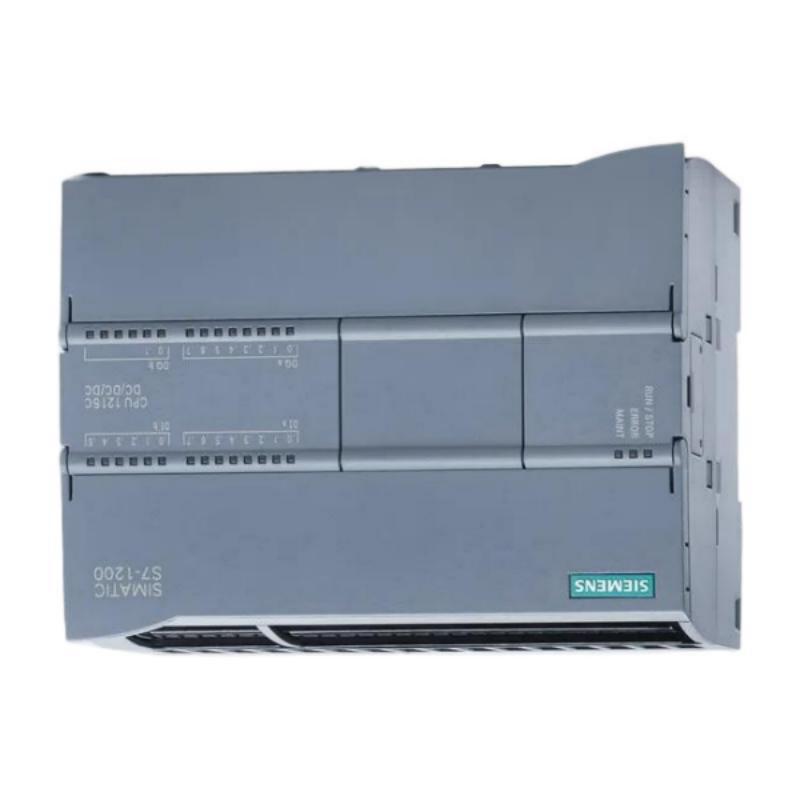
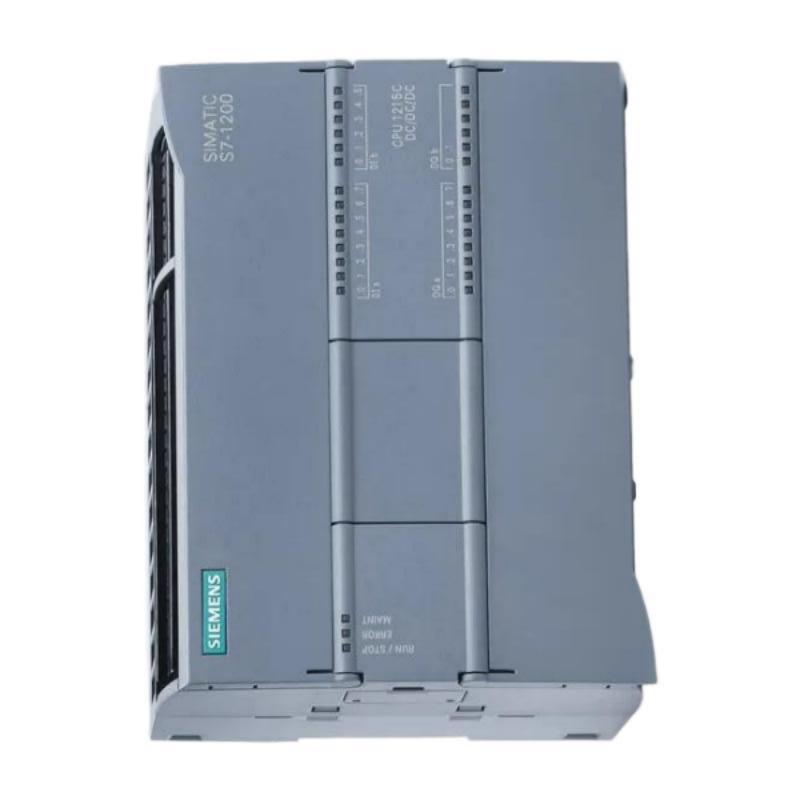
- Siemens
- 6AG1223-1BH32-2XB0
- SIPLUS S7-1200 SB 1223 2DI/2DQ
- Germany
- 45 × 100 × 75 mm
- 0.21kg
- Xiamen, China
- New & In Stock
- T/T, PayPal, Western Union
- 1 Year
- 1-3 Working Days
- DHL, UPS, TNT, FedEx and EMS.
- 24-Hour Service
- COO
- 6
Our advantage

Global Logistics
We have a 10-year logistics and express cooperation agreement, so our products can be shipped to any place in the world.

Brand new and original
Our products are imported in bulk from the place of origin. Because of the cooperative relationship, our products are all original and 100% new.

24-hour service
We provide 7*24 hours service to our customers. We will be there whenever you need us.

Price advantage
All our products are priced very favorably because we have our own warehouse and supply.
| Company Information | |||
| [email protected] | |||
| Mobile | +8615980777398 | ||
| +8615980777398 | |||
| 15980777398 |
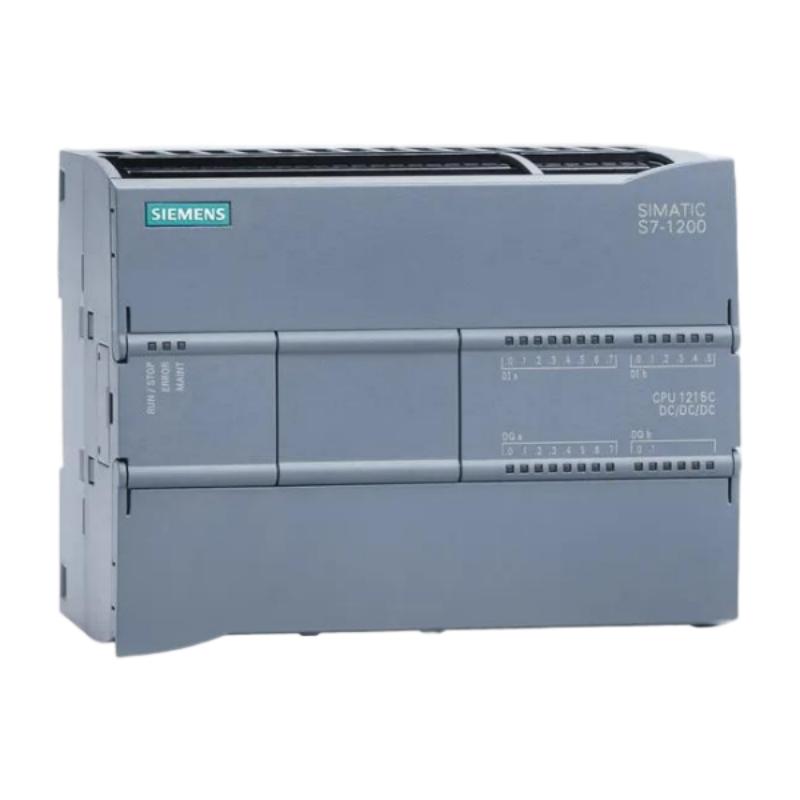
Siemens 6AG1223-1BH32-2XB0 — Product Description, Technical Specifications, Applications, Advantages, and Related Models
1. Product Overview
The Siemens 6AG1223-1BH32-2XB0 is a SIPLUS S7-1200 SM 1223 digital input/output expansion module designed for industrial automation systems. It provides eight digital inputs and eight digital outputs, allowing a programmable logic controller (PLC) to monitor field signals and control external devices through a single module.
This model is based on the standard 6ES7223-1BH32-0XB0 and incorporates conformal coating and an extended operating-temperature range. It is intended for applications where environmental resilience is important, while retaining the familiar digital I/O functionality of the S7-1200 platform.
The module is suitable for machinery, production lines, packaging equipment, material-handling systems, and other industrial installations that use 24 V DC digital signals. Its combination of inputs and outputs can reduce the need for separate modules when a control system requires both signal acquisition and output switching.
The digital inputs receive signals from compatible sensors, switches, and auxiliary contacts. The transistor outputs allow the PLC program to operate compatible 24 V DC loads, such as indicator devices, interface relays, and selected actuators. Actual load compatibility depends on current requirements, wiring, switching frequency, and the module’s specified operating limits.
2. Product Identification
| Item | Description |
|---|---|
| Model | 6AG1223-1BH32-2XB0 |
| Brand | Siemens |
| Product family | SIPLUS |
| Automation platform | SIMATIC S7-1200 |
| Product series | SM 1223 digital input/output modules |
| Module type | Digital input/output expansion module |
| Standard product basis | 6ES7223-1BH32-0XB0 |
| Number of digital inputs | 8 |
| Number of digital outputs | 8 |
| Input signal type | 24 V DC |
| Output signal type | 24 V DC transistor |
| Output current | 0.5 A per channel under specified conditions |
| Environmental protection | Conformal coating |
| Operating temperature | -40°C to +70°C |
| Startup temperature | -25°C |
| Installation type | Side-mounted PLC expansion module |
| Typical application | Industrial control and machine automation |
3. Detailed Technical Specifications
| Parameter | Specification |
|---|---|
| Model | 6AG1223-1BH32-2XB0 |
| Brand | Siemens |
| Product family | SIPLUS |
| Product series | SIMATIC S7-1200 SM 1223 |
| Module category | Digital input/output signal module |
| Standard product basis | 6ES7223-1BH32-0XB0 |
| Number of digital inputs | 8 |
| Number of digital outputs | 8 |
| Total digital I/O points | 16 |
| Rated supply voltage | 24 V DC |
| Permissible supply range | 20.4–28.8 V DC |
| Input voltage class | 24 V DC |
| Input type | IEC 61131 Type 1 |
| Input configuration | Sink/source-compatible arrangement, subject to wiring requirements |
| Typical input current at signal ON | Approximately 4 mA per channel |
| Input signal OFF threshold | Up to 5 V DC under the specified test conditions |
| Input signal ON threshold | From 15 V DC under the specified test conditions |
| Input delay | Configurable from 0.2 ms to 12.8 ms |
| Output technology | Transistor |
| Output voltage class | 24 V DC |
| Number of transistor outputs | 8 |
| Rated output current | 0.5 A per output under specified conditions |
| Output short-circuit protection | No integrated short-circuit protection |
| Typical power dissipation | Approximately 2.5 W |
| Backplane bus current at 5 V DC | Up to approximately 145 mA |
| Conformal coating | Yes |
| Operating temperature | -40°C to +70°C |
| Startup temperature | -25°C |
| Protection rating | IP20 in the appropriate installed configuration |
| Width | 45 mm |
| Height | 100 mm |
| Depth | 75 mm |
| Dimensions (W × H × D) | 45 × 100 × 75 mm |
| Net weight | Approximately 0.210 kg |
| Installation method | Side-mounted expansion module |
| Primary function | Monitoring digital field signals and switching compatible DC loads |
The figures above describe the principal characteristics of the module. For final engineering, the complete electrical ratings and operating restrictions should be checked against the exact hardware revision and installation requirements.
3.1 Digital Input Characteristics
The module provides eight digital inputs for receiving discrete signals from compatible field devices. Each input represents a defined logical state, normally ON or OFF, which the PLC program can use to determine what action should take place.
Typical input devices include:
-
Proximity sensors and photoelectric sensors.
-
Push buttons and selector switches.
-
Limit switches and position contacts.
-
Auxiliary contacts from contactors or relays.
-
Compatible digital status signals from other equipment.
The inputs operate in the 24 V DC signal class. The input threshold and current characteristics must be taken into account when selecting field devices. A sensor should not be connected solely because its nominal supply voltage is 24 V; its output configuration and electrical compatibility must also be verified.
The configurable input delay allows the input response to be adjusted to suit the application. A suitable delay can help reject short disturbances or contact bounce, but excessive filtering may cause short valid signals to be missed. The setting should therefore be chosen according to the sensor and process requirements.
3.2 Digital Output Characteristics
The module provides eight transistor outputs designed for compatible 24 V DC switching applications. Each output is rated for up to 0.5 A under the specified operating conditions.
Transistor outputs are well suited to many repetitive DC control tasks. They are commonly used to operate indicator devices, interface relays, and compatible low-voltage actuators. Because they use semiconductor switching rather than mechanical contacts, they avoid mechanical relay contact wear.
However, the output current rating must not be treated as a universal rating for every type of load. The electrical characteristics of the load, inrush current, switching frequency, ambient temperature, and any applicable group restrictions should be checked before connecting field equipment.
The module does not provide integrated output short-circuit protection. External circuit protection should therefore be designed into the control system. Inductive loads, such as relay coils and solenoid valves, may also require suitable suppression components to reduce voltage transients when switching off.
3.3 Supply Voltage and Power Consumption
The module uses a nominal 24 V DC supply, with a permissible range of 20.4–28.8 V DC. Its typical power dissipation is approximately 2.5 W.
The power supply should be selected to accommodate the controller, expansion modules, sensors, interface devices, and field loads connected to the system. Voltage drops caused by long cables or an undersized supply can result in unreliable operation.
When designing a control panel, engineers should also account for heat generated by neighboring devices. The module’s operating temperature limit applies to the actual installation environment, not simply to the temperature measured outside the cabinet.
4. Dimensions and Weight
The 6AG1223-1BH32-2XB0 is a conventional expansion module that mounts alongside compatible S7-1200 hardware. Its nominal dimensions are 45 mm wide, 100 mm high, and 75 mm deep.
| Physical parameter | Specification |
|---|---|
| Model | 6AG1223-1BH32-2XB0 |
| Width | 45 mm |
| Height | 100 mm |
| Depth | 75 mm |
| Overall dimensions | 45 × 100 × 75 mm |
| Net weight | Approximately 0.210 kg |
| Product form | Digital I/O expansion module |
| Mounting position | Beside a compatible CPU or expansion module |
| Protection rating | IP20 |
| Installation environment | Protected control cabinet or enclosure |
| Required installation clearance | According to the system installation requirements |
The module’s compact width allows it to provide 16 digital I/O points without requiring a large amount of additional cabinet space. The actual space needed for an installation will also depend on terminal access, wiring ducts, cable bend radius, neighboring equipment, and maintenance clearance.
The IP20 rating indicates that the module is intended for a protected installation. It should not be exposed directly to rain, water spray, or other environmental conditions outside its specified limits.
5. Environmental Specifications
A major characteristic of this SIPLUS model is its extended operating-temperature range and conformal coating.
| Environmental parameter | Specification |
|---|---|
| Model | 6AG1223-1BH32-2XB0 |
| Minimum operating temperature | -40°C |
| Maximum operating temperature | +70°C |
| Startup temperature | -25°C |
| Conformal coating | Yes |
| Protection rating | IP20 |
| Intended environment | Industrial applications requiring enhanced environmental resilience |
| Direct water exposure | Not intended |
| Installation requirement | Suitable enclosure and compliance with specified environmental limits |
The extended temperature range may make the module suitable for industrial equipment exposed to colder or hotter ambient conditions than those permitted for some standard modules. Potential applications include remote machinery, utility installations, and industrial cabinets in environments with significant temperature variation.
The conformal coating provides additional protection for the electronic assembly against specified environmental influences. It does not make the module waterproof or eliminate the need for appropriate cabinet protection.
Condensation, corrosive substances, conductive dust, and poor ventilation can still affect system reliability. For this reason, the complete installation should be assessed rather than relying on the environmental specification alone.
6. Product Introduction
The 6AG1223-1BH32-2XB0 is designed to expand the digital I/O capacity of a compatible S7-1200 PLC. It combines eight inputs and eight transistor outputs in a single module, allowing a controller to monitor external conditions and control connected equipment without requiring separate input and output modules for every signal group.
In a typical automation system, sensors and switches send information to the PLC through the digital inputs. The PLC evaluates those signals according to its program and then activates the appropriate outputs. The output signals can operate compatible external devices directly or through suitable interface components.
For example, a production machine may use the inputs to monitor product presence, cylinder position, guard status, and operator commands. The outputs may control indicator lamps, interface relays, and selected DC actuators. The exact allocation of the 16 channels depends on the machine’s control sequence and electrical design.
The module’s SIPLUS construction is relevant where environmental conditions require additional consideration. Its conformal coating and specified -40°C to +70°C operating range make it a candidate for applications where a standard module’s environmental limits may not be sufficient.
The module is not a standalone controller. It works as part of a compatible PLC system and relies on the CPU, user program, power supply, wiring, and external protective devices to provide the complete control function.
7. Main Product Advantages
7.1 Sixteen Digital I/O Points in One Module
The module provides eight digital inputs and eight digital outputs. This balanced arrangement is useful when a machine needs to monitor several field signals while also controlling multiple external devices.
Combining inputs and outputs in one module can simplify the hardware layout and reduce the need to install separate modules for each signal type. It also makes it easier to allocate I/O points when preparing the electrical drawings and PLC program.
7.2 24 V DC Industrial Signal Compatibility
The 24 V DC signal class is widely used in industrial control systems. It allows the module to work with many compatible sensors, switches, and low-voltage control circuits.
The actual compatibility of each field device must still be checked. Voltage class, signal thresholds, input current, output polarity, load current, and wiring arrangement all affect whether a device can be connected directly.
7.3 Transistor Outputs for Repetitive Switching
The eight transistor outputs are suitable for compatible DC switching applications. Electronic switching avoids the mechanical contact wear associated with relay outputs and is often preferable when a signal is activated repeatedly during normal operation.
The outputs are not universal switching contacts. They should not be used for direct AC switching, and loads exceeding the permitted current or electrical characteristics require a suitable interface device.
7.4 Extended Operating-Temperature Range
The specified operating range of -40°C to +70°C is one of the model’s main distinguishing characteristics.
This may be useful for equipment installed in locations where the cabinet temperature can fall below the limits of standard automation hardware or rise significantly during operation. The specified startup limit of -25°C should also be observed.
7.5 Conformal Coating
The conformal coating helps protect the electronic assembly against specified environmental influences. This is valuable in selected industrial applications where contamination and environmental exposure need additional consideration.
It does not replace the need for a suitable enclosure, proper wiring, and compliance with temperature and installation limits.
7.6 Flexible Input Configuration
The digital inputs support compatible 24 V DC field signals and can be used with many common industrial sensors and switches.
This provides flexibility when designing machine interfaces. Engineers should nevertheless verify the field device’s electrical output characteristics and configure the PLC inputs appropriately.
7.7 Configurable Input Delay
The configurable input delay allows the response to be adjusted for different signal sources. This can help manage contact bounce or short disturbances in applications where filtering is appropriate.
The setting must be selected carefully. An excessive input delay may reduce the ability to detect short signals, so the appropriate value depends on the operating speed and requirements of the application.
7.8 Compact Expansion Design
With dimensions of 45 × 100 × 75 mm, the module provides 16 digital signal points in a relatively compact form.
It can be installed beside a compatible CPU and other supported modules, allowing the system to expand as the number of field signals increases. Cabinet planning should include sufficient space for wiring, terminal access, and maintenance.
7.9 Support for Industrial Automation Integration
The module belongs to the S7-1200 platform and can be integrated into a compatible PLC configuration.
This helps keep the control system organized, with the CPU handling the program and the expansion module handling the required field signals. Proper configuration and testing remain essential to ensure that each channel operates as intended.
8. Product Applications
8.1 Machine Automation
The module is suitable for machines requiring multiple digital signals for monitoring and control. Inputs can be assigned to switches, position sensors, and operating-condition signals, while outputs can control compatible DC loads.
Examples include assembly machines, small processing equipment, automated fixtures, and auxiliary machine-control panels.
8.2 Packaging Lines
Packaging equipment uses digital signals to detect products, monitor mechanical positions, and coordinate repetitive operations.
The module can provide additional input points for product sensors and limit switches, along with outputs for compatible indicators and control interfaces. Its transistor outputs can be useful where DC switching occurs frequently.
8.3 Conveyor and Material-Handling Systems
Conveyors, transfer units, and handling equipment often require several discrete signals to monitor the movement of materials and control operating sequences.
The eight inputs can monitor compatible field devices, while the eight outputs can provide commands to appropriate interface circuits. Motors and high-power actuators normally require dedicated drive or switching equipment rather than direct connection to these outputs.
8.4 Automated Assembly Stations
Assembly equipment may need to detect workpieces, confirm component positions, and coordinate the actions of multiple mechanisms.
The module’s combined input/output configuration can support these tasks without requiring separate modules for each signal group. The PLC program should include suitable interlocks and fault-handling logic based on the machine’s requirements.
8.5 Industrial Equipment Monitoring
The module can monitor compatible equipment-status contacts and transmit those states to the PLC program. This can be useful for auxiliary systems, production equipment, and utility installations.
The outputs can then be used for suitable status indication or control functions. Any safety-related function must use equipment and architectures specifically designed and validated for that purpose.
8.6 Environmental and Utility Installations
The extended temperature range can make the SIPLUS version worth evaluating for industrial utility systems and remote installations where temperatures may vary substantially.
The module’s actual suitability depends on the site’s temperature profile, enclosure, humidity, contamination exposure, and wiring conditions. Conformal coating should be treated as one part of the environmental design rather than complete protection against every hazard.
9. Five Related Models in the Same Series or Product Family
The following models offer alternatives for different output technologies, environmental requirements, and I/O configurations.
| Model | Product description | Key technical parameters | Dimensions (W × H × D) | Weight (kg) |
|---|---|---|---|---|
| 6ES7223-1BH32-0XB0 | Standard S7-1200 SM 1223, 8DI/8DQ | 8 digital inputs, 24 V DC; 8 transistor outputs, 24 V DC; 0.5 A per output under specified conditions; standard environmental version | 45 × 100 × 75 mm | Approx. 0.210 |
| 6AG1223-1BH32-4XB0 | SIPLUS S7-1200 SM 1223, 8DI/8DQ | 8 digital inputs; 8 transistor outputs; 24 V DC; 0.5 A per output; conformal coating; extended environmental suitability | 45 × 100 × 75 mm | Approx. 0.210 |
| 6AG1223-1PH32-2XB0 | SIPLUS S7-1200 SM 1223, 8DI/8DQ relay | 8 digital inputs, 24 V DC; 8 relay outputs; up to 2 A per output under specified conditions; conformal coating; extended temperature range | 45 × 100 × 75 mm | Approx. 0.222 |
| 6AG1223-1PH32-4XB0 | SIPLUS S7-1200 SM 1223 relay-output variant | 8 digital inputs; 8 relay outputs; 24 V DC input class; relay contacts for compatible AC/DC switching; environmental suitability depends on variant | 45 × 100 × 75 mm | Approx. 0.222 |
| 6ES7221-1BF32-0XB0 | Standard S7-1200 SM 1221 digital input module | 8 digital inputs; 24 V DC; dedicated input expansion for compatible sensors and switches | 45 × 100 × 75 mm | Approx. 0.150 |
Dimensions and weights are approximate nominal values. Verify the exact order number and hardware revision before procurement or detailed installation planning.
9.1 Choosing the Standard Version
The 6ES7223-1BH32-0XB0 is a relevant alternative when the same general 8-input/8-transistor-output configuration is needed in a conventional industrial environment.
The key decision is whether the standard environmental specification is sufficient. The SIPLUS version should be considered where the installation requires the specific extended environmental range and conformal coating.
9.2 Choosing the SIPLUS Transistor Variant
The 6AG1223-1BH32-4XB0 is a closely related model for applications requiring the same general transistor-output arrangement. Before treating it as interchangeable with the target model, compare the environmental classifications and other variant-specific conditions.
9.3 Choosing the Relay-Output Variant
The 6AG1223-1PH32-2XB0 is relevant when relay outputs are required instead of transistor outputs.
Relay contacts may be suitable for selected AC and DC switching applications, provided that voltage, current, load type, and switching frequency remain within the specified limits. Relay outputs are not automatically preferable; the best choice depends on the electrical characteristics of the connected equipment.
9.4 Choosing a Dedicated Input Module
The 6ES7221-1BF32-0XB0 is worth considering when additional input channels are required but the application does not need the same number of outputs.
A dedicated input module may be more appropriate where the system has many sensors or status contacts and relatively few output loads.
10. Five Additional Popular Models from the Same Brand
The following models cover other common components used in S7-1200 automation systems. They include controllers and signal modules that perform different roles from the target 8DI/8DQ expansion module.
| Model | Product description | Key technical parameters | Dimensions (W × H × D) | Weight (kg) |
|---|---|---|---|---|
| 6ES7212-1AE40-0XB0 | SIMATIC S7-1200 CPU 1212C | Compact PLC CPU; integrated digital I/O; Ethernet communication; supports compatible expansion modules | Approx. 90 × 100 × 75 mm | Approx. 0.295 |
| 6ES7214-1AG40-0XB0 | SIMATIC S7-1200 CPU 1214C | PLC CPU; integrated digital I/O; Ethernet communication; supports compatible S7-1200 expansion hardware | Approx. 110 × 100 × 75 mm | Approx. 0.320 |
| 6ES7221-1BF32-0XB0 | S7-1200 SM 1221 digital input module | 8 digital inputs; 24 V DC input class; for compatible switches and sensors | Approx. 45 × 100 × 75 mm | Approx. 0.150 |
| 6ES7222-1BF32-0XB0 | S7-1200 SM 1222 transistor output module | 8 transistor outputs; 24 V DC; 0.5 A per output under specified conditions; intended for compatible DC loads | Approx. 45 × 100 × 75 mm | Approx. 0.150–0.180 |
| 6ES7231-4HF32-0XB0 | S7-1200 SM 1231 analog input module | Analog input expansion; supports compatible process signals; channel configuration and measurement ranges depend on the exact variant | Approx. 45 × 100 × 75 mm | Approx. 0.180 |
The physical data in this comparison are approximate planning values. Check the exact product revision before using them for cabinet layout or procurement.
10.1 CPU 1212C — 6ES7212-1AE40-0XB0
The CPU 1212C is a compact controller intended for smaller automation systems. It executes the control program, processes input information, and manages output commands.
It may be suitable for small machinery and auxiliary control systems where its integrated I/O and expansion capability meet the project requirements.
10.2 CPU 1214C — 6ES7214-1AG40-0XB0
The CPU 1214C is an option for applications requiring a central controller with more expansion flexibility.
It can serve as the main controller for a system containing digital I/O modules, signal boards, and other compatible devices. The exact CPU version should be selected according to the required number of I/O points, communication functions, and program capacity.
10.3 SM 1221 Digital Input Module — 6ES7221-1BF32-0XB0
The SM 1221 is a dedicated digital input expansion module. It is useful when the application needs to monitor more discrete field signals than the CPU’s integrated inputs can accommodate.
It can be used with compatible switches, sensors, and auxiliary contacts. Unlike the target module, it does not provide the same combined eight-input/eight-output configuration.
10.4 SM 1222 Transistor Output Module — 6ES7222-1BF32-0XB0
The SM 1222 transistor output module provides additional digital outputs for compatible DC switching applications.
It is suitable when an automation system needs to operate several DC loads independently. If the application also requires additional input points, a mixed I/O module such as the target SM 1223 may provide a more balanced solution.
10.5 SM 1231 Analog Input Module — 6ES7231-4HF32-0XB0
The SM 1231 analog input module is intended for measuring compatible analog signals rather than simple ON/OFF states.
Depending on the selected variant, analog inputs may be used with process instruments such as pressure transmitters, level sensors, and other measurement devices. The input type, channel count, measurement range, and resolution must be checked against the actual instrumentation requirements.
11. Transistor Outputs Compared with Relay Outputs
The target module uses transistor outputs. This is an important selection factor because transistor and relay outputs are designed for different switching requirements.
| Comparison item | Transistor output | Relay output |
|---|---|---|
| Switching principle | Electronic semiconductor switching | Mechanical relay contacts |
| Typical load type | Compatible DC loads | Compatible AC or DC loads |
| Switching speed | Generally faster | Generally slower |
| Frequent switching | Often suitable | Limited by mechanical contact life |
| Mechanical contact wear | No mechanical contacts | Contact wear occurs over time |
| Direct AC switching | Generally unsuitable | Possible within specified contact ratings |
| Inductive load considerations | May require transient suppression | May require contact protection and suppression |
| Output leakage | Possible, depending on design | Generally negligible with open contacts, subject to contact characteristics |
| Main advantage | Fast, repetitive DC switching | Contact-based switching flexibility |
| Best selection criterion | DC load and switching frequency | Required voltage, contact arrangement, and load type |
For the 6AG1223-1BH32-2XB0, transistor outputs are appropriate when the connected loads are compatible with the 24 V DC output specification. If the application requires AC switching or relay contacts, choose a suitable relay-output module rather than substituting based on channel count alone.
12. Practical Installation Checklist
Before installing or replacing the module, review the following points.
13. Final Product Summary
The Siemens 6AG1223-1BH32-2XB0 is a SIPLUS S7-1200 SM 1223 digital input/output expansion module with eight 24 V DC digital inputs and eight 24 V DC transistor outputs. It is designed for industrial automation systems that require a balanced combination of signal monitoring and output control.
Its principal advantages include 16 digital I/O points in one module, transistor outputs suitable for compatible repetitive DC switching, conformal coating, and an extended operating-temperature range of -40°C to +70°C. The module’s nominal dimensions are 45 × 100 × 75 mm, and its net weight is approximately 0.210 kg.
The module is suitable for evaluating in machine automation, packaging equipment, material-handling systems, assembly stations, and other applications that use compatible digital signals. Its actual suitability depends on CPU compatibility, field-device electrical characteristics, load current, environmental conditions, and the requirements of the control program.
For applications that require a similar number of I/O points in a conventional environment, the standard SM 1223 may be an alternative. Where relay switching is needed, a relay-output variant should be evaluated. Where only inputs or outputs are required, dedicated modules may provide a better fit.
The most important selection principle is to match the exact hardware variant to the electrical and environmental requirements of the installation, rather than choosing solely by product family or channel count.