

ProductPRODUCT
Featured products
Contact Us
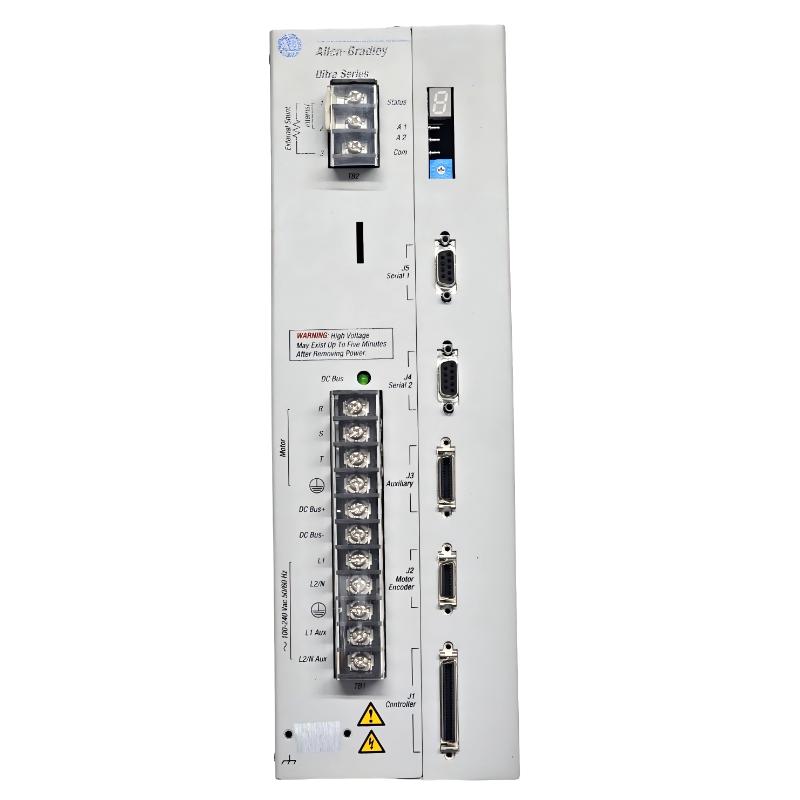
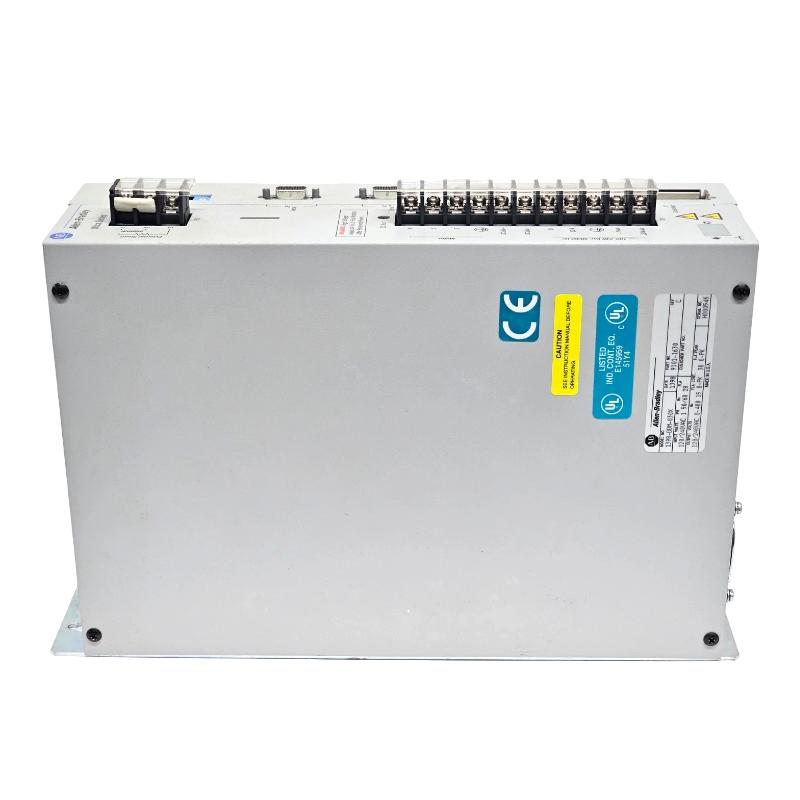
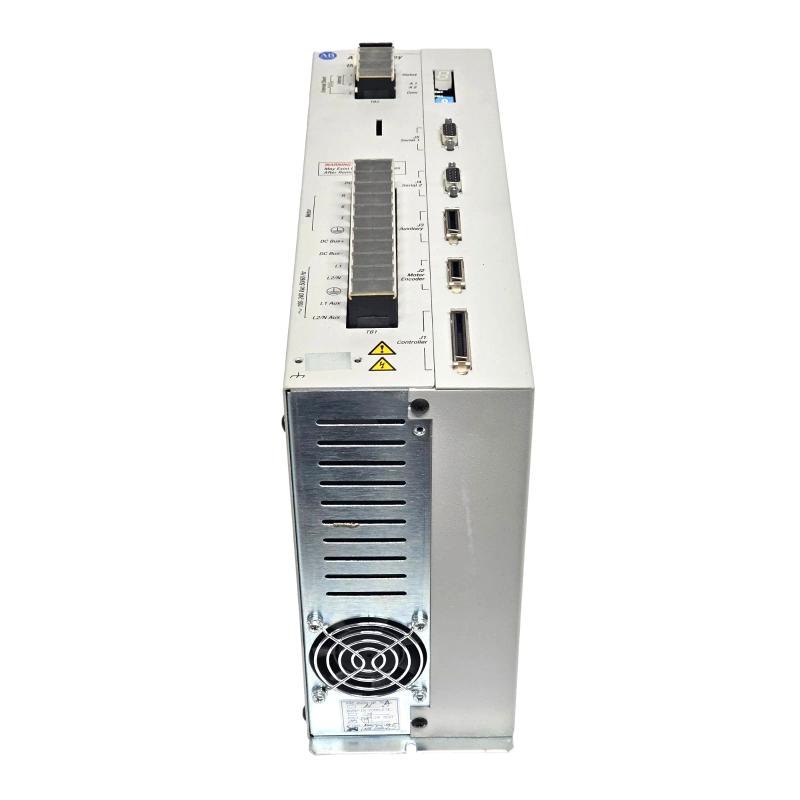
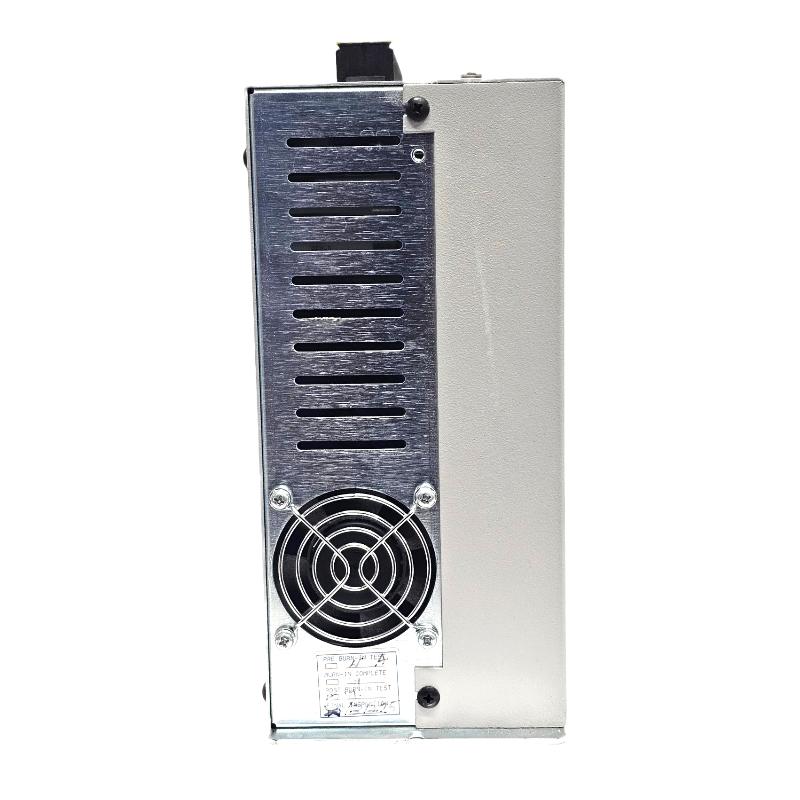
- Allen Bradley
- 1398-DDM-030
- Digital Servo Drive
- USA
- 360.6 × 104.1 × 243.8 mm
- 6.48 kg
- Xiamen, China
- New & In Stock
- T/T, PayPal, Western Union
- 1 Year
- 1-3 Working Days
- DHL, UPS, TNT, FedEx and EMS.
- 24-Hour Service
- COO
- 96
Our advantage

Global Logistics
We have a 10-year logistics and express cooperation agreement, so our products can be shipped to any place in the world.

Brand new and original
Our products are imported in bulk from the place of origin. Because of the cooperative relationship, our products are all original and 100% new.

24-hour service
We provide 7*24 hours service to our customers. We will be there whenever you need us.

Price advantage
All our products are priced very favorably because we have our own warehouse and supply.
| Company Information | |||
| [email protected] | |||
| Mobile | +8615980777398 | ||
| +8615980777398 | |||
| 15980777398 |
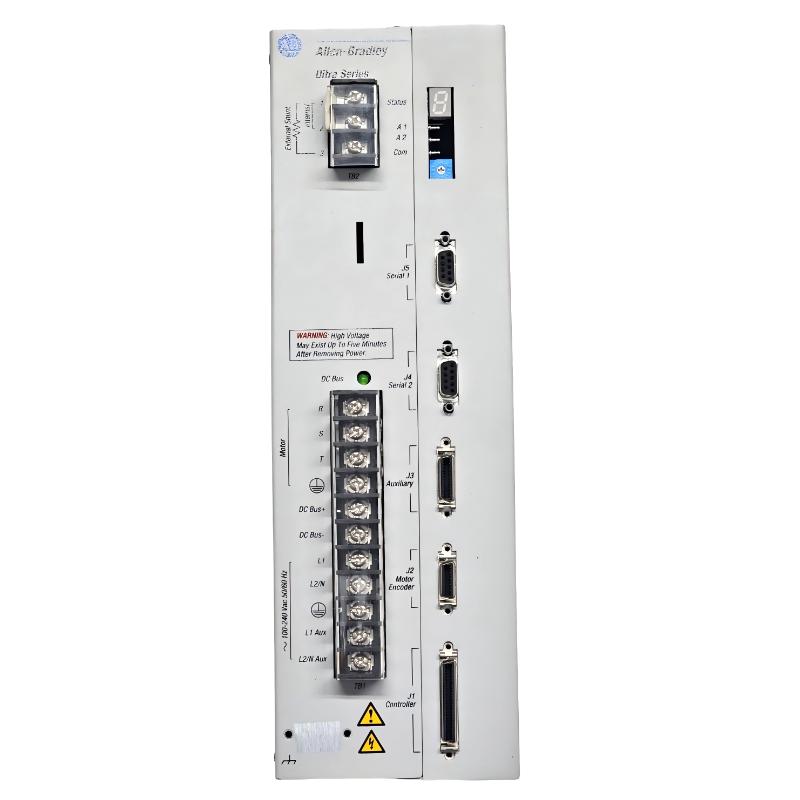
Product Overview
The Allen Bradley 1398-DDM-030 Ultra 200 Digital Servo Drive is a digital servo drive designed for industrial motion-control applications. It provides the electrical interface between a motion controller and a compatible servo motor, regulating the motor’s operation according to commands received from the control system.
Unlike a conventional variable frequency drive used mainly for speed control, a servo drive is intended for applications where accurate motion, fast response, and repeatable positioning are important. The drive works with motor feedback to monitor actual operating conditions and continuously adjust the motor output.
The 1398-DDM-030 is part of the Ultra 200 servo drive family and is intended for integration into automated machinery and closed-loop motion systems.
Technical Specifications
| Parameter | Details |
|---|---|
| Manufacturer | Allen Bradley |
| Model | 1398-DDM-030 |
| Product Type | Digital Servo Drive |
| Series | Ultra 200 |
| Main Function | Servo Motor Control |
| Control Type | Digital Closed-Loop Motion Control |
| System Role | Servo Drive / Amplifier |
| Application | Industrial Motion Control |
| Typical Use | Servo Motor Speed, Torque and Position Control |
| Dimensions | 360.6 × 104.1 × 243.8 mm |
| Weight | 6.48 kg |
| Application Area | Industrial Automation and Machine Motion |
Product Features
The 1398-DDM-030 is intended for servo systems that require controlled and repeatable machine movement.
Key characteristics include:
- Ultra 200 digital servo drive design
- Designed for closed-loop servo motor control
- Supports coordinated motion applications
- Processes commands from the machine control system
- Works with motor feedback circuits
- Regulates electrical power supplied to the servo motor
- Suitable for automated machinery
- Dimensions of 360.6 × 104.1 × 243.8 mm
- Stated weight of 6.48 kg
- Designed for industrial motion-control installations
The drive should be considered as one part of a complete servo system. Motor selection, feedback compatibility, controller configuration, power requirements, and machine mechanics all affect the final system performance.
Working Principle
The operating relationship of a servo system can be simplified as:
Motion Controller → Servo Drive → Servo Motor → Feedback → Servo Drive
The motion controller provides the desired motion command. The servo drive processes this command and controls the electrical power delivered to the motor.
At the same time, feedback from the motor provides information about actual movement. The drive uses this information to determine whether the motor is following the commanded motion and adjusts its output as required.
This closed-loop operation allows the system to respond to changes in load and maintain accurate motor movement during acceleration, deceleration, and positioning.
Role in a Servo Motion System
The 1398-DDM-030 acts as the main electrical control and power interface for the servo motor.
| System Element | Function |
|---|---|
| Motion Controller | Generates motion commands |
| Servo Drive | Controls electrical power delivered to the motor |
| Servo Motor | Produces controlled mechanical movement |
| Feedback Device | Reports motor position or operating condition |
| Power Supply | Provides electrical input to the drive |
| Mechanical Load | Receives the motor’s mechanical output |
Proper interaction between these elements is essential. A fault in the motor feedback system, cabling, controller, or mechanical load can produce symptoms that may initially appear to be a servo-drive problem.
Industrial Applications
The Ultra 200 servo drive family is suited to machinery where controlled movement and repeatable positioning are important.
| Application | Typical Use |
|---|---|
| Packaging Machinery | Coordinated and repeatable movement |
| Material Handling | Positioning and controlled transport |
| Machine Tools | Servo-controlled axes |
| Printing Machinery | Synchronized motion |
| Assembly Equipment | Precise component positioning |
| Automated Production Lines | Coordinated machine movement |
| Motion-Control Systems | Closed-loop servo operation |
| Industrial Machinery | Speed, torque, and position control |
The suitability of the 1398-DDM-030 depends on the requirements of the specific motor and machine application.
Installation and Maintenance
The 1398-DDM-030 should be installed in an enclosure or control cabinet appropriate for industrial servo equipment. Adequate ventilation and sufficient clearance around the drive are important because the power electronics generate heat during operation.
Before replacement or maintenance, isolate the applicable power sources and verify that stored electrical energy has been discharged according to the appropriate service procedure.
Recommended checks include:
- Confirm the complete 1398-DDM-030 part number.
- Verify the compatible servo motor.
- Check the motor feedback type and wiring.
- Verify input power requirements.
- Inspect motor power connections.
- Check control and communication wiring.
- Inspect connectors for loose or damaged terminals.
- Confirm proper grounding.
- Check cabinet ventilation and cooling.
- Review drive configuration and operating parameters.
- Inspect the motor and mechanical load if abnormal operation occurs.
- Perform controlled commissioning after installation.
Particular attention should be given to feedback wiring. An incorrect feedback connection can cause positioning errors, unexpected motor behavior, or drive faults even when the servo drive itself is functioning correctly.
Related Components
The 1398-DDM-030 is normally integrated with several components within the motion-control system.
| Component | Function |
|---|---|
| Servo Motor | Converts electrical energy into mechanical motion |
| Motion Controller | Generates motion commands |
| Feedback Device | Provides position and speed information |
| Motor Power Cable | Transfers controlled electrical power |
| Feedback Cable | Transfers feedback signals |
| Control Interface | Connects the servo drive to the control system |
| Power Supply | Provides electrical energy to the drive |
| Mechanical Transmission | Transfers motor torque to the machine |
For troubleshooting, it is useful to evaluate these components as a complete system rather than treating the drive as an isolated device.
Recommended Related Models
| Model / Component | Type | Primary Function | Application |
|---|---|---|---|
| Allen Bradley 1398-DDM-030 | Digital Servo Drive | Servo motor control | Ultra 200 motion systems |
| Allen Bradley 1398-DDM-005X | Digital Servo Drive | Servo motor control | Ultra 100 motion systems |
| Allen Bradley Ultra 200 Series | Servo Drive Family | Digital motion control | Industrial automation |
| Allen Bradley Servo Motors | Servo Motor | Precision mechanical movement | Motion-control systems |
| Allen Bradley Motion Controllers | Motion Controller | Motion command generation | Automated machinery |
When selecting a replacement for the 1398-DDM-030, the motor’s electrical characteristics, feedback system, controller interface, input supply, and application requirements should all be checked. A servo drive should be matched to the complete motion system rather than selected solely according to physical dimensions.
Key Advantages
- Digital servo control architecture
- Designed for closed-loop motion applications
- Supports controlled servo motor operation
- Suitable for speed, torque, and positioning functions
- Works with motor feedback systems
- Designed for industrial automation
- Suitable for demanding machine-motion applications
- Dimensions of 360.6 × 104.1 × 243.8 mm
- Stated weight of 6.48 kg
Technical FAQs
What type of motion system is the 1398-DDM-030 intended to control?
The 1398-DDM-030 is intended for closed-loop servo applications where the motor needs controlled speed, torque, or position. It is particularly relevant to automated machinery requiring repeatable and responsive movement.
Why does the servo drive require feedback from the motor?
Feedback allows the drive to determine the motor’s actual operating condition. The control system can then compare actual motion with the commanded motion and make corrections when necessary.
What should be checked when a connected servo motor produces a feedback fault?
The feedback device, feedback cable, connectors, shielding, drive configuration, and motor compatibility should be checked. An incorrect feedback signal can prevent the servo system from completing its normal enable or motion sequence.
What can cause excessive heating of a servo drive during operation?
High motor loading, insufficient cabinet ventilation, elevated ambient temperature, incorrect operating conditions, or abnormal electrical loading can contribute to excessive heat. The cooling path and motor load should be inspected if the drive operates above its expected temperature range.
How should the 1398-DDM-030 be matched to a replacement servo motor?
The motor’s voltage, current, feedback characteristics, mechanical requirements, and control-system compatibility should be checked against the drive’s requirements. Matching only the physical motor size is not sufficient.
Why can a servo drive fault remain after replacing the drive itself?
The original fault may originate from the motor, feedback circuit, power wiring, controller, mechanical load, or another component in the system. If the underlying problem remains, installing a replacement drive may not eliminate the fault.