

ProductPRODUCT
Featured products
Contact Us
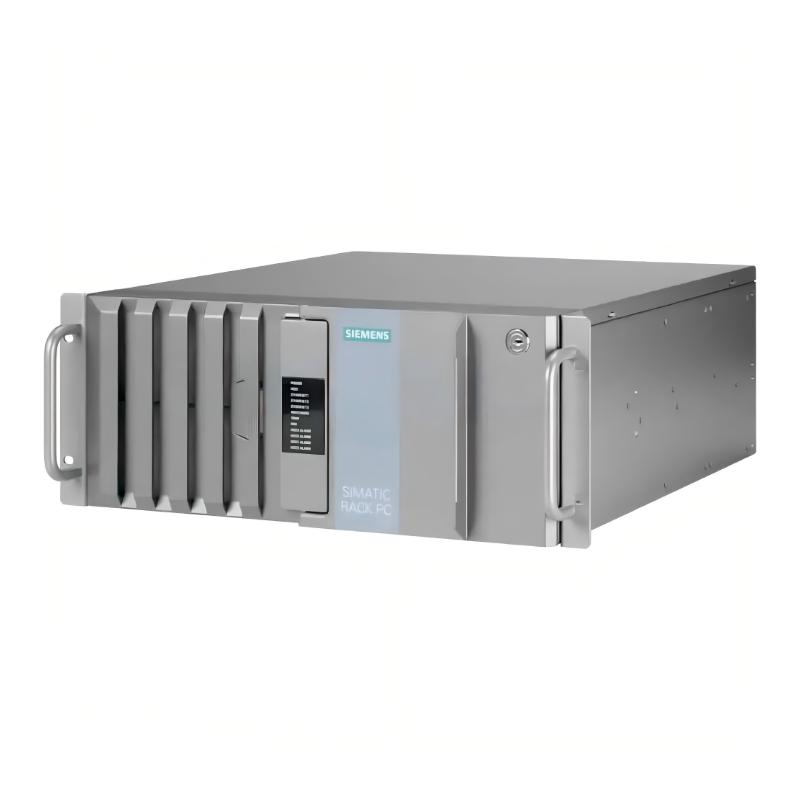
- Siemens
- 6AG4114-3HX00-0XX0
- IPC847E Rack PC with Intel Core I7-8700
- Germany
- 214 × 158 × 61 mm
- 1.5kg
- Xiamen, China
- New & In Stock
- T/T, PayPal, Western Union
- 1 Year
- 1-3 Working Days
- DHL, UPS, TNT, FedEx and EMS.
- 24-Hour Service
- COO
- 5
Our advantage

Global Logistics
We have a 10-year logistics and express cooperation agreement, so our products can be shipped to any place in the world.

Brand new and original
Our products are imported in bulk from the place of origin. Because of the cooperative relationship, our products are all original and 100% new.

24-hour service
We provide 7*24 hours service to our customers. We will be there whenever you need us.

Price advantage
All our products are priced very favorably because we have our own warehouse and supply.
| Company Information | |||
| [email protected] | |||
| Mobile | +8615980777398 | ||
| +8615980777398 | |||
| 15980777398 |
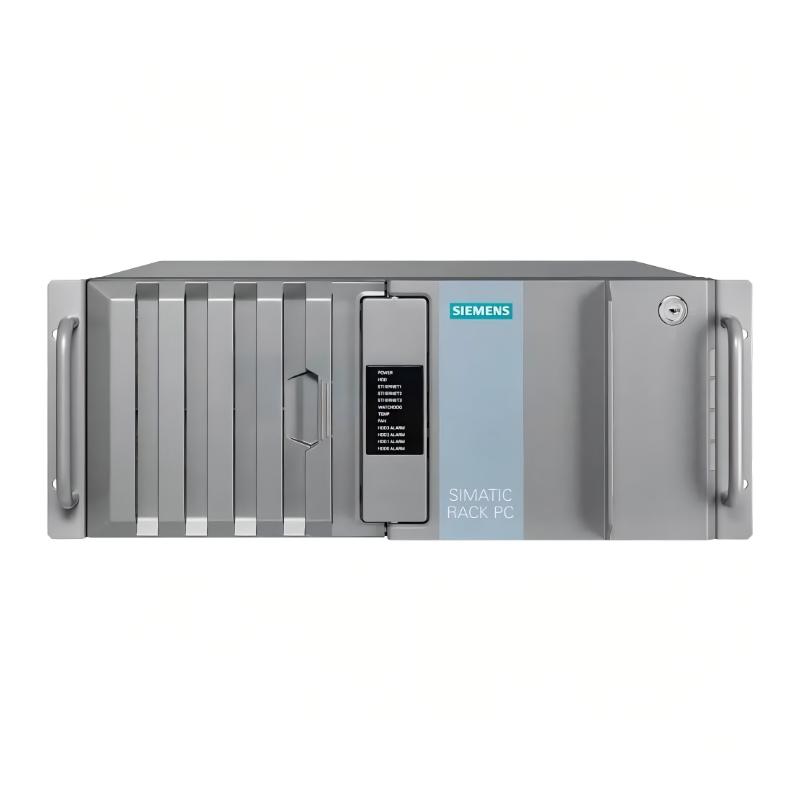
Siemens 6AG4114-3HX00-0XX0 Industrial Computer: Product Overview, Technical Parameters, Applications, Advantages, and Related Models
1. Product Overview
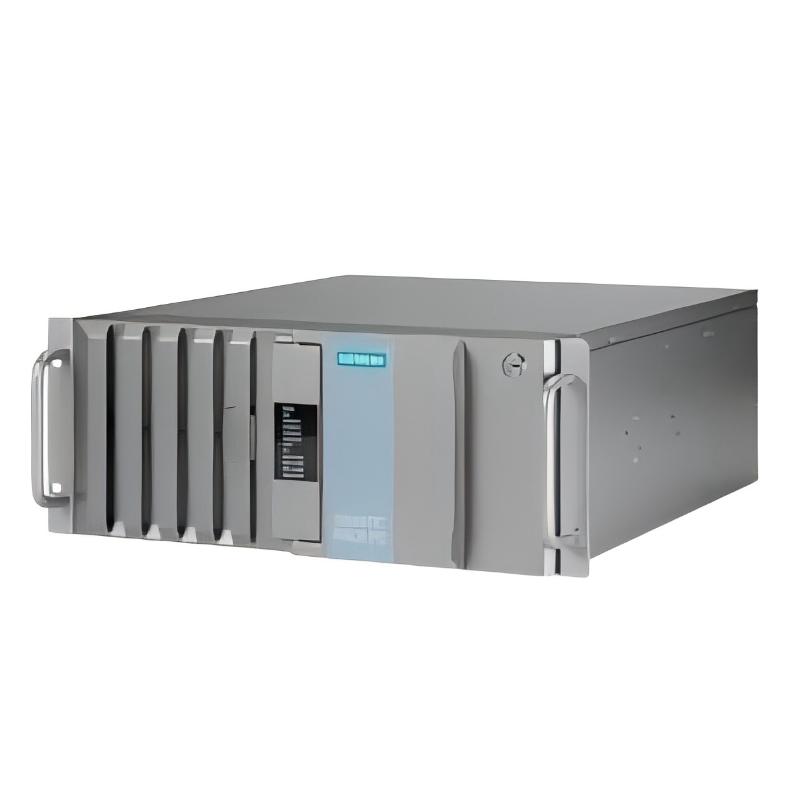
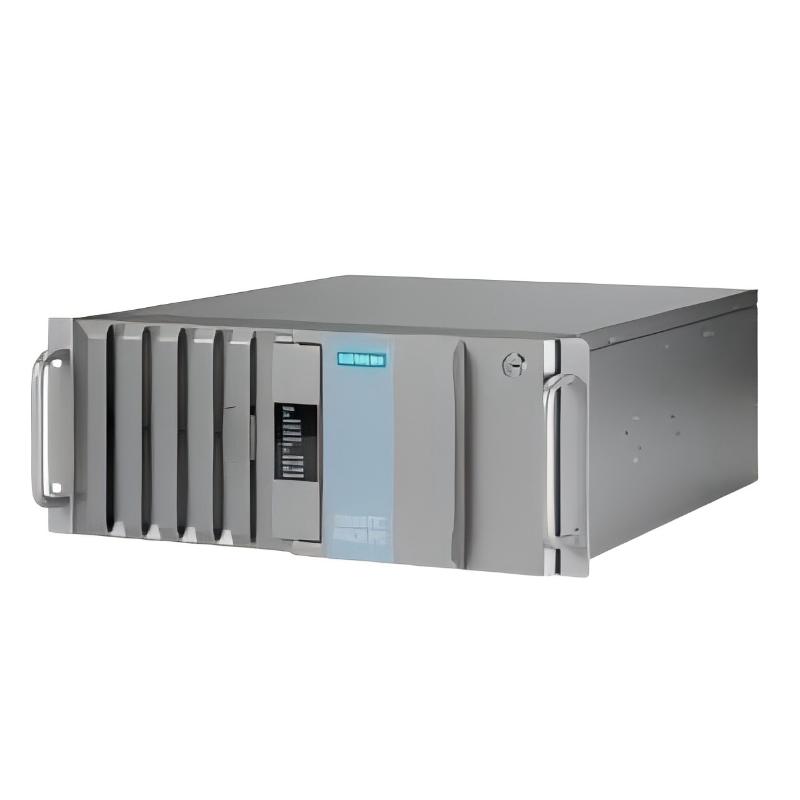
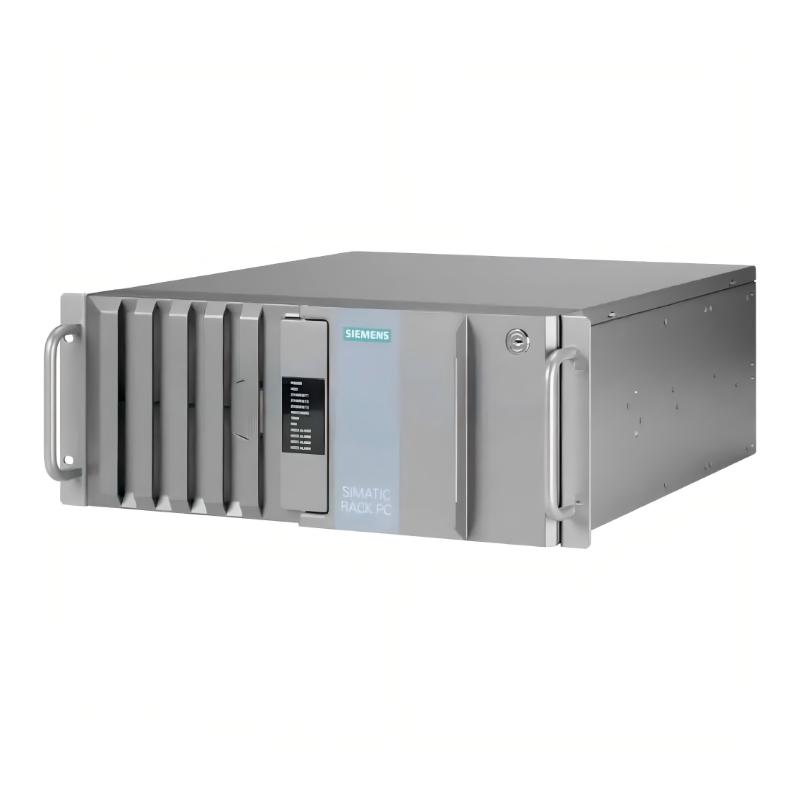
The Siemens 6AG4114-3HX00-0XX0 is associated with the SIMATIC IPC847E industrial rack PC family. This product family is designed for industrial computing environments where dependable operation, flexible hardware expansion, multiple communication interfaces, and compatibility with automation systems are important.
Built in a standard 19-inch rack format with a 4U chassis, the IPC847E family can be installed in industrial control cabinets, equipment racks, production-line control rooms, and automation system enclosures. It is suitable for applications that require more computing capacity and expansion flexibility than a compact industrial PC can provide.
The system can serve as a central industrial computer for supervisory software, production data collection, machine monitoring, visualization, engineering applications, and communication between automation equipment and higher-level information systems.
One important point should be noted before ordering: the exact CPU, memory, storage devices, expansion-card configuration, and operating-system package can vary between IPC847E order codes. The general platform specifications below describe the product family, while configuration-dependent details should be checked against the nameplate or original order documentation for 6AG4114-3HX00-0XX0.
2. Brand and Product Series
| Item | Details |
|---|---|
| Brand | Siemens |
| Product family | SIMATIC |
| Product series | SIMATIC IPC847E |
| Product category | Industrial rack-mounted computer |
| Product type | Industrial PC / Rack PC |
| Model number | 6AG4114-3HX00-0XX0 |
| Chassis format | 19-inch rack-mount design |
| Chassis height | 4U |
| Main purpose | Industrial computing, automation supervision, data processing, and equipment control |
| Installation method | Industrial cabinet or rack installation |
| Typical environment | Factory automation, production facilities, industrial control rooms, and machine systems |
The SIMATIC IPC847E belongs to the industrial computing segment of the SIMATIC product family. Unlike a standard office computer, this type of system is designed around industrial installation requirements, including monitoring functions, a rack-mounted enclosure, multiple communication interfaces, and expansion options for specialized hardware.
Its 4U design is particularly useful when an industrial application requires several add-in cards, multiple storage devices, or a combination of networking, data acquisition, and display functions in one computer.
3. Detailed Technical Parameters
The following table summarizes the main technical characteristics associated with the SIMATIC IPC847E platform. Exact configuration-specific values should be confirmed before purchase, replacement, or system redesign.
| Parameter | Specification |
|---|---|
| Model number | 6AG4114-3HX00-0XX0 |
| Product series | SIMATIC IPC847E |
| Product type | Industrial rack PC |
| Brand | Siemens |
| Processor platform | Intel-based industrial computing platform; exact processor for this order code requires confirmation |
| Chipset | Intel C246 platform for the relevant IPC847E configuration |
| Processor cores and threads | Dependent on the installed CPU |
| Processor clock speed | Dependent on the installed CPU |
| System memory | DDR4 SDRAM; capacity depends on the ordered configuration |
| Maximum memory capability | Up to 128 GB on supported IPC847E configurations |
| Storage type | SATA HDD or SSD, depending on configuration |
| Storage capacity | Depends on the installed drive or drives |
| RAID capability | Depends on storage configuration and controller/software implementation |
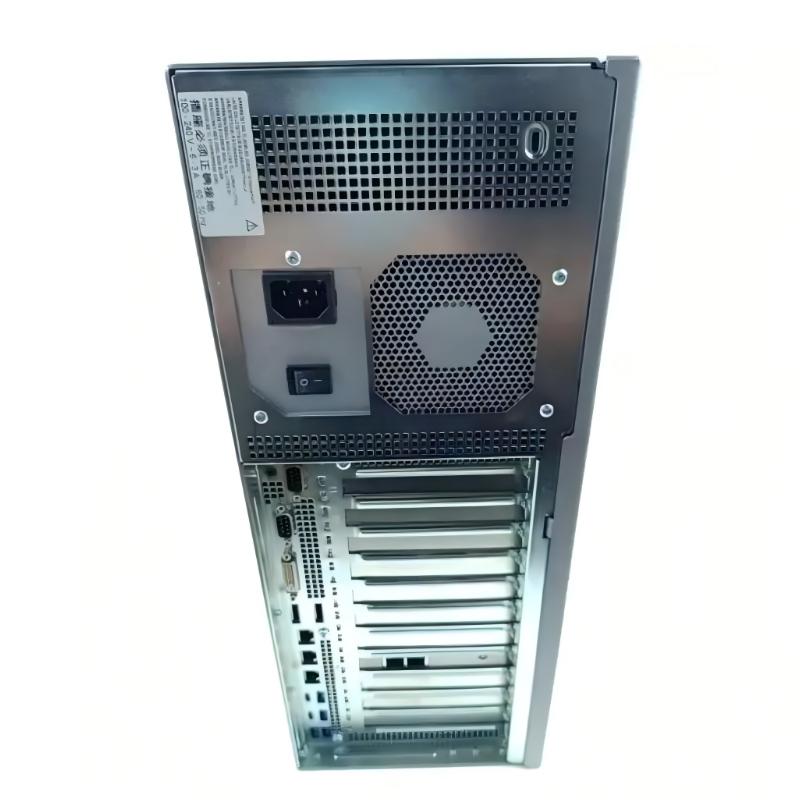
| Ethernet interfaces | 3 × Gigabit Ethernet, RJ45, on the applicable IPC847E platform |
| Display interfaces | 2 × DisplayPort and 1 × DVI-D on the applicable IPC847E platform |
| Serial interface | 1 × COM1; additional serial connectivity may depend on configuration |
| USB interfaces | Up to 9 USB ports in the documented platform arrangement |
| Rear USB interfaces | Includes USB Type-A and USB Type-C ports, depending on platform configuration |
| Front USB interfaces | 2 × USB 3.0-class ports on the applicable platform |
| Internal USB interface | 1 internal USB connection on the applicable platform |
| Audio | Audio input/output and microphone support |
| Expansion capability | Multiple PCI and PCI Express slots; exact slot arrangement depends on the installed bus board |
| Power supply | Industrial AC power supply; 100–240 V AC class on applicable configurations |
| AC frequency | Typically 50/60 Hz |
| System monitoring | Temperature and fan monitoring on the applicable platform |
| Watchdog | Supported |
| Front protection rating | IP41 on the applicable IPC847E platform |
| Rear protection rating | IP20 on the applicable IPC847E platform |
| Chassis format | 19-inch rack |
| Chassis height | 4U |
| Dimensions (W × H × D) | Approximately 430 × 177 × 444 mm |
| Weight | Approximately 17 kg for a typical configuration; the exact weight varies with installed components |
| Operating system | Configuration-dependent; some versions are supplied without an operating system |
| Installation | Rack mounting or installation in a suitable industrial enclosure |
3.1 Processor and Computing Performance
The processor is one of the most important factors when selecting an IPC847E system. Depending on the particular configuration, this product family supports different Intel processor options, allowing users to select an appropriate balance between computing performance, cost, and software requirements.
For relatively light workloads, the computer may be used for equipment monitoring, data collection, and basic visualization. More demanding applications, such as processing multiple production data streams, running several industrial software services, or handling complex visualization tasks, may require a higher-performance processor.
For the exact 6AG4114-3HX00-0XX0 unit, the installed CPU should be confirmed from the product label or system information. The model number alone should not be used to assume a particular processor model or clock speed.
3.2 Memory and Storage
Memory capacity directly affects how many industrial applications can run efficiently at the same time. Applications that process large data sets, maintain extensive historical records, or run multiple services may benefit from additional RAM.
Storage selection is equally important. A solid-state drive can improve startup time and application responsiveness, while a hard disk may be suitable for applications requiring substantial local data storage. Where data availability is important, an appropriately designed RAID configuration may help maintain access to stored information after a supported drive failure.
The exact memory capacity, number of drives, drive type, and RAID arrangement must be checked for the individual unit. These details should not be inferred from the IPC847E family name alone.
3.3 Communication Interfaces
The IPC847E platform provides multiple communication and peripheral connections to support industrial system integration.
| Interface parameter | Specification or function |
|---|---|
| Model number | 6AG4114-3HX00-0XX0 |
| Gigabit Ethernet | 3 × RJ45 interfaces on the applicable platform |
| DisplayPort | 2 display outputs on the applicable platform |
| DVI-D | 1 display output on the applicable platform |
| COM1 | Serial communication for supported equipment |
| USB | Multiple front, rear, and internal connections |
| Audio interfaces | Audio input/output and microphone support |
| Additional fieldbus connectivity | May be implemented through a suitable expansion card |
| Network applications | Industrial Ethernet, supervisory communication, and data exchange |
| Dimensions | Approximately 430 × 177 × 444 mm |
| Weight | Approximately 17 kg, configuration-dependent |
The three Ethernet interfaces are useful when a system needs to communicate with different network segments. For example, one connection may be assigned to a machine network, another to a supervisory network, and a third to a separate data collection or service network. The actual network architecture should be designed in accordance with the site’s cybersecurity and network-management requirements.
Serial communication and expansion-card options can also help the computer work with older equipment or specialized devices that do not use standard Ethernet communication.
3.4 Power Supply and Installation
The IPC847E family uses an industrial rack-mount chassis and an AC power supply suited to its applicable configuration. The cabinet should provide sufficient space for installation, cable routing, air circulation, and maintenance access.
| Parameter | Specification |
|---|---|
| Model number | 6AG4114-3HX00-0XX0 |
| Supply type | AC industrial power supply |
| Input voltage | 100–240 V AC class on applicable configurations |
| Input frequency | Typically 50/60 Hz |
| Installation format | 19-inch rack |
| Rack height | 4U |
| Dimensions (W × H × D) | Approximately 430 × 177 × 444 mm |
| Weight | Approximately 17 kg; varies with installed hardware |
| Mounting considerations | Rack support, airflow, grounding, and cable clearance |
| Maintenance considerations | Allow access to the front and rear interfaces and internal service components |
The computer should be installed in a properly grounded enclosure with adequate ventilation. Its operating environment should remain within the permitted temperature, humidity, and vibration limits for the actual configuration.
The IP41 front and IP20 rear ratings associated with the platform should not be interpreted as making the entire computer waterproof or suitable for direct exposure to washdown, heavy dust, or outdoor weather.
4. Product Introduction
The Siemens SIMATIC IPC847E is designed for industrial applications that need a general-purpose computer platform with room for additional hardware. It combines a rack-mount chassis, processor and memory options, local storage, communication interfaces, and expansion capability in one system.
This type of industrial PC is commonly positioned between a compact machine-level computer and a larger server-based installation. It can run supervisory applications locally while communicating with PLCs, operator panels, data acquisition equipment, and plant-level systems.
Its rack format is useful in facilities where multiple computing and communication devices are installed in a centralized cabinet. The system can be incorporated into an existing industrial architecture without requiring a separate computer enclosure, provided that the cabinet dimensions and thermal requirements are suitable.
The platform is also appropriate for applications that require dedicated expansion cards. For example, a machine may need an additional communication interface, a specialized data acquisition card, or a display adapter. The availability of multiple expansion slots can make the IPC847E more adaptable than a compact computer with limited internal expansion.
For an existing installation, replacement planning should include more than checking the physical dimensions. The processor, RAM, storage configuration, expansion cards, operating system, software licensing, network settings, and peripheral connections should all be reviewed before a replacement unit is commissioned.
5. Main Applications
5.1 Factory Automation and Production Monitoring
The IPC847E can be used as a local computer for production monitoring and supervisory software. It can collect operating data from connected equipment, present production status, and provide a central interface for authorized operators or engineers.
In a production line, it may receive data from several controllers, display equipment status, record alarms, and pass selected information to a higher-level production management system.
Its suitability for a particular production line depends on the software requirements, the number of connected devices, and the workload placed on the computer.
5.2 SCADA and HMI Applications
The computer can host supervisory control and data acquisition software, industrial visualization applications, or other operator-facing software.
Typical functions include:
-
Displaying equipment status and process values.
-
Recording alarms and events.
-
Presenting operating trends and historical data.
-
Providing an interface for authorized operators.
-
Communicating with PLCs and other industrial devices.
-
Supporting maintenance and diagnostic functions.
When used for SCADA or HMI tasks, the installed operating system, graphics requirements, and software compatibility should be checked against the chosen application.
5.3 Production Data Collection and Traceability
Manufacturing facilities often need to collect data from multiple machines and retain it for quality management, process analysis, or production reporting.
An industrial PC can act as a local collection point for machine status, cycle counts, alarm histories, inspection results, and other process information. It may also help consolidate data before it is transferred to a plant-level database.
Storage capacity should be selected according to the amount of data generated, the required retention period, and the backup strategy.
5.4 Machine Vision and Inspection Systems
The IPC847E may be used in machine vision or inspection systems when the selected processor, memory, graphics hardware, and expansion cards meet the application’s requirements.
Possible tasks include coordinating image acquisition, processing inspection results, storing images, and communicating pass/fail information to a PLC or production system.
Performance must be assessed against the actual camera interfaces, image resolution, processing speed, and software load. The computer should not be assumed to support every machine vision workload without checking the required hardware.
5.5 Industrial Communication Gateway
In some installations, the computer acts as an intermediary between different network segments or industrial software systems.
It may collect data from several machines, normalize or process that data, and pass it to a supervisory application or plant information system. The multiple Ethernet interfaces can help organize communications across separate networks, although network separation must be implemented through an appropriate design rather than relying on multiple ports alone.
5.6 Engineering and Maintenance Workstation
The IPC847E can serve as a dedicated workstation for engineering tools, diagnostic software, equipment configuration, or maintenance applications.
A fixed industrial workstation can be useful where software and hardware need to remain associated with a specific production system. This approach can also simplify the management of installed applications and connected peripherals.
Before deploying the computer as an engineering workstation, verify operating-system compatibility, available memory, supported drivers, and any software licensing requirements.
5.7 Legacy Equipment Integration
Many industrial facilities operate equipment with a long service life. Some machines rely on specialized expansion cards, serial communication, or software that cannot easily be transferred to a modern compact computer.
The IPC847E’s rack format and expansion options can make it a candidate for such installations. However, compatibility with the existing hardware and software must be confirmed before replacing a legacy computer.
6. Product Advantages
6.1 Rack-Mount Design for Industrial Installations
The 19-inch, 4U chassis provides a standardized installation format for suitable industrial racks and control cabinets.
This arrangement is useful in centralized control rooms where computers, communication equipment, and other rack-mounted components need to be organized in a consistent layout.
6.2 Multiple Communication Interfaces
The applicable IPC847E platform provides several Ethernet interfaces, display connections, USB ports, and serial connectivity.
These interfaces allow the computer to connect to a range of industrial devices and peripherals without relying entirely on external adapters. The precise combination of interfaces should still be checked against the required equipment.
6.3 Expansion Flexibility
The IPC847E family supports expansion-card configurations that can accommodate selected PCI and PCI Express hardware.
This is particularly valuable in systems that require specialized communication interfaces, data acquisition cards, or other supported expansion devices.
The available slots are not identical across every configuration, so the installed bus board and remaining free slots should be checked before purchasing additional cards.
6.4 Flexible Computing Configurations
Different processor, memory, and storage combinations allow the IPC847E platform to be adapted to different industrial workloads.
A basic monitoring system may need less computing capacity than a machine vision application or a production data server. Matching the hardware to the workload helps avoid both unnecessary cost and inadequate performance.
6.5 Hardware Monitoring and Watchdog Functions
Temperature monitoring, fan monitoring, and watchdog functionality can help detect selected hardware or system problems.
These functions may support maintenance planning and troubleshooting by making certain abnormal conditions easier to identify. They do not replace application-level diagnostics, regular maintenance, or a properly designed recovery procedure.
6.6 Integration with Industrial Systems
The SIMATIC IPC847E can be incorporated into industrial architectures that include PLCs, HMI systems, SCADA software, production databases, and other computing equipment.
Its role may range from a local visualization computer to a central data collection system, depending on the installed software and connected equipment.
6.7 Centralized Installation and Maintenance
A rack-mounted computer can be convenient when several industrial systems are managed from a central cabinet or control room.
With proper documentation, technicians can identify the unit, review its connections, inspect installed expansion cards, and plan maintenance without having to manage a separate enclosure for each computer.
6.8 Potential for Long-Term System Support
Industrial equipment often remains in service for many years. A clearly documented hardware configuration can simplify spare-parts planning, maintenance, and future replacement work.
For the 6AG4114-3HX00-0XX0, retaining the exact order code and recording the installed CPU, memory, storage devices, expansion cards, and operating system will help ensure that a future replacement meets the original system requirements.
7. Five Related Models in the Same Series
The following models belong to, or are closely related to, the SIMATIC IPC847E rack-PC family. They are useful comparison candidates when selecting a replacement, evaluating computing performance, or planning an industrial PC upgrade.
Important: The specifications below are intended for preliminary comparison. Exact hardware and ordering-code configurations should be confirmed before ordering. Dimensions and weights are approximate and may vary with installed components.
| Model number | Product series | Main configuration or distinguishing feature | Network and expansion characteristics | Dimensions (W × H × D) | Weight (kg) |
|---|---|---|---|---|---|
| 6AG4114-3CB00-0XX0 | SIMATIC IPC847E | Core i3-8100 configuration; 4 GB RAM; 2 × 1 TB HDD in the documented configuration | 3 × Gigabit Ethernet; multiple PCI/PCIe expansion options | Approx. 430 × 177 × 444 mm | Approx. 17 |
| 6AG4114-3HQ02-0BX2 | SIMATIC IPC847E | Core i7-8700-class configuration; 16 GB RAM and 480 GB SSD in the documented configuration | 3 × Gigabit Ethernet; DisplayPort, DVI-D, USB, and expansion options | Approx. 430 × 177 × 444 mm | Approx. 17 |
| 6AG4114-3HT02-0BX2 | SIMATIC IPC847E | Core i7-class configuration; 16 GB RAM; 2 × 480 GB SSD RAID 1 in the documented configuration | 3 × Gigabit Ethernet; multiple expansion options | Approx. 430 × 177 × 444 mm | Approx. 17 |
| 6AG4114-3MX02-0XX1 | SIMATIC IPC847E | Xeon E-2176G-class configuration; 6 cores and 12 threads; 16 GB RAM in the documented configuration | 3 × Gigabit Ethernet; multiple PCI/PCIe expansion options | Approx. 430 × 177 × 444 mm | Approx. 17 |
| 6AG4114-3RR85-0XX0 | SIMATIC IPC847E | Xeon E-2278GE; 8 cores and 16 threads; 128 GB RAM; 960 GB SSD in the documented configuration | 3 × Gigabit Ethernet; extensive expansion options, including 11-slot configurations | Approx. 430 × 177 × 444 mm | Approx. 20–23 |
7.1 Comparison and Selection Guidance
6AG4114-3CB00-0XX0 — Entry-level computing option
This configuration is relevant to applications that do not require extensive computing resources. It may be considered for basic supervisory software, equipment monitoring, and data collection, provided its processor and memory meet the workload requirements.
6AG4114-3HQ02-0BX2 — Higher-performance general-purpose option
A Core i7-class configuration can be useful for applications that need more processing capacity than a basic monitoring system. It may be suitable for multiple software services, visualization, and production data processing.
6AG4114-3HT02-0BX2 — Storage redundancy option
A configuration with two SSDs arranged in RAID 1 can provide mirrored storage when correctly implemented and maintained. This may help protect data availability against the failure of one drive, but it is not a substitute for independent backups.
6AG4114-3MX02-0XX1 — Xeon-based option
A Xeon E-2176G-class configuration may be worth evaluating for workloads that benefit from additional CPU resources. Compatibility with the required industrial software and expansion hardware should be assessed before choosing this model.
6AG4114-3RR85-0XX0 — Higher-capacity computing and expansion option
The Xeon E-2278GE and larger memory configuration make this model a candidate for more demanding computing applications. Its available expansion slots can also be useful where a system requires several specialized cards.
These models should not be treated as direct drop-in replacements without a configuration review. The replacement process should include checks for the installed operating system, application licenses, storage interfaces, RAID configuration, expansion cards, power requirements, and cabinet clearance.
8. Five Popular Related Siemens Models
The following products cover other common areas of industrial automation. They are not all direct replacements for an IPC847E: PLCs, HMI panels, drives, and distributed I/O modules perform different functions. They may, however, be relevant when building or upgrading a complete automation system around an industrial computer.
The dimensions and weights are approximate reference values. Final selection should be based on the exact hardware revision and ordering configuration.
| Model number | Product series | Product type | Main parameters | Dimensions (W × H × D) | Weight (kg) |
|---|---|---|---|---|---|
| 6ES7214-1AG40-0XB0 | SIMATIC S7-1200 | PLC CPU 1214C | Compact controller; integrated digital and analog I/O; Ethernet communication; expansion capability depends on system configuration | Approx. 110 × 100 × 75 mm | Approx. 0.4 |
| 6ES7511-1AK02-0AB0 | SIMATIC S7-1500 | CPU 1511-1 PN PLC | PROFINET interface; modular automation architecture; suitable for machine and process control | Approx. 35 × 147 × 129 mm | Approx. 0.6 |
| 6AV2124-0GC01-0AX0 | SIMATIC HMI Comfort | TP700 Comfort operator panel | 7-inch-class HMI; operator visualization and machine interaction; interface and memory details depend on the exact version | Approx. 214 × 158 × 61 mm | Approx. 1.5 |
| 6SL3210-1KE22-6AF1 | SINAMICS G120C | Variable-frequency drive | Motor speed control; electrical ratings and motor compatibility depend on the exact drive variant | Variant-dependent; confirm the product drawing | Variant-dependent |
| 6ES7155-6AU01-0BN0 | SIMATIC ET 200SP | Distributed I/O interface module | Connects supported distributed I/O modules to an automation network; final functionality depends on the assembled station | Approx. 50 × 117 × 74 mm | Approx. 0.2 |
8.1 SIMATIC S7-1200 PLC
The S7-1200 family is intended for compact automation tasks. It can control machine sequences, read sensor signals, operate actuators, and exchange data with an industrial computer.
When paired with an IPC847E, the PLC can handle real-time machine control while the computer performs supervisory visualization, data storage, reporting, or other higher-level tasks.
8.2 SIMATIC S7-1500 PLC
The S7-1500 family is designed for more demanding automation applications, including machines and production systems that require a modular controller architecture.
In an IPC847E-based system, the PLC can execute control logic while the computer runs supervisory applications, collects operating data, or provides engineering and diagnostic functions.
8.3 SIMATIC HMI Comfort Panel
An HMI panel provides operators with a dedicated interface for viewing process values, acknowledging alarms, and interacting with machine functions.
A panel-based HMI and an industrial PC serve different purposes. A dedicated panel is useful for local machine operation, while an IPC847E can host broader applications or centralized supervisory functions.
8.4 SINAMICS G120C Drive
A variable-frequency drive regulates the speed and operation of a compatible motor. It can be used in applications such as pumps, fans, conveyors, and other motor-driven equipment.
The drive’s electrical rating must be selected according to the motor, supply system, load, and application. The model number listed above should be checked carefully before use because drive performance and physical size vary by rating.
8.5 SIMATIC ET 200SP Distributed I/O
Distributed I/O allows sensors and actuators to be connected through a modular station located near the equipment.
In a larger automation architecture, distributed I/O can communicate with a PLC, while the IPC847E collects information from the control system for visualization, historical recording, or production reporting.
9. Recommended System Architecture Using the IPC847E
A typical installation can assign different responsibilities to the industrial computer, PLC, HMI, and field devices.
| System component | Main responsibility | Relationship with the IPC847E |
|---|---|---|
| SIMATIC IPC847E | Supervisory software, data processing, data storage, and system integration | Acts as the industrial computing platform |
| PLC | Machine sequencing and control logic | Exchanges process and status data with the computer |
| HMI panel | Local operator interaction | Provides a dedicated operating interface |
| Distributed I/O | Collects sensor signals and operates field devices through the control system | Supplies process data through the PLC or supported network architecture |
| Variable-frequency drive | Motor speed and operation control | Receives commands and provides status information through a supported control interface |
| Industrial network | Communication between automation devices | Connects the computer and other devices according to the network design |
For applications that require predictable machine control, the PLC should generally retain responsibility for the control functions that must continue independently of the computer’s operating system or supervisory software.
The IPC847E can then handle higher-level tasks such as visualization, data recording, production reporting, and communication with other information systems. This separation can make the overall architecture easier to maintain and troubleshoot.
10. Installation and Maintenance Recommendations
10.1 Confirm the Complete Hardware Configuration
Before ordering a replacement or spare unit, record the full model number and inspect the actual hardware configuration.
The key details include:
-
Installed processor model.
-
Total memory capacity and memory arrangement.
-
Number, type, and capacity of storage devices.
-
RAID configuration, if present.
-
Installed PCI and PCI Express cards.
-
Required serial, USB, and display connections.
-
Operating-system edition and software licenses.
-
Power-supply and regional power-cord requirements.
These checks are especially important when replacing an industrial computer that runs a production-critical application.
10.2 Check Cabinet Space and Airflow
The approximate chassis dimensions of 430 × 177 × 444 mm are useful for preliminary planning, but installation drawings should be checked before the cabinet layout is finalized.
Allow sufficient clearance for mounting, cable routing, ventilation, and maintenance. Do not place the system in an enclosure that prevents adequate airflow or exceeds the environmental limits of the equipment.
10.3 Maintain Storage and Backup Integrity
Where the computer stores production records, inspection images, or system configuration files, implement a suitable backup strategy.
RAID can improve storage availability in supported configurations, but it does not protect against accidental deletion, file corruption, malware, or damage affecting the entire computer. Independent backups should be maintained according to the operational requirements of the site.
10.4 Keep System Documentation Up to Date
Record the installed hardware, operating system, drivers, application versions, network settings, and any specialized expansion cards.
This documentation can reduce downtime during troubleshooting and help ensure that a replacement system is compatible with the existing production environment.
10.5 Plan Replacement and Commissioning
A replacement should be tested before it is placed into production. Verify application startup, network communication, PLC data exchange, storage access, display output, and all required peripheral connections.
Where the application is production-critical, a planned migration and rollback procedure can reduce the risk of extended downtime.
11. Summary of the Siemens 6AG4114-3HX00-0XX0
The Siemens 6AG4114-3HX00-0XX0, associated with the SIMATIC IPC847E family, is an industrial rack PC intended for automation supervision, industrial data processing, equipment monitoring, and applications that benefit from a rack-mounted computer with multiple interfaces and expansion options.
Its principal characteristics include the 19-inch, 4U chassis format, multiple Ethernet connections, display interfaces, USB and serial connectivity, hardware monitoring features, and configuration-dependent processor, memory, storage, and expansion options.
The platform can be used as a central computer for SCADA software, production data collection, engineering applications, machine monitoring, or industrial communication. Its suitability for a specific task depends on the installed configuration and the requirements of the application.
For a new installation, choose the processor, RAM, storage, and expansion cards according to the actual workload. For a replacement, prioritize compatibility with the existing software, operating system, storage layout, network connections, and installed hardware.
The most important purchasing consideration is to verify the exact CPU, RAM, storage, expansion-slot arrangement, and weight of the individual 6AG4114-3HX00-0XX0 unit. The family-level specifications are useful for planning, but the complete order configuration determines whether the computer will meet the requirements of the intended industrial system.