

ProductPRODUCT
Featured products
Contact Us
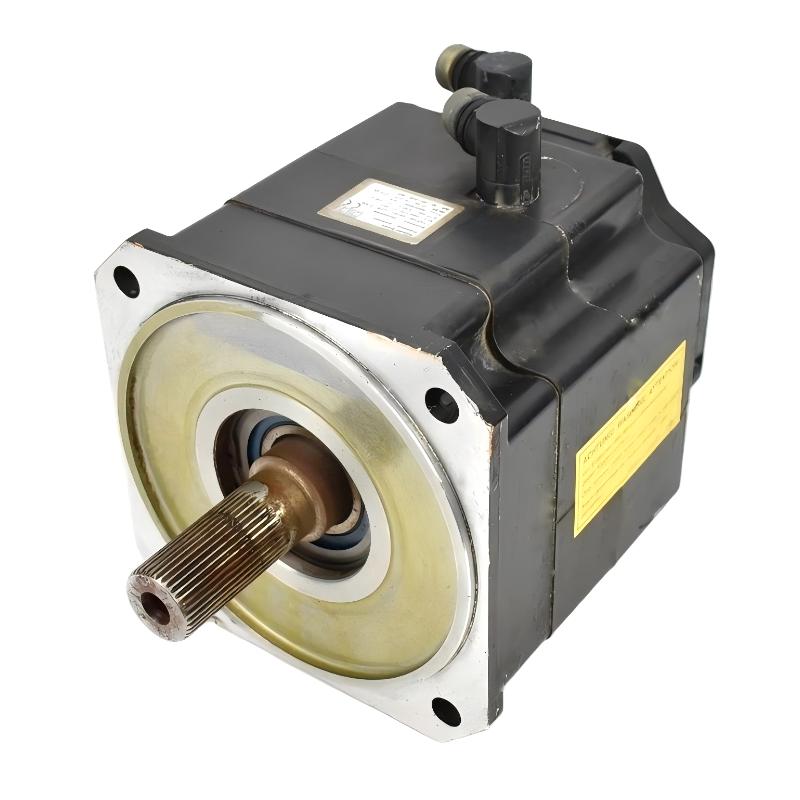
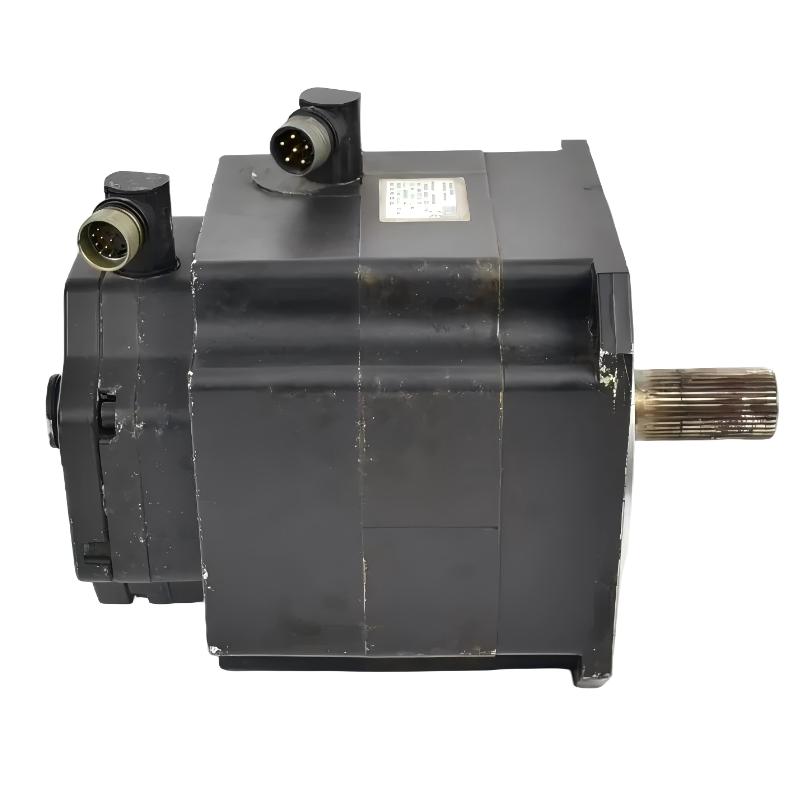
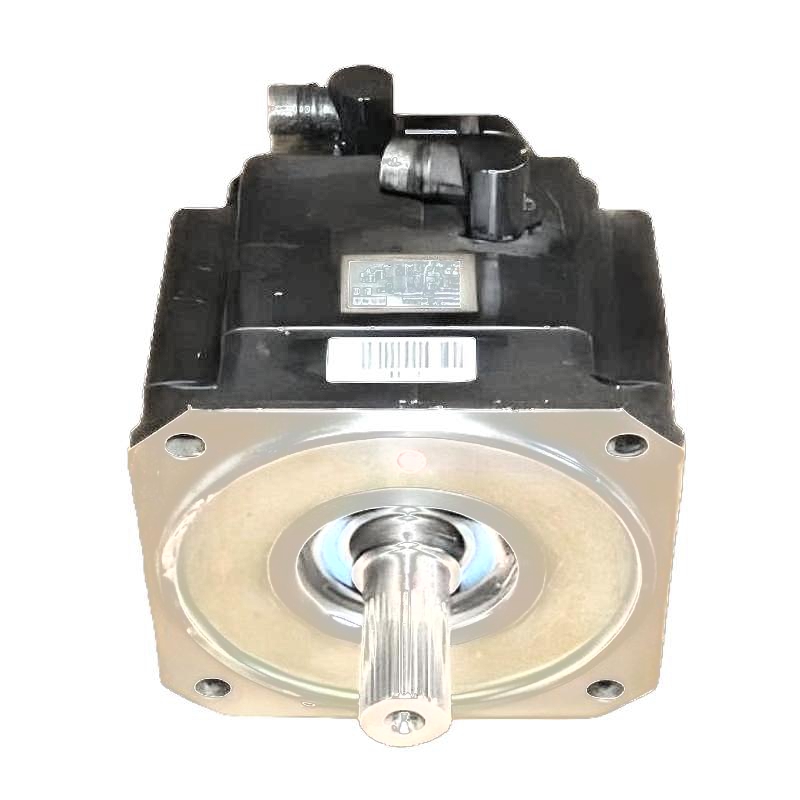
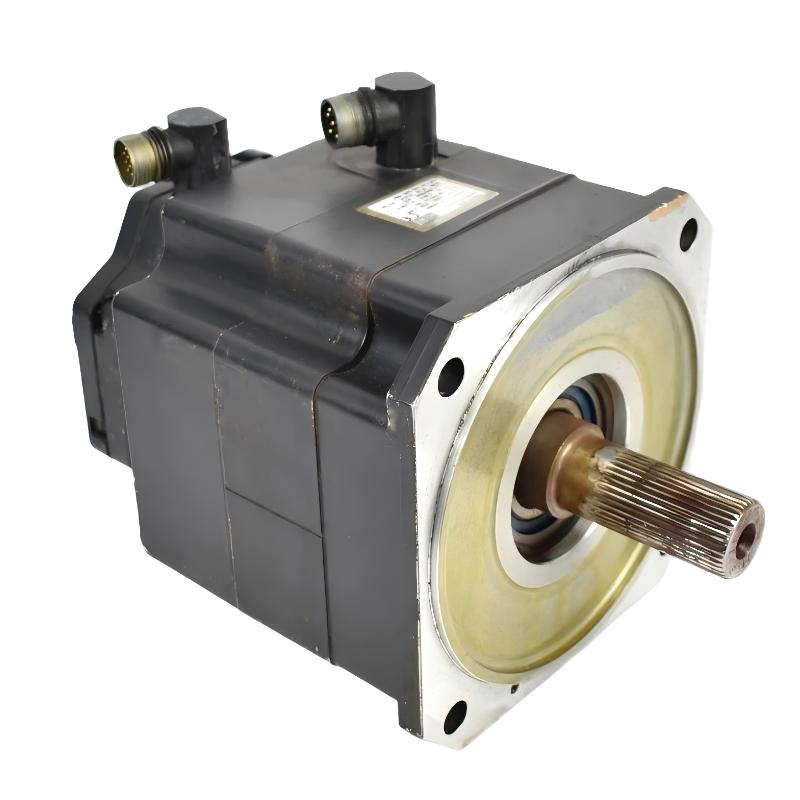
- ABB (KUKA)
- 1FK6100-8AF91-1ZZ9-ZS09 69-225-463
- Robot Servo Motor
- Germany
- 320 × 100 × 220 mm
- 21.77 kg
- Xiamen, China
- New & In Stock
- T/T, PayPal, Western Union
- 1 Year
- 1-3 Working Days
- DHL, UPS, TNT, FedEx and EMS.
- 24-Hour Service
- COO
- 61
Our advantage

Global Logistics
We have a 10-year logistics and express cooperation agreement, so our products can be shipped to any place in the world.

Brand new and original
Our products are imported in bulk from the place of origin. Because of the cooperative relationship, our products are all original and 100% new.

24-hour service
We provide 7*24 hours service to our customers. We will be there whenever you need us.

Price advantage
All our products are priced very favorably because we have our own warehouse and supply.
| Company Information | |||
| [email protected] | |||
| Mobile | +8615980777398 | ||
| +8615980777398 | |||
| 15980777398 |
Product Overview
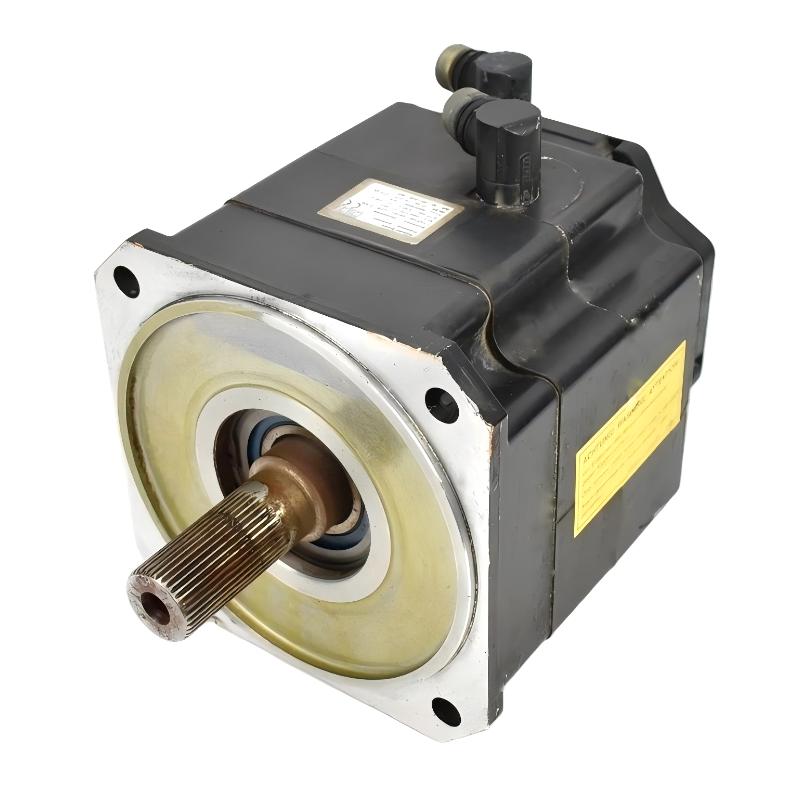
The KUKA 1FK6100-8AF91-1ZZ9-ZS09, also identified by KUKA article number 69-225-463, is a brushless AC servo motor used on KUKA industrial robot systems. It is specifically associated with the KR150 robot family and is used for robot axes 1–3, making it a motion component rather than a general-purpose industrial motor.
The motor belongs to the 1FK6100 servo motor family and has a rated output of approximately 3.77 kW, with a rated current of 9.5 A and a rated voltage of 156 V. Its operating speed is in the 3000 rpm class, allowing the motor to deliver the rapid rotational response required by robotic joints through the robot’s mechanical transmission.
In a KUKA robot, the motor does not operate independently. It works with the robot controller, servo drive, feedback system, gearbox, and mechanical axis assembly. The controller determines the required axis movement, while the drive regulates motor current and the feedback system allows the control loop to compare commanded and actual motion.
This arrangement is important on the KR150 because the first three robot axes handle substantial mechanical movement. The servo motor therefore has to cope not only with speed changes but also with acceleration, deceleration, inertia, payload changes, and repeated motion cycles.
The 1FK6100-8AF91-1ZZ9-ZS09 is consequently best understood as a dedicated robot-axis actuator. When used as a replacement, the complete KUKA axis configuration should be checked rather than selecting a motor based only on power or physical dimensions.
Technical Specifications
| Parameter | Specification |
|---|---|
| Manufacturer | KUKA |
| Model | 1FK6100-8AF91-1ZZ9-ZS09 |
| KUKA Article Number | 69-225-463 |
| Product Type | Robot Servo Motor |
| Motor Family | 1FK6100 |
| Motor Type | Brushless AC Servo Motor |
| Rated Power | 3.77 kW |
| Rated Voltage | 156 V |
| Rated Current | 9.5 A |
| Rated Speed | 3000 rpm class |
| Maximum Speed | Approx. 4200 rpm class |
| Motor Application | KUKA KR150 Robot |
| Robot Axis | Axis 1–3 |
| Brake | Integrated motor brake configuration |
| Protection | IP65 class reported for this configuration |
| Shaft Diameter | Approx. 32 mm |
| Shaft Length | Approx. 74 mm |
| Flange | Approx. 192 × 192 mm |
| Flange Diameter | Approx. 180 mm |
| Hole Circle Diameter | Approx. 215 mm |
| Mounting Holes | 4 × Ø14 mm |
| Dimensions | 320 × 100 × 220 mm |
| Weight | 21.77 kg |
Product Features
The 1FK6100-8AF91-1ZZ9-ZS09 combines a brushless servo motor construction with the mechanical and electrical characteristics required by a heavy-duty industrial robot axis.
Its 3.77 kW output and 9.5 A rated current place it in a relatively substantial servo-motor class compared with smaller robot-axis motors. This is appropriate for an industrial robot where the motor must repeatedly accelerate a mechanical transmission and associated robot structure.
The motor’s key characteristics include:
- 3.77 kW rated output
- 156 V rated voltage
- 9.5 A rated current
- 3000 rpm class rated speed
- Approximately 4200 rpm maximum-speed class
- Brushless AC servo motor construction
- Integrated brake configuration
- KUKA article number 69-225-463
- 1FK6100 motor family
- Intended for KUKA KR150 robot systems
- Used for robot axes 1–3
- Approximate 32 mm shaft diameter
- Approximate 74 mm shaft length
- Approximate 192 × 192 mm flange
- IP65-class protection reported for the configuration
- Dimensions of 320 × 100 × 220 mm
- Weight of 21.77 kg
One of the important practical points is that this motor is not simply a 3.77 kW motor that can be exchanged for any motor with the same power rating. The feedback, brake, shaft, flange, gearbox interface, and servo-drive parameters all affect whether a replacement will actually function correctly.
Working Principle
The motor operates as part of a closed-loop robotic motion system:
KUKA Robot Controller → Servo Drive → 1FK6100 Servo Motor → Gearbox → Robot Axis
The controller generates a motion command based on the robot program. The servo drive processes that command and regulates the current delivered to the motor windings.
The motor converts the electrical input into rotary torque. That torque is transferred through the robot’s gearbox and mechanical transmission, allowing the corresponding robot joint to move.
During operation, the control system continuously evaluates motor feedback. If the actual movement differs from the commanded movement, the servo system can adjust motor current to correct the error.
This closed-loop arrangement is particularly important for robotic motion because the robot cannot simply rotate the motor at a fixed speed and expect accurate joint movement. The actual axis position depends on acceleration, load, gearbox characteristics, payload, and the coordinated movement of other robot axes.
The motor brake also has an important role when the axis must remain mechanically secured under certain operating conditions. The brake is part of the overall robot-axis safety and holding arrangement and should be evaluated together with the KUKA drive and controller configuration.
Role in the KUKA KR150 Motion System
The 1FK6100-8AF91-1ZZ9-ZS09 is associated with the KR150 robot’s axes 1–3. These axes form the primary positioning section of the robot, so their motors have a direct influence on the robot’s overall reach, positioning behavior, and payload handling.
A typical axis arrangement can be represented as:
KRC Controller → Servo Drive → Motor → Gearbox → Joint
The motor supplies rotational torque, while the gearbox changes the motor’s speed and torque characteristics before the movement reaches the robot joint.
For the first three axes, the mechanical load can be considerable because the robot must move sections of the arm as well as the payload. The servo system therefore has to account for changing inertia throughout the robot’s working envelope.
This is also why motor replacement should be performed with attention to the robot’s axis assignment. A motor used on a different axis may have similar electrical characteristics but still be unsuitable because of differences in gearbox ratio, mechanical mounting, feedback configuration, brake requirements, or servo parameters.
Industrial Applications
The 1FK6100-8AF91-1ZZ9-ZS09 is mainly relevant to robotic motion rather than ordinary fixed-speed motor applications.
| Application | Typical Function |
| KUKA KR150 Robots | Drives axes 1–3 |
| Robotic Material Handling | Controls major robot-arm movements |
| Machine Loading and Unloading | Provides coordinated axis positioning |
| Welding Robots | Supports programmed multi-axis movement |
| Assembly Automation | Positions tools and workpieces |
| Industrial Palletizing | Handles repeated high-load robot movements |
| General Robot Automation | Provides closed-loop joint actuation |
| Robot Refurbishment | Replacement motor for compatible KR150 systems |
The actual load on the motor depends heavily on payload, arm position, acceleration, cycle time, and gearbox condition. A robot operating near its rated payload can impose a very different thermal and mechanical duty from the same robot performing low-load movements.
Installation and Maintenance
Installation of this motor should be approached as a robot-axis replacement rather than a standard motor installation.
Before removing the existing motor, record the motor identification, axis position, connector arrangement, brake wiring, and relevant drive parameters. The replacement should then be checked against the original part number 69-225-463.
The mechanical interface deserves particular attention. The shaft, flange, mounting-hole pattern, coupling, and gearbox connection must align correctly. Incorrect alignment can create bearing loads or coupling forces that may not be immediately visible during initial commissioning.
Recommended maintenance checks include:
- Confirm the complete 1FK6100-8AF91-1ZZ9-ZS09 designation.
- Verify KUKA article number 69-225-463.
- Confirm that the motor is intended for the relevant KR150 axis.
- Check the motor-to-gearbox mechanical interface.
- Inspect the shaft and coupling for wear.
- Check the flange and mounting holes.
- Inspect motor power connectors.
- Check brake wiring and brake operation.
- Verify feedback connections.
- Inspect cable routing around the robot axis.
- Check for abnormal motor vibration or bearing noise.
- Monitor motor temperature during repeated cycles.
- Review servo-drive diagnostic messages.
- Perform a low-speed axis test after replacement.
- Recheck robot mastering or calibration requirements where applicable.
A motor fault should also be distinguished from a gearbox or drive problem. Excessive current, positioning errors, vibration, or overheating can originate from several parts of the axis. Replacing the motor without checking the gearbox, coupling, cables, and servo drive can result in repeated failures.
Related Components
The 1FK6100-8AF91-1ZZ9-ZS09 is normally integrated into a larger KUKA robot motion architecture.
| Component | Function |
| KUKA Robot Controller | Executes robot programs and coordinates axis motion |
| KUKA Servo Drive | Regulates motor current and closed-loop motion |
| Servo Feedback System | Provides motor position and speed information |
| Motor Brake | Holds the axis when braking is required |
| Robot Gearbox | Converts motor speed into suitable joint torque |
| Mechanical Coupling | Transfers motor torque to the gearbox |
| Motor Power Cable | Supplies controlled power to the motor |
| Feedback Cable | Transfers feedback signals to the drive |
| Robot Axis Assembly | Converts motor torque into arm movement |
| Teach Pendant | Used for setup, jogging, diagnostics, and commissioning |
For a KR150 repair, these components should be considered as one motion chain. A servo motor with correct electrical specifications can still be unsuitable if its brake, feedback interface, shaft, or gearbox connection does not match the existing axis.
Recommended Related Models
The following models are useful for comparison when working with KUKA robot servo motors and KR-series spare parts.
| Model / Part Number | Product Type | Typical Application |
| KUKA 1FK6100-8AF91-1ZZ9-ZS09 / 69-225-463 | Robot Servo Motor | KR150 axes 1–3 |
| KUKA KK53Y-YYYY-017 / 69-225-464 | Robot Servo Motor | KR150 axes 4–6 |
| KUKA 1FK6081-6AF71-1ZZ9-ZS07 / 00-100-596 | Robot Servo Motor | KR6 / KR15 robot applications |
| KUKA 1FK6032-6AK71-1ZZ9-ZS36 / 69-225-466 | Robot Servo Motor | KR6 / KR15 axes 4–6 |
| KUKA KK4EY-YYYY-033 / 69-225-465 | Robot Servo Motor | KR6 robot axis |
| KUKA KR150 Servo Motor 69-225-463 | Robot Spare Part | KR150 axis replacement |
| KUKA KSD Servo Drive Series | Servo Drive | Closed-loop KUKA robot motor control |
The 69-225-464 motor is particularly relevant when servicing the same KR150 robot because it is associated with the other group of KR150 axes. It should not, however, be treated as a direct substitute for 69-225-463 without checking the axis and mechanical configuration.
The smaller 1FK6081 and 1FK6032 motor families are useful comparison points for KUKA robots with different payload and axis requirements, but their mounting and drive characteristics must be verified before substitution.
Key Advantages
- 3.77 kW brushless AC servo motor for robotic motion.
- 9.5 A rated current and 156 V rated voltage.
- 3000 rpm class operating speed.
- Approximately 4200 rpm maximum-speed class.
- Designed for closed-loop robot-axis control.
- Associated with KUKA KR150 axes 1–3.
- Integrated brake configuration.
- Compact 1FK6100 servo motor family construction.
- Suitable for demanding repetitive robot movements.
- Mechanical flange and shaft configuration suited to robot-axis integration.
- Useful as a replacement motor for compatible KR150 systems.
- KUKA article number 69-225-463 provides a precise spare-part identification.
- Dimensions of 320 × 100 × 220 mm.
- Weight of 21.77 kg.
Technical FAQs
Which KUKA robot uses the 1FK6100-8AF91-1ZZ9-ZS09?
This motor is associated with the KUKA KR150 and is identified as a motor for axes 1–3. The axis assignment is important because the motor works together with the corresponding gearbox and servo-drive configuration.
Why should the gearbox be checked when replacing this servo motor?
The motor and gearbox form a matched mechanical transmission. The motor shaft, flange, coupling, speed range, and torque characteristics must work correctly with the gearbox. A motor with the same rated power but a different mechanical interface may not be suitable.
What could cause a KR150 axis to overheat after installing a replacement motor?
Possible causes include excessive payload, aggressive acceleration settings, mechanical resistance in the gearbox, incorrect servo parameters, poor ventilation, abnormal bearing friction, or a problem with the motor or feedback system. The complete axis should be evaluated before concluding that the replacement motor itself is defective.
Is 69-225-463 enough information to identify the replacement motor?
The article number 69-225-463 is a useful KUKA spare-part identifier, but for a replacement it is preferable to verify it together with the full motor designation 1FK6100-8AF91-1ZZ9-ZS09. The robot model, axis position, connector configuration, brake arrangement, and mechanical interface should also be checked.
What is the significance of the 9.5 A rating in servo-drive selection?
The 9.5 A motor current is one of the electrical parameters the servo drive must accommodate. Drive selection cannot be based on current alone, however; rated voltage, motor constants, feedback compatibility, peak current capability, braking requirements, and the robot’s motion profile must also be considered.