

ProductPRODUCT
Featured products
Contact Us
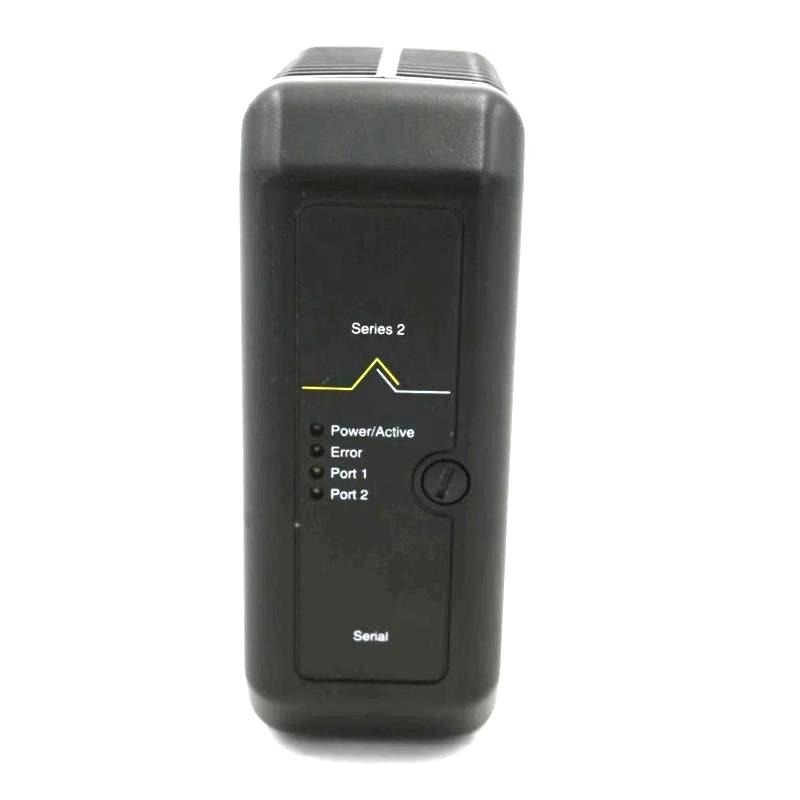
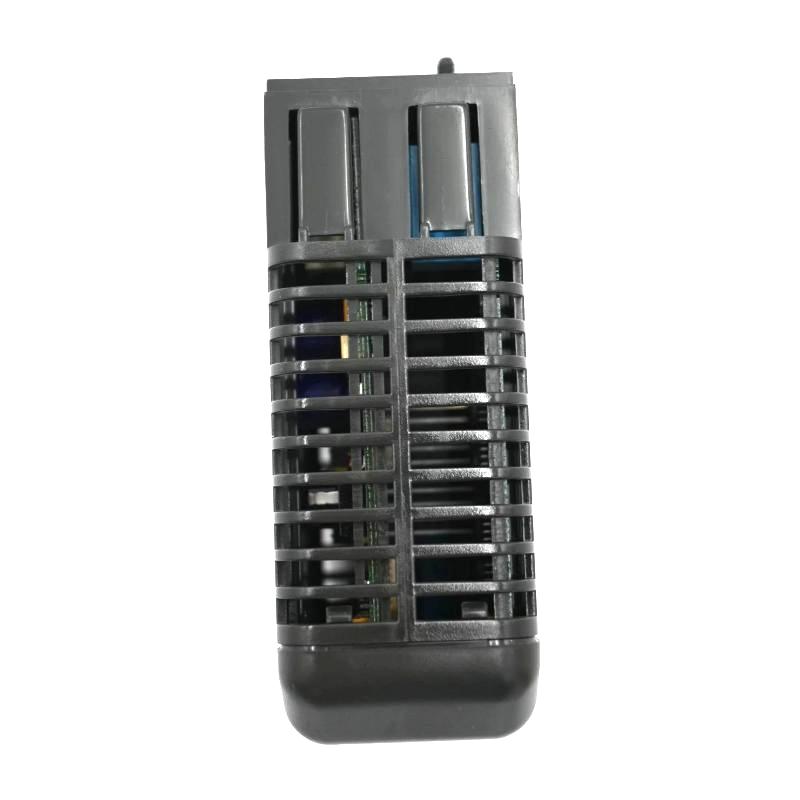
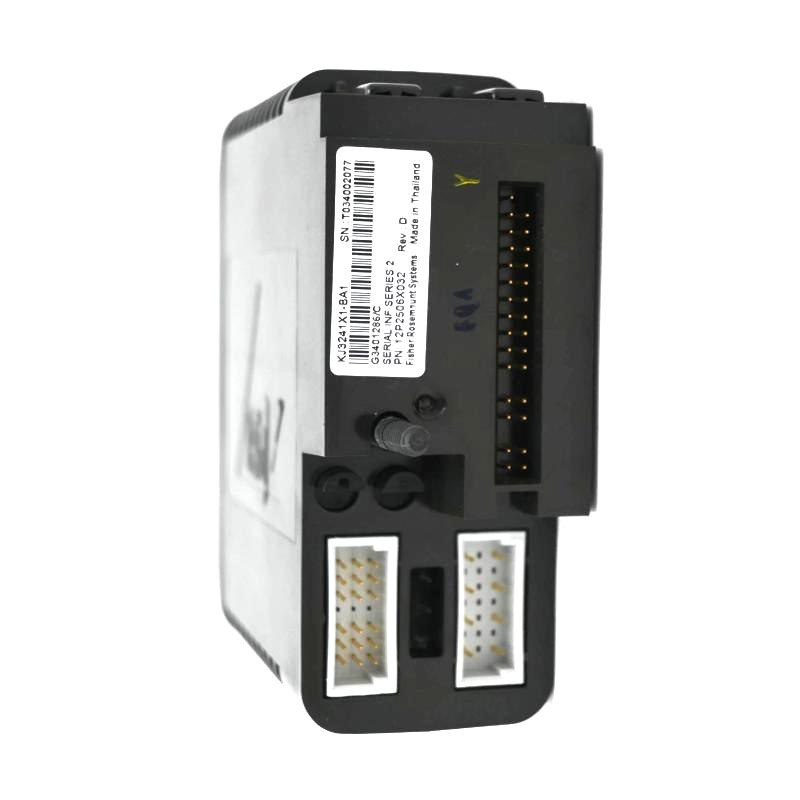
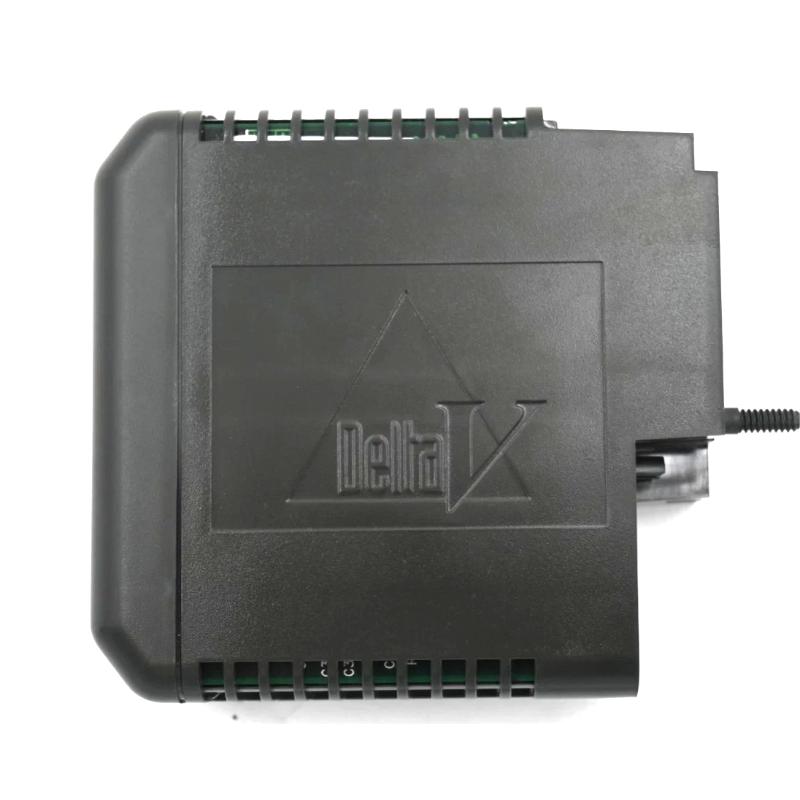
- Emerson
- CE4006P2
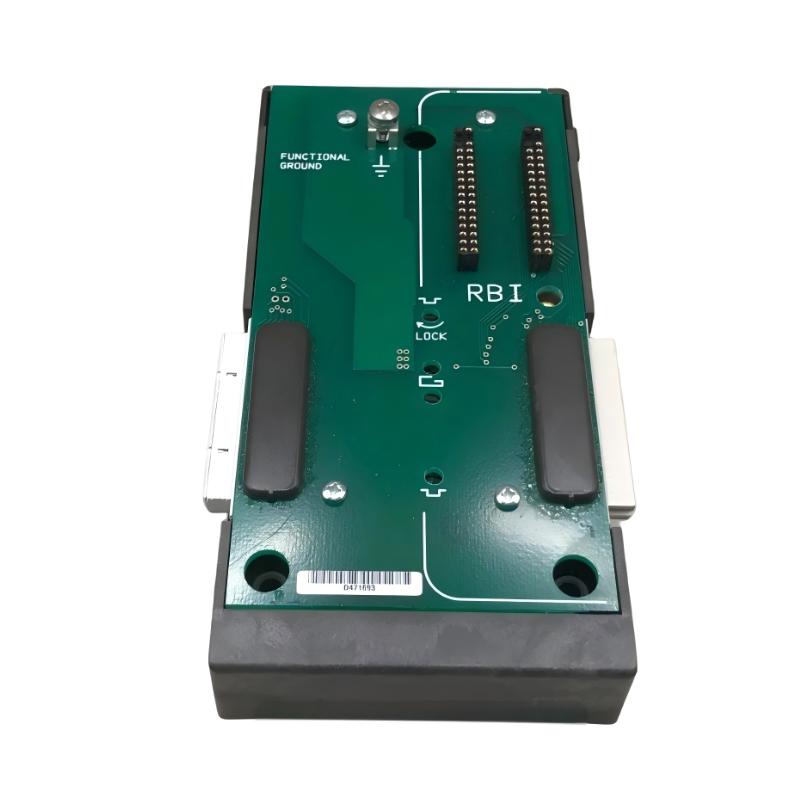
- Serial Interface Card
- USA
- 107 × 41 × 105 mm
- 0.18 kg
- Xiamen, China
- New & In Stock
- T/T, PayPal, Western Union
- 1 Year
- 1-3 Working Days
- DHL, UPS, TNT, FedEx and EMS.
- 24-Hour Service
- COO
- 38
Our advantage

Global Logistics
We have a 10-year logistics and express cooperation agreement, so our products can be shipped to any place in the world.

Brand new and original
Our products are imported in bulk from the place of origin. Because of the cooperative relationship, our products are all original and 100% new.

24-hour service
We provide 7*24 hours service to our customers. We will be there whenever you need us.

Price advantage
All our products are priced very favorably because we have our own warehouse and supply.
| Company Information | |||
| [email protected] | |||
| Mobile | +8615980777398 | ||
| +8615980777398 | |||
| 15980777398 |
Product Overview
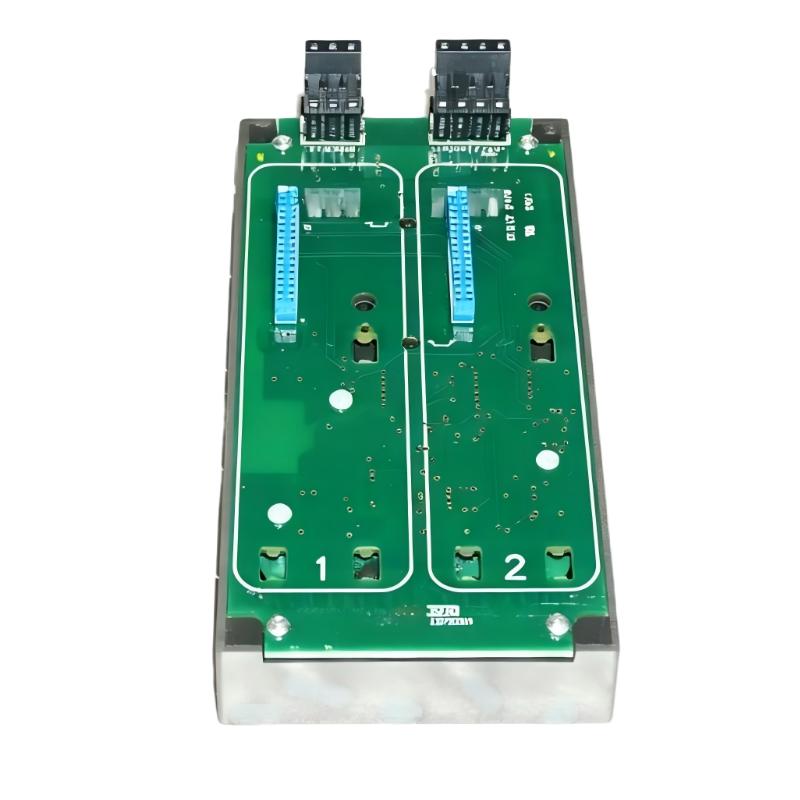
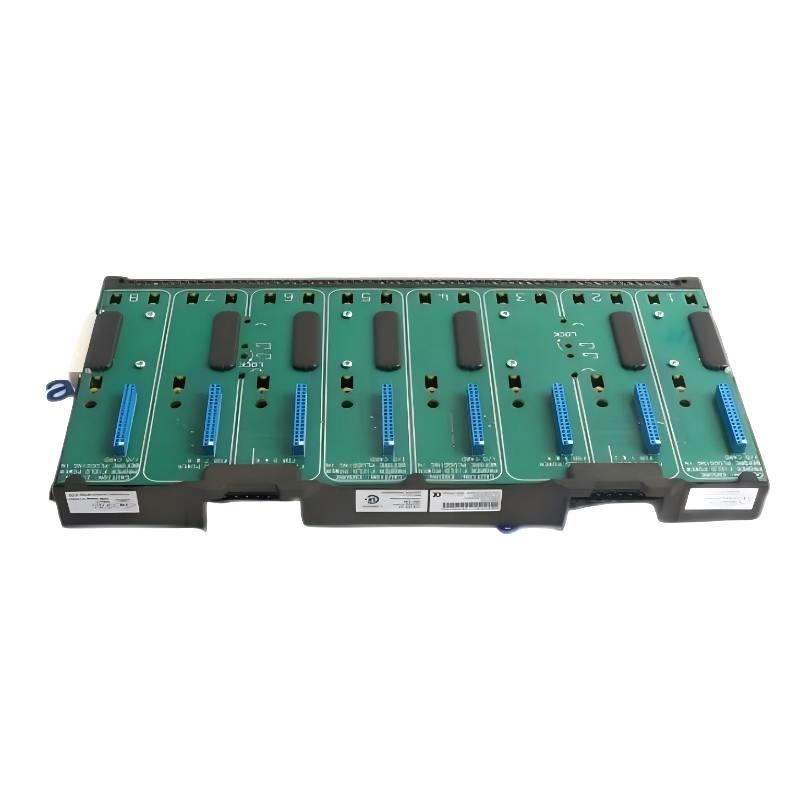
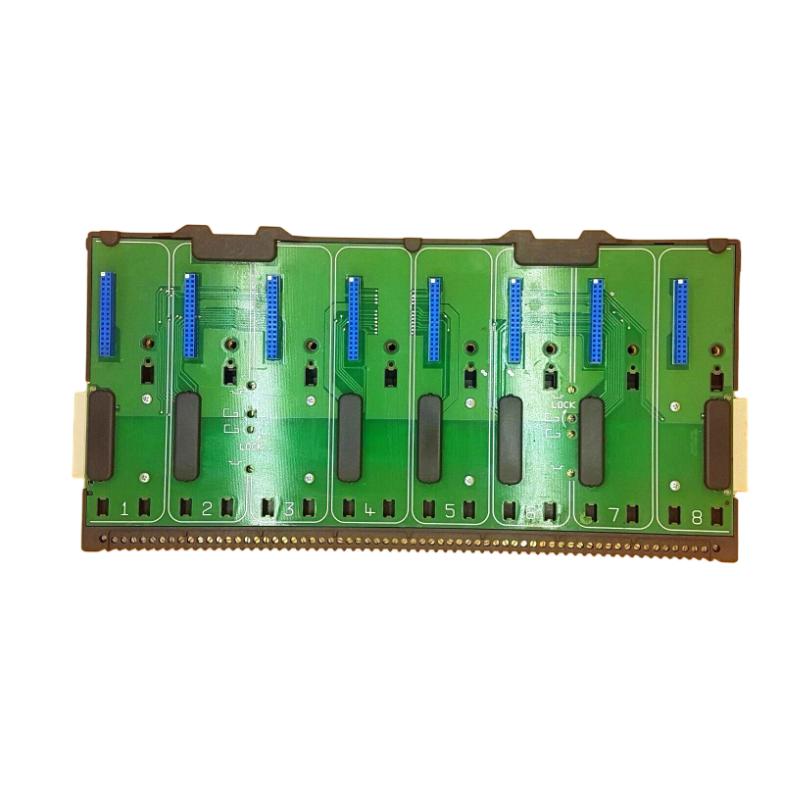
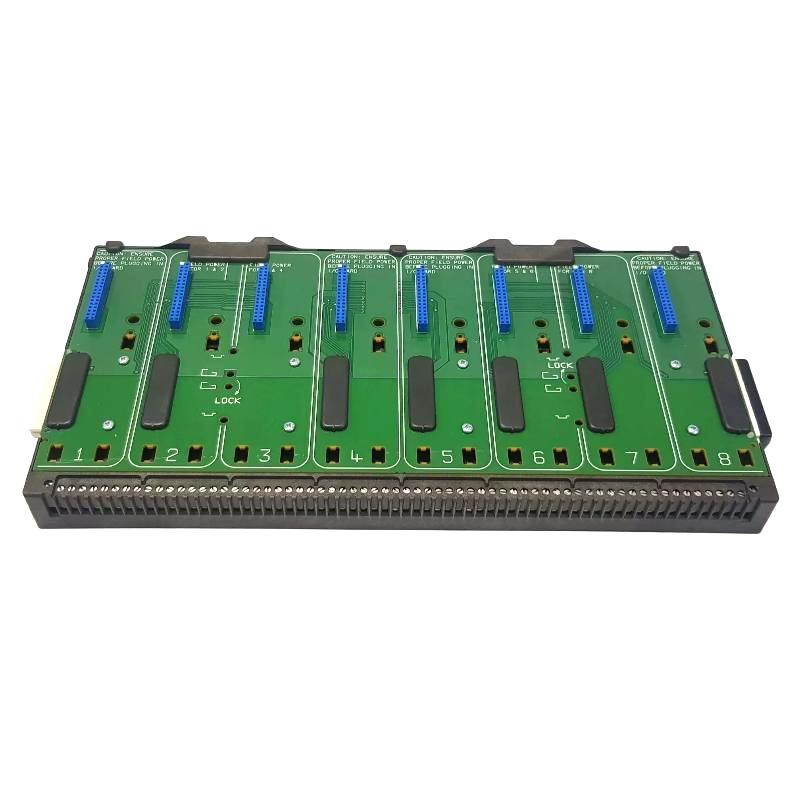
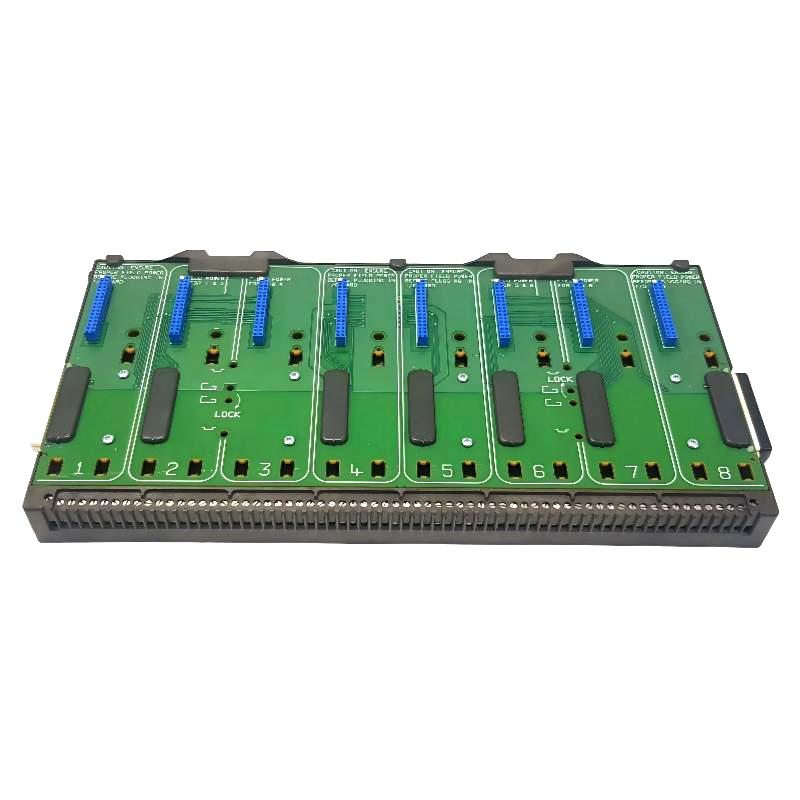
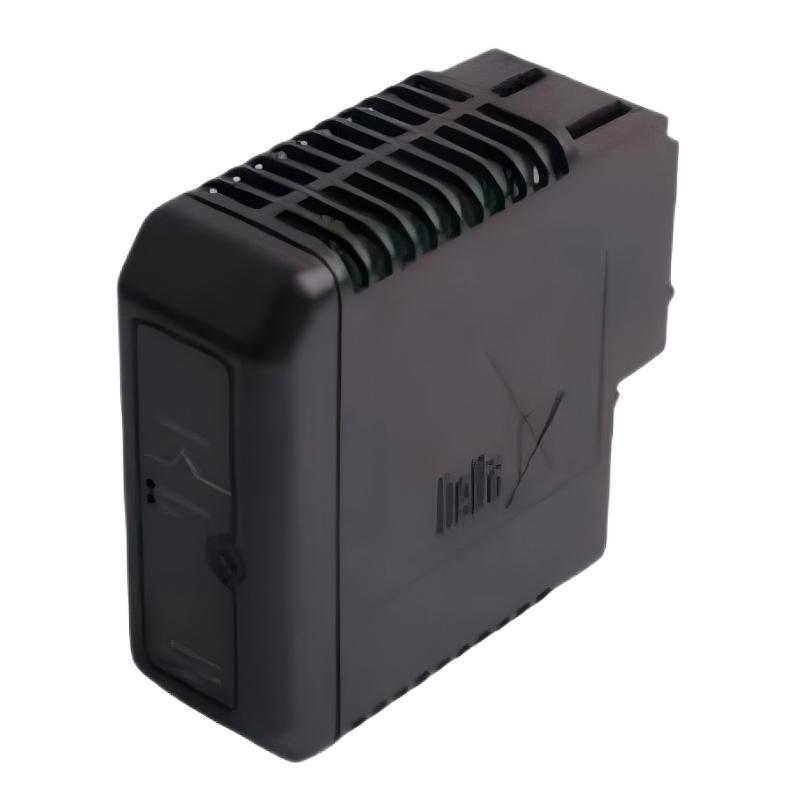
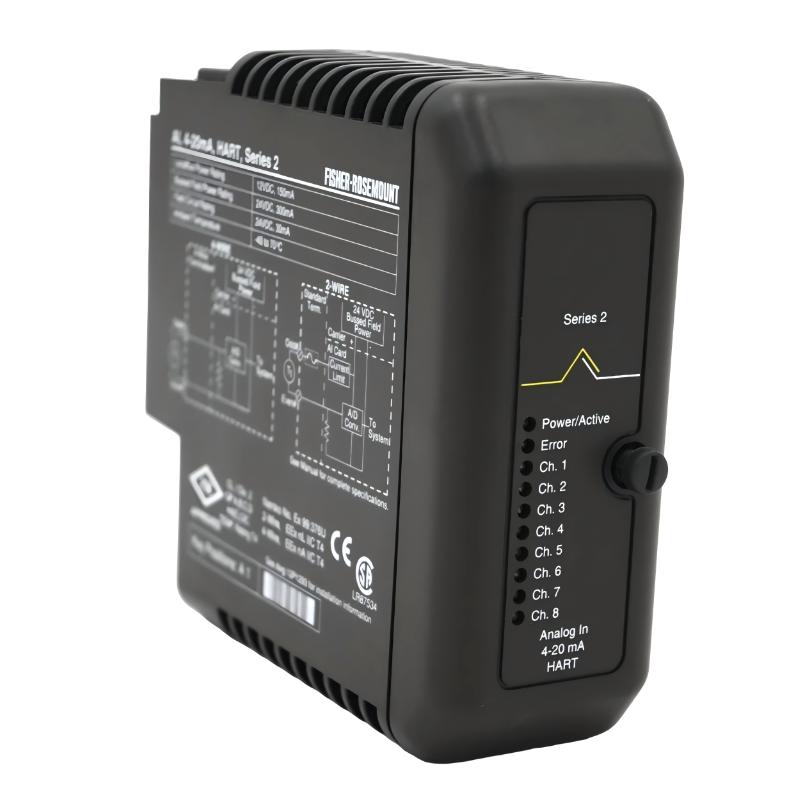
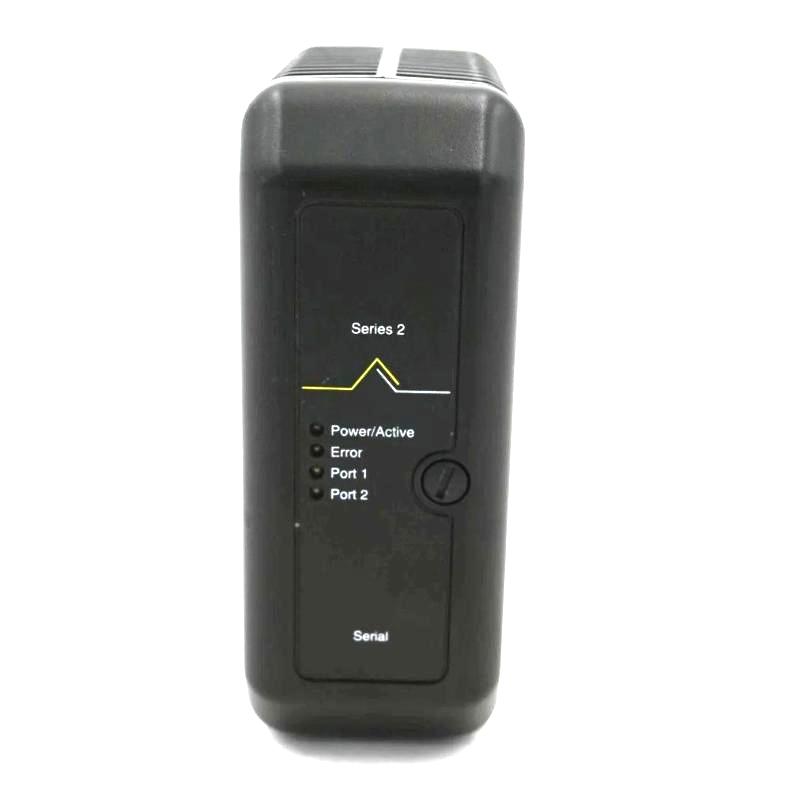
The Emerson CE4006P2 Serial Interface Card is a communication-oriented I/O component used within an Emerson industrial automation environment. Unlike an analog or discrete I/O module, its primary role is to provide a serial communication interface between the control system and compatible external devices.
Serial interfaces are useful when field equipment or intelligent devices exchange structured data rather than simple on/off or analog signals. Depending on the system configuration, this type of interface can be used for connecting instrumentation, intelligent devices, auxiliary controllers, or other serial communication equipment.
Within a process automation installation, the CE4006P2 can form part of the communication layer between the control system and external equipment. Correct selection therefore depends not only on the physical module but also on the required serial interface, communication protocol, device addressing, cabling, and system configuration.
Technical Specifications
| Parameter | Specification |
|---|---|
| Manufacturer | Emerson |
| Model | CE4006P2 |
| Product Type | Serial Interface Card |
| Primary Function | Serial Communication Interface |
| Application | Industrial Automation Communication |
| System Role | Communication / Interface Layer |
| Typical Connection | Serial Field or Auxiliary Devices |
| Installation | Industrial Control System |
| Dimensions | 107 × 41 × 105 mm |
| Weight | 0.18 kg |
The supplied physical specifications are 107 × 41 × 105 mm with a stated weight of 0.18 kg.
For system replacement, the communication requirements should be checked together with the hardware part number. Interface type, protocol, baud rate, addressing method, cable arrangement, and host-system compatibility can all affect whether a serial interface card is suitable for a particular application.
Product Features
The CE4006P2 focuses on serial data exchange rather than conventional process signal acquisition.
Key characteristics include:
- Emerson CE4006P2 Serial Interface Card
- Intended for industrial automation communication
- Provides a serial communication interface
- Suitable for intelligent external devices
- Supports communication between control-system hardware and serial equipment
- Can be integrated into industrial control architectures
- Useful where device data must be exchanged digitally
- Suitable for cabinet-based automation installations
- Supports system-level device integration
- Compact card-format hardware
- Dimensions of 107 × 41 × 105 mm
- Stated weight of 0.18 kg
The communication interface should be matched to the connected equipment. A serial card cannot be selected solely by physical compatibility; the electrical interface and communication protocol must also correspond to the application.
Working Principle
The CE4006P2 operates by providing a communication path between the host automation system and compatible serial devices.
A simplified architecture is:
Control System → CE4006P2 Serial Interface → Serial Communication Link → External Device
The host system sends communication requests or control information through the serial interface. The CE4006P2 handles the interface between the internal automation architecture and the connected serial communication line.
The external device can then return status information, measurements, diagnostic data, or other structured information. This allows the control system to exchange more detailed information than would normally be possible through a simple discrete signal.
For example, an intelligent auxiliary controller may provide operating status, measured values, alarm information, or diagnostic data over a serial connection. The interface card acts as the communication bridge that allows these data exchanges to be incorporated into the larger automation system.
The actual communication behavior depends on the configured protocol and the devices connected to the serial interface.
Role in an Industrial Communication System
The CE4006P2 occupies a different position from a conventional analog input, analog output, or digital I/O module.
A typical arrangement can be represented as:
Host Controller → Communication Interface → Serial Network / Cable → Intelligent Device
The controller remains responsible for executing the control strategy, while the serial interface provides the communication path toward external equipment.
This architecture is useful when a device contains its own intelligence and needs to exchange multiple parameters with the control system. Instead of dedicating separate hardwired signals to every item of information, serial communication can transfer structured device data through a communication link.
During troubleshooting, the communication path should therefore be considered as several separate sections: host configuration, interface-card status, physical wiring, communication parameters, device addressing, and the external device itself.
Industrial Applications
A serial interface card can be used in industrial systems where intelligent equipment needs to exchange digital information with the control architecture.
| Application | Typical Communication Requirement |
|---|---|
| Process Automation | Exchange of intelligent-device data |
| Instrumentation | Communication with serial-capable instruments |
| Auxiliary Controllers | Transfer of status and control information |
| Industrial Machinery | Communication with embedded controllers |
| Energy Systems | Monitoring intelligent electrical equipment |
| Utility Systems | Serial device integration |
| Process Equipment | Access to operating and diagnostic information |
| Automation Panels | Integration of serial-connected devices |
The suitability of the CE4006P2 for a particular application depends on the interface and protocol requirements of the connected equipment.
Installation and Maintenance
The CE4006P2 should be installed within the appropriate automation hardware architecture and configured according to the communication requirements of the connected serial equipment.
Physical installation should be followed by communication verification. A card can be correctly mounted and powered while still failing to communicate because of incorrect protocol settings, addressing, wiring, or device configuration.
Recommended checks include:
- Confirm the complete CE4006P2 model.
- Verify the host-system compatibility.
- Identify the required serial communication interface.
- Confirm the communication protocol.
- Check baud rate and other communication parameters where applicable.
- Verify device addressing.
- Inspect serial cable connections.
- Check cable shielding and grounding where required.
- Confirm connector orientation and termination.
- Verify communication status in the host system.
- Check diagnostic information.
- Confirm the connected device is powered and operational.
- Test communication with a known-good device where possible.
- Record communication parameters after commissioning.
When replacing an existing serial interface card, the configuration should be documented before removal. This reduces the risk of restoring the hardware while overlooking communication settings that were previously established for the connected devices.
Related Components
The CE4006P2 normally operates as part of a larger industrial communication system.
| Component | Function |
|---|---|
| Host Controller | Executes the control strategy and manages system logic |
| Serial Interface Card | Provides the serial communication interface |
| Serial Communication Cable | Carries data between the interface and external device |
| Intelligent Instrument | Exchanges measurements and device information |
| Auxiliary Controller | Provides additional control or status data |
| Communication Protocol | Defines how information is structured and exchanged |
| Engineering Station | Used for configuration and diagnostics |
| Operator Station | Displays process and device information |
| Control Network | Connects controller-level equipment within the automation system |
| Power Supply | Provides operating power to the automation hardware |
The communication card, connected device, physical link, and host configuration should be treated as one complete communication path during system commissioning.
Recommended Related Models
Related Emerson hardware should be selected according to the required communication function and the architecture of the existing automation system.
| Model / Product Family | Product Type | Typical Application |
|---|---|---|
| Emerson CE4006P2 | Serial Interface Card | Industrial serial communication |
| Emerson DeltaV Communication Interfaces | Communication Hardware | Integration of external devices |
| Emerson DeltaV I/O Modules | I/O Hardware | Conventional field signal interfacing |
| Emerson DeltaV Controllers | Controller Hardware | Control strategy execution |
| Emerson DeltaV Communication Hardware | Communication Infrastructure | System and device integration |
| Emerson Serial Interface Components | Communication Hardware | Serial-connected intelligent equipment |
The CE4006P2 should be selected based on the communication requirements of the complete system rather than simply replacing it with another card of similar physical dimensions.
For replacement applications, confirm the host architecture, interface type, communication protocol, device compatibility, wiring arrangement, and existing configuration before installation.
Key Advantages
- Emerson CE4006P2 Serial Interface Card.
- Provides a dedicated serial communication interface.
- Suitable for intelligent industrial devices.
- Supports digital exchange of device information.
- Helps integrate serial equipment into an automation architecture.
- Suitable for industrial control cabinets.
- Useful for system expansion and equipment integration.
- Allows structured device data to be exchanged through a communication link.
- Supports troubleshooting through interface and communication diagnostics.
- Compact card-format design.
- Dimensions of 107 × 41 × 105 mm.
- Stated weight of 0.18 kg.
Technical FAQs
What should be matched when replacing a CE4006P2 Serial Interface Card?
The replacement should be evaluated against the complete communication architecture, including the host system, serial interface requirements, protocol, device addressing, wiring arrangement, and software configuration. Matching only the card’s physical dimensions is not sufficient.
Why can a serial communication system fail even when the interface card is correctly installed?
Communication problems can originate from several points in the data path. Incorrect baud rate, protocol settings, addressing, cable wiring, grounding, termination, or a configuration mismatch in the connected device can prevent communication even when the card itself is functioning normally.
What type of information can a serial interface provide that hardwired I/O may not?
A serial connection can exchange structured information such as operating status, measurements, alarms, diagnostic data, and configuration-related information, depending on the connected device and protocol. This can reduce the number of individual hardwired signals required for intelligent equipment.
What is the best troubleshooting sequence for a CE4006P2 communication problem?
Start by confirming that the interface card is recognized and operational in the host system. Then verify communication parameters and addressing, inspect the physical serial connection, check the external device’s operating status, and finally examine protocol-level diagnostics. Separating the host, interface, physical link, and device sides makes it easier to identify the actual source of the fault.