

ProductPRODUCT
Featured products

Contact Us
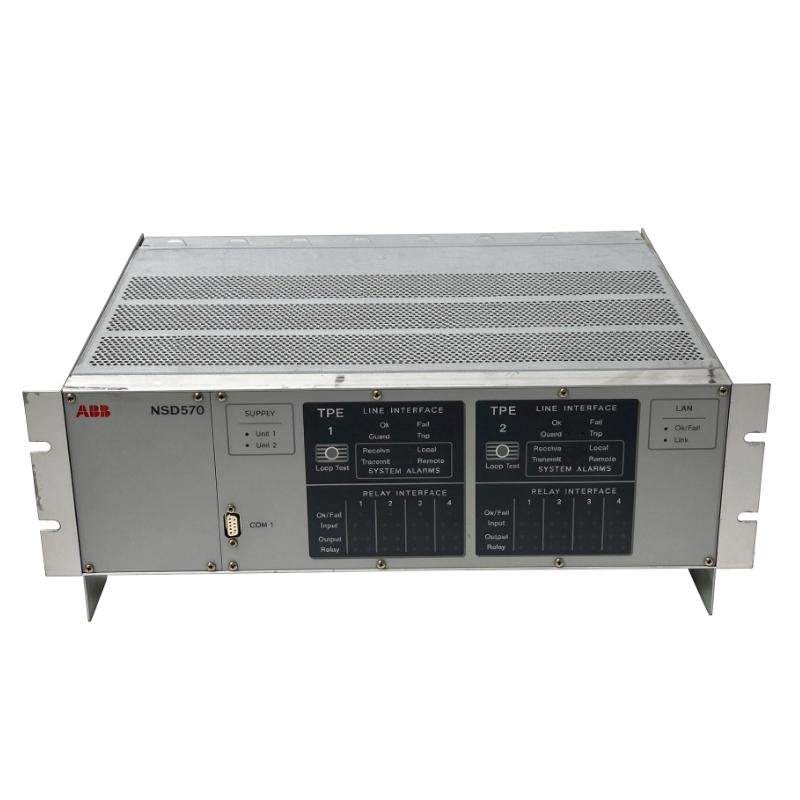
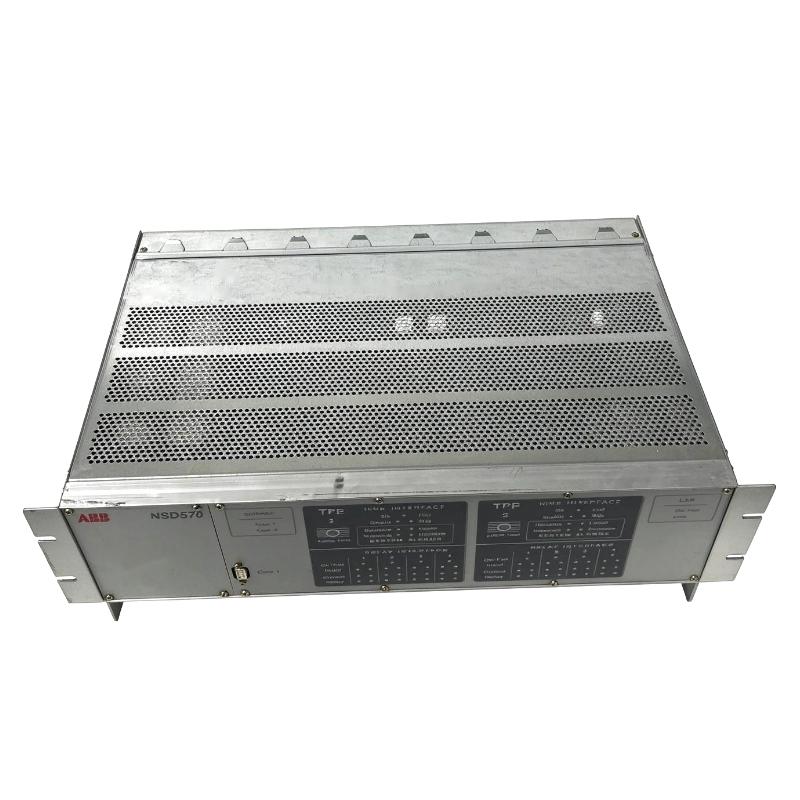
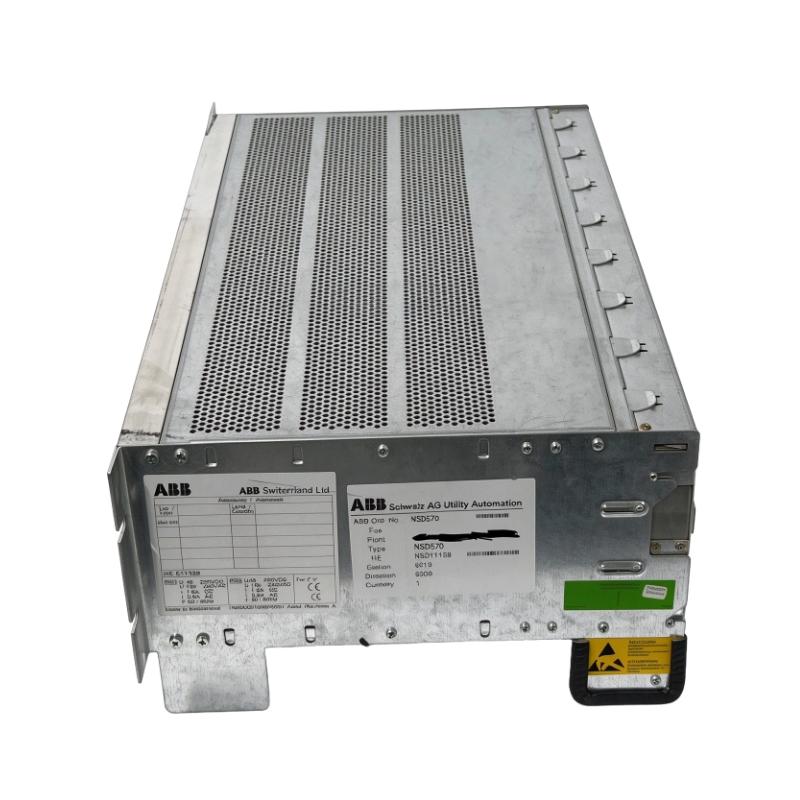
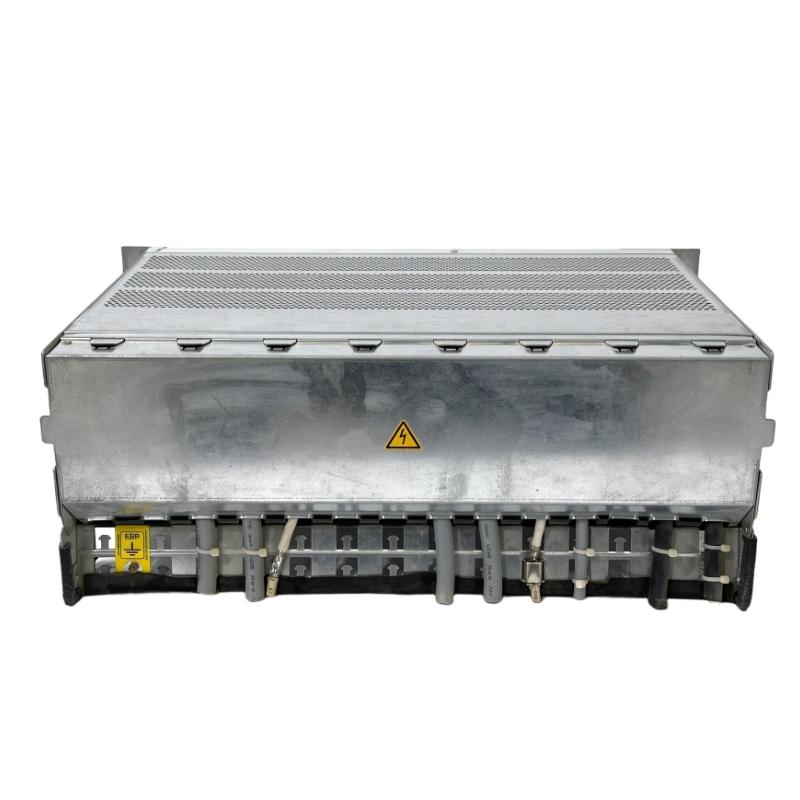
- ABB
- NSD570 1KHW000600R0001
- Remote Protection Device
- Sweden (SE)
- 485 x 177 x 300 mm
- 6 kg
- Xiamen, China
- New & In Stock
- T/T, PayPal, Western Union
- 1 Year
- 1-3 Working Days
- DHL, UPS, TNT, FedEx and EMS.
- 24-Hour Service
- COO
- 4
Our advantage

Global Logistics
We have a 10-year logistics and express cooperation agreement, so our products can be shipped to any place in the world.

Brand new and original
Our products are imported in bulk from the place of origin. Because of the cooperative relationship, our products are all original and 100% new.

24-hour service
We provide 7*24 hours service to our customers. We will be there whenever you need us.

Price advantage
All our products are priced very favorably because we have our own warehouse and supply.
| Company Information | |||
| [email protected] | |||
| Mobile | +8615980777398 | ||
| +8615980777398 | |||
| 15980777398 |
Product Overview
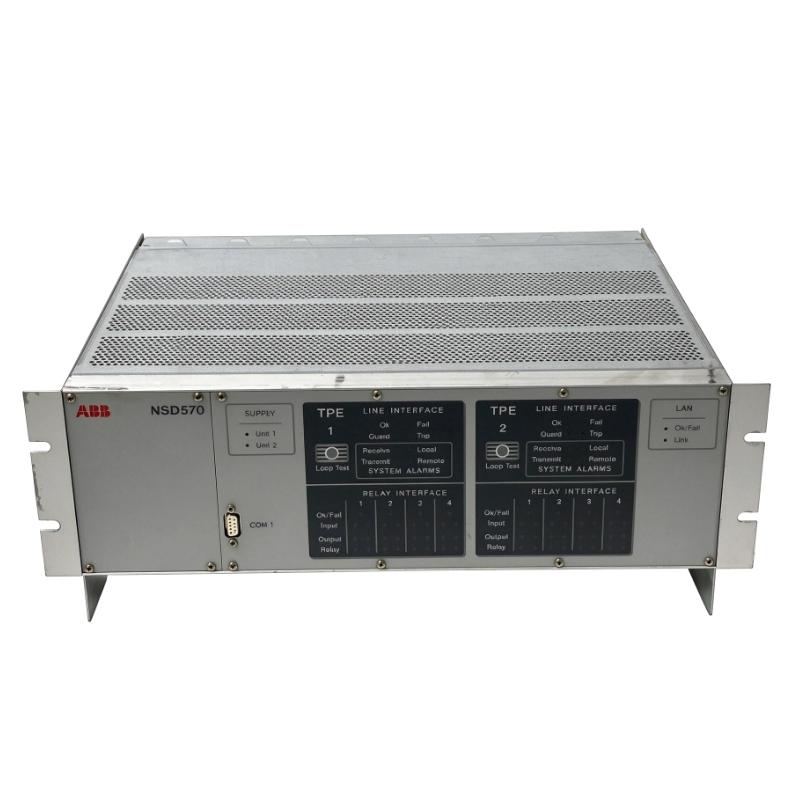
The ABB NSD570 1KHW000600R0001 Remote Protection Device is a teleprotection communication system designed to support dependable transmission of protection commands in electrical power networks. It is used in applications where protection equipment at different locations must exchange signals quickly and reliably to help isolate faults and maintain the stability of the power system.
Unlike a conventional industrial PLC communication module, a teleprotection device is designed specifically for the communication requirements of electrical protection schemes. It transfers commands between remote substations or protection terminals so that circuit breakers and protection relays can respond to defined network conditions.
The ABB NSD570 family supports transmission of blocking, permissive tripping, and direct transfer tripping commands. Depending on the installed line-interface hardware, communication can use analog channels, digital channels, optical links, or Ethernet/IP-based networks. This modular architecture allows the communication interface to be selected according to the available telecommunications infrastructure.
The NSD570 is relevant to power utilities, transmission and distribution substations, industrial power networks, and other installations that require coordinated protection between geographically separated electrical assets.
The catalog number 1KHW000600R0001 should be verified against the equipment nameplate and the installed hardware configuration before ordering. NSD570 systems may contain different line interfaces, relay interfaces, power-supply arrangements, and communication options. Confirming the exact configuration is essential when replacing an existing unit or integrating the equipment into an operational protection scheme.
Technical Specifications
| Parameter | Specification |
|---|---|
| Brand | ABB |
| Product Model | NSD570 |
| Part Number | 1KHW000600R0001 |
| Product Type | Remote Protection Device / Teleprotection Equipment |
| Main Function | Transmission of electrical protection commands |
| Typical Protection Commands | Blocking, permissive tripping, direct transfer tripping |
| Communication Media | Analog and digital channels; optical or Ethernet/IP interfaces when configured |
| System Architecture | Modular teleprotection system |
| Mounting Format | 19-inch equipment rack system |
| Rack Arrangement | NSD570 equipment uses a 3U device arrangement within a rack configuration |
| Dimensions Provided | 485 × 177 × 300 mm |
| Weight Provided | 6 kg |
| Typical Applications | Transmission substations, power utilities, industrial power networks |
| Configuration Requirements | Depends on installed interface modules and system design |
The dimensions and weight above are the supplied listing values. Since NSD570 is a modular rack-based system, confirm whether these figures refer to the complete assembly, rack, or a particular supplied configuration before using them for shipping or installation planning.
Function and Working Principle
The primary function of the NSD570 is to transmit protection commands between remote locations in a power network. These commands are part of protection schemes designed to detect and isolate faults selectively, reducing the impact of abnormal electrical conditions.
1. Transmission of Protection Commands
When a protection relay detects a condition that requires action, it may initiate a command that must be delivered to a remote terminal. The NSD570 transports the command through the configured communication channel.
Depending on the protection scheme, the transmitted command may instruct the remote system to block a protection operation, permit tripping under defined conditions, or initiate direct tripping.
The communication equipment does not independently replace the protection relay. Instead, it provides the communication path that allows protection devices at different locations to cooperate.
2. Blocking Protection Signals
Blocking schemes use a transmitted signal to prevent a particular protection function from operating under conditions specified by the protection design.
For example, a blocking command may help distinguish an external fault from a fault within the protected section. The protection relay uses the received signal together with its own measurements and logic to determine whether a trip should be issued.
The exact logic depends on the relay settings and the overall protection scheme.
3. Permissive Tripping
In a permissive tripping scheme, the receipt of a valid remote signal allows a protection relay to trip when its local protection conditions are also satisfied.
This arrangement can support rapid fault clearance while maintaining selectivity. The NSD570 provides the communication function, while the protection relays and associated logic determine the final response.
4. Direct Transfer Tripping
Direct transfer tripping transmits a trip command to a remote protection terminal. Depending on the application, the command may be used to initiate circuit-breaker tripping at the receiving location.
Because these signals can directly affect power-system operation, commissioning, channel testing, command assignment, and end-to-end verification are critical.
5. Modular Communication Interfaces
The NSD570 family supports multiple communication technologies through configurable line-interface hardware. Analog and digital interfaces can be used to connect the system to suitable telecommunications channels, while Ethernet/IP connectivity is available in compatible configurations.
The selected interface must match the network equipment, channel characteristics, transmission requirements, and protection scheme at both ends of the communication link.
Role in Industrial and Power Control Systems
The NSD570 is generally used as part of a power-system protection architecture rather than as a standard process-control I/O device.
Substation Protection
In transmission and distribution substations, protection relays monitor electrical parameters and identify faults. When a protection scheme requires information or commands to be exchanged between substations, the NSD570 can provide the necessary teleprotection communication function.
This helps coordinate protection actions across the protected line or other electrical assets.
Integration with Protection Relays
Protection relays measure current, voltage, impedance, frequency, or other electrical quantities according to their design. The NSD570 carries the associated protection commands over the configured communication channel.
The relay interface and command mapping must be configured to match the protection design. Incorrect mapping or incomplete testing can compromise the intended protection response.
Communication Infrastructure
A teleprotection installation may rely on fiber-optic communication, digital telecommunications equipment, power-line carrier infrastructure, or other supported communication channels.
The interface modules installed in the NSD570 must be compatible with the selected medium. A system designed for one type of channel should not be assumed to support another without verifying the hardware configuration.
Remote Monitoring and Maintenance
Compatible NSD570 configurations support maintenance and monitoring functions through the appropriate service interfaces and software. Depending on the installed hardware and firmware, these functions can help engineers inspect device status, review alarms, and manage configuration.
Access methods and available features depend on the system version and installed modules.
Industrial and Power System Applications
1. High-Voltage Transmission Lines
Transmission-line protection often requires communication between the protection terminals at opposite ends of a line. The NSD570 can carry protection commands used in permissive, blocking, or direct transfer tripping schemes.
Fast and dependable communication supports coordinated protection, but the final performance depends on the complete communication channel, relay settings, and protection design.
2. Electrical Substations
Substations may contain multiple protection systems that need to exchange commands across separate bays or remote terminals. A teleprotection system can form part of the communication architecture connecting these protection functions.
Engineers must verify the installed interfaces, command configuration, and connection to the station’s communication infrastructure.
3. Transformer Protection
Certain transformer protection schemes use remote tripping or interlocking signals to coordinate protection actions between different parts of an electrical installation.
The NSD570 can support these applications when the selected communication interfaces and relay arrangements meet the protection design requirements.
4. Breaker-Failure Protection
If a circuit breaker fails to interrupt current after a trip command, a protection scheme may need to initiate additional actions, potentially involving remote equipment.
Teleprotection communication can carry the relevant command when included in the engineered scheme. The logic, timing, and destination of each command must be established by qualified protection engineers.
5. Industrial Power Networks
Large industrial plants, power stations, and energy-intensive facilities may operate private electrical networks with protection requirements similar to those of utility substations.
The NSD570 may be used where remote protection communication is required between plant substations or electrical network terminals.
Installation and System Integration
Installation of the ABB NSD570 should be performed by personnel familiar with protection communication systems and the applicable electrical safety requirements.
1. Verify the Exact Hardware Configuration
Before installation, inspect the nameplate and identify the installed line-interface, relay-interface, power-supply, and communication modules.
The part number alone may not describe every configuration detail of a modular system. Confirm that the replacement unit matches the existing equipment’s interface type, firmware requirements, command arrangement, and associated accessories.
2. Rack Mounting and Physical Installation
The NSD570 family uses a 19-inch rack-based arrangement. Confirm the rack dimensions, available mounting space, grounding arrangements, and ventilation requirements before installing the equipment.
The supplied listing dimensions of 485 × 177 × 300 mm should be checked against the actual assembly drawing. Do not assume that these values represent the dimensions of an individual 3U device or a standard rack without confirming the supplied configuration.
3. Communication Channel Compatibility
Verify that the installed line interface matches the intended communication medium. Relevant parameters may include interface type, channel bandwidth, signaling format, optical characteristics, and network configuration.
Where two remote NSD570 terminals communicate with one another, both ends must be configured for compatible interfaces and protection functions.
4. Relay Interface and Command Mapping
Each protection command must be mapped to the correct input, output, or configured interface function. Confirm the required blocking, permissive, or direct tripping behavior against the approved protection design.
The equipment should not be placed into operational service until the command assignments and the full protection path have been tested.
5. Power Supply and Grounding
Check the installed power-supply module and its required input voltage before energizing the device. Confirm protective grounding and follow the applicable electrical installation procedures.
Never infer the supply voltage from the NSD570 family name alone; verify the actual hardware and nameplate.
6. Commissioning and Functional Testing
Commissioning should include local equipment checks, communication-channel verification, command transmission tests, alarm checks, and end-to-end testing of the protection scheme.
Where the device is already part of an operating protection system, testing must be planned to avoid unintentionally disabling or disrupting protection functions. Only qualified personnel should perform configuration changes and operational tests.
Compatible System Components
The NSD570 operates within a broader protection and telecommunications system. The following components may be used in a suitable installation, depending on the system design.
| Component | Function | Integration Considerations |
|---|---|---|
| Protection relay | Detects electrical faults and determines protection actions | Confirm command logic, relay settings, and interface compatibility |
| Circuit breaker | Interrupts current when a trip command is issued | Verify trip-circuit design and end-to-end operation |
| Line-interface module | Connects the NSD570 to the communication channel | Must match the required analog, digital, optical, or Ethernet interface |
| Relay-interface module | Exchanges protection signals with external protection equipment | Confirm signal assignments and electrical characteristics |
| Fiber-optic communication equipment | Provides optical transmission between remote terminals | Verify optical interface type, link budget, and channel configuration |
| Digital telecommunications equipment | Provides a compatible digital communication path | Confirm the supported interface and channel parameters |
| Station communication network | Supports monitoring and operational connectivity where configured | Check network design, access controls, and supported interfaces |
| Power supply | Provides operating power to the installed equipment | Confirm voltage, current capacity, and redundancy requirements |
| Engineering workstation | Supports configuration and maintenance using compatible tools | Use the correct software version and approved access method |
The exact components required depend on the installed NSD570 configuration and the protection scheme. The table does not imply that these components are included with part number 1KHW000600R0001.
Alternative Models and Replacement Considerations
Replacement of a teleprotection device requires more than matching the enclosure dimensions or product family. The replacement must support the communication interfaces and protection behavior required by the existing system.
| Replacement Option | Key Considerations |
|---|---|
| Another NSD570 assembly | Match the line interface, relay interface, power supply, firmware compatibility, and protection configuration |
| A compatible NSD570 interface-module replacement | Confirm that the module is approved for the installed hardware and system version |
| A current-generation teleprotection system | Evaluate communication performance, protection compatibility, integration requirements, and migration procedures |
| A different manufacturer’s teleprotection device | Requires a complete review of interface compatibility, command behavior, timing, testing, and approvals |
Before choosing a replacement, verify the communication medium, command capacity, required transmission performance, relay interfaces, system configuration, and end-to-end protection requirements.
Any replacement that changes the communication technology or command handling should be treated as an engineering change, not simply a component substitution.
Key Advantages
Dedicated Teleprotection Function
The NSD570 is designed specifically for protection-command transmission in electrical power systems, making it suitable for applications where communication forms part of a coordinated protection scheme.
Multiple Communication Options
The NSD570 family supports different communication media through compatible interface modules, allowing the system to be adapted to the telecommunications infrastructure.
Configurable Protection Commands
The system can support blocking, permissive tripping, and direct transfer tripping, depending on the configuration and protection design.
Modular Architecture
The modular approach allows compatible interface hardware to be selected for different communication requirements. Actual replacement flexibility depends on the installed equipment version and compatibility documentation.
Support for Legacy and Modern Infrastructure
The family can be used with appropriate analog or digital communication channels, while compatible configurations also support Ethernet/IP-based connectivity.
Application in Critical Power Networks
Teleprotection communication supports coordinated fault isolation and is an important part of the overall protection design for relevant transmission, substation, and industrial power applications.
Technical FAQs
1. What is the ABB NSD570 1KHW000600R0001?
It is identified as an ABB NSD570 teleprotection device used for transmitting protection commands in electrical power networks.
2. What is the main purpose of the NSD570?
Its main purpose is to transmit commands such as blocking, permissive tripping, and direct transfer tripping between protection terminals, depending on the installed configuration.
3. Is the NSD570 a standard PLC module?
No. It is a dedicated teleprotection system. It serves a different purpose from a conventional PLC CPU or general-purpose I/O module.
4. Which communication interfaces does the NSD570 support?
The NSD570 family supports analog and digital communication channels, with optical and Ethernet/IP interfaces available in compatible configurations. The exact interfaces present on an individual unit must be verified.
5. Can it be used in a substation protection system?
Yes. It is designed for teleprotection applications in power systems, including substation and transmission-line protection schemes. The complete installation must be engineered and commissioned for the required protection function.
6. Is the NSD570 suitable for fiber-optic communication?
Compatible NSD570 configurations support optical communication interfaces. Confirm the installed module, optical characteristics, and requirements at the remote terminal before connecting the equipment.
7. What should be checked before purchasing a replacement?
Check the complete part number, hardware version, installed interfaces, power-supply configuration, firmware compatibility, relay connections, and required protection commands.
8. Can the NSD570 be replaced by another teleprotection device?
Potentially, but the replacement requires a detailed compatibility assessment. Command behavior, transmission timing, interface characteristics, and protection-system testing must all be considered.
9. What are the supplied dimensions and weight?
The supplied product listing specifies 485 × 177 × 300 mm and 6 kg. Confirm whether these measurements refer to the complete assembly, rack, or shipping package before finalizing logistics or installation plans.
10. What testing is required after installation?
Testing should include equipment checks, communication-channel verification, alarm checks, command transmission tests, and end-to-end validation of the protection scheme. Testing must follow the approved commissioning procedure and be performed by qualified personnel.
Procurement and Maintenance Recommendations
When sourcing the ABB NSD570 1KHW000600R0001, begin by confirming the complete part number and the configuration of the installed system. For a modular teleprotection device, the line-interface and relay-interface modules may be as important as the main equipment identifier.
For new, surplus, or refurbished equipment, request clear photographs of the nameplate and front and rear panels. Confirm the installed modules, hardware version, condition, available test records, and whether any accessories are included. Check the supplied dimensions and weight against the actual unit or shipping package.
During maintenance, follow the approved procedures for inspecting power supplies, interfaces, wiring, grounding, alarms, and communication performance. Maintain an accurate record of configuration settings and compatibility requirements. Any changes to command assignments, communication interfaces, or firmware should be reviewed and tested by qualified protection engineers.
For replacement projects, verify the complete protection path from the initiating relay through the communication channel to the receiving relay and final trip circuit. A device that powers up successfully is not necessarily proven to deliver the required protection function.
Conclusion
The ABB NSD570 1KHW000600R0001 Remote Protection Device is associated with the NSD570 teleprotection family, which supports dependable transmission of protection commands across electrical power networks. It can form part of protection schemes for transmission lines, substations, transformer systems, and industrial power networks.
Its modular communication architecture supports different channel technologies according to the installed interface configuration. For procurement, maintenance, and replacement, the complete catalog number, installed modules, communication compatibility, and protection-command behavior should all be verified before the device is returned to service.