

ProductPRODUCT
Featured products

Contact Us
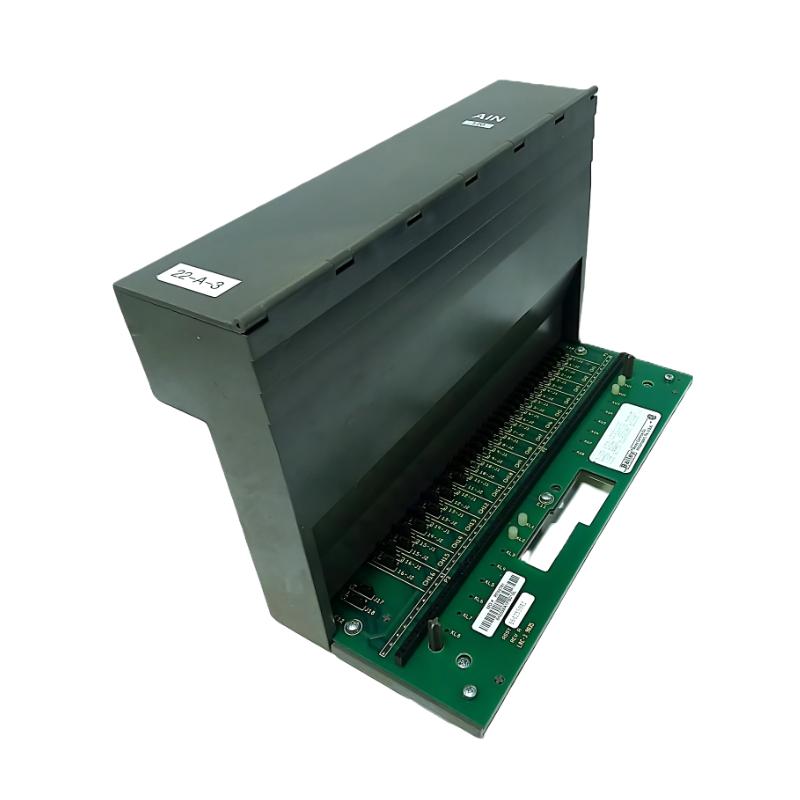
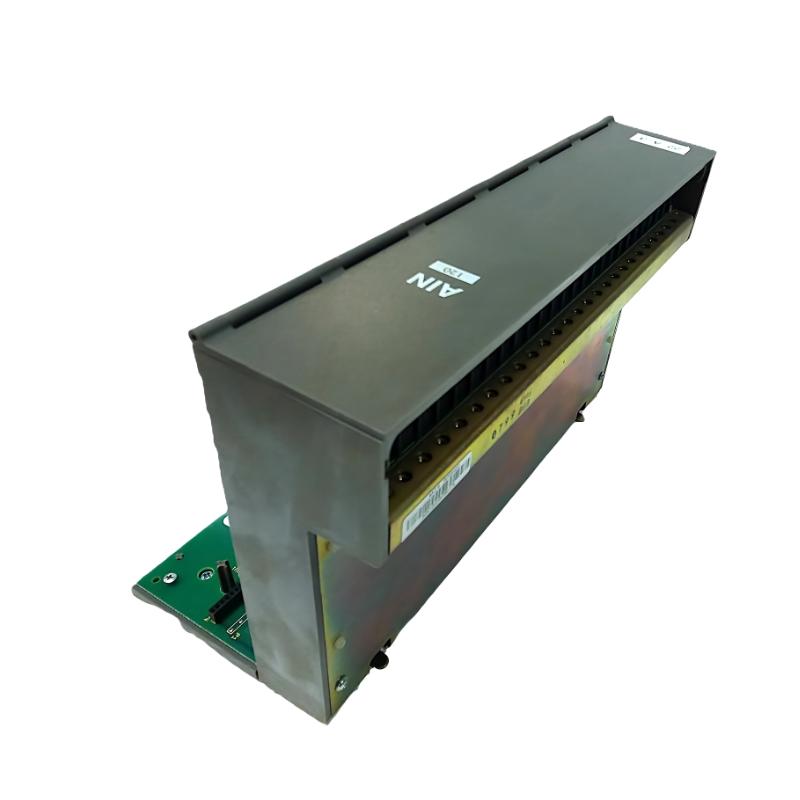
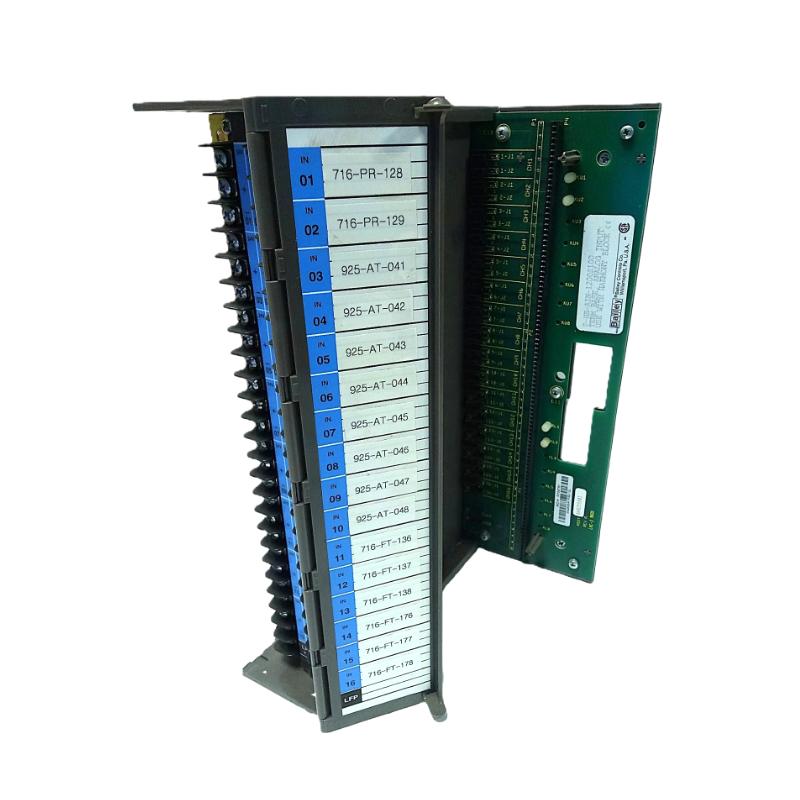
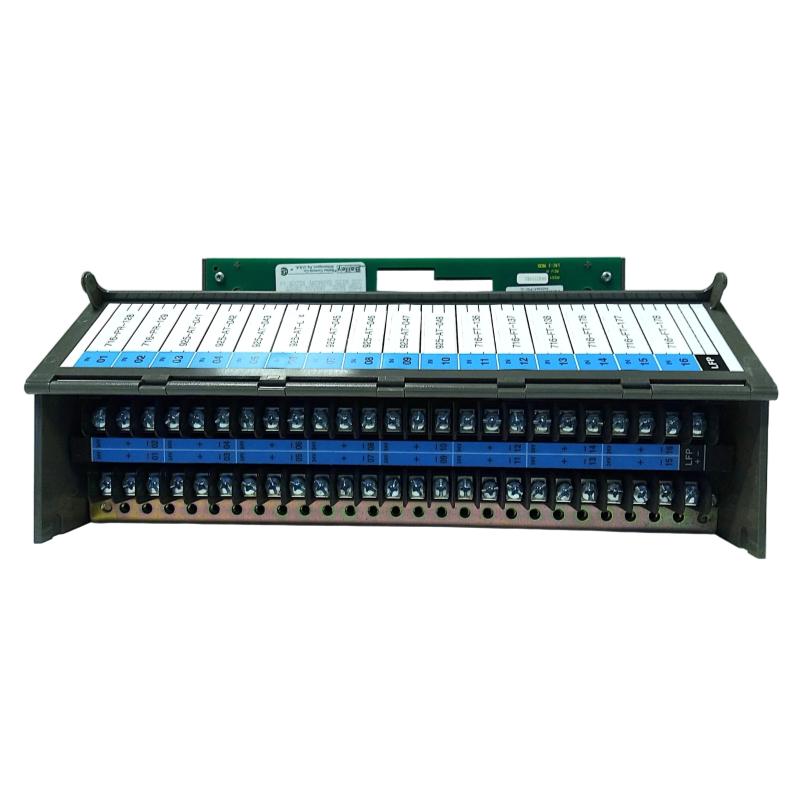
- ABB Bailey
- PHBAIN1200S200
- Analog Input Base
- Sweden (SE)
- 280 × 100 × 75 mm
- 1.8 kg
- Xiamen, China
- New & In Stock
- T/T, PayPal, Western Union
- 1 Year
- 1-3 Working Days
- DHL, UPS, TNT, FedEx and EMS.
- 24-Hour Service
- COO
- 9
Our advantage

Global Logistics
We have a 10-year logistics and express cooperation agreement, so our products can be shipped to any place in the world.

Brand new and original
Our products are imported in bulk from the place of origin. Because of the cooperative relationship, our products are all original and 100% new.

24-hour service
We provide 7*24 hours service to our customers. We will be there whenever you need us.

Price advantage
All our products are priced very favorably because we have our own warehouse and supply.
| Company Information | |||
| [email protected] | |||
| Mobile | +8615980777398 | ||
| +8615980777398 | |||
| 15980777398 |
Product Overview
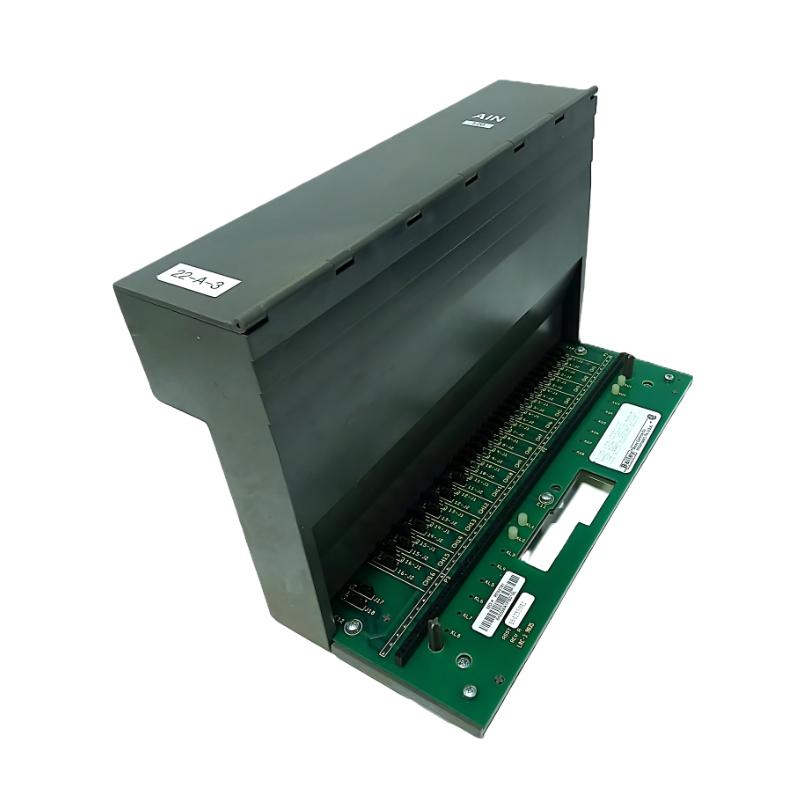
The ABB Bailey PHBAIN1200S200 Analog Input Base is an industrial automation interface component designed to provide a physical and electrical foundation for analog input circuitry within compatible ABB Bailey process control systems. It forms part of the input-side infrastructure that connects field measurement signals with the control-system architecture.
Analog input systems are essential in process automation because many industrial variables are continuous rather than simply ON or OFF. Temperature, pressure, flow, level, composition, speed, and other process measurements are typically represented as analog signals. A properly designed analog input base provides the mounting and interface structure needed to incorporate these measurements into the control system.
The PHBAIN1200S200 has listed dimensions of 280 × 100 × 75 mm and a weight of 1.8 kg. Its compact industrial format allows it to be integrated into compatible control cabinets while providing a structured platform for associated analog input equipment and field wiring.
Technical Specifications
| Parameter | Specification |
|---|---|
| Manufacturer | ABB Bailey |
| Model | PHBAIN1200S200 |
| Product Type | Analog Input Base |
| Primary Function | Analog input interface and mounting support |
| Product Family | ABB Bailey Industrial Control Systems |
| System Role | Analog signal acquisition infrastructure |
| Application | Process Automation and Industrial Control |
| Installation | Industrial control cabinet / compatible Bailey equipment |
| Dimensions | 280 × 100 × 75 mm |
| Weight | 1.8 kg |
| Signal Type | Analog process signals |
| Typical Environment | Industrial instrumentation and process-control systems |
Exact channel count, signal ranges, excitation requirements, isolation characteristics, terminal assignments, and electrical ratings should be verified against the applicable Bailey system documentation and hardware configuration.
What Is the ABB Bailey PHBAIN1200S200?
The ABB Bailey PHBAIN1200S200 is an Analog Input Base intended to support the integration of analog measurement signals into compatible ABB Bailey industrial control architectures.
The base provides the physical and interface foundation for analog input functionality. It should not automatically be considered a standalone analog input module or controller.
A simplified signal path can be represented as:
Process Sensor → Field Wiring → PHBAIN1200S200 Analog Input Base → Analog Input Electronics → Controller → HMI / SCADA
The actual architecture depends on the Bailey control system in which the base is installed.
Analog Input Signal Principle
Analog input systems allow a controller to monitor continuously varying process conditions.
For example:
- A temperature transmitter can provide a signal representing process temperature.
- A pressure transmitter can represent vessel or pipeline pressure.
- A flow transmitter can represent fluid flow.
- A level transmitter can represent tank level.
- A process analyzer can provide information about chemical or physical properties.
The analog signal is received by the input-side hardware and processed into information that can be interpreted by the control system.
The PHBAIN1200S200 provides part of this interface architecture.
Function and Working Principle
Field Signal Interface
The analog input base provides the physical connection between field instrumentation and the associated input electronics.
Field signals should be connected according to the applicable wiring diagram and system configuration.
Signal Transfer
Once connected, the analog measurement signal is transferred toward the appropriate input circuitry.
The exact signal-conditioning and conversion functions depend on the associated analog input electronics.
Analog-to-Digital Processing
In a typical industrial control system, an analog input signal is conditioned and converted into digital information that can be processed by the control system.
The controller can then use the measurement for:
- Monitoring
- Alarming
- Trending
- Process regulation
- Interlocking
- Supervisory control
Continuous Measurement
Unlike discrete inputs, analog inputs provide information about a continuously varying process variable.
This makes analog input infrastructure essential for process industries where accurate measurement is required for stable operation.
Role in ABB Bailey Industrial Automation
The PHBAIN1200S200 can be considered part of the measurement interface layer of an ABB Bailey process-control system.
A representative architecture is:
Field Instrument → Analog Input Base → Input Electronics → Control Processor → Control Logic → Operator Interface
The analog input section acts as the connection between the physical process and the digital control environment.
Reliable signal acquisition is therefore important for maintaining accurate process information.
Importance of Analog Input Bases
Analog input bases provide several practical functions within industrial control installations.
Structured Field Connections
Field wiring can be organized through a defined input interface.
Mechanical Support
The base provides a physical foundation for compatible analog input equipment.
System Organization
Input hardware can be arranged consistently within the control cabinet.
Maintenance Accessibility
A structured interface makes it easier for technicians to identify and inspect analog signal connections.
Process Measurement Integration
Analog measurements can be incorporated into the broader control architecture.
Industrial Applications
The ABB Bailey PHBAIN1200S200 Analog Input Base may be used in compatible process automation environments where analog field measurements are required.
Typical applications include:
Oil and Gas
Analog instrumentation can monitor pressure, temperature, flow, and other process variables throughout production and processing systems.
Chemical Processing
Continuous measurements help operators and control systems maintain appropriate process conditions.
Power Generation
Analog inputs can be used for monitoring equipment and process parameters in generating facilities.
Water and Wastewater
Analog measurements support monitoring of flow, pressure, level, and water-treatment processes.
Pulp and Paper
Process variables such as pressure, temperature, level, and flow are commonly monitored continuously.
Manufacturing
Analog signals can provide information about production equipment and process conditions.
System Integration
The PHBAIN1200S200 is normally integrated into a larger instrumentation architecture.
A representative system may include:
Field Sensor → Wiring → Analog Input Base → Analog Input Module → Controller → Communication Network → HMI / SCADA
Additional equipment can include:
- Transmitters
- Sensors
- Terminal units
- I/O modules
- Controllers
- Communication interfaces
- Operator stations
- Engineering workstations
The precise system arrangement depends on the host Bailey platform.
PLC and Controller Integration
The analog input base itself is not generally responsible for executing control logic.
Instead, it supports the signal interface through which process measurements become available to the control system.
The controller may use these measurements to:
- Calculate process values
- Generate alarms
- Execute control algorithms
- Regulate valves
- Control motors
- Monitor equipment conditions
- Record historical trends
Correct analog signal integration is therefore important for reliable process control.
HMI and SCADA Integration
Once analog measurements reach the control processor, they can be made available to operator and supervisory systems.
A typical data path is:
Field Instrument → Analog Input → Controller → Communication System → HMI / SCADA
Operators may use the resulting information to monitor:
- Process temperature
- Pressure
- Flow
- Level
- Equipment condition
- Process trends
- Alarm conditions
The exact data presentation depends on the control-system configuration.
Installation Guidelines
Correct installation is essential for maintaining measurement quality.
Verify the Model
Before installation, confirm:
- PHBAIN1200S200 model number
- Host Bailey system
- Analog input configuration
- Associated input electronics
- Mounting arrangement
- Connector configuration
- Terminal assignments
Do not determine compatibility from physical appearance alone.
Mechanical Installation
The listed dimensions are:
280 × 100 × 75 mm
The listed weight is:
1.8 kg
The cabinet mounting structure should be capable of securely supporting the base and any associated equipment.
Field Wiring
Field wiring should be installed according to the applicable system drawings.
Verify:
- Signal connections
- Cable polarity where applicable
- Shielding
- Grounding
- Terminal identification
- Cable routing
Analog Signal Wiring Considerations
Analog measurements can be sensitive to wiring quality and electrical interference.
Important considerations include:
Shielding
Use appropriate shielded instrumentation cable where required by the system design.
Cable Routing
Keep analog signal wiring away from high-power switching conductors where practical.
Grounding
Follow the system grounding design rather than creating uncontrolled grounding paths.
Connection Quality
Loose terminals or damaged cables can result in unstable or inaccurate measurements.
Cable Identification
Clearly identify each field signal to simplify commissioning and maintenance.
EMC and Electrical Noise
Electrical noise can affect analog measurement quality.
Potential noise sources include:
- Variable speed drives
- Motors
- Contactors
- High-current power cables
- Switching power supplies
- Electromagnetic equipment
Good cabinet design should separate sensitive analog signals from major electrical noise sources where possible.
Proper grounding, shielding, cable routing, and cabinet layout can improve measurement stability.
Commissioning Procedure
A structured commissioning procedure helps verify correct analog input installation.
Step 1: Inspect the Base
Check for physical damage, contamination, or loose hardware.
Step 2: Verify Identification
Confirm the installed component as:
PHBAIN1200S200
Step 3: Verify Mechanical Installation
Ensure the base is securely installed.
Step 4: Check Field Wiring
Compare each field connection with the approved wiring documentation.
Step 5: Check Associated Input Electronics
Confirm that compatible analog input hardware is correctly installed.
Step 6: Verify Signal Configuration
Confirm that the control-system configuration matches the connected instrumentation.
Step 7: Apply Process Conditions
Introduce known or expected process conditions where appropriate.
Step 8: Verify Measurement
Compare the displayed control-system value with a suitable reference.
Step 9: Check Alarms and Trends
Verify that the measurement is correctly used by the configured alarm and monitoring functions.
Troubleshooting the PHBAIN1200S200
Troubleshooting should consider the complete analog measurement chain.
No Analog Signal
Possible causes include:
- Incorrect field wiring
- Sensor failure
- Cable damage
- Loose connection
- Input-electronics problem
- Incorrect configuration
- Power or excitation problem where applicable
The sensor and wiring should be checked before assuming that the base is defective.
Unstable Analog Measurement
Potential causes include:
- Electrical interference
- Poor shielding
- Loose wiring
- Damaged cable
- Grounding problems
- Sensor instability
- Process fluctuations
- Input-electronics problems
Trend monitoring can help distinguish process variation from electrical problems.
Reading Too High or Too Low
Possible causes include:
- Incorrect sensor configuration
- Wiring errors
- Sensor calibration issues
- Incorrect signal scaling
- Process conditions
- Input-electronics problems
A suitable reference instrument can help determine whether the problem originates in the field device or control-system input path.
Intermittent Signal
An intermittent measurement may indicate:
- Loose terminal
- Damaged cable
- Connector problem
- Vibration
- Sensor degradation
- Electrical interference
Physical inspection should be performed carefully while following appropriate electrical safety procedures.
Preventive Maintenance
Regular maintenance helps preserve analog measurement reliability.
Inspect Field Wiring
Check for damaged insulation, loose terminals, corrosion, moisture, and mechanical stress.
Inspect Connections
Ensure connectors and terminals remain secure and clean.
Check Sensors
The field sensor should be inspected and maintained according to its applicable maintenance requirements.
Monitor Trends
Long-term measurement trends can help identify sensor degradation or process changes.
Maintain Cabinet Conditions
Protect the analog input installation from excessive heat, dust, moisture, and vibration.
Replacement and Spare-Part Planning
When replacing the ABB Bailey PHBAIN1200S200, verify the complete system configuration before installation.
Important identification information includes:
- Model: PHBAIN1200S200
- Product Type: Analog Input Base
- Host Bailey system
- Associated analog input electronics
- Mounting arrangement
- Connector configuration
- Field wiring
- Hardware revision where applicable
The supplied physical specifications are:
Dimensions: 280 × 100 × 75 mm
Weight: 1.8 kg
These values are useful for cabinet planning, transportation, spare-parts inventory, and maintenance preparation.
Physical Dimensions and Weight
The PHBAIN1200S200 has a compact industrial installation format.
| Physical Parameter | Value |
|---|---|
| Dimension 1 | 280 mm |
| Dimension 2 | 100 mm |
| Dimension 3 | 75 mm |
| Weight | 1.8 kg |
The dimension orientation should be interpreted according to the applicable mechanical installation drawing.
Adequate space should also be provided for field wiring and maintenance access.
Compatible System Components
The PHBAIN1200S200 can form part of an industrial measurement architecture containing:
| Component | Typical Function |
|---|---|
| Analog Sensors | Measure physical process variables |
| Transmitters | Convert process measurements into electrical signals |
| PHBAIN1200S200 | Provides analog input base/interface infrastructure |
| Analog Input Electronics | Processes incoming analog signals |
| Controllers | Execute process-control logic |
| Terminal Units | Provide field wiring interfaces |
| Communication Modules | Transfer process data |
| HMI | Display process measurements |
| SCADA System | Supervisory monitoring and data collection |
| Engineering Station | System configuration and maintenance |
Actual compatibility should be confirmed against the host Bailey system.
Recommended Related ABB Bailey Components
| Model | Product Type | General Role |
|---|---|---|
| PHBAIN1200S200 | Analog Input Base | Analog measurement interface |
| NTRO02 | Digital I/O Terminal Unit | Digital signal interface |
| NTRO03 | Digital I/O Terminal Unit | Digital signal interface |
| NTRO04 | Digital I/O Terminal Unit | Digital signal interface |
| NTU-715 | Digital Input Terminal | Digital field input interface |
| NTU-7Q2E | Digital Output Relay Terminal Unit | Relay output interface |
| PBA200 | Process Bus Adapter | Process communication interface |
| NTSM01 | Server Module Terminal Unit | System interface infrastructure |
| NTST01 | Time Synchronization Termination Unit | Time synchronization interface |
These components have different functions and should not be considered direct substitutes for the PHBAIN1200S200.
Engineering Best Practices
Verify Signal Configuration
Always confirm the input configuration before connecting field instruments.
Document Every Channel
Maintain accurate records of field device tags, terminal locations, and control-system assignments.
Separate Signal and Power Wiring
Maintain appropriate physical separation between analog instrumentation wiring and high-power conductors.
Protect Against Electrical Noise
Use suitable shielding, grounding, and cable-routing practices.
Verify Before Replacement
Confirm the complete model number and associated system hardware before installing a replacement base.
Keep Spare Parts Properly Identified
Store the component under its complete PHBAIN1200S200 identification to prevent accidental substitution.
Maintain Cabinet Conditions
Appropriate temperature, cleanliness, humidity, and vibration control can improve long-term reliability.
Key Advantages
Dedicated Analog Input Infrastructure
The PHBAIN1200S200 provides a dedicated base/interface structure for analog measurement applications.
Process Measurement Integration
It supports the integration of continuous process measurements into an ABB Bailey control architecture.
Structured Field Wiring
The base provides an organized interface between field instrumentation and associated input electronics.
Cabinet-Friendly Construction
With listed dimensions of 280 × 100 × 75 mm, the unit can be incorporated into industrial cabinet layouts where appropriate.
Supports Automated Monitoring
Analog measurement information can be used for monitoring, alarming, trending, and process-control strategies.
Maintainable Architecture
A dedicated analog input base can simplify inspection, signal tracing, and replacement activities within a structured automation system.
Technical FAQs
What is the ABB Bailey PHBAIN1200S200?
The ABB Bailey PHBAIN1200S200 is an Analog Input Base designed to support analog signal interface and mounting functions within compatible ABB Bailey industrial automation systems.
What type of signals does it support?
It is associated with analog process signals. The exact supported signal types and ranges depend on the associated input electronics and system configuration.
What are the dimensions of the PHBAIN1200S200?
The listed dimensions are 280 × 100 × 75 mm.
How much does the PHBAIN1200S200 weigh?
The listed weight is 1.8 kg.
Is the PHBAIN1200S200 an analog input module?
It is identified as an Analog Input Base. The base should not automatically be treated as a standalone analog input module; the complete input architecture depends on the associated Bailey equipment.
What applications use analog input bases?
Analog input infrastructure is commonly used for process measurements such as temperature, pressure, flow, level, and other continuously varying industrial variables.
What can cause an incorrect analog reading?
Potential causes include sensor problems, wiring errors, electrical interference, grounding issues, incorrect scaling, configuration errors, or problems with associated input electronics.
Can another ABB Bailey base replace the PHBAIN1200S200?
A different base should not be assumed to be interchangeable. Mechanical dimensions, connectors, signal configuration, associated modules, and host-system requirements must be verified.
How should the PHBAIN1200S200 be maintained?
Maintenance should include inspection of field wiring, connectors, mounting hardware, sensor interfaces, cabinet conditions, and long-term signal trends.
Conclusion
The ABB Bailey PHBAIN1200S200 Analog Input Base is an industrial interface component designed to support analog measurement integration within compatible ABB Bailey process automation systems. It provides a structured physical and electrical foundation between field instrumentation and associated analog input electronics.
With listed dimensions of 280 × 100 × 75 mm and a weight of 1.8 kg, the PHBAIN1200S200 can be incorporated into cabinet-based industrial control architectures while providing an organized interface for analog measurement infrastructure.
Reliable operation depends on more than the base itself. Correct sensor selection, accurate field wiring, proper shielding and grounding, suitable cabinet conditions, correct system configuration, and structured commissioning all contribute to dependable analog signal acquisition.
For installation or replacement, the complete PHBAIN1200S200 model should be verified together with its associated input electronics, host Bailey system, wiring configuration, and mechanical installation requirements. This approach helps maintain accurate process measurement and stable industrial automation performance.