

ProductPRODUCT
Featured products
Contact Us
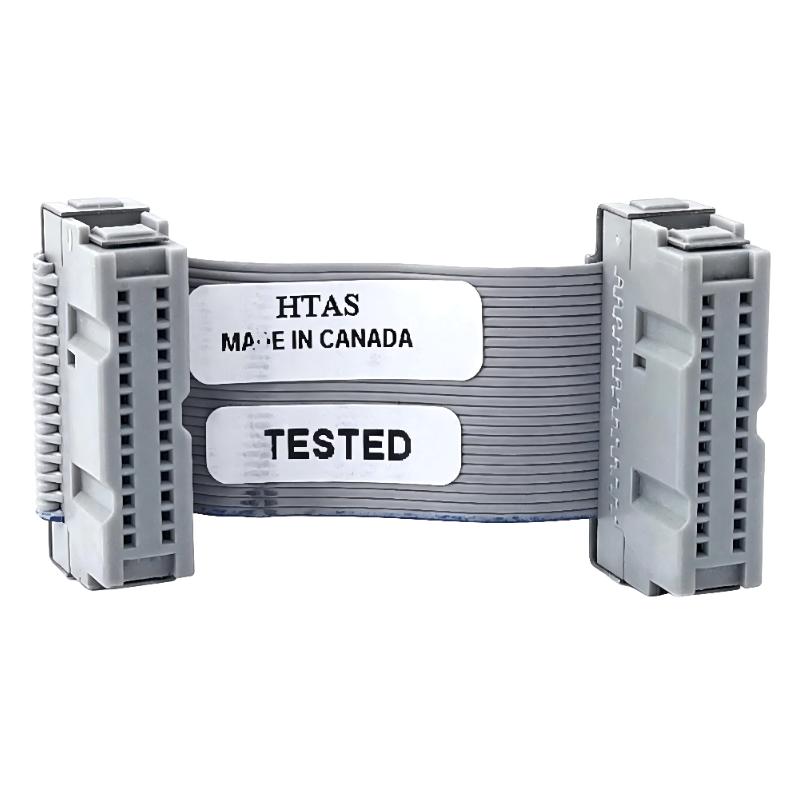
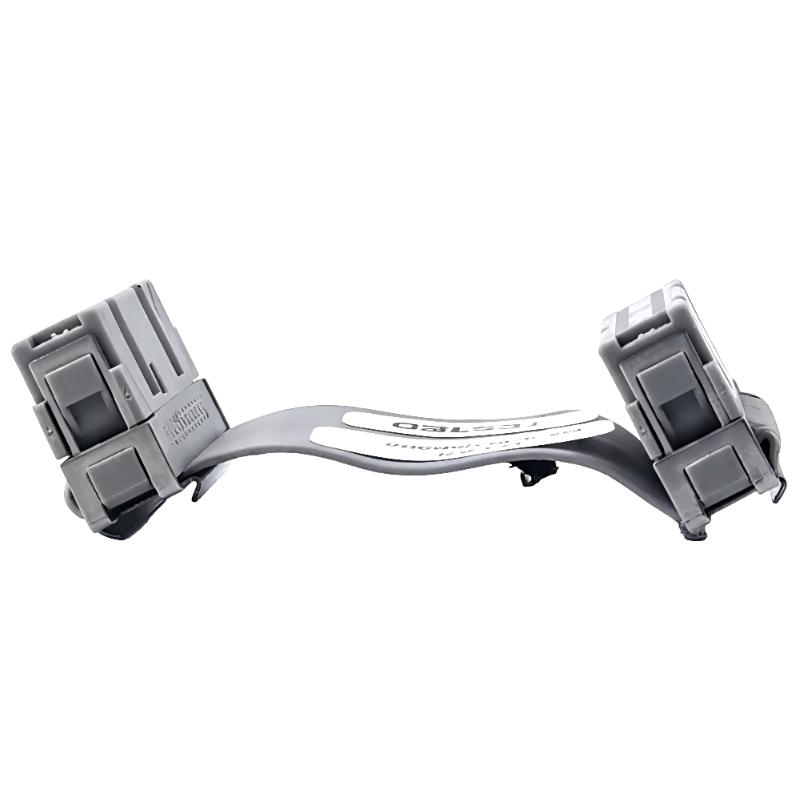
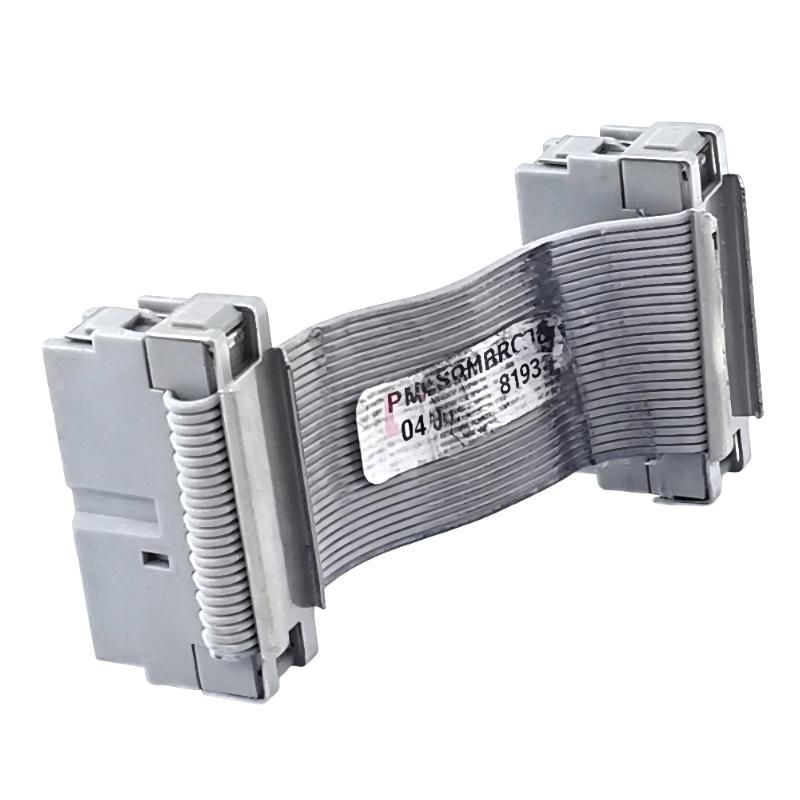
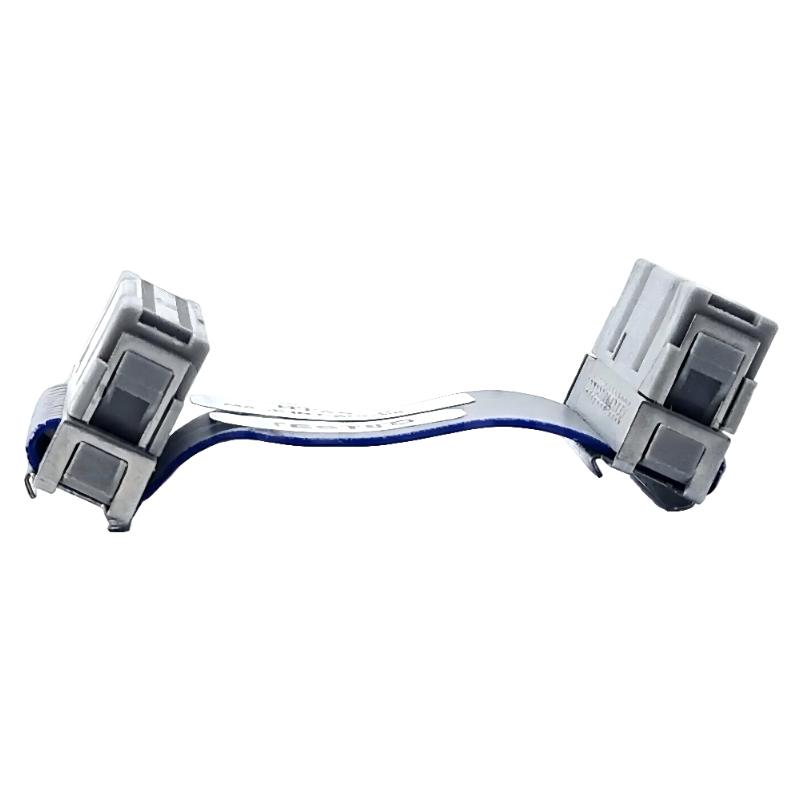
- ABB Bailey
- P-MK-HRM-BRC1000A
- Redundant Cable Assembly
- Sweden (SE)
- Optional
- 3 kg
- Xiamen, China
- New & In Stock
- T/T, PayPal, Western Union
- 1 Year
- 1-3 Working Days
- DHL, UPS, TNT, FedEx and EMS.
- 24-Hour Service
- COO
- 2
Our advantage

Global Logistics
We have a 10-year logistics and express cooperation agreement, so our products can be shipped to any place in the world.

Brand new and original
Our products are imported in bulk from the place of origin. Because of the cooperative relationship, our products are all original and 100% new.

24-hour service
We provide 7*24 hours service to our customers. We will be there whenever you need us.

Price advantage
All our products are priced very favorably because we have our own warehouse and supply.
| Company Information | |||
| [email protected] | |||
| Mobile | +8615980777398 | ||
| +8615980777398 | |||
| 15980777398 |
Product Overview
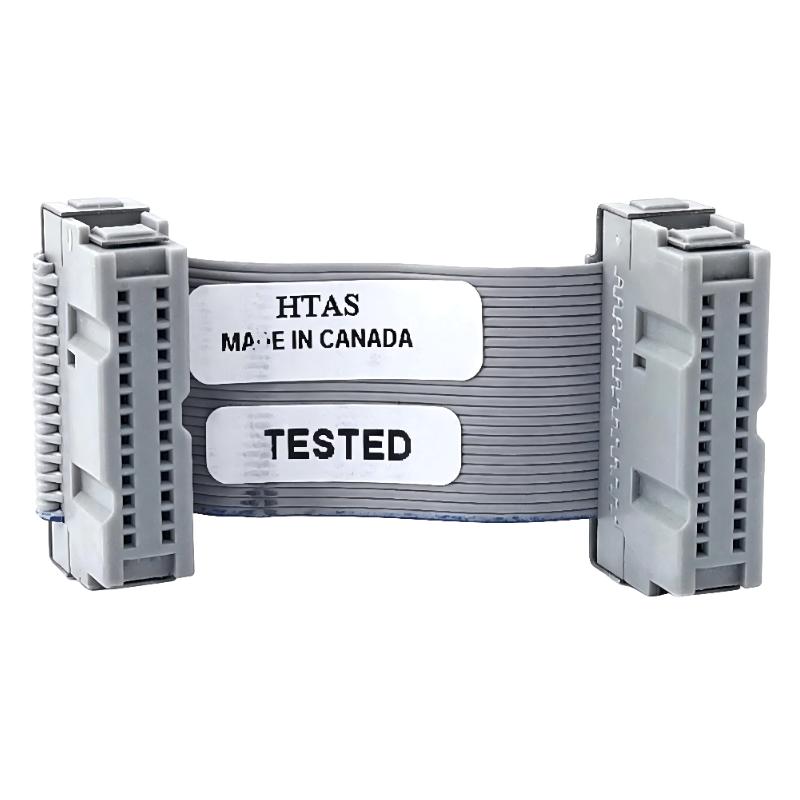
The ABB Bailey P-MK-HRM-BRC1000A Redundant Cable Assembly is an industrial control-system cable assembly designed for applications where redundant communication, signal routing, or interconnection is required within a compatible ABB Bailey automation architecture. As a dedicated cable assembly, it provides a structured physical connection between associated control-system components while supporting the implementation of redundant system configurations.
Redundancy is an important design principle in industrial process automation. Critical control systems often use duplicated communication paths, interface hardware, controllers, or other system elements to reduce the effect of a single connection failure. A properly selected redundant cable assembly helps establish the physical interconnection required by such an architecture.
The P-MK-HRM-BRC1000A is supplied as a cable assembly with an optional cable length, allowing the physical cable arrangement to be selected according to the installation requirements. Its listed shipping weight is 3 kg.
Because cable assemblies can be specific to particular hardware interfaces and system architectures, the P-MK-HRM-BRC1000A should be matched carefully with the associated ABB Bailey equipment before installation.
Technical Specifications
| Parameter | Specification |
|---|---|
| Manufacturer | ABB Bailey |
| Model | P-MK-HRM-BRC1000A |
| Product Type | Redundant Cable Assembly |
| Primary Function | Redundant system interconnection |
| Cable Length | Optional |
| Application | Industrial Process Automation |
| Installation | ABB Bailey-compatible control-system architecture |
| Interface Role | Interconnection between compatible system components |
| Shipping Weight | 3 kg |
| Typical Application | Redundant control and communication infrastructure |
Exact connector type, pin assignment, electrical characteristics, shielding arrangement, and supported system interfaces should be confirmed against the applicable system configuration before installation.
What Is the ABB Bailey P-MK-HRM-BRC1000A?
The ABB Bailey P-MK-HRM-BRC1000A is a Redundant Cable Assembly intended for use within compatible ABB Bailey industrial automation systems.
Unlike an electronic control module, a cable assembly does not normally perform independent processing. Its primary purpose is to establish a reliable physical connection between designated system components.
In a redundant architecture, two or more signal or communication paths may be provided so that the system can continue operating if one path becomes unavailable.
A simplified architecture can be represented as:
Primary System Path + Redundant System Path → Control-System Infrastructure
The P-MK-HRM-BRC1000A contributes to the physical connection required by the redundant arrangement.
The exact role of the cable depends on the equipment at each end of the assembly. For this reason, the model number and associated hardware should be verified before procurement and installation.
Redundant Cable Architecture
Redundant industrial control systems are designed to reduce dependence on a single physical connection or hardware path.
A conventional system may use:
Device A → Single Cable → Device B
A redundant architecture may instead use:
Device A → Primary Path → Device B
Device A → Redundant Path → Device B
If the primary path experiences a connection problem, the control architecture may be designed to maintain system communication or operation through the redundant path.
The actual redundancy strategy depends on the ABB Bailey control system and its configuration.
The P-MK-HRM-BRC1000A provides the physical cable connection required for the applicable redundant arrangement.
Function and Working Principle
Physical Interconnection
The fundamental function of the P-MK-HRM-BRC1000A is to connect compatible industrial control-system components.
The cable provides the physical path through which the required electrical or communication signals can travel between the connected devices.
Support for Redundant Architecture
In systems designed with redundant hardware or communication paths, the cable assembly can form part of the secondary connection.
This allows the system designer to maintain a separate physical path in addition to the primary connection.
Signal Continuity
A correctly installed cable provides a continuous connection between its designated endpoints.
Cable integrity is therefore essential to the reliability of the overall control architecture.
System-Level Reliability
Although a cable is a passive component, its condition can have a direct effect on system availability.
A damaged cable, loose connector, incorrect routing arrangement, or unsuitable replacement can cause communication interruptions or system diagnostics.
Why Redundant Connections Matter in Industrial Automation
Industrial process-control systems frequently operate continuously and may control critical production equipment.
Unexpected communication interruptions can result in:
- Process alarms
- Loss of data
- Controller communication faults
- I/O communication interruptions
- Equipment downtime
- Maintenance interventions
Redundant architectures are used in appropriate applications to reduce the impact of individual failures.
A redundant cable assembly contributes to this architecture by providing the required physical connection between system elements.
Cable Length and Installation Flexibility
The P-MK-HRM-BRC1000A is specified with an optional cable length.
This is useful when control cabinets or system components are installed at different physical distances.
Cable length selection should consider:
- Distance between connected devices
- Cabinet layout
- Cable-routing paths
- Minimum bend radius
- Connector accessibility
- Service-loop requirements
- Separation from power cables
- Future maintenance access
The cable should be long enough to complete the required routing without excessive tension, but unnecessary excess cable should also be avoided.
Proper cable-length selection can improve cabinet organization and simplify maintenance.
Role in ABB Bailey Industrial Control Systems
The P-MK-HRM-BRC1000A can form part of the physical infrastructure used to implement redundancy within a compatible ABB Bailey control system.
A typical industrial architecture may contain:
- Controllers
- I/O assemblies
- Communication interfaces
- Terminal units
- Backplanes
- Redundant interfaces
- Cable assemblies
- Operator stations
- Supervisory systems
The cable assembly provides the physical interconnection required between designated components.
Its importance therefore extends beyond the cable itself because the connection can form part of the system’s communication or redundancy architecture.
Industrial Applications
Power Generation
Power plants often use highly structured control architectures because continuous process availability is important.
Redundant connections can be incorporated into control and communication infrastructure where required by the system design.
Oil and Gas
Oil and gas facilities frequently use distributed control and monitoring systems across large process areas.
Reliable interconnection between control-system components is essential for maintaining communication and process visibility.
Chemical Processing
Chemical processes rely on continuous control and monitoring.
Redundant system architectures can be used for critical control functions where system availability is an important engineering consideration.
Water and Wastewater
Water-treatment facilities use automated control systems to monitor and regulate pumps, valves, treatment processes, and instrumentation.
Reliable system interconnections help maintain communication between control-system components.
Pharmaceutical Manufacturing
Pharmaceutical production relies on controlled and monitored process conditions.
Stable communication infrastructure supports continuous process supervision and control.
General Process Automation
The P-MK-HRM-BRC1000A can be relevant to compatible ABB Bailey installations where redundant cable connections are required.
System Integration
Before installing the P-MK-HRM-BRC1000A, engineers should identify the exact equipment that the cable is intended to connect.
System integration should consider:
- Source hardware
- Destination hardware
- Connector type
- Cable length
- Cable routing
- Redundancy architecture
- Shielding requirements
- Grounding strategy
- Cabinet layout
- Maintenance accessibility
The cable should be installed only in the connection position for which the system design specifies it.
Connector and Interface Verification
One of the most important steps when replacing a cable assembly is verifying the physical interface.
Technicians should check:
- Connector shape
- Connector orientation
- Number of connections
- Keying
- Locking mechanism
- Cable identification
- Existing cable labels
- Associated hardware
Two cables may appear physically similar while having different pin assignments or system functions.
The complete P-MK-HRM-BRC1000A identification should therefore be checked before replacement.
Cable Routing and EMC Considerations
Industrial control cabinets may contain high-power equipment capable of generating electromagnetic interference.
Potential sources include:
- Variable frequency drives
- Large motors
- Contactors
- Switching power supplies
- Transformers
- High-current conductors
The redundant cable assembly should be routed according to the system’s electrical design.
Where practical, control and communication cables should be separated from high-power conductors.
Avoid unnecessary parallel routing with high-current cables, especially over long distances.
Proper cable routing helps reduce the possibility of electrical interference and mechanical damage.
Installation Guidelines
Verify the Cable Model
Before installation, confirm:
P-MK-HRM-BRC1000A
The model identification should match the required system connection.
Confirm Cable Length
The cable length is optional, so the selected length should correspond to the physical installation.
Inspect Connectors
Before installation, inspect the connectors for:
- Damage
- Bent contacts
- Contamination
- Corrosion
- Broken locking features
Inspect the Cable
Check the cable jacket for cuts, abrasion, crushing, excessive bending, or other physical damage.
Confirm Connection Points
Verify both endpoints against the system documentation before connecting the cable.
Cable Management
Good cable management is important for industrial control systems.
The P-MK-HRM-BRC1000A should be routed so that it is:
- Protected from sharp edges
- Free from unnecessary mechanical stress
- Accessible for maintenance
- Properly supported
- Separated from unsuitable power wiring
- Clearly identified
Avoid tightly bundling communication or control cables with high-current power cables unless the system design specifically permits it.
Commissioning Procedure
After installation, the redundant cable assembly should be checked as part of the complete control-system commissioning process.
Step 1: Verify Model
Confirm that the installed cable is the intended P-MK-HRM-BRC1000A assembly.
Step 2: Confirm Length
Verify that the selected optional cable length is appropriate for the cabinet and equipment arrangement.
Step 3: Inspect Connections
Confirm that connectors are fully inserted and properly secured.
Step 4: Check Cable Routing
Verify that the cable is not under tension and that it is routed safely.
Step 5: Check System Diagnostics
Review the associated control-system diagnostics for communication or redundancy-related alarms.
Step 6: Verify Redundant Operation
Where supported by the system design and commissioning procedure, verify that the redundant path is correctly recognized.
Step 7: Record Installation Information
Record cable identification, connection points, and selected cable length in the maintenance documentation.
Troubleshooting the P-MK-HRM-BRC1000A
Redundant Path Not Detected
If the system does not recognize the redundant path, inspect:
- Cable model
- Connector seating
- Cable length and routing
- Connection points
- Associated hardware
- System configuration
- Diagnostic messages
Intermittent Communication
Intermittent communication may be caused by:
- Loose connectors
- Damaged cable
- Mechanical vibration
- Connector contamination
- Excessive cable bending
- Electrical interference
The cable should be inspected while reviewing system diagnostics.
Communication Failure
If communication is completely lost, check both ends of the cable and verify that the connected devices are operating normally.
A cable fault should be distinguished from a failure of the connected control hardware.
Physical Cable Damage
Visible damage to the cable jacket, connector housing, or locking mechanism can indicate that replacement is required.
Preventive Maintenance
Regular inspection of industrial cable assemblies can help prevent unexpected connection failures.
Visual Inspection
Inspect the cable jacket and connectors for mechanical damage.
Connector Inspection
Check for contamination, corrosion, looseness, or damaged locking mechanisms.
Cable Routing
Ensure that the cable remains properly supported and is not exposed to excessive bending or mechanical stress.
Monitor System Diagnostics
Communication or redundancy alarms can provide an early indication of connection problems.
Maintain Cable Identification
Cable labels should remain legible so technicians can quickly identify each connection during maintenance.
Replacement and Spare-Part Planning
When replacing the ABB Bailey P-MK-HRM-BRC1000A, the complete model identification should be verified.
Important checks include:
- Full model number
- Connector arrangement
- Cable length
- Connected equipment
- Redundancy architecture
- Cable routing
- Existing labels
- System configuration
The specified cable length is optional, so the replacement should be ordered with the appropriate length for the installation.
The listed shipping weight is 3 kg.
Physical compatibility alone is not sufficient to establish electrical or functional compatibility. The cable must match the required system interface.
Physical and Logistics Specifications
| Parameter | Specification |
|---|---|
| Model | P-MK-HRM-BRC1000A |
| Product Type | Redundant Cable Assembly |
| Cable Length | Optional |
| Shipping Weight | 3 kg |
| Primary Application | Redundant industrial control-system interconnection |
The optional cable length provides flexibility for different cabinet layouts and system configurations.
The 3 kg shipping weight is useful for transportation, inventory, and spare-part logistics planning.
Compatible System Components
A redundant cable assembly may be integrated with several types of industrial control-system hardware.
| Component | Typical Function |
|---|---|
| ABB Bailey Controllers | Execute process-control logic |
| Redundant Controllers | Provide duplicated control functionality |
| I/O Assemblies | Interface with field devices |
| Communication Interfaces | Transfer control-system data |
| Terminal Units | Provide field signal termination |
| Backplanes | Provide physical/electrical system interconnection |
| Redundant Interface Hardware | Support system redundancy |
| HMI Systems | Provide operator visualization |
| SCADA Systems | Provide supervisory monitoring |
The exact compatibility depends on the host ABB Bailey architecture.
Recommended Related ABB Bailey Components
Related ABB Bailey hardware may include:
| Component Type | General Role |
|---|---|
| ABB Bailey Communication Cables | Control-system communication |
| ABB Bailey I/O Cables | I/O signal interconnection |
| Bailey Terminal Units | Field signal interface |
| Bailey Controller Assemblies | Process-control execution |
| Bailey Redundancy Components | Redundant system architecture |
| Bailey Power Modules | Control-system power infrastructure |
| Bailey Backplanes | Module and system interconnection |
These components should not be considered direct replacements for the P-MK-HRM-BRC1000A without confirming the complete system configuration.
Engineering Best Practices
Match the Cable to the Interface
Always verify both cable endpoints before installation.
Select an Appropriate Length
Because the cable length is optional, choose a length that supports proper routing without excessive tension or unnecessary cable loops.
Maintain Redundant Path Separation
Where the system design requires physically independent paths, route redundant cables appropriately rather than creating a common failure point.
Protect the Cable
Avoid sharp edges, excessive bending, crushing, and mechanical stress.
Keep Documentation Updated
Record cable identification, connection points, and selected length in the system documentation.
Keep Spare Cables Available
Critical installations may benefit from maintaining appropriate replacement cable assemblies as part of the spare-parts strategy.
Key Advantages
Supports Redundant System Architecture
The P-MK-HRM-BRC1000A provides a dedicated cable assembly for compatible redundant control-system configurations.
Flexible Cable Length
The optional cable length allows the assembly to be selected according to the physical installation requirements.
Simplified System Interconnection
A purpose-designed cable assembly provides a structured connection between compatible system components.
Supports Maintenance
Correct cable identification and organized routing simplify inspection and replacement.
Industrial Application
The assembly is intended for integration into compatible industrial process-control environments.
Technical FAQs
What is the ABB Bailey P-MK-HRM-BRC1000A?
The ABB Bailey P-MK-HRM-BRC1000A is a Redundant Cable Assembly designed for interconnection within compatible ABB Bailey industrial automation systems.
What is the cable length?
The cable length is specified as Optional, allowing the appropriate length to be selected according to the installation requirements.
What is the shipping weight?
The listed shipping weight is 3 kg.
What is the purpose of a redundant cable assembly?
A redundant cable assembly provides a physical connection that can form part of a duplicated communication or signal path within a redundant control-system architecture.
Is the P-MK-HRM-BRC1000A an electronic module?
No. It is a cable assembly, rather than a controller, I/O module, or signal-processing board.
Where can redundant cable assemblies be used?
They can be used in compatible industrial control systems where duplicated communication or interconnection paths are part of the system design.
What should be checked before replacing the cable?
Technicians should verify the full model number, connector arrangement, cable length, connection points, associated equipment, and redundancy configuration.
Can a similar-looking cable be used as a replacement?
A visually similar cable should not automatically be considered compatible. Connector configuration, pin assignment, cable construction, and system requirements must be verified.
How should the P-MK-HRM-BRC1000A be maintained?
Maintenance should include visual inspection of the cable and connectors, verification of secure connections, inspection of cable routing, and monitoring of system diagnostics for communication or redundancy faults.
Conclusion
The ABB Bailey P-MK-HRM-BRC1000A Redundant Cable Assembly is a dedicated industrial interconnection component designed to support redundant architectures within compatible ABB Bailey control systems. By providing a physical connection between designated system components, it contributes to the communication and interconnection infrastructure required for reliable process automation.
Redundant architectures are commonly used in industrial environments where maintaining system availability is important. A properly installed redundant cable provides an additional physical path within the overall architecture and can help support the system’s intended redundancy strategy.
The P-MK-HRM-BRC1000A is specified with an optional cable length, providing flexibility for different cabinet layouts and equipment arrangements. Its listed shipping weight is 3 kg, which is useful for spare-parts management and transportation planning.
For installation or replacement, engineers and technicians should verify the complete model number, connector arrangement, cable length, connected equipment, and system architecture. Proper cable routing, secure connector installation, appropriate separation from high-power conductors, and regular inspection can help maintain reliable interconnection performance in ABB Bailey industrial automation systems.