

ProductPRODUCT
Featured products
Contact Us
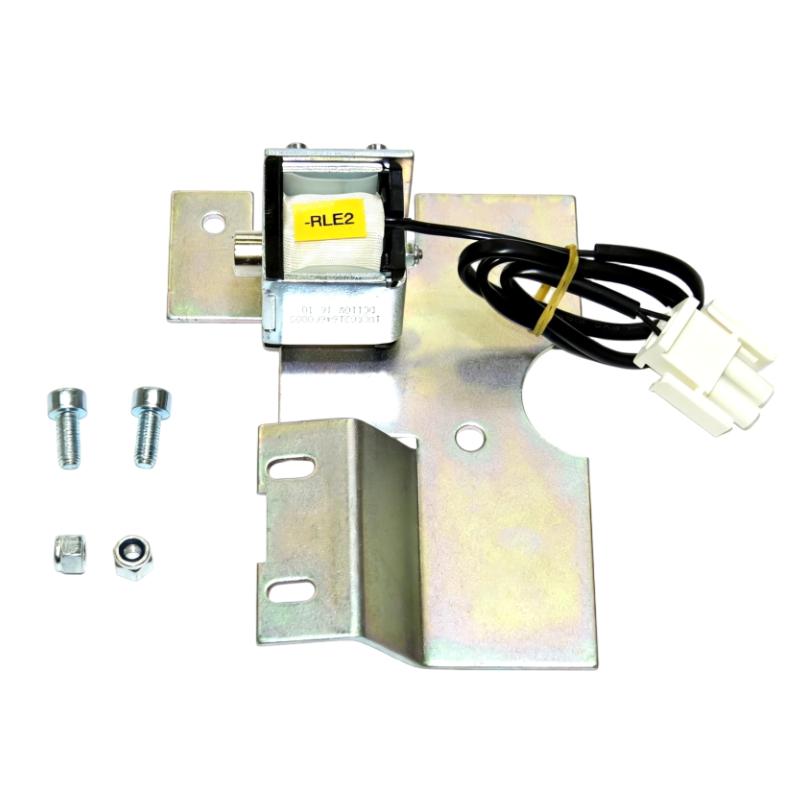
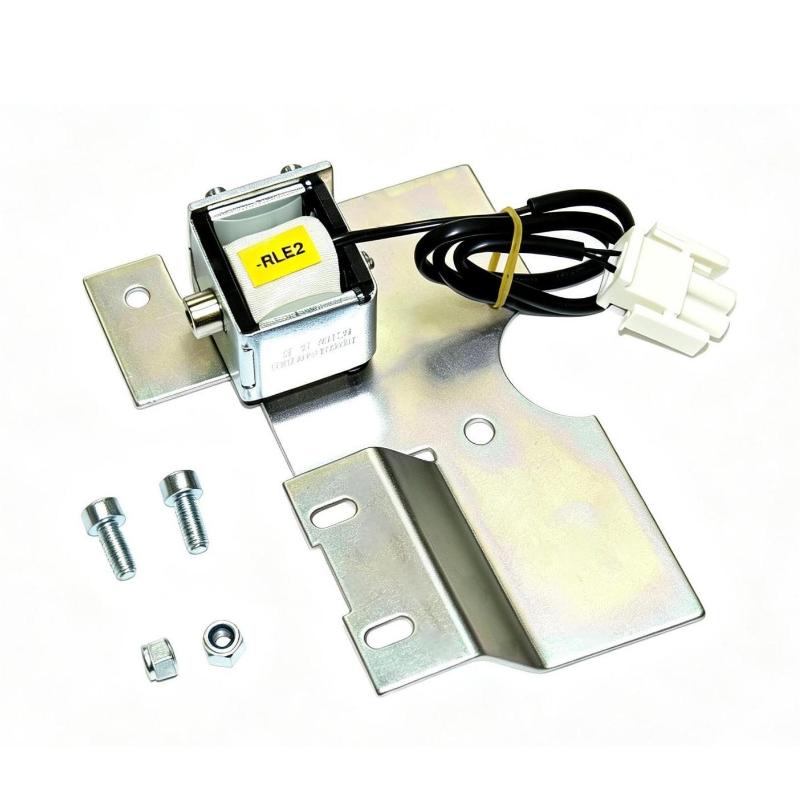
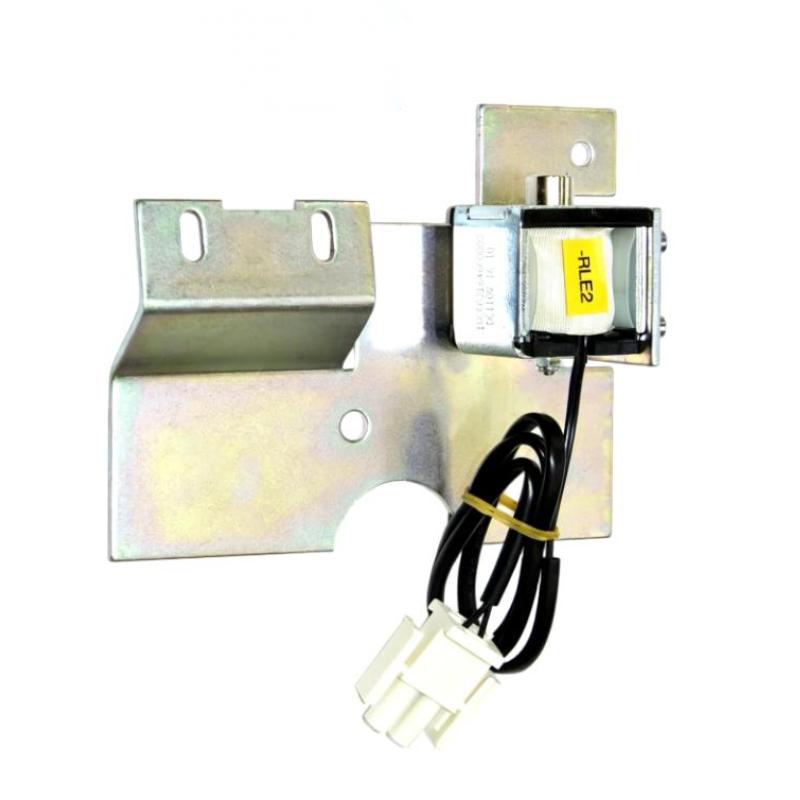
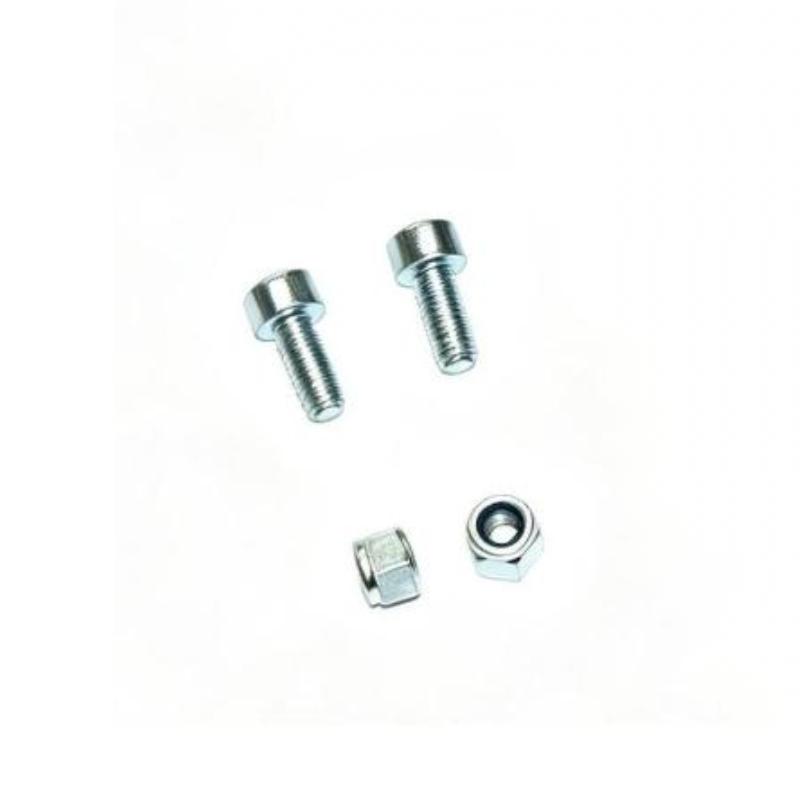
- ABB
- 1VCF349767S0912
- Electromechanical Locking Release
- Sweden (SE)
- 160 × 95 × 140 mm
- 0.4 kg
- Xiamen, China
- New & In Stock
- T/T, PayPal, Western Union
- 1 Year
- 1-3 Working Days
- DHL, UPS, TNT, FedEx and EMS.
- 24-Hour Service
- COO
- 19
Our advantage

Global Logistics
We have a 10-year logistics and express cooperation agreement, so our products can be shipped to any place in the world.

Brand new and original
Our products are imported in bulk from the place of origin. Because of the cooperative relationship, our products are all original and 100% new.

24-hour service
We provide 7*24 hours service to our customers. We will be there whenever you need us.

Price advantage
All our products are priced very favorably because we have our own warehouse and supply.
| Company Information | |||
| [email protected] | |||
| Mobile | +8615980777398 | ||
| +8615980777398 | |||
| 15980777398 |
Product Overview
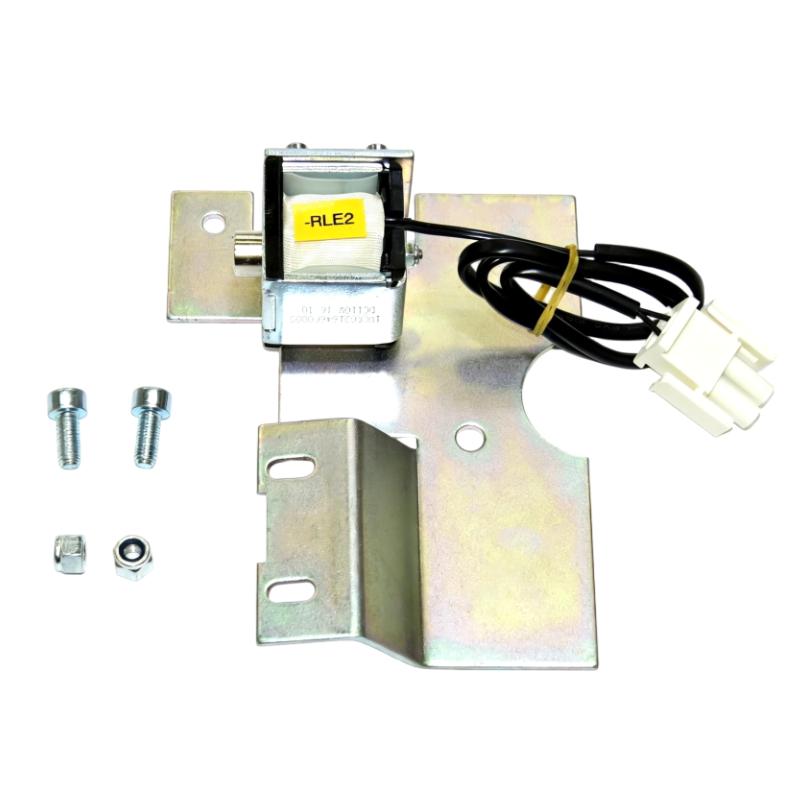
The ABB 1VCF349767S0912 Electromechanical Locking Release is a breaker accessory used to control the mechanical availability of a compatible circuit breaker through an electrical locking function. It is typically integrated into the breaker operating mechanism where switching operations need to be restricted according to an external control or interlocking condition.
In an industrial switchgear installation, this type of release can be used where breaker operation must follow a defined sequence. For example, an upstream or downstream breaker, access condition, control circuit, or operating state can be incorporated into the electrical interlocking arrangement so that the associated breaker cannot be operated until the required condition is satisfied.
The 1VCF349767S0912 is part of the circuit-breaker control and interlocking hardware rather than a standalone protection device. Correct installation depends on the compatible breaker mechanism, electrical control circuit, and mechanical interface.
Technical Specifications
| Parameter | Specification |
|---|---|
| Product | ABB 1VCF349767S0912 Electromechanical Locking Release |
| Product Type | Electromechanical Locking Release |
| Model | 1VCF349767S0912 |
| System Role | Circuit-breaker locking and interlocking accessory |
| Main Function | Electrically controlled restriction of breaker operation |
| Application | Industrial switchgear and circuit-breaker systems |
| Component Type | Electrical and mechanical breaker accessory |
| Dimensions | 160 × 95 × 140 mm |
| Weight | 0.4 kg |
Product Features
- Electromechanical locking release for compatible ABB circuit-breaker equipment.
- Connects electrical control logic with the breaker operating mechanism.
- Supports electrically controlled restriction of breaker operation.
- Can be incorporated into switchgear interlocking arrangements.
- Combines electrical actuation with a mechanical locking function.
- Suitable for maintenance and replacement of installed breaker accessory assemblies.
Working Principle
The locking release operates between the breaker control circuit and the mechanical operating mechanism. An external electrical condition determines whether the locking mechanism permits the associated breaker operation.
When the required control condition is present, the mechanism can be placed in its permitted operating state. When the locking condition is active, the release restricts the relevant breaker operation, preventing an operator or control circuit from carrying out an operation that is not allowed by the switchgear sequence.
In a working switchgear cabinet, the locking release may be connected to auxiliary contacts, interlocks, control relays, or other breaker-status signals. Troubleshooting should therefore include both the electrical command path and the mechanical locking mechanism. A breaker that cannot operate may have an active interlock or missing control signal rather than a defective release.
Role in a Circuit Breaker Interlocking Architecture
| System Element | Function |
|---|---|
| ABB Circuit Breaker | Performs switching of the protected electrical circuit |
| 1VCF349767S0912 Locking Release | Restricts or permits breaker operation according to the locking condition |
| Control Power Supply | Supplies the electrical control circuit |
| Auxiliary Contacts | Provide breaker position and status information |
| Interlocking Circuit | Establishes the operating sequence and permissive conditions |
| Breaker Operating Mechanism | Converts permitted electrical or manual commands into mechanical action |
| Protection and Control System | Coordinates protection, control, and switching functions |
The 1VCF349767S0912 sits within the breaker interlocking path. Its condition can prevent a switching operation even when the main breaker power circuit and control electronics are otherwise available.
Industrial Applications
| Application | Typical Use |
|---|---|
| Industrial Switchgear | Restricting breaker operation according to defined switching conditions |
| Power Distribution Systems | Supporting electrical interlocking between switching devices |
| Motor Control Centers | Preventing unauthorized or unsafe breaker operations |
| Control Cabinets | Integrating breaker locking with external control logic |
| Electrical Interlocking Systems | Enforcing operating sequences between compatible switching devices |
| Switchgear Maintenance | Replacing defective or worn locking-release assemblies |
Installation and Maintenance
- Verify the complete part number and confirm that the 1VCF349767S0912 is compatible with the specific circuit-breaker mechanism.
- Isolate the main power circuit and control supply before accessing the breaker accessory compartment.
- Follow the applicable breaker service procedure when removing or installing the locking release.
- Document the existing control wiring before disconnecting terminals or connectors.
- Inspect the electrical connections for loose terminals, damaged conductors, oxidation, or overheating.
- Check the control voltage and associated permissive signal before replacing the release.
- Inspect the mechanical interface between the locking release and breaker mechanism for incorrect positioning or obstruction.
- Operate the mechanism manually only when permitted by the manufacturer’s service procedure and with the equipment safely isolated.
- Check associated interlocking devices if the breaker remains locked after the release has been replaced.
- Confirm correct mounting and fastening so that the release does not interfere with normal breaker mechanism movement.
- Test the locking and release conditions under controlled conditions and verify that the breaker responds to the intended electrical interlock.
- Record the maintenance and functional test results before returning the switchgear to normal operation.
Compatible System Components
| Component | Function |
|---|---|
| Compatible ABB Circuit Breaker | Provides the main switching function and mechanical interface |
| Breaker Operating Mechanism | Executes the mechanical opening and closing operations |
| Auxiliary Contacts | Provide breaker position and operating-status feedback |
| Control Relays | Switch or condition electrical interlocking signals |
| Interlocking Circuit | Establishes permissive and blocking conditions |
| Control Power Supply | Supplies the voltage required by the electrical locking circuit |
| Protection System | Coordinates fault protection and breaker operating commands |
Recommended Related Models
| Model / Product Family | Product Type | Typical Application |
|---|---|---|
| ABB 1VCF349767S0912 | Electromechanical Locking Release | Breaker operation locking and interlocking |
| ABB Under Voltage Releases | Circuit Breaker Accessory | Breaker operation based on control-voltage condition |
| ABB Shunt Trip Releases | Circuit Breaker Accessory | Remote electrical breaker opening |
| ABB Closing Releases | Circuit Breaker Accessory | Electrically controlled breaker closing |
| ABB Auxiliary Contact Assemblies | Circuit Breaker Accessory | Breaker status feedback |
| ABB Circuit Breaker Interlocking Units | Breaker Accessory | Switching sequence and operating permissives |
Key Advantages
- Connects electrical interlocking logic with the breaker mechanism.
- Supports controlled restriction of breaker operation.
- Can be integrated into defined switchgear operating sequences.
- Provides a dedicated locking function within the breaker accessory system.
- Suitable for replacement during breaker maintenance.
Technical FAQs
What is the purpose of the ABB 1VCF349767S0912?
The 1VCF349767S0912 is an electromechanical locking release used with compatible circuit-breaker equipment. It links an electrical locking condition with the breaker operating mechanism to restrict or permit operation.
How is a locking release different from a trip release?
A locking release is associated with restricting or permitting breaker operation according to an interlocking condition. A trip release, by contrast, is used to initiate breaker opening. The two functions should not be treated as interchangeable when selecting replacement accessories.
What should be checked if the breaker remains locked?
Check the control voltage, permissive signal, auxiliary contacts, interlocking circuit, connector wiring, and mechanical position of the release. An active external interlock can keep the breaker locked even when the release itself is functioning correctly.
Why is breaker compatibility important for this release?
The locking release interfaces directly with the breaker operating mechanism and its control circuit. The correct breaker type and accessory configuration must therefore be confirmed before installation to ensure both the electrical and mechanical interfaces match.