

ProductPRODUCT
Featured products
Contact Us
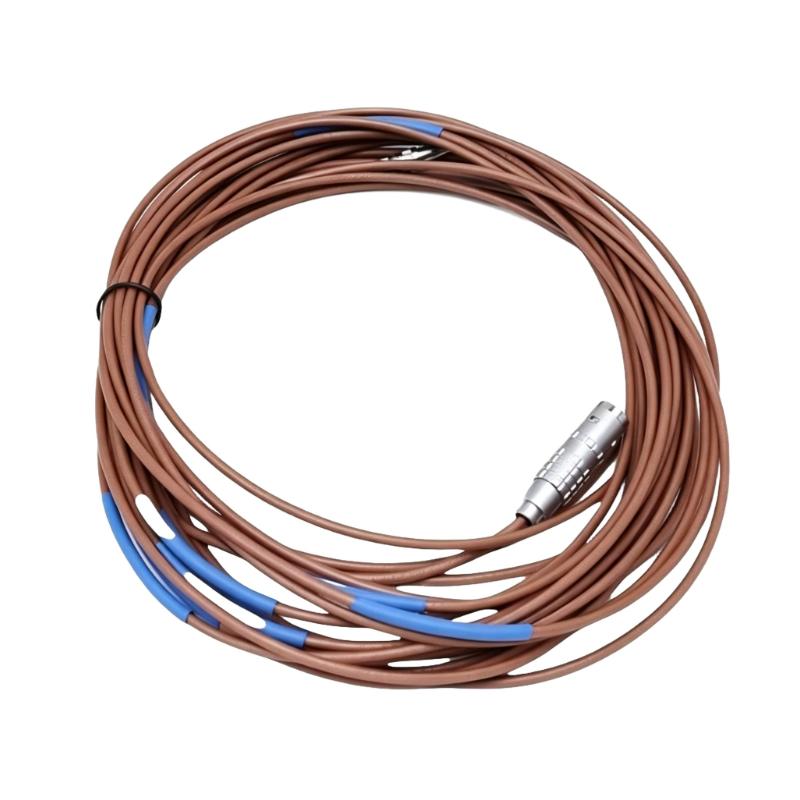
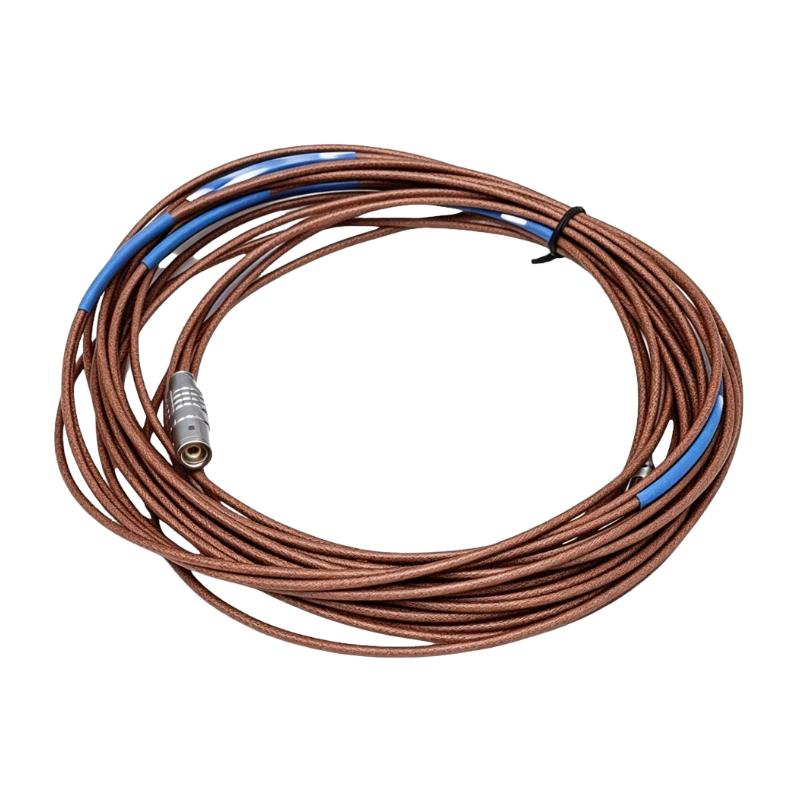
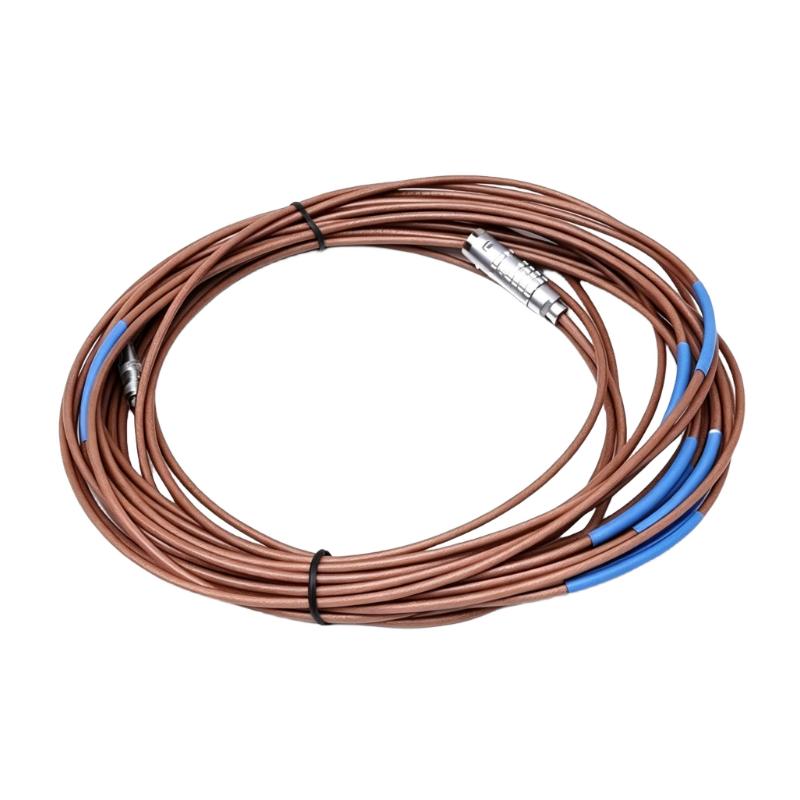
- Epro
- PR6424/001-010
- 16mm Eddy Current Sensor
- Germany
- 16 mm
- 0.2 kg
- Xiamen, China
- New & In Stock
- T/T, PayPal, Western Union
- 1 Year
- 1-3 Working Days
- DHL, UPS, TNT, FedEx and EMS.
- 24-Hour Service
- COO
- 8
Our advantage

Global Logistics
We have a 10-year logistics and express cooperation agreement, so our products can be shipped to any place in the world.

Brand new and original
Our products are imported in bulk from the place of origin. Because of the cooperative relationship, our products are all original and 100% new.

24-hour service
We provide 7*24 hours service to our customers. We will be there whenever you need us.

Price advantage
All our products are priced very favorably because we have our own warehouse and supply.
| Company Information | |||
| [email protected] | |||
| Mobile | +8615980777398 | ||
| +8615980777398 | |||
| 15980777398 |
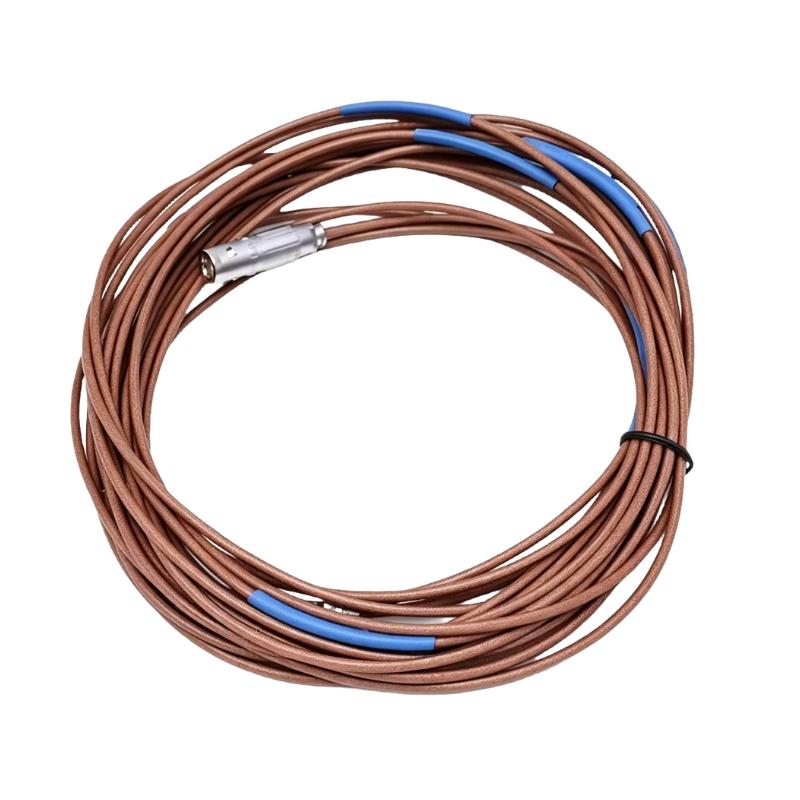
Product Overview
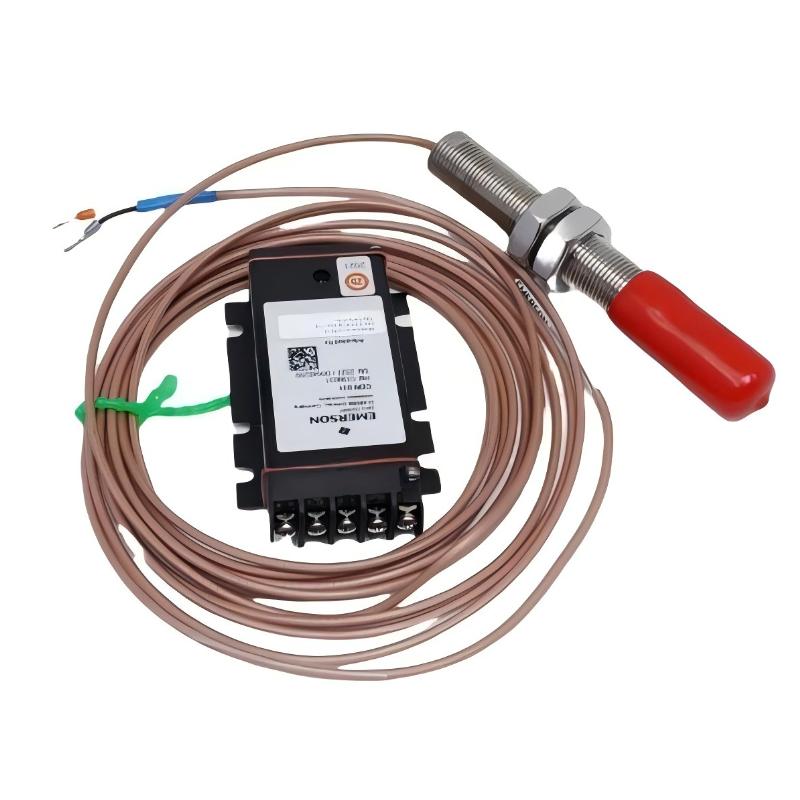
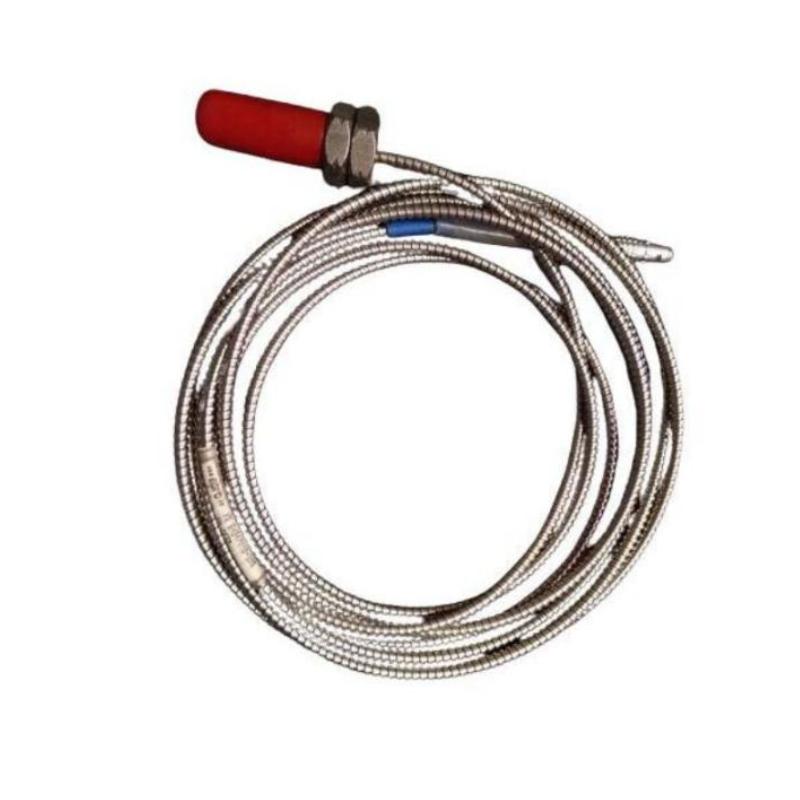
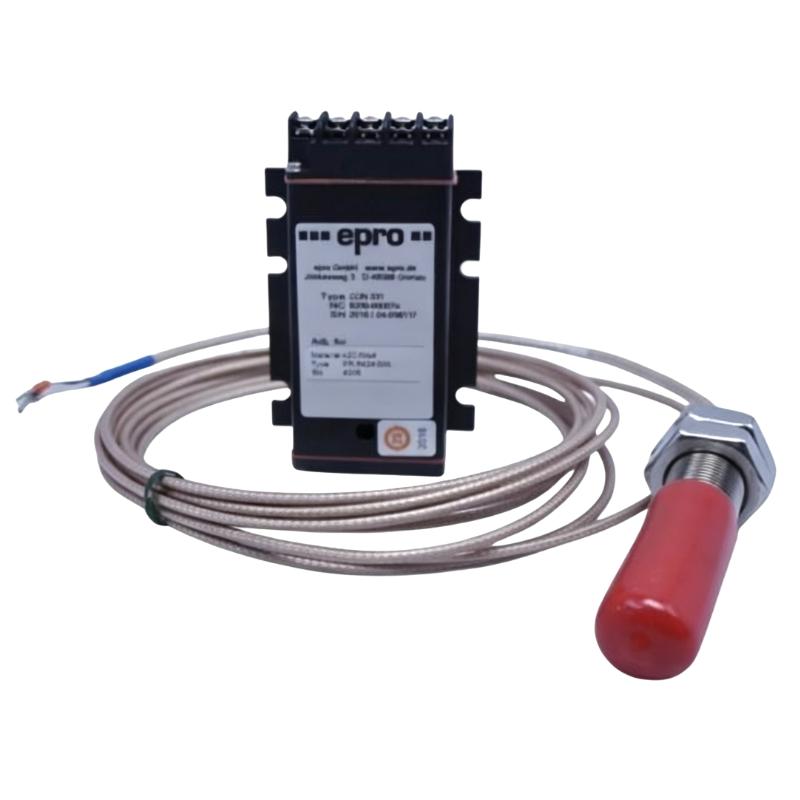
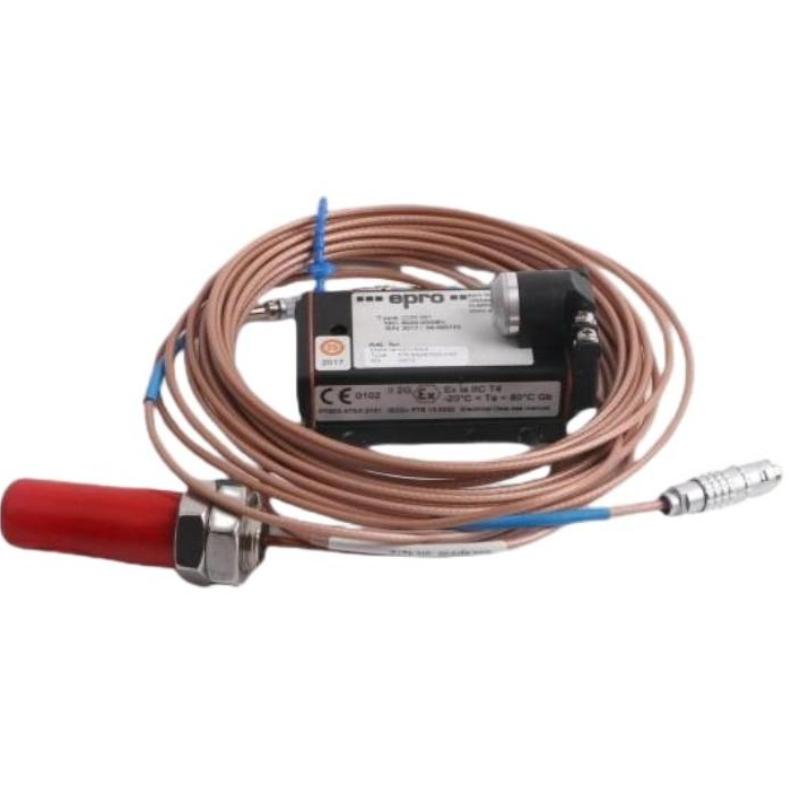
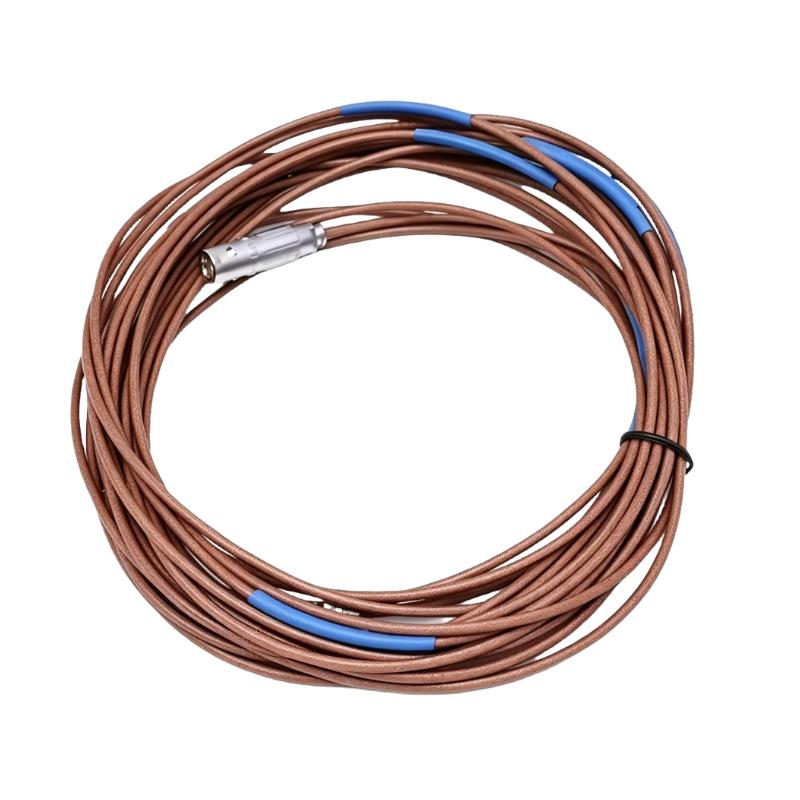
The Epro PR6424/001-010 16mm Eddy Current Sensor is a non-contact proximity sensor used to monitor the relative position and movement of conductive targets in rotating machinery. It forms the sensing portion of a machinery monitoring channel where shaft movement needs to be detected without mechanical contact.
The sensor is installed close to the monitored machine surface, typically a rotating shaft or another suitable conductive target. Changes in the distance between the probe and target alter the sensor’s electromagnetic response, allowing the associated signal-conditioning electronics to convert the change into a usable measurement.
In practical machinery monitoring systems, the PR6424/001-010 can be used for applications involving shaft displacement, position, or other proximity-related measurements. Turbines, compressors, pumps, generators, and other rotating equipment can use this type of sensing arrangement as part of condition monitoring and machinery protection.
The sensor works together with the appropriate signal converter and monitoring electronics rather than acting as a complete monitoring device by itself. Probe installation, target condition, wiring, and signal-conditioning compatibility should therefore be considered as part of the complete measurement channel.
Technical Specifications
| Parameter | Specification |
|---|---|
| Manufacturer | Epro |
| Model / Part Number | PR6424/001-010 |
| Product Type | 16mm Eddy Current Sensor |
| Series | PR6424 |
| Measurement Principle | Eddy current / non-contact displacement measurement |
| Application | Rotating machinery shaft displacement and position monitoring |
| Sensor Head Diameter | 16 mm |
| Weight | 0.2 kg |
Product Features
- Uses non-contact eddy-current sensing technology.
- Detects changes in the distance to conductive machinery targets.
- Suitable for shaft position and displacement monitoring.
- Can be integrated with compatible Epro signal-conditioning electronics.
- Supports continuous rotating machinery monitoring.
- Suitable for machinery protection and condition monitoring applications.
- Useful for turbines, compressors, pumps, generators, and other rotating equipment.
Working Principle
The PR6424/001-010 generates an electromagnetic field at its sensing tip. When a conductive target approaches or moves away from the probe, the interaction between the electromagnetic field and target changes. This change is reflected in the electrical response of the sensor.
A typical measurement path is:
Rotating Shaft / Conductive Target → PR6424/001-010 Sensor → Signal Converter → Machinery Monitoring System → Protection / Control System
The associated signal converter processes the probe output into a measurement suitable for the monitoring system. In a shaft-monitoring application, changes in the signal can correspond to changes in the relative position between the sensor and rotating target.
Stable mechanical installation is important because movement of the probe itself can be interpreted as a change in target position. Cable condition, target surface characteristics, and the complete signal-conditioning chain should also be considered when evaluating unusual readings.
Role in a Machinery Protection and Monitoring Architecture
The PR6424/001-010 operates at the front end of a proximity measurement channel:
Machine Shaft → PR6424/001-010 → Signal Converter → Monitoring / Protection System → Control Room
| System Element | Function |
|---|---|
| Rotating Shaft | Provides the conductive target for proximity measurement |
| PR6424/001-010 | Detects changes in the distance between the probe and target |
| Signal Converter | Conditions the sensor signal for downstream processing |
| Machinery Monitoring System | Processes and displays the resulting measurement |
| Protection System | Uses configured measurement limits for alarms and protection functions |
| DCS / Control System | Provides plant-level supervision and control information |
The sensor provides the initial proximity measurement, while the signal converter and monitoring equipment complete the channel used for machinery condition monitoring.
Industrial Applications
| Application | Typical Use |
|---|---|
| Steam Turbines | Monitors shaft movement and proximity-related mechanical conditions |
| Gas Turbines | Provides non-contact sensing for rotating machinery |
| Compressors | Supports shaft displacement and position monitoring |
| Pumps | Provides proximity information for rotating shaft condition monitoring |
| Generators | Used in rotating equipment monitoring arrangements |
| Machinery Protection | Supplies proximity measurements to monitoring and protection equipment |
Installation and Maintenance
- Verify the sensor model
Confirm that the PR6424/001-010 matches the intended monitoring channel and associated signal-conditioning equipment. - Check the monitored target
Make sure the shaft or other target surface is appropriate for eddy-current measurement. - Set the required probe position
Install the sensor at the specified relationship to the monitored target for the application. - Secure the sensor mechanically
Prevent probe movement caused by vibration or mechanical loading. - Inspect the sensing tip
Check for contamination, deposits, scratches, or other physical damage. - Inspect the sensor cable
Look for cuts, crushing, excessive bending, or damaged connection points. - Verify signal-converter compatibility
Confirm that the associated converter is suitable for the installed sensor configuration. - Route the cable correctly
Support the cable and avoid unnecessary mechanical stress near the probe and connection points. - Check the measurement signal
Verify that the sensor output corresponds with expected machine operating conditions. - Investigate abnormal signals systematically
Check probe position, target condition, wiring, converter operation, and mechanical behavior before replacing components. - Inspect during planned machinery maintenance
Examine the probe mounting, cable condition, and sensing area during scheduled equipment service. - Perform a complete functional test
After installation or replacement, verify the sensor, converter, and monitoring system as one complete measurement channel.
Compatible System Components
| Component | Role in the System |
|---|---|
| Epro Signal Converters | Conditions the eddy-current sensor signal |
| Epro Machinery Monitoring Systems | Processes and displays proximity measurements |
| Machinery Protection Systems | Uses proximity measurements for configured alarms and protection functions |
| Rotating Machinery Shafts | Provides the conductive target detected by the sensor |
| Sensor Connection Components | Provides the physical connection to signal-conditioning electronics |
| DCS / Control Systems | Provides plant-level supervision of machinery condition information |
Recommended Related Models
| Model | Product Type | Typical Relationship |
|---|---|---|
| Epro PR6424/001-010 | 16mm Eddy Current Sensor | Specified sensor model |
| Epro PR6424/001-000 | 16mm Eddy Current Sensor | Related PR6424 sensor model |
| Epro PR6424/000-130 | 16mm Eddy Current Sensor | Related PR6424 sensor model |
| Epro PR6423 Series | Eddy Current Sensor | Related proximity sensing family |
| Epro CON021 Series | Eddy Current Signal Converter | Related signal-conditioning hardware |
Key Advantages
- Provides non-contact sensing of conductive rotating-machine targets.
- Suitable for shaft displacement and proximity monitoring.
- Supports continuous machinery condition monitoring.
- Can be integrated with compatible Epro signal-conditioning equipment.
- Useful for turbine, compressor, pump, and generator applications.
- Avoids mechanical contact between the sensor and monitored target.
Technical FAQs
What is the Epro PR6424/001-010 used for?
The PR6424/001-010 is an eddy-current proximity sensor used to detect changes in the distance between the probe and a conductive target. It can be used for shaft position and displacement monitoring in rotating machinery.
Does the PR6424/001-010 work as a standalone monitoring device?
No. The sensor provides the proximity measurement and normally operates with appropriate signal-conditioning and monitoring electronics to form a complete measurement channel.
Why is sensor positioning important?
The sensor output depends on the relative position between the probe and conductive target. Incorrect positioning or mechanical movement of the probe can affect the resulting measurement and may produce misleading machinery condition information.
What should be checked if the sensor reading becomes abnormal?
Check the probe position, mechanical mounting, target surface, sensor cable, connections, associated signal converter, and machine condition. Troubleshooting the complete measurement path can help distinguish a sensor problem from a mechanical or signal-conditioning issue.