

ProductPRODUCT
Featured products



Contact Us
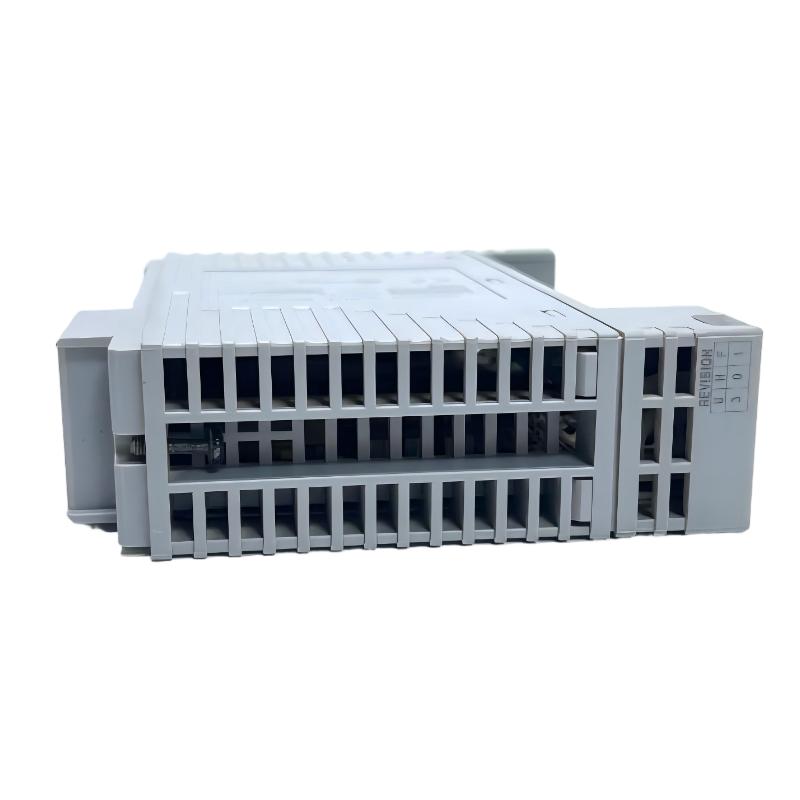
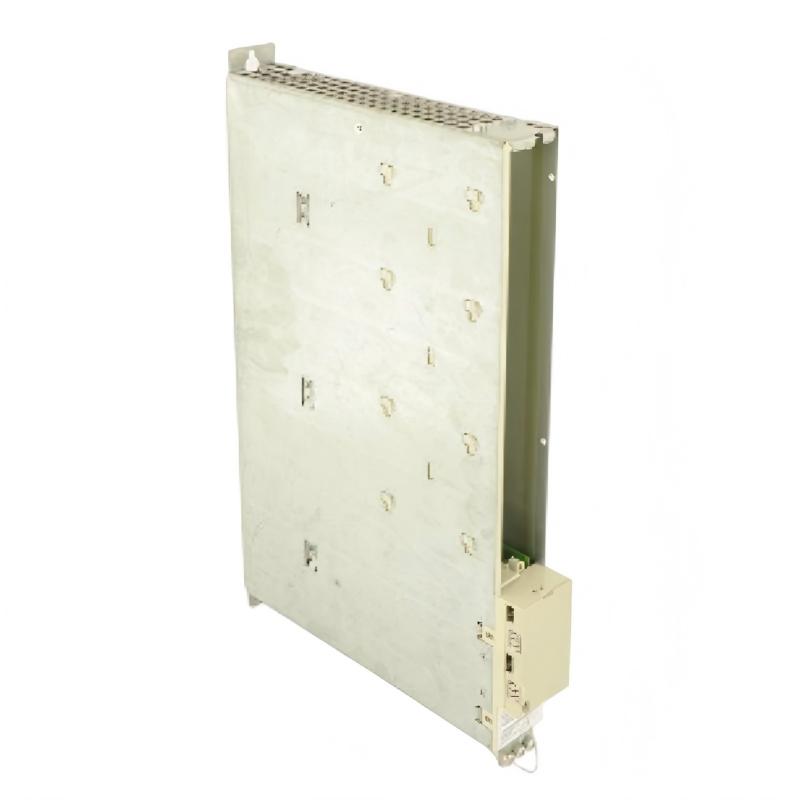
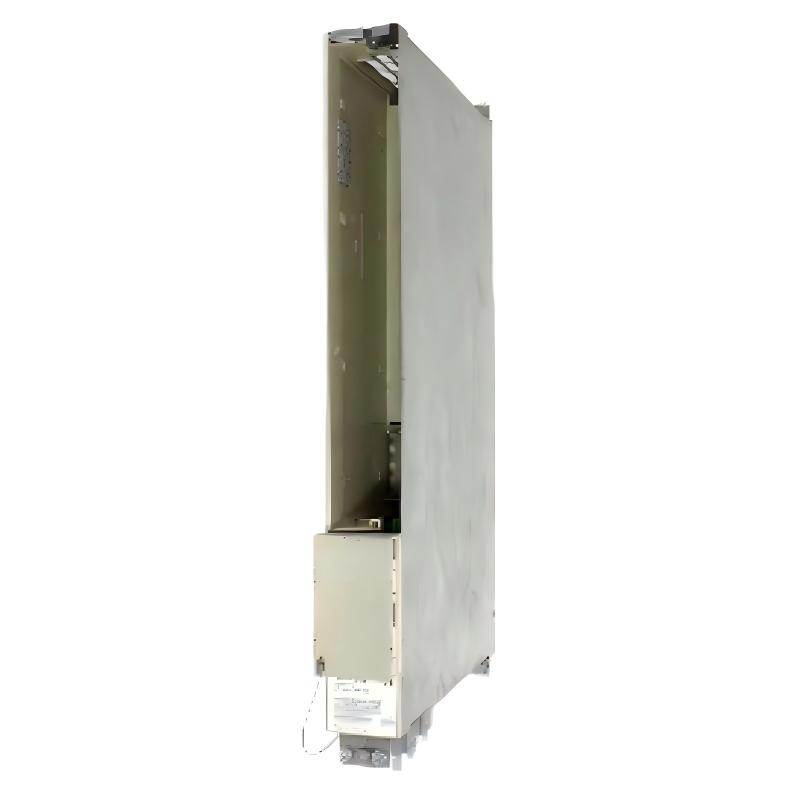
- Yokogawa
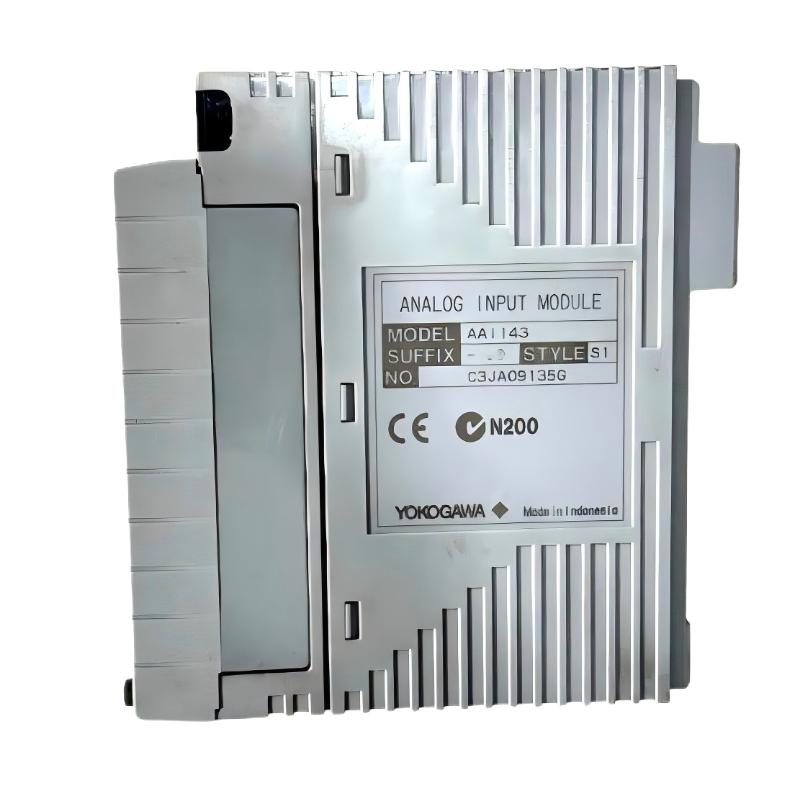
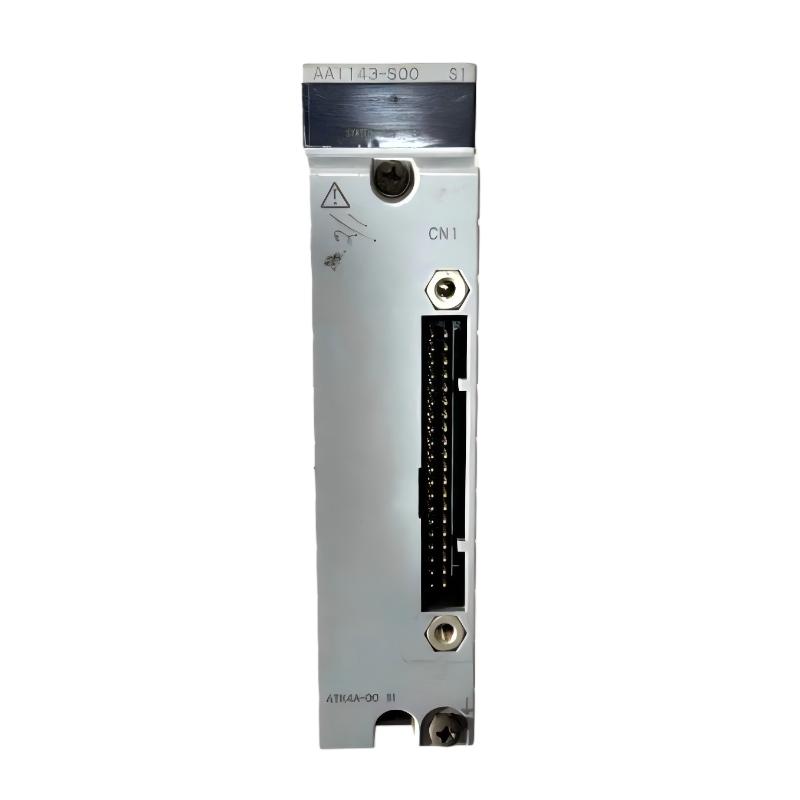
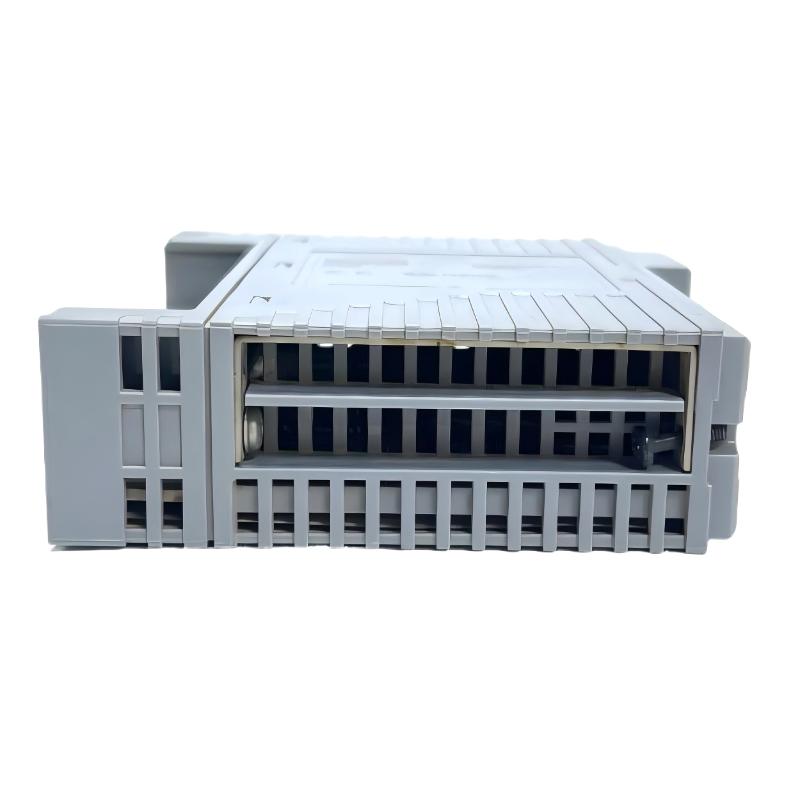
- AAI143-H53
- Analog Input Module
- Japan
- 107.5 × 32.8 × 130 mm
- 0.3 kg
- Xiamen, China
- New & In Stock
- T/T, PayPal, Western Union
- 1 Year
- 1-3 Working Days
- DHL, UPS, TNT, FedEx and EMS.
- 24-Hour Service
- COO
- 117
Our advantage

Global Logistics
We have a 10-year logistics and express cooperation agreement, so our products can be shipped to any place in the world.

Brand new and original
Our products are imported in bulk from the place of origin. Because of the cooperative relationship, our products are all original and 100% new.

24-hour service
We provide 7*24 hours service to our customers. We will be there whenever you need us.

Price advantage
All our products are priced very favorably because we have our own warehouse and supply.
| Company Information | |||
| [email protected] | |||
| Mobile | +8615980777398 | ||
| +8615980777398 | |||
| 15980777398 |
Introduction
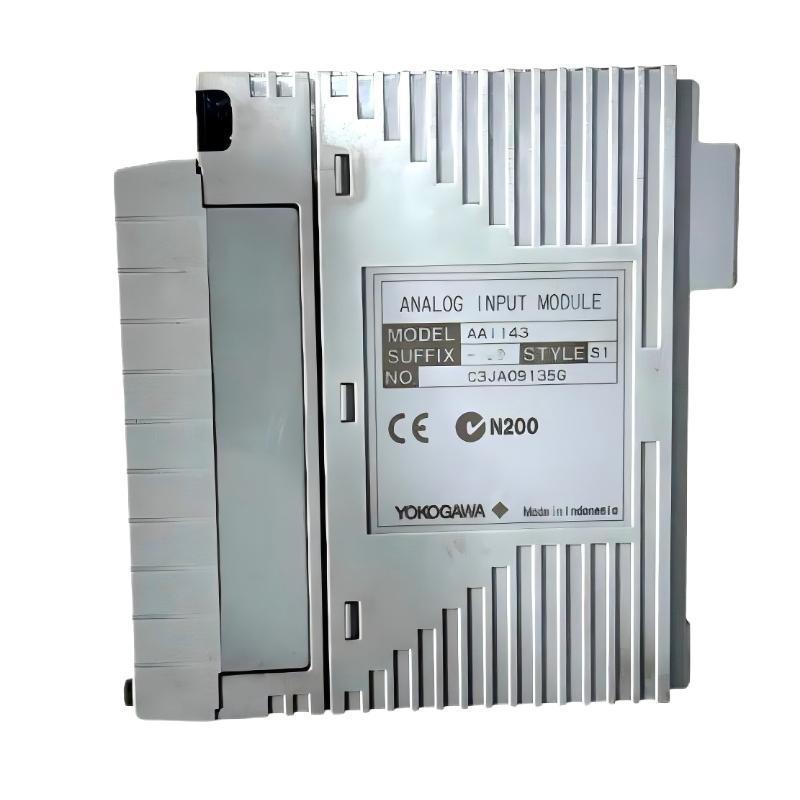
The Yokogawa AAI143-H53 Analog Input Module is a high-precision signal acquisition module designed for distributed control and industrial automation systems. Manufactured by Yokogawa Electric Corporation, this module converts analog signals from field devices into digital data, providing accurate and reliable process monitoring. It is widely used in industries where operational stability and signal accuracy are critical.
Technical Specifications
| Parameter | Specification |
|---|---|
| Model | AAI143-H53 |
| Product Type | Analog Input Module |
| Manufacturer | Yokogawa Electric Corporation |
| Input Type | Standard industrial analog signals from transmitters and sensors |
| Signal Conversion | High-precision analog-to-digital conversion |
| System Compatibility | Distributed Control Systems |
| Mounting | Control rack or base unit installation |
| Design | Industrial-grade for continuous operation |
Functional Overview
The AAI143-H53 module captures analog signals from industrial field instruments such as temperature, pressure, flow, and level transmitters and converts them into digital data for control systems.
Key functionalities include:
-
Continuous and reliable analog signal acquisition
-
Conversion of physical process measurements into digital data
-
Stable communication with central controllers
-
Seamless integration into distributed control system architectures
-
Support for operational diagnostics and real-time monitoring
Industrial Applications
The AAI143-H53 module is used in industrial environments where precise analog signal monitoring is critical for safe and efficient operation.
Common application areas include:
-
Oil and gas production and refining facilities
-
Chemical and petrochemical processing plants
-
Power generation and energy management systems
-
Water and wastewater treatment facilities
-
Industrial manufacturing and process automation
This module ensures reliable process monitoring and improves overall system efficiency.
System Integration
Within a distributed automation system, the AAI143-H53 module works alongside processors, output modules, and communication units to provide a complete control solution.
| System Component | Function |
|---|---|
| Control Processor | Executes process automation logic |
| Analog Input Module (AAI143-H53) | Captures signals from field instruments |
| Analog Output Module | Controls actuators based on process data |
| Digital Input Module | Monitors discrete signals from field devices |
| Communication Module | Ensures stable network connectivity |
The modular architecture provides scalability and flexibility for industrial automation platforms.
Key Advantages
-
High Signal Accuracy: Ensures precise and reliable monitoring of process variables
-
Industrial Reliability: Designed for stable operation in continuous industrial environments
-
Flexible System Integration: Seamless compatibility with distributed control systems
-
Real-Time Process Monitoring: Supports operational diagnostics and decision-making
-
Optimized Automation Layouts: Efficiently integrates into control cabinet architectures
Technical FAQs
Q1: What is the primary function of the AAI143-H53 module?
It collects analog signals from industrial field devices and converts them into digital data for processing by the control system.
Q2: Which types of sensors can be used with this module?
Temperature transmitters, pressure transmitters, flow meters, and level sensors with analog outputs are compatible.
Q3: How does this module enhance distributed control systems?
By providing stable and accurate analog data, it ensures precise process monitoring and effective control.
Q4: Why are analog input modules important in industrial automation?
They enable real-time monitoring of critical process variables, ensuring operational stability and precise process control.