

ProductPRODUCT
Featured products



Contact Us
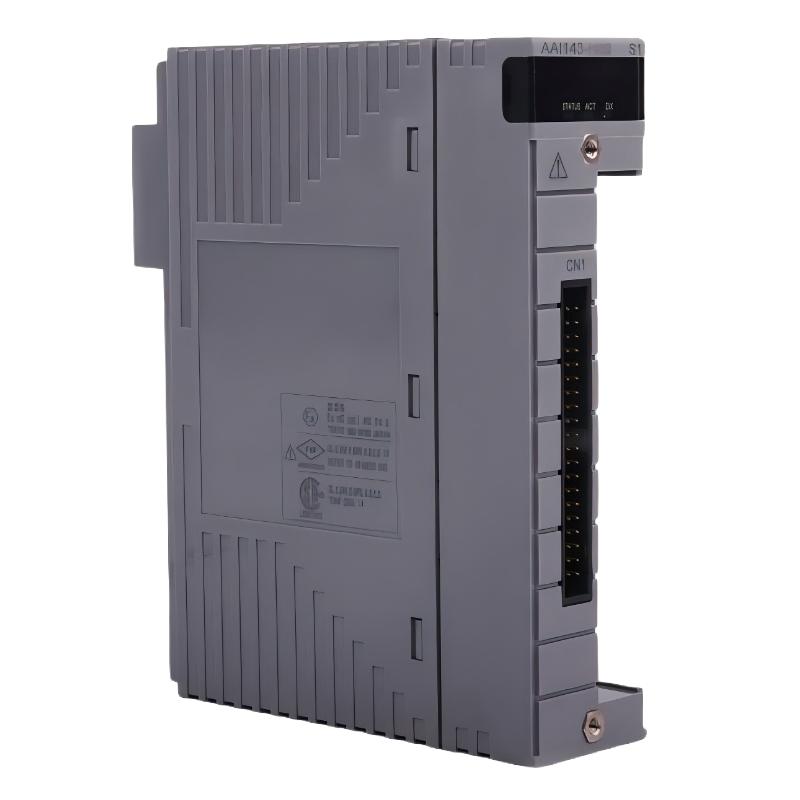
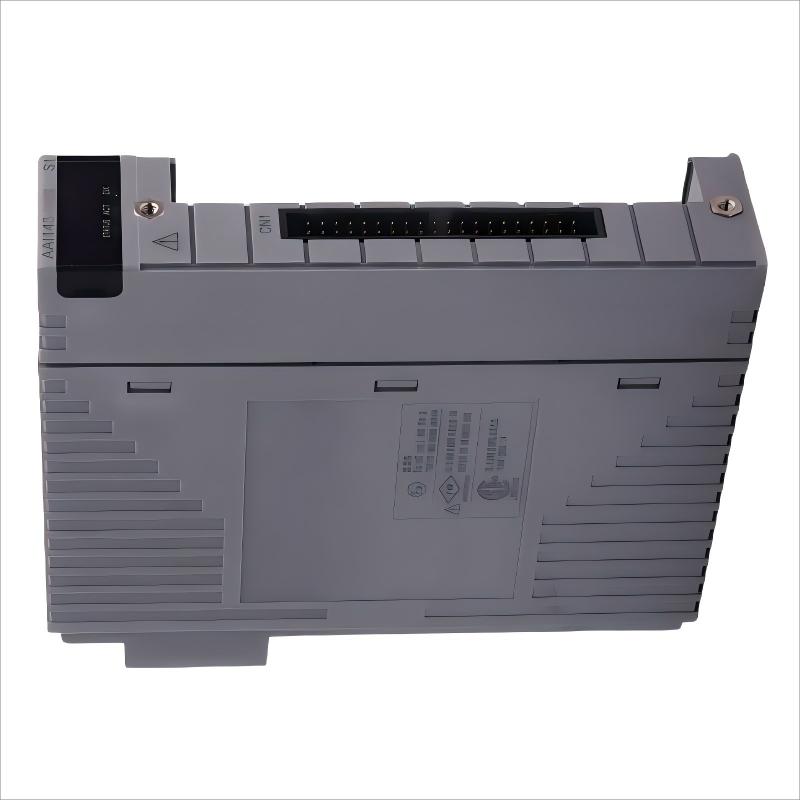
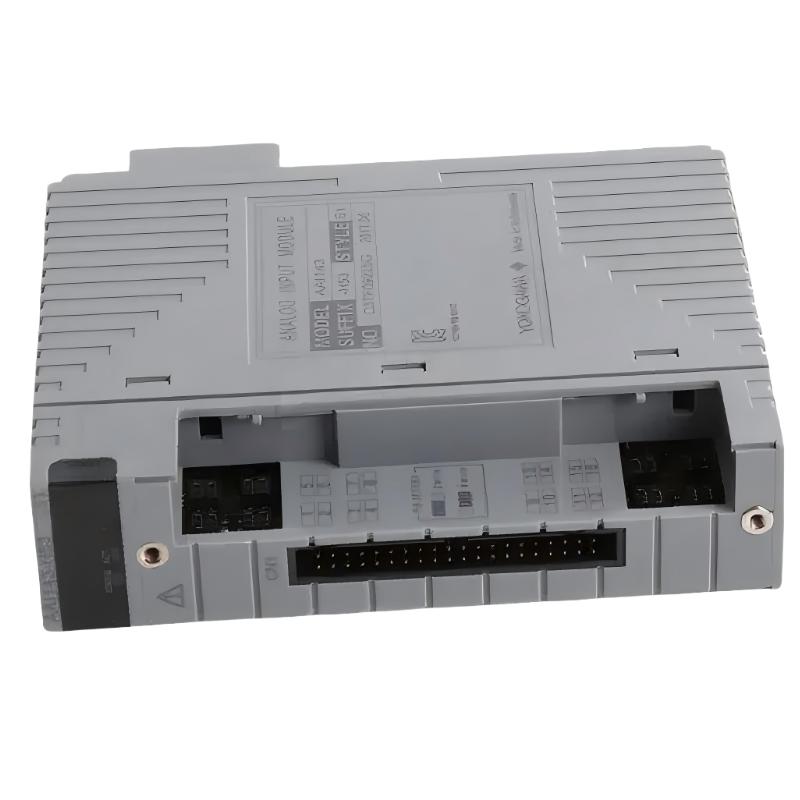
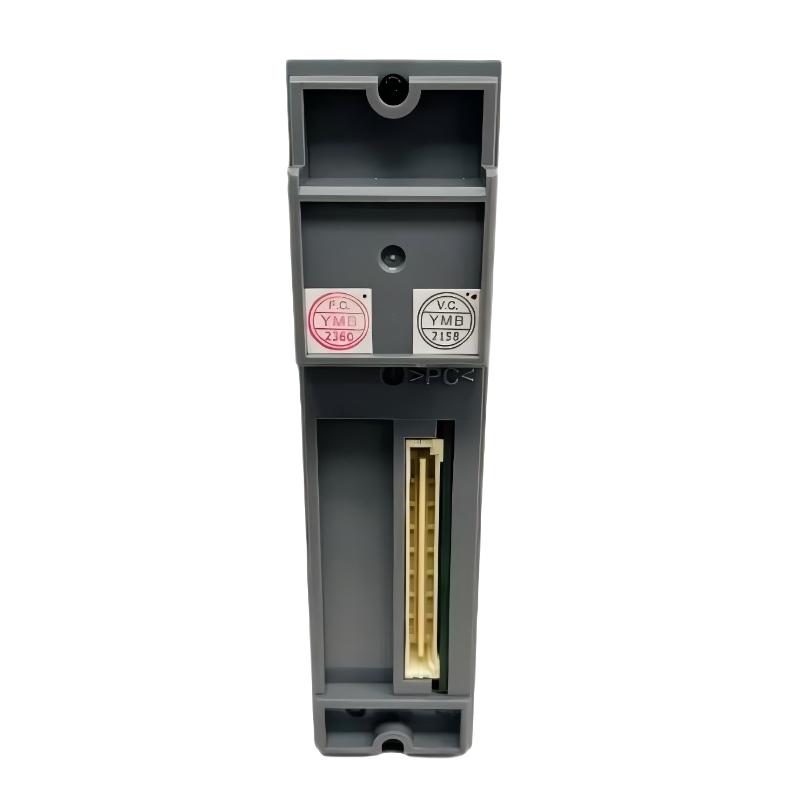
- Yokogawa
- AAI143-H53
- Analog Input Module
- Japan
- 107.5 × 32.8 × 130 mm
- 0.3 kg
- Xiamen, China
- New & In Stock
- T/T, PayPal, Western Union
- 1 Year
- 1-3 Working Days
- DHL, UPS, TNT, FedEx and EMS.
- 24-Hour Service
- COO
- 115
Our advantage

Global Logistics
We have a 10-year logistics and express cooperation agreement, so our products can be shipped to any place in the world.

Brand new and original
Our products are imported in bulk from the place of origin. Because of the cooperative relationship, our products are all original and 100% new.

24-hour service
We provide 7*24 hours service to our customers. We will be there whenever you need us.

Price advantage
All our products are priced very favorably because we have our own warehouse and supply.
| Company Information | |||
| [email protected] | |||
| Mobile | +8615980777398 | ||
| +8615980777398 | |||
| 15980777398 |
Overview
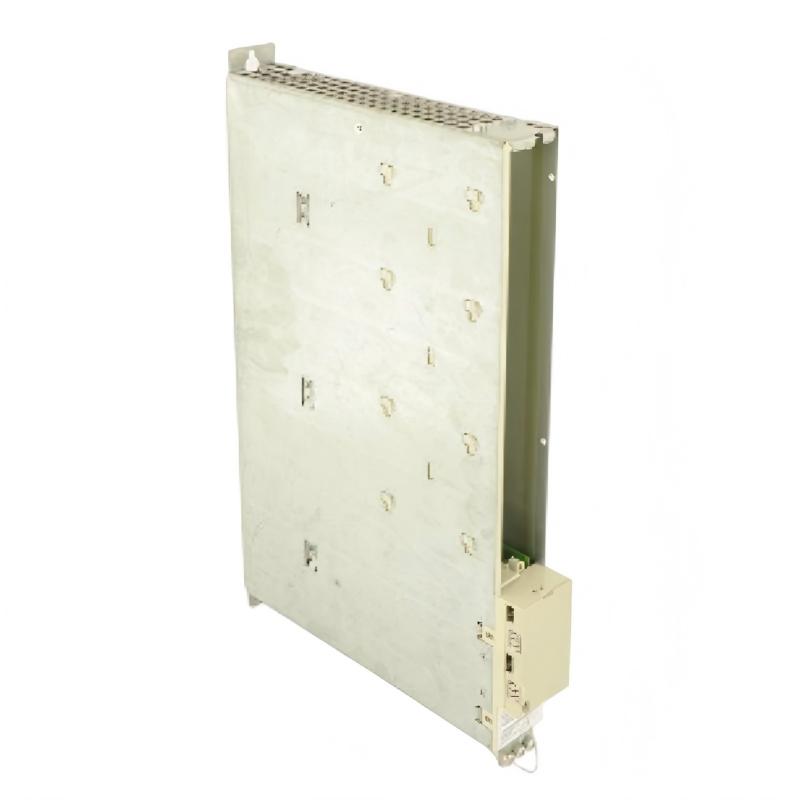
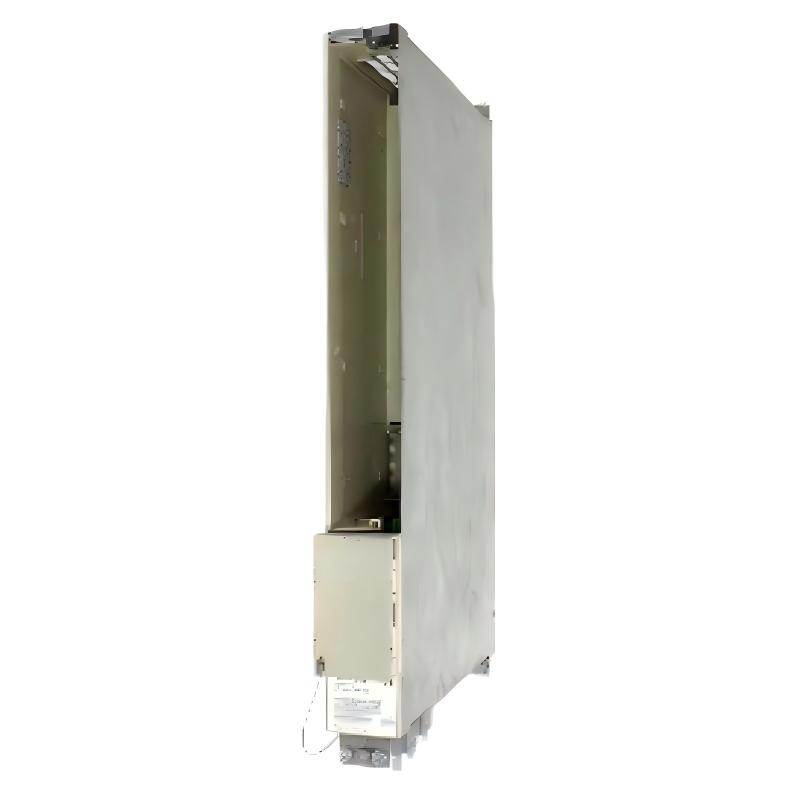
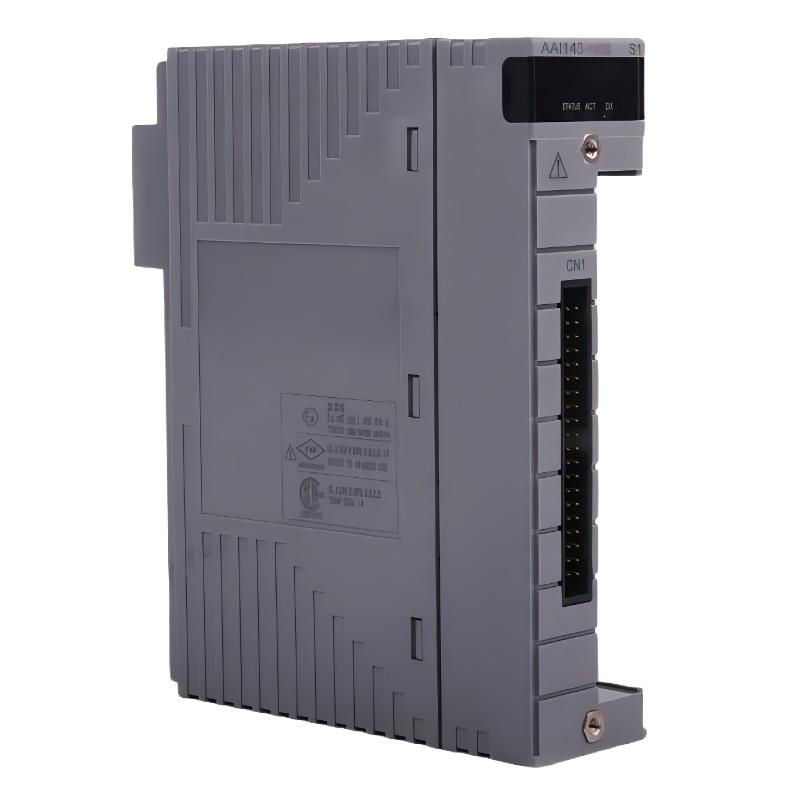
The Yokogawa AAI143-H53 Analog Input Module is an industrial automation component designed to capture and process analog signals within distributed control systems. It allows process control platforms to receive measurement signals from field instruments and convert them into digital information that can be analyzed and used for automation control.
Analog input modules are essential in modern industrial plants because they enable accurate monitoring of real-time process conditions. The AAI143-H53 module is engineered to deliver stable signal acquisition, consistent performance, and long-term reliability in demanding industrial environments.
It is commonly used in process industries where precise measurement and control of operational parameters are required.
Technical Specifications
| Parameter | Specification |
|---|---|
| Manufacturer | Yokogawa |
| Model | AAI143-H53 |
| Product Type | Analog Input Module |
| Function | Analog signal acquisition |
| Signal Type | Industrial process analog signals |
| System Compatibility | Distributed Control Systems |
| Installation | Control rack or cabinet installation |
| Dimensions | 107.5 × 32.8 × 130 mm (H x W x D) |
| Weight | 0.3 kg |
| Operating Temperature | 0°C to 60°C |
| Storage Temperature | −40°C to 85°C |
Functional Capabilities
The AAI143-H53 module is designed to collect measurement signals generated by industrial transmitters and sensors. These signals represent key process parameters that must be monitored continuously for effective automation control.
Important functional capabilities include:
-
Receiving analog signals from field transmitters
-
Converting physical process data into digital signals
-
Providing accurate data input for control processors
-
Supporting continuous industrial process monitoring
-
Enabling stable signal communication within automation systems
Through these functions, the module plays a critical role in maintaining precise and efficient process control.
Typical Industrial Applications
The Yokogawa AAI143-H53 Analog Input Module is widely used in industries where monitoring of process variables is necessary for safe and efficient plant operations.
Common application environments include:
-
Oil and gas production and refining operations
-
Chemical and petrochemical processing plants
-
Power generation and energy management systems
-
Industrial manufacturing automation facilities
-
Water treatment and environmental monitoring systems
-
Large distributed control systems in process industries
These industries rely on accurate data acquisition modules to maintain operational stability and system reliability.
Integration with Automation Systems
In a distributed control system architecture, the AAI143-H53 module functions alongside processors, output modules, and communication interfaces to form a complete automation solution.
Typical system configuration includes:
| Automation Component | Role |
|---|---|
| Control Processor | Executes control algorithms |
| Analog Input Module (AAI143-H53) | Captures field measurement signals |
| Analog Output Module | Sends control signals to equipment |
| Digital Input Module | Monitors discrete device signals |
| Communication Module | Handles system network communication |
This modular system design enables scalable and flexible automation infrastructure.
Key Advantages
Precise Signal Acquisition
Ensures accurate measurement of critical industrial process variables.
Reliable Industrial Operation
Engineered for stable performance in continuous automation environments.
Compact Physical Design
Space-efficient module suitable for installation in control cabinets.
Flexible Integration Capability
Compatible with distributed control architectures used in process industries.
Enhanced Process Monitoring
Supports real-time monitoring and efficient automation control.
Recommended Yokogawa Modules
For building or expanding industrial control systems, the following Yokogawa modules are commonly used alongside the AAI143-H53:
| Model | Module Type | Typical Application |
|---|---|---|
| AAI143-H50 | Analog Input Module | Multi-channel signal acquisition |
| AAI543 | Analog Input Module | Advanced process monitoring |
| AAO143 | Analog Output Module | Process control signal output |
| ADV151 | Digital Input Module | Discrete signal monitoring |
| ADV551 | Digital Output Module | Control of industrial actuators |
Together these modules provide a flexible and scalable automation platform for industrial control systems.
Technical FAQs
What does the Yokogawa AAI143-H53 module do?
It collects analog signals from industrial transmitters and sensors and sends the data to the control system for monitoring and control.
Which types of signals can be processed by this module?
It can handle analog signals representing process variables such as temperature, pressure, flow rate, and liquid level.
Where is the module typically installed?
It is installed inside control cabinets or system racks within distributed control systems.
Which industries use this module most frequently?
Industries such as oil and gas, power generation, chemical processing, and industrial manufacturing widely use this module.
Why are analog input modules important in industrial automation?
They enable automation systems to continuously monitor real-world process variables and maintain precise control of industrial operations.