

ProductPRODUCT
Featured products
Contact Us
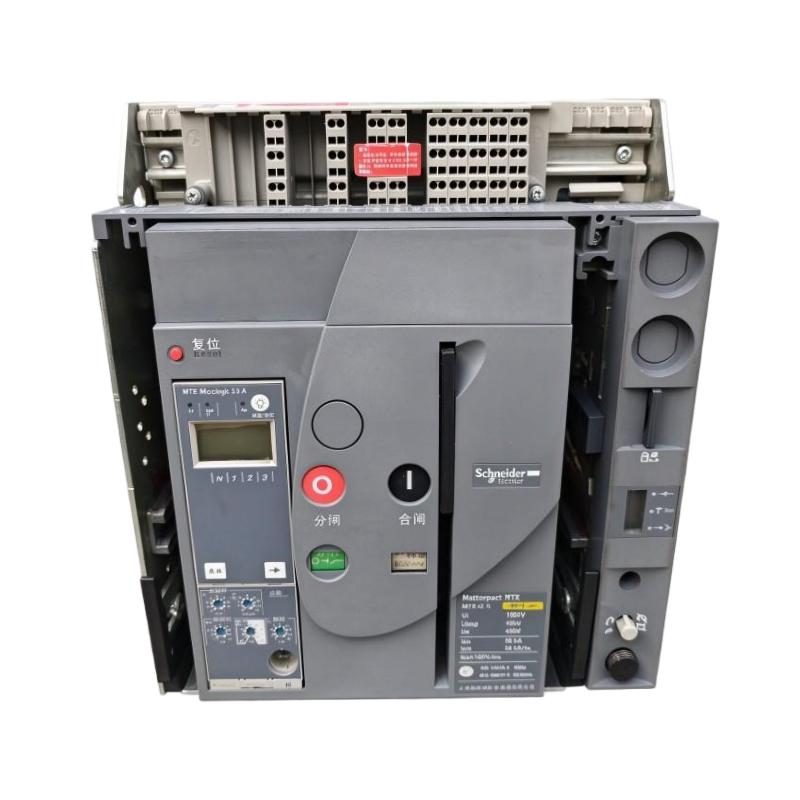
- Schneider
- MTE12N
- Circuit Breaker
- France
- 322 x 228 x 277 mm
- 30 kg
- Xiamen, China
- New & In Stock
- T/T, PayPal, Western Union
- 1 Year
- 1-3 Working Days
- DHL, UPS, TNT, FedEx and EMS.
- 24-Hour Service
- COO
- 5
Our advantage

Global Logistics
We have a 10-year logistics and express cooperation agreement, so our products can be shipped to any place in the world.

Brand new and original
Our products are imported in bulk from the place of origin. Because of the cooperative relationship, our products are all original and 100% new.

24-hour service
We provide 7*24 hours service to our customers. We will be there whenever you need us.

Price advantage
All our products are priced very favorably because we have our own warehouse and supply.
| Company Information | |||
| [email protected] | |||
| Mobile | +8615980777398 | ||
| +8615980777398 | |||
| 15980777398 |
Product Overview
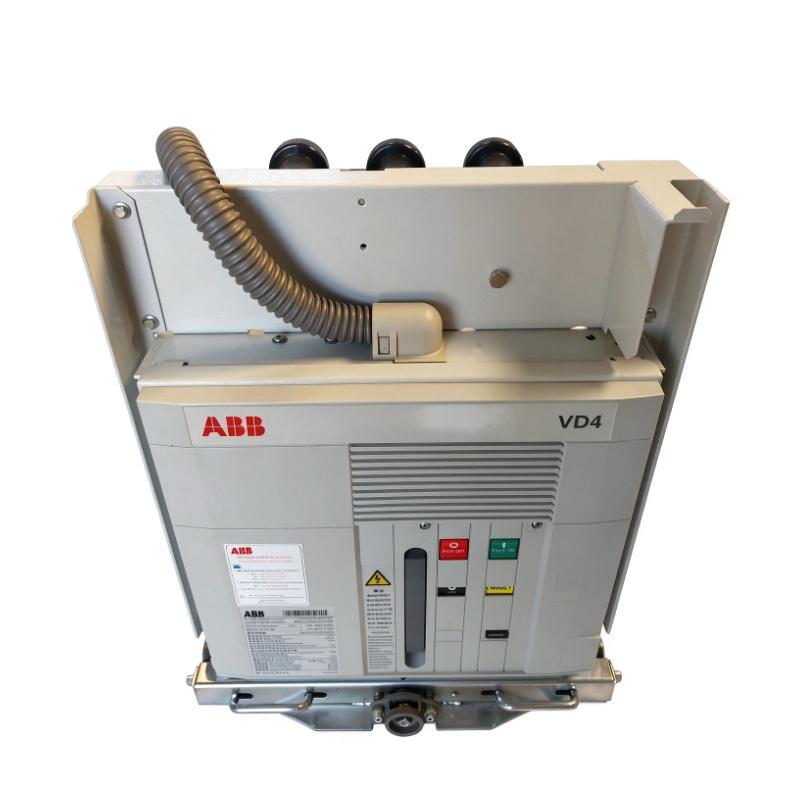
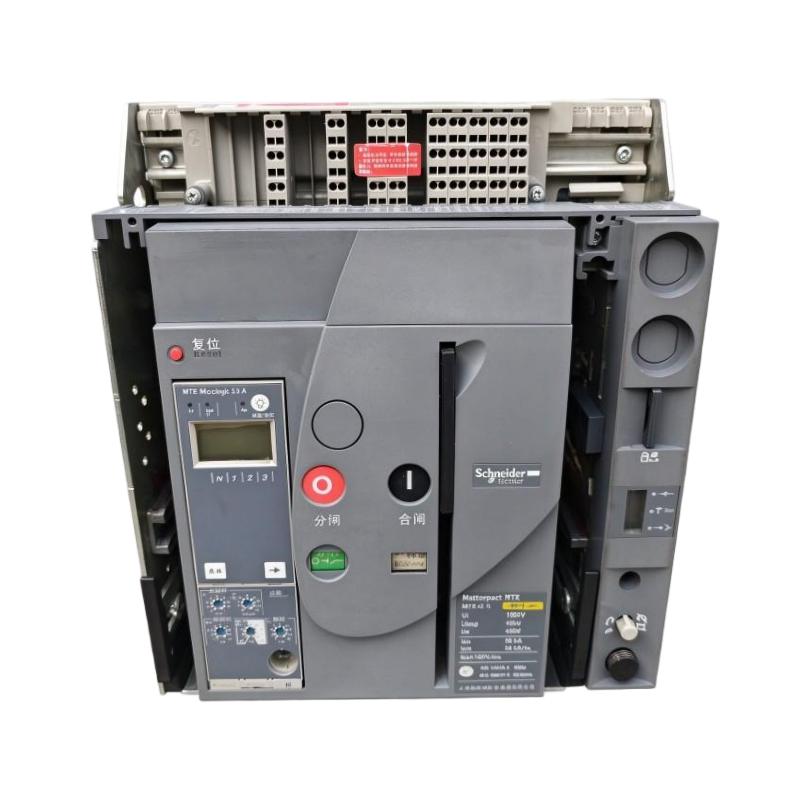
The Schneider MTE12N Circuit Breaker is listed as an industrial electrical protection component intended for use in power distribution and electrical control systems. Circuit breakers play an important role in protecting electrical installations against abnormal current conditions, helping reduce the risk of equipment damage caused by overloads and short circuits.
In industrial environments, circuit protection is essential for maintaining the reliability of motors, distribution panels, control cabinets, production machinery, and auxiliary electrical equipment. A properly selected circuit breaker disconnects a circuit when its operating conditions exceed the limits established by its protection characteristics. This helps isolate faults and supports safer maintenance and troubleshooting procedures.
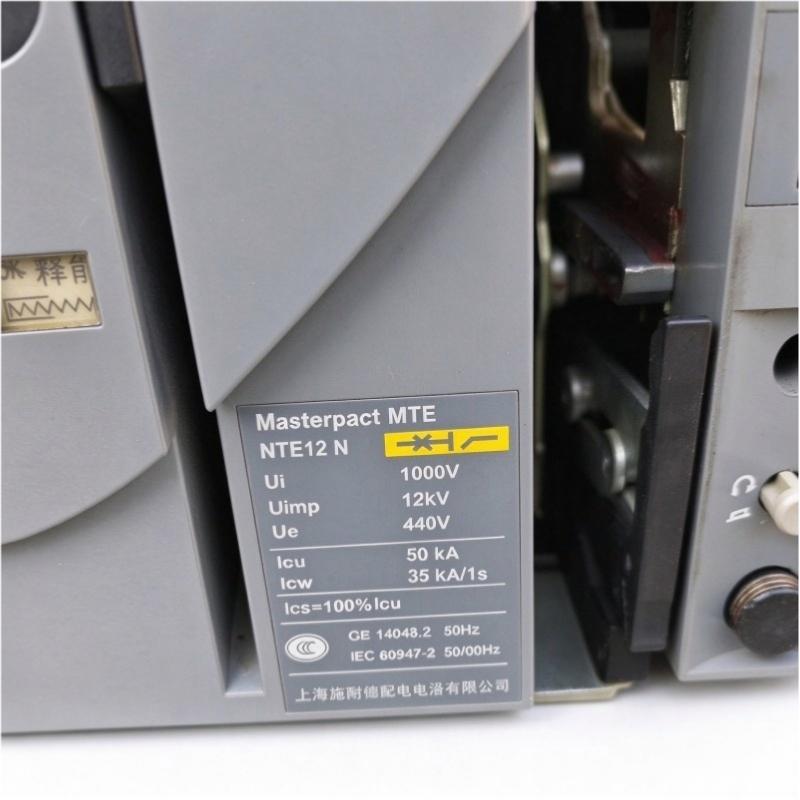
The MTE12N designation should be checked against the product nameplate and original equipment documentation before the unit is specified for a new installation or replacement project. Electrical protection devices can have similar model designations while differing in rated current, operating voltage, number of poles, breaking capacity, trip-unit configuration, and mounting arrangement.
For industrial procurement teams, accurate model identification is particularly important when sourcing legacy electrical components. A replacement must match the electrical system requirements and the original protective-device characteristics, not merely the external appearance or approximate dimensions.
The supplied listing information for this product is 322 × 228 × 277 mm, with a weight of 30 kg. These values can be used as preliminary catalog information, but the actual dimensions, mounting clearances, and shipping weight should be confirmed before equipment installation or transportation planning.
Because the complete technical specification for MTE12N has not been independently confirmed, this article focuses on the general role of industrial circuit breakers, installation considerations, maintenance practices, and procurement checks. Exact electrical ratings should be taken from the verified product label and applicable technical documentation.
Technical Specifications
| Parameter | Specification |
|---|---|
| Brand | Schneider Electric |
| Model | MTE12N |
| Product Type | Circuit Breaker |
| Application | Industrial electrical protection and power distribution |
| Rated Operational Voltage | Verify from the product nameplate |
| Rated Current | Verify from the product nameplate |
| Number of Poles | Verify from the product label |
| Short-Circuit Breaking Capacity | Verify from the applicable technical documentation |
| Trip Unit Type | Verify from the installed configuration |
| Mounting Arrangement | Confirm from the actual unit |
| Dimensions Provided | 322 × 228 × 277 mm |
| Weight Provided | 30 kg |
| Protection Function | Depends on the verified breaker configuration |
| Accessories | Confirm separately |
| Product Condition | Confirm whether new, surplus, refurbished, or used |
Important: The electrical ratings above are intentionally marked for verification because the exact MTE12N configuration has not been confirmed. Do not use this table as the basis for electrical installation or protective-device selection.
Function and Working Principle
A circuit breaker is an electrical switching and protection device designed to interrupt current under specified fault conditions. Its exact operating mechanism depends on the product design and the protection system fitted to the breaker.
1. Overload Protection
An overload occurs when a circuit carries more current than intended for a sustained period. If this condition continues, conductors and connected equipment may overheat.
Circuit breakers equipped with suitable overload protection can disconnect the affected circuit when the current and operating time reach the defined trip characteristics. The correct protection settings depend on the connected load, conductor ratings, and applicable electrical standards.
The exact overload-protection mechanism and adjustment range of the MTE12N should be confirmed from its product documentation.
2. Short-Circuit Protection
A short circuit can produce a large fault current that may damage conductors, electrical equipment, and switchgear. A circuit breaker with an appropriate short-circuit interrupting rating is designed to open the circuit under specified fault conditions.
The breaker’s rated breaking capacity must be sufficient for the prospective fault current at the installation point. This rating cannot be inferred reliably from the model name or physical size alone.
3. Circuit Isolation
Circuit breakers can also provide a means of switching electrical circuits. Some models are specifically rated for isolation under applicable standards.
However, the ability to use a particular breaker as an isolating device must be confirmed from its certification and technical documentation. Safe maintenance procedures still require the correct isolation process, lockout/tagout where applicable, and verification that hazardous voltage has been removed.
4. Coordination with Other Protective Devices
Industrial electrical systems often contain several levels of protection, including incoming breakers, feeder breakers, motor protection devices, and branch-circuit protection.
These devices should be coordinated so that a fault is interrupted at the appropriate point in the distribution system wherever the design allows. Coordination requires information about trip characteristics, current ratings, prospective fault current, and the system’s operating conditions.
The MTE12N’s role in a specific protection scheme should therefore be established from the electrical drawings and verified product specifications.
Role in Industrial Control Systems
Circuit breakers are important components in industrial power distribution, providing protection for electrical circuits supplying automation equipment and production machinery.
Power Distribution Panels
In a distribution panel, a circuit breaker can protect a feeder or branch circuit supplying downstream equipment. Its ratings must match the system voltage, expected current, fault level, and required protection characteristics.
Correct selection helps maintain the integrity of the distribution system and supports the safe isolation of affected circuits during fault conditions.
Motor Control Systems
Industrial motor-control panels may include circuit breakers alongside contactors, overload relays, variable frequency drives, and motor starters.
The circuit breaker provides a protective function appropriate to its design, while other components perform switching, motor control, or additional overload protection. The complete arrangement must follow the equipment manufacturer’s instructions and applicable electrical codes.
The MTE12N should not be assumed to provide dedicated motor protection unless its actual configuration and ratings confirm that function.
PLC and Automation Cabinets
Programmable logic controllers, remote I/O systems, power supplies, and communication devices depend on a stable and properly protected electrical supply.
Circuit breakers may be used to protect incoming feeds or distribution branches supplying these systems. The protective device must be selected according to the load, cable capacity, supply characteristics, and fault conditions.
A circuit breaker is not a substitute for a PLC, safety controller, or dedicated functional-safety system.
Industrial Equipment Maintenance
In existing plants, maintenance teams may need to replace a breaker installed in an older switchboard or control cabinet. Accurate identification is necessary to preserve the intended electrical protection and mechanical fit.
Before replacement, engineers should check the original wiring diagrams, equipment bill of materials, breaker label, and protective-device settings.
Industrial Applications
The following applications describe common uses of industrial circuit breakers. They do not establish a specific current or voltage rating for the MTE12N.
1. Industrial Power Distribution
Manufacturing facilities use circuit breakers to protect incoming supplies, distribution feeders, and circuits serving production areas. Appropriate protection helps isolate faults and reduce the possibility of damage spreading through the electrical installation.
Selection depends on the available fault current, system voltage, load demand, conductor ratings, and required protection coordination.
2. Manufacturing Machinery
Production machinery may contain motors, heaters, pumps, control power supplies, and electronic automation equipment. Circuit breakers can protect the associated electrical circuits when correctly selected for each branch.
The protective-device specification must account for the electrical characteristics of the load and any inrush current or starting conditions.
3. Motor Control Centers
Motor control centers combine switching, protection, and control equipment for multiple motors. Circuit breakers may be incorporated into feeder sections or motor-control arrangements depending on the design.
A breaker used in this environment must be compatible with the system voltage, fault level, mounting structure, and coordination requirements of the motor circuit.
4. Industrial Control Cabinets
Control cabinets distribute power to PLCs, I/O modules, instrumentation, relays, and other control components. Circuit protection helps limit the consequences of faults in individual circuits.
For compact electronic loads, the protective-device rating must be selected with attention to conductor size, available fault current, and the manufacturer’s recommendations.
5. Process Industries
Facilities in chemical processing, water treatment, material handling, and general manufacturing use circuit breakers as part of their electrical distribution infrastructure.
The specific breaker selected for each installation must be suitable for the environmental conditions, operating duty, and electrical protection requirements of the process equipment.
Installation and System Integration
Proper installation is essential for circuit-breaker performance and electrical safety. Work should be carried out by qualified personnel following the manufacturer’s documentation and applicable electrical regulations.
1. Verify the Product Identity
Before installation, compare the model designation on the actual breaker with the purchase order, equipment drawings, and original bill of materials.
Record the rated voltage, current, number of poles, breaking capacity, trip-unit type, and any suffixes or accessory codes shown on the label. If these details cannot be confirmed, do not assume that the breaker is suitable for the intended circuit.
2. Check Electrical Compatibility
The breaker must be rated for the system voltage and the expected operating current. Its interrupting capacity must be adequate for the prospective short-circuit current at the installation point.
Protection coordination should also be evaluated against upstream and downstream protective devices. A physically compatible breaker is not necessarily electrically compatible.
3. Confirm Mechanical Dimensions
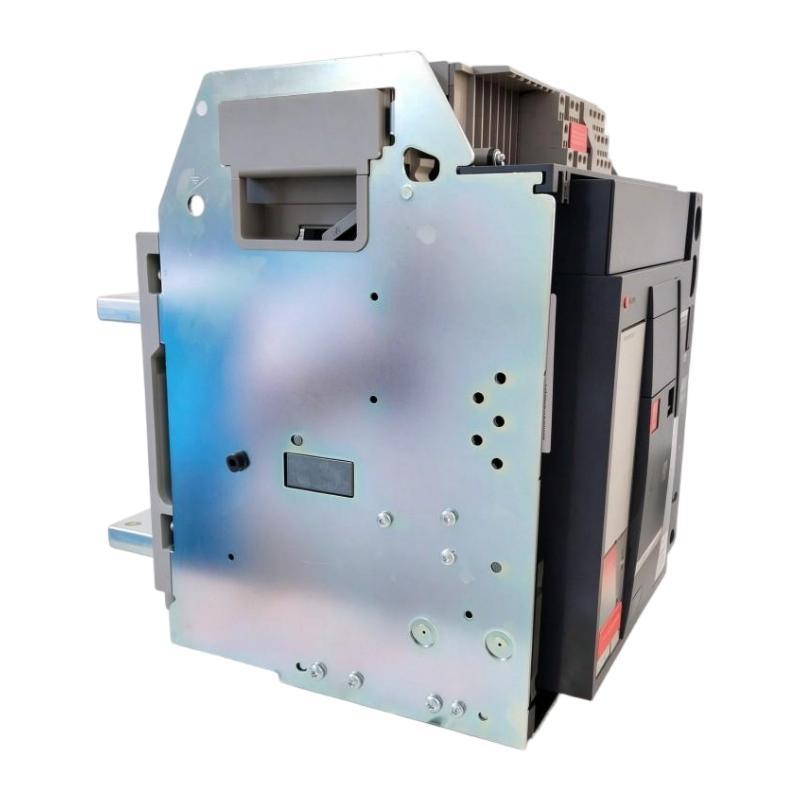
The supplied dimensions are 322 × 228 × 277 mm. Verify these measurements against the actual breaker and the manufacturer’s dimensional drawing before designing the mounting arrangement.
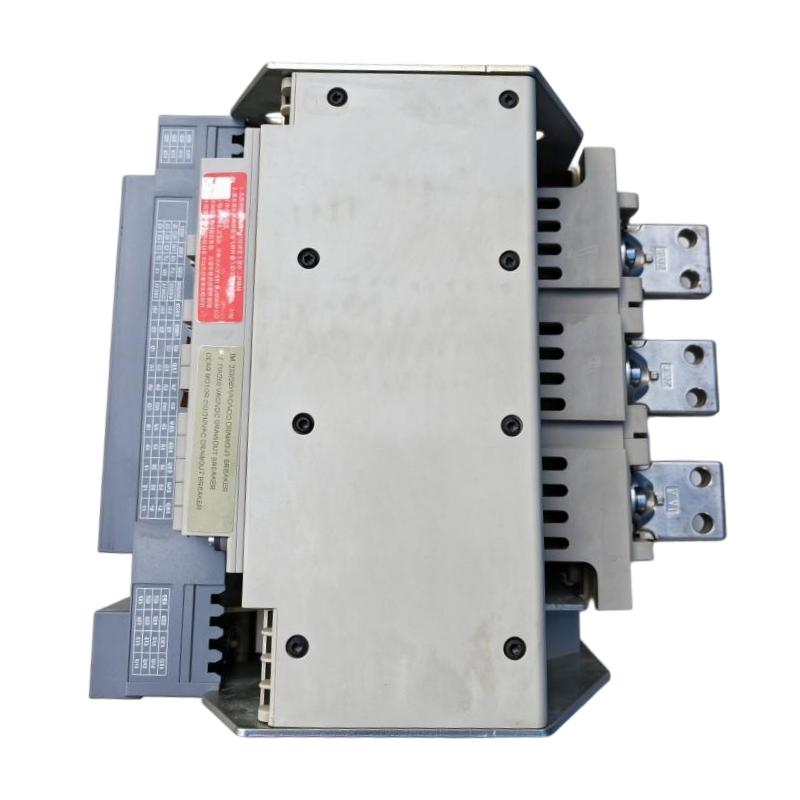
Check terminal positions, connection clearances, operating-handle access, panel cutouts, and any required mounting hardware. Adequate space must be provided for safe cable routing and maintenance access.
4. Inspect Connections and Terminals
Inspect terminals, conductors, mounting points, and accessible insulating surfaces for damage or contamination. Use conductor sizes and connection methods approved for the specific breaker.
Terminal tightening torque must come from the applicable manufacturer instructions. Incorrect torque can contribute to overheating, loose connections, or damage to the terminal assembly.
5. Verify Protection Settings
If the breaker has an adjustable trip unit, settings should be established by a qualified electrical engineer based on the protection study and system requirements.
Do not copy settings from a similar-looking breaker without confirming the rated current, sensor or trip-unit configuration, cable capacity, and coordination requirements.
6. Perform Commissioning Checks
Before energizing the circuit, verify the installation against the electrical drawings and applicable commissioning procedures. Depending on the equipment, checks may include connection inspection, mechanical operation, protective-device verification, and confirmation of the intended isolation arrangements.
Never carry out live electrical work unless it is specifically justified, authorized, and performed under the required safety controls.
Compatible System Components
The MTE12N may be installed in an industrial electrical system containing several complementary components. The exact accessories and compatibility requirements must be confirmed for the actual breaker configuration.
| Component | Function | Compatibility Considerations |
|---|---|---|
| Electrical distribution panel | Houses and distributes electrical circuits | Confirm mounting dimensions, clearances, and panel ratings |
| Busbar system | Distributes power between devices | Verify current rating, connection geometry, and insulation requirements |
| Upstream protective device | Provides protection for the incoming supply | Evaluate selectivity and coordination |
| Downstream circuit breaker | Protects a branch circuit | Confirm fault-current and coordination requirements |
| Motor starter or contactor | Switches a motor circuit | Verify the complete motor protection design |
| Overload relay | Provides motor overload protection where required | Coordinate with motor and upstream protection |
| PLC power supply | Supplies automation control circuits | Select branch protection based on supply and conductor requirements |
| Auxiliary contacts | Provide breaker status signals when supported | Confirm accessory compatibility and contact ratings |
| Shunt trip or undervoltage accessory | Enables specified remote trip functions where supported | Verify that the exact breaker accepts the accessory |
| Grounding system | Provides the required protective-earth path | Follow the electrical design and applicable codes |
The table lists possible system components, not items confirmed to be included with the MTE12N. Verify all accessories and mounting hardware before procurement.
Alternative Models and Replacement Considerations
Selecting an alternative circuit breaker requires a technical comparison rather than a simple model-name match.
| Replacement Option | Evaluation Requirements |
|---|---|
| Exact MTE12N replacement | Confirm the complete designation, ratings, trip configuration, condition, and mechanical fit |
| Same-series breaker with a different suffix | Verify whether the suffix changes mounting, current rating, trip characteristics, or accessories |
| Current Schneider Electric circuit breaker | Confirm electrical ratings, breaking capacity, dimensions, terminals, and protection coordination |
| Circuit breaker from another manufacturer | Complete a technical review covering standards, protection performance, connections, and installation requirements |
| Updated distribution assembly | Consider where the original breaker is obsolete or no longer mechanically compatible with available replacements |
Before choosing a replacement, compare:
- Rated operational voltage.
- Rated current and allowable continuous load.
- Number of poles and protected poles.
- Short-circuit breaking capacity.
- Trip-unit type and protection settings.
- Mounting and connection arrangement.
- Auxiliary contacts and remote-trip accessories.
- Applicable product standards and certifications.
- Upstream and downstream protection coordination.
- Panel space and maintenance requirements.
If an exact replacement is unavailable, a qualified engineer should determine whether a different breaker or an updated switchgear assembly can satisfy the original protection requirements.
Key Advantages of Industrial Circuit Breakers
Overload and Fault Interruption
A correctly selected breaker can interrupt current when specified operating or fault conditions occur, helping protect the electrical installation.
Support for Safe Maintenance
An appropriately rated circuit breaker can form part of the isolation and maintenance strategy for an electrical system. Safe isolation procedures and voltage verification remain essential.
Integration into Power Distribution
Circuit breakers can be installed in distribution panels, feeder circuits, and industrial control assemblies according to their design and ratings.
Protection Coordination
When properly engineered with other protective devices, a circuit breaker can help limit the effect of faults to the affected section of the electrical system.
Support for Industrial Equipment Reliability
Correct circuit protection can reduce the risk of equipment damage caused by electrical faults. Overall system reliability also depends on wiring quality, environmental conditions, maintenance, and appropriate protection design.
Technical FAQs
1. What is the Schneider MTE12N?
The Schneider MTE12N is the model designation supplied for this circuit-breaker listing. Its exact electrical ratings and configuration should be confirmed using the product nameplate and original technical documentation.
2. What are the dimensions and weight?
The supplied listing dimensions are 322 × 228 × 277 mm, and the supplied weight is 30 kg. Confirm whether these figures describe the breaker itself or a packaged shipment before finalizing installation or logistics plans.
3. What is the rated current of the MTE12N?
The rated current has not been independently verified for this exact designation. Check the product label or the applicable manufacturer documentation before selecting the breaker for an electrical circuit.
4. What is its short-circuit breaking capacity?
The short-circuit breaking capacity must be confirmed from the exact model’s technical documentation. This value is essential for determining whether the breaker can safely interrupt the prospective fault current at the installation point.
5. Can the MTE12N be used for motor protection?
That depends on the breaker configuration and the complete motor protection design. Verify the trip characteristics and applicable motor-circuit requirements before using it in a motor-control assembly.
6. Can it be installed in an existing switchboard?
Potentially, but both electrical and mechanical compatibility must be established. Check the mounting arrangement, busbar connections, terminal positions, electrical ratings, and protection coordination against the original equipment.
7. Does the breaker support remote tripping?
Remote tripping depends on the exact breaker design and compatible accessories. Confirm the supported accessory types and control-circuit ratings before planning remote operation.
8. What should be checked when purchasing a used breaker?
Inspect the model label, terminals, insulation, mechanical operation, and visible signs of overheating or damage. Request available testing and service history, and have the breaker evaluated by a qualified specialist before critical use.
9. How can I find a suitable replacement?
Start with the complete designation on the existing unit and the electrical drawings. Compare voltage, current, pole configuration, breaking capacity, trip characteristics, mounting arrangement, and accessory requirements before approving a replacement.
10. Why must the exact model be verified?
Circuit breakers with similar designations can have different protection ratings and installation requirements. Using an incorrectly rated breaker may compromise electrical safety and equipment protection.
Procurement and Maintenance Recommendations
When purchasing the Schneider MTE12N, begin by confirming the complete product designation from the physical nameplate. Request clear photographs of the label, terminals, mounting points, and any installed accessories.
For new, surplus, or refurbished equipment, establish the condition, test status, warranty terms, and return policy. Ask the supplier to confirm the rated current, voltage, pole configuration, breaking capacity, trip-unit type, and any accessory codes before placing an order.
The supplied dimensions of 322 × 228 × 277 mm and weight of 30 kg should be treated as preliminary listing information until confirmed against the actual product. For international shipments, distinguish the product’s net weight from its packed shipping weight and verify the dimensions of the shipping crate.
During maintenance, inspect the breaker and surrounding switchgear according to the manufacturer’s requirements and the facility’s electrical maintenance program. Look for signs of overheating, damaged terminals, contamination, or mechanical wear. Any testing, servicing, or adjustment should be performed by qualified personnel using procedures appropriate to the device.
If the breaker is being replaced in an operating plant, document the original protection settings and verify the replacement through the applicable engineering and commissioning process. Do not substitute a breaker based solely on similar dimensions or appearance.
Conclusion
The Schneider MTE12N Circuit Breaker is listed as an industrial electrical protection component with supplied dimensions of 322 × 228 × 277 mm and a weight of 30 kg. Circuit breakers are essential in industrial power distribution because they help interrupt overload and short-circuit conditions and support the safe operation of electrical installations.
For this particular designation, the rated current, operating voltage, breaking capacity, pole configuration, and trip-unit details should be confirmed before installation or replacement. Accurate identification and a complete technical compatibility review help ensure that the selected breaker meets the electrical, mechanical, and protection requirements of the application.