

- Home
- >
- Foxboro
- >
- Foxboro P0972UJ Cable
- >
ProductPRODUCT
Featured products
Contact Us
- Foxboro
- P0972UJ
- Cable
- USA
- 1 meter
- 3 kg
- Xiamen, China
- New & In Stock
- T/T, PayPal, Western Union
- 1 Year
- 1-3 Working Days
- DHL, UPS, TNT, FedEx and EMS.
- 24-Hour Service
- COO
- 7
Our advantage

Global Logistics
We have a 10-year logistics and express cooperation agreement, so our products can be shipped to any place in the world.

Brand new and original
Our products are imported in bulk from the place of origin. Because of the cooperative relationship, our products are all original and 100% new.

24-hour service
We provide 7*24 hours service to our customers. We will be there whenever you need us.

Price advantage
All our products are priced very favorably because we have our own warehouse and supply.
| Company Information | |||
| [email protected] | |||
| Mobile | +8615980777398 | ||
| +8615980777398 | |||
| 15980777398 |
Product Overview
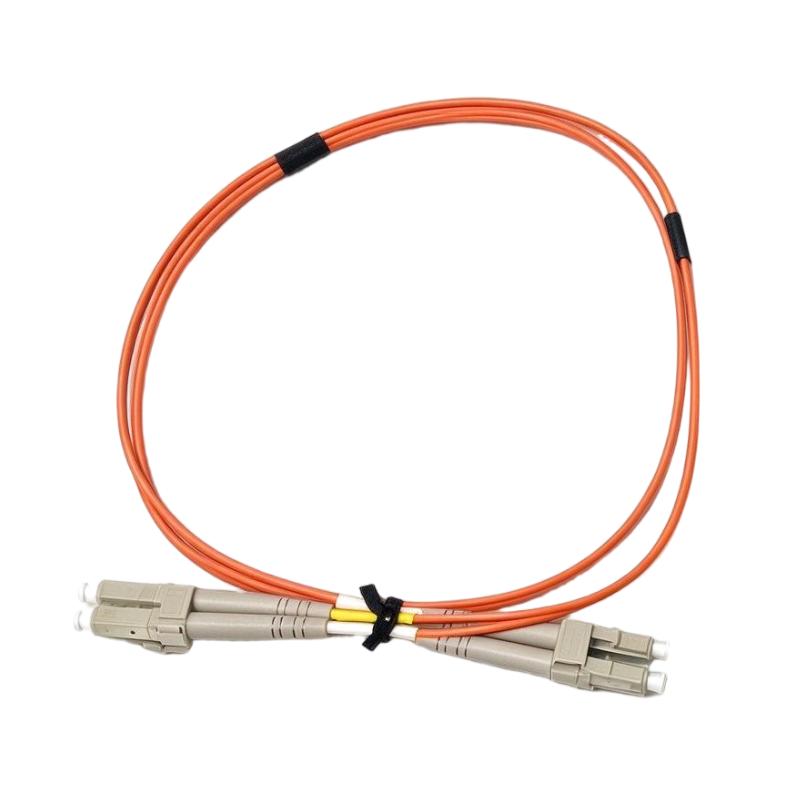
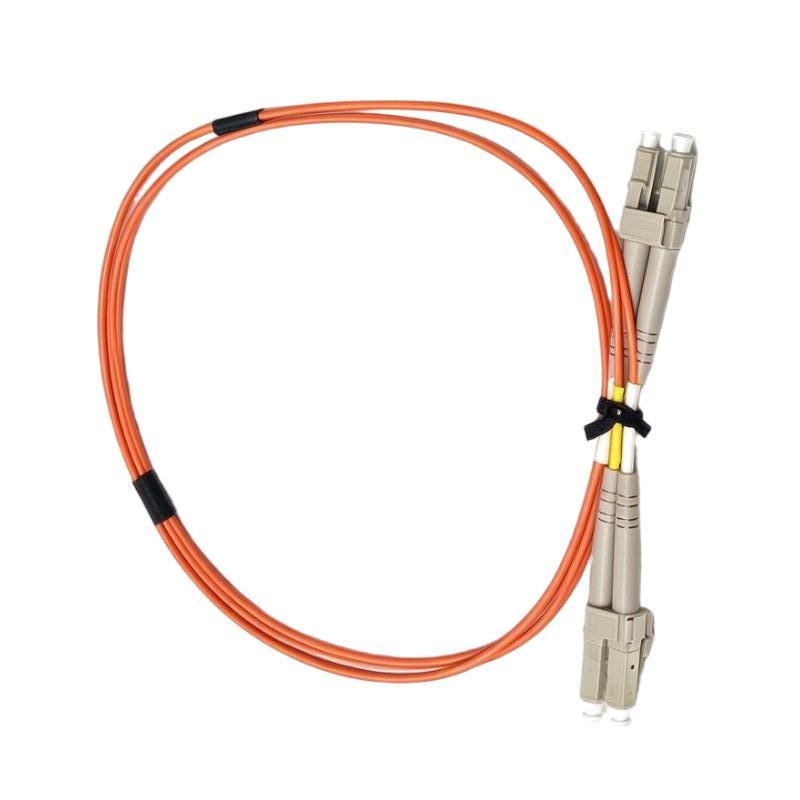
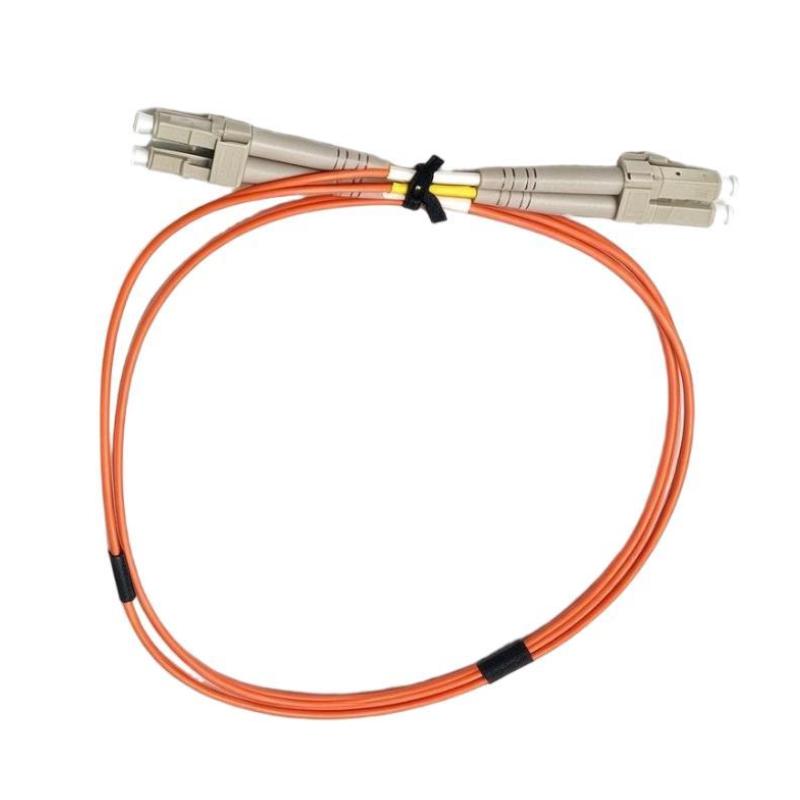
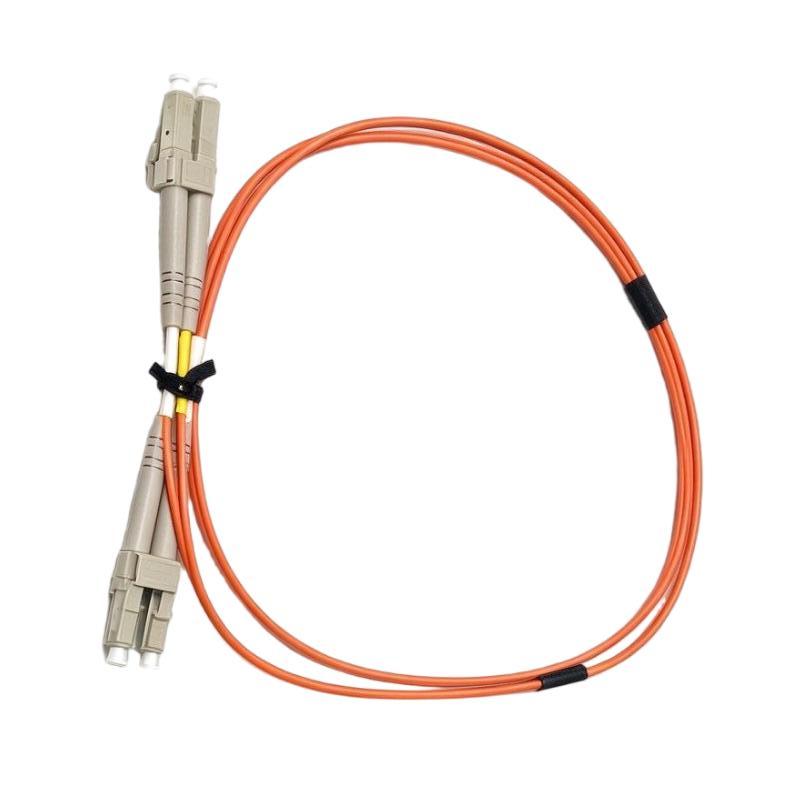
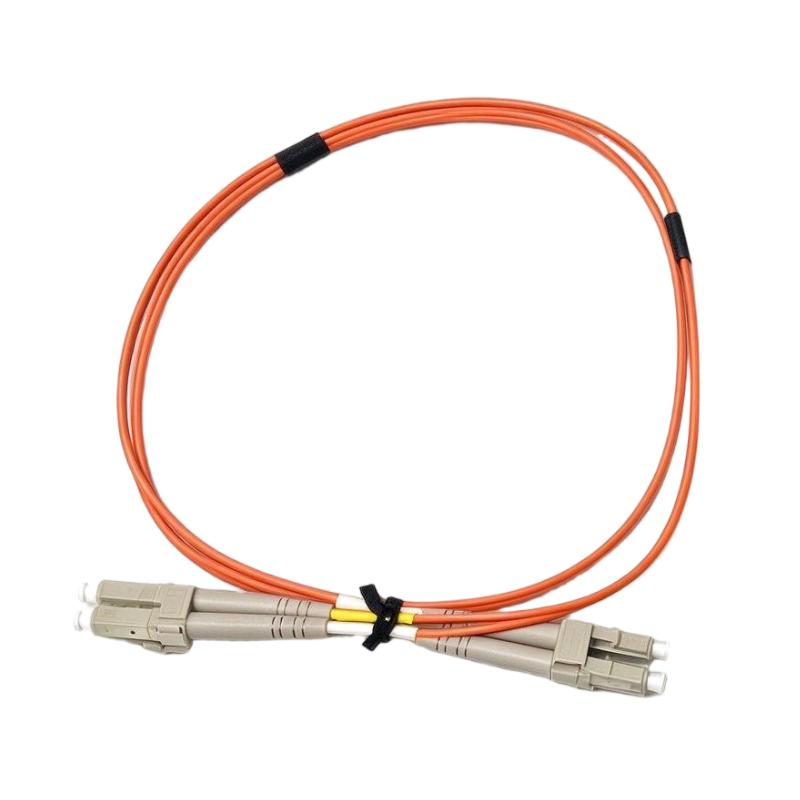
The Foxboro P0972UJ Cable is a fiber optic cable designed for use in compatible Foxboro I/A Series industrial control network installations. With a nominal length of 1 meter and LC connectors at both ends, it provides a short optical connection between supported network interfaces and related equipment.
In industrial automation, reliable communication between controllers, network switches, workstations, and other control-system components is essential for maintaining process visibility and coordinated operation. Fiber optic cabling supports data transmission using optical signals rather than electrical signals, making it useful in network installations where electromagnetic interference and electrical isolation are important considerations.
The P0972UJ is particularly relevant to maintenance, repair, and replacement work involving existing Foxboro control network infrastructure. Its specified length makes it suitable for short connections within network cabinets, equipment racks, and other installations where compatible LC optical interfaces are available.
Correct cable identification is important when sourcing industrial communication accessories. A cable with a similar length but a different connector type or fiber specification may not be compatible with the installed network equipment. Before ordering, users should verify the cable part number, connector arrangement, fiber type, and intended connection.
The listed shipping weight for this item is 3 kg. This value is treated as the supplied shipping parameter rather than the net weight of the fiber optic cable itself.
Technical Specifications
| Parameter | Specification |
|---|---|
| Brand | Foxboro |
| Product Model | P0972UJ |
| Product Type | Fiber Optic Cable / Optical Patch Cable |
| Application | Industrial control network communication |
| Compatible Platform | Foxboro I/A Series network installations |
| Cable Length | 1 meter |
| Connector Type | LC to LC |
| Transmission Medium | Multimode optical fiber |
| Installation Environment | Control cabinets, equipment racks, and compatible network installations |
| Dimensions | Not specified; verify cable packaging dimensions if required |
| Shipping Weight Provided | 3 kg |
| Primary Function | Optical data transmission between compatible interfaces |
Note: Confirm the exact fiber specification and connector condition against the installed equipment requirements before use. The supplied 3 kg figure is the shipping weight and should not be interpreted as the cable’s net weight.
Function and Working Principle
The Foxboro P0972UJ uses optical fiber to transmit data between compatible communication interfaces. Instead of carrying data as electrical voltage changes through copper conductors, the cable carries modulated light through an optical fiber.
1. Optical Data Transmission
At the transmitting interface, electronic data is converted into optical signals. The light travels through the fiber and is converted back into electrical data by the receiving interface.
This process supports communication between compatible network devices without requiring a direct conductive electrical connection through the cable.
2. LC Connector Interface
The P0972UJ is identified as an LC-to-LC fiber optic cable. LC connectors are compact optical connectors commonly used in network equipment where space is limited.
Correct connector alignment and clean optical contact surfaces are important for maintaining signal quality. Contamination, damaged connector ends, or excessive cable bending can increase optical loss and cause communication problems.
3. Multimode Fiber Communication
The P0972UJ is listed among Foxboro’s 1-meter multimode fiber cables with LC connectors. Multimode fiber is used in suitable short-distance optical links, with performance depending on the fiber specification and the connected optical interfaces.
The cable must match the optical characteristics supported by the transmitting and receiving equipment. Connector compatibility alone does not guarantee that two devices can communicate successfully.
4. Electrical Isolation and Noise Resistance
Because optical fiber carries light rather than electrical current, it does not create the same conductive path as copper communication cabling. This can help isolate connected equipment electrically and reduce susceptibility to electromagnetic interference traveling through the cable.
These characteristics are useful in industrial environments containing motors, variable frequency drives, contactors, and other electrically noisy equipment. Overall network performance still depends on correct installation, suitable optical interfaces, and properly configured communication equipment.
Role in Industrial Control Systems
The P0972UJ can support communication links within compatible Foxboro I/A Series control network installations. Its exact role depends on the network architecture and the optical interfaces provided by the connected devices.
Control Network Connectivity
Industrial distributed control systems rely on communication links to exchange information between control processors, network equipment, operator workstations, and other system components.
A suitable optical patch cable provides the physical communication path between compatible LC ports. The cable does not perform control logic or process-data conversion independently; those functions are handled by the connected devices.
Cabinet-Level Connections
The 1-meter cable length can be useful where optical ports are positioned close together, such as within a control cabinet or equipment rack. A suitable short cable can help keep the installation organized and reduce unnecessary cable slack.
The actual routing path should be checked before ordering to ensure the cable reaches the intended ports without excessive tension or bending.
Network Maintenance and Replacement
During maintenance, a damaged or contaminated optical cable can contribute to intermittent communication, increased signal loss, or complete link failure.
Replacing the cable with the correct part number and optical specification can help restore the physical communication path. Before replacement, technicians should also inspect the connectors, optical ports, and surrounding network equipment to identify other potential causes of communication faults.
Industrial Applications
1. Distributed Control Systems
The P0972UJ may be used in compatible Foxboro I/A Series DCS network installations where a short LC-to-LC optical connection is required.
Such connections can support communication between network components, subject to the optical specifications and topology of the installed system.
2. Industrial Network Cabinets
Control cabinets often contain switches, interface equipment, and other communication hardware arranged within a limited space. A 1-meter fiber optic cable can provide a practical connection between nearby optical ports.
Cable routing should preserve the manufacturer’s minimum bend radius and prevent the cable from being compressed by cabinet doors or adjacent components.
3. Process Automation Facilities
Industries such as chemical processing, oil and gas, power generation, and manufacturing may use distributed control systems to coordinate continuous or batch processes.
Where compatible Foxboro optical network equipment is installed, the P0972UJ may be relevant to communication infrastructure maintenance and spare-parts inventory.
4. Network Equipment Replacement
When replacing a network device or reorganizing a control cabinet, technicians may need to reconnect existing optical links. The P0972UJ can be considered when the required connection is 1 meter and the connected equipment supports the specified connector and fiber type.
A different length or fiber type may be required if the equipment layout or optical interface specifications differ.
5. Industrial Communication Troubleshooting
Optical cable inspection can form part of troubleshooting when a network link experiences intermittent errors or fails to establish a connection.
Technicians should verify connector cleanliness, cable integrity, link indicators, and the specifications of both optical interfaces. Cable replacement alone may not resolve a fault caused by a defective transceiver, incorrect configuration, or damaged network equipment.
Installation and System Integration
1. Verify Connector Compatibility
Confirm that both connected devices provide compatible LC optical ports. Check the required fiber type and optical interface specifications before installing the cable.
Do not assume that all LC connectors and multimode cables are interchangeable across every network device.
2. Inspect the Cable Before Installation
Check the cable jacket, connectors, and strain-relief areas for visible damage. Do not install a cable with cracked connectors, exposed fiber, severe kinks, or signs of crushing.
Keep optical connector end faces clean and protected until connection. Use suitable fiber optic inspection and cleaning tools where required.
3. Observe the Minimum Bend Radius
Fiber optic cables should not be bent more sharply than the manufacturer’s permitted bend radius. Excessive bending can increase signal attenuation or damage the optical fiber.
Route the cable away from sharp metal edges, moving components, and areas where it may be trapped or pulled.
4. Maintain Proper Cable Routing
In crowded control cabinets, secure the cable using appropriate cable-management accessories without applying excessive pressure. Keep it clear of door hinges and other moving parts.
Although optical fiber is resistant to electromagnetic interference, its routing must still account for mechanical protection, connector accessibility, and the installation requirements of adjacent equipment.
5. Confirm the Optical Link
After connecting the cable, verify that the relevant network devices recognize the optical link. Where the equipment provides link-status indicators or diagnostic information, check these to confirm the connection is functioning correctly.
If communication fails, inspect both cable ends and verify that the connected interfaces use compatible optical specifications.
6. Follow Industrial Maintenance Procedures
Before working on network equipment, follow the site’s applicable maintenance and isolation procedures. Avoid looking directly into an optical connector or fiber end when optical transmitters may be active.
Record the replacement part number and any diagnostic findings so that future maintenance personnel can identify the cable and its intended connection.
Compatible System Components
| Component | Function | Compatibility Considerations |
|---|---|---|
| Foxboro I/A Series network equipment | Provides industrial control communication | Confirm that the equipment supports the required optical interface |
| Industrial network switch | Connects network devices and communication links | Check port type, fiber type, and optical specifications |
| Optical transceiver | Converts electrical data to and from optical signals | Verify wavelength, fiber compatibility, and supported transmission range |
| Control processor or network interface | Exchanges control-system data | Confirm the exact optical port and system architecture |
| Fiber optic patch panel | Organizes and distributes optical connections | Verify LC connector type and the installed fiber infrastructure |
| Fiber cleaning tools | Remove contamination from connector end faces | Use tools appropriate for the connector and optical interface |
| Cable management accessories | Support and protect cable routing | Avoid excessive bending, tension, or compression |
The components listed above are examples of equipment that may be present in a compatible installation. They are not necessarily supplied with the P0972UJ cable.
Alternative Models and Replacement Considerations
When sourcing a replacement for the Foxboro P0972UJ, the connector type, fiber specification, and cable length should be treated as key selection criteria.
| Alternative | Key Consideration |
|---|---|
| Foxboro P0972TN | Listed as a 3-meter LC-to-LC multimode fiber cable; consider when a longer connection is required |
| Foxboro P0972TP | Listed as a 15-meter LC-to-LC multimode fiber cable |
| Foxboro P0972TQ | Listed as a 50-meter LC-to-LC multimode fiber cable |
| Foxboro P0972UN | A 0.5-meter optical cable variant; verify its specific application and configuration |
| Compatible third-party LC-to-LC multimode cable | Must match the required fiber specification, optical interfaces, and installation requirements |
A substitute should not be selected solely because it uses LC connectors. The fiber type, optical performance, connector condition, length, and requirements of the installed network equipment must all be considered.
Key Advantages
Compact One-Meter Length
The short cable length is useful for nearby optical connections within cabinets and equipment racks, provided the installed routing path is suitable.
LC-to-LC Connectivity
The cable provides an LC connector interface at both ends, supporting compatible optical ports.
Multimode Optical Communication
Its specified multimode fiber construction is suitable for optical links designed around compatible multimode interfaces.
Resistance to Electromagnetic Interference
Optical transmission avoids the conductive signal path used by copper communication cables, helping reduce susceptibility to electromagnetic interference transmitted through the cable itself.
Support for Legacy Control Systems
The P0972UJ is relevant to maintenance and replacement work involving existing Foxboro I/A Series network infrastructure.
Straightforward Replacement Identification
Using the exact part number helps maintenance teams distinguish the required cable from variants with different lengths or connector configurations.
Technical FAQs
1. What is the Foxboro P0972UJ?
The P0972UJ is a Foxboro fiber optic cable identified as a 1-meter LC-to-LC multimode cable for compatible industrial control network installations.
2. What is the cable length?
The specified cable length is 1 meter.
3. What connectors does the P0972UJ use?
It is listed with LC connectors at both ends. The connected equipment must support the required optical interface.
4. Is the P0972UJ suitable for every Foxboro DCS installation?
No. Suitability depends on the specific network equipment, optical ports, fiber requirements, and connection topology. Verify compatibility before installation.
5. Can it be used in an electrically noisy industrial environment?
Fiber optic transmission is resistant to electromagnetic interference traveling through a conductive cable path. However, proper connector handling, cable routing, and compatible optical hardware are still necessary.
6. Can a longer Foxboro cable replace the P0972UJ?
A longer cable may be suitable if the installation requires additional reach and the cable’s optical characteristics match the connected equipment. Excess cable length should be managed properly, and the required part number should be confirmed.
7. What is the shipping weight?
The supplied listing specifies a shipping weight of 3 kg. This should be treated as a shipping parameter rather than the cable’s net weight.
8. What should be checked when purchasing a replacement?
Verify the P0972UJ part number, cable length, LC connector condition, fiber type, product condition, and packaging. For used or surplus stock, request photographs and confirm that the connectors and cable jacket are undamaged.
9. What can cause a fiber optic connection to fail?
Potential causes include contaminated connectors, damaged fiber, excessive bending, incompatible optical interfaces, defective transceivers, or network configuration problems. Troubleshooting should examine both the physical cable and the connected equipment.
Procurement and Maintenance Recommendations
When purchasing the Foxboro P0972UJ, confirm that the part number matches the required 1-meter LC-to-LC multimode cable. Verify the condition of the connectors and cable jacket, especially when sourcing surplus or previously installed components.
For critical control networks, maintain suitable spare cables so that damaged links can be replaced promptly. Store spare fiber cables in clean, dry conditions and protect connector ends from dust and physical damage.
During maintenance, avoid pulling the cable by its connectors, exceeding the permitted bend radius, or allowing it to be pinched by cabinet doors. Use appropriate cleaning procedures before reconnecting optical interfaces.
If a network problem persists after cable replacement, check the connected ports, optical transceivers, link-status information, and network configuration. This helps distinguish a cable fault from a problem elsewhere in the communication path.
For shipping and inventory purposes, retain the supplied 3 kg shipping-weight value only where it reflects the actual packaged shipment. Confirm the final packed dimensions and weight with the supplier or logistics team before preparing freight documentation.
Conclusion
The Foxboro P0972UJ is a 1-meter LC-to-LC multimode fiber optic cable used for compatible Foxboro I/A Series industrial control network connections. Its main purpose is to provide a short optical communication path between supported network interfaces, including connections within control cabinets and equipment racks.
Correct selection depends on cable length, connector type, fiber specification, and compatibility with the connected optical hardware. By verifying the part number, protecting the connectors, following proper routing practices, and maintaining suitable spare parts, industrial teams can support reliable communication and efficient maintenance of existing control-system infrastructure.