

ProductPRODUCT
Featured products
Contact Us
- Foxboro
- P0972UN
- Fiber Optic Cable
- USA
- 0.5 meters
- 3 kg
- Xiamen, China
- New & In Stock
- T/T, PayPal, Western Union
- 1 Year
- 1-3 Working Days
- DHL, UPS, TNT, FedEx and EMS.
- 24-Hour Service
- COO
- 7
Our advantage

Global Logistics
We have a 10-year logistics and express cooperation agreement, so our products can be shipped to any place in the world.

Brand new and original
Our products are imported in bulk from the place of origin. Because of the cooperative relationship, our products are all original and 100% new.

24-hour service
We provide 7*24 hours service to our customers. We will be there whenever you need us.

Price advantage
All our products are priced very favorably because we have our own warehouse and supply.
| Company Information | |||
| [email protected] | |||
| Mobile | +8615980777398 | ||
| +8615980777398 | |||
| 15980777398 |
Product Overview
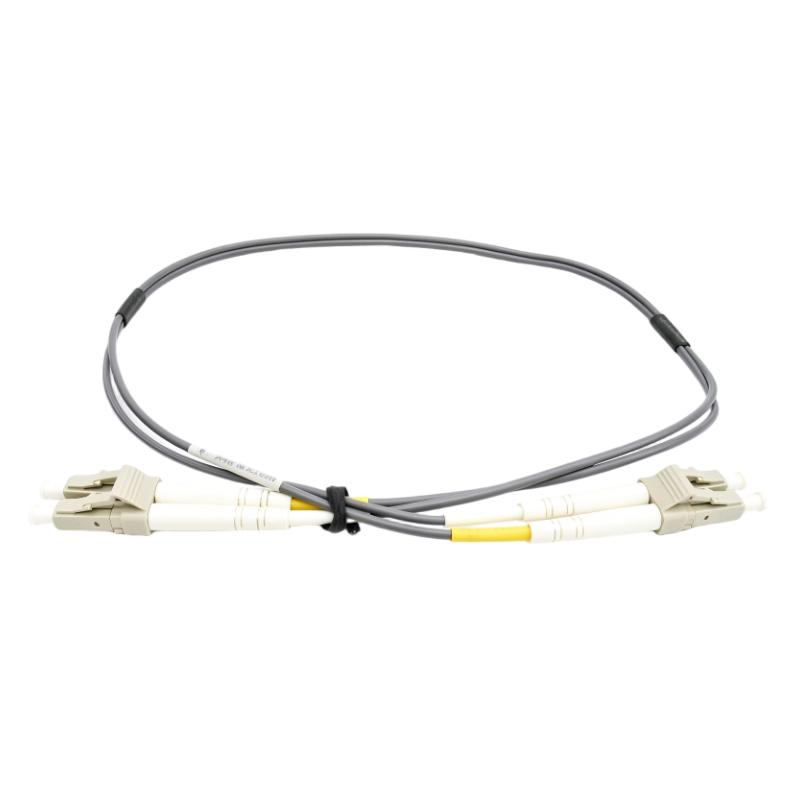
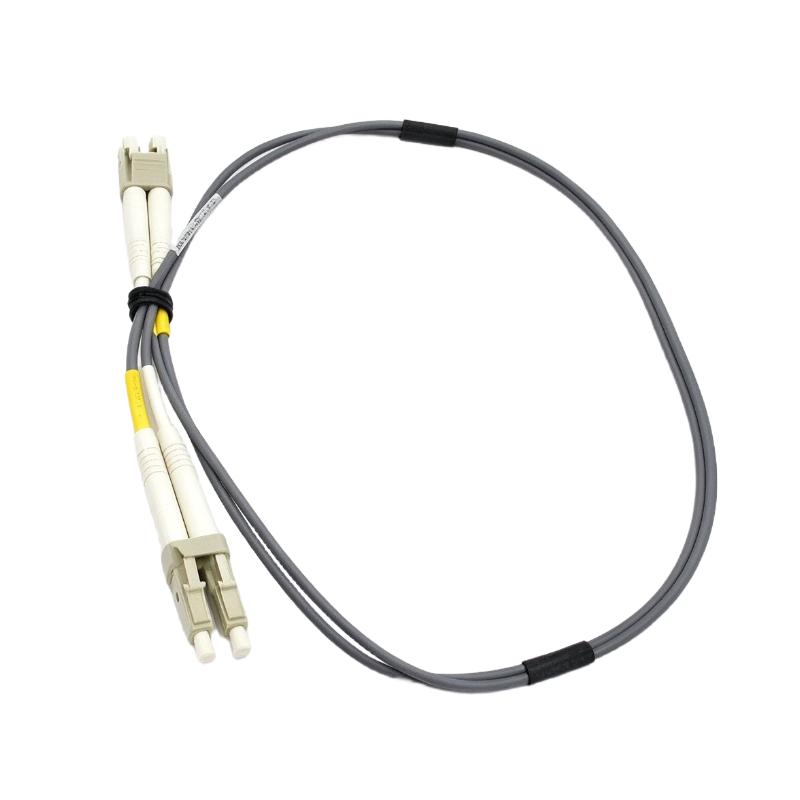
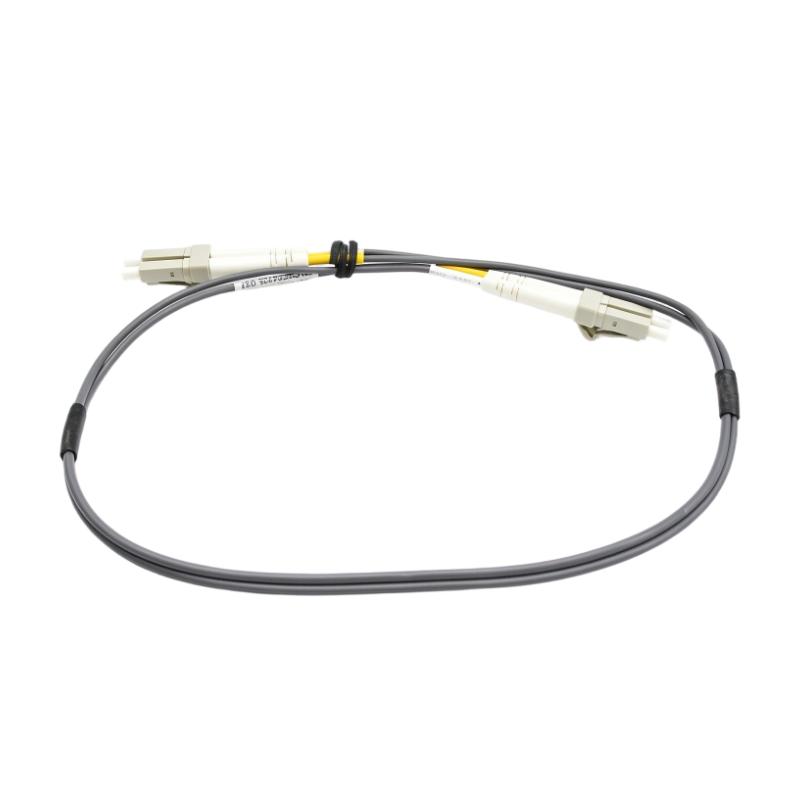
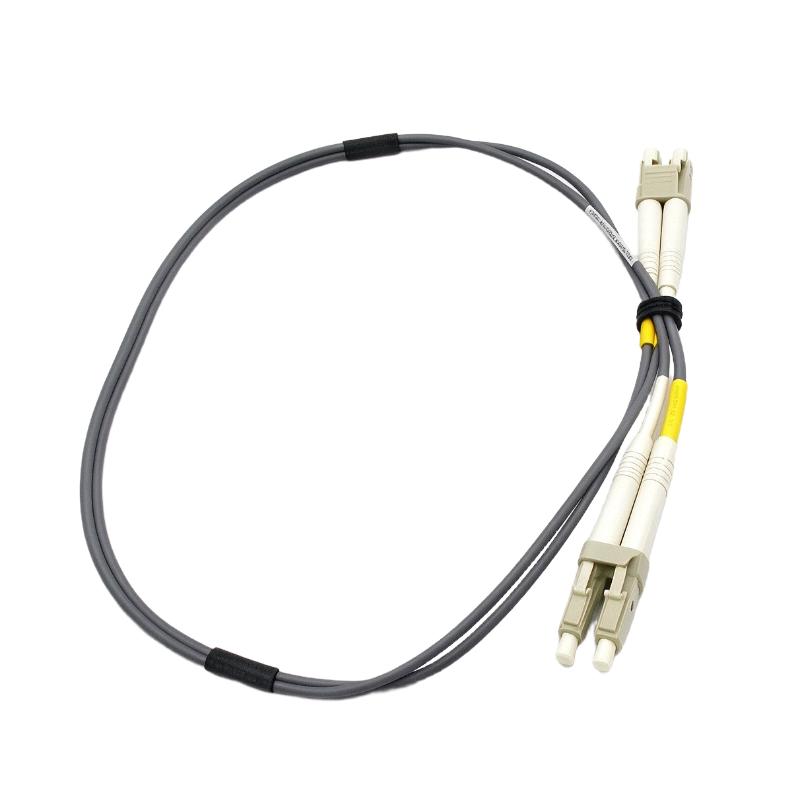
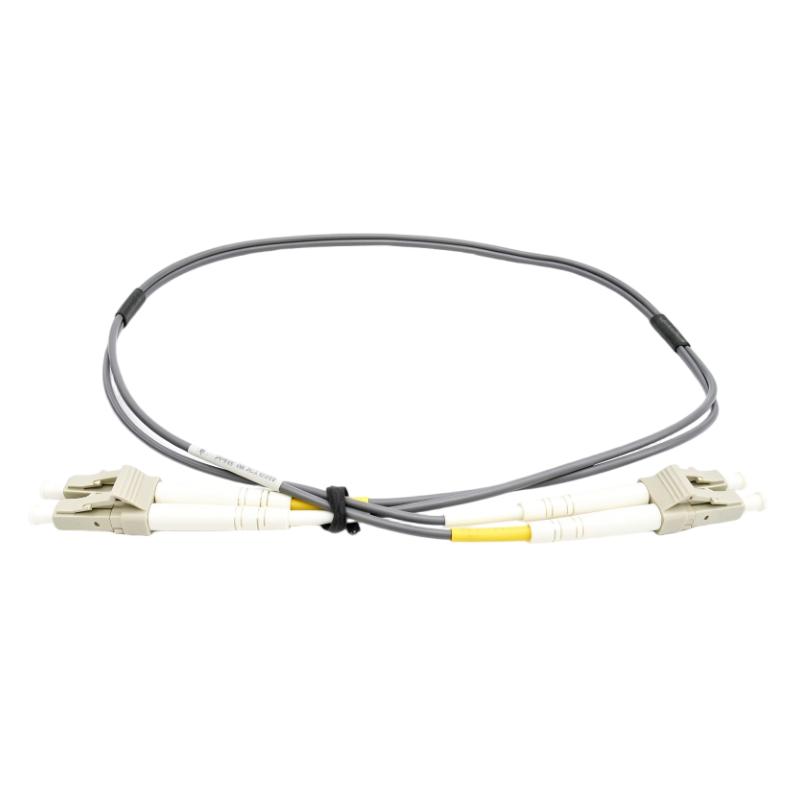
The Foxboro P0972UN Fiber Optic Cable is a short-distance optical jumper designed for communication connections in industrial automation and process control systems. With a cable length of 0.5 meters, LC-LC connectors, and a gray cable jacket, it is intended for compact installations where compatible network devices or optical interfaces are located close together.
Fiber optic communication is widely used in industrial control environments because optical signals are resistant to electromagnetic interference that can affect conventional copper communication cables. This characteristic is particularly valuable in facilities containing variable frequency drives, motors, power distribution equipment, and other sources of electrical noise.
The P0972UN is associated with Foxboro I/A Series control network installations. It can be used for compatible optical interconnections between designated network components, subject to the system’s cable requirements and connection diagrams. Its short length helps reduce excess cable inside control cabinets and network enclosures.
The cable is specified as a 62.5 μm multimode fiber jumper with LC-LC connections. The exact connector arrangement and fiber type should be checked against the equipment interface before installation, because optical cables that appear similar may differ in connector type, fiber construction, or intended application.
For industrial spare-parts procurement, the full part number P0972UN is important for identifying the correct cable. When replacing an existing jumper, technicians should also confirm the cable color, connector condition, required optical characteristics, and the destination ports.
Technical Specifications
| Parameter | Specification |
|---|---|
| Brand | Foxboro |
| Product Model | P0972UN |
| Product Type | Fiber Optic Cable / Optical Jumper |
| Cable Length | 0.5 m |
| Connector Type | LC-LC |
| Fiber Type | Multimode fiber |
| Core Diameter | 62.5 μm |
| Cable Construction | Zipcord fiber optic cable |
| Cable Color | Gray |
| Typical Application | Industrial control network interconnection |
| System Association | Foxboro I/A Series |
| Shipping Weight Provided | 3 kg |
| Net Cable Weight | Not independently verified |
| Installation Environment | Compatible control cabinets and network enclosures |
The 3 kg figure is the supplied shipping weight, not a verified net weight for the cable itself. Confirm the actual packed weight and package dimensions with the supplier when arranging transportation.
Function and Working Principle
The Foxboro P0972UN transfers digital information through optical signals rather than electrical signals. At the transmitting end, an optical interface converts electrical data into light pulses. These signals travel through the fiber and are converted back into electrical data by the receiving interface.
The cable itself does not process control logic or amplify communication signals. Its role is to provide the optical path between compatible devices.
1. Optical Data Transmission
Fiber optic cables transmit information using light guided through a fiber core. In a compatible multimode system, light can travel along multiple optical paths within the fiber.
The P0972UN’s 62.5 μm multimode construction is a key selection parameter. The cable must match the fiber type and optical interface specified for the connected equipment.
2. Electromagnetic Interference Resistance
Unlike copper signal conductors, the optical fiber does not carry electrical communication signals along its core. This makes the communication path resistant to electromagnetic interference induced by nearby power cables, motors, and switching equipment.
This characteristic can improve the reliability of communication links in electrically noisy industrial environments. However, overall network reliability also depends on the connected equipment, connector quality, installation practices, and correct system configuration.
3. Short-Distance Interconnection
The 0.5-meter length is intended for short optical links, such as connections within a cabinet or between nearby compatible network interfaces.
A short jumper helps keep the installation organized and limits unnecessary cable loops. It should not be stretched, sharply bent, or placed under tension to compensate for an unsuitable cable route.
4. Connector-Based Optical Coupling
The LC connectors provide the mechanical interface between the cable and compatible optical ports or adapters. Correct connector engagement and clean optical end faces are essential for maintaining signal quality.
Dust, scratches, or contamination on an optical connector can increase insertion loss and cause communication errors. Proper inspection and fiber-cleaning procedures should be followed before mating connectors.
Role in Industrial Control Systems
The P0972UN can serve as a physical communication link in a distributed industrial control network. Such networks connect controllers, communication interfaces, switches, and other system components so that process data and control information can be exchanged.
Foxboro I/A Series Network Connections
Foxboro I/A Series installations may use fiber optic jumpers to connect compatible network components. The P0972UN is associated with the system’s short LC-LC optical connections and is identified in relevant network documentation for gray A Bus cabling.
The exact connection depends on the installed network architecture. Engineers should consult the system wiring diagrams and verify the port assignment before connecting the cable.
Controller and Network Equipment Interconnection
In an industrial control network, optical links may connect network equipment with compatible optical interfaces. These links can support communication between designated control-system components without introducing an electrical signal path through the fiber itself.
The P0972UN should only be connected to ports that support the required connector and multimode fiber specifications. It is not a universal cable for every Foxboro controller or Ethernet interface.
Redundant Network Arrangements
Some industrial control networks use redundant communication paths to improve availability. In these systems, different cables may serve separate network paths or designated A and B connections.
Where the P0972UN is used in a redundant architecture, the installation must follow the system’s cable-color conventions, port assignments, and network design. A single jumper does not itself provide redundancy.
Industrial Applications
1. Distributed Control Systems
Distributed control systems rely on communication links between controllers, network equipment, operator stations, and process interfaces. A compatible short optical jumper can support connections between nearby optical ports in a control-system installation.
The P0972UN is particularly relevant where the existing Foxboro network design specifies this cable type.
2. Process Automation Facilities
Industries such as chemical processing, energy production, and general manufacturing may use distributed control systems to monitor and regulate continuous or batch processes.
Fiber optic connections can help maintain reliable communication in environments where electrical noise is a concern. Cable selection must still match the network’s optical specifications and environmental requirements.
3. Control Cabinet Interconnections
The 0.5-meter length is useful for short connections within compact control cabinets and network enclosures. Its relatively short routing path can simplify cable management and reduce excess cable around network equipment.
Technicians should ensure that the cable is routed without excessive bending, pinching, or mechanical tension.
4. Industrial Network Maintenance
During maintenance, a failed or damaged optical jumper may need to be replaced to restore communication. Keeping correctly identified spare cables can help reduce downtime when the existing network documentation specifies the P0972UN.
Before replacement, confirm that the cable is the cause of the fault rather than a defective optical port, contaminated connector, or unrelated network problem.
5. Legacy Automation System Support
Industrial facilities may continue operating established Foxboro I/A Series systems for many years. Maintaining the correct cable type is important when repairing existing infrastructure or sourcing replacement components for legacy installations.
The P0972UN should be evaluated against the original system documentation rather than substituted solely because another cable has the same length or connector shape.
Installation and System Integration
1. Verify Connector and Fiber Compatibility
Before installation, confirm that both connection points use compatible LC interfaces and support the specified 62.5 μm multimode fiber.
Do not assume that every LC-LC cable is interchangeable. Single-mode and multimode cables, different connector end-face types, and different optical system requirements can affect compatibility.
2. Inspect the Cable and Connectors
Check the cable jacket for cuts, crushing, kinks, or other physical damage. Inspect the connector housings and follow approved procedures for examining and cleaning optical end faces.
Never look directly into an optical connector or fiber end. The connected equipment may emit invisible optical radiation.
3. Observe Minimum Bend Radius
Avoid tight bends, sharp corners, and cable routing that places stress on the connectors. Excessive bending can increase optical loss or damage the fiber.
Follow the applicable cable manufacturer’s bend-radius guidance. Secure the cable using suitable cable-management accessories without crushing the jacket.
4. Route the Cable Correctly
Route the jumper so that it does not interfere with cabinet doors, moving components, ventilation paths, or routine maintenance access.
Keep it protected from abrasion and mechanical impact. Although fiber is resistant to electromagnetic interference, the cable jacket and connectors still require appropriate physical protection.
5. Connect and Verify the Link
Connect the cable to the designated optical ports and confirm that the connectors are fully seated. After installation, check the communication status of the connected equipment.
If communication does not recover, inspect connector cleanliness, port assignments, cable condition, and the equipment’s optical compatibility before replacing additional components.
6. Document the Connection
For systems with A and B network paths or other designated communication channels, record the cable’s source port, destination port, and network assignment.
Clear documentation reduces the risk of connecting a replacement cable to the wrong interface during maintenance.
Compatible System Components
The P0972UN is a passive cable and requires compatible optical interfaces at both ends.
| Component Type | Function | Compatibility Considerations |
|---|---|---|
| Foxboro I/A Series network equipment | Exchanges control-system data | Follow the system’s designated cable and port requirements |
| Compatible optical network interface | Transmits or receives optical signals | Verify LC connector type and multimode fiber compatibility |
| Industrial network switch | Connects compatible network devices | Confirm the switch port’s optical specifications |
| Fiber optic adapter or coupler | Provides an appropriate optical connection interface | Confirm connector compatibility and optical performance |
| Control cabinet | Houses network and automation components | Provide suitable cable routing and physical protection |
| Fiber inspection and cleaning tools | Help maintain clean optical connectors | Use procedures appropriate for LC connectors |
| Optical test equipment | Checks optical continuity or signal loss | Select equipment suitable for the installed fiber and connector type |
These are examples of equipment used in optical communication installations. They are not included with the P0972UN unless explicitly stated in the supplier’s product listing.
Alternative Models and Replacement Considerations
When replacing the P0972UN, select a cable based on the required fiber type, connector interface, cable length, and network application rather than physical appearance alone.
| Alternative Cable | General Difference | Replacement Consideration |
|---|---|---|
| Foxboro P0972UJ | 1 m LC-LC jumper | Consider only if the required connection length and routing allow it |
| Foxboro P0972TN | 3 m LC-LC jumper | Provides a longer routing length; verify the optical requirements |
| Foxboro P0972TP | 15 m LC-LC jumper | Intended for a longer connection than the P0972UN |
| Foxboro P0972TQ | 50 m LC-LC jumper | Suitable only where the specified network architecture requires this length |
| Foxboro P0972VG | 0.5 m LC-LC jumper, orange | A different cable designation and color; confirm its assigned network use before substitution |
The alternatives above are not automatically interchangeable. In particular, the P0972UN and P0972VG are distinguished by their cable colors and designated network use in relevant Foxboro documentation.
Before choosing a substitute, verify:
- The complete part number.
- Connector type at both ends.
- Multimode or single-mode fiber requirement.
- Fiber core specification.
- Required cable length.
- Cable color and designated network path.
- Optical loss requirements.
- Routing and bend-radius constraints.
For a legacy control system, the original cable part number and system documentation should take priority over a generic cable description.
Key Advantages
Compact 0.5-Meter Length
The short cable length is useful for connecting nearby optical interfaces in control cabinets and network enclosures without excessive cable loops.
LC-LC Connector Interface
The cable uses LC connectors at both ends, allowing connection to compatible optical interfaces without requiring a different connector format.
Multimode Fiber Construction
Its 62.5 μm multimode fiber construction supports optical links designed for that fiber specification.
Resistance to Electromagnetic Interference
Optical signal transmission avoids the electrical coupling problems associated with conventional copper signal conductors, making fiber useful in industrial environments with electrical noise.
Support for Existing Foxboro Installations
The P0972UN is associated with Foxboro I/A Series network cabling, making correct identification valuable for maintenance and spare-parts planning.
Simplified Cabinet Cable Management
A correctly sized jumper helps keep optical connections organized and reduces unnecessary cable length around adjacent devices.
Technical FAQs
1. What is the Foxboro P0972UN?
The Foxboro P0972UN is a 0.5-meter fiber optic jumper cable with LC-LC connectors and 62.5 μm multimode fiber. It is associated with compatible Foxboro industrial control network installations.
2. How long is the P0972UN cable?
Its specified cable length is 0.5 meters.
3. What connectors does it use?
The P0972UN uses LC-LC connectors. Both ends must match the optical interfaces specified for the connected equipment.
4. Is the P0972UN a multimode or single-mode cable?
It is specified as a 62.5 μm multimode fiber cable. It should not be substituted with a single-mode cable unless the equipment and network documentation explicitly support that change.
5. Where is the P0972UN used?
It is associated with Foxboro I/A Series control network connections, including designated short optical interconnections. The exact use depends on the installed network architecture.
6. Can it be used with any LC optical port?
No. Matching the connector alone is insufficient. The fiber type, optical interface specifications, and intended network application must also be compatible.
7. What is the difference between P0972UN and P0972VG?
Both are documented as 0.5-meter LC-LC fiber jumpers, but their cable colors and designated network applications differ. Confirm the required part number and network assignment before substitution.
8. What is the shipping weight of the P0972UN?
The supplied shipping weight is 3 kg. This should be treated as a packaging or logistics figure rather than the verified net weight of the cable itself.
9. How should the cable be maintained?
Keep the connectors clean, protect the cable from crushing and sharp bends, and use suitable inspection and cleaning procedures. Replace the cable if the jacket or connectors are damaged or if testing indicates a cable-related optical fault.
10. Is the P0972UN suitable for legacy system maintenance?
It may be suitable when the original installation specifies this exact cable. Confirm the complete part number and network requirements before purchasing or installing a replacement.
Procurement and Maintenance Recommendations
When purchasing the Foxboro P0972UN, verify the complete part number, 0.5-meter length, LC-LC connector arrangement, and 62.5 μm multimode fiber specification. These details are more important than appearance alone when selecting an optical cable for an existing control network.
For maintenance stock, retain the original cable identification and document which network path or device ports it connects. Where a system uses designated A and B paths, preserve the original color coding and connection assignments.
Inspect used or surplus cables carefully. Check the jacket, strain reliefs, connector housings, and optical end faces. For critical installations, use appropriate optical testing to confirm that the cable meets the requirements of the intended link.
For shipping and inventory purposes, the supplied 3 kg figure should be recorded as shipping weight until the actual packaged item is weighed. This avoids confusing cable net weight with the weight of the parcel and protective packaging.
Because legacy control networks can have specific optical requirements, do not substitute a generic LC-LC jumper without checking fiber type, core size, length, connector condition, and the system’s documented cable assignment.
Conclusion
The Foxboro P0972UN Fiber Optic Cable is a 0.5-meter LC-LC multimode optical jumper with a 62.5 μm fiber specification and gray jacket. It is associated with Foxboro I/A Series industrial control network connections and is intended for short-distance interconnections between compatible optical interfaces.
Its compact length supports organized cabinet wiring, while optical transmission provides resistance to electromagnetic interference along the communication path. For procurement and replacement, verify the full part number, connector type, fiber specification, and network assignment. The supplied 3 kg value should be treated as shipping weight rather than confirmed cable net weight.