

ProductPRODUCT
Featured products
Contact Us
- Foxboro
- P0972ZQ
- Fiber Optic Cable
- USA
- 0.25 meters
- 3 kg
- Xiamen, China
- New & In Stock
- T/T, PayPal, Western Union
- 1 Year
- 1-3 Working Days
- DHL, UPS, TNT, FedEx and EMS.
- 24-Hour Service
- COO
- 7
Our advantage

Global Logistics
We have a 10-year logistics and express cooperation agreement, so our products can be shipped to any place in the world.

Brand new and original
Our products are imported in bulk from the place of origin. Because of the cooperative relationship, our products are all original and 100% new.

24-hour service
We provide 7*24 hours service to our customers. We will be there whenever you need us.

Price advantage
All our products are priced very favorably because we have our own warehouse and supply.
| Company Information | |||
| [email protected] | |||
| Mobile | +8615980777398 | ||
| +8615980777398 | |||
| 15980777398 |
Product Overview
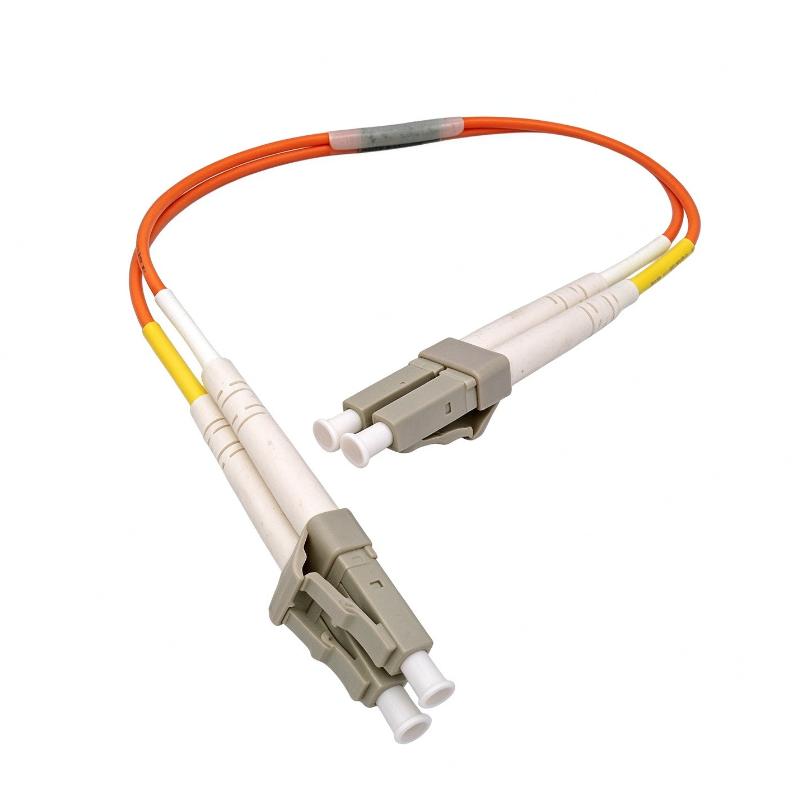
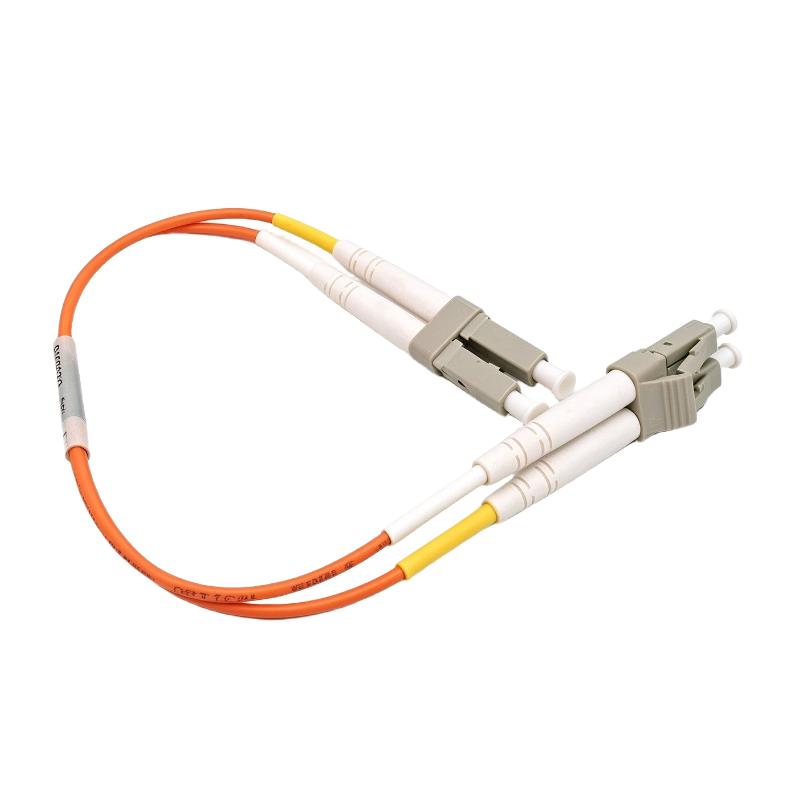
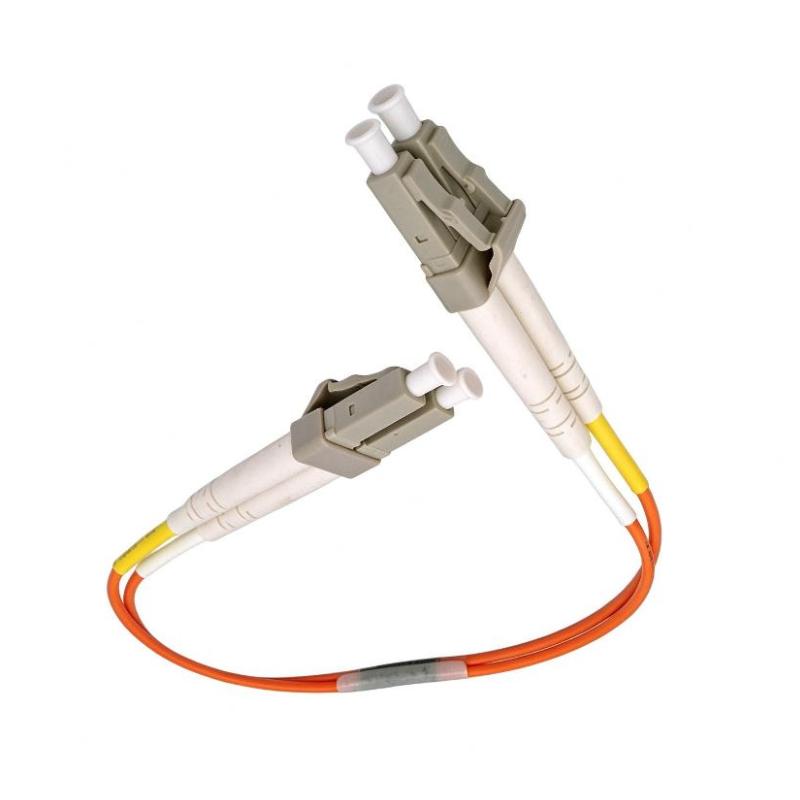
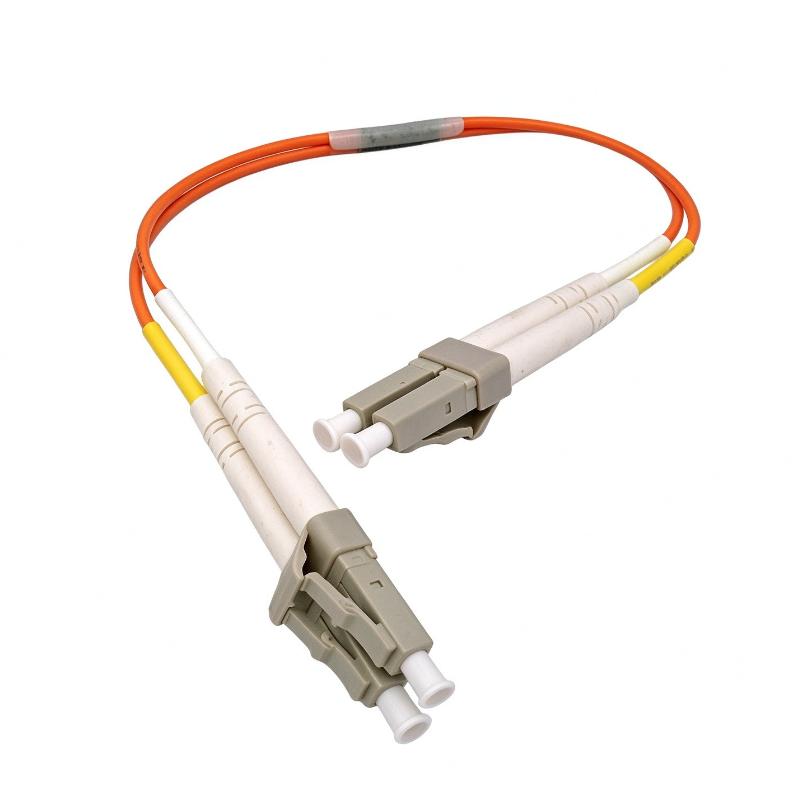
The Foxboro P0972ZQ Fiber Optic Cable is a compact optical jumper designed for connectivity within compatible Foxboro industrial control network installations. With a cable length of 0.25 meters and LC-to-LC connectors, it is suitable for short-distance optical connections between compatible network components installed in control cabinets or equipment enclosures.
Foxboro industrial automation systems use communication networks to exchange data between controllers, field communication modules, network switches, and other control-system components. Fiber optic connections can provide reliable data transmission while offering electrical isolation between connected devices. They can also help reduce susceptibility to electromagnetic interference in electrically noisy industrial environments.
The P0972ZQ is associated with the Foxboro I/A Series control network infrastructure. Its short length makes it particularly relevant to installations where network components are mounted close together and a longer cable would create unnecessary slack or complicate cable management.
In industrial automation applications, selecting the correct optical cable involves more than matching its length. Connector type, fiber compatibility, optical interface requirements, cable routing, and the intended network architecture must also be considered. The P0972ZQ should therefore be selected according to the requirements of the installed Foxboro system rather than treated as a universal fiber optic patch cable.
This product is relevant to maintenance, spare-parts replacement, control cabinet refurbishment, and network restoration projects involving compatible Foxboro equipment. Before ordering, users should confirm the complete part number and connector arrangement against the existing installation.
Technical Specifications
| Parameter | Specification |
|---|---|
| Brand | Foxboro |
| Product Model | P0972ZQ |
| Product Type | Fiber Optic Cable / Optical Jumper Cable |
| Cable Length | 0.25 m |
| Connector Type | LC-to-LC |
| Application | Industrial control network connectivity |
| System Association | Foxboro I/A Series control network |
| Typical Installation | Control cabinets and network equipment enclosures |
| Transmission Medium | Optical fiber |
| Shipping Weight Provided | 3 kg |
| Product Condition | Confirm with supplier |
| Compatibility | Must match the installed optical interfaces and network requirements |
Note: The 3 kg figure is the supplied shipping weight, not a verified cable-only weight. Confirm the fiber type, connector polish, optical specifications, and packaging details before purchase.
Function and Working Principle
The Foxboro P0972ZQ provides an optical communication path between compatible devices. Instead of transmitting information through electrical current in copper conductors, a fiber optic link carries data as light through an optical fiber.
This transmission method is useful in industrial systems where electrical noise, grounding differences, and communication reliability are important considerations.
1. Optical Data Transmission
A compatible optical transmitter converts electrical data into optical signals. The light travels through the fiber and reaches a compatible receiver, which converts the signal back into an electrical representation for the receiving device.
The cable itself does not process control data or perform switching functions. It provides the physical medium required for communication between compatible optical interfaces.
2. LC-to-LC Connectivity
The P0972ZQ uses LC-to-LC connections. LC connectors are compact optical connectors commonly used where equipment has limited panel or rack space.
Correct connector alignment and cleanliness are essential for maintaining optical performance. Dust, scratches, contamination, or damaged connector surfaces can increase insertion loss and lead to intermittent or failed communication.
Before connecting the cable, verify that both devices use compatible LC optical interfaces. Connector shape alone does not establish compatibility because the optical fiber type and interface specifications must also match.
3. Electrical Isolation
Fiber optic communication does not conduct electrical current between the optical endpoints through the fiber itself. This can help isolate communication paths from certain electrical disturbances and grounding differences.
The cable does not replace the grounding, surge protection, or electrical safety measures required by the rest of the control system. Those requirements must still be addressed according to the installation design.
4. Electromagnetic Interference Resistance
Industrial environments may contain variable frequency drives, motors, contactors, switching power supplies, and other equipment that generates electromagnetic interference.
Optical transmission is inherently resistant to electromagnetic interference along the fiber itself. This makes fiber links useful in suitable industrial network architectures where communication reliability is important.
The overall network’s reliability still depends on the optical interfaces, cable condition, installation practices, and configuration of the connected equipment.
Role in Foxboro Industrial Control Systems
The P0972ZQ can support physical connectivity within compatible Foxboro I/A Series control network installations. In a distributed control system, network connections carry information between control processors, communication modules, and other system devices.
1. Control Network Connectivity
A distributed control system relies on communication links to transfer process data, status information, alarms, and control-related messages.
A correctly specified optical jumper provides the physical connection required between compatible optical ports. The precise role of the P0972ZQ depends on the installed network layout and the equipment to which it is connected.
2. Control Cabinet Interconnection
Control cabinets often contain network switches, communication equipment, interface modules, and other devices installed within a limited space.
A 0.25-meter cable can be useful when compatible connection points are close together. The short length helps limit excess cable and can simplify routing inside a cabinet.
Engineers should still allow sufficient slack for maintenance and ensure that the cable is not bent, pinched, or placed under mechanical tension.
3. Network Maintenance and Restoration
During maintenance, a damaged or contaminated fiber jumper may interrupt communication between connected devices. Replacing the cable with a correctly specified part can help restore the physical connection.
Before replacement, maintenance personnel should determine whether the fault originates from the cable, connector contamination, an optical interface, or another network component. Replacing a cable without checking the full communication path may not resolve the underlying problem.
4. Support for Existing Automation Infrastructure
Older industrial control systems may remain in service for many years because process equipment, software, and field wiring are closely integrated.
Maintaining compatible spare cables can reduce downtime when a physical connection needs repair. Accurate part-number identification is especially important when servicing legacy installations.
Industrial Applications
1. Distributed Control Systems
The P0972ZQ may be used in compatible Foxboro I/A Series DCS network installations where a short LC-to-LC optical connection is required.
DCS communication links help connect the components responsible for process monitoring, control, and operational coordination. The correct cable must match the specific optical interfaces and network design.
2. Industrial Network Cabinets
Short optical jumpers are useful in cabinets containing closely mounted network switches, optical interfaces, or communication modules.
The 0.25-meter length can help reduce excess cable within a confined enclosure. Proper routing remains important to prevent excessive bending and connector stress.
3. Process Automation Facilities
Industries such as chemical processing, oil and gas, power generation, water treatment, and general manufacturing may operate distributed control systems that depend on reliable communication infrastructure.
The P0972ZQ is relevant to these environments when used as part of a compatible Foxboro network installation. Its application should not be assumed to extend to every industrial fiber network.
4. Control System Refurbishment
During cabinet refurbishment or network maintenance, existing optical jumpers may need replacement because of physical damage, contamination, or changes to equipment layout.
Using the correct connector type and optical specification helps preserve the intended communication arrangement and avoids introducing an incompatible cable.
5. Spare-Parts Inventory
Industrial maintenance departments often stock critical network components to support rapid repairs.
The P0972ZQ may be included in a spare-parts inventory for facilities operating compatible Foxboro equipment. Inventory records should distinguish the cable’s part number, cable length, connector type, and packaging or shipping weight.
Installation and System Integration
Proper installation is essential for maintaining optical signal quality and preventing avoidable communication faults.
1. Verify the Part Number
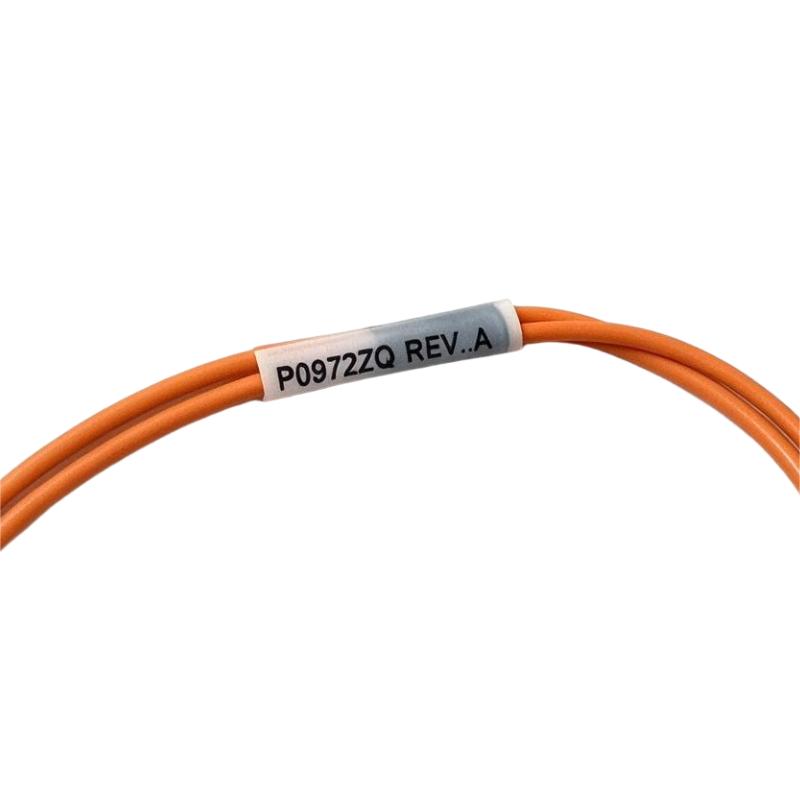
Confirm that the cable is marked P0972ZQ and that its connector configuration matches the intended application.
Do not select a substitute solely because it has LC connectors or a similar length. The optical fiber type and equipment requirements must also match.
2. Inspect the Connectors
Inspect both connector ends for visible damage or contamination before installation.
Use suitable fiber optic inspection and cleaning tools. Avoid touching the optical end faces, and never look directly into an active optical port or fiber end.
Connector contamination can cause high insertion loss, unstable communication, or damage during mating.
3. Follow Cable-Bend Requirements
Fiber optic cables have minimum bend-radius limits that depend on their construction. Bending the cable too sharply can increase optical loss or damage the fiber.
Route the P0972ZQ without tight loops, crushing, twisting, or excessive tension. Secure it so that cabinet doors, cable ties, or nearby components do not apply damaging pressure.
4. Confirm Optical Compatibility
Check the optical interface specifications of both connected devices. Confirm the fiber type, connector compatibility, and any relevant transmission requirements.
A physical connector match does not guarantee that the cable is optically suitable for the equipment.
5. Maintain Correct Cable Routing
Keep the cable away from sharp edges, hot surfaces, moving components, and locations where routine maintenance could damage it.
Use appropriate cable guides and avoid overly tight cable ties. A neat routing arrangement can improve serviceability and reduce the risk of accidental disconnection.
6. Verify Communication After Installation
After connecting the cable, inspect the connection and verify the network status using the relevant equipment diagnostics.
If communication does not return, check connector seating, cleanliness, cable condition, optical interface status, and the connected devices. Where appropriate, use suitable optical test equipment to investigate signal loss.
Compatible System Components
The P0972ZQ is a passive optical cable. It must be used with equipment that supports the required optical connection.
| Component | Function | Compatibility Considerations |
|---|---|---|
| Foxboro control network equipment | Exchanges control and system data | Confirm the exact network architecture and optical interface |
| Compatible optical network switch | Routes network traffic through optical ports | Verify connector, fiber type, and optical specifications |
| Foxboro communication module | Provides communication between system components | Confirm that the specific module supports the intended fiber connection |
| Optical splitter or combiner | Distributes or combines optical connections in supported network layouts | Follow the approved Foxboro cabling diagram for the system |
| Control cabinet | Houses network and control components | Provide suitable routing and cable protection |
| Fiber inspection tools | Help identify connector contamination or damage | Use tools suitable for the connector type |
| Fiber cleaning supplies | Remove contamination from connector end faces | Use approved fiber optic cleaning methods |
| Optical test equipment | Helps assess optical signal quality | Select equipment suitable for the installed fiber and interface |
These components are examples of equipment that may be present in a compatible installation. They are not necessarily included with the P0972ZQ cable.
Alternative Models and Replacement Considerations
When replacing the P0972ZQ, the cable length, connector type, fiber characteristics, and system architecture should all be considered.
| Alternative or Related Option | Replacement Considerations |
|---|---|
| Foxboro P0972UJ | A related LC-to-LC cable listed at 1.0 m; verify the optical specifications and intended use |
| Foxboro P0972TN | A related LC-to-LC cable listed at 3 m; check whether the extra length is suitable |
| Foxboro P0972TP | A related LC-to-LC cable listed at 15 m; confirm the installation requirements |
| Foxboro P0972TQ | A related LC-to-LC cable listed at 50 m; verify the intended application and optical characteristics |
| Another compatible LC-to-LC fiber jumper | Use only after confirming fiber type, optical performance, connector details, and network requirements |
A longer cable with matching connectors is not automatically an acceptable substitute. The replacement must comply with the installed system’s specifications and approved cabling arrangement.
Before ordering an alternative, confirm:
- Connector type at both ends.
- Fiber type and optical characteristics.
- Required cable length.
- Optical interface compatibility.
- Routing and bend-radius requirements.
- Environmental and mechanical requirements.
- Any specific manufacturer recommendations for the installed network.
For critical control networks, an approved replacement part is generally preferable to an unverified generic cable.
Key Advantages
Compact Cable Length
The 0.25-meter length is suitable for short connections between nearby compatible optical interfaces and can help minimize excess cable inside control cabinets.
LC-to-LC Connection
The LC connector arrangement supports compact optical connectivity where the connected equipment uses compatible LC interfaces.
Optical Communication
Fiber optic transmission supports data exchange without using a copper conductor as the signal path, helping isolate the optical link from electromagnetic interference.
Support for Legacy Control Systems
The P0972ZQ is relevant to maintenance of compatible Foxboro I/A Series control network installations, including systems that remain in service after their original commissioning.
Simplified Cabinet Cable Management
Short jumpers can help maintain organized routing in cabinets containing closely mounted network devices.
Maintenance and Replacement Use
Keeping correctly identified spare optical jumpers available can help maintenance teams respond to damaged cables and communication interruptions.
Technical FAQs
1. What is the Foxboro P0972ZQ?
The Foxboro P0972ZQ is a short fiber optic jumper cable associated with compatible Foxboro industrial control network installations.
2. What is the cable length?
The specified cable length is 0.25 meters.
3. What connectors does the P0972ZQ use?
The documented connector arrangement is LC-to-LC. The connected equipment’s optical interface and fiber requirements should be checked before installation.
4. What is the main application of this cable?
It is used for short-distance optical connectivity in compatible Foxboro I/A Series control network configurations, including suitable control cabinet installations.
5. Can the P0972ZQ replace any LC-to-LC fiber optic cable?
No. The connector arrangement and length are only part of the specification. Fiber type, optical requirements, and system compatibility must also be verified.
6. Does the cable require an external power supply?
No. A passive fiber optic cable does not require its own electrical power supply. The connected network devices provide the optical transmit and receive functions.
7. What should be checked if communication fails after installation?
Check connector seating and cleanliness, cable routing, physical damage, and the status of the connected optical ports. If the fault remains, use suitable diagnostic equipment to examine the optical link and connected devices.
8. Is 3 kg the cable’s actual weight?
The supplied 3 kg figure is identified as shipping weight. It should not be treated as the verified weight of the cable itself. Confirm the packaging and logistics data with the supplier.
9. Can a longer Foxboro optical cable be used instead?
A longer cable may be suitable only if its optical characteristics, connectors, and length meet the installation requirements. Confirm the intended cable part number against the approved system documentation.
10. What information should be checked before purchasing?
Verify the P0972ZQ part number, 0.25-meter length, LC-to-LC connectors, required fiber characteristics, product condition, and shipping details. For a critical control network, confirm compatibility with the installed Foxboro equipment.
Procurement and Maintenance Recommendations
When purchasing the Foxboro P0972ZQ, start by confirming the full part number and the cable’s intended use within the existing control network. The short cable length and LC-to-LC connector arrangement make accurate identification particularly important when working inside densely populated control cabinets.
For spare-parts procurement, request confirmation of the cable’s connector type, optical specifications, condition, and packaging. If the cable is supplied as new, surplus, or refurbished stock, ensure that the condition description accurately reflects the product being offered.
The supplied shipping weight is 3 kg. Because this is substantially different from what would normally be expected for a short optical jumper alone, verify whether the figure includes packaging, a minimum shipping weight, or another logistics allowance before publishing it as a shipping specification.
For maintenance, keep connector end faces clean and protected when the cable is disconnected. Store spare jumpers with protective caps and avoid sharp bends or mechanical stress. During troubleshooting, inspect the physical cable and connectors before replacing other network components.
For a discontinued or legacy installation, consult the system’s approved cabling documentation before substituting another cable. Maintaining the correct optical interface and network arrangement helps reduce the risk of avoidable communication faults.
Conclusion
The Foxboro P0972ZQ Fiber Optic Cable is a 0.25-meter LC-to-LC optical jumper intended for compatible Foxboro industrial control network applications. Its compact length makes it useful for short optical connections within control cabinets and network equipment enclosures.
For industrial maintenance and spare-parts procurement, the key considerations are the complete part number, connector arrangement, optical compatibility, cable condition, and installation requirements. Confirming these details before purchase helps maintain reliable communication and supports the continued operation of existing automation infrastructure.