

ProductPRODUCT
Featured products
Contact Us
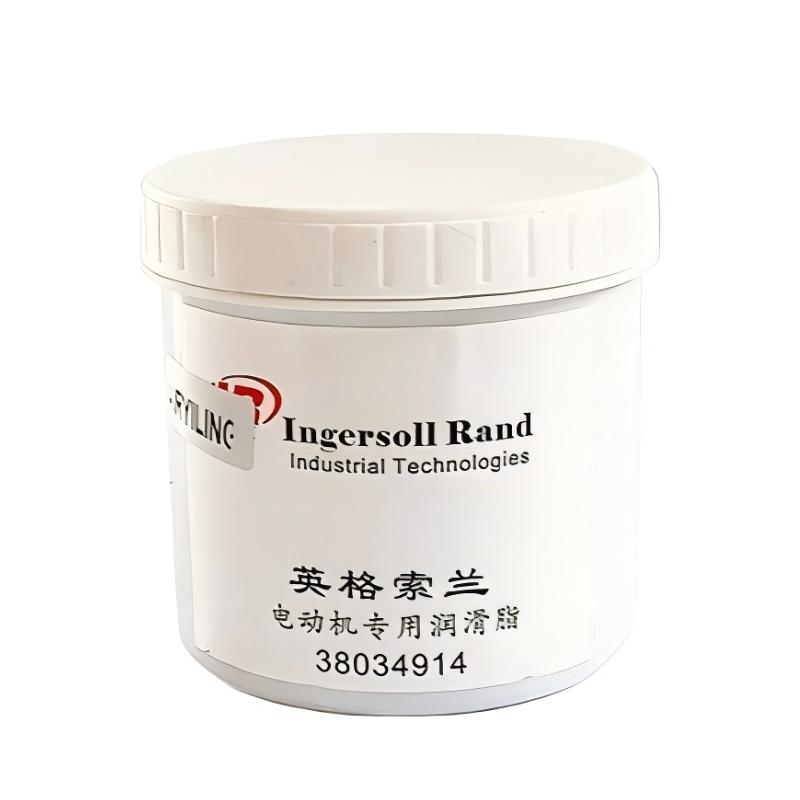
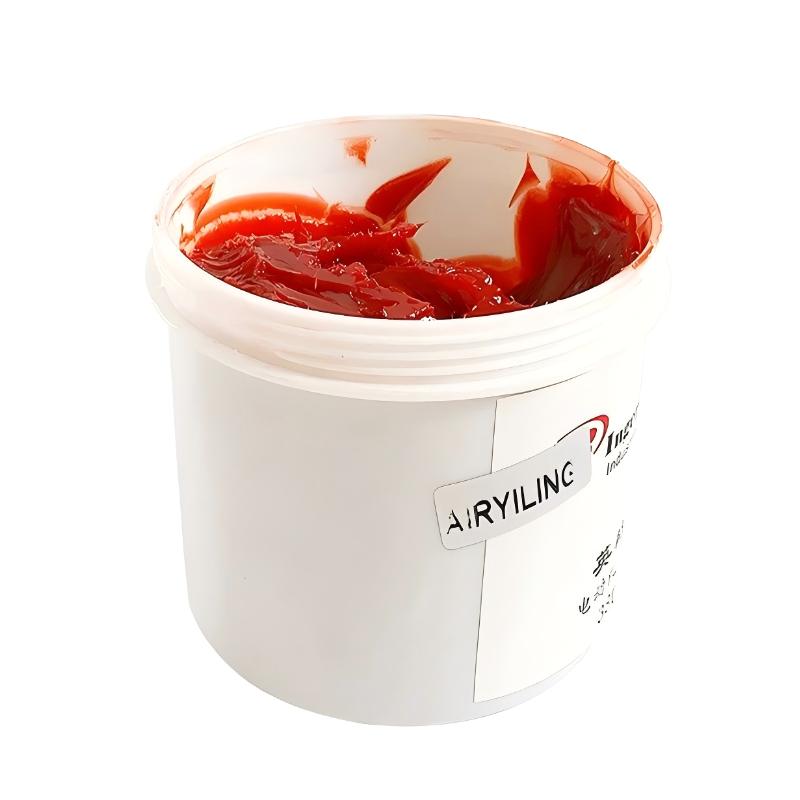
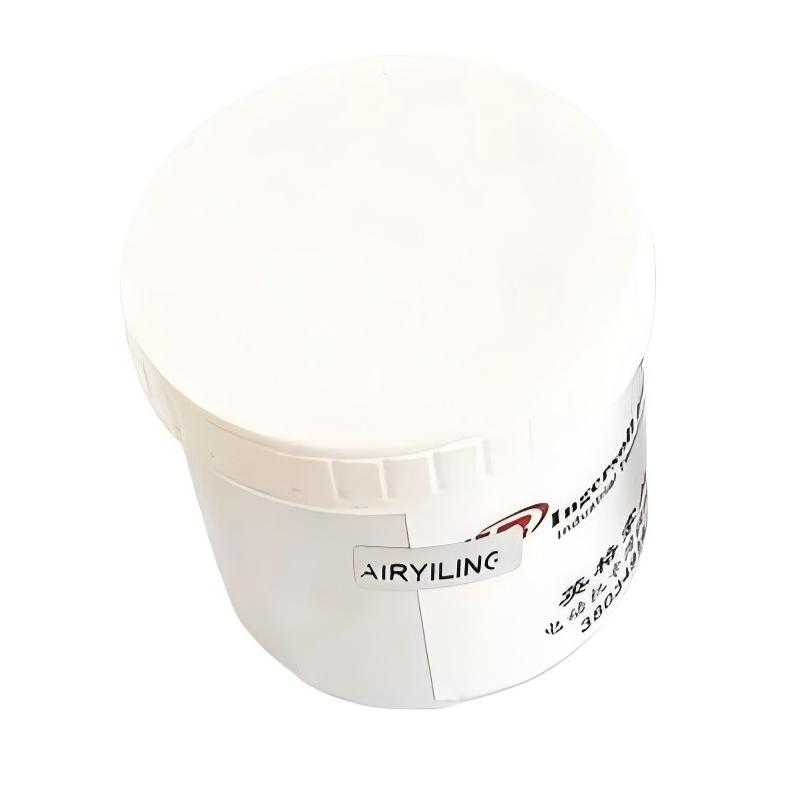
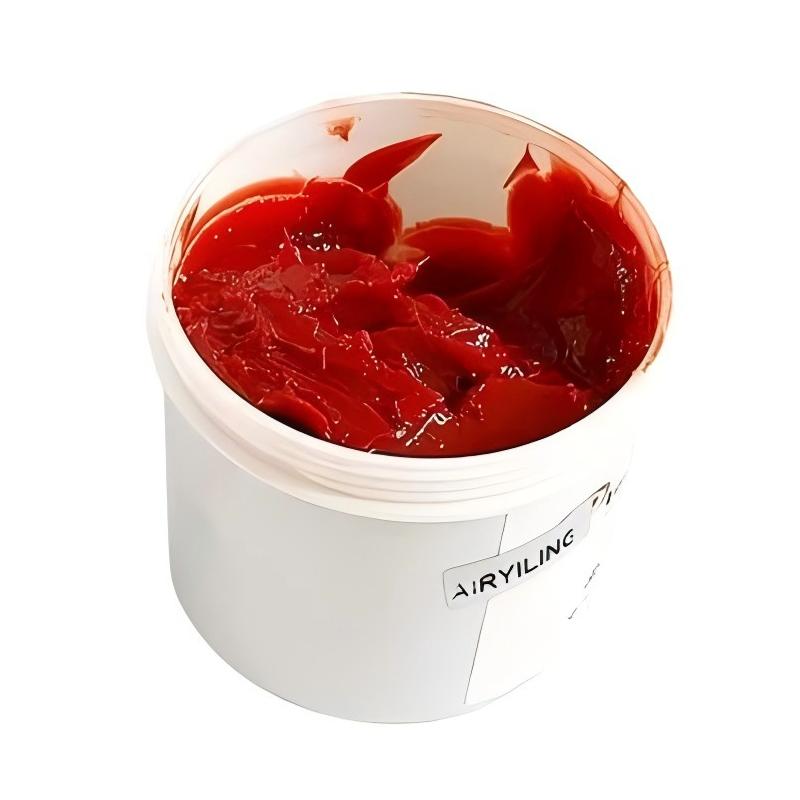
- Ingersoll Rand
- 47629378001 38034914
- Motor Bearing Grease
- USA
- 180 × 35 × 100 mm
- 0.41 kg
- Xiamen, China
- New & In Stock
- T/T, PayPal, Western Union
- 1 Year
- 1-3 Working Days
- DHL, UPS, TNT, FedEx and EMS.
- 24-Hour Service
- COO
- 7
Our advantage

Global Logistics
We have a 10-year logistics and express cooperation agreement, so our products can be shipped to any place in the world.

Brand new and original
Our products are imported in bulk from the place of origin. Because of the cooperative relationship, our products are all original and 100% new.

24-hour service
We provide 7*24 hours service to our customers. We will be there whenever you need us.

Price advantage
All our products are priced very favorably because we have our own warehouse and supply.
| Company Information | |||
| [email protected] | |||
| Mobile | +8615980777398 | ||
| +8615980777398 | |||
| 15980777398 |
Product Overview
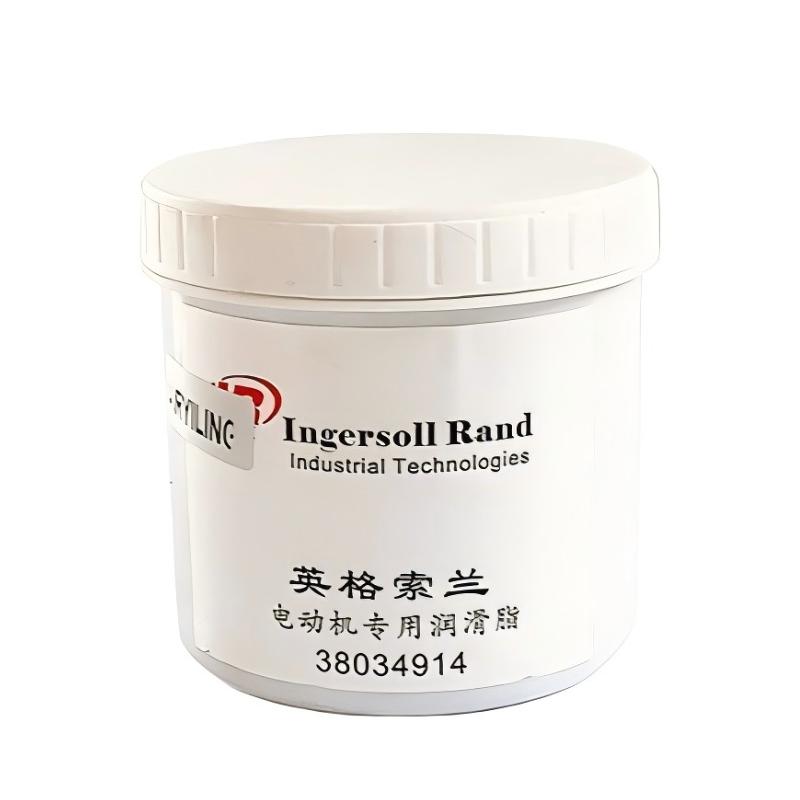
The Ingersoll Rand 47629378001 38034914 Motor Bearing Grease is a lubrication product intended for compatible electric motor bearing maintenance in industrial equipment and compressed-air systems. Correct bearing lubrication is an important part of preventive maintenance because it helps reduce friction between moving surfaces, control wear, and support reliable rotating equipment operation.
Electric motors are widely used in industrial air compressors, pumps, fans, conveyors, and production machinery. Their bearings support rotating shafts and help maintain the required alignment between rotating and stationary components. Without suitable lubrication, friction and heat can increase, potentially contributing to premature bearing wear, vibration, noise, and unplanned equipment downtime.
Part number 38034914 is identified in product listings as motor bearing grease and is associated with a Pollyrex EM lubricant description. The separate number 47629378001 is supplied as an associated product or catalog number in the listing. Buyers should verify both identifiers against the equipment’s parts documentation before ordering.
This product is a maintenance consumable rather than an electrical control module or mechanical drive assembly. Its suitability depends on the bearing design, lubricant specification, operating temperature, rotational speed, and manufacturer’s maintenance instructions. Using the correct grease is essential because lubricants with different base oils, thickeners, or additive systems may not be interchangeable.
For industrial maintenance teams, the Ingersoll Rand motor bearing grease can be considered when servicing compatible motors and rotating equipment. The exact application and lubrication interval should always be established from the equipment manufacturer’s recommendations rather than from the product name alone.
Technical Specifications
| Parameter | Specification |
|---|---|
| Brand | Ingersoll Rand |
| Associated Product Number | 47629378001 |
| Lubricant Part Number | 38034914 |
| Product Name | Motor Bearing Grease |
| Product Type | Industrial Bearing Lubricant |
| Listed Lubricant Description | Pollyrex EM motor bearing grease |
| Primary Function | Lubrication of compatible motor bearings |
| Application | Industrial motor and rotating-equipment maintenance |
| Product Category | Maintenance Consumable |
| Dimensions Provided | 180 × 35 × 100 mm |
| Weight Provided | 0.41 kg |
| Packaging Reference | Commonly listed as a 13.7 oz tube for part number 38034914 |
| Compatibility | Must be confirmed against the motor or equipment maintenance specification |
Note: The dimensions and weight are the supplied listing values. Confirm the actual packaging and lubricant identity before ordering, particularly when 47629378001 and 38034914 are both shown on purchasing documents.
Function and Working Principle
Motor bearing grease forms a lubricating film between bearing contact surfaces. This film helps separate moving surfaces, reduce friction, and minimize direct metal-to-metal contact during operation.
The performance of a lubricant depends on its formulation and the conditions in which it is used. Correct grease selection and application are therefore essential to reliable motor maintenance.
1. Friction Reduction
Bearings contain rolling or sliding contact surfaces that move relative to one another. Suitable grease helps reduce friction at these interfaces, supporting smooth rotation and reducing unnecessary mechanical resistance.
The amount and type of grease must match the bearing design. Too little lubrication can lead to increased friction and wear, while excessive grease may cause churning, additional heat, or increased resistance in some bearing arrangements.
2. Wear Protection
A suitable lubricating film helps protect bearing surfaces during normal operation. This is particularly important in equipment that operates for long periods or experiences frequent starts and stops.
Lubrication does not eliminate all wear. Bearing life also depends on shaft alignment, load, vibration, contamination, operating speed, and installation quality.
3. Heat Management
Friction generates heat inside a bearing. Appropriate lubrication can help limit friction-related heat generation, provided that the grease is suitable for the operating temperature and the correct quantity is used.
Excessive grease, unsuitable grease, damaged bearings, and inadequate cooling can all contribute to elevated temperatures. Temperature changes should therefore be evaluated alongside vibration, noise, and other operating indicators.
4. Corrosion and Contamination Management
Depending on its formulation, bearing grease may help protect metal surfaces against corrosion and limit the entry of contaminants when used in a correctly designed bearing arrangement.
The level of protection varies by product formulation and operating conditions. Grease should not be treated as a substitute for proper seals, clean handling, or environmental protection.
5. Support for Preventive Maintenance
Scheduled lubrication helps maintenance teams maintain bearing condition and reduce avoidable failures. Using the specified grease and documenting each service operation makes it easier to monitor lubricant consumption and identify recurring maintenance problems.
The maintenance schedule must be based on the equipment manufacturer’s recommendations, bearing design, operating conditions, and service history.
Role in Industrial Equipment Maintenance
The Ingersoll Rand 47629378001 / 38034914 motor bearing grease may be relevant to maintenance programs involving compatible electric motors and rotating machinery. Its role is to provide the required lubricant for designated bearing points, not to replace compressor oil or other lubricants used in different parts of a machine.
Electric Motor Maintenance
Electric motor bearings support the rotor and help maintain the mechanical relationship between the rotating shaft and the motor housing. Appropriate lubrication can support smooth rotation and help prevent avoidable bearing wear.
During motor servicing, technicians should confirm whether the bearing is grease-lubricated, whether it is relubricatable, and which grease grade is specified. Some bearings are sealed for life and should not be opened or greased unless the manufacturer’s instructions explicitly permit it.
Air Compressor Maintenance
Electric motors used in industrial air compressors may require periodic bearing inspection or lubrication. The correct lubricant must be identified from the motor documentation rather than selected solely because it is associated with an air compressor brand.
Motor bearing grease and compressor lubricant serve different purposes. Grease intended for motor bearings should not be substituted for compressor oil, and compressor oil should not be used in a grease-lubricated bearing unless the design explicitly requires it.
Rotating Equipment Maintenance
Pumps, fans, and other rotating machines may contain grease-lubricated bearings. When the lubricant specification matches, a designated motor bearing grease may form part of their maintenance process.
Technicians must check the equipment manufacturer’s lubrication instructions before applying the product. Similar-looking grease tubes are not necessarily interchangeable.
Industrial Applications
The following are potential application categories for a compatible motor bearing lubricant. Actual suitability must be confirmed from the equipment manufacturer’s lubricant specification.
1. Electric Motors
Electric motors are used throughout manufacturing, compressed-air systems, material handling, and utilities. Bearing lubrication helps maintain smooth rotation and supports normal mechanical operation.
Maintenance teams should confirm the bearing type, relubrication method, lubricant grade, and quantity before use.
2. Air Compressor Motor Assemblies
Industrial air compressors often rely on electric motors for continuous or intermittent operation. Where the motor uses grease-lubricated bearings, the specified grease can be part of its maintenance routine.
The compressor’s own lubrication system may use a separate oil or coolant. Motor bearing grease must not be confused with these fluids.
3. Pumps and Fans
Pump and fan assemblies use bearings to support rotating shafts. Suitable grease can help reduce friction and wear where grease lubrication is specified by the manufacturer.
Operating speed, load, temperature, exposure to moisture, and bearing construction should be considered when choosing a lubricant.
4. Manufacturing Equipment
Production equipment may use motors for conveyors, mixers, feeders, and other machinery. Correct lubrication supports the maintenance of the motor and helps reduce avoidable bearing-related stoppages.
The grease should only be applied to the designated lubrication points and in the specified amount.
5. Preventive Maintenance Programs
The product may be included in an inventory of maintenance consumables for compatible equipment. Keeping the correct lubricant available can help maintenance personnel complete scheduled service work without substituting an unverified product.
Inventory records should identify the part number, lubricant specification, package size, storage conditions, and equipment applications approved for use.
Installation and Lubrication Guidelines
Although bearing grease does not require electrical installation, it must be handled and applied correctly to prevent contamination and equipment damage.
1. Confirm the Correct Lubricant
Before use, verify the part number and lubricant specification against the motor or bearing manufacturer’s documentation. Check the base oil, thickener type, consistency grade, temperature limits, and any other specified properties.
Do not assume that all motor bearing greases are interchangeable. Mixing incompatible grease formulations can change consistency or lubrication performance.
2. Prepare the Equipment
Before servicing a motor, stop the equipment and follow the applicable lockout and isolation procedures. Allow rotating parts to stop completely and observe any required cooling period.
Identify the correct bearing and lubrication point. Follow the manufacturer’s procedure for removing grease fittings, opening access points, or preparing the bearing housing.
3. Maintain Cleanliness
Keep the grease container, dispensing tools, and lubrication fittings clean. Dirt, moisture, and other contaminants can damage bearing surfaces and reduce lubricant performance.
Do not leave an opened container exposed to dust or moisture. Close the package securely after use and follow the manufacturer’s storage instructions.
4. Apply the Correct Quantity
Use the quantity specified for the bearing and application. Overgreasing can increase internal friction and temperature, particularly in high-speed bearings. Undergreasing can lead to insufficient lubrication and accelerated wear.
Do not estimate the required quantity solely from the size of the grease tube. The correct amount depends on the bearing and lubrication arrangement.
5. Follow the Required Relubrication Interval
The interval depends on bearing size, speed, load, temperature, environmental conditions, and operating hours. Use the motor manufacturer’s maintenance schedule as the primary reference.
For equipment operating under heavy loads, elevated temperatures, or contaminated conditions, the manufacturer may specify a different maintenance interval from that used in clean, moderate-duty environments.
6. Inspect After Lubrication
After servicing, reinstall any removed fittings or covers and confirm that the equipment is ready for operation. When the motor is returned to service, monitor for abnormal noise, vibration, temperature, or grease leakage.
If abnormal conditions persist, investigate possible bearing damage, misalignment, contamination, incorrect lubricant selection, or excessive grease quantity rather than repeatedly adding more grease.
Compatible Equipment and Maintenance Components
The grease may be used only where the equipment’s documented lubrication requirements match the product specification. The following components and records are relevant to a proper maintenance process.
| Component or Record | Purpose | Considerations |
|---|---|---|
| Electric motor | Provides mechanical power to industrial equipment | Check the motor manufacturer’s bearing lubrication requirements |
| Grease-lubricated bearing | Supports a rotating shaft | Confirm grease type, quantity, and relubrication interval |
| Grease fitting | Provides a lubrication access point | Keep clean and use the approved application method |
| Bearing housing | Supports and protects the bearing | Follow the prescribed service and cleaning procedures |
| Motor nameplate | Identifies motor ratings and model | Use it to locate the correct maintenance documentation |
| Equipment service manual | Defines lubrication requirements | Follow the specified lubricant and maintenance interval |
| Lubrication log | Records maintenance activities | Track dates, operating hours, lubricant identity, and quantity |
| Condition-monitoring equipment | Helps identify developing mechanical problems | Monitor vibration, temperature, and noise where appropriate |
These items are associated with the maintenance process and are not necessarily supplied with the grease.
Alternative Models and Replacement Considerations
Lubricants should be selected by specification and verified compatibility, not merely by brand or packaging. If part number 38034914 is unavailable, an alternative should be approved against the equipment manufacturer’s requirements before use.
| Replacement Option | Evaluation Criteria |
|---|---|
| Genuine Ingersoll Rand 38034914 | Confirm the product identity, packaging, and equipment application |
| A manufacturer-approved replacement lubricant | Verify the official substitution guidance for the motor or equipment |
| An equivalent motor bearing grease | Compare base oil, thickener, consistency grade, operating temperature, and speed suitability |
| A grease recommended by the motor manufacturer | Confirm that the specified product is compatible with the bearing and existing lubricant |
Before substituting a lubricant, review the following:
- Bearing manufacturer’s lubricant specification.
- Base oil and thickener compatibility.
- NLGI consistency grade, where specified.
- Permitted operating temperature range.
- Bearing speed and load conditions.
- Water resistance and contamination requirements.
- Compatibility with the grease already present.
- Required quantity and relubrication interval.
- Storage life and handling requirements.
A lubricant that appears similar may not provide equivalent performance. If the existing grease is unknown, seek guidance from the equipment manufacturer or a qualified lubrication specialist before mixing products.
Key Advantages of Correct Bearing Lubrication
Reduced Friction
Appropriate grease helps reduce friction between bearing contact surfaces and supports smoother mechanical movement.
Bearing Wear Management
Correct lubrication helps protect bearing surfaces under the operating conditions for which the grease is designed.
Support for Stable Motor Operation
Maintaining the correct lubricant and quantity can help reduce lubrication-related mechanical problems and support reliable operation.
Preventive Maintenance Support
A specified grease makes it easier to maintain consistent service practices across compatible equipment.
Improved Maintenance Traceability
Using an identifiable part number helps technicians record the lubricant used during service and reduces uncertainty when planning future maintenance.
Equipment-Specific Lubrication
When selected according to the bearing manufacturer’s requirements, the grease can form part of a planned lubrication strategy for compatible motor assemblies.
These benefits depend on using the correct lubricant, applying the appropriate quantity, and maintaining the equipment according to the manufacturer’s instructions. Grease alone cannot correct a damaged bearing, poor alignment, or a mechanical fault.
Technical FAQs
1. What is Ingersoll Rand 47629378001 / 38034914?
It is listed as motor bearing grease associated with Ingersoll Rand equipment. The number 38034914 is used to identify the lubricant, while 47629378001 is supplied as an associated catalog or product number in the listing.
2. What is the primary function of this grease?
Its primary function is to lubricate compatible motor bearings. Correct lubrication helps reduce friction and wear and supports smooth bearing operation.
3. Is this product the same as compressor oil?
No. Motor bearing grease is a semisolid lubricant intended for specified grease-lubricated bearings. Compressor oil or coolant serves different purposes in the compressor’s lubrication system. Use each lubricant only for its designated application.
4. Can it be used in any electric motor?
No. The motor manufacturer’s bearing specification must be checked first. Some motors use grease-lubricated bearings, while others use sealed bearings or different lubrication arrangements.
5. Can it be mixed with another bearing grease?
Do not mix it with another grease unless compatibility has been confirmed. Different thickener systems and base oils may be incompatible and can affect lubricant performance.
6. How often should the grease be applied?
There is no single interval suitable for every motor. Follow the manufacturer’s lubrication schedule, which may account for bearing size, speed, load, temperature, operating hours, and environmental conditions.
7. What happens if too much grease is applied?
Overgreasing can increase internal friction and temperature and may cause grease leakage. In some bearing arrangements, excess grease can shorten bearing life. Apply only the specified quantity.
8. What dimensions and weight should be used for product listing?
The supplied listing values are 180 × 35 × 100 mm and 0.41 kg. Confirm the physical package and shipping basis before using these figures for freight calculations.
9. What should be checked before purchasing?
Verify both product numbers, the lubricant description, package size, manufacturer compatibility, storage condition, and supplier documentation. This is especially important if the product will be used on critical rotating equipment.
10. How should the grease be stored?
Follow the manufacturer’s instructions on temperature, shelf life, sealing, and handling. Keep the package closed and protect it from contamination. Check the product label before use if the grease has been stored for an extended period.
Procurement and Maintenance Recommendations
When purchasing Ingersoll Rand 47629378001 / 38034914 motor bearing grease, verify the complete product identification and ensure that the lubricant specification matches the intended motor or bearing.
For industrial maintenance inventory, record the lubricant part number, product description, package size, supplier, and approved equipment applications. Keeping these details consistent can reduce the risk of using an incorrect grease during scheduled service.
Inspect the packaging before use and check for damage, contamination, or signs of improper storage. Do not use an unidentified lubricant or a product whose identity and suitability cannot be confirmed.
For critical motors and compressor installations, follow the equipment manufacturer’s maintenance schedule and document the amount of grease applied. If a bearing shows abnormal noise, vibration, or temperature, investigate the underlying cause instead of assuming that additional lubrication will resolve the issue.
When an alternative product is required, obtain confirmation of lubricant compatibility from the equipment manufacturer or a qualified lubrication specialist. This is particularly important when changing grease chemistry or when the existing lubricant is unknown.
Conclusion
The Ingersoll Rand 47629378001 38034914 Motor Bearing Grease is a maintenance lubricant intended for compatible motor bearing applications. Proper bearing lubrication helps reduce friction, manage wear, and support reliable operation of industrial motors and rotating equipment.
For procurement and maintenance, the most important considerations are correct product identification, bearing compatibility, appropriate application quantity, cleanliness, and adherence to the manufacturer’s lubrication schedule. The supplied dimensions of 180 × 35 × 100 mm and weight of 0.41 kg can be used as listing values after the actual package has been verified.
Selecting the correct grease and applying it according to the equipment manufacturer’s requirements helps maintain a consistent preventive-maintenance process and supports the long-term reliability of compatible industrial equipment.