

ProductPRODUCT
Featured products
Contact Us
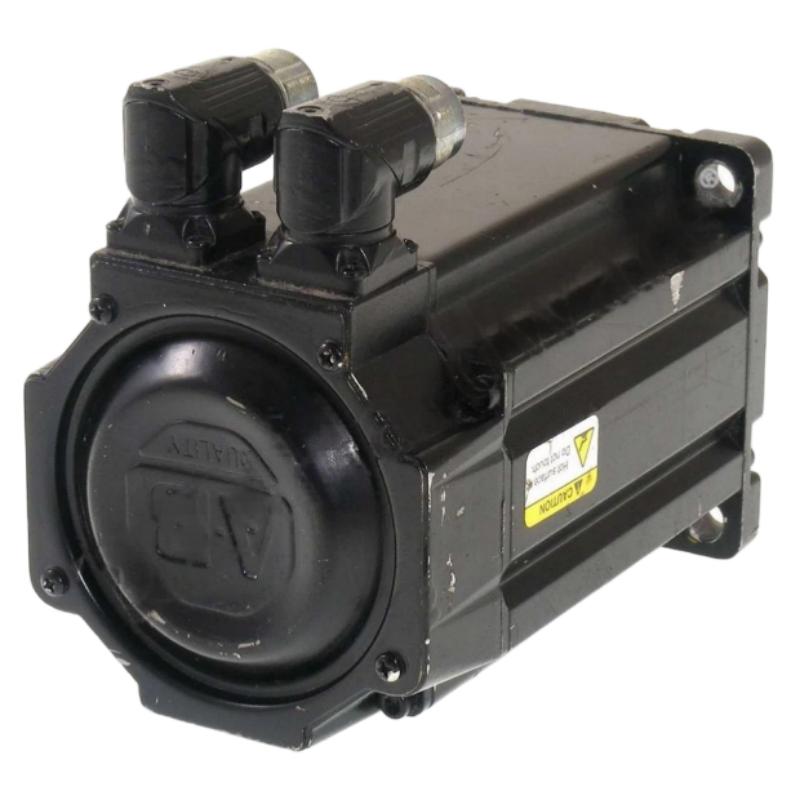
- Allen Bradley
- MPL-B4530K-RK72AA
- Servo Motor
- USA
- 130 mm
- 7.3 kg
- Xiamen, China
- New & In Stock
- T/T, PayPal, Western Union
- 1 Year
- 1-3 Working Days
- DHL, UPS, TNT, FedEx and EMS.
- 24-Hour Service
- COO
- 3
Our advantage

Global Logistics
We have a 10-year logistics and express cooperation agreement, so our products can be shipped to any place in the world.

Brand new and original
Our products are imported in bulk from the place of origin. Because of the cooperative relationship, our products are all original and 100% new.

24-hour service
We provide 7*24 hours service to our customers. We will be there whenever you need us.

Price advantage
All our products are priced very favorably because we have our own warehouse and supply.
| Company Information | |||
| [email protected] | |||
| Mobile | +8615980777398 | ||
| +8615980777398 | |||
| 15980777398 |
1. Product Overview
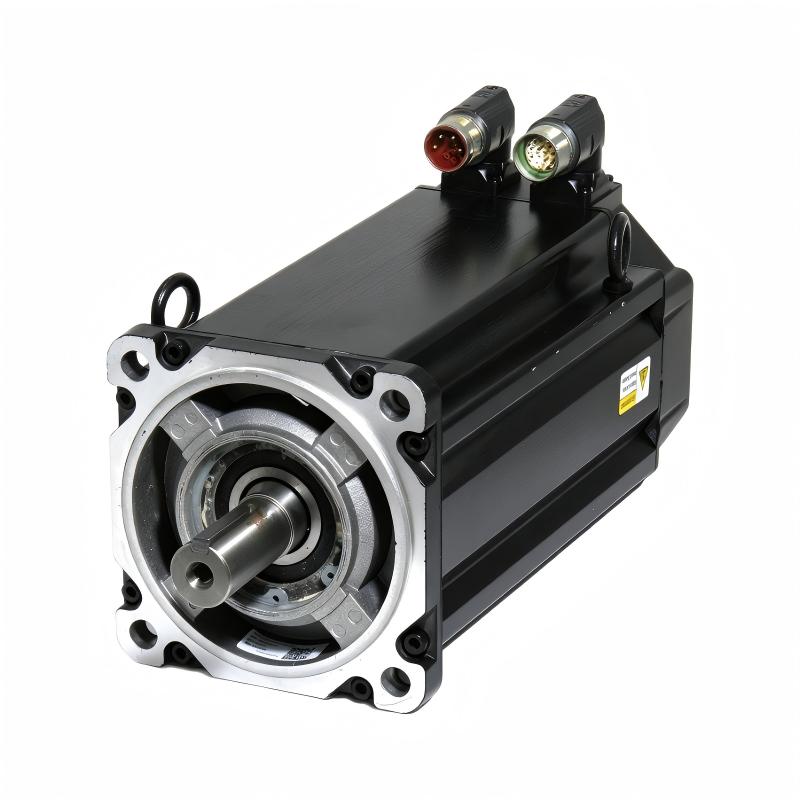
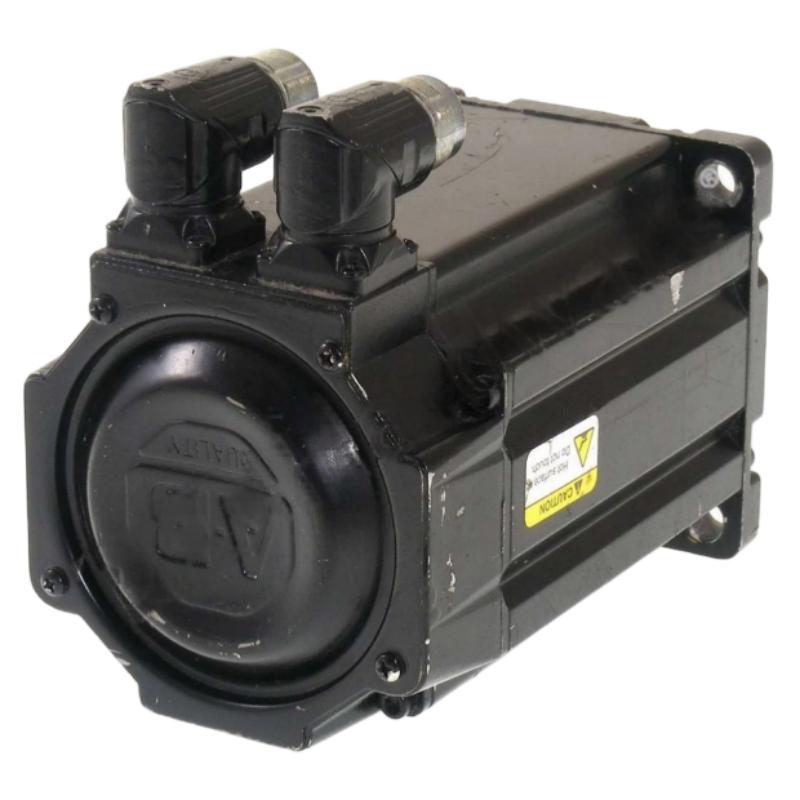
The Allen-Bradley MPL-B4530K-RK72AA Servo Motor is a low-inertia brushless AC servo motor designed for industrial automation and precision motion control applications. Part of the Allen-Bradley MP-Series MPL product family, this motor combines a compact mechanical design with responsive dynamic performance, making it suitable for machinery that requires controlled acceleration, deceleration, speed regulation, and repeatable positioning.
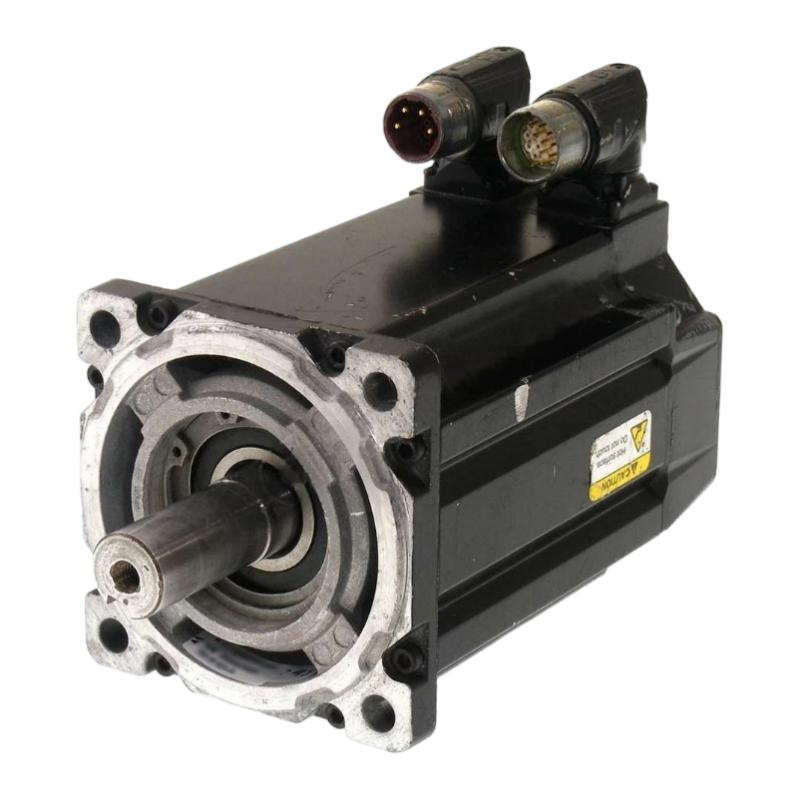
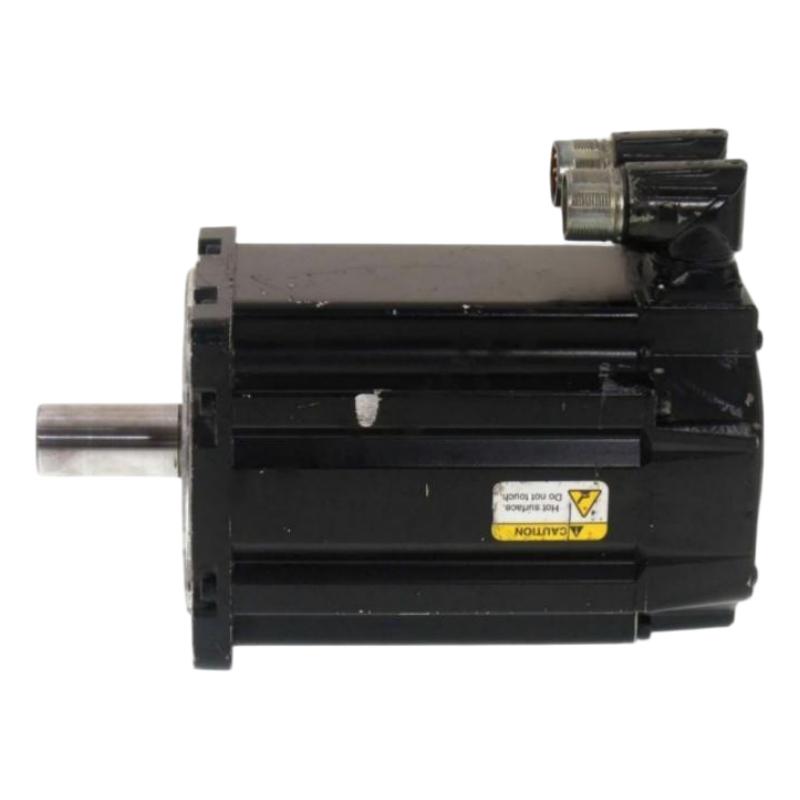
The MPL-B4530K-RK72AA features a 130 mm frame size, a 76.2 mm magnet stack length, and a rated speed of 4000 RPM. It uses resolver feedback to provide rotor-position information to a compatible servo drive. Its keyless shaft extension, right-angle SpeedTEC DIN connector, and brake-free configuration distinguish it from other motors in the same product family.
In a typical servo system, the motor operates together with a compatible servo drive, motion controller, feedback interface, and mechanical transmission. The controller determines the required movement, while the drive regulates motor current and applies the appropriate control signals. Feedback from the resolver allows the drive to monitor motor position and support closed-loop motion control.
The MPL-B4530K-RK72AA can be considered for applications involving packaging machinery, automated assembly equipment, material handling systems, machine tools, and other industrial equipment that benefits from a low-inertia servo motor. Final suitability depends on the required torque, load inertia, operating speed, duty cycle, mechanical interface, and drive compatibility.
For replacement projects, identifying the exact model is particularly important. The RK72AA configuration should not be treated as interchangeable with an encoder-feedback model, a keyed-shaft model, or a motor equipped with a holding brake without a complete engineering review.
2. Technical Specifications
| Parameter | Specification |
|---|---|
| Brand | Allen-Bradley |
| Product Model | MPL-B4530K-RK72AA |
| Product Type | Low-Inertia Brushless AC Servo Motor |
| Product Family | MP-Series MPL |
| Frame Size | 130 mm |
| Magnet Stack Length | 76.2 mm (3.0 in.) |
| Rated Speed | 4000 RPM |
| Voltage Class | 460 V |
| System Voltage Description | MP-Series 460 V motor class; confirm drive and supply requirements |
| Feedback Type | Resolver |
| Shaft Configuration | Keyless Shaft Extension |
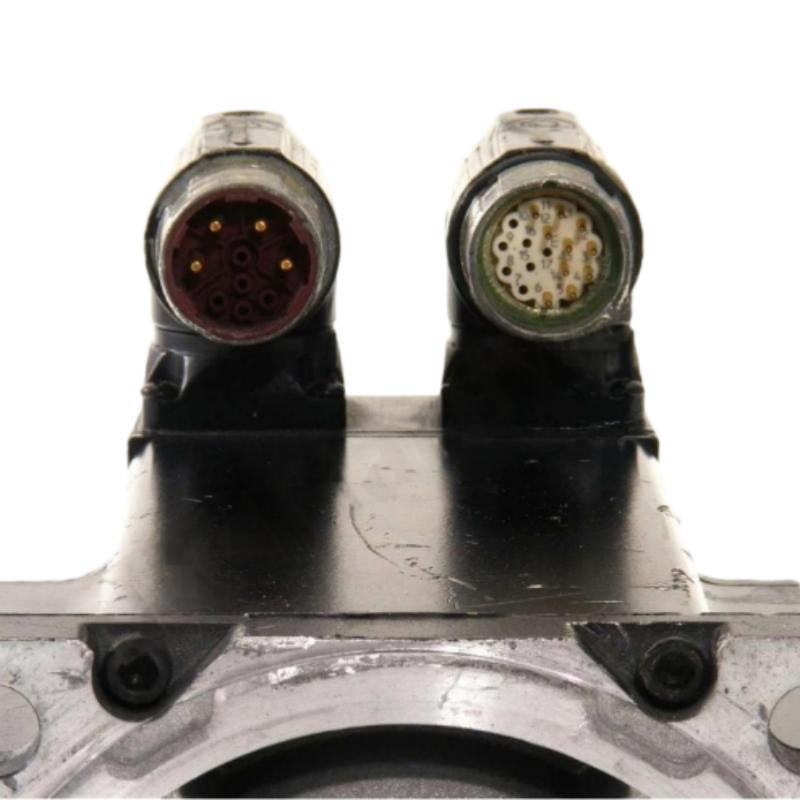
| Connector Type | SpeedTEC DIN Connector |
| Connector Orientation | Right-Angle, 180° Rotatable |
| Brake Configuration | No Brake |
| Mounting Type | IEC Metric Flange |
| Mounting Holes | Free Mounting Holes, Type FF |
| Weight | 7.3 kg, as supplied; verify against the actual unit |
| Application | Industrial Servo Motion Control |
The specifications above identify the principal configuration of the MPL-B4530K-RK72AA. The stated weight of 7.3 kg is the supplied listing value and should be checked against the physical motor, packaging information, and applicable manufacturer documentation before being used for shipping calculations or engineering drawings.
Electrical ratings, torque characteristics, allowable radial and axial loads, protection ratings, and installation requirements should be confirmed from the documentation applicable to the specific motor revision.
3. Function and Working Principle
3.1 Brushless AC Servo Motor Operation
The MPL-B4530K-RK72AA belongs to the low-inertia brushless servo motor category. Unlike a conventional induction motor operating primarily at a speed determined by supply frequency and load conditions, a servo motor is intended to operate under the coordinated control of a servo drive and motion controller.
The drive supplies controlled electrical power to the motor windings. By regulating the current and timing of the electrical excitation, the drive generates the rotating magnetic field required to produce torque. This torque rotates the motor shaft and drives the connected mechanical load.
The control system can adjust motor operation according to the commanded speed, position, or torque. When the machine needs to accelerate, decelerate, stop, or change direction, the drive modifies its output in response to the motion command and feedback information.
This arrangement supports controlled movement in automated equipment where consistent cycle times and predictable motion are important.
3.2 Low-Inertia Design
A low-inertia motor is useful in applications that require frequent changes in speed or direction. Lower rotor inertia generally reduces the amount of torque needed to accelerate or decelerate the motor’s rotating components, although the complete system response also depends on the attached load, transmission, and control settings.
For example, packaging machinery may need to move a product through a sequence of rapid indexing operations. A low-inertia servo motor can help the system respond to these commands when properly sized and tuned.
The benefits depend on the mechanical system as a whole. A motor with low rotor inertia will not automatically deliver high positioning accuracy if the connected load has excessive inertia, mechanical backlash, structural flexibility, or an incorrectly configured control loop.
3.3 Resolver Feedback
The MPL-B4530K-RK72AA uses resolver feedback. A resolver is an electromechanical feedback device that provides position-related signals associated with the motor shaft.
A compatible drive interprets the resolver signals to determine rotor position and support motor commutation and closed-loop control. The drive can then compare actual motor behavior with the commanded movement and adjust its output as required.
Resolver-based systems are used in industrial environments where a robust position-feedback arrangement is desirable. However, resolver feedback is not identical to a digital absolute encoder. The drive’s feedback interface and supported motor configuration must match the resolver used by the motor.
When replacing an existing motor, the feedback type should therefore be checked before the replacement is approved. A motor with a similar frame and speed rating may still be unsuitable if it uses a different feedback technology.
3.4 Closed-Loop Motion Control
In a closed-loop servo system, the motion controller issues a command, the servo drive supplies the required motor current, and feedback information helps the drive regulate the motor’s response.
A simplified operating sequence is as follows:
- The motion controller generates a position, speed, or torque command.
- The servo drive processes the command and calculates the required electrical output.
- The motor converts electrical energy into rotational movement.
- The resolver supplies feedback signals to the compatible drive.
- The drive uses feedback and control algorithms to regulate motor operation.
- The connected machine performs the requested movement.
The performance of this system depends on correct motor identification, drive configuration, feedback wiring, mechanical installation, and control-loop tuning.
3.5 Keyless Shaft Design
The RK72AA configuration uses a keyless shaft extension. This differs from a keyed shaft, where a key and matching keyway transmit torque between the motor shaft and the driven component.
A keyless shaft arrangement may be appropriate for mechanical interfaces designed around compatible clamping or keyless coupling hardware. The exact coupling must be selected according to the shaft dimensions, torque requirement, permitted runout, and manufacturer’s mechanical recommendations.
A keyless shaft should not be assumed to accept a keyed coupling without modification. During replacement, confirm the coupling type and shaft interface before installing the motor.
3.6 Brake-Free Configuration
The MPL-B4530K-RK72AA is specified without an integrated holding brake. The motor therefore should not be relied upon to hold a suspended or gravity-loaded axis in place when motor torque is removed.
If the application requires a stationary load to remain secured during power loss, emergency stopping, or maintenance, the machine may require a separately engineered mechanical holding device or another appropriate safety measure.
The need for a holding brake depends on the machine design, orientation, load characteristics, risk assessment, and applicable safety requirements.
4. Role in Industrial Automation Systems
4.1 Integration with Servo Drives
The motor operates as part of a coordinated motion-control system rather than as an independent motor connected directly to a standard supply. A compatible servo drive must support the motor’s voltage class, resolver feedback, electrical characteristics, and configuration.
The drive regulates motor current and manages the feedback loop. Depending on the overall system architecture, it may communicate with a motion controller through an industrial automation network or a dedicated motion interface.
Before commissioning, the selected drive should be checked for supported motor combinations and the appropriate feedback configuration. Motor recognition, parameter selection, and any required commissioning procedures should follow the applicable product documentation.
4.2 Integration with PLC and Motion Controllers
A programmable logic controller (PLC) or motion controller coordinates the machine sequence and issues motion commands. For example, a PLC may instruct a conveyor axis to move to a defined position after a sensor detects a product.
The servo drive converts these commands into motor movement, while the resolver provides feedback for closed-loop regulation. The controller may also receive status information such as drive-ready state, motion completion, or fault indications.
This division of responsibilities allows the motor to participate in a broader automation system that includes sensors, actuators, operator interfaces, safety devices, and supervisory control functions.
4.3 Mechanical Transmission
The motor shaft may connect to a gearbox, coupling, belt drive, screw mechanism, indexing table, or other transmission component. The mechanical design determines how motor rotation becomes movement at the load.
The selection process should consider load inertia, required acceleration, operating speed, transmission ratio, friction, shock loading, and the mechanical stiffness of the assembly.
Incorrect coupling alignment or excessive radial loading can contribute to premature bearing wear, vibration, or reduced service life. Proper mechanical integration is therefore as important as correct electrical configuration.
4.4 Feedback and Diagnostic Functions
The resolver supports feedback-based control, while the servo drive provides system-level monitoring and diagnostics. Depending on the drive and controller, diagnostic information may help maintenance personnel identify feedback wiring problems, configuration mismatches, overcurrent conditions, or other motion-system faults.
A fault should not automatically be attributed to the motor itself. Problems can also originate from the drive, feedback cable, power cable, grounding, mechanical load, controller configuration, or machine safety circuit.
A structured troubleshooting process helps isolate the actual cause and reduces unnecessary component replacement.
5. Industrial Applications
5.1 Packaging and Processing Machinery
Packaging machines frequently perform repeated movements that require controlled acceleration, deceleration, and synchronized operation. Servo-driven axes may position products, move sealing mechanisms, index conveyors, or coordinate cutting and feeding operations.
The low-inertia design of the MPL-B4530K-RK72AA may be relevant where the selected motor’s torque and speed characteristics match the machine’s motion profile.
Application suitability must be established through load calculations and drive compatibility checks rather than frame size alone.
5.2 Automated Assembly Equipment
Automated assembly lines use servo motors for positioning components, operating transfer mechanisms, and moving fixtures between workstations.
The motor’s resolver feedback can support closed-loop control when used with a compatible drive. This is useful in systems where movement must be coordinated with sensors, tooling, and other machine axes.
The required positioning performance depends on the complete assembly, including the mechanical transmission, feedback arrangement, controller, and tuning parameters.
5.3 Material Handling Systems
Servo motors may drive indexing conveyors, transfer units, automated handling mechanisms, and other equipment that needs controlled motion.
The MPL-B4530K-RK72AA can be evaluated for these applications when its rated speed, torque characteristics, shaft configuration, and mounting interface meet the design requirements.
For vertical axes or loads that can move under gravity, the brake-free configuration requires particular attention. Any required load-holding function must be addressed by the overall machine design.
5.4 Machine Tools and Production Equipment
Industrial production machinery may use servo motors to control feed axes, positioning tables, rotary mechanisms, and auxiliary movements.
In these systems, motor selection involves more than the maximum speed. Continuous torque, peak torque, acceleration requirements, duty cycle, mechanical stiffness, and feedback compatibility all influence the final choice.
The MPL-B4530K-RK72AA should be selected only after these requirements have been compared with the relevant technical data.
5.5 Robotics and Special-Purpose Machinery
Special-purpose machines may use servo motors for indexing, orientation, synchronized movement, and controlled positioning. The suitability of this model depends on the axis design and the capabilities of the associated drive.
The motor’s resolver feedback and keyless shaft should be considered during system design, especially when the machine requires a specific feedback interface or mechanical coupling.
5.6 Industrial Equipment Maintenance
In established production facilities, a failed servo motor may cause machine downtime or interrupt a production process. A compatible replacement can help restore operation while limiting changes to the existing mechanical and electrical system.
The exact model number should be used as the starting point for identification. Before ordering, verify the complete nameplate code, feedback type, connector orientation, shaft arrangement, brake configuration, and mounting dimensions.
6. Installation and System Integration
6.1 Verify the Motor Model
Before installation, check the complete part number on the motor nameplate. The MPL-B4530K-RK72AA must be distinguished from other MPL-B4530K variants because similar model numbers can represent different feedback devices, shaft configurations, and brake options.
Confirm that the replacement matches the original equipment requirements and that any proposed substitution has been approved by the responsible engineering team.
6.2 Check Mechanical Compatibility
Verify the following mechanical details before mounting:
- Frame and flange dimensions
- Mounting-hole pattern
- Shaft diameter and extension
- Keyless coupling compatibility
- Permitted shaft loads
- Motor and load alignment
- Available installation clearance
- Cable and connector access
The 130 mm frame designation alone does not establish complete mechanical interchangeability. The shaft interface and mounting arrangement must also match.
6.3 Confirm Electrical Compatibility
The motor’s voltage class and electrical characteristics must be compatible with the selected servo drive. Use the correct power cable, feedback cable, connectors, and grounding arrangement.
Do not connect the motor to a drive solely because the connector appears similar. Confirm that the drive supports the motor’s resolver feedback and the required motor parameters.
All electrical work should be performed by qualified personnel following applicable electrical safety procedures and manufacturer instructions.
6.4 Connect the Resolver Feedback
Resolver feedback wiring must be connected to a compatible drive interface. Incorrect wiring, damaged cable shielding, poor grounding, or loose connections may prevent proper feedback detection and can cause drive faults.
Inspect connectors for contamination, damaged contacts, bent pins, and mechanical wear. Route feedback and power cables according to the equipment manufacturer’s recommendations to reduce interference and avoid mechanical damage.
6.5 Inspect the Shaft Coupling
Because this model uses a keyless shaft, confirm that the coupling or clamping device is designed for the actual shaft interface.
Check coupling alignment, fastening requirements, and permitted loads. Avoid applying impact forces to the shaft or motor bearings during installation. Any coupling adjustment should follow the relevant mechanical instructions.
6.6 Configure the Servo Drive
Select the appropriate motor configuration and resolver feedback settings in the compatible drive. Confirm that the drive recognizes the motor configuration and that all required parameters are correct.
The commissioning process may include checking motor direction, feedback polarity, axis scaling, acceleration and deceleration limits, current limits, and fault response.
The exact steps depend on the drive model and control architecture. Use the applicable documentation rather than assuming that parameters from another motor variant will be correct.
6.7 Perform a Controlled Commissioning Test
Before returning the machine to production, carry out a controlled test under safe conditions.
A typical verification sequence includes:
- Confirm that mounting hardware and electrical connections are secure.
- Verify grounding and cable routing.
- Confirm correct feedback recognition and drive status.
- Test movement at a low speed where permitted by the commissioning procedure.
- Check direction of rotation and commanded movement.
- Observe abnormal noise, vibration, overheating, or unexpected movement.
- Verify machine interlocks and required safety functions.
- Test the intended operating profile before resuming normal production.
The commissioning process should follow the machine’s approved procedures and applicable safety requirements.
7. Compatible System Components
The MPL-B4530K-RK72AA is designed for integration into a compatible servo motion-control system. The following table describes the principal component categories that may be required.
| Component | Role in the System | Compatibility Considerations |
|---|---|---|
| Servo Drive | Supplies controlled power to the motor | Must support the motor’s voltage class and resolver feedback |
| PLC or Motion Controller | Generates and coordinates motion commands | Must support the drive’s command and communication architecture |
| Resolver Feedback Cable | Carries resolver signals to the drive | Must match the motor connector and drive feedback interface |
| Motor Power Cable | Supplies motor power | Must match the motor connector and drive output requirements |
| SpeedTEC DIN Connection | Provides the motor-side electrical interface | Confirm connector configuration and cable compatibility |
| Mechanical Coupling | Connects the shaft to the driven load | Must match the keyless shaft arrangement |
| Gearbox or Transmission | Adapts motor speed and torque to the load | Select according to load requirements and mechanical limits |
| Mounting Structure | Supports the motor and maintains alignment | Must match the mounting dimensions and structural loads |
| Protective and Safety Devices | Help manage machine hazards | Must be selected according to the machine risk assessment |
This is a system-level reference table, not a guarantee that every component is directly compatible. Final component selection should be based on the installed drive, controller, cabling, machine design, and manufacturer documentation.
8. Recommended Alternative Models and Replacement Considerations
Several Allen-Bradley MPL models share the 130 mm frame, 76.2 mm stack length, and 4000 RPM configuration. However, similar dimensions do not necessarily mean that these motors can be exchanged without additional changes.
| Model | Main Configuration Difference | Replacement Consideration |
|---|---|---|
| MPL-B4530K-RK72AA | Resolver, keyless shaft, no brake | Reference model |
| MPL-B4530K-RJ72AA | Resolver, keyed shaft, no brake | Shaft interface differs; confirm coupling requirements |
| MPL-B4530K-MK72AA | Multi-turn high-resolution absolute encoder, keyless shaft, no brake | Feedback technology differs |
| MPL-B4530K-MJ72AA | Multi-turn high-resolution absolute encoder, keyed shaft, no brake | Both feedback and shaft configuration differ |
| MPL-B4530K-SK72AA | Single-turn high-resolution encoder, keyless shaft, no brake | Feedback interface and control configuration require review |
| MPL-B4530K-RK74AA | Resolver, keyless shaft, 24 V DC brake | Brake-equipped version; electrical and mechanical integration differ |
Alternative models should be treated as candidates for engineering evaluation rather than automatic drop-in replacements.
8.1 Feedback Compatibility
The original model uses a resolver. Replacing it with an absolute or single-turn encoder model may require a different drive configuration, feedback interface, cable arrangement, or commissioning procedure.
The drive’s supported motor list should be checked before selecting an alternative.
8.2 Shaft Compatibility
The RK72AA uses a keyless shaft, while some related models use a keyed shaft. This distinction affects coupling selection and mechanical installation.
A replacement with a different shaft arrangement may require a different coupling or an approved mechanical redesign.
8.3 Brake Requirements
The RK72AA has no integrated holding brake. A brake-equipped alternative may be appropriate for certain machine designs, but the brake’s electrical connection, control logic, mechanical behavior, and safety role must be assessed.
A holding brake should not be assumed to replace a complete safety-rated load-holding system without a suitable risk assessment.
8.4 Electrical and Performance Matching
Before approving an alternative, compare rated speed, continuous torque, peak torque, voltage class, thermal characteristics, load inertia, and duty cycle. A similar frame size does not establish that the motor can deliver the required performance under the same operating conditions.
9. Key Advantages
Low-Inertia Motion Characteristics
The MPL product family is designed for servo applications that benefit from responsive dynamic behavior. With suitable drive tuning and load matching, a low-inertia motor can support frequent acceleration and deceleration cycles.
Resolver-Based Feedback
Resolver feedback provides rotor-position information for closed-loop motor control. It also gives maintenance teams a clearly identifiable feedback configuration when assessing replacement parts and drive compatibility.
Compact 130 mm Frame
The 130 mm frame size can support integration into machinery designed around the corresponding motor mounting dimensions. Proper clearance and shaft-interface checks remain necessary.
4000 RPM Rated Speed
The specified 4000 RPM speed makes this model relevant to motion systems requiring relatively high rotational speed within its intended operating range. Actual usable speed depends on load, drive configuration, and the motor’s detailed performance limits.
Keyless Shaft Configuration
The keyless shaft can be integrated into compatible clamping and coupling systems. This provides a defined mechanical interface for equipment specifically designed around a keyless shaft.
Rotatable Right-Angle Connector
The right-angle SpeedTEC DIN connector is described as rotatable through 180 degrees. This can provide flexibility when arranging motor cables in machinery with limited installation space, provided the connector is oriented and secured according to the manufacturer’s instructions.
Brake-Free Design
The no-brake configuration may suit applications where an integrated motor holding brake is not required. If a load must remain stationary when power is removed, the system must provide an appropriate alternative means of securing it.
10. Technical FAQs
Q1: What is the Allen-Bradley MPL-B4530K-RK72AA?
The MPL-B4530K-RK72AA is a low-inertia brushless AC servo motor in the Allen-Bradley MP-Series MPL family. It is specified with a 130 mm frame, resolver feedback, a keyless shaft, and no integrated brake.
Q2: What is the frame size of this motor?
The frame size is 130 mm, corresponding to Frame 45 in the product’s selection description.
Q3: What is the rated speed?
The specified rated speed is 4000 RPM. The actual operating speed must remain within the limits established by the motor, drive, load, and application requirements.
Q4: What feedback device does the MPL-B4530K-RK72AA use?
This model uses resolver feedback. The connected servo drive must support the motor’s resolver interface and the correct motor configuration.
Q5: Does this motor have a holding brake?
No. The RK72AA configuration is specified without an integrated holding brake. Applications requiring load holding must be evaluated for an appropriate external or system-level solution.
Q6: Does the MPL-B4530K-RK72AA have a keyed shaft?
No. This model is specified with a keyless shaft extension. Verify the actual shaft and coupling dimensions before installation or replacement.
Q7: What is the magnet stack length?
The magnet stack length is 76.2 mm, equivalent to 3.0 inches.
Q8: What voltage class does this model use?
The model is listed in the 460 V class. The appropriate drive, supply arrangement, and motor electrical parameters must be confirmed from the applicable documentation.
Q9: Can this motor replace the MPL-B4530K-RJ72AA?
Not automatically. Both models use resolver feedback and have no integrated brake, but the RJ72AA has a keyed shaft, while the RK72AA has a keyless shaft. Mechanical coupling compatibility must be checked before considering the replacement.
Q10: Can an encoder-feedback MPL motor replace this resolver-feedback model?
Not without checking the system. The drive must support the alternative feedback technology, and cabling, configuration, and commissioning requirements may differ.
Q11: What should be checked before ordering a replacement?
Confirm the complete model number, frame size, stack length, feedback type, shaft configuration, connector arrangement, brake option, mounting interface, electrical requirements, and condition of the existing motor.
Q12: What is the listed weight?
The supplied product information states 7.3 kg. Since other listings may show different values, verify the actual motor weight and packaging weight separately when planning shipment or handling.
11. Procurement and Replacement Considerations
When sourcing the Allen-Bradley MPL-B4530K-RK72AA, buyers should prioritize exact model identification and condition verification. Servo motors that look similar may have different feedback systems, shaft interfaces, or brake configurations.
For a replacement purchase, provide the supplier with the complete part number and, where possible, a clear image of the motor nameplate. Confirm whether the requested unit is new, unused surplus, refurbished, or used, and clarify what testing or warranty documentation is available.
For used or refurbished motors, request confirmation of the unit’s identification, physical condition, connector integrity, shaft condition, and any available inspection or test results. If the motor is being purchased for critical production equipment, consider whether a tested spare is appropriate for the machine’s maintenance strategy.
Shipping arrangements should account for the motor’s physical protection, connector protection, shaft protection, and secure packaging. The supplied weight of 7.3 kg should be treated as a listing value until verified; gross shipping weight may be higher after packaging.
Before commissioning a replacement motor, confirm that the drive supports the exact configuration and that the resolver cable, power cable, mounting arrangement, and mechanical coupling are suitable. Any deviation from the original model should be reviewed by a qualified controls or mechanical engineer.
12. Conclusion
The Allen-Bradley MPL-B4530K-RK72AA Servo Motor is a low-inertia brushless AC servo motor intended for industrial motion-control systems. Its principal configuration includes a 130 mm frame, a 76.2 mm magnet stack length, 4000 RPM rated speed, resolver feedback, a keyless shaft extension, a rotatable right-angle SpeedTEC DIN connector, and no integrated holding brake.
These characteristics make the model a candidate for compatible packaging, assembly, material handling, and production machinery applications that require controlled servo motion. Its successful use depends on correct drive selection, feedback integration, mechanical coupling, installation, and commissioning.
For purchasing and replacement purposes, the complete model number should always be verified. Particular attention should be given to resolver feedback, the keyless shaft, and the absence of a holding brake, since these features can affect both electrical integration and machine safety.
By confirming the motor configuration and matching it to the existing motion-control system, maintenance teams and equipment buyers can make a more informed decision when sourcing the MPL-B4530K-RK72AA for industrial automation applications.