

ProductPRODUCT
Featured products
Contact Us
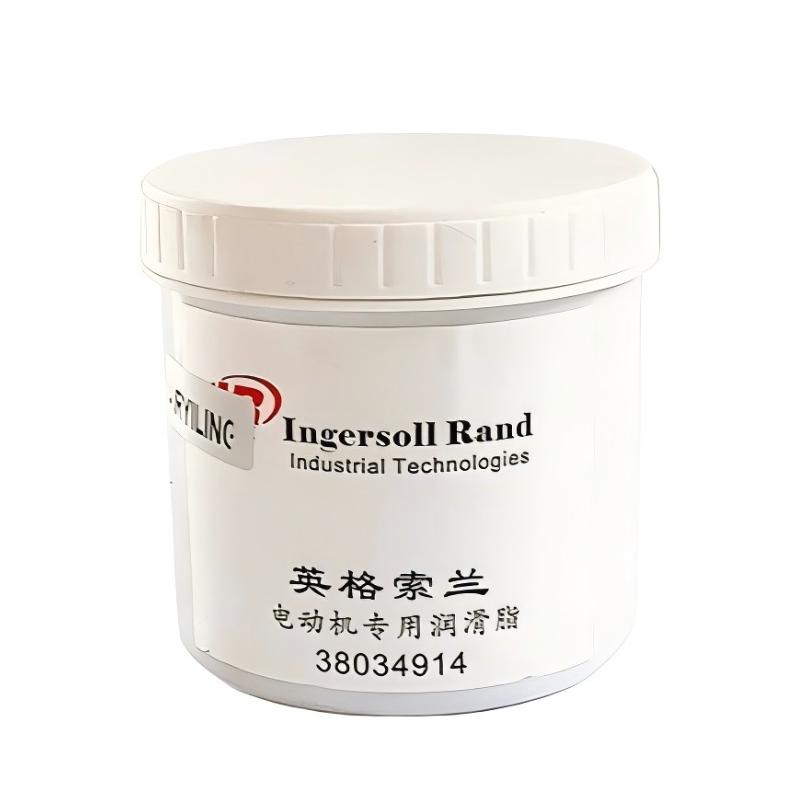
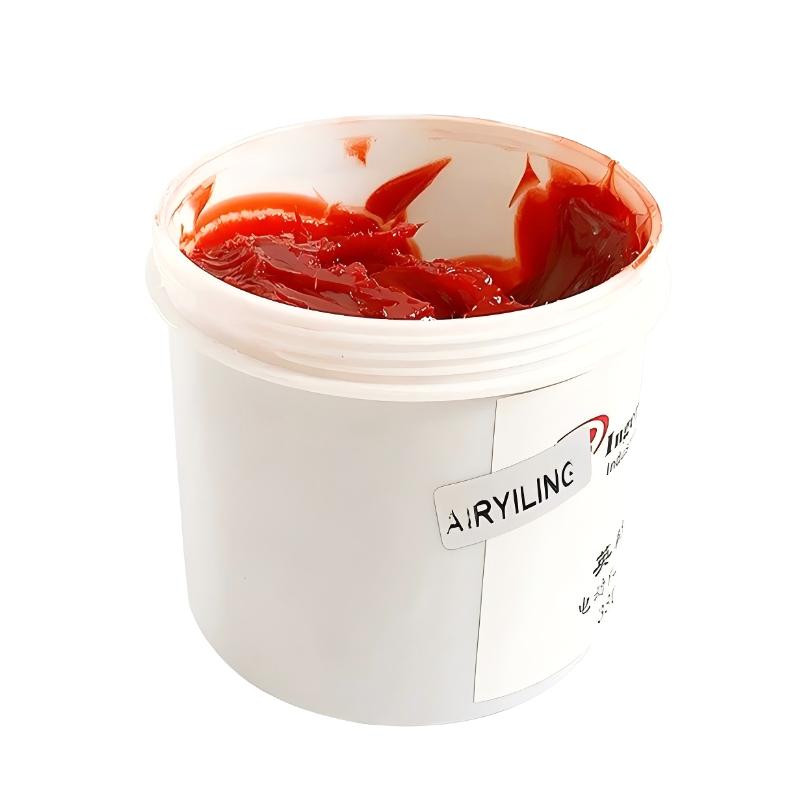
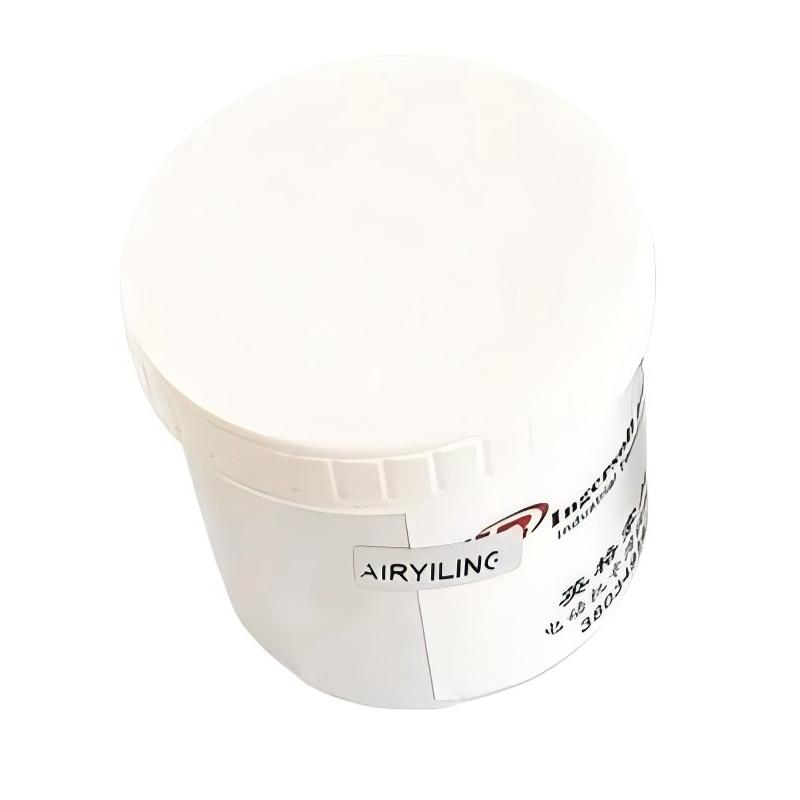
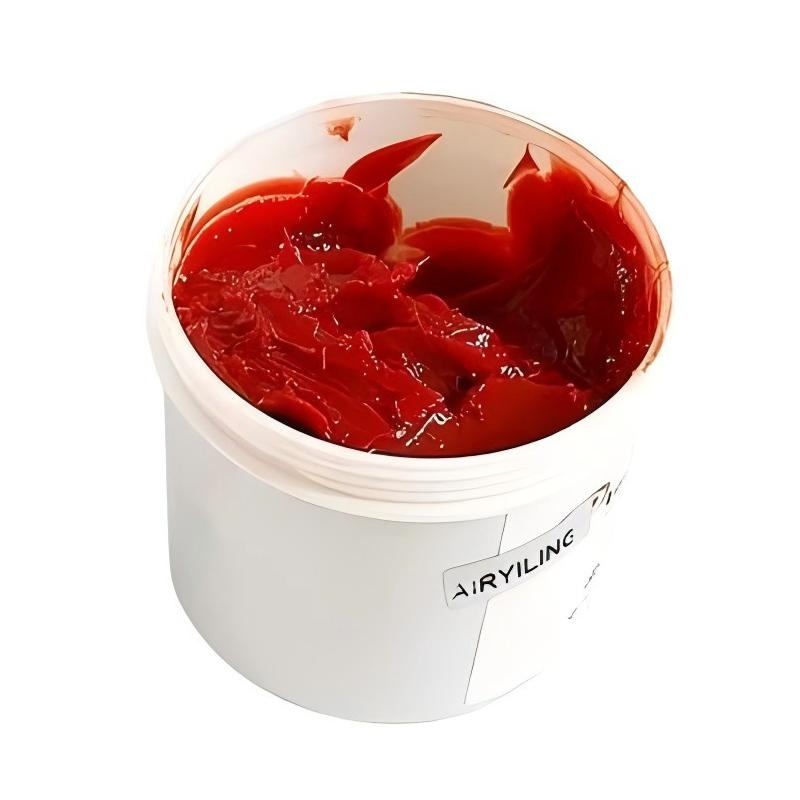
- Ingersoll Rand
- 47588445001 38034914
- Motor Bearing Grease
- USA
- 180 × 35 × 100 mm
- 0.41 kg
- Xiamen, China
- New & In Stock
- T/T, PayPal, Western Union
- 1 Year
- 1-3 Working Days
- DHL, UPS, TNT, FedEx and EMS.
- 24-Hour Service
- COO
- 4
Our advantage

Global Logistics
We have a 10-year logistics and express cooperation agreement, so our products can be shipped to any place in the world.

Brand new and original
Our products are imported in bulk from the place of origin. Because of the cooperative relationship, our products are all original and 100% new.

24-hour service
We provide 7*24 hours service to our customers. We will be there whenever you need us.

Price advantage
All our products are priced very favorably because we have our own warehouse and supply.
| Company Information | |||
| [email protected] | |||
| Mobile | +8615980777398 | ||
| +8615980777398 | |||
| 15980777398 |
Product Overview
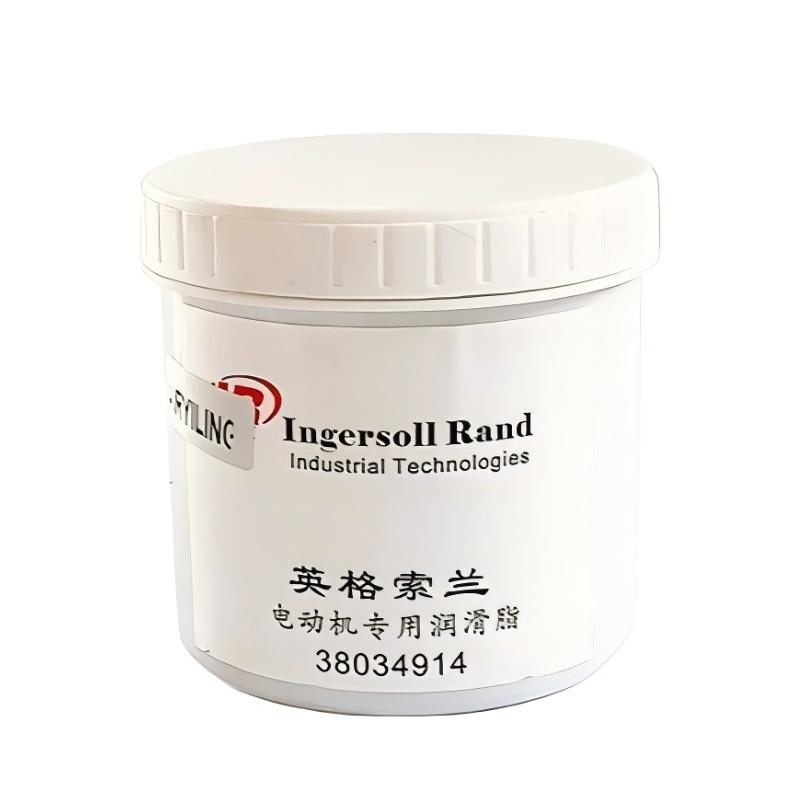
The Ingersoll Rand 47588445001 38034914 Motor Bearing Grease is a specialized lubricant for compatible Ingersoll Rand compressed air equipment. It is intended for motor bearing lubrication, helping reduce friction between bearing surfaces and maintain suitable lubrication conditions during continuous rotating operation.
Electric motors used in industrial compressor installations operate under changing loads, temperatures, and vibration conditions. Their bearings support the rotating shaft while maintaining the alignment required for smooth operation. Without suitable lubrication, friction and contact wear can increase, potentially contributing to elevated bearing temperatures, noise, vibration, and premature component failure.
The 38034914 grease is identified as an electric motor bearing lubricant in Ingersoll Rand parts listings. Its role differs from that of compressor lubricating oil: grease remains within the designated bearing lubrication area, whereas compressor oil circulates through the lubrication, sealing, and cooling systems of an oil-injected screw compressor.
For example, during maintenance of a compressor drive motor, a technician may need to replenish the bearing lubricant according to the motor manufacturer’s service instructions. Applying the specified grease helps maintain the lubricating film between rolling elements and raceways, reducing direct surface contact and supporting the intended bearing operating life.
Lubricant selection must account for bearing design, rotational speed, operating temperature, mechanical load, and compatibility with the existing grease. Different grease formulations should not be mixed without confirming compatibility, since incompatible products can change consistency or reduce lubrication performance.
The 47588445001 and 38034914 references should be retained when identifying this product for maintenance planning. Before application, confirm the required lubricant and quantity for the specific motor or bearing assembly rather than assuming that every motor used with an Ingersoll Rand compressor requires the same grease.
Technical Specifications
| Parameter | Specification |
|---|---|
| Manufacturer | Ingersoll Rand |
| Model Reference | 47588445001 |
| Part Number | 38034914 |
| Product Type | Motor Bearing Grease |
| Product Category | Industrial Lubricant |
| Primary Application | Electric motor bearing lubrication |
| Lubricant Form | Grease |
| Primary Function | Reduces friction and supports bearing wear protection |
| Equipment Application | Compatible Ingersoll Rand compressed air equipment |
| Lubrication Method | Applied to designated bearing lubrication points |
| Operating Requirements | Must match the bearing’s specified lubricant requirements |
| Maintenance Purpose | Bearing lubrication and scheduled relubrication |
| Dimensions | 180 × 35 × 100 mm |
| Weight | 0.41 kg |
Product Features
- Motor bearing lubrication: Supplies grease for designated electric motor bearing applications.
- Friction reduction: Helps maintain a lubricating film between rolling and sliding contact surfaces.
- Wear control: Supports protection of bearing raceways and rolling elements under specified operating conditions.
- Rotating equipment maintenance: Can be incorporated into scheduled servicing of compatible motor assemblies.
- Lubricant retention: Grease consistency helps keep lubricant within the intended bearing lubrication area.
- Application-specific selection: Requires confirmation of the motor manufacturer’s lubricant specification.
- Relubrication support: Can be used during scheduled bearing maintenance where the lubrication arrangement permits replenishment.
- Maintenance identification: Provides a defined part reference for lubricant tracking and service records.
- Bearing condition support: Helps maintain suitable lubrication when the correct quantity and interval are observed.
- Compatibility control: Requires assessment before mixing with grease already present in the bearing.
Working Principle
Motor bearing grease reduces friction by supplying base oil to the contact zones between rolling elements and bearing raceways. The thickener holds the oil in a semisolid structure, helping retain lubricant near the moving surfaces and replenish the contact area during operation.
Grease Application → Oil Release Within the Bearing → Lubricating Film Formation → Reduced Friction and Wear
When the motor rotates, the rolling elements move between the inner and outer raceways. The grease supplies lubricant to these contact zones, helping reduce direct surface contact and limiting friction-related heat generation. The grease also helps protect the bearing surfaces against corrosion and contamination when used in a suitable bearing arrangement.
Grease performance changes with temperature, speed, and mechanical loading. At elevated temperatures, oxidation and changes in consistency can shorten the useful service interval. At high rotational speeds, excessive grease can increase churning resistance and raise bearing temperature. The correct lubricant quantity is therefore as important as the lubricant type.
During service, the old grease may become contaminated with dust, moisture, or wear particles. In some bearing arrangements, relubrication replenishes the lubricant and helps displace contaminants. Other arrangements require a different procedure or a controlled quantity of grease to avoid overfilling the housing.
The 38034914 grease should be applied according to the relevant motor and bearing instructions. The product name alone does not establish its thickener chemistry, temperature rating, or suitability for every bearing design. Those properties must match the equipment’s lubrication requirements.
If a bearing continues to overheat after lubrication, adding more grease is not necessarily the correct response. Excessive grease, incorrect lubricant selection, misalignment, excessive loading, damaged bearings, and inadequate heat dissipation can all produce similar symptoms. Inspection should identify the underlying cause before further lubricant is applied.
Role in an Ingersoll Rand Motor and Compressor Drive System
The 38034914 grease serves the motor bearing lubrication function within compatible drive equipment. The bearings support shaft rotation, while the motor transfers mechanical power to the compressor or other connected machinery.
Electric Motor → Motor Shaft and Bearings → Coupling or Drive Arrangement → Compressor Air End
| System Component | Function |
|---|---|
| Ingersoll Rand 38034914 | Supplies grease for specified motor bearing applications |
| Electric Motor | Converts electrical energy into mechanical rotation |
| Motor Bearings | Support the rotating shaft and accommodate operating loads |
| Bearing Raceways | Provide the rolling contact surfaces within the bearing |
| Motor Shaft | Transfers rotational power to the drive arrangement |
| Bearing Housing | Locates and supports the bearing assembly |
| Bearing Seals | Help retain lubricant and restrict contaminant entry |
| Coupling or Drive Arrangement | Transfers mechanical power from the motor to the driven equipment |
| Compressor Air End | Compresses incoming air when driven by the motor |
| Temperature Monitoring | Helps identify abnormal bearing temperatures where provided |
| Vibration Monitoring | Supports assessment of rotating equipment condition |
| Maintenance Schedule | Defines the lubrication quantity and service interval |
Industrial Applications
| Application | Typical Use |
|---|---|
| Industrial Air Compressors | Lubricating compatible electric motor bearings in compressor installations |
| Manufacturing Plants | Maintaining motor bearings on continuously operating production equipment |
| Automotive Production | Supporting scheduled lubrication of motor-driven machinery |
| Metalworking Facilities | Maintaining bearing lubrication in motor-driven pumps, fans, and auxiliary equipment |
| Industrial Pumping Systems | Lubricating designated motor bearings according to the motor specification |
| Ventilation Equipment | Supporting maintenance of compatible fan motor bearing assemblies |
| Material Handling Machinery | Maintaining motor bearings in equipment with suitable grease-lubrication arrangements |
| Packaging Lines | Supporting planned maintenance of motor-driven production machinery |
| Industrial Utility Rooms | Maintaining bearings in auxiliary rotating equipment |
| Equipment Overhauls | Replenishing or renewing grease during approved motor maintenance procedures |
Installation and Maintenance
- Verify the lubricant reference: Confirm 47588445001 and 38034914 against the motor or equipment maintenance documentation.
- Identify the bearing application: Determine which bearing requires lubrication and confirm that grease is the specified lubricant for that assembly.
- Review operating conditions: Check bearing speed, load, operating temperature, and service history before selecting the lubrication quantity and interval.
- Check existing grease compatibility: Identify the grease currently in the bearing and verify compatibility before introducing a different formulation.
- Prepare the equipment safely: Stop and isolate the motor where required, following the site’s electrical safety and lockout/tagout procedures.
- Clean the lubrication point: Remove dirt and contamination around grease fittings, ports, and accessible bearing surfaces before applying lubricant.
- Inspect the bearing arrangement: Check the housing, seals, grease fittings, and any relief passages for damage or blockage.
- Prepare the application tool: Ensure that the grease gun or dispensing equipment is clean and suitable for controlled application.
- Apply the specified quantity: Follow the motor manufacturer’s instructions and avoid estimating the amount solely from the appearance of the bearing housing.
- Check for excess grease: Follow the applicable procedure for grease relief or excess removal where the bearing design requires it.
- Observe post-service operation: Where permitted, monitor bearing temperature, noise, vibration, and leakage after the motor returns to service.
- Record maintenance findings: Document the grease part number, lubrication point, quantity applied, date, operating hours, and any bearing abnormalities.
Related Components
| Component | Function |
|---|---|
| Ingersoll Rand 38034914 | Motor bearing grease for compatible applications |
| Electric Motor | Supplies mechanical power to the driven equipment |
| Motor Bearing Assembly | Supports the rotating shaft and carries mechanical loads |
| Bearing Housing | Locates and supports the bearing |
| Bearing Seals | Help retain grease and restrict contamination |
| Motor Shaft | Transfers rotational power |
| Coupling Assembly | Connects the motor to the driven equipment where applicable |
| Grease Fitting | Provides access for controlled lubricant application |
| Grease Gun | Delivers grease to designated lubrication points |
| Temperature Monitoring Device | Helps identify abnormal bearing temperature |
| Vibration Monitoring Device | Supports rotating equipment condition assessment |
Recommended Related Models
| Model / Product Family | Product Type | Typical Application |
|---|---|---|
| Ingersoll Rand 38034914 | Motor Bearing Grease | Lubricating specified electric motor bearing assemblies |
| Ingersoll Rand 39218193 | High Temperature Grease | Designated lubrication applications where the specified grease is required |
| Ingersoll Rand 47588445001 | Compressor Spare Part Reference | Identifying the associated motor bearing grease application |
| Ingersoll Rand Electric Motor Assemblies | Motor Component | Driving compatible compressor equipment |
| Ingersoll Rand Compressor Drive Components | Drive System Components | Transferring motor power to the compressor air end |
| Compatible Motor Bearing Assemblies | Mechanical Bearing Components | Supporting rotating shafts under the specified lubrication conditions |
| Compatible Grease Application Equipment | Lubrication Accessories | Delivering a controlled quantity of grease during maintenance |
Key Advantages
- Supports lubrication of compatible electric motor bearings.
- Helps reduce friction and wear between bearing contact surfaces.
- Supports scheduled motor maintenance and relubrication.
- Helps maintain a suitable lubricating film when correctly selected and applied.
- Provides a defined part reference for maintenance planning and lubricant identification.
- Supports bearing condition management when used according to the applicable service procedure.
Technical FAQs
Is the 38034914 grease intended for the compressor air end or the electric motor bearings?
It is identified as motor bearing grease. Compressor oil used in the air end serves a different purpose and follows a different circulation path. Confirm the intended lubrication point before applying the grease.
How can the correct relubrication quantity be determined?
The quantity depends on the motor frame, bearing design, rotational speed, and lubrication arrangement. Use the motor or bearing maintenance instructions rather than applying a generic amount to every motor.
Can this grease be mixed with another motor bearing grease?
Compatibility should be confirmed before mixing. Different grease formulations may react or change consistency, potentially reducing lubrication performance. If the existing lubricant is unknown, establish the correct service procedure before introducing the replacement grease.
What could cause a motor bearing to overheat after lubrication?
Possible causes include overgreasing, unsuitable grease, incorrect bearing installation, misalignment, excessive mechanical loading, or bearing damage. Check the lubrication quantity and the complete mechanical arrangement instead of assuming that additional grease will solve the problem.