

ProductPRODUCT
Featured products
Contact Us
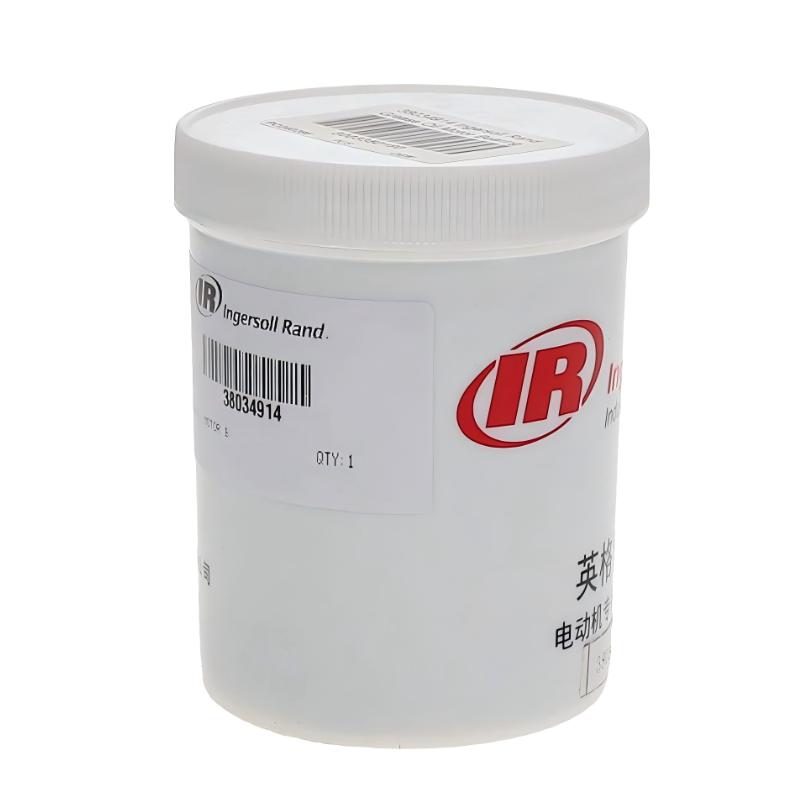
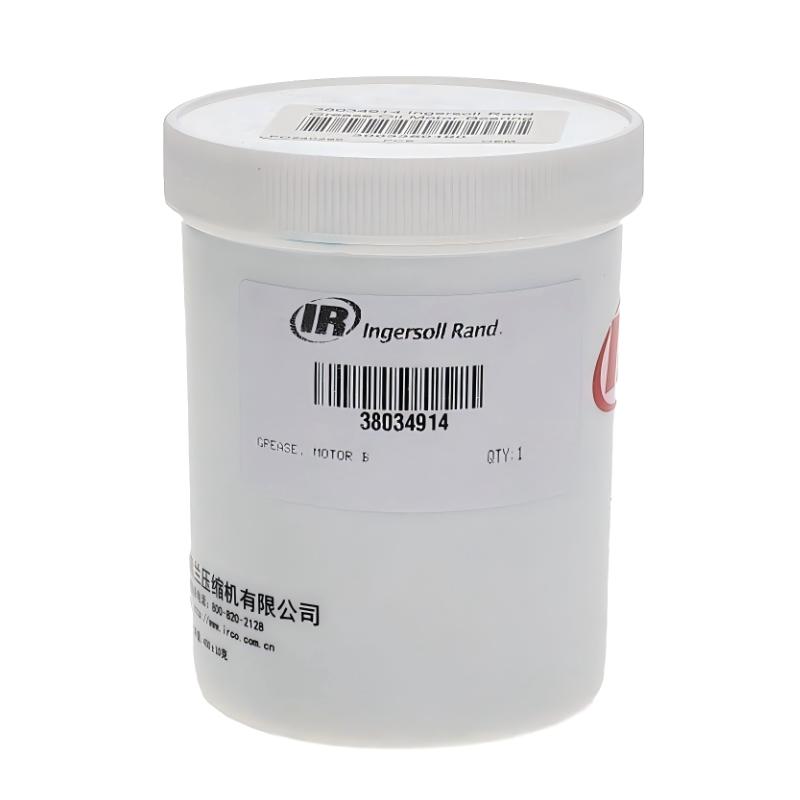
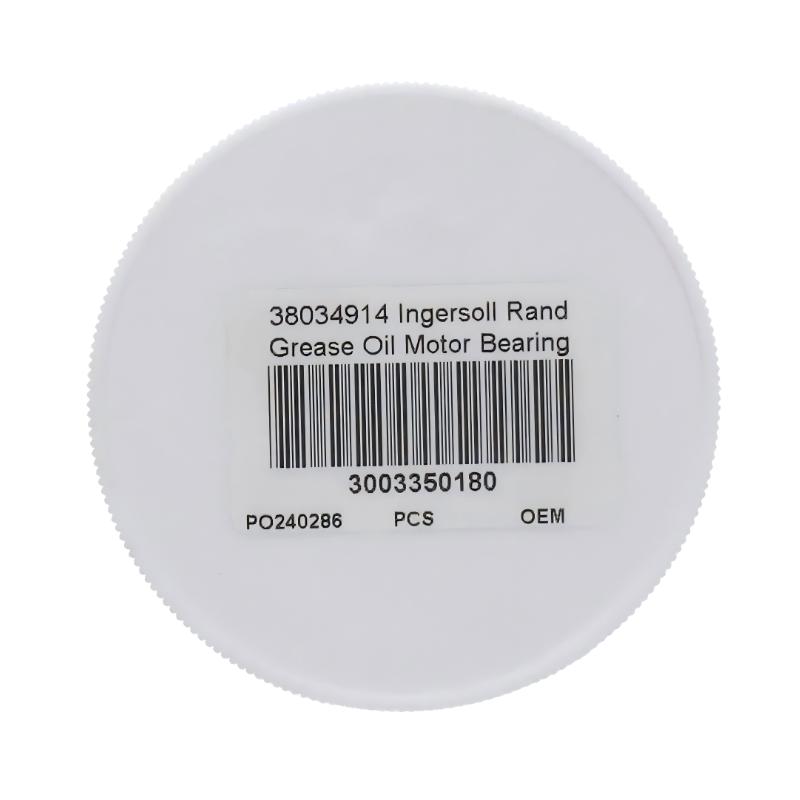
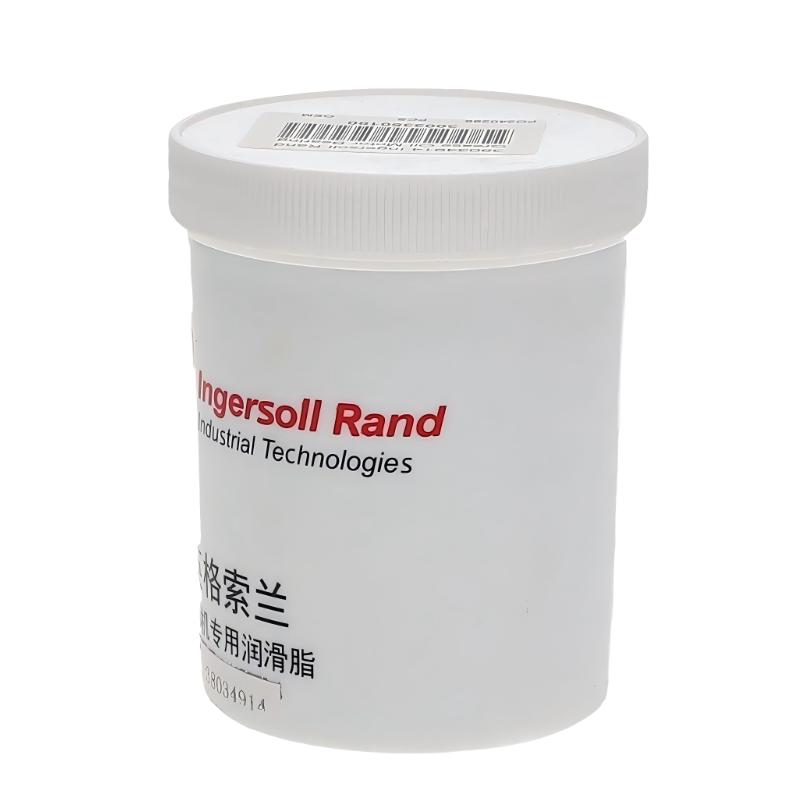
- Ingersoll Rand
- 47627671001 38034914
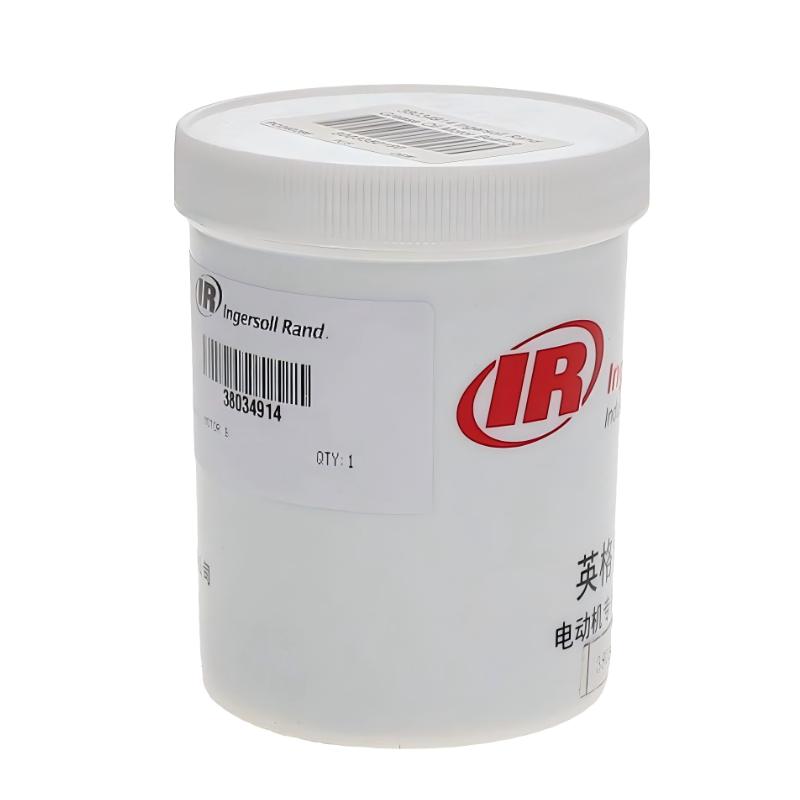
- Motor Bearing Grease
- USA
- 180 × 35 × 100 mm
- 0.41 kg
- Xiamen, China
- New & In Stock
- T/T, PayPal, Western Union
- 1 Year
- 1-3 Working Days
- DHL, UPS, TNT, FedEx and EMS.
- 24-Hour Service
- COO
- 4
Our advantage

Global Logistics
We have a 10-year logistics and express cooperation agreement, so our products can be shipped to any place in the world.

Brand new and original
Our products are imported in bulk from the place of origin. Because of the cooperative relationship, our products are all original and 100% new.

24-hour service
We provide 7*24 hours service to our customers. We will be there whenever you need us.

Price advantage
All our products are priced very favorably because we have our own warehouse and supply.
| Company Information | |||
| [email protected] | |||
| Mobile | +8615980777398 | ||
| +8615980777398 | |||
| 15980777398 |
Product Overview
The Ingersoll Rand 47627671001 38034914 Motor Bearing Grease is a maintenance consumable associated with motor bearing lubrication in industrial equipment. Bearing grease helps maintain a lubricating film between rolling or sliding contact surfaces, reducing friction and limiting direct metal-to-metal contact during operation.
In industrial compressor installations, electric motors and other rotating equipment rely on properly lubricated bearings to support the rotating shaft and maintain smooth mechanical operation. The lubricant must be suitable for the bearing arrangement, operating conditions, and maintenance requirements of the equipment. Using the correct grease helps maintenance personnel manage bearing lubrication as part of a broader preventive maintenance program.
The part identifiers 47627671001 and 38034914 provide references for product identification, stock control, and maintenance records. When replenishing workshop supplies or preparing a scheduled service, technicians should verify the complete product designation to avoid confusing this item with other lubricants, grease cartridges, or compressor maintenance consumables.
Grease selection and application require attention to the equipment manufacturer’s lubrication requirements. The grease type, quantity, application method, and relubrication interval should match the relevant motor or bearing specifications. Excessive grease application or mixing incompatible lubricants can cause operational problems, so maintenance should follow the applicable service procedure.
Technical Specifications
| Parameter | Specification |
|---|---|
| Manufacturer | Ingersoll Rand |
| Product Model | 47627671001 |
| Additional Part Number | 38034914 |
| Product Type | Motor Bearing Grease |
| Product Category | Industrial Lubrication Consumable |
| Primary Function | Lubrication of compatible motor bearings |
| Application | Industrial motor and rotating-equipment maintenance |
| Equipment Context | Industrial compressor and associated equipment maintenance |
| Product Form | Grease |
| Application Method | According to the specified bearing lubrication procedure |
| Lubrication Requirements | Dependent on the bearing and equipment specifications |
| Maintenance Use | Preventive maintenance and lubricant replenishment |
| Storage Requirements | Follow the product label and applicable storage instructions |
| Dimensions | 180 × 35 × 100 mm |
| Weight | 0.41 kg |
Product Features
- Bearing Lubrication: Provides grease for compatible motor bearing applications where this product is specified.
- Maintenance Part Identification: The 47627671001 and 38034914 identifiers support purchasing, inventory management, and service documentation.
- Rotating-Equipment Support: Lubrication helps reduce friction between bearing contact surfaces and supports normal mechanical operation.
- Preventive Maintenance Use: Can be included in planned lubrication activities when required by the applicable equipment maintenance schedule.
- Consumable Inventory Management: A distinct part reference helps maintenance teams track lubricant stock and replenishment requirements.
- Equipment-Specific Application: The appropriate grease quantity and application interval depend on the bearing type and equipment operating conditions.
- Service Procedure Compatibility: Lubrication work can be incorporated into scheduled motor and compressor maintenance.
- Controlled Lubricant Handling: Proper storage, handling, and application help preserve lubricant condition and reduce contamination risks.
Working Principle
The Ingersoll Rand 47627671001 38034914 Motor Bearing Grease functions by forming a lubricating film between the moving contact surfaces of a compatible bearing. During rotation, the grease helps reduce friction and wear while supporting the bearing’s intended operating conditions. Its actual performance depends on the lubricant formulation, bearing design, rotational speed, temperature, load, and service environment.
In a typical motor maintenance procedure, the technician identifies the bearing requiring lubrication and verifies the specified grease before applying it. The grease is introduced using the approved lubrication method and in the quantity required for the particular bearing. During operation, the lubricant helps separate contacting surfaces and reduces the mechanical resistance associated with bearing movement.
Grease application must be controlled. Too little lubricant may allow excessive friction and wear, while over-lubrication can increase churning, heat generation, or pressure within a bearing housing. Mixing incompatible greases can also affect lubricant performance. For this reason, the maintenance procedure should specify whether the bearing requires replenishment, removal of old grease, or another service method.
Typical lubrication process:
Verify Bearing Requirements → Confirm Grease Identification → Apply the Specified Quantity → Operate Equipment Under Approved Conditions → Monitor Bearing Temperature and Condition
The lubricant supports bearing operation, but it does not replace the need to check alignment, bearing condition, contamination, vibration, and other mechanical factors that can contribute to premature failure.
Role in an Industrial Motor Maintenance System
Within an industrial maintenance program, motor bearing grease is a consumable used to support the lubrication requirements of compatible rotating equipment. Its role is distinct from that of the motor, bearing assembly, lubrication fitting, or monitoring equipment. Each component contributes to a different part of the maintenance process.
| System Component | Function | Relationship to Motor Bearing Grease |
|---|---|---|
| Electric Motor | Converts electrical energy into mechanical rotation | Contains bearings that may require scheduled lubrication |
| Motor Bearing | Supports the rotating shaft and manages radial or axial loads | Receives the specified grease where grease lubrication is required |
| Bearing Housing | Supports and protects the bearing assembly | Retains the bearing and lubricant according to its design |
| Lubrication Fitting or Access Point | Provides access for lubricant application where fitted | Allows grease to be introduced using the approved procedure |
| Lubrication Equipment | Delivers a controlled quantity of grease | Supports accurate application during maintenance |
| Shaft and Coupling | Transfers mechanical rotation to connected equipment | Depend on correct motor operation and bearing condition |
| Temperature Monitoring Device | Measures bearing or motor temperature where installed | Helps identify abnormal heating that may be associated with lubrication or mechanical faults |
| Maintenance Management System | Records service activities and schedules | Tracks grease usage, lubrication dates, and maintenance findings |
Industrial Applications
| Application Area | Typical Use | Relevance of Motor Bearing Grease |
|---|---|---|
| Industrial Compressor Maintenance | Servicing motors associated with compressor packages | Supports bearing lubrication when specified for the installed motor |
| Electric Motor Servicing | Planned lubrication of compatible motor bearings | Helps maintain the bearing’s intended lubrication condition |
| Rotating Equipment Maintenance | Lubrication work on applicable rotating machinery | Forms part of routine bearing-care procedures |
| Preventive Maintenance Programs | Scheduled lubrication and inspection activities | Supports planned consumable usage and service records |
| Maintenance Workshop Operations | Preparation of grease and tools for equipment servicing | Provides a traceable lubricant reference for maintenance personnel |
| Spare Parts and Consumables Management | Stock control for lubricants and maintenance materials | Helps distinguish the required grease from other service consumables |
| Equipment Overhaul | Bearing inspection and lubrication during refurbishment | May be used where the specified service procedure calls for this grease |
| Industrial Plant Maintenance | Maintenance of compatible motor-driven equipment | Supports lubrication tasks within the site’s maintenance plan |
Installation and Maintenance
- Verify the grease identification: Confirm the 47627671001 and 38034914 part numbers against the maintenance record and the intended equipment application before use.
- Check the bearing requirements: Identify the motor or bearing assembly and verify that this grease is specified for the application.
- Review the lubrication procedure: Confirm the required grease quantity, application method, and relubrication interval from the relevant equipment documentation.
- Prepare the equipment safely: Stop and isolate the motor or associated equipment according to the applicable lockout and electrical safety procedures before performing maintenance.
- Inspect the bearing area: Check the accessible housing, lubrication points, and surrounding components for leakage, contamination, physical damage, or abnormal heat discoloration.
- Clean the lubrication access point: Remove dirt and debris around the grease fitting or access point before applying lubricant to reduce the risk of introducing contaminants.
- Check lubricant compatibility: Avoid mixing different grease types unless compatibility has been confirmed and the approved service procedure permits it.
- Prepare the application equipment: Use a suitable, clean grease gun or other specified application tool. Keep the lubricant and application equipment free from water, dust, and foreign material.
- Apply the specified quantity: Introduce grease according to the bearing’s lubrication requirements. Do not assume that a larger quantity will provide better lubrication.
- Secure the lubrication point: After application, clean the area and restore any cap, fitting protection, or other component removed during the procedure.
- Check operating condition: Return the equipment to service under the approved procedure and monitor for abnormal temperature, noise, vibration, or lubricant leakage.
- Document the maintenance: Record the grease part number, service date, equipment identification, quantity applied where required, and any observed bearing or lubrication issues.
Related Components
| Component | Function | Relationship to Motor Bearing Grease |
|---|---|---|
| Electric Motor Bearing Assembly | Supports the rotating shaft | Uses the specified lubricant when the bearing design requires grease lubrication |
| Bearing Housing | Provides mechanical support and protection | Contains the bearing and helps retain lubricant |
| Grease Gun | Applies grease through a lubrication point | Delivers lubricant during maintenance |
| Grease Fitting | Provides a designated lubricant entry point | Connects the application tool to the bearing lubrication arrangement |
| Shaft and Coupling Assembly | Transfers mechanical power | Relies on the motor and its bearings operating within specified conditions |
| Bearing Seals | Help retain lubricant and limit contamination | Support grease retention and bearing protection |
| Temperature Sensor | Monitors temperature where installed | Helps identify abnormal operating conditions that may require investigation |
| Vibration Monitoring Equipment | Detects changes in rotating-equipment vibration | Supports condition assessment alongside lubrication maintenance |
| Maintenance Consumables | Include cleaning materials and other service supplies | Support controlled lubrication and maintenance work |
Recommended Related Models
| Model or Product Category | Product Type | Relationship |
|---|---|---|
| Ingersoll Rand 47627671001 38034914 | Motor Bearing Grease | Specified lubricant reference for identification and replenishment |
| Ingersoll Rand Motor Maintenance Consumables | Industrial Maintenance Supplies | Related category for servicing motor assemblies |
| Ingersoll Rand Compressor Lubrication Products | Industrial Lubricants | Related product category; confirm the intended application before selection |
| Industrial Electric Motor Bearings | Mechanical Bearing Components | Related equipment components that may require specified grease lubrication |
| Industrial Grease Application Equipment | Lubrication Tools | Supports controlled application of compatible grease |
| Industrial Bearing Seals | Bearing Protection Components | Helps retain lubricant and reduce contamination |
| Industrial Motor Temperature Sensors | Monitoring Components | Supports monitoring of bearing and motor operating conditions |
| Industrial Vibration Monitoring Devices | Condition Monitoring Equipment | Helps assess rotating-equipment condition during maintenance |
Key Advantages
- Maintenance Identification: The two part references support lubricant identification and stock control.
- Bearing Lubrication Support: Provides grease for compatible motor bearing applications where specified.
- Preventive Maintenance Integration: Can be included in scheduled motor servicing and lubrication records.
- Controlled Application: Supports a structured lubrication process based on bearing requirements.
- Equipment Condition Management: Lubrication work can be combined with temperature, vibration, and visual inspections.
- Consumable Traceability: Recording the grease identifier helps maintenance teams track material usage and replenishment.
Technical FAQs
What is the purpose of Ingersoll Rand 47627671001 38034914 Motor Bearing Grease?
It is identified as motor bearing grease for lubrication applications. Its specific use should be matched to the intended motor or bearing assembly and the applicable lubrication requirements.
Can this grease be used for every Ingersoll Rand compressor motor?
No. Motor bearings can have different lubricant requirements depending on their design, operating speed, temperature, and service conditions. Confirm that this exact grease is specified for the intended bearing before applying it.
How much grease should be applied during maintenance?
The required quantity depends on the bearing design and the equipment’s service procedure. Applying excessive grease can cause churning, heat generation, or pressure-related problems, so the quantity and relubrication interval should follow the applicable maintenance instructions.
What should be checked if a bearing becomes unusually hot after lubrication?
Check the grease quantity, lubricant compatibility, bearing condition, and lubrication procedure. Also inspect for mechanical causes such as misalignment, excessive load, contamination, or bearing damage. Temperature alone does not establish that the grease is the cause of the problem.