

ProductPRODUCT
Featured products


Contact Us
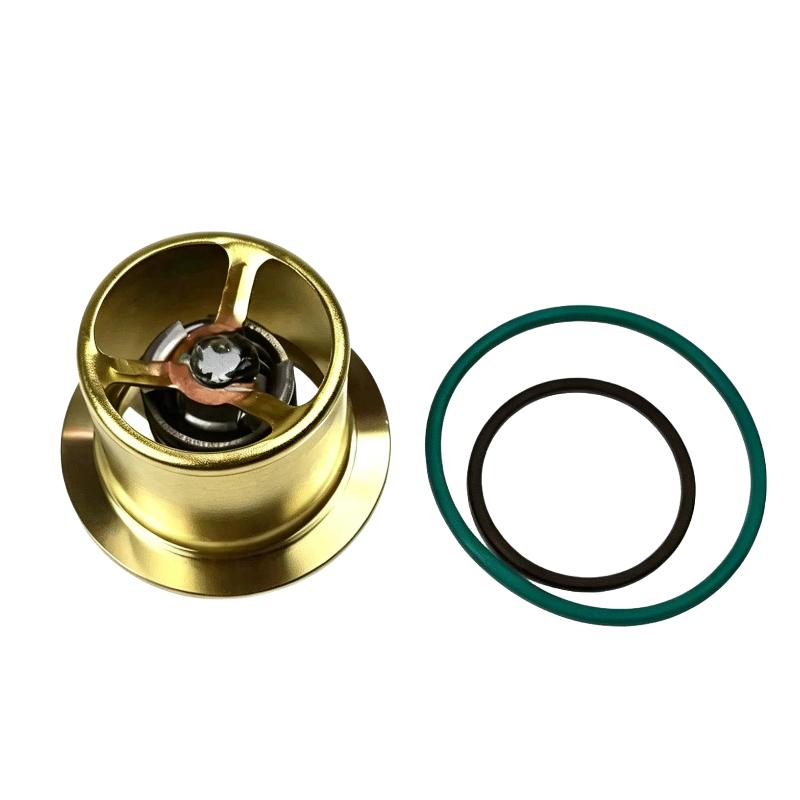
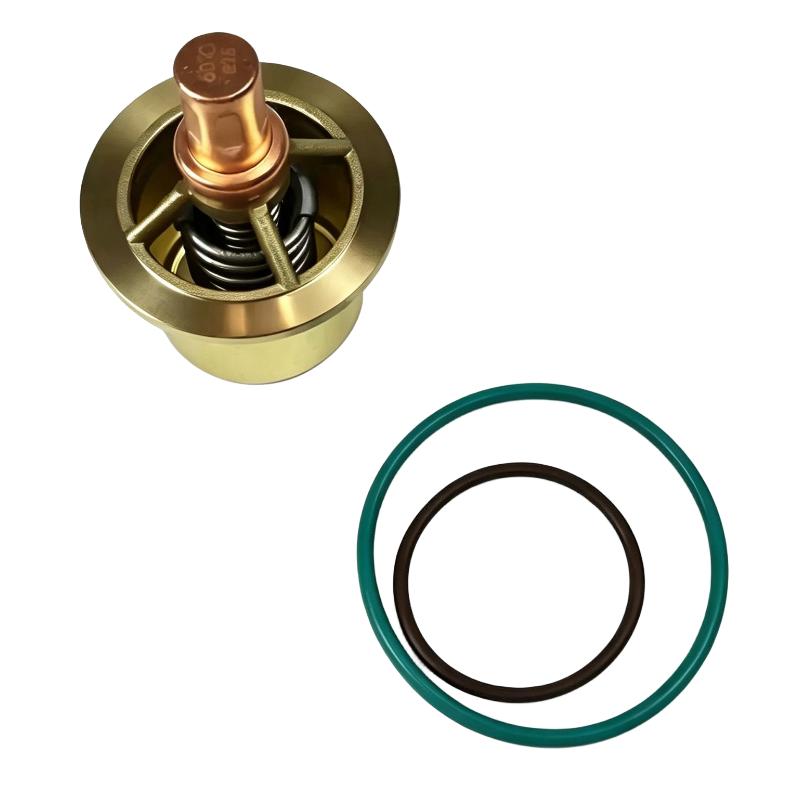
- Ingersoll Rand
- 47545137001 47545136001
- Temperature Control Valve Maintenance Kit
- USA
- 180 × 140 × 80 mm
- 1.20 kg
- Xiamen, China
- New & In Stock
- T/T, PayPal, Western Union
- 1 Year
- 1-3 Working Days
- DHL, UPS, TNT, FedEx and EMS.
- 24-Hour Service
- COO
- 7
Our advantage

Global Logistics
We have a 10-year logistics and express cooperation agreement, so our products can be shipped to any place in the world.

Brand new and original
Our products are imported in bulk from the place of origin. Because of the cooperative relationship, our products are all original and 100% new.

24-hour service
We provide 7*24 hours service to our customers. We will be there whenever you need us.

Price advantage
All our products are priced very favorably because we have our own warehouse and supply.
| Company Information | |||
| [email protected] | |||
| Mobile | +8615980777398 | ||
| +8615980777398 | |||
| 15980777398 |
Product Overview
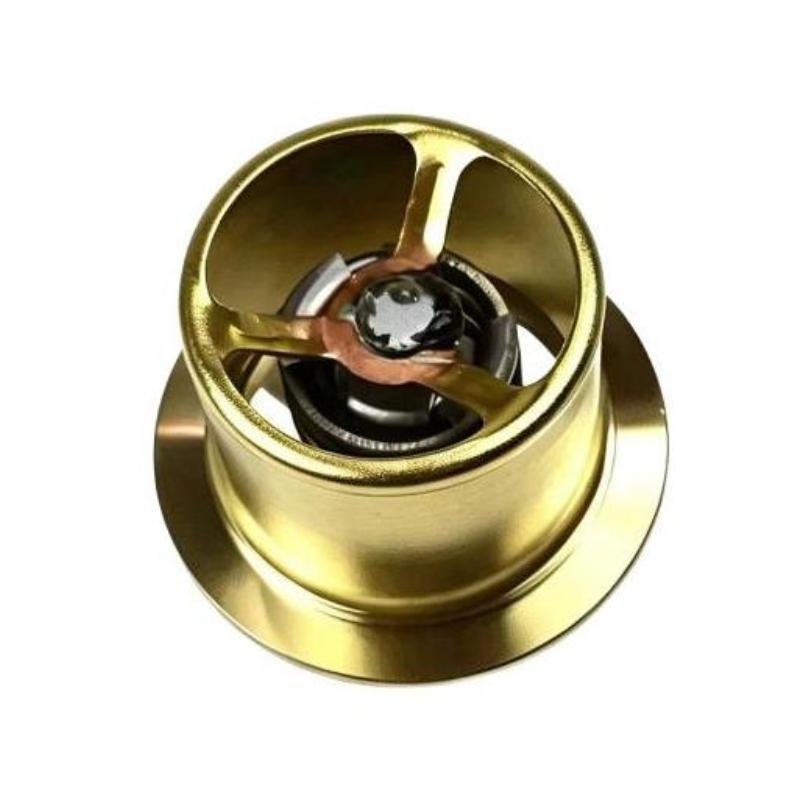
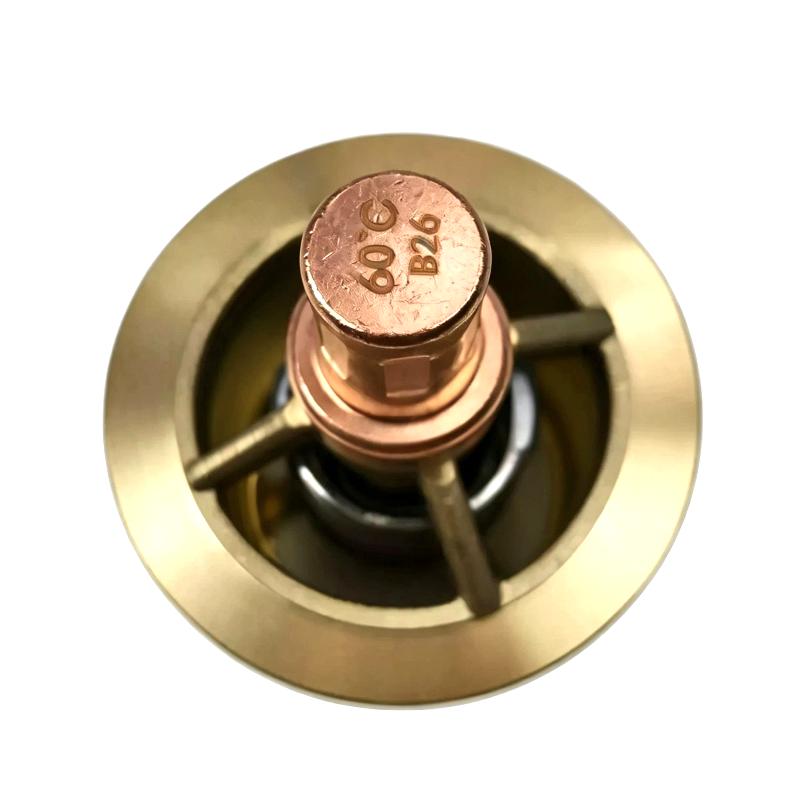
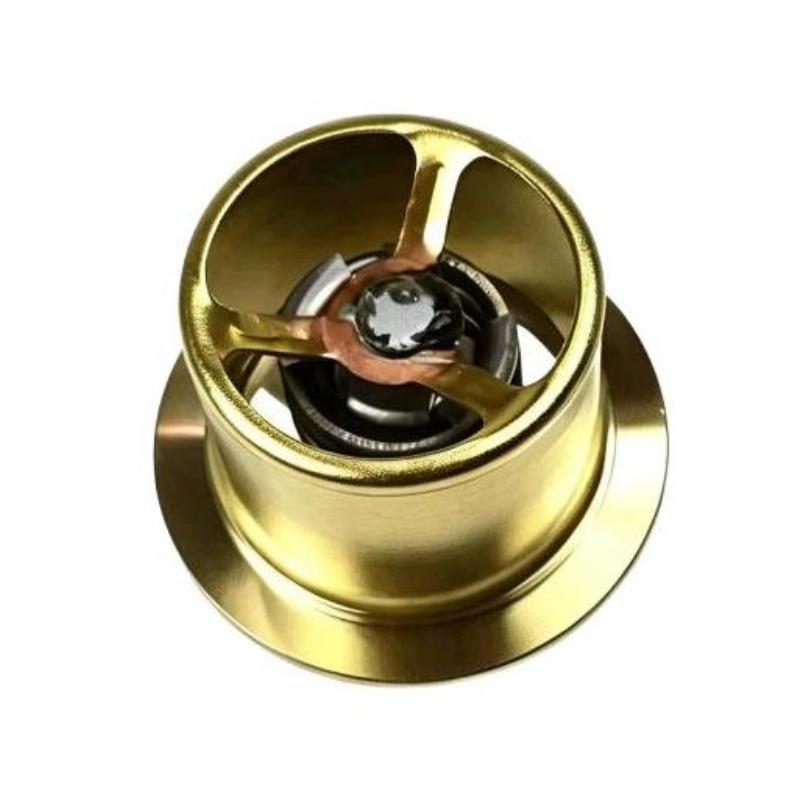
The Ingersoll Rand 47545137001 47545136001 Temperature Control Valve Maintenance Kit is a service kit for maintaining the temperature control valve in compatible Ingersoll Rand compressed air systems. The temperature control valve helps regulate the flow of lubricant through the cooling circuit, supporting appropriate oil temperature during compressor operation.
In an oil-injected rotary screw compressor, lubricant serves several purposes: it reduces friction between moving components, helps seal the compression chamber, and carries heat away from the compression process. The temperature control valve directs lubricant through the appropriate flow path as operating conditions change. Wear, contamination, or deterioration of internal valve components can affect temperature regulation and may contribute to abnormal oil temperatures.
Using a maintenance kit during scheduled servicing allows technicians to renew serviceable valve components and restore the valve’s intended operating function. This is particularly relevant for compressors operating for extended periods in manufacturing plants, utility rooms, and other facilities where consistent compressed-air availability is required.
Technical Specifications
| Parameter | Specification |
|---|---|
| Brand | Ingersoll Rand |
| Product Model | 47545137001 47545136001 |
| Product Type | Temperature Control Valve Maintenance Kit |
| Product Category | Compressor Spare Parts |
| Application | Temperature control valve servicing |
| Equipment Type | Industrial air compressor |
| System | Lubrication and oil temperature control circuit |
| Primary Function | Maintenance of temperature control valve components |
| Operating Medium | Compressor lubricant |
| Service Purpose | Valve maintenance and component renewal |
| Maintenance Context | Preventive and corrective maintenance |
| Installation Location | Temperature control valve assembly |
| Dimensions | 180 × 140 × 80 mm |
| Weight | 1.20 kg |
Product Features
- Supports temperature regulation: Helps maintain the function of the temperature control valve responsible for managing lubricant flow through the compressor cooling circuit.
- Suitable for maintenance work: Provides a service-kit approach to valve maintenance without requiring technicians to replace the entire assembly automatically.
- Helps address component wear: Renewing serviceable parts can help resolve issues associated with aging seals or other worn valve components when those items are included in the kit.
- Supports compressor servicing: Can be incorporated into planned maintenance schedules to reduce the risk of extended downtime caused by neglected valve condition.
- Relevant to lubrication system performance: Proper valve operation helps the compressor manage lubricant temperature during changing load and ambient conditions.
- Useful for maintenance inventory planning: Identifying the kit by its supplied part numbers helps maintenance teams organize spare-parts purchasing and service records.
Working Principle
The temperature control valve regulates the route taken by compressor lubricant according to the thermal conditions of the system. During operation, lubricant absorbs heat generated by compression and mechanical friction. The valve controls whether the oil is directed through the cooler or follows a bypass path, depending on the valve’s operating condition and temperature response.
When the lubricant is relatively cool, the valve may limit flow through the cooler to help the system reach its normal operating temperature. As the oil temperature rises, the valve changes the flow distribution so that more lubricant can pass through the cooling circuit. The cooled lubricant then returns to the compressor’s lubrication and injection system.
Over time, seals and other internal components can deteriorate because of heat exposure, repeated movement, contamination, and normal service wear. A maintenance kit supports servicing of the valve’s replaceable components. Once the valve has been serviced and correctly reassembled, its movement and sealing function can be checked as part of the compressor’s return-to-service procedure.
Role in a Compressor Lubrication and Temperature Control Architecture
| System Component | Role in the Architecture | Relationship to the Temperature Control Valve |
|---|---|---|
| Temperature Control Valve | Regulates lubricant flow according to thermal conditions | Main assembly serviced using the maintenance kit |
| Oil Cooler | Removes heat from circulating lubricant | Receives lubricant flow when cooling is required |
| Oil Filter | Removes contaminants from the lubricant | Helps protect downstream components from particles |
| Oil Separator | Separates lubricant from compressed air | Supports lubricant recovery and recirculation |
| Lubricant Circuit | Circulates oil through the compressor system | Provides the flow managed by the valve |
| Compressor Airend | Performs the compression process | Generates heat that the lubricant helps carry away |
| Temperature Monitoring Device | Monitors oil or system temperature | Helps technicians assess temperature-control performance |
| Compressor Controller | Monitors operating conditions and alarms | May indicate abnormal temperature conditions requiring investigation |
Industrial Applications
| Application | Temperature Control Requirements | Maintenance Relevance |
|---|---|---|
| Manufacturing Plants | Consistent compressor operation under changing production loads | Supports planned maintenance of the lubricant temperature-control circuit |
| Automotive Production | Stable compressed-air supply for production equipment | Helps maintenance teams address valve wear during scheduled servicing |
| Food and Beverage Facilities | Continuous compressed-air availability for plant operations | Supports compressor upkeep as part of preventive maintenance |
| Packaging Lines | Reliable air supply during extended production cycles | Helps reduce the risk of temperature-related compressor interruptions |
| Pharmaceutical Manufacturing | Consistent utility-system operation | Supports documented maintenance of compressor components |
| General Industrial Utilities | Operation under variable ambient and load conditions | Helps maintain the function of the temperature control valve |
Installation and Maintenance
- Identify the compressor and valve assembly: Confirm the installed compressor configuration and locate the temperature control valve requiring service.
- Shut down the compressor: Stop the unit using the normal shutdown procedure and isolate it from the electrical supply before beginning maintenance.
- Release stored pressure: Depressurize the relevant air and lubricant circuits and allow hot components and oil to cool before opening the system.
- Prepare the work area: Clean the exterior around the valve to prevent dirt from entering the lubrication circuit during disassembly.
- Document the existing arrangement: Record the valve orientation, connections, and component positions before removing the assembly.
- Remove the valve as required: Disconnect associated lines and fittings carefully, preventing damage to sealing surfaces and threaded connections.
- Inspect the valve components: Check accessible parts for wear, deposits, corrosion, damaged sealing surfaces, or other signs of deterioration.
- Replace serviceable parts: Install the applicable kit components in their correct positions and use suitable assembly practices to protect seals and mating surfaces.
- Reassemble the valve: Ensure internal components are seated correctly and fasteners are tightened according to the applicable service procedure.
- Reinstall and reconnect: Return the valve to its original installation position and reconnect the lubricant lines and fittings securely.
- Check the system before startup: Verify that tools and loose materials have been removed, connections are secure, and the lubrication circuit is ready for operation.
- Test compressor operation: Restart the unit according to the normal procedure, inspect for leaks, monitor oil temperature and operating alarms, and record the maintenance results.
Compatible System Components
| Component | Function | Maintenance Relationship |
|---|---|---|
| Temperature Control Valve Assembly | Manages lubricant flow through cooling and bypass paths | Primary assembly associated with this kit |
| Oil Cooler | Removes heat from compressor lubricant | Works with the valve to control lubricant temperature |
| Oil Filter Assembly | Filters circulating lubricant | Helps maintain oil cleanliness throughout the circuit |
| Oil Separator Assembly | Separates oil from compressed air | Supports lubricant recovery and recirculation |
| Lubricant Lines and Fittings | Carry oil between system components | Require inspection for leaks, restrictions, and connection damage |
| Temperature Sensor | Monitors operating temperature | Provides information for assessing temperature-control performance |
| Compressor Controller | Monitors operating status and alarms | Helps identify abnormal temperature behavior during testing |
Recommended Related Models
| Product or Component | Function | Relevance |
|---|---|---|
| Ingersoll Rand Temperature Control Valve | Regulates lubricant flow according to temperature | The main valve assembly serviced during maintenance |
| Ingersoll Rand Oil Cooler | Removes heat from circulating lubricant | Closely related to temperature regulation |
| Ingersoll Rand Oil Filter | Removes contaminants from compressor oil | Supports lubrication system cleanliness |
| Ingersoll Rand Air/Oil Separator | Separates lubricant from compressed air | Supports oil recovery and system operation |
| Ingersoll Rand Minimum Pressure Check Valve | Maintains the required pressure behavior in the compressor system | Another serviceable component in the compressor air and oil circuit |
| Ingersoll Rand Compressor Lubricant | Lubricates and carries heat away from internal components | Works with the temperature-control circuit during normal operation |
Key Advantages
- Supports maintenance of the compressor temperature control valve.
- Helps restore valve sealing and movement when serviceable parts have worn.
- Supports effective management of lubricant flow through the cooling circuit.
- Fits into planned compressor maintenance and component inspection routines.
- Helps maintenance teams address temperature-control issues before they lead to prolonged downtime.
Technical FAQs
1. What is the function of the Ingersoll Rand Temperature Control Valve Maintenance Kit?
The kit is intended for servicing a temperature control valve associated with compressor lubricant circulation. Maintaining the valve helps preserve its ability to manage oil flow through the cooling and bypass paths as operating temperatures change.
2. What compressor symptoms may indicate that the temperature control valve needs maintenance?
Possible signs include oil temperatures that remain outside the normal operating range, temperature fluctuations, or related compressor alarms. These symptoms can also result from cooler restrictions, low lubricant levels, sensor faults, or other system problems, so the full circuit should be inspected.
3. Why is temperature control important in an oil-injected screw compressor?
The lubricant absorbs heat during compression and helps lubricate and seal internal components. Appropriate temperature regulation supports lubricant performance and helps prevent operating conditions associated with excessively cold or hot oil.
4. What should technicians check after servicing the temperature control valve?
Technicians should check the valve installation, connections, sealing surfaces, and lubricant lines. After startup, inspect for leaks and monitor oil temperature and compressor alarms to confirm that the system is operating normally.