

ProductPRODUCT
Featured products
Contact Us
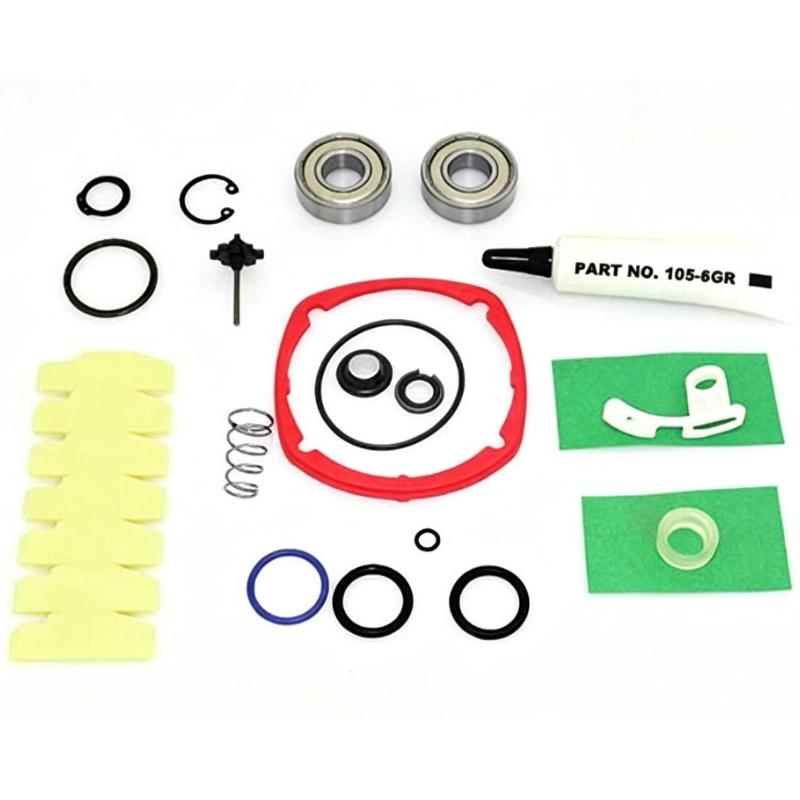
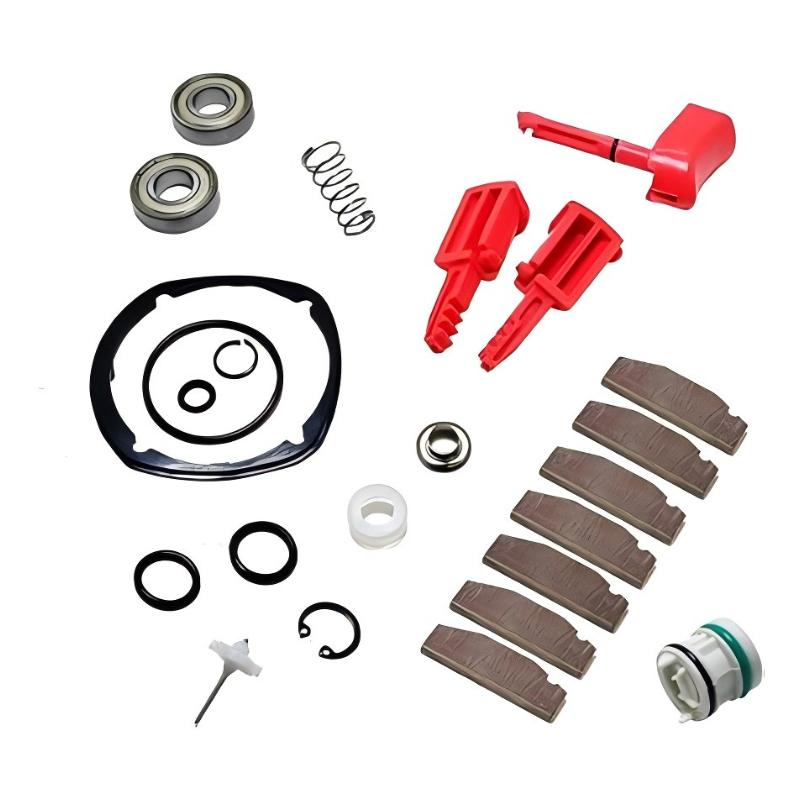
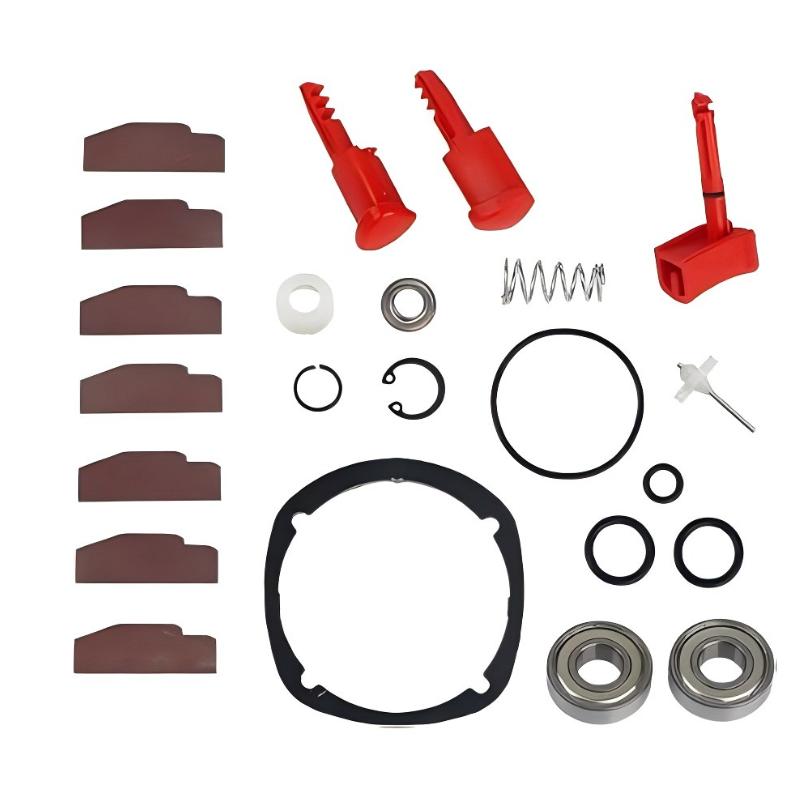
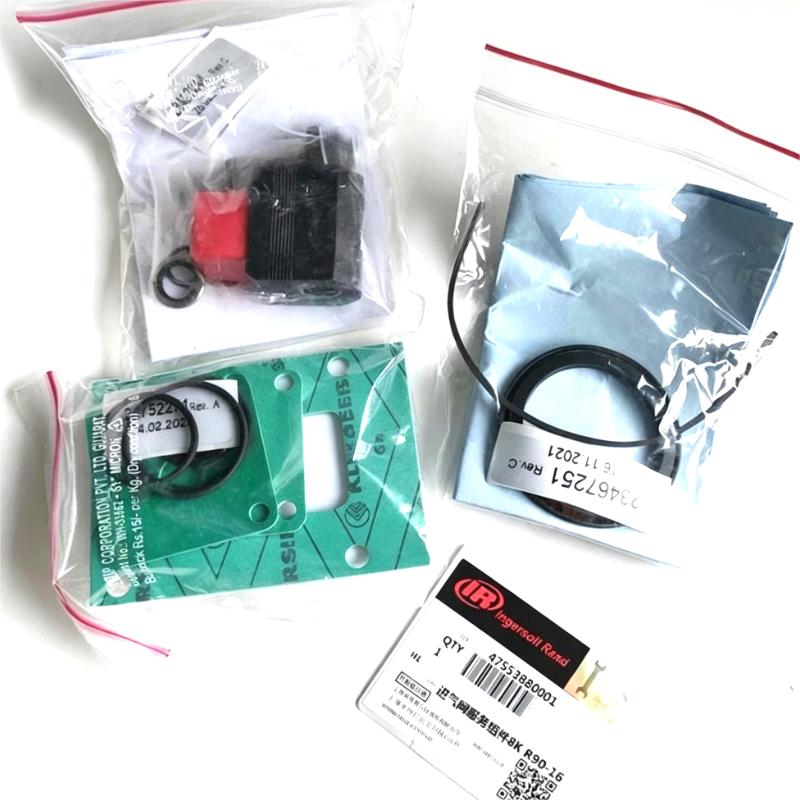
- Ingersoll Rand
- 47555465001 47553880001
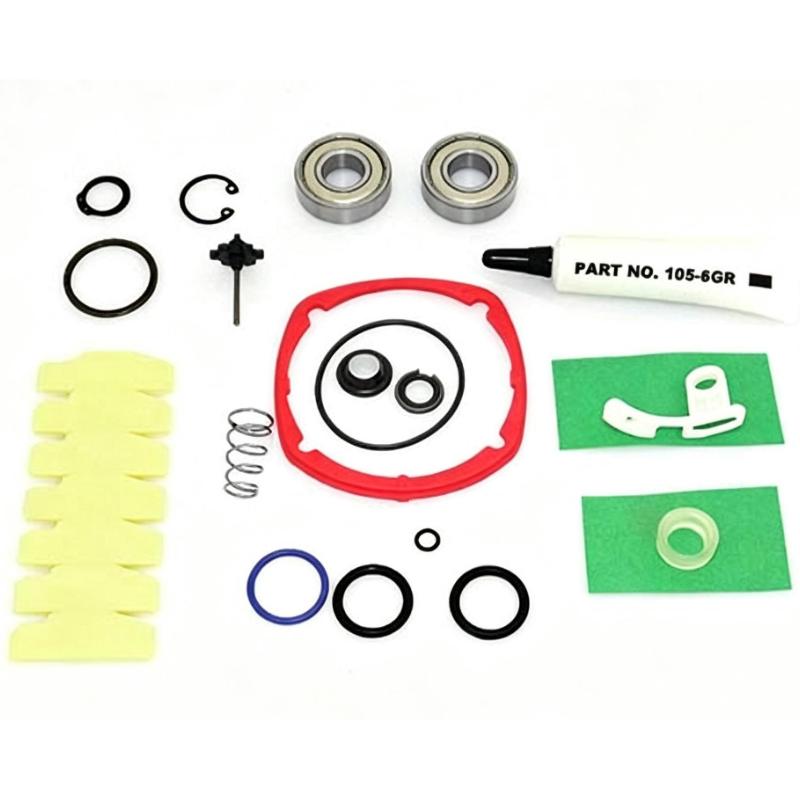
- Intake Valve Maintenance Kit
- USA
- 250 × 180 × 120 mm
- 2.0 kg
- Xiamen, China
- New & In Stock
- T/T, PayPal, Western Union
- 1 Year
- 1-3 Working Days
- DHL, UPS, TNT, FedEx and EMS.
- 24-Hour Service
- COO
- 6
Our advantage

Global Logistics
We have a 10-year logistics and express cooperation agreement, so our products can be shipped to any place in the world.

Brand new and original
Our products are imported in bulk from the place of origin. Because of the cooperative relationship, our products are all original and 100% new.

24-hour service
We provide 7*24 hours service to our customers. We will be there whenever you need us.

Price advantage
All our products are priced very favorably because we have our own warehouse and supply.
| Company Information | |||
| [email protected] | |||
| Mobile | +8615980777398 | ||
| +8615980777398 | |||
| 15980777398 |
Product Overview
The Ingersoll Rand 47555465001 / 47553880001 Intake Valve Maintenance Kit is an industrial compressor service component intended to support intake valve maintenance and help preserve reliable compressor operation. Intake valves play an important role in controlling the entry of air into a compressor. Their operating condition can influence air intake efficiency, compression performance, energy consumption, and the overall stability of the compressed-air system.
During normal operation, compressor intake valve assemblies are exposed to repeated mechanical movement, pressure changes, temperature fluctuations, airborne contaminants, and continuous operating cycles. Over time, sealing elements and other serviceable components may experience wear, contamination, deformation, or reduced performance. A maintenance kit provides a practical way to service the relevant valve assembly without automatically replacing the entire valve unit.
The Ingersoll Rand part numbers 47555465001 and 47553880001 should be checked against the existing compressor assembly and equipment records before ordering. Although these numbers are associated with the requested intake valve maintenance kit, their precise relationship and compatibility with individual compressor models should be confirmed through the applicable parts documentation.
With listed dimensions of 250 × 180 × 120 mm and a weight of approximately 2.0 kg, the kit is suitable for planned maintenance inventory, workshop preparation, and industrial spare-parts management. Correct identification and installation help maintenance personnel address intake valve service requirements while minimizing unnecessary equipment downtime.
Technical Specifications
| Parameter | Specification |
|---|---|
| Manufacturer | Ingersoll Rand |
| Part Number | 47555465001 |
| Related Part Number | 47553880001 |
| Product Name | Intake Valve Maintenance Kit |
| Product Category | Industrial Compressor Spare Parts |
| Primary Function | Intake valve servicing and maintenance |
| Equipment Type | Compatible Ingersoll Rand compressor systems |
| Dimensions | 250 × 180 × 120 mm |
| Weight | 2.0 kg |
| Installation | Compressor intake valve assembly, subject to model compatibility |
| Maintenance Purpose | Support valve servicing and restore appropriate operating condition |
| Application | Industrial compressed-air systems |
| Replacement Verification | Confirm part number, compressor model, and valve assembly configuration |
Note: The dimensions and weight are the supplied product data. The exact kit contents, compressor compatibility, and installation requirements should be verified before purchase or installation.
What Is an Intake Valve Maintenance Kit?
An intake valve maintenance kit is a service package designed for maintaining the valve assembly responsible for regulating air entry into a compressor. Depending on the compressor design and the specific kit configuration, service components may include seals, gaskets, valve elements, or other replacement parts required for the designated maintenance procedure.
The exact contents of the Ingersoll Rand 47555465001 / 47553880001 kit should not be assumed from the product name alone. Technicians should compare the kit’s parts list with the maintenance documentation for the compressor being serviced.
The intake valve is important because the compressor must draw air into its compression mechanism in a controlled manner. If the valve becomes contaminated, fails to seal correctly, or does not respond as intended, the compressor may experience abnormal loading behavior, reduced performance, or operating instability.
Using the correct maintenance kit can help address wear-related issues while preserving the original equipment configuration. It also supports a more organized maintenance process by allowing the required service parts to be prepared before the compressor is taken out of operation.
Function and Working Principle
1. Regulation of Air Intake
The intake valve controls the entry of atmospheric air into the compressor according to the machine’s operating design. In a rotary screw compressor, the intake arrangement may regulate airflow in response to demand, operating pressure, and control-system commands.
The valve’s movement and sealing performance help determine how effectively the compressor responds to changing compressed-air requirements.
2. Support for Stable Compressor Operation
A properly functioning intake valve helps the compressor transition between operating conditions as required by its control strategy. Problems involving valve movement, sealing, or control response can interfere with normal loading and unloading behavior.
Maintenance restores the serviceable components of the valve assembly when wear or deterioration is identified.
3. Sealing and Component Condition
Valve seals and related components may deteriorate because of age, heat, contamination, or repeated operating cycles. Poor sealing can contribute to abnormal airflow behavior or reduced control effectiveness.
Replacing worn components with the correct service parts helps the valve assembly maintain its intended function. The specific components replaced depend on the maintenance kit and compressor design.
4. Interaction with Compressor Controls
The intake valve may operate together with pneumatic, mechanical, or electrically controlled elements, depending on the compressor model. Its behavior can therefore affect how the compressor responds to system pressure and air demand.
When servicing the valve, technicians should inspect the relevant control connections and mechanisms rather than treating the valve as an isolated component.
5. Contribution to Maintenance Reliability
Routine intake valve inspection and servicing can help identify deterioration before it develops into a larger operational problem. Using the correct maintenance kit also makes it easier to follow a defined service procedure and document the parts replaced.
Role in Industrial Compressed-Air Systems
Compressed-air systems are widely used in manufacturing, assembly, material handling, pneumatic tooling, packaging, and process equipment. Reliable compressor operation is important because interruptions in air supply can affect multiple production processes simultaneously.
The intake valve contributes to the compressor’s airflow management and operating response. If its performance deteriorates, the compressor may not respond to changing demand as expected. Depending on the equipment design and the nature of the fault, this can result in unstable loading, abnormal pressure behavior, or increased maintenance requirements.
The Ingersoll Rand 47555465001 / 47553880001 Intake Valve Maintenance Kit supports maintenance activities intended to preserve the condition of a compatible intake valve assembly.
Its role within a maintenance program includes:
- Supporting scheduled intake valve servicing
- Replacing applicable worn or damaged service components
- Helping maintain the intended valve sealing and movement
- Reducing the risk of avoidable maintenance delays
- Supporting consistent compressor operation
- Simplifying spare-parts planning
- Helping technicians document valve maintenance work
The kit should be treated as a model-specific maintenance item rather than a universal intake valve repair package.
Typical Industrial Applications
Manufacturing Facilities
Manufacturing plants rely on compressed air for pneumatic tools, actuators, production equipment, and automated machinery. Intake valve maintenance helps support the reliability of compressors supplying these operations.
Packaging and Assembly Lines
Compressed air is commonly used in packaging equipment, pick-and-place mechanisms, and pneumatic assembly stations. Planned compressor maintenance can reduce the risk of unexpected interruptions to production.
Automotive and General Engineering
Automotive component manufacturing and general engineering facilities use compressed air for pneumatic tooling, equipment actuation, cleaning, and other industrial tasks. Proper compressor servicing supports stable air availability.
Food and Beverage Processing
Compressed air may be used for equipment actuation, packaging operations, and other process functions. Compressor maintenance should follow the facility’s applicable hygiene, filtration, and air-quality requirements. Servicing an intake valve alone does not establish that the compressed air meets a particular purity standard.
Industrial Utilities
Central compressed-air stations supply multiple production areas and utility systems. Maintaining the compressor’s intake assembly forms part of a broader reliability program covering filters, lubrication, cooling, pressure control, and air treatment.
Automated Production Systems
Pneumatic cylinders, valves, grippers, and actuators depend on an adequate compressed-air supply. Intake valve servicing can contribute indirectly to the dependable operation of these automation systems by supporting compressor availability.
Signs That Intake Valve Maintenance May Be Required
Intake valve problems can produce symptoms similar to faults in other compressor components. The following signs may justify inspection, but none by itself confirms that the intake valve or maintenance kit is responsible.
Abnormal Loading or Unloading
If the compressor does not transition between operating states as expected, inspect the intake valve mechanism and its control system. Pressure sensors, control settings, solenoid valves, and pneumatic connections may also affect this behavior.
Reduced Compressor Performance
Lower-than-expected air delivery may be associated with intake restrictions or valve malfunction. However, clogged filters, air leaks, separator problems, and other internal faults can produce similar symptoms.
Unstable System Pressure
Pressure fluctuations may indicate a problem with airflow regulation or compressor control. Check the intake valve alongside the pressure-control configuration and downstream air demand.
Unusual Operating Behavior
Unexpected noise, vibration, or repeated changes in operating state should be investigated using the compressor’s diagnostic procedures. These symptoms are not specific to intake valve failure and should not be used alone to justify replacement.
Repeated Maintenance Alarms
If the compressor controller reports recurring faults, review the alarm history and the applicable troubleshooting instructions. Confirm whether the fault relates to intake control before ordering replacement components.
Installation and System Integration
Correct installation is essential to maintain the intake valve’s intended operation. The following procedure provides a general maintenance framework; the compressor-specific service manual takes precedence.
Step 1: Verify the Part Numbers
Before beginning work, confirm the complete part number 47555465001 and related number 47553880001 against the compressor’s parts list, existing component markings, or authorized service records.
Do not assume that both numbers represent interchangeable kits for every compressor model. Verify whether the numbers refer to the same kit, a superseded part, or different equipment configurations.
Step 2: Identify the Compressor Model
Record the compressor model, serial number, installed intake valve identification, and relevant revision or configuration details. This information helps prevent the installation of a kit that is physically similar but functionally incompatible.
Step 3: Shut Down and Isolate the Equipment
Stop the compressor according to the approved shutdown procedure. Isolate the electrical supply and prevent unintended restart.
Compressed-air equipment can retain pressure after shutdown. Allow the system to depressurize fully and verify that stored energy has been released before opening the intake valve assembly. Follow the manufacturer’s lockout, tagout, and safety procedures.
Step 4: Inspect the Existing Assembly
Before disassembly, examine the valve housing, accessible seals, mechanical linkages, control lines, and electrical connections where applicable. Look for contamination, wear, damaged sealing surfaces, loose connections, or other visible abnormalities.
Record the original arrangement and component orientation when required by the service procedure.
Step 5: Replace the Specified Service Components
Open the assembly only as directed by the compressor maintenance documentation. Replace the components identified for service using the correct kit and approved tools.
Do not reuse parts designated for replacement, and do not introduce unapproved lubricants, sealants, or substitute components. Any specified tightening torque, lubrication method, or adjustment value must come from the applicable equipment documentation.
Step 6: Reassemble and Check Connections
Reassemble the valve in the prescribed sequence. Verify that all relevant seals, fasteners, linkages, hoses, and connectors are correctly installed.
Check that moving parts operate as intended where the design permits a safe manual inspection. Avoid forcing any mechanism or adjusting factory-set components without the required procedure.
Step 7: Commission the Compressor
Restore the system according to the manufacturer’s commissioning procedure. Check for air leaks, abnormal sounds, unexpected pressure behavior, and intake valve control problems.
Monitor the compressor through the relevant operating states and confirm that alarms do not recur. If abnormal behavior persists, stop the equipment safely and continue diagnosis rather than assuming that the maintenance kit has resolved the fault.
Troubleshooting After Intake Valve Servicing
Compressor Fails to Load Correctly
Possible causes include incorrect assembly, a sticking valve mechanism, a control-line problem, a faulty solenoid, incorrect pressure settings, or a control-system fault.
Recommended checks:
- Verify the installed kit and valve assembly identification.
- Inspect relevant pneumatic or electrical control connections.
- Review controller alarms and loading commands.
- Confirm that the valve moves as specified in the service procedure.
Compressor Does Not Unload as Expected
Unloading problems may result from an incorrectly assembled intake valve, a control-system issue, a defective actuator, or a pressure-control fault.
Recommended checks:
- Confirm that the valve assembly was reinstalled correctly.
- Check control tubing, solenoids, and associated wiring where applicable.
- Review pressure settings and operating logic.
- Compare the observed behavior with the compressor’s normal operating sequence.
Air Delivery Remains Low
If output does not improve after servicing, the cause may be unrelated to the intake valve.
Recommended checks:
- Inspect the intake air filter for restriction.
- Check for leakage in the compressed-air network.
- Evaluate separator and other airflow restrictions.
- Review operating pressure and compressor demand.
- Investigate other mechanical or control faults according to the service manual.
Air Leakage or Abnormal Noise After Maintenance
Leakage or new noise may indicate an incorrect seal, a loose connection, a damaged component, or an assembly error.
Recommended checks:
- Stop and isolate the compressor before inspecting the assembly.
- Verify the installation of all specified seals and fasteners.
- Check accessible connections for leakage using an approved method.
- Inspect for interference or abnormal mechanical movement.
- Repeat the commissioning procedure after correcting the problem.
Fault Alarm Returns After Startup
A recurring alarm may indicate an unresolved intake valve problem or an unrelated compressor fault.
Recommended checks:
- Record the exact alarm code and operating conditions.
- Review the controller’s fault history.
- Verify the kit compatibility and installation procedure.
- Inspect the associated sensors and control components.
- Obtain qualified service assistance if the fault cannot be identified safely.
Maintenance Recommendations
A planned maintenance strategy helps reduce unexpected compressor downtime and improves spare-parts readiness.
Follow the Service Schedule
Inspect and service the intake valve according to the compressor manufacturer’s maintenance intervals and actual operating conditions. Dust, temperature, duty cycle, and operating environment may influence service requirements.
Inspect Related Components
When servicing the intake valve, consider the condition of associated filters, control lines, seals, solenoids, and pressure-monitoring devices. The inspection scope should follow the compressor’s maintenance procedure.
Keep Service Records
Record the compressor model and serial number, installed part number, maintenance date, observed symptoms, replacement components, and commissioning results. These records help establish maintenance history and support future fault diagnosis.
Maintain Suitable Spare-Part Inventory
Keep critical maintenance items available where compressor downtime would significantly affect production. Store the kit in a clean, dry environment and protect its components from damage or contamination.
Use Correct Replacement Parts
Do not select a kit based solely on appearance or dimensions. Verify the complete part number and equipment compatibility before installation.
Confirm Operation After Servicing
A maintenance task is not complete until the compressor has been checked under the prescribed operating conditions. Verify the relevant pressure behavior, loading and unloading response, alarms, and signs of leakage.
Compatible System Components
The intake valve maintenance kit may be used within a compressor system that includes several related components. The exact configuration depends on the compressor model.
| Component | Function |
|---|---|
| Intake Valve Assembly | Regulates air entry into the compressor |
| Intake Air Filter | Removes airborne contaminants from incoming air |
| Valve Seals and Gaskets | Support sealing at designated interfaces |
| Solenoid Valve, Where Fitted | Controls pneumatic or valve actuation functions |
| Control Tubing and Fittings | Transfer control pressure where applicable |
| Pressure Sensors or Switches | Provide operating-pressure information |
| Compressor Controller | Coordinates operating states and monitoring |
| Air-Oil Separator, Where Fitted | Separates oil from compressed air in applicable compressor designs |
| Lubrication System | Supplies lubrication to components that require it |
| Cooling System | Helps maintain suitable operating temperatures |
| Air Receiver | Stores compressed air and helps stabilize system demand |
| Downstream Air Treatment | Supports the required air quality for the application |
This table describes typical compressor-system components. It does not confirm that every listed item is included in the kit or fitted to every compatible compressor.
Replacement and Procurement Considerations
When purchasing the Ingersoll Rand 47555465001 / 47553880001 Intake Valve Maintenance Kit, verify the product identity and intended application before placing an order.
Key considerations include:
- Part-number confirmation: Check both listed numbers against the existing component and equipment records.
- Compressor compatibility: Confirm the exact compressor model and intake valve assembly.
- Kit contents: Obtain the correct parts list rather than assuming which seals or internal components are supplied.
- Physical dimensions: The supplied dimensions are 250 × 180 × 120 mm.
- Weight: The supplied weight is 2.0 kg.
- Storage requirements: Protect the kit from dust, moisture, impact, and contamination.
- Maintenance timing: Coordinate replacement with scheduled servicing where practical.
- Installation documentation: Ensure technicians have the correct service procedure and safety instructions.
Correct part identification is especially important when a manufacturer uses multiple part numbers, revisions, or replacement designations. A similar-looking kit may not provide the correct components for a particular intake valve assembly.
Key Advantages
Supports Planned Valve Maintenance
The kit provides a defined spare-parts option for servicing a compatible intake valve assembly.
Helps Maintain Operating Reliability
Addressing worn or deteriorated service components can help restore the intended valve function when the valve is confirmed as the source of a problem.
Simplifies Maintenance Preparation
Identifying the required kit before shutdown allows maintenance teams to prepare tools, documentation, and replacement parts in advance.
Supports Spare-Parts Management
The part numbers, dimensions, and weight assist with inventory identification, storage planning, and maintenance logistics.
Helps Reduce Avoidable Downtime
Correct diagnosis and timely maintenance can reduce the likelihood of repeated service interruptions caused by known valve-related issues.
Supports Compressor Lifecycle Maintenance
Intake valve servicing forms part of a broader maintenance program covering filtration, lubrication, cooling, controls, and compressed-air quality.
Technical FAQs
What is the Ingersoll Rand 47555465001 / 47553880001?
It is an intake valve maintenance kit identified by the supplied Ingersoll Rand part numbers. It is intended for servicing a compatible compressor intake valve assembly, subject to confirmation of the exact equipment application.
What are the dimensions of the kit?
The supplied dimensions are 250 × 180 × 120 mm.
How much does the kit weigh?
The supplied product weight is approximately 2.0 kg.
What does an intake valve do in a compressor?
The intake valve regulates the entry of air into the compressor. Depending on the design, it may also participate in the compressor’s loading and unloading control sequence.
What parts are included in the maintenance kit?
The exact contents should be confirmed using the parts list associated with the specific part number and compressor model. Do not assume that all seals, actuators, or valve components are included.
Are part numbers 47555465001 and 47553880001 interchangeable?
Interchangeability should not be assumed from the part numbers alone. Confirm whether they identify the same kit, a replacement designation, or different configurations in the applicable equipment documentation.
What symptoms may indicate an intake valve problem?
Possible symptoms include abnormal loading or unloading, unstable pressure behavior, reduced air delivery, unusual operating behavior, or recurring alarms. These symptoms can also arise from filters, sensors, control components, leaks, or other compressor faults.
Can the kit be installed on any Ingersoll Rand compressor?
No universal compatibility should be assumed. The compressor model, serial number, intake valve assembly, and applicable parts documentation should be checked before ordering or installation.
Should the compressor be depressurized before maintenance?
Yes. The equipment must be shut down, isolated, and verified safe before opening the valve assembly. Follow the manufacturer’s procedures for electrical isolation and releasing stored pressure.
What should be checked after replacement?
Inspect the assembly and connections, then follow the approved commissioning procedure. Verify normal operating behavior, loading and unloading response, relevant pressure conditions, and the absence of leaks or recurring alarms.
Conclusion
The Ingersoll Rand 47555465001 / 47553880001 Intake Valve Maintenance Kit is an industrial compressor service item intended to support maintenance of a compatible intake valve assembly. Because the intake valve helps regulate incoming air and may participate in compressor loading control, maintaining its condition is an important part of preserving dependable compressed-air system performance.
The kit has supplied dimensions of 250 × 180 × 120 mm and a weight of 2.0 kg, making these details useful for spare-parts inventory and maintenance planning. Its suitability for a particular compressor depends on the exact equipment configuration and the confirmed relationship between the listed part numbers.
For reliable results, verify compatibility before purchase, follow the correct service procedure, replace only the specified components, and confirm normal compressor operation after maintenance. Proper part identification and systematic commissioning help maintenance teams manage downtime and support long-term compressor reliability.