

ProductPRODUCT
Featured products
Contact Us
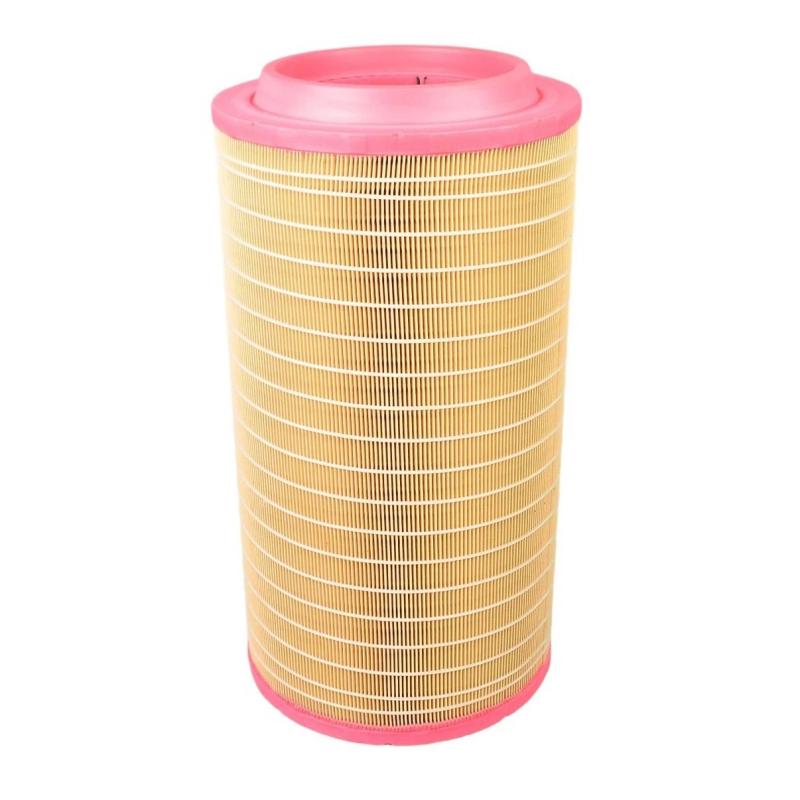
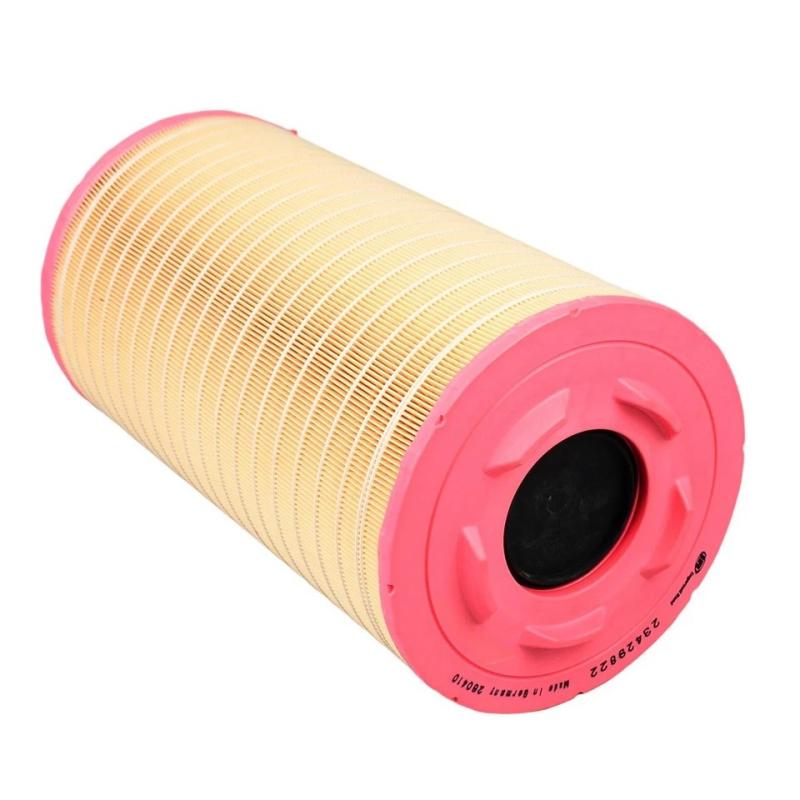
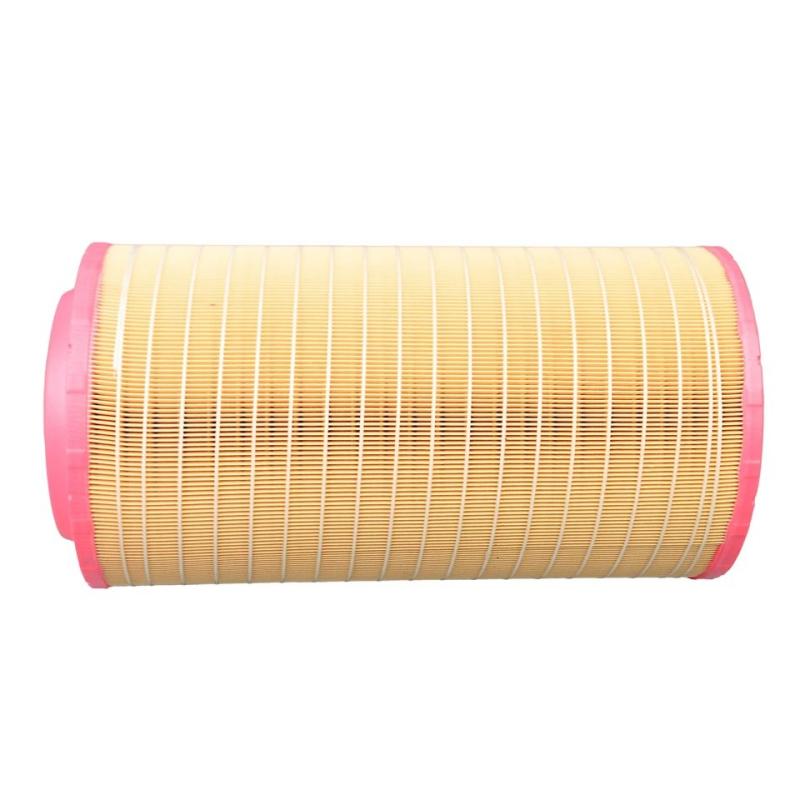
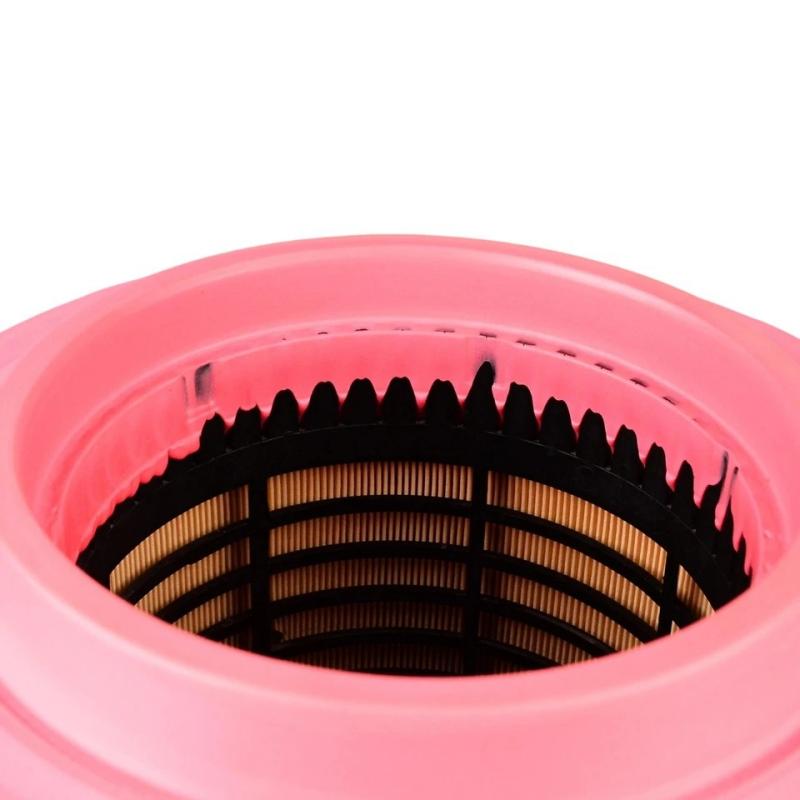
- Ingersoll Rand
- 47555208001 23429822
- Air Filter
- USA
- 267 mm
- 3.6 kg
- Xiamen, China
- New & In Stock
- T/T, PayPal, Western Union
- 1 Year
- 1-3 Working Days
- DHL, UPS, TNT, FedEx and EMS.
- 24-Hour Service
- COO
- 5
Our advantage

Global Logistics
We have a 10-year logistics and express cooperation agreement, so our products can be shipped to any place in the world.

Brand new and original
Our products are imported in bulk from the place of origin. Because of the cooperative relationship, our products are all original and 100% new.

24-hour service
We provide 7*24 hours service to our customers. We will be there whenever you need us.

Price advantage
All our products are priced very favorably because we have our own warehouse and supply.
| Company Information | |||
| [email protected] | |||
| Mobile | +8615980777398 | ||
| +8615980777398 | |||
| 15980777398 |
Product Overview
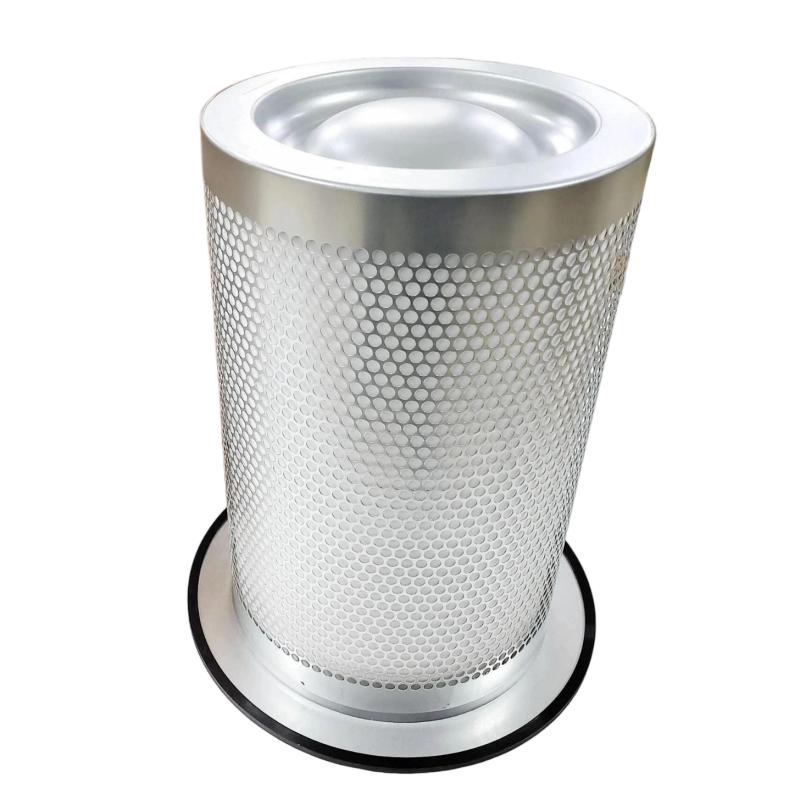
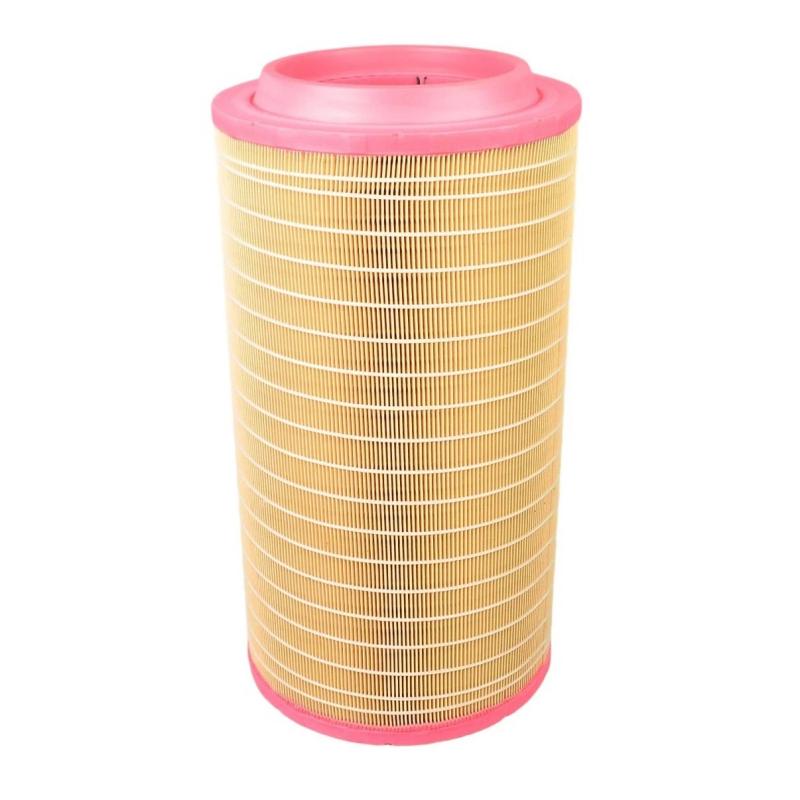
The Ingersoll Rand 47555208001 Air Filter, associated with part number 23429822, is an industrial compressor filtration component designed for use in compatible Ingersoll Rand equipment. Air filtration is an essential part of compressor operation because airborne dust, dirt, and other particulate contaminants can enter the equipment with the incoming air. An appropriate air filter helps reduce contaminant entry, protect internal components, and support reliable compressor performance.
In industrial environments, compressors frequently operate in workshops, manufacturing facilities, processing plants, and utility rooms where airborne particles may be present. Without effective intake filtration, contaminants can accelerate wear, affect internal clearances, contaminate lubricants, and increase maintenance requirements. A correctly specified replacement filter helps maintain the intended filtration function of the compressor’s air intake system.
The Ingersoll Rand 47555208001 (23429822) should be identified by its complete part number when purchasing a replacement. Filters that look similar may have different filtration characteristics, sealing arrangements, airflow capacity, or installation dimensions. Compatibility should therefore be confirmed against the compressor model and the original component identification rather than determined by appearance alone.
The supplied specifications list an outer diameter of 267 mm and a weight of approximately 3.6 kg. These measurements are useful for preliminary identification, inventory planning, handling, and replacement logistics. The filter’s full dimensions, filtration efficiency, service interval, and operating limits should be confirmed for the intended compressor application.
Technical Specifications
| Parameter | Specification |
|---|---|
| Manufacturer | Ingersoll Rand |
| Part Number | 47555208001 |
| Associated Part Number | 23429822 |
| Product Type | Air Filter |
| Equipment Category | Industrial Air Compressor Filtration |
| Primary Function | Removes airborne particulate contaminants from the intake air |
| Outer Diameter | 267 mm |
| Weight | 3.6 kg |
| Application | Compatible Ingersoll Rand compressor equipment |
| Installation | Designated compressor air-filter housing |
| Replacement Requirement | Verify part number and compressor compatibility |
| Filtration Efficiency | Confirm for the exact filter specification |
| Service Interval | Follow the applicable compressor maintenance requirements |
The outer diameter and weight are the supplied product specifications. Other dimensions, filtration ratings, airflow limits, and replacement intervals should be verified for the intended compressor model.
What Is an Industrial Compressor Air Filter?
An industrial compressor air filter is designed to reduce the amount of particulate contamination entering the compressor with the incoming air. Depending on the compressor design, the filter may use pleated filter media or another suitable filtration structure to capture dust and other airborne particles while allowing air to pass through.
The filter is installed in the compressor’s intake assembly, where it helps protect downstream components from contamination. Its performance depends on the condition of the filter media, the quality of the sealing arrangement, the airflow demand, and the level of contamination in the surrounding environment.
A simplified intake process is:
Ambient Air → Air Filter → Compressor Intake → Compression Stage → Compressed-Air System
The filter does not remove every possible contaminant. Moisture, oil aerosols, vapors, and other impurities may require additional treatment depending on the compressor design and the required compressed-air quality.
For this reason, the 47555208001 should be considered part of a complete compressor maintenance strategy rather than a standalone solution for every air-quality requirement.
Function and Working Principle
The Ingersoll Rand 47555208001 air filter performs its intended filtration role when installed in a compatible compressor intake system. Its main purpose is to reduce the entry of airborne particulate matter that could otherwise reach internal equipment.
1. Incoming Air Filtration
As the compressor draws ambient air into the intake assembly, the air passes through the filter medium. The medium captures a portion of the airborne particles according to its design and filtration characteristics.
2. Protection of Internal Components
Reducing particulate entry helps limit contamination of compressor components and associated systems. Depending on the compressor design, this can support the protection of compression elements, internal passages, and lubricant-related components.
3. Maintaining Airflow
A suitable air filter must provide filtration while allowing the airflow required by the compressor. As dust accumulates, resistance to airflow may increase. A heavily loaded filter can contribute to reduced intake performance and higher operating costs.
4. Supporting Stable Compressor Operation
A clean, correctly specified filter helps maintain the intended intake conditions. This supports the compressor’s designed operating performance when the filter is used with the appropriate maintenance procedures.
5. Preventing Contaminant Bypass
The filter must be installed with the correct seating and sealing arrangement. If air can bypass the filter medium through a damaged seal or incorrectly fitted component, contaminants may enter the compressor without being filtered.
Why Air Filtration Matters in Industrial Compressors
Air filtration has a direct relationship with compressor maintenance, equipment protection, and operating reliability. The air surrounding a compressor can contain fine dust, fibers, workshop debris, and other particles that should be kept out of the internal mechanism.
Protection Against Particulate Contamination
Dust and debris can contribute to wear and contamination inside a compressor. Proper intake filtration helps reduce the amount of particulate matter entering the equipment.
Support for Equipment Reliability
Contaminant accumulation can contribute to abnormal wear, restricted passages, and additional maintenance. Maintaining the intake filter helps control one of the common sources of compressor contamination.
Airflow Management
The filter must remain sufficiently clean to support the required intake airflow. As restriction increases, compressor performance may be affected. Monitoring and replacing the filter according to the equipment’s maintenance requirements can help avoid excessive restriction.
Reduced Maintenance Burden
A properly maintained filter helps limit the amount of airborne debris entering the compressor, supporting the wider maintenance program and helping protect related components.
Protection in Dusty Environments
Industrial facilities may experience elevated dust levels because of machining, material handling, packaging, construction, or other activities. In these environments, filter inspection frequency may need to reflect the actual operating conditions.
Industrial Applications
Manufacturing Facilities
Manufacturing plants use compressed air for pneumatic tools, actuators, automated production equipment, and material-handling systems. Intake filtration helps reduce the entry of airborne contaminants into compatible compressors supplying these applications.
Automotive Workshops
Automotive service facilities often operate compressors in environments containing dust, fibers, and workshop debris. Maintaining the air intake filter helps protect the compressor from particulate contamination.
Packaging and Assembly Lines
Compressed air is used to operate pneumatic cylinders, valves, grippers, and other automation equipment. A well-maintained intake filter supports reliable compressor operation and helps reduce unnecessary maintenance.
Industrial Processing Plants
Processing facilities depend on compressed air for instrumentation, material handling, cleaning equipment, and auxiliary machinery. The air filter contributes to the compressor’s intake protection, while downstream air-treatment equipment addresses other air-quality requirements.
Warehouses and Distribution Facilities
Compressed air may be used for maintenance tools, pneumatic equipment, and selected automated handling systems. Proper intake filtration helps maintain the compressor’s intended operating condition.
General Industrial Utilities
Ingersoll Rand compressors can be part of plant utility systems that supply multiple users. Maintaining the intake filter supports reliable compressor operation and helps control the effects of airborne particulate contamination.
Installation and Replacement Guide
Correct installation of the Ingersoll Rand 47555208001 air filter is important for maintaining filtration performance and preventing unfiltered air from bypassing the filter medium.
1. Confirm the Filter Identification
Before purchasing a replacement, verify the complete part number 47555208001 and associated number 23429822 against the existing filter and the compressor’s parts information.
Do not choose a replacement based only on the outer diameter. The filter must also match the required length, mounting arrangement, sealing design, filtration characteristics, and airflow requirements.
2. Shut Down the Compressor
Follow the approved compressor shutdown procedure before opening the intake housing. Isolate the equipment where required and make sure the maintenance area is safe.
If the filter is installed within an assembly that can contain stored pressure or moving components, follow the equipment-specific isolation procedure before proceeding.
3. Remove the Existing Filter
Open the designated housing according to the compressor maintenance instructions. Remove the old filter carefully to avoid releasing accumulated dust into the intake passage.
Inspect the removed component for damage, deformation, excessive contamination, or evidence that air may have bypassed the filter medium.
4. Inspect the Filter Housing
Check the housing and sealing surfaces for accumulated dirt, corrosion, physical damage, or loose fittings. Clean the housing using a method appropriate for the equipment, taking care not to push contaminants into the compressor intake.
Replace damaged seals or other service components when required by the maintenance procedure.
5. Install the Replacement Filter
Confirm the replacement’s orientation and seating requirements. Fit the filter securely and ensure that the sealing surfaces are properly engaged.
Avoid forcing the filter into position or modifying its structure. An incorrectly fitted filter can allow unfiltered air to enter the compressor.
6. Reassemble and Inspect
Close and secure the filter housing according to the equipment instructions. Check that the cover, retaining components, and seals are correctly positioned.
7. Return the Compressor to Service
Restore the equipment following the approved startup procedure. Check for abnormal noise, unexpected operating conditions, loose fittings, or indications of restricted airflow.
Record the replacement date and relevant maintenance observations to support future service planning.
Troubleshooting Air Filter Problems
Air intake problems may affect compressor performance, but not every compressor fault is caused by the air filter. Diagnosis should consider the complete intake assembly and the compressor’s operating conditions.
Reduced Airflow or Compressor Performance
A heavily contaminated filter may restrict the incoming air. Possible causes include:
- Dust accumulation in the filter medium.
- An incorrect or unsuitable replacement filter.
- A damaged or obstructed intake housing.
- Restrictions in associated intake passages.
- Other compressor-system faults.
Inspect the filter condition and compare the findings with the compressor’s specified maintenance criteria. If replacing the filter does not resolve the problem, investigate the remaining intake system and compressor diagnostics.
Increased Intake Restriction
If the compressor indicates abnormal intake restriction or operating performance changes, check the filter for excessive contamination or deformation.
Where pressure-drop monitoring is available, compare the measured value with the limits specified for the equipment. Do not rely on visual appearance alone because restriction may not always be obvious.
Dust Found Downstream of the Filter
Dust beyond the filter may indicate a damaged filter, incorrect installation, a compromised seal, or a problem with the housing.
Inspect the complete filter assembly and verify that the replacement is correct. Also check whether accumulated contaminants have reached other parts of the intake system.
Filter Deformation or Damage
A deformed filter may result from incorrect installation, unsuitable replacement selection, handling damage, or operating conditions outside the component’s intended limits.
Remove damaged components from service and investigate the cause before installing a replacement. A filter that no longer maintains its designed shape or sealing arrangement may not provide reliable protection.
Frequent Filter Replacement
If the filter becomes restricted sooner than expected, consider the surrounding environment, compressor operating hours, dust loading, and maintenance practices.
High contamination levels may justify more frequent inspections, but the replacement interval should remain consistent with the compressor’s requirements and the actual condition of the filter.
Maintenance Recommendations
A structured air-filter maintenance program helps protect the compressor and supports predictable service intervals.
Inspect the filter regularly: Check the filter according to the compressor’s maintenance schedule and the level of contamination in the operating environment.
Monitor operating conditions: Record relevant intake restriction readings or compressor performance indicators where monitoring is provided.
Maintain a clean housing: Remove accumulated debris from the filter housing without allowing contaminants to enter the intake passage.
Check the sealing arrangement: Inspect seals, retaining components, and contact surfaces to ensure that incoming air cannot bypass the filter medium.
Use the correct replacement: Confirm the full part number and required filtration characteristics before installing a new filter.
Adapt inspections to the environment: Facilities with high dust levels may require closer monitoring than clean, controlled installations.
Keep service records: Record the part number, replacement date, operating hours, and observed filter condition. These records can help identify abnormal contamination patterns and improve maintenance planning.
Avoid unapproved cleaning methods: Do not wash, blow out, or reuse a filter unless the specific filter design and compressor maintenance instructions explicitly permit that procedure.
Compatible Compressor System Components
The Ingersoll Rand 47555208001 air filter is one component within a larger compressor system. Depending on the installation, related equipment may include the following components.
| Component | Typical Function |
|---|---|
| Air intake housing | Directs incoming air toward the compressor |
| Air filter | Reduces particulate entry into the intake system |
| Compressor element | Compresses the incoming air |
| Drive motor | Provides mechanical power to the compressor |
| Lubricating oil system | Supports lubrication, cooling, and sealing in applicable compressor designs |
| Oil filter | Removes contaminants from circulating lubricant |
| Air-oil separator | Separates entrained lubricant from compressed air in compatible oil-injected systems |
| Aftercooler | Reduces compressed-air temperature |
| Moisture separator | Removes condensed liquid from the air stream |
| Compressed-air dryer | Reduces moisture according to system requirements |
| Downstream air filters | Provide additional treatment for specified air-quality needs |
| Pressure monitoring equipment | Supports monitoring of system operating conditions |
This table describes typical compressor-system components and does not establish a confirmed compatibility list for every Ingersoll Rand compressor. The actual arrangement depends on the equipment model and system design.
Replacement and Procurement Considerations
When sourcing the Ingersoll Rand 47555208001 (23429822) Air Filter, the complete part identification should be verified before placing an order.
Important checks include:
- Primary part number: 47555208001.
- Associated part number: 23429822.
- Outer diameter: 267 mm.
- Weight: 3.6 kg.
- Compressor model and configuration.
- Full filter dimensions and mounting arrangement.
- Sealing design and filtration characteristics.
- Airflow requirements and applicable maintenance specifications.
The supplied diameter and weight are useful for preliminary identification, warehouse organization, packaging, and handling. They do not independently confirm that a filter is suitable for a particular compressor.
For facilities maintaining several compressor models, a spare-parts register containing compressor identification, filter part numbers, and service history can reduce purchasing errors. When replacing an existing filter, compare its markings with the equipment’s approved parts information rather than relying solely on the dimensions of the old component.
Key Advantages
Helps Protect Compressor Internals
The air filter reduces particulate entry into compatible compressor intake systems, helping control contamination-related wear.
Supports Intake Airflow
A correctly specified and maintained filter helps provide the airflow required by the compressor within its intended operating conditions.
Contributes to Equipment Reliability
Proper filtration helps reduce one source of contamination that can affect compressor maintenance and long-term operation.
Supports Preventive Maintenance
Routine filter inspections and timely replacement make it easier to identify contamination problems and maintain consistent service practices.
Simplifies Spare-Parts Identification
The part numbers 47555208001 and 23429822, along with the supplied outer diameter and weight, support product identification and inventory management.
Technical FAQs
What is the Ingersoll Rand 47555208001?
The Ingersoll Rand 47555208001 is an air filter intended for compatible compressor equipment. Its primary purpose is to reduce particulate contamination entering through the compressor’s intake.
What is the associated part number?
The associated part number supplied for this product is 23429822. Both identifiers should be checked against the existing component and the compressor configuration before ordering.
What is the outer diameter of the air filter?
The supplied outer diameter is 267 mm.
How much does the filter weigh?
The supplied weight is approximately 3.6 kg.
Why is air filtration important for compressors?
Air filtration helps reduce the entry of airborne particles that can contaminate internal components, contribute to wear, and increase maintenance requirements.
Can this filter be used in every Ingersoll Rand compressor?
No. Compatibility depends on the compressor model, filter housing, required dimensions, airflow, sealing arrangement, and filtration characteristics. Verify the exact replacement specification before installation.
What are the signs of a restricted air filter?
Possible signs include increased intake restriction, changes in compressor performance, or maintenance indicators associated with the intake system. The precise symptoms depend on the compressor design and available monitoring functions.
Can the air filter be cleaned and reused?
Only if the specific filter design and the applicable compressor maintenance instructions permit cleaning and reuse. Otherwise, replace it according to the specified service requirements.
How often should the air filter be replaced?
The interval depends on the compressor model, operating hours, environmental dust levels, and maintenance requirements. Follow the applicable schedule and inspect the filter more frequently when operating conditions warrant it.
Conclusion
The Ingersoll Rand 47555208001 (23429822) Air Filter is an industrial compressor filtration component designed to reduce airborne particulate contamination entering compatible compressor systems. By helping protect internal components and maintain suitable intake conditions, the filter contributes to equipment reliability, effective maintenance, and consistent compressor operation.
With a supplied outer diameter of 267 mm and a weight of approximately 3.6 kg, the filter can be identified for replacement planning, stock management, and handling. Its suitability depends on matching the complete part number and required filtration characteristics to the intended compressor.
Before installation, verify the compressor model, filter dimensions, sealing arrangement, and applicable maintenance instructions. Correct identification, clean housing surfaces, secure installation, and routine inspection help maintain intake filtration performance and reduce avoidable compressor downtime.