

ProductPRODUCT
Featured products
Contact Us
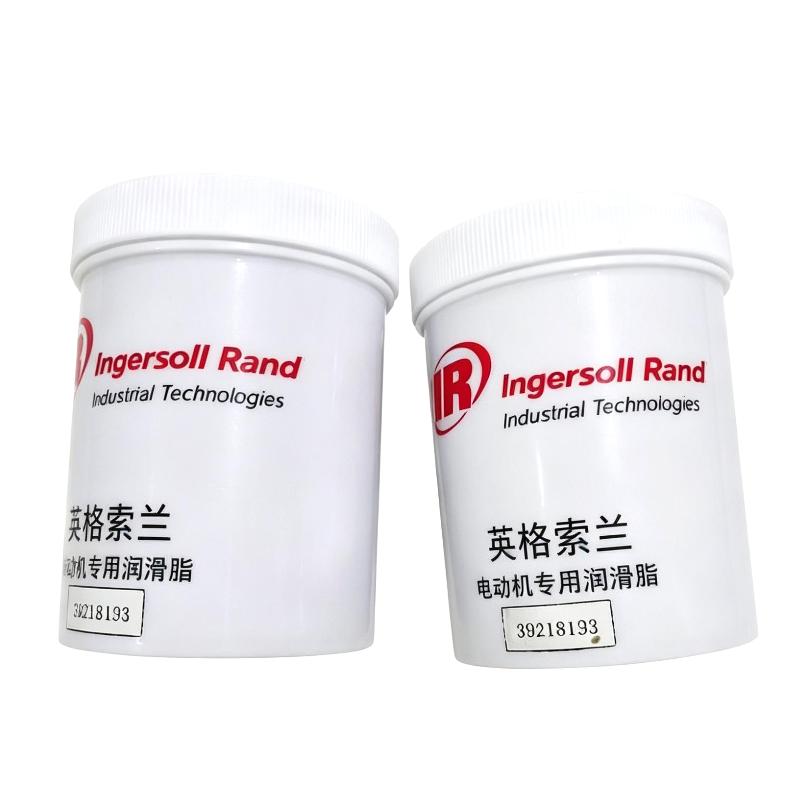
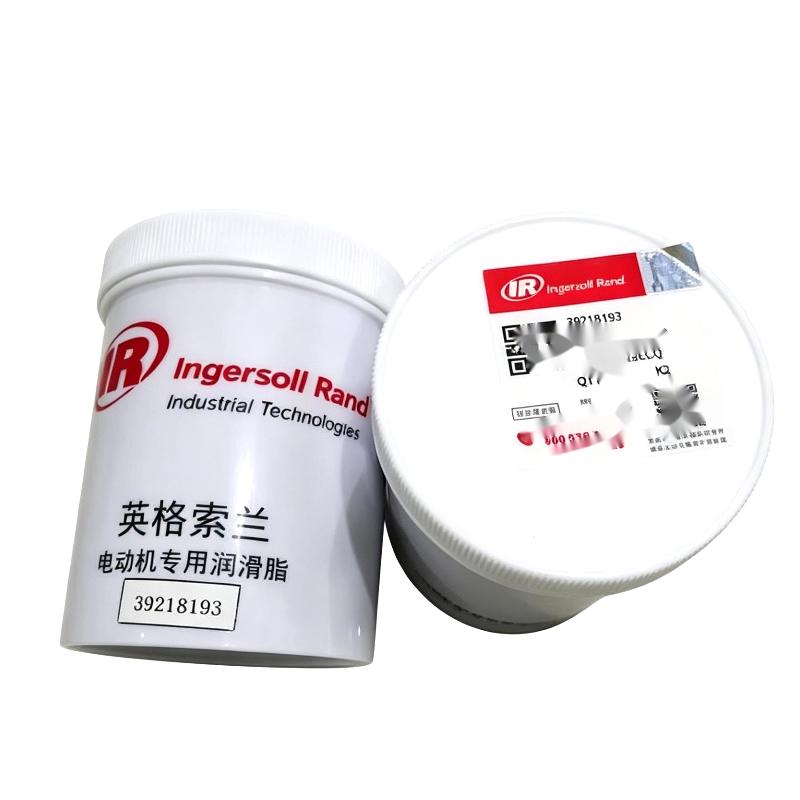
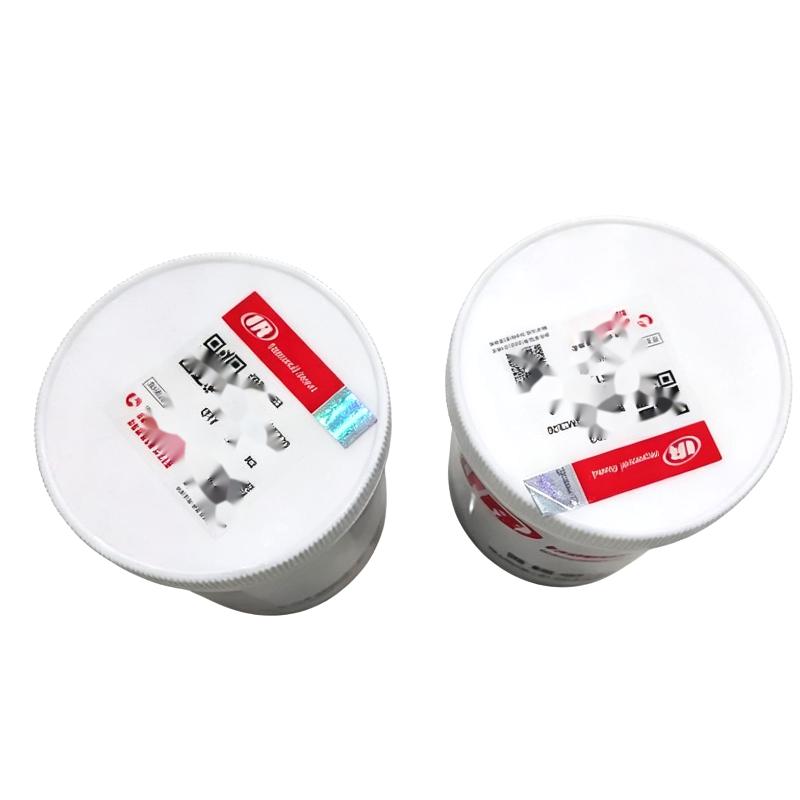
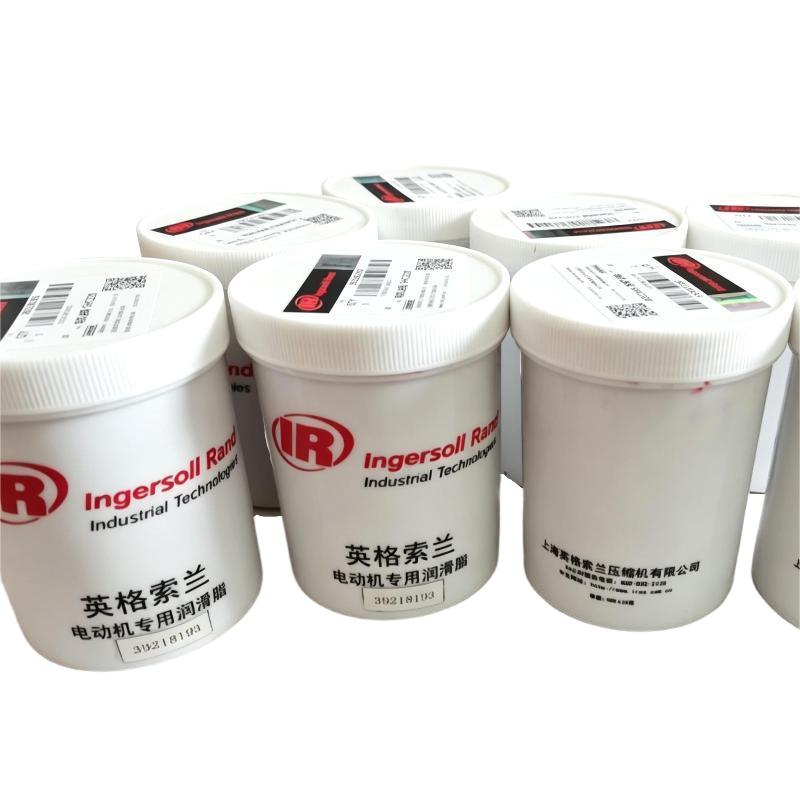
- Ingersoll Rand
- 47555465001 39218193
- High Temperature Grease
- USA
- 95 × 95 × 80 mm
- 0.40 kg
- Xiamen, China
- New & In Stock
- T/T, PayPal, Western Union
- 1 Year
- 1-3 Working Days
- DHL, UPS, TNT, FedEx and EMS.
- 24-Hour Service
- COO
- 5
Our advantage

Global Logistics
We have a 10-year logistics and express cooperation agreement, so our products can be shipped to any place in the world.

Brand new and original
Our products are imported in bulk from the place of origin. Because of the cooperative relationship, our products are all original and 100% new.

24-hour service
We provide 7*24 hours service to our customers. We will be there whenever you need us.

Price advantage
All our products are priced very favorably because we have our own warehouse and supply.
| Company Information | |||
| [email protected] | |||
| Mobile | +8615980777398 | ||
| +8615980777398 | |||
| 15980777398 |
Product Overview
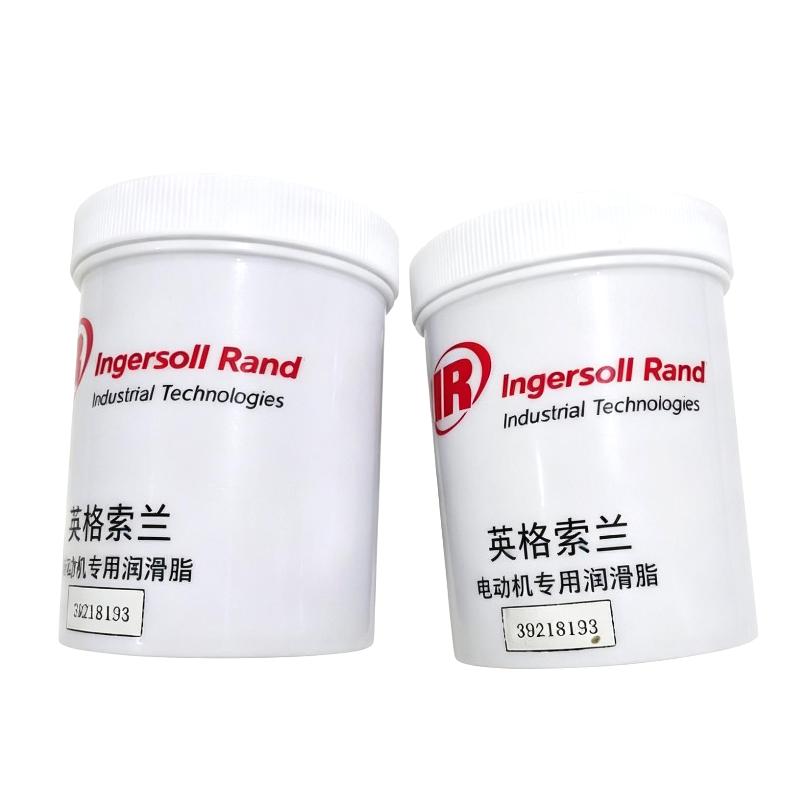
The Ingersoll Rand 47555465001 / 39218193 High Temperature Grease is an industrial lubrication product intended for maintenance applications where components may be exposed to elevated temperatures and demanding operating conditions. Proper lubrication is essential for reducing friction, limiting wear, protecting metal surfaces, and supporting the reliable operation of industrial machinery.
In compressed-air systems and industrial equipment, lubricated components may experience continuous movement, mechanical loading, temperature variation, vibration, and exposure to contaminants. Under these conditions, an appropriate high-temperature grease can help maintain a lubricating film between contacting surfaces and reduce the risk of premature component deterioration.
The supplied product identification associates Ingersoll Rand part number 47555465001 with the related number 39218193 and the product description High Temperature Grease. Before ordering, users should confirm the exact part-number relationship, intended application, and lubricant specification against the relevant equipment documentation. The part numbers alone do not establish the grease’s chemical composition, temperature range, or compatibility with every compressor model.
With listed dimensions of 95 × 95 × 80 mm and a weight of approximately 0.40 kg, this product is suitable for lubricant inventory management and planned maintenance preparation. Selecting the correct grease for the application is important because lubricants with different base oils, thickeners, additives, or consistency grades may not be interchangeable.
Technical Specifications
| Parameter | Specification |
|---|---|
| Manufacturer | Ingersoll Rand |
| Part Number | 47555465001 |
| Related Part Number | 39218193 |
| Product Name | High Temperature Grease |
| Product Category | Industrial Lubricant |
| Primary Function | Lubrication and protection of specified components under elevated-temperature conditions |
| Lubricant Form | Grease |
| Typical Purpose | Friction reduction, wear protection, and lubrication maintenance |
| Dimensions | 95 × 95 × 80 mm |
| Weight | 0.40 kg |
| Application | Compatible industrial equipment, subject to lubricant specification |
| Installation Method | Applied to designated lubrication points according to equipment instructions |
| Compatibility | Confirm using the applicable equipment and lubricant documentation |
| Storage | Keep sealed and store under the conditions specified on the product packaging |
Note: Dimensions and weight are based on the supplied product information. The exact grease formulation, NLGI grade, base oil, thickener type, operating temperature limits, and approved equipment applications have not been independently established here and should be verified before use.
What Is High Temperature Grease?
High-temperature grease is a semisolid lubricant formulated for applications in which ordinary lubricants may lose performance because of elevated operating temperatures or demanding mechanical conditions.
Unlike many liquid lubricants, grease can remain in place around a lubrication point and provide a localized supply of lubricant. Its performance depends on several properties, including base oil viscosity, thickener chemistry, consistency, oxidation resistance, mechanical stability, and resistance to water or contamination.
When the correct product is selected, grease can help maintain separation between moving surfaces, reduce direct metal-to-metal contact, and protect components from excessive friction and wear.
However, the term high temperature does not describe one universal operating range. Different grease formulations can have significantly different temperature limits and lubrication characteristics. The approved temperature range and application of the Ingersoll Rand product should therefore be confirmed from its product label or technical documentation rather than inferred from its name.
Function and Working Principle
1. Friction Reduction
Moving components can generate friction when their surfaces interact under load. Appropriate grease supplies a lubricating medium that helps reduce friction between contacting surfaces.
Lower friction can reduce wear and contribute to smoother mechanical operation when the lubricant is applied correctly and the component is designed for grease lubrication.
2. Wear Protection
Repeated movement and mechanical loading can gradually damage surfaces, particularly when lubrication is insufficient or degraded.
A suitable grease helps maintain lubrication between contacting surfaces and can reduce wear caused by friction. The degree of protection depends on the lubricant formulation, operating load, temperature, speed, and condition of the lubricated component.
3. Lubrication at Elevated Temperatures
Temperature affects grease performance. Excessive heat may accelerate oxidation, change consistency, degrade the base oil, or reduce the lubricant’s ability to remain in the required location.
High-temperature grease is selected for applications in which its specified formulation is suitable for the expected thermal conditions. It must still be operated within the manufacturer’s stated limits.
4. Surface Protection
Depending on its formulation and the application, grease may help protect metal surfaces against corrosion and contamination. This can be particularly valuable for components exposed to industrial dust, moisture, or repeated operating cycles.
The actual protection offered depends on the product specification and the environment in which it is used.
5. Support for Equipment Reliability
Correct lubrication contributes to the reliability of bearings, joints, and other components specifically designed for grease lubrication. By maintaining the prescribed lubricant condition, maintenance teams can reduce lubrication-related wear and improve equipment serviceability.
Grease cannot, however, correct mechanical misalignment, damaged bearings, excessive loading, or other underlying equipment faults.
Role in Industrial Compressor Maintenance
Industrial compressors contain mechanical and control components that must operate reliably under changing temperatures and loads. Depending on the compressor design, certain bearings, joints, linkages, or auxiliary mechanisms may require grease lubrication.
The correct lubricant helps maintain the condition of components identified in the equipment maintenance schedule. Using an unsuitable product may cause lubrication failure, material incompatibility, or premature wear.
For compressor maintenance, the Ingersoll Rand 47555465001 / 39218193 High Temperature Grease should only be applied to lubrication points for which its specification has been confirmed.
Its potential role in a maintenance program includes:
- Supporting scheduled lubrication tasks
- Helping reduce friction at approved lubrication points
- Limiting wear under specified operating conditions
- Supporting the service life of compatible components
- Maintaining consistent lubrication practices
- Improving maintenance preparation and spare-parts planning
- Reducing the likelihood of lubrication-related service interruptions
The grease should not be assumed to be a compressor oil, air-oil separator treatment, or universal lubricant for every component in an Ingersoll Rand compressor.
Industrial Applications
Compressor Service and Maintenance
Where approved by the equipment manufacturer, high-temperature grease may be used during specified compressor maintenance procedures. The correct application depends on the compressor design and the component being serviced.
Bearings and Mechanical Assemblies
Some industrial bearings and mechanical assemblies require grease to maintain lubrication under load and temperature variation. The lubricant must match the bearing design, speed, loading, sealing arrangement, and operating environment.
Industrial Machinery
Manufacturing equipment may contain joints, pivots, guides, and other mechanisms requiring grease lubrication. A suitable high-temperature product can support these applications when the product specification matches the equipment requirements.
Material Handling Equipment
Certain conveyors and material-handling mechanisms operate continuously and may experience elevated temperatures or heavy mechanical loads. Lubrication should follow the component manufacturer’s requirements.
Manufacturing and Processing Facilities
Industrial machinery used in packaging, assembly, fabrication, and process operations may include designated grease-lubricated components. Correct lubricant selection helps maintain mechanical reliability and simplifies preventive maintenance.
These are general application categories for high-temperature grease. They do not confirm that the specific Ingersoll Rand part numbers are approved for every application listed.
Installation and Lubricant Application
Grease application should be treated as a controlled maintenance procedure. Applying the wrong product or an incorrect quantity can be as problematic as insufficient lubrication.
Step 1: Verify the Product
Confirm the complete part numbers 47555465001 and 39218193 against the packaging, equipment records, and applicable lubricant documentation.
Check the specified product name and ensure the material is suitable for the intended lubrication point. Do not rely on packaging dimensions or product appearance to establish compatibility.
Step 2: Confirm Lubricant Requirements
Review the equipment maintenance manual for the required grease specification. Relevant properties may include:
- Base oil type and viscosity
- Thickener chemistry
- NLGI consistency grade
- Operating temperature limits
- Compatibility with seals and other materials
- Water resistance and mechanical stability
- Required application quantity and interval
Only properties documented for the exact product should be used to determine suitability.
Step 3: Prepare the Equipment Safely
Before maintenance, stop the relevant machinery and isolate energy sources according to the approved procedure. Allow hot components to cool to a safe temperature where required.
Follow the equipment manufacturer’s instructions for lockout, tagout, access, and stored-energy control. Never apply grease to moving or energized components unless a specifically approved procedure permits the operation.
Step 4: Clean the Lubrication Point
Remove external dirt and contamination from the lubrication fitting or designated application area before opening the lubrication point.
Keeping the work area clean helps prevent dust, metal particles, moisture, or old degraded grease from entering the component.
Step 5: Apply the Prescribed Quantity
Apply grease only to the designated lubrication points and in the quantity specified by the equipment manufacturer.
Excessive grease can cause overheating, increased resistance, seal damage, or other problems in some applications. Insufficient grease may leave the component inadequately protected.
Do not substitute a general quantity or application interval for the equipment-specific instructions.
Step 6: Prevent Lubricant Mixing
Avoid mixing the product with existing grease unless compatibility has been established. Different thickener systems and base oils may be incompatible, potentially affecting consistency, lubrication performance, or stability.
Where a lubricant change is required, follow the manufacturer’s cleaning or purging procedure.
Step 7: Inspect and Record the Work
After application, inspect the lubrication point for contamination, leakage, damaged fittings, or other abnormalities. Record the product identification, date, component serviced, and quantity applied where maintenance records require it.
Return the equipment to service only after all guards, covers, and safety devices have been restored and the required checks have been completed.
Troubleshooting Lubrication Problems
Lubrication-related symptoms should be investigated alongside the mechanical condition and operating environment of the equipment.
Excessive Operating Temperature
Possible causes include insufficient lubrication, excessive grease, an incorrect grease specification, bearing damage, misalignment, excessive load, or inadequate cooling.
Recommended checks:
- Verify that the lubricant matches the equipment specification.
- Review the applied quantity and lubrication interval.
- Inspect the component for abnormal noise or vibration.
- Check alignment, loading, and cooling conditions where applicable.
- Follow the equipment manufacturer’s diagnostic procedure.
Do not assume that changing to a grease described as high-temperature will resolve an overheating problem.
Abnormal Noise or Vibration
Noise or vibration may indicate lubricant deterioration, insufficient lubrication, bearing wear, loose mounting hardware, misalignment, or mechanical damage.
Recommended checks:
- Inspect the lubrication history.
- Check for contamination or leakage.
- Confirm that the correct grease and quantity were used.
- Inspect the component and associated mounting arrangement.
- Arrange qualified mechanical inspection if the condition persists.
Grease Leakage
Leakage can occur because of excessive application, damaged seals, incorrect grease consistency, high operating temperature, or mechanical problems.
Recommended checks:
- Inspect seals and lubrication fittings.
- Review the specified grease quantity.
- Verify the lubricant grade and product identity.
- Check for abnormal temperature or pressure conditions.
- Replace damaged components according to the approved procedure.
Hardened or Discolored Grease
Changes in appearance may indicate aging, contamination, oxidation, excessive temperature, or incompatibility with another lubricant. Appearance alone is not sufficient to determine the cause.
Recommended checks:
- Review the lubricant service history.
- Check for water, dust, or foreign-particle contamination.
- Confirm whether another grease was previously applied.
- Compare the condition with the equipment maintenance criteria.
- Replace the lubricant only according to the prescribed procedure.
Repeated Lubrication Requirements
If a component repeatedly requires additional grease, investigate the cause rather than continually increasing the quantity.
Potential issues include damaged seals, excessive operating temperature, contamination, an incorrect lubricant, or a mechanical defect. The correct maintenance interval should be established from the equipment documentation and operating conditions.
Maintenance and Storage Recommendations
Follow the Prescribed Lubrication Interval
Use the lubrication schedule specified for the equipment and component. Operating temperature, load, speed, contamination, and duty cycle may affect lubricant service life.
Maintain Clean Handling Practices
Use clean application tools and keep the grease container closed when not in use. Contamination can reduce lubrication performance and damage sensitive mechanical components.
Avoid Unverified Lubricant Substitution
Greases that look similar may have different chemical formulations and performance characteristics. Confirm the required specification before changing products.
Store the Product Correctly
Keep the container sealed and protect it from dust, moisture, excessive heat, and direct contamination. Follow the storage temperature, shelf-life, and handling instructions printed on the product packaging.
Monitor Component Condition
During routine maintenance, check for abnormal temperature, noise, vibration, leakage, and visible signs of wear. These observations can help identify developing mechanical problems.
Keep Maintenance Records
Record the product part number, application point, service date, quantity, and any observed abnormalities. Consistent records support maintenance planning and help identify recurring lubrication issues.
Compatible Equipment and Related Components
The exact components approved for use with this grease must be established from the applicable Ingersoll Rand documentation. Depending on the equipment design, a compressor maintenance program may also involve the following items:
| Component or System | Typical Function |
|---|---|
| Grease-Lubricated Bearings | Support rotating or moving components where grease lubrication is specified |
| Mechanical Joints and Linkages | Transfer movement within approved mechanical assemblies |
| Intake Valve Assembly | Regulates air entry in applicable compressor designs |
| Air Filter | Removes contaminants from incoming air |
| Air-Oil Separator | Separates oil from compressed air in applicable oil-injected compressors |
| Compressor Lubricating Oil | Provides lubrication and cooling in systems designed for liquid oil lubrication |
| Seals and Gaskets | Maintain sealing at designated interfaces |
| Cooling System | Helps control equipment operating temperature |
| Maintenance Tools | Support controlled lubricant application and inspection |
This table describes related equipment and maintenance items, not a confirmed compatibility list for the specific grease. In particular, high-temperature grease must not be substituted for compressor lubricating oil unless the equipment manufacturer explicitly specifies that application.
Product Identification and Procurement Considerations
When purchasing the Ingersoll Rand 47555465001 / 39218193 High Temperature Grease, verify the product identity and intended use before placing an order.
Important considerations include:
- Part number: Confirm 47555465001 and the associated number 39218193.
- Product description: Ensure the packaging identifies the required high-temperature grease.
- Lubricant specification: Verify the required formulation and performance characteristics.
- Application compatibility: Confirm that the grease is approved for the intended component.
- Dimensions: 95 × 95 × 80 mm, according to the supplied product data.
- Weight: Approximately 0.40 kg, according to the supplied product data.
- Packaging condition: Check that the container is sealed and undamaged.
- Storage and shelf life: Confirm the applicable handling requirements.
- Maintenance planning: Ensure the product is available before the scheduled service interval.
For critical machinery, the correct lubricant specification is more important than selecting a product solely because it is described as high-temperature grease.
Key Advantages
Supports Proper Lubrication
When used at an approved lubrication point, the correct grease helps maintain the lubricating film needed to reduce friction and wear.
Suitable for Specified Elevated-Temperature Applications
A high-temperature formulation may provide appropriate lubrication where ordinary grease is unsuitable, provided the operating conditions remain within the product’s rated limits.
Supports Preventive Maintenance
Keeping the specified lubricant available helps maintenance teams complete scheduled service work efficiently.
Helps Protect Mechanical Components
Correct lubrication can contribute to reduced wear and reliable component operation under the conditions for which the grease is designed.
Simplifies Inventory Management
The supplied part numbers, dimensions, and weight assist with product identification, storage planning, and spare-parts management.
Contributes to Equipment Reliability
Appropriate lubrication, combined with correct installation and regular inspection, supports a comprehensive equipment reliability program.
Technical FAQs
What is the Ingersoll Rand 47555465001 / 39218193?
It is identified in the supplied product information as High Temperature Grease, an industrial lubricant intended for suitable maintenance applications. The exact relationship between the two part numbers should be confirmed against the applicable product documentation.
What are the dimensions of the product?
The supplied dimensions are 95 × 95 × 80 mm.
What is the product weight?
The supplied weight is approximately 0.40 kg.
What is high-temperature grease used for?
High-temperature grease is used to lubricate designated mechanical components that operate under elevated temperatures or demanding conditions, provided the lubricant’s specification matches the application.
What is the maximum operating temperature of this grease?
The maximum operating temperature has not been established from the supplied product information. Check the exact product label or technical data before using it in a high-temperature application.
Can this grease be used in any Ingersoll Rand compressor?
No universal compatibility should be assumed. Confirm the compressor model, component being lubricated, and required grease specification before use.
Can it replace compressor oil?
No. Grease and compressor lubricating oil serve different purposes and have different physical properties. Do not use this grease in an oil reservoir or lubrication circuit unless the equipment manufacturer explicitly approves that application.
Can it be mixed with another grease?
Mixing should be avoided unless compatibility between the formulations has been established. Incompatible greases may lose consistency or lubrication performance.
How often should the grease be applied?
The correct interval depends on the equipment model, component design, operating temperature, loading, and service conditions. Follow the manufacturer’s maintenance schedule rather than using a universal interval.
What should be checked before purchasing?
Verify the full part number, product description, lubricant specification, intended application, packaging condition, and compatibility with the equipment being serviced.
Conclusion
The Ingersoll Rand 47555465001 / 39218193 High Temperature Grease is an industrial lubrication product identified for applications requiring suitable grease performance under elevated-temperature conditions. Correct lubricant selection and application help reduce friction, limit wear, and support the dependable operation of designated mechanical components.
With supplied dimensions of 95 × 95 × 80 mm and a weight of approximately 0.40 kg, the product can be identified and managed efficiently within an industrial maintenance inventory. However, its precise formulation, operating temperature limits, and approved applications must be confirmed before use.
For reliable results, verify the part number and lubricant specification, apply only the prescribed quantity, avoid unverified lubricant mixing, and follow the equipment manufacturer’s maintenance procedures. These practices help maintain lubrication quality, protect mechanical components, and support long-term industrial equipment reliability.