

ProductPRODUCT
Featured products
Contact Us
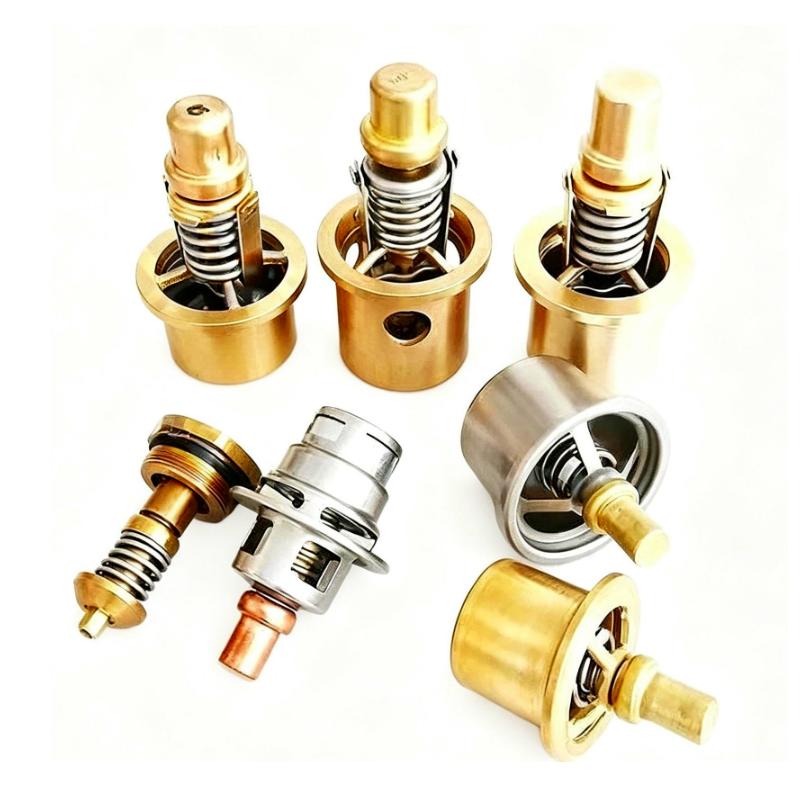
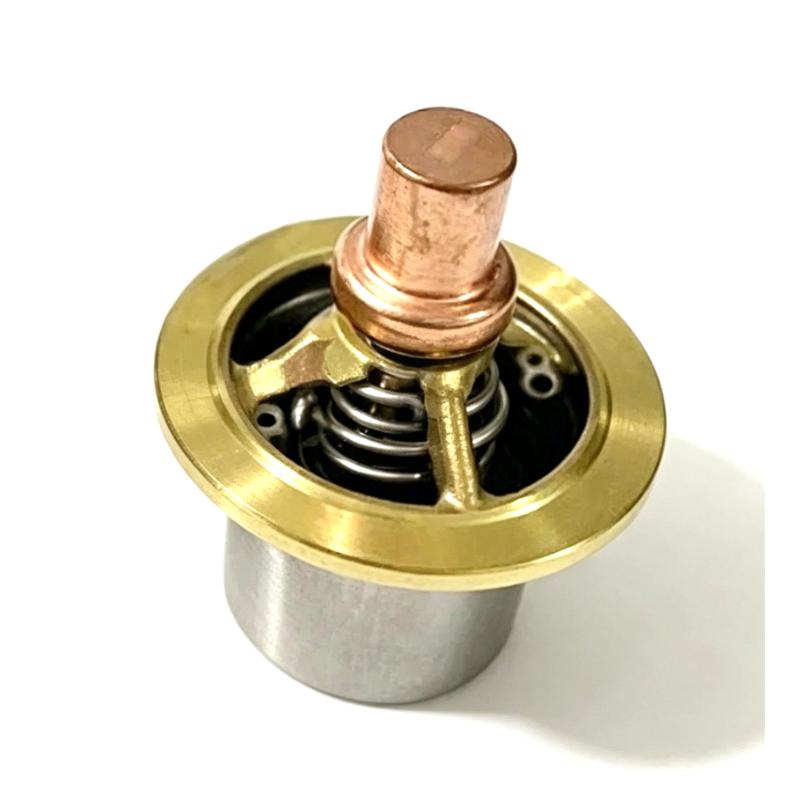
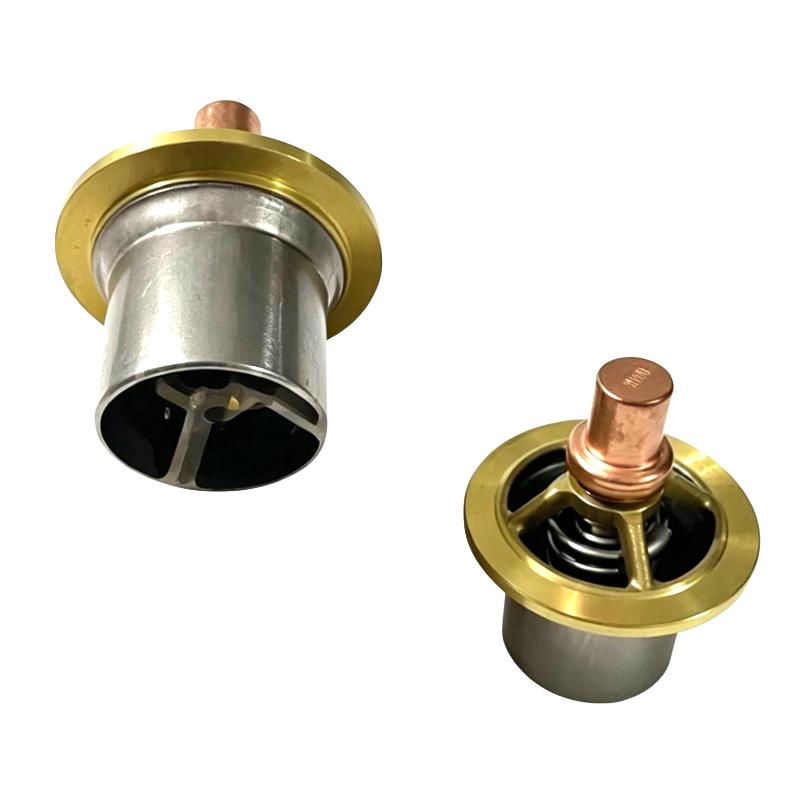
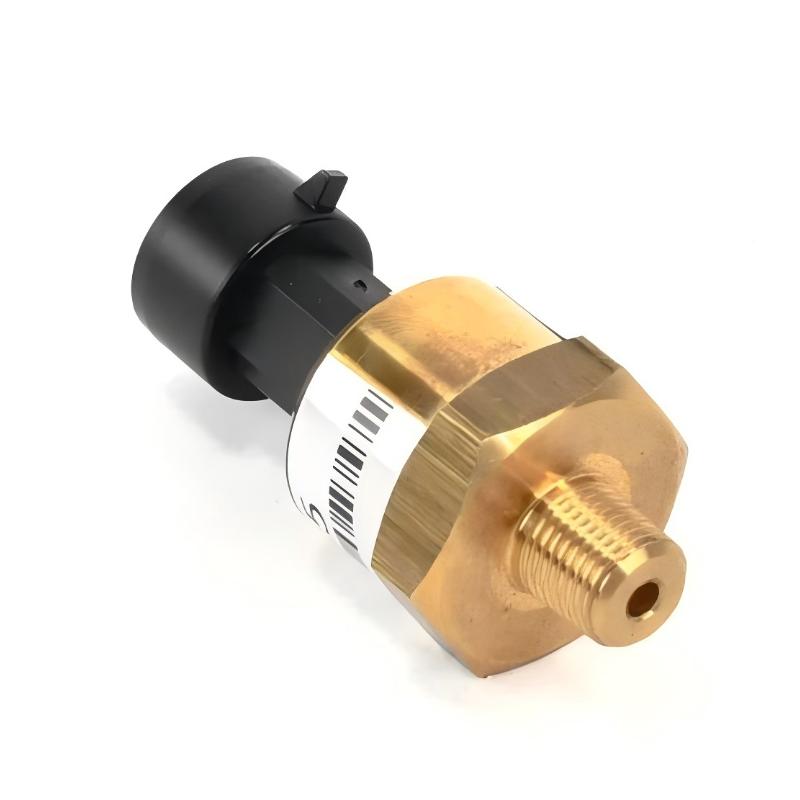
- Ingersoll Rand
- 47555465001 47552954001
- Thermostatic Valve Maintenance Kit
- USA
- 180 × 120 × 80 mm
- 1.0 kg
- Xiamen, China
- New & In Stock
- T/T, PayPal, Western Union
- 1 Year
- 1-3 Working Days
- DHL, UPS, TNT, FedEx and EMS.
- 24-Hour Service
- COO
- 6
Our advantage

Global Logistics
We have a 10-year logistics and express cooperation agreement, so our products can be shipped to any place in the world.

Brand new and original
Our products are imported in bulk from the place of origin. Because of the cooperative relationship, our products are all original and 100% new.

24-hour service
We provide 7*24 hours service to our customers. We will be there whenever you need us.

Price advantage
All our products are priced very favorably because we have our own warehouse and supply.
| Company Information | |||
| [email protected] | |||
| Mobile | +8615980777398 | ||
| +8615980777398 | |||
| 15980777398 |
Product Overview
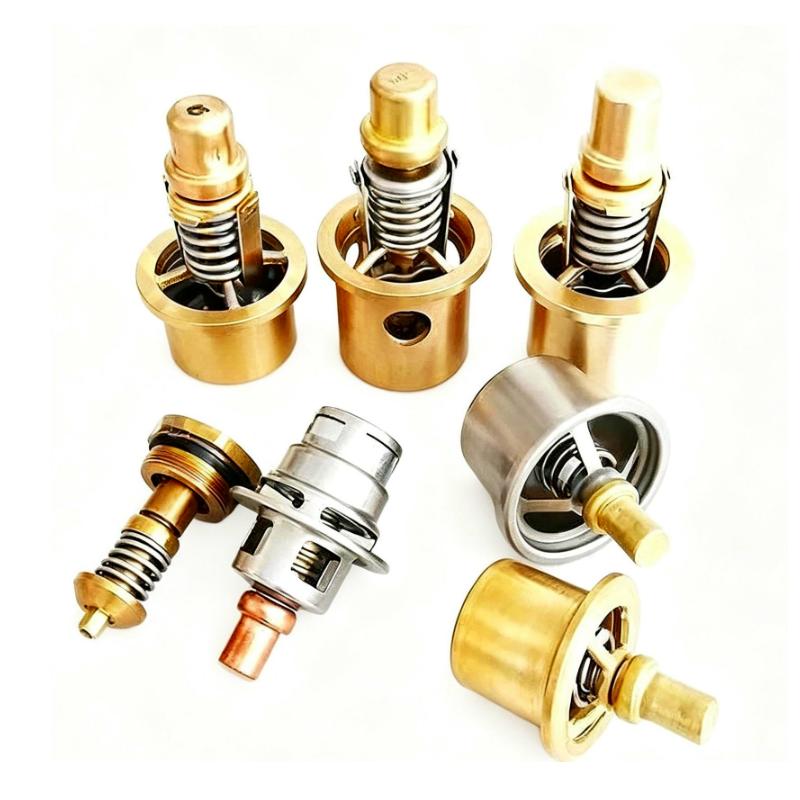
The Ingersoll Rand 47555465001 Thermostatic Valve Maintenance Kit, associated with part number 47552954001, is an industrial compressor service component intended for maintenance of compatible thermostatic valve assemblies. Thermostatic valves play an important role in managing lubricant temperature in many oil-injected air compressor systems. By regulating the flow of oil through different circulation paths according to temperature, the valve helps the compressor maintain suitable operating conditions during startup and normal operation.
Lubricant temperature affects several aspects of compressor performance, including lubrication, heat transfer, and moisture management. When the compressor is cold, the thermostatic valve may direct oil through a circulation path that allows the lubricant to warm up. As the temperature rises, the valve adjusts the oil flow according to the system’s design. This helps the compressor operate within its intended temperature range.
A maintenance kit is used during servicing when specified valve components require inspection or replacement. Depending on the kit’s actual contents, it may include seals, gaskets, valve-related parts, or other service items. The precise contents of the Ingersoll Rand 47555465001 / 47552954001 kit should be confirmed against the applicable parts information before maintenance begins.
The supplied physical specifications are 180 × 120 × 80 mm, with a weight of approximately 1.0 kg. These dimensions are useful for storage, shipping, inventory management, and preliminary product identification. The kit should only be used with a thermostatic valve assembly confirmed to be compatible with the compressor being serviced.
Technical Specifications
| Parameter | Specification |
|---|---|
| Manufacturer | Ingersoll Rand |
| Product Identification | 47555465001 |
| Associated Part Number | 47552954001 |
| Product Type | Thermostatic Valve Maintenance Kit |
| Equipment Category | Industrial Air Compressor Service Parts |
| Primary Function | Maintenance of a compatible thermostatic valve assembly |
| Application | Compressor lubricant-temperature regulation systems |
| Dimensions | 180 × 120 × 80 mm |
| Weight | 1.0 kg |
| Installation Location | Compatible compressor thermostatic valve assembly |
| Kit Contents | Verify against the exact kit specification |
| Compatibility | Confirm using compressor model and valve assembly identification |
| Maintenance Purpose | Inspection, servicing, and replacement of specified valve components |
The supplied dimensions and weight are provided for identification and logistics. The exact kit contents, supported compressor models, valve temperature settings, and installation requirements should be verified for the intended equipment.
What Is a Thermostatic Valve Maintenance Kit?
A thermostatic valve maintenance kit contains service parts used to maintain a compatible temperature-regulating valve. In many oil-injected compressor systems, the thermostatic valve helps control lubricant circulation according to temperature.
During operation, the compressor generates heat as air is compressed. Lubricating oil absorbs part of this heat while performing its lubrication and sealing functions. The oil must then circulate through the appropriate system components to maintain the designed operating temperature.
The thermostatic valve helps manage this process by regulating the oil’s route through the compressor’s oil circuit. Over time, valve seals and other serviceable components may deteriorate, become contaminated, or fail to operate as intended. A suitable maintenance kit can support restoration of the valve assembly when servicing is permitted by the equipment design.
A simplified process is:
Compressor Startup → Lubricant Temperature Changes → Thermostatic Valve Regulates Oil Flow → Oil Circuit Supports Operating Temperature
The actual flow paths, valve mechanism, and service procedure depend on the compressor model and the specific thermostatic valve design.
Function and Working Principle
The maintenance kit itself is not a temperature controller. Its purpose is to provide the specified service components required to maintain the associated thermostatic valve. Once properly serviced and reinstalled, the valve can perform its intended temperature-regulation function within the compressor system.
1. Temperature-Dependent Valve Operation
A thermostatic valve responds to temperature through a temperature-sensitive mechanism. Depending on the design, the valve changes the available oil-flow path as the lubricant temperature changes.
The exact operating temperatures and valve characteristics must be confirmed for the installed compressor.
2. Lubricant Circulation Management
In many oil-injected compressor systems, the valve helps direct lubricant through an appropriate circulation route. The selected route may change between startup and normal operating conditions.
Correct valve operation supports the compressor’s intended oil-circulation and heat-management strategy.
3. Service of Wear Components
During maintenance, the technician inspects the valve assembly and identifies components that require replacement. The maintenance kit supplies only the parts specified for its particular configuration, so its contents must be checked before the valve is dismantled.
4. Restoration of Sealing and Movement
Where the kit contains seals or other serviceable parts, replacing worn components may help restore proper sealing and valve operation. Correct assembly is essential because damaged seals, incorrect positioning, or contamination can affect the performance of the oil circuit.
5. Return to Normal Operation
After maintenance, the valve assembly must be reinstalled and checked according to the compressor’s service procedure. The system should then be monitored for leaks, abnormal temperature behavior, and other indications of incorrect operation.
Importance of Thermostatic Valve Maintenance
Thermostatic valve maintenance contributes to the overall condition of a compressor’s lubrication and temperature-management system. A valve that does not regulate oil flow correctly may contribute to abnormal operating temperatures or other performance problems.
Lubricant Temperature Control
Compressor lubricant must operate within the range specified for the equipment. The thermostatic valve helps manage oil circulation as temperature changes, supporting the intended thermal operating conditions.
Support for Lubrication Performance
Lubricant performs essential functions inside oil-injected compressors. Maintaining the oil circuit and its regulating components helps support the designed lubrication process.
Reduced Risk of Temperature-Related Problems
A malfunctioning valve may contribute to unusually high or low operating temperatures, depending on the system design and failure mode. Timely inspection helps identify problems before they lead to extended downtime.
Leak Prevention
When a maintenance kit includes replacement sealing components, correct installation can help prevent oil leakage around the serviced assembly. The actual sealing components supplied should be confirmed before maintenance.
Reliable Compressor Operation
Regular service of the thermostatic valve, together with proper oil quality, clean filters, and effective cooling, helps maintain the reliability of the complete compressor system.
Industrial Applications
Manufacturing Facilities
Manufacturing plants rely on compressed air for pneumatic tools, actuators, production machinery, and material handling. Thermostatic valve maintenance helps support the operation of compatible compressors supplying these applications.
Packaging and Assembly Lines
Automated production lines often require a consistent supply of compressed air. Maintaining the compressor’s oil-temperature regulation system helps support reliable operation and reduce avoidable service interruptions.
Automotive and Mechanical Workshops
Workshops use compressors for pneumatic tools, maintenance equipment, and general utility applications. Regular valve servicing helps maintain the condition of the compressor’s lubricant circulation system.
Industrial Processing Plants
Compressed air supports equipment operation across many processing environments. A properly maintained thermostatic valve contributes to the compressor’s temperature-management function, although the overall reliability of the system also depends on the compressor’s cooling and lubrication components.
Warehousing and Material Handling
Distribution centers and industrial warehouses may use compressed air for pneumatic equipment and maintenance operations. Preventive maintenance of compressor components helps support dependable utility-air availability.
General Industrial Utilities
Factories and production facilities often operate compressors for long periods under changing loads. Maintaining temperature-regulating components helps the compressor operate according to its designed conditions.
Installation and Maintenance Guide
The Ingersoll Rand 47555465001 / 47552954001 Thermostatic Valve Maintenance Kit should be installed only in a compatible assembly and according to the applicable compressor service instructions.
1. Confirm the Part Number and Kit Contents
Before starting work, verify the complete product identification, including 47555465001 and associated part number 47552954001. Confirm that the kit is intended for the specific compressor and thermostatic valve assembly.
Check the kit contents before dismantling the existing valve. Do not assume that kits with similar names contain identical parts.
2. Shut Down and Isolate the Compressor
Stop the compressor and isolate it from the relevant power sources according to the approved maintenance procedure. Allow hot components and lubricant to cool as required.
Depressurize the equipment using the specified method and verify that it is safe to open the relevant assembly. Never remove a valve or oil-system component while the system remains pressurized.
3. Identify the Valve Assembly
Locate the thermostatic valve according to the compressor’s service documentation. Record the original assembly arrangement and identify the associated oil lines, connectors, and mounting components before removal.
Photographs and written notes can help preserve the original configuration during reassembly.
4. Inspect the Existing Components
After safely removing the assembly, inspect the valve body and serviceable components for contamination, wear, damaged sealing surfaces, or other visible abnormalities.
If the valve body or temperature-sensitive mechanism is damaged, a maintenance kit alone may not resolve the problem. Additional repair or replacement may be required according to the equipment manufacturer’s instructions.
5. Replace the Specified Parts
Use the kit only for the components it is designed to service. Clean the relevant parts using approved methods and install replacement components in the specified positions.
Do not substitute seals or other parts solely because they appear similar. Incorrect materials, dimensions, or installation positions can affect sealing and valve operation.
6. Reassemble the Valve
Reassemble the valve according to the prescribed service procedure. Follow the specified tightening requirements and ensure that all sealing surfaces are clean and correctly positioned.
Avoid modifying the valve body or changing the original configuration.
7. Reinstall and Check the System
Reinstall the serviced assembly and reconnect the associated oil lines and components. Verify that all connections are secure before restoring the compressor to service.
Follow the approved startup procedure and monitor the system for leakage, abnormal temperature behavior, and other warning indications. If the compressor does not operate as expected, stop it safely and investigate the problem before returning it to normal duty.
Troubleshooting Thermostatic Valve Problems
Thermostatic valve problems can affect compressor temperature behavior, but similar symptoms may also result from oil-level problems, restricted oil flow, cooling-system faults, unsuitable lubricant, or other equipment issues.
Compressor Operating Temperature Is Too High
Potential causes include a valve that is not regulating oil flow correctly, restricted oil circulation, a cooling-system problem, incorrect lubricant level, or unsuitable operating conditions.
Review the compressor’s temperature indications and alarm history. Inspect the thermostatic valve and related oil circuit according to the service procedure, and verify that the cooling system is operating as intended.
Compressor Takes Too Long to Reach Normal Operating Conditions
If the compressor warms up differently from its expected behavior, the thermostatic valve may require inspection. However, ambient temperature, operating load, lubricant condition, and cooling-system behavior can also influence warm-up time.
Compare the observed behavior with the compressor’s specified operating characteristics before replacing components.
Oil Leakage Around the Valve
Oil leakage may result from deteriorated seals, damaged mating surfaces, loose connections, or incorrect assembly.
Shut down, isolate, cool, and depressurize the compressor before inspecting the valve. Replace damaged service components as specified and check the condition of the valve body and connections.
Temperature Fluctuations
Unexpected temperature changes can be associated with inconsistent oil circulation, valve malfunction, cooling-system problems, or changing compressor loads.
Review operating trends and inspect the oil circuit systematically. A maintenance kit may be appropriate when the fault is traced to serviceable valve components, but it should not be used as a substitute for diagnosis.
Problems Persist After Servicing
If abnormal behavior continues after the maintenance kit has been installed, verify that the correct kit was used and that all parts were assembled in their specified positions.
Further checks may be needed on the valve mechanism, oil-return paths, lubricant condition, cooling equipment, and related sensors or monitoring devices.
Preventive Maintenance Recommendations
A consistent maintenance program can help identify thermostatic valve problems before they cause extended compressor downtime.
Monitor operating temperature: Record compressor temperature readings and investigate persistent changes from normal operating behavior.
Inspect for oil leaks: Check the valve assembly and nearby connections during scheduled inspections. Correct leaks promptly using approved service procedures.
Maintain lubricant quality: Use the lubricant specified for the compressor and follow the required service intervals.
Inspect the oil circuit: Check for restrictions, contamination, and damaged connections where required by the maintenance procedure.
Use the correct service kit: Confirm the full part number and kit contents before dismantling the valve assembly.
Keep the assembly clean: Prevent dirt and debris from entering the oil circuit during maintenance.
Document service work: Record the kit part number, date of maintenance, compressor operating hours, observed fault symptoms, and results of the post-service checks.
Follow equipment-specific procedures: Valve designs and service requirements can differ between compressor models. Use the maintenance instructions applicable to the installed equipment.
Compatible Compressor System Components
The thermostatic valve maintenance kit works in the context of a larger compressor lubrication and temperature-management system. Depending on the equipment design, related components may include:
| Component | Typical Function |
|---|---|
| Thermostatic valve assembly | Regulates lubricant flow according to temperature |
| Maintenance kit | Supplies specified parts for servicing a compatible valve |
| Compressor element | Compresses incoming air |
| Lubricating oil | Supports lubrication, cooling, and sealing in applicable designs |
| Oil filter | Removes contaminants from circulating lubricant |
| Air-oil separator | Separates entrained lubricant from compressed air in compatible systems |
| Oil cooler | Removes heat from the circulating lubricant |
| Cooling fan or system | Supports heat dissipation |
| Oil lines and fittings | Carry lubricant through the compressor circuit |
| Temperature monitoring devices | Indicate operating temperature where fitted |
| Compressor controller | Monitors operating conditions and manages equipment functions |
This is a general overview of compressor-system components. It does not confirm that every listed component is used with the specific 47555465001 / 47552954001 kit.
Replacement and Procurement Considerations
When sourcing the Ingersoll Rand thermostatic valve maintenance kit, verify the exact part identification and the valve assembly it is intended to service.
Important checks include:
- Primary product identification: 47555465001.
- Associated part number: 47552954001.
- Product type: Thermostatic Valve Maintenance Kit.
- Dimensions: 180 × 120 × 80 mm.
- Weight: 1.0 kg.
- Compressor model and configuration.
- Thermostatic valve assembly identification.
- Exact kit contents and required seals or service parts.
- Applicable installation and maintenance requirements.
The supplied dimensions and weight help with inventory, packaging, and handling, but they do not establish compatibility by themselves. Before ordering, compare the part numbers with the existing assembly and the compressor’s approved parts information.
For facilities maintaining multiple compressor models, a spare-parts register can help track service kits, replacement dates, and the assemblies for which each kit is intended. Accurate records reduce the risk of ordering a kit that cannot service the installed valve.
Key Advantages
Supports Thermostatic Valve Servicing
A correctly matched maintenance kit provides the specified service components needed for maintenance of a compatible valve assembly.
Helps Maintain Temperature Regulation
Properly servicing the valve can help restore its intended oil-flow regulation function when the fault is related to serviceable components.
Supports Compressor Reliability
Maintaining the oil-temperature regulation system contributes to the wider compressor maintenance strategy.
Helps Address Oil Leakage
Where the kit includes the required sealing components, correct installation can help resolve leakage caused by worn or damaged seals.
Simplifies Maintenance Planning
The part numbers, dimensions, and weight provide useful information for spare-parts identification, storage, and procurement.
Technical FAQs
What is the Ingersoll Rand 47555465001 Thermostatic Valve Maintenance Kit?
It is a maintenance kit identified by part number 47555465001 and associated part number 47552954001, intended for servicing a compatible compressor thermostatic valve assembly.
What are the dimensions of the maintenance kit?
The supplied dimensions are 180 × 120 × 80 mm.
How much does the kit weigh?
The supplied weight is approximately 1.0 kg.
What does a thermostatic valve do in a compressor?
In many oil-injected compressor systems, a thermostatic valve regulates lubricant flow according to temperature, helping the system maintain its intended operating conditions.
What parts are included in the kit?
The exact contents should be confirmed against the specification for the particular kit. Depending on the design, a maintenance kit may contain seals and other specified service components.
Can this kit be used on any Ingersoll Rand compressor?
No. Compatibility depends on the compressor model and thermostatic valve assembly. Confirm the complete part number and applicable service requirements before ordering.
What symptoms may indicate a thermostatic valve problem?
Possible symptoms include abnormal compressor temperature behavior, oil leakage around the valve, or persistent temperature-related alarms. These symptoms can also have other causes and should be investigated systematically.
Does installing a maintenance kit guarantee that the valve will work correctly?
No. The kit can address faults involving the components it is designed to service, but a damaged valve body, faulty temperature-sensitive mechanism, restricted oil circuit, or cooling-system problem may require additional work.
What safety precautions are required during maintenance?
The compressor should be shut down, isolated, cooled as required, and fully depressurized according to the approved procedure before the valve assembly is opened.
Conclusion
The Ingersoll Rand 47555465001 (47552954001) Thermostatic Valve Maintenance Kit is an industrial compressor service product intended to support maintenance of compatible thermostatic valve assemblies. Because these valves help regulate lubricant circulation in many oil-injected compressor systems, proper servicing can contribute to stable operating temperatures, effective lubrication, and dependable compressor performance.
With supplied dimensions of 180 × 120 × 80 mm and a weight of approximately 1.0 kg, the kit can be identified for maintenance planning, spare-parts storage, and procurement. Its suitability depends on the exact compressor model, valve assembly, and kit contents.
Before purchasing or installing the kit, verify both part numbers and confirm that the service components match the intended assembly. Safe isolation, complete depressurization, correct installation, and post-maintenance checks are essential to reliable compressor servicing and reduced equipment downtime.