

ProductPRODUCT
Featured products
Contact Us
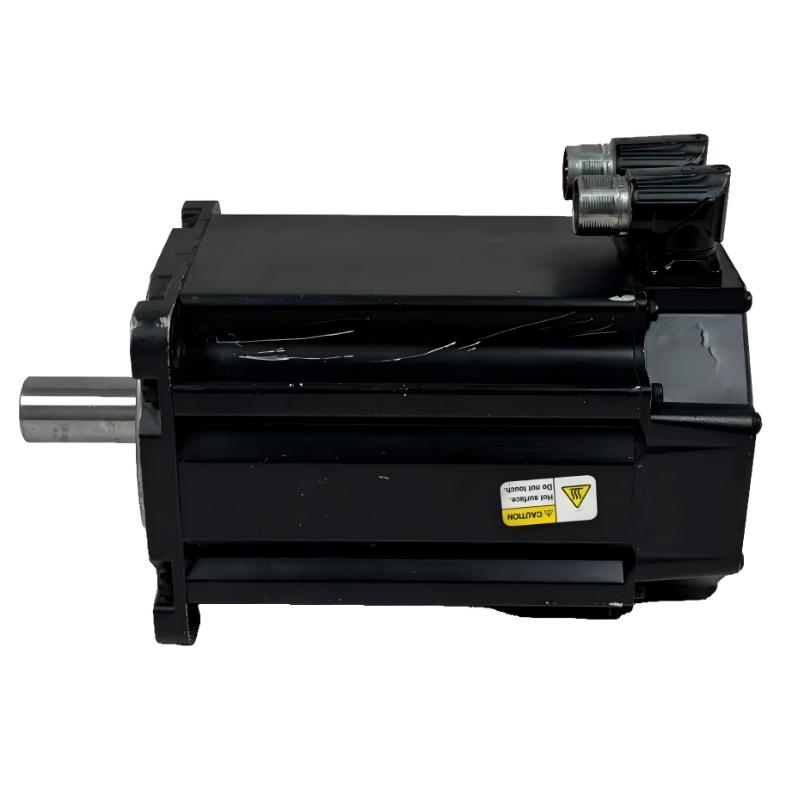
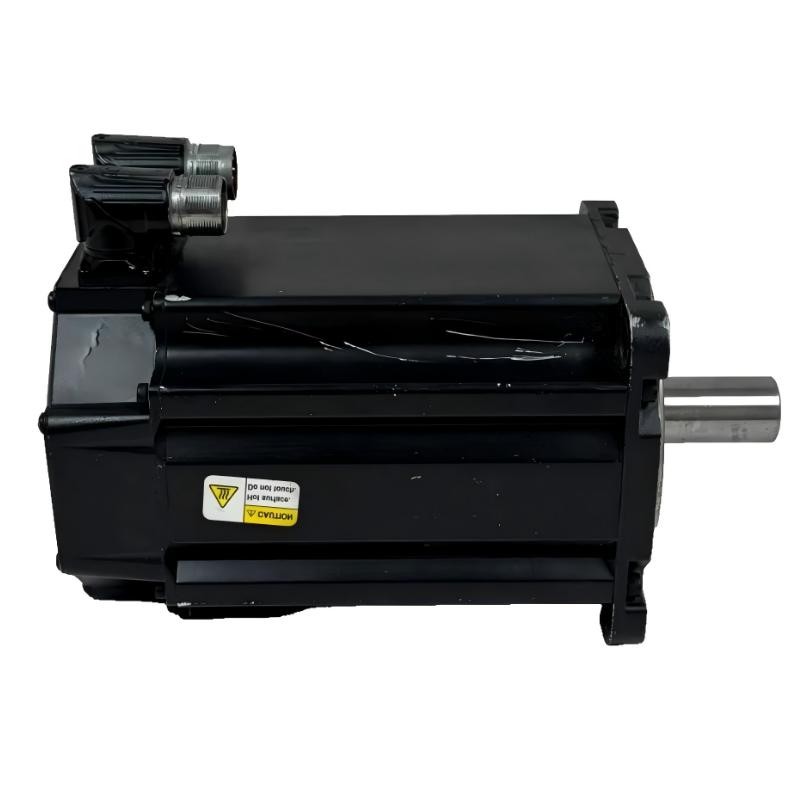
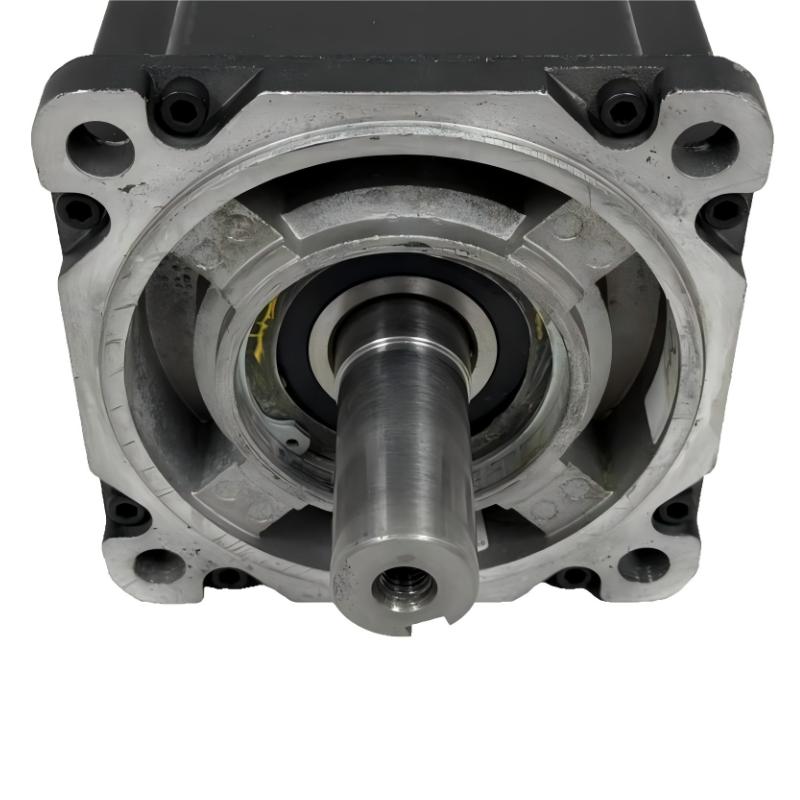
- Allen Bradley
- MPL-B960D-MJ74AA
- Low-Inertia Brushless Servo Motors Product
- USA
- 215 mm ×203.2 mm × 325 mm
- 42.7 kg
- Xiamen, China
- New & In Stock
- T/T, PayPal, Western Union
- 1 Year
- 1-3 Working Days
- DHL, UPS, TNT, FedEx and EMS.
- 24-Hour Service
- COO
- 5
Our advantage

Global Logistics
We have a 10-year logistics and express cooperation agreement, so our products can be shipped to any place in the world.

Brand new and original
Our products are imported in bulk from the place of origin. Because of the cooperative relationship, our products are all original and 100% new.

24-hour service
We provide 7*24 hours service to our customers. We will be there whenever you need us.

Price advantage
All our products are priced very favorably because we have our own warehouse and supply.
| Company Information | |||
| [email protected] | |||
| Mobile | +8615980777398 | ||
| +8615980777398 | |||
| 15980777398 |
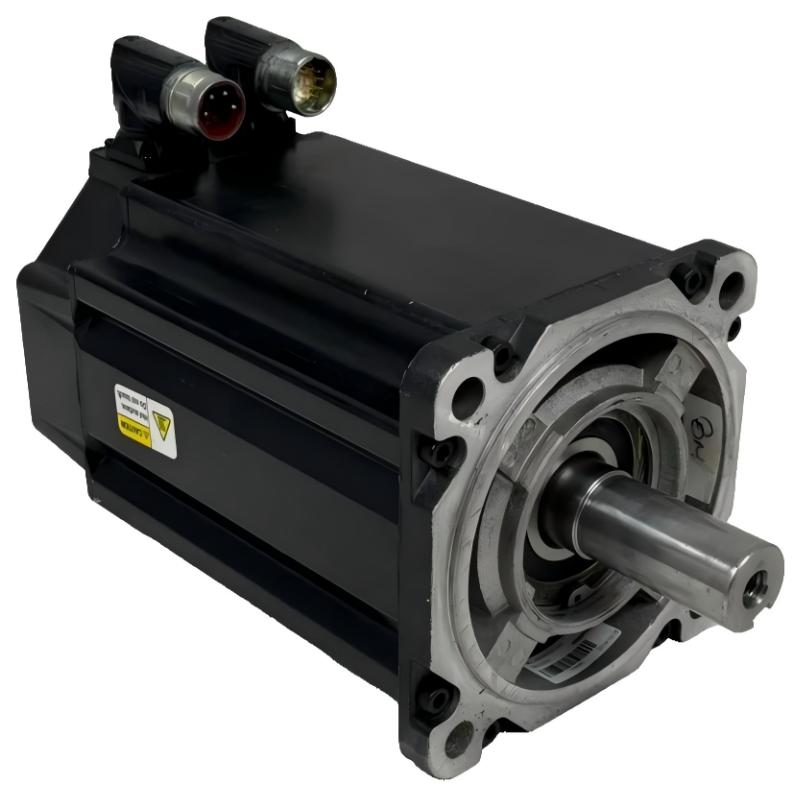
Allen-Bradley MPL-B960D-MJ74AA Servo Motor: Product Description, Technical Parameters, Applications, and Related Models
1. Product Overview
The Allen-Bradley MPL-B960D-MJ74AA is a model designation associated with the MPL family of low-inertia permanent-magnet servo motors. Motors in this family are intended for precision motion-control systems that require responsive acceleration, controlled deceleration, repeatable positioning, and coordinated movement with a compatible servo drive.
The MPL product family is commonly associated with industrial automation equipment such as packaging machinery, assembly systems, automated handling equipment, and other applications where accurate motion and reliable operation are important.
The complete catalog number contains several coded sections. These identify the motor configuration and options, so the full model number should be used when checking compatibility, ordering a replacement, or preparing a maintenance record.
Important model-specific note: The suffix MJ74AA must be checked against the motor’s nameplate or the applicable catalog documentation before treating any particular brake, feedback, connector, or shaft specification as confirmed. The tables below distinguish information that can be described at the family level from exact model details that still require verification. This avoids assigning potentially incorrect electrical ratings or mechanical dimensions to the product.
2. Brand and Product Series
|
Item |
Description |
|---|---|
|
Brand |
Allen-Bradley |
|
Product series |
MPL Series |
|
Product category |
Industrial AC servo motor |
|
Motor technology |
Permanent-magnet synchronous servo motor |
|
General design |
Low-inertia servo motor |
|
Primary function |
Precision rotary motion control |
|
Typical control arrangement |
Servo motor paired with a compatible servo drive and feedback system |
|
Main application area |
Industrial automation and motion control |
|
Model discussed |
The MPL series is designed for applications that require a motor to respond accurately to commanded speed, position, and torque changes. Its low-inertia design is particularly useful when a machine repeatedly starts, stops, changes direction, or moves between programmed positions.
A servo motor is not normally selected by model number alone. The motor, servo drive, feedback interface, supply voltage, shaft arrangement, mounting dimensions, and application load must all be considered together.
3. Detailed Technical Parameters
The following table summarizes the principal identifying and mechanical characteristics of the MPL-B960D-MJ74AA. The exact rated torque, current, output power, and complete envelope dimensions should be taken from the motor’s technical data and mechanical drawing for the exact configuration.
|
Parameter |
Specification |
|---|---|
|
Model |
MPL-B960D-MJ74AA |
|
Brand |
Allen-Bradley |
|
Series |
MPL low-inertia servo motor |
|
Motor type |
Brushless AC servo motor |
|
Voltage class |
460 V AC class |
|
Rated speed designation |
2,000 RPM |
|
Frame size |
9 |
|
Frame / flange size |
300 mm class |
|
Magnet stack length |
152.4 mm (6.0 in.) |
|
Feedback |
Multi-turn high-resolution absolute encoder |
|
Shaft |
Keyed shaft extension |
|
Connector |
SpeedTEC DIN connector, right-angle, rotatable |
|
Brake |
24 V DC holding brake |
|
Mounting |
IEC metric flange, Type FF |
|
Overall dimensions |
Exact length, width, and depth require the dimensional drawing |
|
Reference flange dimensions |
300 mm frame class; confirm mounting-hole layout from drawing |
|
Weight |
Exact weight in kg requires confirmation from the applicable technical data |
|
Operating speed |
Depends on the commanded speed and compatible drive configuration |
|
Control method |
Closed-loop servo control |
|
Typical duty |
Repetitive industrial motion and positioning |
|
Installation |
Rigid mounting, compatible drive, feedback wiring, and suitable power cabling required |
Mechanical Dimensions and Weight
Dimensions are especially important when replacing an existing motor. The frame-size designation and magnet stack length help identify the motor’s general mechanical class, but they do not provide every measurement required for installation.
|
Dimension / weight item |
Value or status |
|---|---|
|
Frame size |
9 |
|
Frame / flange class |
300 mm |
|
Magnet stack length |
152.4 mm |
|
Overall motor length |
Not confirmed |
|
Overall motor width |
Not confirmed as a separate envelope measurement |
|
Overall motor height |
Not confirmed as a separate envelope measurement |
|
Shaft diameter |
Confirm against mechanical drawing |
|
Shaft extension length |
Confirm against mechanical drawing |
|
Mounting-hole dimensions |
Confirm against Type FF flange drawing |
|
Brake-related length allowance |
Confirm using the brake-equipped motor drawing |
|
Net weight |
Not confirmed, kg |
|
Shipping weight |
Not confirmed, kg |
The motor has a 24 V DC brake option, which affects the overall configuration and can affect the motor’s length. For replacement work, do not use the dimensions of a brake-free motor as a substitute for those of this brake-equipped model.
The motor’s exact weight should also be confirmed before designing a mounting bracket, estimating shipping costs, or calculating the load on a moving machine axis. A family-level estimate is not a reliable substitute for the model-specific value.
4. Product Introduction
The MPL-B960D-MJ74AA is designed for industrial motion systems in which a motor must deliver controlled rotation and repeatable positioning. Its brushless permanent-magnet design supports servo operation, while its feedback device allows the drive to monitor motor position and coordinate movement according to the control command.
In a servo system, the controller sends a motion command to the drive. The drive supplies the motor with controlled electrical power, and the feedback device reports information about the motor’s position. The control system uses this feedback to correct motion errors and achieve the requested movement.
This closed-loop approach is useful where a machine needs more than simple continuous rotation. Typical examples include indexing a conveyor to a fixed position, moving a machine axis between programmed coordinates, synchronizing several moving parts, or controlling the speed of a production process.
The model’s multi-turn absolute feedback is intended to provide position information across multiple turns. This can be valuable in systems that need to track position over a wide range of travel or rotation. The precise behavior after power loss depends on the feedback system, drive configuration, and machine design; commissioning procedures should always follow the applicable instructions.
The keyed shaft provides a mechanical interface for compatible couplings, pulleys, gears, or other drive components. Correct shaft alignment and coupling selection are essential to avoid excessive radial or axial loads on the motor bearings.
The right-angle, rotatable connector arrangement can make cable routing easier in installations where space is restricted. Cable orientation, connector clearance, bend radius, and access for maintenance should be considered during the mechanical layout.
The 24 V DC holding brake is an additional feature for applications that need to resist shaft movement when the brake is engaged. It is not a substitute for a safety-rated braking system unless the complete machine design and safety assessment establish that the arrangement meets the required safety function.
5. Main Features and Product Advantages
5.1 Low-Inertia Design
The MPL series is designed for responsive motion control. Low rotor inertia can help a servo system accelerate and decelerate efficiently, especially when the machine repeatedly changes speed or direction.
This characteristic is useful in indexing equipment, automated assembly machines, packaging lines, and positioning systems where cycle time and movement consistency matter.
The actual performance of an installed motor depends on the load inertia, drive settings, coupling arrangement, and mechanical transmission. Selecting the motor and drive as a matched system is important for achieving the desired response.
5.2 Brushless Motor Construction
Brushless servo motors do not use conventional mechanical brushes to transfer current to a rotating commutator. This design avoids brush wear as a routine maintenance item and is well suited to industrial equipment that performs repeated movements over long operating periods.
Regular inspection is still necessary. Bearings, connectors, cables, mounting hardware, seals, and the surrounding machine components can all affect long-term operating reliability.
5.3 Multi-Turn Absolute Feedback
The model designation identifies a multi-turn high-resolution absolute encoder configuration. Absolute feedback can help a control system establish motor position without relying solely on incremental counts accumulated from a reference point.
This is particularly useful in machinery that needs to track position accurately or coordinate multiple axes. However, machine homing requirements, retained position behavior, and recovery after a fault should be verified in the actual drive and controller configuration.
5.4 Integrated Holding Brake
The MPL-B960D-MJ74AA is identified as a brake-equipped configuration using a 24 V DC brake.
A holding brake can help keep a shaft from rotating when the motor is not actively producing torque. This can be useful on vertical axes, positioning mechanisms, and equipment that must maintain a stationary position during certain operating states.
The brake should be used within its specified operating limits. A holding brake is generally intended to hold a stationary load rather than repeatedly stop a rapidly moving load unless the brake is specifically rated for that duty.
5.5 Flexible Connector Orientation
The right-angle connector can be rotated to suit the installation layout. This can help when the motor is mounted near a machine frame, enclosure, guard, or neighboring component.
Good cable routing reduces unnecessary strain on connectors and helps keep power and feedback cables away from moving parts, hot surfaces, and sources of electrical interference.
5.6 Industrial Mounting Configuration
The model uses a metric flange mounting arrangement in the 300 mm frame class. This supports installation in appropriately designed industrial machinery.
Before installation, engineers should check the mounting-hole pattern, pilot diameter, shaft dimensions, overall motor length, connector clearance, and brake clearance. Matching the frame size alone does not guarantee that a replacement motor will fit.
5.7 Suitability for Repetitive Motion
The combination of servo control, encoder feedback, and low-inertia motor design makes the MPL family suitable for applications involving frequent starts, stops, position changes, and controlled speed profiles.
The achievable accuracy and cycle rate are determined by the entire motion system, including the drive, controller, feedback settings, load, and mechanical transmission.
6. Typical Applications

6.1 Packaging Machinery
Servo motors are commonly used for product feeding, indexing, filling, sealing, labeling, and synchronized conveyor movement. A servo-controlled axis can move packaging material or products to repeatable positions and adjust motion to match production requirements.

6.2 Automated Assembly Equipment
Assembly machines often require components to be positioned accurately before fastening, insertion, inspection, or transfer. Servo-driven mechanisms can provide controlled movement between programmed positions and support coordinated machine sequences.

6.3 Machine Tools and Positioning Systems
Servo motors can drive rotary tables, positioning axes, tool-handling mechanisms, and auxiliary machine movements. The correct motor must be selected according to the required torque, speed, duty cycle, inertia, and accuracy.

6.4 Material Handling
Servo-controlled conveyors, transfer units, and indexing mechanisms can move materials to defined locations. Where a vertical axis or stationary holding function is involved, the brake configuration and the machine’s load-retention requirements need careful assessment.

6.5 Printing, Labeling, and Converting
Servo motion is useful for coordinating feed rollers, cutting mechanisms, indexing tables, and other mechanisms that require a controlled relationship between speed and position.
Additional Application Areas
Other possible applications include automated inspection equipment, electronics manufacturing, assembly transfer systems, and general industrial machinery. Suitability depends on the machine’s actual motion profile and the motor’s verified performance ratings.
The MPL-B960D-MJ74AA should not be selected solely because a similar model is used in one of these industries. Its torque, speed, brake requirements, feedback compatibility, environmental protection, and physical dimensions must be checked against the specific application.
7. Model Number Interpretation
The catalog number contains several useful configuration indicators. The table below summarizes the principal elements of this model without treating every character as a standalone technical specification.
|
Model-code element |
Interpretation |
|---|---|
|
MPL |
MPL low-inertia servo motor family |
|
B |
460 V AC voltage class designation |
|
960 |
Frame 9, stack-length 60 configuration |
|
D |
2,000 RPM speed designation |
|
M |
Multi-turn high-resolution absolute feedback |
|
J |
Keyed shaft extension |
|
7 |
Right-angle, rotatable SpeedTEC DIN connector |
|
4 |
24 V DC brake configuration |
|
AA |
Metric flange mounting configuration |
These codes are useful for identifying the general configuration, but a model-code interpretation is not a substitute for the complete electrical and mechanical specification.
8. Five Related Models in the Same Series
The following five models are useful comparison candidates because they belong to the MPL family or share a closely related configuration. The table focuses on identifying features that can be inferred from the model designations. Exact torque, power, current, overall dimensions, and weight should be checked for each complete catalog number before purchase or replacement.
|
Model |
Key parameters |
Dimensions |
Weight |
|---|---|---|---|
|
MPL-B960B-MJ74AA |
460 V AC class; 1,000 RPM; frame 9; 152.4 mm stack; multi-turn absolute feedback; keyed shaft; 24 V DC brake |
300 mm frame class; 152.4 mm stack; overall envelope not confirmed |
Not confirmed, kg |
|
MPL-B960C-MJ74AA |
460 V AC class; 1,500 RPM; frame 9; 152.4 mm stack; multi-turn absolute feedback; keyed shaft; 24 V DC brake |
300 mm frame class; 152.4 mm stack; overall envelope not confirmed |
Not confirmed, kg |
|
MPL-B960D-MJ72AA |
460 V AC class; 2,000 RPM; frame 9; 152.4 mm stack; multi-turn absolute feedback; keyed shaft; no brake |
300 mm frame class; 152.4 mm stack; overall envelope not confirmed |
Not confirmed, kg |
|
MPL-B980B-MJ74AA |
460 V AC class; 1,000 RPM; frame 9; 203.2 mm stack; multi-turn absolute feedback; keyed shaft; 24 V DC brake |
300 mm frame class; 203.2 mm stack; overall envelope not confirmed |
Not confirmed, kg |
|
MPL-B980D-MJ74AA |
460 V AC class; 2,000 RPM; frame 9; 203.2 mm stack; multi-turn absolute feedback; keyed shaft; 24 V DC brake |
300 mm frame class; 203.2 mm stack; overall envelope not confirmed |
Not confirmed, kg |
8.1 MPL-B960B-MJ74AA
This model is a potential comparison option when an application requires a similar frame and brake arrangement but a lower speed designation. Its 1,000 RPM configuration may suit a motion profile where speed requirements differ from those of the 2,000 RPM reference model.
The actual torque and power characteristics must be verified rather than inferred from the speed designation alone.
8.2 MPL-B960C-MJ74AA
This model provides a 1,500 RPM speed designation while retaining the same general frame and stack-length class. It is worth considering when the application needs a middle speed option within a similar mechanical envelope.
Before substituting it for the reference model, check whether the load’s peak torque and continuous torque requirements can be met throughout the required operating range.
8.3 MPL-B960D-MJ72AA
This is a closely related comparison model with the same nominal speed designation and general frame configuration. Its key distinction is the no-brake configuration.
It may be appropriate for applications that do not require an integrated holding brake. It should not be substituted for the brake-equipped version where the brake is necessary to meet the machine’s holding or safety requirements.
8.4 MPL-B980B-MJ74AA
The B980 configuration uses a longer 203.2 mm magnet stack than the B960 configuration’s 152.4 mm stack. A longer stack can indicate a different torque capability, but the precise continuous and peak torque values must be taken from the relevant motor data.
This model is a comparison candidate when the application has different torque requirements and enough space for the corresponding motor configuration.
8.5 MPL-B980D-MJ74AA
This model combines the B980 stack configuration with a 2,000 RPM speed designation and a brake-equipped configuration. It may be worth evaluating where the application needs a different motor capacity within the same product family.
Its longer stack may change the installation envelope, so the overall length, brake clearance, mounting arrangement, and coupling position must be verified before use.
9. Five Additional Allen-Bradley Models to Consider
The following list expands the comparison to other models in the same brand’s servo-motor range. These are comparison candidates, not a verified popularity ranking. Their specifications differ, and not every model is a direct replacement for the MPL-B960D-MJ74AA.
|
Model |
General configuration |
Dimensions |
Weight |
|---|---|---|---|
|
MPL-B860D-MJ74AA |
MPL family; 460 V AC class; 2,000 RPM; 152.4 mm stack; multi-turn feedback; keyed shaft; 24 V DC brake |
Frame 8 class, approximately 265 mm; 152.4 mm stack; overall envelope not confirmed |
Not confirmed, kg |
|
MPL-B880D-MJ74AA |
MPL family; 460 V AC class; 2,000 RPM; 203.2 mm stack; multi-turn feedback; keyed shaft; 24 V DC brake |
Frame 8 class, approximately 265 mm; 203.2 mm stack; overall envelope not confirmed |
Not confirmed, kg |
|
MPL-B960B-MJ72AA |
MPL family; 460 V AC class; 1,000 RPM; 152.4 mm stack; multi-turn feedback; keyed shaft; no brake |
Frame 9 class, approximately 300 mm; 152.4 mm stack; overall envelope not confirmed |
Not confirmed, kg |
|
MPL-B980B-MJ72AA |
MPL family; 460 V AC class; 1,000 RPM; 203.2 mm stack; multi-turn feedback; keyed shaft; no brake |
Frame 9 class, approximately 300 mm; 203.2 mm stack; overall envelope not confirmed |
Not confirmed, kg |
|
MPL-B960D-MJ74AA |
Reference model; 460 V AC class; 2,000 RPM; 152.4 mm stack; multi-turn feedback; keyed shaft; 24 V DC brake |
Frame 9 class, approximately 300 mm; 152.4 mm stack; overall envelope not confirmed |
Not confirmed, kg |
These models cover different combinations of frame size, stack length, speed, and brake configuration. That makes them useful starting points for a shortlist, but it does not establish that they are interchangeable.
If the application requires the same mounting dimensions, shaft position, connector layout, brake function, and feedback interface, those details should take priority over a general match in series or nominal speed.
10. How to Choose Between the Models
When selecting an alternative, the most important factors are the machine’s mechanical requirements and the compatibility of the existing control system.
|
Selection factor |
What to check |
Why it matters |
|---|---|---|
|
Rated voltage |
Motor and drive voltage compatibility |
Prevents an unsuitable electrical pairing |
|
Rated speed |
Required operating speed and acceleration profile |
Helps match the motor to the production cycle |
|
Continuous torque |
Torque required during normal operation |
Helps avoid overheating or inadequate performance |
|
Peak torque |
Short-duration starting, acceleration, or disturbance loads |
Determines whether transient loads can be handled |
|
Feedback |
Encoder type and drive compatibility |
Ensures the drive can read and use the feedback signal |
|
Brake |
Whether a 24 V DC brake is required |
Affects holding behavior, wiring, and mechanical length |
|
Shaft |
Diameter, keyway, and extension length |
Ensures compatibility with the coupling or transmission |
|
Mounting |
Flange pattern, pilot, and fastener arrangement |
Determines whether the motor fits the machine |
|
Envelope |
Overall length and connector clearance |
Prevents interference with guards and adjacent parts |
|
Weight |
Actual motor mass in kg |
Supports mounting and transport calculations |
|
Environment |
Temperature, contamination, and protection requirements |
Helps ensure suitability for the installation conditions |
|
Drive tuning |
Inertia ratio and motion profile |
Influences stability, response, and positioning performance |
For a replacement, the safest starting point is the complete existing model number. Any change to speed, frame size, stack length, brake, or feedback option should be evaluated against the application and drive configuration before the substitute is approved.
11. Installation and Maintenance Considerations
Installation
Mount the motor on a rigid, correctly aligned surface. The coupling, pulley, gearbox, or driven mechanism should be aligned according to the applicable mechanical tolerances. Excessive radial or axial loading can shorten bearing life and affect positioning performance.
The power and feedback cables should be routed and secured in accordance with the installation requirements. Avoid excessive connector strain, sharp cable bends, and routing that exposes cables to heat or moving machinery.
The brake circuit must be connected and controlled correctly. Brake release and engagement timing should be coordinated with the servo drive and machine sequence. The brake’s actual holding capacity and duty limitations must be considered in the design.
Commissioning
Before enabling the motor, verify the catalog number, motor data in the drive, feedback compatibility, direction of rotation, mechanical clearance, and brake operation.
Initial tests should use a controlled, low-risk operating condition. Confirm that the axis moves in the expected direction, the feedback readings are plausible, and the motor responds correctly to the commanded motion.
Routine Maintenance
Although brushless motors do not require conventional brush replacement, periodic inspection remains important. Check for unusual noise, abnormal vibration, loose mounting hardware, damaged cable insulation, connector contamination, and signs of excessive heating.
The inspection interval should reflect the machine’s duty cycle, operating environment, and maintenance policy. Any abnormal condition should be investigated before it develops into a more serious failure.
12. Product Advantages at a Glance
|
Advantage |
Practical benefit |
|---|---|
|
Low-inertia design |
Supports responsive acceleration and deceleration |
|
Brushless construction |
Avoids routine mechanical brush replacement |
|
Multi-turn absolute feedback |
Supports position tracking across multiple turns |
|
Brake-equipped configuration |
Provides a holding function when properly applied |
|
Rotatable right-angle connector |
Offers flexibility in cable routing |
|
Metric flange mounting |
Supports integration into appropriately designed machinery |
|
Servo-based motion control |
Enables coordinated speed, torque, and position control |
|
Family-level model options |
Provides alternatives with different speed and stack-length configurations |
The most significant benefit of the MPL-B960D-MJ74AA is its combination of servo feedback, a 2,000 RPM speed designation, a 300 mm frame class, and an integrated 24 V DC brake configuration. These features can make it a suitable candidate for industrial machinery that requires controlled rotary motion and a defined holding function.
However, the final selection must be based on verified torque and power ratings, the machine’s duty cycle, the compatible servo drive, and the exact mechanical drawing. The model’s overall dimensions and weight in kilograms remain items to confirm rather than values to estimate.
13. Summary
The Allen-Bradley MPL-B960D-MJ74AA belongs to the MPL low-inertia brushless servo motor family. Its identified configuration includes a 460 V AC class, a 2,000 RPM speed designation, a frame 9 / 300 mm class, a 152.4 mm magnet stack, multi-turn high-resolution absolute feedback, a keyed shaft, a rotatable right-angle DIN connector, and a 24 V DC holding brake.
It is a potential option for automated production equipment that needs responsive motion control, repeatable positioning, and a brake-equipped motor arrangement. Related MPL models provide different speed, stack-length, frame, and brake configurations, allowing engineers to compare alternatives for a specific machine.
For purchasing, engineering, or replacement purposes, the complete mechanical dimensions, actual motor weight in kg, rated torque, peak torque, rated current, output power, and drive compatibility should be confirmed for the exact catalog number. Those values should not be assumed from a similar model or from the series name alone.