

ProductPRODUCT
Featured products
Contact Us
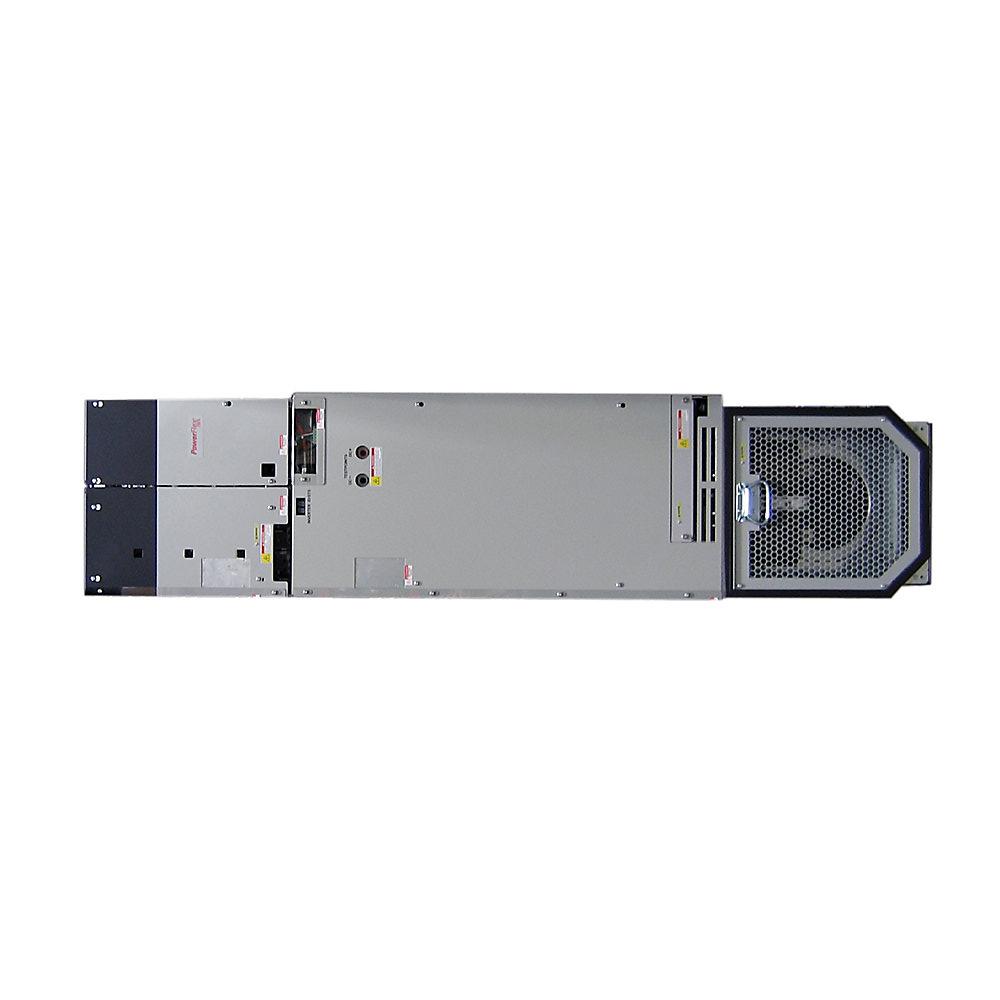
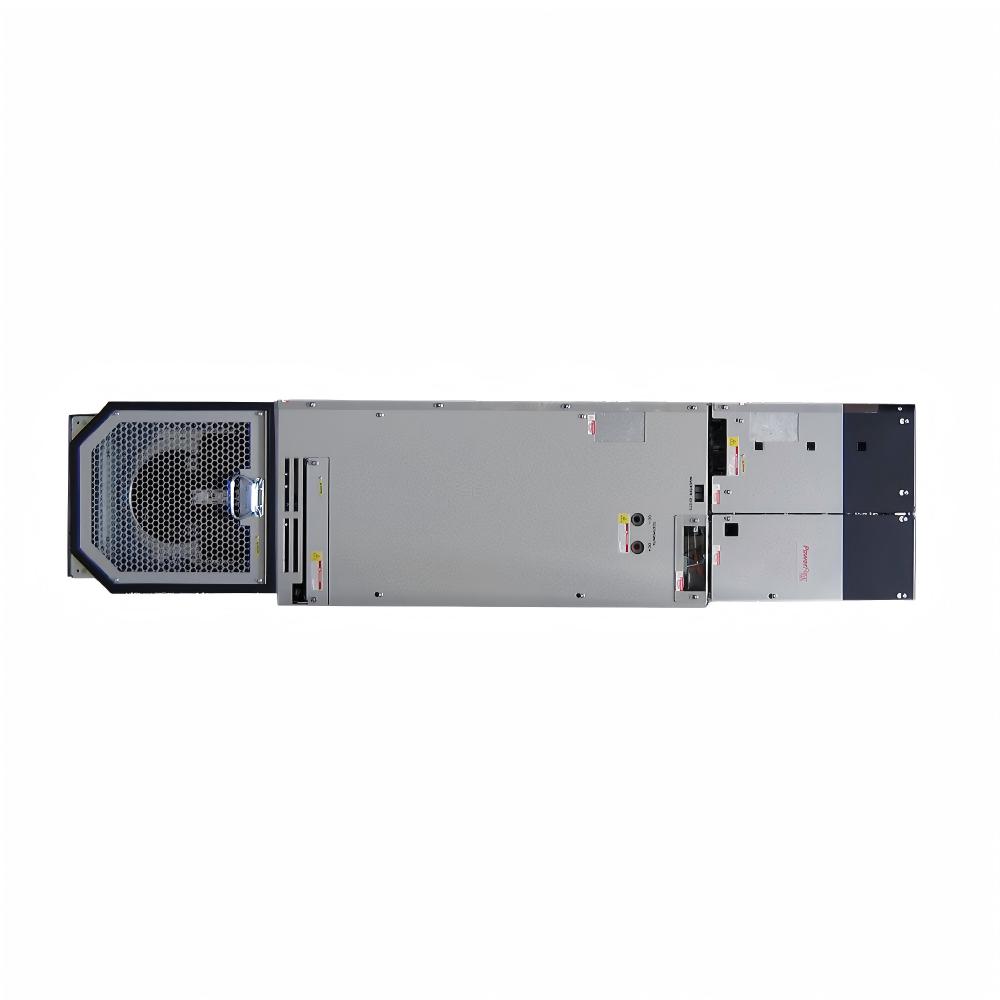
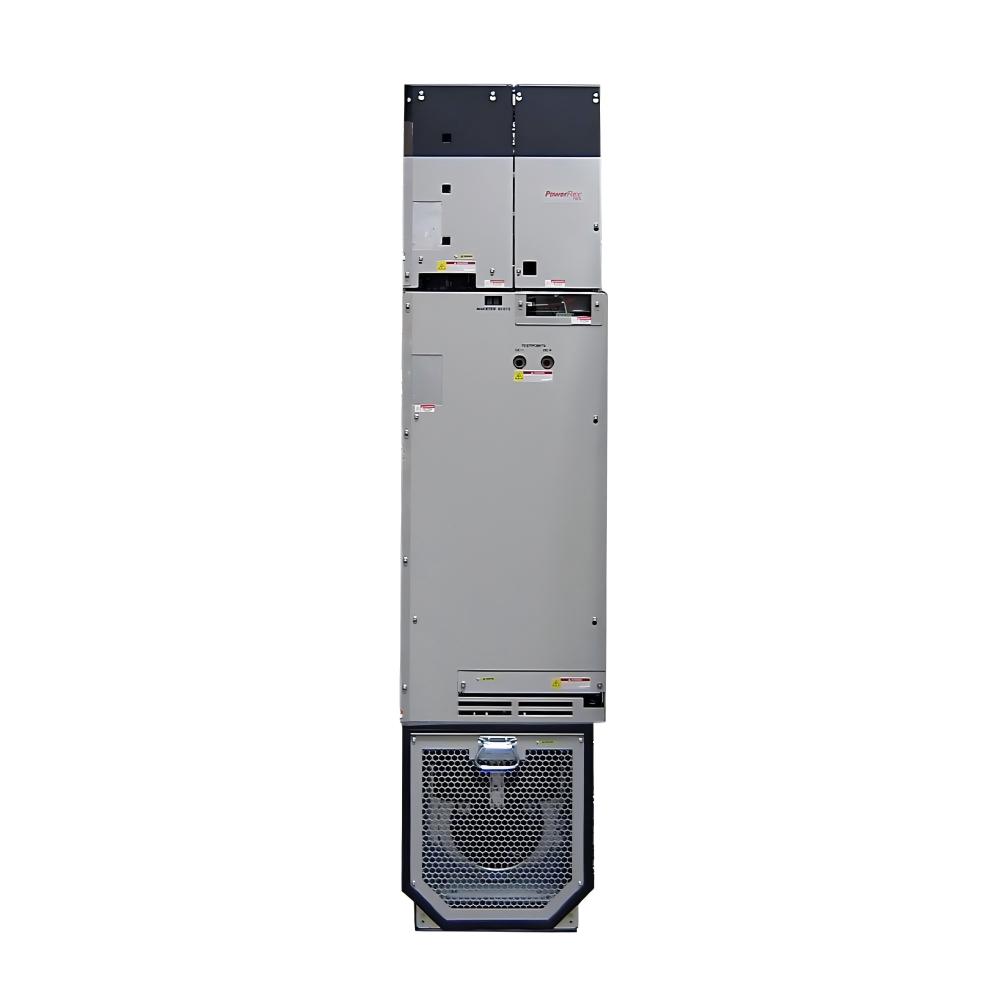
- Allen Bradley
- 20G14TF330JN0NNNNN
- PowerFlex AC Drive
- USA
- 665.5 × 308 × 346.4 mm
- 38.6kg
- Xiamen, China
- New & In Stock
- T/T, PayPal, Western Union
- 1 Year
- 1-3 Working Days
- DHL, UPS, TNT, FedEx and EMS.
- 24-Hour Service
- COO
- 54
Our advantage

Global Logistics
We have a 10-year logistics and express cooperation agreement, so our products can be shipped to any place in the world.

Brand new and original
Our products are imported in bulk from the place of origin. Because of the cooperative relationship, our products are all original and 100% new.

24-hour service
We provide 7*24 hours service to our customers. We will be there whenever you need us.

Price advantage
All our products are priced very favorably because we have our own warehouse and supply.
| Company Information | |||
| [email protected] | |||
| Mobile | +8615980777398 | ||
| +8615980777398 | |||
| 15980777398 |
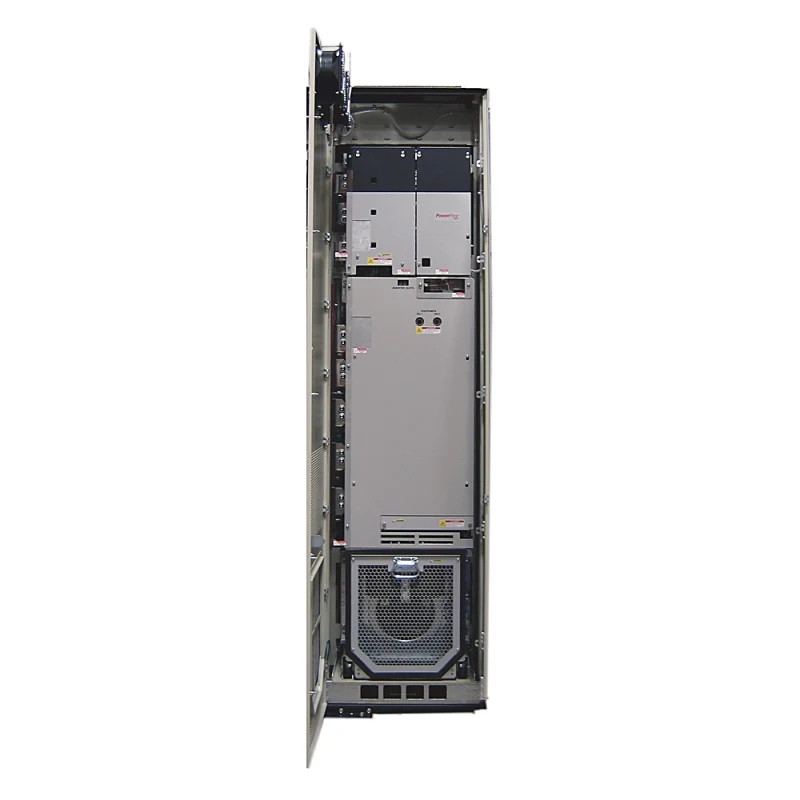
Allen-Bradley 20G14TF330JN0NNNNN PowerFlex 755 AC Drive
1. Product Overview
The Allen-Bradley 20G14TF330JN0NNNNN is a high-power PowerFlex 755 AC Drive intended for demanding industrial motor-control applications where high output power, reliable variable-speed operation, common-bus architecture, and integration with industrial automation systems are required.
The product belongs to the PowerFlex 750 Series and is part of the PowerFlex 755 product family.
This particular configuration is designed around a DC input with precharge and is intended for use with a common DC bus. Its nominal DC input is approximately 932 VDC, while the associated motor/system voltage class is 690 VAC, three phase. The drive is constructed as a Frame 8 high-power unit with forced-air cooling.
The model provides a 330 A continuous normal-duty rating, corresponding to 315 kW normal duty. It also provides a 355 kW light-duty rating and a 250 kW heavy-duty rating.
The configuration includes embedded EtherNet/IP, filtered operation, a common-mode capacitor jumper installed, no dynamic-braking option, and a blank/no-HIM arrangement.
The complete catalog number is:
This is a high-capacity drive intended primarily for large industrial machinery, process equipment, material-handling systems, pumps, fans, compressors, and other applications where the motor power is too high for smaller variable-frequency drives.
2. Brand and Product Series
| Item | Specification |
|---|---|
| Brand | Allen-Bradley |
| Product Family | PowerFlex 750 Series |
| Product Series | PowerFlex 755 |
| Product Type | High-Power AC Drive |
| Catalog Number | 20G14TF330JN0NNNNN |
| Drive Architecture | Common DC-Bus Drive |
| Input Type | DC Input with Precharge |
| Nominal DC Input | Approximately 932 VDC |
| Motor/System Voltage Class | 690 VAC |
| Phase | Three Phase |
| Normal-Duty Current | 330 A |
| Light-Duty Rating | 355 kW |
| Normal-Duty Rating | 315 kW |
| Heavy-Duty Rating | 250 kW |
| Frame | Frame 8 |
| Cooling | Forced Air / Air Cooled |
| Enclosure | Open Type |
| Filtering | Filtered |
| CM Jumper | Installed |
| Dynamic Braking | None |
| HIM | Blank / No HIM |
| Communication | Embedded EtherNet/IP |
| Main Architecture | Common DC Bus |
| Dimensions | Configuration-dependent |
| Net Weight | Configuration-dependent kg |
The published PowerFlex technical data places this exact model in the 932 VDC nominal common-bus group, with one unit corresponding to an equivalent Frame 8 configuration.
3. Detailed Technical Parameters
| Parameter | Specification |
|---|---|
| Model | 20G14TF330JN0NNNNN |
| Brand | Allen-Bradley |
| Product Family | PowerFlex 750 Series |
| Product Series | PowerFlex 755 |
| Product Type | AC Drive |
| Application Type | High-Power Industrial Motor Control |
| Input Type | DC Input with Precharge |
| Power Architecture | Common DC Bus |
| Nominal DC Input | Approximately 932 VDC |
| Associated Motor/System Voltage | 690 VAC Class |
| Phase | Three Phase |
| Light-Duty Continuous Current | 370 A |
| Light-Duty Power | 355 kW |
| Normal-Duty Continuous Current | 330 A |
| Normal-Duty Power | 315 kW |
| Heavy-Duty Continuous Current | 265 A |
| Heavy-Duty Power | 250 kW |
| Frame Size | Frame 8 |
| Cooling | Forced Air |
| Cooling Type | Air Cooled |
| Enclosure Type | Open Type |
| Filtering | Filtered |
| Common-Mode Capacitor Jumper | Installed |
| Dynamic Braking | None |
| Human Interface Module | Blank / No HIM |
| Communication | Embedded EtherNet/IP |
| Common-Bus Operation | Yes |
| Installation | Industrial cabinet / open-frame system |
| Width | Configuration-dependent |
| Height | Configuration-dependent |
| Depth | Configuration-dependent |
| Overall Dimensions | Configuration-dependent |
| Net Weight | Configuration-dependent kg |
| Shipping Weight | Configuration-dependent kg |
| Mechanical Handling | Suitable handling equipment may be required |
| Typical Application | Large industrial motor systems |
The light-duty, normal-duty, and heavy-duty ratings for the exact model are 370 A / 355 kW, 330 A / 315 kW, and 265 A / 250 kW, respectively.
4. What the 20G14TF330JN0NNNNN Is Designed For
The 20G14TF330JN0NNNNN is intended for applications where a large motor needs controlled variable-speed operation and where a common DC-bus architecture is desirable.
Instead of treating the drive as a conventional standalone AC-input variable-frequency drive, this configuration is intended to receive power from a suitable DC-bus system.
This makes it especially useful in large multi-drive installations.
A common DC-bus system can contain multiple drives supplied from a shared DC power source. Depending on the overall system design, this can allow energy to be managed more effectively between different motor loads.
For example, one motor may be accelerating while another motor is decelerating. A common-bus architecture can provide a more coordinated electrical environment for such multi-drive systems.
5. 932 VDC Nominal Common-Bus Input
One of the most important characteristics of this model is its 932 VDC nominal input.
The 932 VDC figure should not be confused with a conventional 690 VAC line-input rating.
The 20G14TF330JN0NNNNN is a DC-input configuration, and its 690 VAC designation refers to the associated voltage class of the motor/system rather than meaning that 690 VAC is directly connected to this particular DC-input drive.
This distinction is important when designing a replacement or new installation.
The upstream system normally needs to provide the appropriate DC-bus voltage and associated rectification, protection, isolation, precharge, and distribution equipment.
6. DC Input with Precharge
The drive uses a DC Input with Precharge configuration.
Precharge is important in high-power drives because the drive’s internal DC-link capacitors can initially draw a very large current when they are first connected to the DC supply.
The precharge system controls this initial charging process.
This provides a more controlled startup sequence and helps prevent excessive inrush current from reaching the DC-link capacitors.
For large common-bus installations, precharge is an important part of the overall power architecture.
The precharge function should be considered together with:
- DC-bus protection.
- DC disconnect equipment.
- Fusing.
- Busbar design.
- Rectifier or front-end equipment.
- Grounding.
- Emergency shutdown strategy.
- DC-bus discharge requirements.
- Maintenance procedures.
7. 690 VAC Motor/System Class
The drive is associated with the 690 VAC, three-phase class.
690 VAC systems are widely used for large industrial motors because the higher voltage allows large amounts of motor power to be transmitted at lower current than would be required at lower voltage levels.
For large industrial motors, this can provide benefits in:
- Power-cable sizing.
- Busbar sizing.
- Current handling.
- Power-distribution losses.
- Cabinet conductor requirements.
- Motor-system design.
The combination of a high-voltage motor class and a common DC-bus architecture makes this model particularly appropriate for large industrial installations.
8. 330 A Normal-Duty Rating
The principal rating associated with the catalog number is:
330 A / 315 kW Normal Duty
This is a substantial industrial drive rating.
A 330 A normal-duty capacity places the drive in the high-power category and makes it suitable for large motors and machinery.
The actual motor should always be selected according to its nameplate current and application duty rather than simply matching horsepower or kilowatts.
Motor current can vary according to:
- Motor efficiency.
- Power factor.
- Motor design.
- Motor voltage.
- Speed.
- Load characteristics.
- Ambient temperature.
- Service factor.
- Application duty.
9. Light-Duty Rating
The drive provides a light-duty rating of:
370 A / 355 kW
Light-duty applications generally involve lower overload requirements than heavy-duty applications.
Typical examples can include large:
- Fans.
- Pumps.
- Blowers.
- Some conveyors.
- Variable-torque machinery.
- Continuous-process equipment with relatively stable loading.
The 355 kW light-duty rating gives the model additional flexibility when the application does not require the more severe overload capability associated with heavy-duty operation.
10. Heavy-Duty Rating
The heavy-duty rating is:
265 A / 250 kW
Heavy-duty operation is associated with more demanding mechanical loads and higher overload requirements.
Potential applications include:
- Heavy conveyors.
- Crushers.
- Mixers.
- Material-processing machinery.
- High-inertia machines.
- Certain compressors.
- Heavy-duty production equipment.
When the machine experiences frequent acceleration, high starting torque, sudden load changes, or significant overload requirements, the heavy-duty rating should be used for drive selection.
11. Frame 8 Construction
The 20G14TF330JN0NNNNN uses Frame 8 construction.
Frame 8 is a high-power mechanical platform.
The physical size is considerably larger than that of small and medium industrial drives.
This means that the installation needs to account for:
- Cabinet structure.
- Mechanical support.
- Power-bus connections.
- DC-bus connections.
- Motor cable routing.
- Cooling airflow.
- Maintenance access.
- Service clearance.
- Mechanical handling.
The technical documentation specifically identifies Frame 8–10 installations as requiring suitable handling arrangements, including a rollout cart for certain power-wiring and cabinet-installation work.
12. Air-Cooled / Forced-Air Design
The drive uses a forced-air cooling system.
At power levels above 300 kW, thermal management becomes an important part of the overall installation.
The drive’s power semiconductors and other electrical components generate heat during normal operation.
The cooling system removes this heat and helps maintain appropriate operating temperatures.
The cabinet therefore needs:
- Adequate airflow.
- Appropriate ventilation.
- Correct air intake and exhaust paths.
- Sufficient service clearance.
- Suitable ambient-temperature control.
- Clean cooling air.
- Regular cooling-system inspection.
13. Open-Type Construction
The drive uses an open-type design.
This means the drive is normally incorporated into a suitable industrial cabinet, electrical room, or engineered enclosure rather than being treated as a completely enclosed standalone unit.
The final enclosure should be selected according to the environment.
Considerations include:
- Dust.
- Moisture.
- Corrosive gases.
- Ambient temperature.
- Altitude.
- Cooling.
- Personnel protection.
- Local electrical regulations.
- Maintenance requirements.
An open-type high-power drive provides flexibility for custom cabinet and system design, but the responsibility for the final enclosure arrangement belongs to the overall installation design.
14. Filtering
The catalog configuration is specified as Filtered.
Filtering is important in industrial variable-frequency-drive systems because high-frequency switching can produce electrical noise.
The filtering arrangement can help reduce conducted interference and improve compatibility with surrounding electrical equipment.
This is particularly important when the same installation contains:
- PLC systems.
- Industrial Ethernet.
- Analog instrumentation.
- Encoders.
- Sensors.
- Measurement equipment.
- Control panels.
- Other variable-frequency drives.
Correct grounding, shielding, and cable routing remain important even with a filtered configuration.
15. Common-Mode Capacitor Jumper Installed
The model includes the common-mode capacitor jumper installed configuration.
The common-mode configuration affects the electrical relationship between the drive, grounding system, motor cables, motor insulation, and surrounding equipment.
This is particularly relevant in large industrial systems because motor cables can be long and can introduce substantial parasitic capacitance.
When replacing an existing drive, the replacement configuration should therefore be checked carefully rather than selecting a model solely by current rating.
16. Dynamic Braking
The catalog configuration specifies:
Dynamic Braking: None
This means the standard catalog configuration does not include the dynamic-braking option.
This can be perfectly appropriate for many applications.
For example, a large pump or fan may not require rapid deceleration.
On the other hand, applications with substantial rotating inertia may require a separate braking strategy.
Potential braking-intensive applications include:
- Large conveyors.
- High-inertia fans.
- Centrifugal equipment.
- Rapid-cycle machines.
- Material-handling systems.
- Certain hoisting applications.
- Machines requiring frequent deceleration.
If regenerative energy is significant, the complete system should be engineered accordingly.
17. Blank / No HIM
The model is specified with:
Blank / No HIM
This means the catalog configuration does not include a conventional local Human Interface Module.
This arrangement is useful in centralized automation systems where operators interact with the machine through a separate HMI or control system.
It can also be advantageous when the drive is installed inside a dedicated electrical cabinet and local operation from the drive front panel is not required.
The machine operator may instead use:
- A central HMI.
- PLC controls.
- A supervisory control system.
- A machine control panel.
- An industrial computer.
18. Embedded EtherNet/IP
The 20G14TF330JN0NNNNN includes embedded EtherNet/IP.
This is an important feature for modern industrial automation.
The drive can be integrated into a larger network where the control system can exchange operational information with the drive.
Typical information can include:
- Run command.
- Stop command.
- Speed reference.
- Actual speed.
- Motor current.
- Drive status.
- Warning status.
- Fault information.
- Diagnostic information.
- Operating parameters.
This makes the drive suitable for centralized automation architectures where motor control is integrated with the rest of the production process.
19. Main Product Applications
19.1 Large Conveyor Systems
The drive is well suited to large conveyor systems used in:
- Mining.
- Cement.
- Manufacturing.
- Bulk material handling.
- Warehousing.
- Processing plants.
Variable-speed operation allows conveyor speed to be matched to production requirements.
Controlled acceleration can also reduce mechanical shock on belts, couplings, gearboxes, shafts, and bearings.
19.2 Large Pumps
Large industrial pumps are another important application.
Variable-speed operation can allow the pump output to follow actual process requirements.
Potential applications include:
- Water treatment.
- Cooling-water systems.
- Industrial circulation.
- Process-fluid handling.
- Large pumping stations.
- Chemical processing.
For suitable variable-torque systems, reducing motor speed can also provide substantial energy-saving potential.
19.3 Fans and Blowers
The drive is well suited to large fans and blowers.
Potential applications include:
- Industrial ventilation.
- Furnace systems.
- Process-air systems.
- Dust collection.
- Mining ventilation.
- Cement plants.
- Chemical processing.
- Large cooling systems.
The drive allows airflow to be adjusted through motor-speed control rather than relying exclusively on mechanical restrictions.
19.4 Compressors
Large compressors can require substantial motor power and carefully controlled acceleration.
The PowerFlex 755 platform can be considered for appropriate compressor applications where the motor and compressor characteristics are compatible with variable-speed operation.
Important considerations include:
- Starting torque.
- Acceleration time.
- Compressor operating range.
- Pressure requirements.
- Motor current.
- Thermal duty.
19.5 Mining Equipment
The high-power rating makes this drive suitable for many large mining-related applications.
Possible uses include:
- Ore conveyors.
- Material conveyors.
- Crushers.
- Pumps.
- Fans.
- Processing equipment.
Mining installations require special attention to environmental conditions, dust, cooling, cable length, grounding, and mechanical loading.
19.6 Cement and Aggregate Equipment
Cement and aggregate plants frequently use large motors for:
- Conveyors.
- Fans.
- Crushers.
- Pumps.
- Process equipment.
The high-power rating of the TF330 configuration makes it appropriate for many of these applications.
19.7 Material Processing
Large material-processing systems can use the drive to regulate motor speed according to production requirements.
Potential applications include:
- Mixers.
- Conveyors.
- Processing machines.
- Large fans.
- Pumps.
- Material feeders.
19.8 Manufacturing Machinery
Large manufacturing systems can use the drive where multiple motors must be coordinated with a central automation system.
Examples include:
- Production lines.
- Heavy machinery.
- Material-handling systems.
- Processing equipment.
- Large machine systems.
20. Main Advantages
High Power Capacity
The 330 A normal-duty rating gives the drive substantial capacity for large motors.
The 315 kW normal-duty rating makes it appropriate for applications that are well beyond the range of compact variable-frequency drives.
Common DC-Bus Architecture
The DC-input design is one of the most important advantages of this configuration.
A common DC-bus system can be designed around multiple drives and a shared power architecture.
This can be useful when multiple motors are operating together as part of one process.
High-Voltage Motor Class
The 690 VAC class is appropriate for large industrial motors.
Higher voltage allows large motor power to be transmitted with lower current than would be required at a lower voltage.
Embedded EtherNet/IP
Embedded communication simplifies integration with modern industrial automation systems.
This allows the drive to become part of the overall control architecture instead of functioning as an isolated motor controller.
Flexible Duty Ratings
The drive provides three useful duty levels:
| Duty Rating | Current | Power |
|---|---|---|
| Light Duty | 370 A | 355 kW |
| Normal Duty | 330 A | 315 kW |
| Heavy Duty | 265 A | 250 kW |
These ratings allow the same basic drive platform to be evaluated against different load conditions.
Industrial Frame 8 Platform
Frame 8 provides a mechanical and electrical platform intended for large industrial applications.
The physical structure is suitable for high-power cabinet and floor-mounted installations.
Forced-Air Cooling
Forced-air cooling provides a practical way of removing the heat generated by high-power switching components.
The system can be integrated into an engineered cabinet with appropriate ventilation.
21. Suitable Industries
| Industry | Typical Applications |
|---|---|
| Mining | Conveyors, crushers, pumps, fans |
| Cement | Conveyors, fans, crushers, process equipment |
| Metals | Processing machinery, conveyors, large fans |
| Water Treatment | Pumps, blowers |
| Chemical Processing | Pumps, mixers, fans, compressors |
| Manufacturing | Production machinery, conveyors |
| Material Handling | Large conveyors and feeders |
| Utilities | Pumps, fans, auxiliary machinery |
| Bulk Processing | Conveyors, mixers, processing systems |
| General Industry | Large variable-speed motor systems |
22. Installation Considerations
The 20G14TF330JN0NNNNN is a high-power Frame 8 drive, so installation planning is important.
The system should be designed around the complete electrical architecture rather than treating the drive as an ordinary small VFD.
Important considerations include:
- DC-bus voltage.
- DC-bus protection.
- Precharge system.
- DC disconnect equipment.
- DC fusing.
- Busbar sizing.
- Motor cable sizing.
- Grounding.
- Cabinet ventilation.
- Ambient temperature.
- Service clearance.
- Mechanical support.
- Power-cable routing.
- Control wiring.
- Network wiring.
- Motor insulation.
- Braking requirements.
- Maintenance access.
23. Dimensions and Weight
The exact dimensions and weight should be treated as configuration-dependent unless the final mechanical arrangement has been confirmed.
This is particularly important for a large Frame 8 installation because the final system can include mechanical mounting arrangements, connection hardware, enclosure structures, option kits, and other installation components.
| Mechanical Parameter | Specification |
|---|---|
| Frame Size | Frame 8 |
| Construction | Open Type |
| Mounting Arrangement | Floor-mounted / industrial cabinet installation |
| Width | Configuration-dependent |
| Height | Configuration-dependent |
| Depth | Configuration-dependent |
| Overall Dimensions | Configuration-dependent |
| Mounting Clearance | Application-dependent |
| Service Clearance | Application-dependent |
| Cooling Clearance | Application-dependent |
| Net Weight | Configuration-dependent kg |
| Shipping Weight | Configuration-dependent kg |
| Mechanical Handling | Suitable handling equipment may be required |
For engineering or quotation purposes, the exact dimensional drawing for the selected configuration should be used rather than substituting a generic measurement.
24. Five Same-Series or Closely Related Models
The following models are closely related to the 20G14TF330JN0NNNNN and are useful when comparing different current capacities within the same high-power common-bus PowerFlex 755 family.
| Model | Light Duty | Normal Duty | Heavy Duty | Equivalent Frame |
|---|---|---|---|---|
| 20G14TF265JN0NNNNN | 330 A / 315 kW | 265 A / 250 kW | 215 A / 200 kW | Frame 8 |
| 20G14TF370JN0NNNNN | 410 A / 400 kW | 370 A / 355 kW | 308 A / 300 kW | Frame 8 |
| 20G14TF415JN0NNNNN | 460 A / 450 kW | 415 A / 400 kW | 370 A / 355 kW | Frame 8 |
| 20G14TF460JN0NNNNN | 500 A / 500 kW | 460 A / 450 kW | 375 A / 375 kW | Frame 8 |
| 20G14TF500JN0NNNNN | 530 A / 530 kW | 500 A / 500 kW | 413 A / 400 kW | Frame 8 |
These models form a logical current and power progression within the same 932 VDC nominal common-bus group.
25. Same-Series Model Comparison
| Model | Normal-Duty Current | Normal-Duty Power | Heavy-Duty Current | Heavy-Duty Power | Typical Selection |
|---|---|---|---|---|---|
| 20G14TF265JN0NNNNN | 265 A | 250 kW | 215 A | 200 kW | Lower-power large motor |
| 20G14TF330JN0NNNNN | 330 A | 315 kW | 265 A | 250 kW | Reference model |
| 20G14TF370JN0NNNNN | 370 A | 355 kW | 308 A | 300 kW | Higher-power motor |
| 20G14TF415JN0NNNNN | 415 A | 400 kW | 370 A | 355 kW | Very high-power equipment |
| 20G14TF460JN0NNNNN | 460 A | 450 kW | 375 A | 375 kW | Large continuous-duty system |
| 20G14TF500JN0NNNNN | 500 A | 500 kW | 413 A | 400 kW | Extremely high-power system |
26. Five Popular Allen-Bradley Models
For comparison with the 20G14TF330JN0NNNNN, the following PowerFlex models represent useful alternatives across different voltage and current ranges.
| Model | Product Series | Voltage Class | Current Class | Application Level |
|---|---|---|---|---|
| 20G11GD034AA0NNNNN | PowerFlex 755 | 480 VAC class | 34 A | Medium industrial machinery |
| 20G11GD052AA0NNNNN | PowerFlex 755 | 480 VAC class | 52 A | Medium industrial machinery |
| 20G11GD077AA0NNNNN | PowerFlex 755 | 480 VAC class | 77 A | Medium/high industrial machinery |
| 20G14TE510JN0NNNNN | PowerFlex 755 | 600 VAC class | 510 A class | Large industrial systems |
| 20G14TD740JN0NNNNN | PowerFlex 755 | High-voltage class | 740 A class | Very large industrial systems |
These models are useful for comparison because they represent substantially different motor-current ranges and application scales.
27. Popular Model Comparison
| Model | Voltage Class | Current Level | General Application | Relative Application Size |
|---|---|---|---|---|
| 20G11GD034AA0NNNNN | 480 VAC | 34 A | General industrial machinery | Small/medium |
| 20G11GD052AA0NNNNN | 480 VAC | 52 A | General industrial machinery | Medium |
| 20G11GD077AA0NNNNN | 480 VAC | 77 A | Larger industrial machinery | Medium/high |
| 20G14TE510JN0NNNNN | 600 VAC | 510 A class | Large motor systems | Large |
| 20G14TD740JN0NNNNN | High-voltage class | 740 A class | Very large industrial systems | Very large |
28. Difference Between the 20G14TF330JN and Smaller PowerFlex Models
The most significant difference is the power level.
Models such as 20G11GD034AA0NNNNN, 20G11GD052AA0NNNNN, and 20G11GD077AA0NNNNN are designed for substantially smaller motor currents.
The 20G14TF330JN0NNNNN, by comparison, is designed for a 330 A normal-duty current level and a 315 kW normal-duty power class.
This makes the TF330 configuration much more appropriate for large industrial machinery.
29. Difference Between 20G14TF330JN and Higher-Power Models
The 20G14TF370JN0NNNNN, 20G14TF415JN0NNNNN, 20G14TF460JN0NNNNN, and 20G14TF500JN0NNNNN offer progressively higher current and power capability.
The selection can therefore be made according to the motor’s actual current requirement.
A simplified selection sequence is:
- Around 250 kW normal duty → TF265 class.
- Around 315 kW normal duty → TF330 class.
- Around 355 kW normal duty → TF370 class.
- Around 400 kW normal duty → TF415 class.
- Around 450 kW normal duty → TF460 class.
- Around 500 kW normal duty → TF500 class.
These values are based on the published common-bus duty ratings.
30. Motor Selection
The motor should not be selected solely by matching the drive’s kW rating.
The following motor parameters should be checked:
| Motor Parameter | Importance |
|---|---|
| Rated Voltage | Must match the motor/system voltage class |
| Full-Load Current | Critical for drive sizing |
| Rated Power | Determines basic capacity requirement |
| Rated Frequency | Important for speed-control range |
| Rated Speed | Important for application compatibility |
| Power Factor | Affects motor current |
| Efficiency | Affects electrical loading |
| Starting Torque | Important for acceleration |
| Continuous Torque | Important for steady operation |
| Peak Torque | Important for overload conditions |
| Inertia | Important for acceleration/deceleration |
| Cable Length | Important for drive/motor compatibility |
| Insulation | Important for high-voltage PWM operation |
For high-power systems, actual motor full-load current should normally be treated as one of the primary selection parameters.
31. Applications by Load Type
Variable-Torque Loads
The drive is well suited to:
- Large pumps.
- Fans.
- Blowers.
These applications can benefit from speed reduction when process demand decreases.
Constant-Torque Loads
The drive can also be used for:
- Conveyors.
- Mixers.
- Processing equipment.
- Feeders.
- Material-handling systems.
These applications normally require consistent torque performance across the operating range.
High-Inertia Loads
The drive can be considered for:
- Large fans.
- Large rotating machinery.
- Certain conveyors.
- Processing equipment.
However, deceleration requirements must be carefully evaluated because this particular catalog configuration does not include dynamic braking.
32. Common DC-Bus System Advantages
A common DC-bus architecture can provide several system-level advantages.
Multiple drives can be supplied from a shared DC power source.
This can make the overall electrical architecture more centralized.
In systems with multiple motors, energy can potentially be transferred through the shared DC bus rather than each drive operating completely independently.
This can be particularly useful when different motors have different acceleration and deceleration cycles.
A common-bus system can also provide a convenient platform for specialized front-end and regenerative power architectures.
33. Energy Management
Large industrial systems often contain several motors with different operating profiles.
One motor may be consuming power while another is slowing down.
In a suitable common-bus system, the shared DC architecture can provide a path for more coordinated energy management.
The actual energy benefits depend heavily on the complete system design, front-end equipment, motor operating profiles, and regeneration requirements.
Therefore, the common-bus architecture should be evaluated as part of the complete plant electrical design rather than simply as a feature of one individual drive.
34. Communication and Automation
The embedded EtherNet/IP capability makes the drive suitable for integration into a modern automation system.
For example, a production line can use a central controller to coordinate:
- Conveyor speed.
- Pump speed.
- Fan speed.
- Process setpoints.
- Drive start/stop status.
- Fault handling.
- Production sequences.
- Maintenance information.
The drive can therefore become part of the machine-control system instead of operating as a standalone motor controller.
35. Maintenance Considerations
A high-power drive should be included in a regular maintenance program.
Important maintenance areas include:
- Cooling fans.
- Air passages.
- Electrical terminals.
- DC-bus connections.
- Ground connections.
- Motor cables.
- Cabinet cleanliness.
- Control wiring.
- Network connections.
- Fault history.
- Operating temperature.
- Mechanical mounting.
- Associated DC-bus equipment.
The cooling system deserves particular attention because accumulated dust or restricted airflow can increase thermal stress.
36. Environmental Considerations
The final installation should consider:
- Ambient temperature.
- Altitude.
- Humidity.
- Dust.
- Corrosive gases.
- Vibration.
- Cabinet ventilation.
- Cooling-air quality.
- Motor-cable length.
- Electrical noise.
For harsh industrial environments, the open-type drive should be installed in an appropriately engineered enclosure or electrical room.
37. Cabinet Design
Because the product is a Frame 8 high-power drive, the cabinet should provide adequate space for:
- Drive mounting.
- DC-bus connections.
- Motor connections.
- Grounding.
- Control wiring.
- Communication wiring.
- Cooling airflow.
- Service access.
- Protection equipment.
- Isolation equipment.
- Maintenance activities.
The cabinet should also prevent hot air from circulating back into the drive cooling intake.
38. Replacement and Selection Considerations
When replacing another drive with 20G14TF330JN0NNNNN, the catalog number should be compared character by character.
It is not enough to find another model with:
330 A
or:
315 kW
The following characteristics also need to match:
- Input architecture.
- DC-bus voltage.
- Motor voltage class.
- Frame.
- Filtering.
- Common-mode configuration.
- Dynamic braking.
- Communication.
- HIM configuration.
- Cooling.
- Enclosure.
This is particularly important when comparing AN and JN configurations.
The JN configuration is intended for the DC-input/common-bus architecture, so it should not automatically be substituted for an AC-input configuration simply because the current rating is similar.
39. Advantages Summary
| Advantage | Description |
|---|---|
| High Power | 315 kW normal-duty rating |
| High Current | 330 A normal-duty rating |
| High-Voltage Class | 690 VAC motor/system class |
| Common DC Bus | Designed for shared DC-bus systems |
| DC Precharge | Controls initial DC-link charging |
| Frame 8 | High-power industrial construction |
| Forced Air | Suitable for large thermal loads |
| Embedded EtherNet/IP | Convenient industrial automation integration |
| Filtered | Helps manage electrical interference |
| CM Jumper Installed | Factory-configured common-mode arrangement |
| Flexible Duty | LD, ND, and HD ratings |
| No Built-In Dynamic Braking | Appropriate where separate braking is unnecessary |
| No HIM | Suitable for centralized control architectures |
| Broad Application Range | Pumps, fans, conveyors, compressors, processing systems |
40. Complete Technical Summary
| Category | Specification |
|---|---|
| Model | 20G14TF330JN0NNNNN |
| Brand | Allen-Bradley |
| Product Family | PowerFlex 750 Series |
| Product Series | PowerFlex 755 |
| Product Type | High-Power AC Drive |
| Input Type | DC Input with Precharge |
| Power Architecture | Common DC Bus |
| Nominal DC Input | Approximately 932 VDC |
| Motor/System Voltage Class | 690 VAC |
| Phase | Three Phase |
| Light-Duty Current | 370 A |
| Light-Duty Power | 355 kW |
| Normal-Duty Current | 330 A |
| Normal-Duty Power | 315 kW |
| Heavy-Duty Current | 265 A |
| Heavy-Duty Power | 250 kW |
| Frame | Frame 8 |
| Cooling | Forced Air |
| Enclosure | Open Type |
| Filtering | Filtered |
| CM Jumper | Installed |
| Dynamic Braking | None |
| HIM | Blank / No HIM |
| Communication | Embedded EtherNet/IP |
| Common-Bus Operation | Yes |
| Width | Configuration-dependent |
| Height | Configuration-dependent |
| Depth | Configuration-dependent |
| Overall Dimensions | Configuration-dependent |
| Net Weight | Configuration-dependent kg |
| Shipping Weight | Configuration-dependent kg |
| Installation | Industrial cabinet / floor-mounted system |
| Main Application | High-power industrial motor control |
The core electrical ratings in this summary correspond to the published PowerFlex common-bus data for 20G14TF330JN0NNNNN.
41. Final Product Evaluation
The Allen-Bradley 20G14TF330JN0NNNNN is a high-power PowerFlex 755 drive intended for large industrial motor-control systems.
Its most important characteristics are its 330 A normal-duty output rating, 315 kW normal-duty capacity, 355 kW light-duty capacity, 250 kW heavy-duty capacity, 932 VDC nominal common-bus input, 690 VAC-class motor/system rating, Frame 8 construction, forced-air cooling, embedded EtherNet/IP, filtered configuration, and installed common-mode jumper.
The drive is particularly suitable for large conveyors, pumps, fans, blowers, compressors, mining equipment, cement machinery, material-handling systems, process equipment, and large manufacturing machines.
Its greatest advantage is the combination of high power capacity and common-bus architecture.
For a multi-drive industrial system, the common DC-bus approach can provide a more coordinated power architecture than treating every drive as an isolated AC-input unit.
The 330 A normal-duty rating also places the product at a useful point in the PowerFlex 755 high-power range. It is larger than many conventional industrial drives but remains below the very largest configurations.
For lower-power applications, the 20G14TF265JN0NNNNN is a closely related option.
For higher-power applications, the 20G14TF370JN0NNNNN, 20G14TF415JN0NNNNN, 20G14TF460JN0NNNNN, and 20G14TF500JN0NNNNN provide progressively higher current and power capacity.
Overall, the 20G14TF330JN0NNNNN is a strong choice for high-power industrial motor systems where a 690 VAC-class motor, common DC-bus architecture, high current capacity, industrial Ethernet communication, and Frame 8 construction are required.
::