

ProductPRODUCT
Featured products
Contact Us
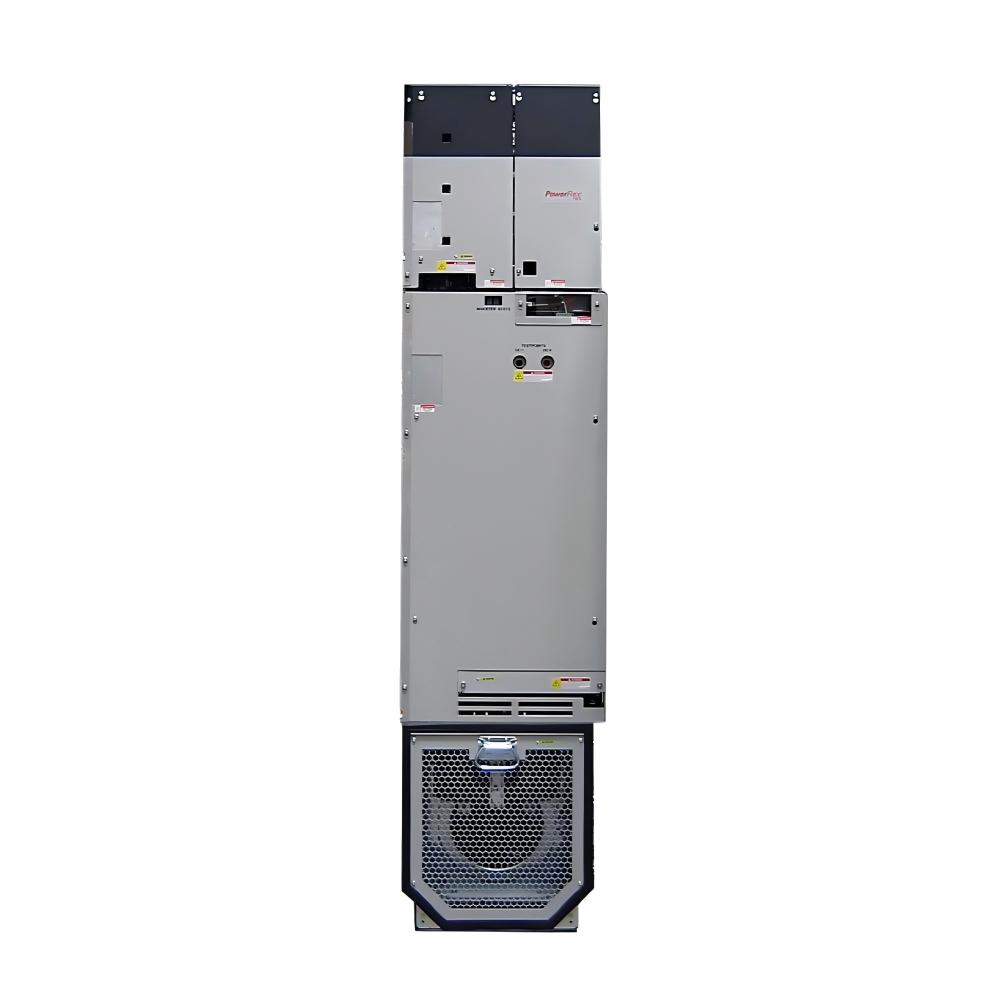
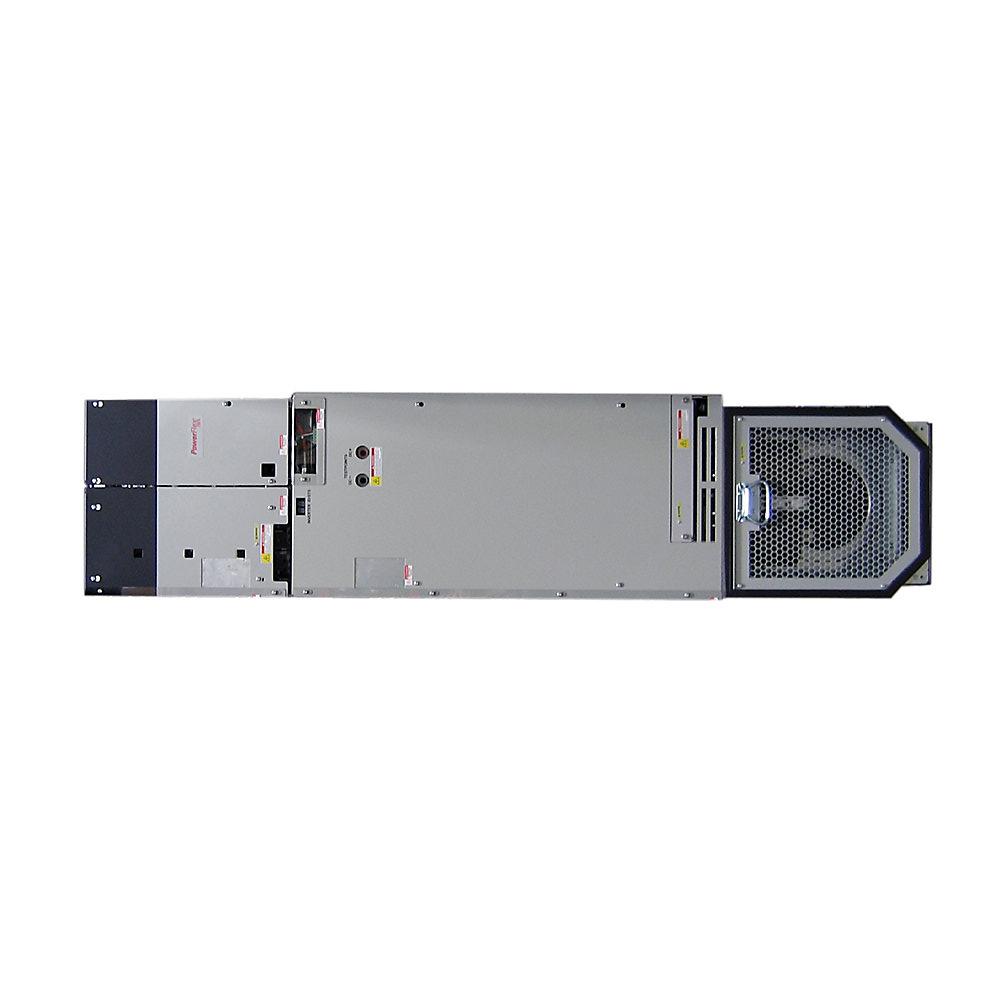
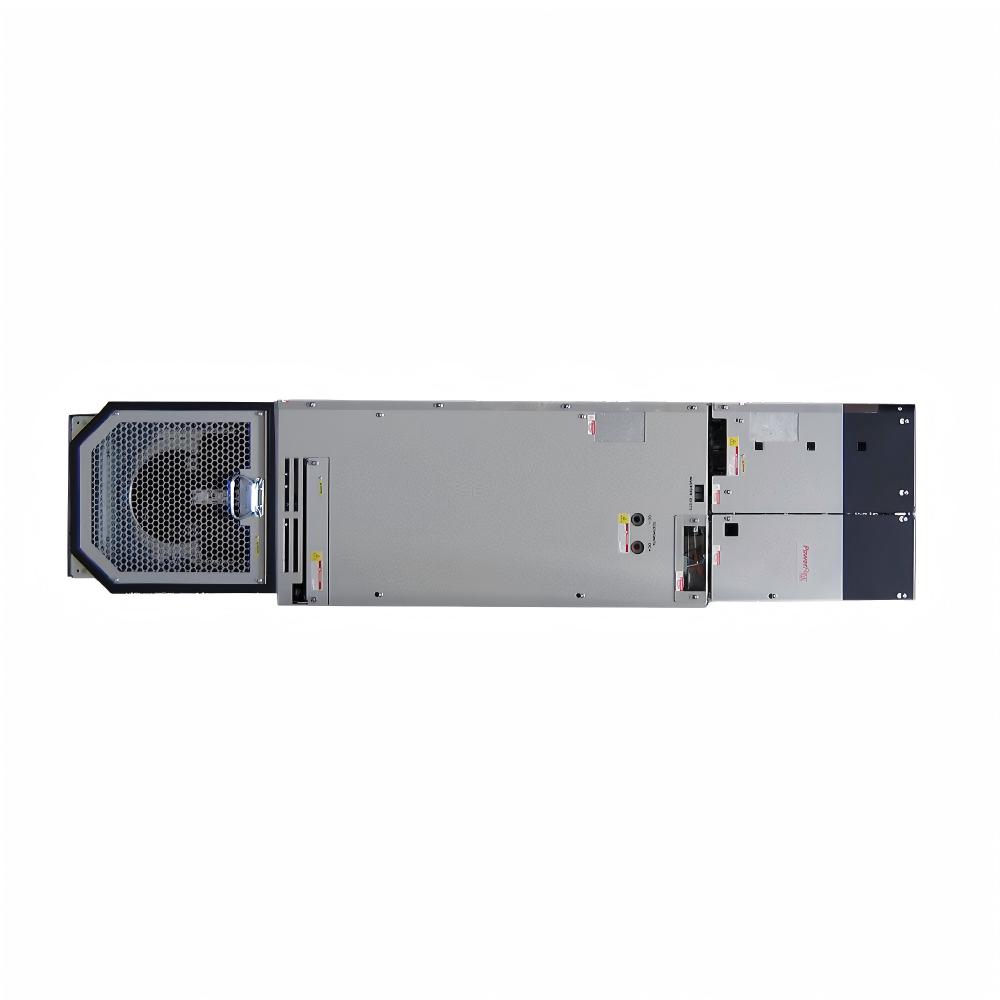
- Allen Bradley
- 20G14NF015JA0NNNNN
- PowerFlex AC Drive
- USA
- 2477 × 1200 × 800 mm
- 286kg
- Xiamen, China
- New & In Stock
- T/T, PayPal, Western Union
- 1 Year
- 1-3 Working Days
- DHL, UPS, TNT, FedEx and EMS.
- 24-Hour Service
- COO
- 38
Our advantage

Global Logistics
We have a 10-year logistics and express cooperation agreement, so our products can be shipped to any place in the world.

Brand new and original
Our products are imported in bulk from the place of origin. Because of the cooperative relationship, our products are all original and 100% new.

24-hour service
We provide 7*24 hours service to our customers. We will be there whenever you need us.

Price advantage
All our products are priced very favorably because we have our own warehouse and supply.
| Company Information | |||
| [email protected] | |||
| Mobile | +8615980777398 | ||
| +8615980777398 | |||
| 15980777398 |
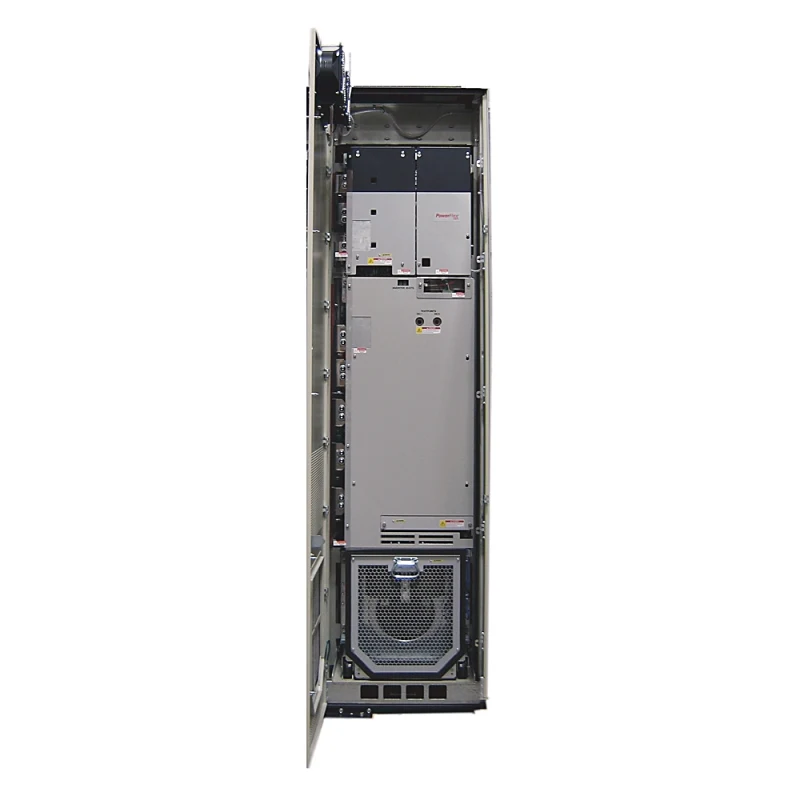
Allen-Bradley 20G14NF015JA0NNNNN PowerFlex 755 AC Drive – Detailed Product Introduction, Specifications, Applications, Advantages and Related Models
1. Product Overview
The Allen-Bradley 20G14NF015JA0NNNNN is a PowerFlex 755 air-cooled AC drive designed for industrial motor control applications that require reliable speed regulation, flexible control functions, and stable operation under demanding operating conditions.
This model is configured for 690 VAC, three-phase operation, with a rated output current of 15 A. It provides an 11 kW Normal Duty (ND) rating and a 7.5 kW Heavy Duty (HD) rating. The drive uses a DC input with precharge, is built in an open-type enclosure, and belongs to Frame 6. It is also equipped with filtering and has the common-mode capacitor jumper installed.
The model includes an internal dynamic braking transistor, which makes it suitable for applications where the motor needs controlled deceleration and where regenerative energy generated during braking must be managed through an appropriate external braking resistor arrangement.
The drive is supplied with a blank configuration with no HIM (Human Interface Module). This means the basic product configuration does not include a cover-mounted operator interface, allowing the drive to be integrated into a larger control architecture where commissioning, monitoring, and parameter adjustment are handled through external control equipment or communication networks.
In practical industrial installations, the 20G14NF015JA0NNNNN is particularly attractive when a compact medium-power drive is required for a 690 V-class three-phase motor system, especially where DC-bus architecture, dynamic braking, filtering, and flexible automation integration are important.
2. Brand and Product Series
| Item | Description |
|---|---|
| Brand | Allen-Bradley |
| Product Family | PowerFlex |
| Product Series | PowerFlex 755 |
| Product Type | Air-Cooled AC Drive |
| Drive Category | PowerFlex 755 AC Packaged Drive |
| Model | 20G14NF015JA0NNNNN |
| Cooling Method | Forced/Air Cooled |
| Input Configuration | DC Input with Precharge |
| Voltage Class | 690 VAC, 3 Phase |
| Frame Size | Frame 6 |
| Enclosure | Open Type |
| Normal Duty Rating | 11 kW |
| Heavy Duty Rating | 7.5 kW |
| Output Current | 15 A |
| Dynamic Braking | Internal DB Transistor |
| Filtering | Filtered |
| CM Capacitor Jumper | Installed |
| HIM | Blank / No HIM |
The PowerFlex 755 series is intended for applications where users need more than basic variable-frequency speed control. It is a flexible industrial drive platform that can be configured for different motor types, operating modes, feedback arrangements, communication requirements, and system architectures.
The 20G14NF015JA0NNNNN represents a particular configuration within this family rather than simply being a generic 15 A inverter. Its model designation identifies the voltage class, DC-input arrangement, power rating, filtering configuration, dynamic braking configuration, and other options.
3. Detailed Technical Specifications
| Parameter | Specification |
|---|---|
| Model | 20G14NF015JA0NNNNN |
| Brand | Allen-Bradley |
| Series | PowerFlex 755 |
| Product Type | Air-Cooled AC Drive |
| Drive Configuration | AC Packaged Drive |
| Input Type | DC Input with Precharge |
| Input Voltage Class | 690 VAC |
| Phase | 3 Phase |
| Rated Current | 15 A |
| Normal Duty Power | 11 kW |
| Heavy Duty Power | 7.5 kW |
| Frame Size | Frame 6 |
| Cooling | Air Cooled / Forced Air |
| Enclosure Type | Open Type |
| EMC / RFI Filtering | Filtered |
| CM Capacitor Jumper | Installed |
| Dynamic Braking | DB Transistor |
| Braking Resistor | External resistor required when braking function is used |
| Human Interface Module | Blank / No HIM |
| Motor Control | Variable-frequency AC motor control |
| Intended Motor Application | Industrial AC motor speed and torque control |
| Installation Style | Panel / cabinet installation |
| Dimensions, Approx. H × W × D | 665.5 × 308 × 346.4 mm |
| Approx. Weight | 38.6 kg |
| Operating Environment | Industrial control environment |
| Typical Application Level | Medium-power industrial motor control |
| Control Architecture | Stand-alone or integrated automation system |
| Communication Capability | Suitable for integration with industrial control networks and automation architecture |
| Duty Selection | Normal Duty / Heavy Duty |
| Mounting | Cabinet or panel mounted |
| Product Series | PowerFlex 755 |
The electrical specifications above identify the model as a 15 A, 690 VAC, three-phase Frame 6 PowerFlex 755 drive, with 11 kW Normal Duty and 7.5 kW Heavy Duty capability.
The dimensions and weight should be treated as approximate Frame 6 mechanical reference values rather than installation-certified shipping dimensions. For cabinet fabrication, clearance planning, cable routing, and replacement work, the exact mechanical drawing for the particular hardware revision should always take precedence.
4. Understanding the Model Number
The model number 20G14NF015JA0NNNNN contains useful configuration information.
| Model Section | Meaning |
|---|---|
| 20G | PowerFlex 755 drive family |
| 14 | Product configuration associated with the 755 packaged-drive platform |
| NF | 690 V-class DC-input configuration |
| 015 | 15 A current rating |
| J | Filtering enabled with CM jumper installed |
| A | Internal dynamic braking transistor |
| 0 | No cover-mounted HIM configuration |
| NNNNN | Additional option positions not populated in this configuration |
The J configuration is important because it indicates that filtering is included and that the common-mode capacitor jumper is installed in its default configuration. The A dynamic-braking designation indicates an internal braking transistor rather than an integrated braking resistor.
This distinction is important during system design. A braking transistor provides the switching function required to control an external braking resistor, but the resistor itself is selected according to the motor, inertia, deceleration profile, braking duty cycle, and required stopping performance.
5. Product Design and Operating Principle
The basic function of the 20G14NF015JA0NNNNN is to regulate the electrical power delivered to an AC motor so that motor speed, torque, acceleration, and deceleration can be controlled according to the application.
Instead of connecting the motor directly to a fixed-frequency power supply, the drive processes the incoming DC bus power through its power conversion stage and produces a controlled three-phase output. By adjusting output frequency and voltage, the drive can control the motor over a wide operating range.
For a typical motor-control application, the drive can perform several important functions:
- Controlled motor acceleration.
- Controlled motor deceleration.
- Variable-speed operation.
- Torque control.
- Motor protection and monitoring.
- Fault detection.
- Energy-conscious operation at reduced speed.
- Integration into a larger machine-control system.
- Coordinated operation with PLC-based automation systems.
The DC-input configuration is particularly relevant in systems where the drive is supplied from a common DC bus or another appropriately engineered DC power architecture. This can be advantageous in systems containing multiple drives because the DC bus can form part of a coordinated power distribution structure.
6. Dynamic Braking Capability
One of the notable features of the 20G14NF015JA0NNNNN is its internal dynamic braking transistor.
When an AC motor decelerates, particularly when a high-inertia load is involved, the motor can temporarily operate as a generator. Mechanical energy from the rotating load is converted back into electrical energy and can raise the DC-bus voltage.
If this regenerative energy is not properly managed, the drive can experience an overvoltage condition and may trip.
The internal dynamic braking transistor allows a suitable external braking resistor to be switched into the DC bus when required. The resistor converts excess electrical energy into heat, allowing the motor and load to decelerate more rapidly and predictably.
This feature can be particularly useful for:
- Conveyors with high inertia.
- Hoisting-related machinery where appropriate engineering provisions are provided.
- Centrifugal equipment requiring controlled stopping.
- Material-handling equipment.
- Machine tools.
- High-inertia rotating machinery.
- Applications requiring short stopping times.
- Equipment where uncontrolled coasting is undesirable.
The braking resistor must be properly selected for the application. The drive’s braking transistor should not be interpreted as meaning that a braking resistor is automatically included with the drive.
7. Filtering and Common-Mode Configuration
The 20G14NF015JA0NNNNN uses the J filtering configuration, meaning filtering is provided and the common-mode capacitor jumper is installed.
This configuration is useful in industrial environments where electromagnetic compatibility and conducted electrical noise need to be considered as part of the overall installation.
Variable-frequency drives inherently involve high-speed switching. The resulting voltage transitions can produce electrical noise and common-mode effects that may influence nearby control equipment, communication wiring, instrumentation, or sensitive electronic devices.
Filtering can therefore be an important part of an industrial drive installation, although actual EMC performance still depends on the complete system, including:
- Grounding.
- Shielding.
- Cable routing.
- Motor cable construction.
- Cable length.
- Cabinet design.
- Installation practices.
- Control wiring separation.
- Proper bonding.
The drive’s filtering configuration should therefore be considered together with the complete electrical installation rather than as an isolated specification.
8. Product Applications
The PowerFlex 755 platform is designed for demanding industrial motor-control applications, and the 20G14NF015JA0NNNNN is well suited to applications requiring a 690 V-class, 15 A drive.
8.1 Conveyors
Conveyor systems are one of the most common applications for variable-frequency drives.
The drive can provide controlled starting and stopping, adjustable conveying speed, and smoother acceleration than a simple direct-on-line motor starter.
For material-handling equipment, the ability to control acceleration and deceleration can reduce mechanical shock throughout the conveyor system.
8.2 Material Handling
Material-handling machinery often requires controlled motor operation rather than simply turning a motor on or off.
The 20G14NF015JA0NNNNN can be used in equipment where the motor needs adjustable speed and controlled acceleration.
Examples include:
- Transfer systems.
- Packaging conveyors.
- Pallet-handling equipment.
- Automated production lines.
- Sorting machinery.
- Industrial transport mechanisms.
8.3 Pumps
Variable-speed control can be useful for industrial pumping systems where flow requirements change over time.
Rather than operating continuously at full motor speed, the drive can adjust motor speed according to process requirements.
Potential benefits include better process control, reduced mechanical stress, and the possibility of lower energy consumption during reduced-load operation.
8.4 Fans and Blowers
Fans and blowers often benefit from variable-speed operation because process airflow requirements may change.
The drive allows the motor to operate at different speeds instead of relying solely on mechanical throttling.
This can make the drive useful in:
- Industrial ventilation.
- Process cooling.
- Dust extraction.
- Air-handling systems.
- Manufacturing ventilation equipment.
8.5 Machine Tools
Machine tools can require accurate motor-speed control and predictable acceleration and deceleration.
The PowerFlex 755 platform provides a suitable foundation for applications where motor speed must be controlled according to the machine sequence.
8.6 Process Machinery
The drive can also be used in general process machinery where a motor must operate at different speeds according to production requirements.
Typical examples include mixers, feeders, material-processing equipment, and production machinery.
9. Main Advantages
9.1 690 VAC Three-Phase Capability
The 690 VAC configuration makes this model suitable for industrial power systems where higher-voltage motor systems are preferred.
Higher-voltage motor systems can be particularly useful in medium-power industrial installations because the same power level can be delivered at a lower current compared with a lower-voltage system.
9.2 11 kW Normal Duty Rating
The 11 kW Normal Duty rating gives the drive a useful power range for many industrial machines.
Normal Duty operation is generally appropriate for applications where the motor load does not impose the more demanding overload requirements associated with Heavy Duty applications.
9.3 7.5 kW Heavy Duty Rating
The 7.5 kW Heavy Duty rating gives users another way to apply the same drive hardware when higher overload capability is required.
This distinction is valuable because motor-drive selection should not be based only on motor horsepower or kilowatts. The actual load profile, overload requirement, acceleration time, and application duty should also be considered.
9.4 Built-In Dynamic Braking Transistor
The internal DB transistor is a major advantage for applications requiring controlled deceleration.
When paired with a correctly selected external braking resistor, it can provide an effective way to manage regenerative energy during braking.
9.5 DC Input with Precharge
The DC-input architecture makes this model particularly interesting for common-DC-bus and engineered DC-bus applications.
A DC-bus architecture can be advantageous in systems where several drives need to share a common power structure or where regenerated energy can potentially be reused elsewhere in the system.
9.6 Integrated Filtering
The filtered configuration can help simplify the electrical design where EMC considerations are important.
This can be especially valuable in installations containing multiple electronic devices, communication networks, instrumentation, and control systems.
9.7 Frame 6 Construction
Frame 6 provides a practical mechanical platform for this power range.
The standardized frame approach can simplify engineering when several drives from the same family are used in one project.
9.8 Flexible Industrial Integration
The PowerFlex 755 family is intended for integration into larger industrial automation systems rather than being limited to basic standalone motor control.
This makes it appropriate for production machinery, process systems, material handling, and other automated equipment.
10. Installation Considerations
The 20G14NF015JA0NNNNN is an open-type drive, so it is normally installed inside an appropriate electrical enclosure or control cabinet.
Cabinet design should consider:
- Heat dissipation.
- Air circulation.
- Required clearances.
- Cable bending radius.
- Motor cable routing.
- Control wiring separation.
- Grounding and bonding.
- EMC requirements.
- Maintenance access.
- Environmental conditions.
- Protection against dust and moisture.
The approximate Frame 6 dimensions are 665.5 × 308 × 346.4 mm, but the actual cabinet should not be designed solely from the nominal product dimensions. Additional clearance is needed for ventilation, power wiring, control wiring, maintenance, and installation hardware.
The approximate product weight is 38.6 kg, so the mounting structure should be designed to safely support the drive and account for installation forces and connected cabling.
11. Why This Model Can Be a Good Choice
The 20G14NF015JA0NNNNN is a particularly useful configuration when the application has several requirements at the same time:
690 VAC operation + DC input + 15 A output + 11 kW ND + 7.5 kW HD + filtering + dynamic braking transistor.
This combination gives the drive a broader application range than a basic variable-frequency drive.
For example, if a machine requires controlled speed but also has substantial rotating inertia, the internal braking transistor becomes an important advantage.
If the machine is part of a larger DC-bus architecture, the DC-input configuration becomes valuable.
If the installation contains sensitive electronic equipment, the filtered configuration can be useful.
If the motor operates at a higher voltage level, the 690 VAC rating provides an appropriate electrical platform.
These features make the model particularly suitable for engineered industrial systems rather than simple low-cost motor starter applications.
12. Recommended Five Related Models in the Same Series
The following models are useful alternatives within the PowerFlex 755 690 V-class family. They can be considered when the required motor power or current differs from the 15 A configuration.
| Model | Voltage | Current | Normal Duty | Heavy Duty | Frame | Cooling | Filtering | Dynamic Braking |
|---|---|---|---|---|---|---|---|---|
| 20G14NF012JA0NNNNN | 690 VAC, 3 PH | 12 A | 7.5 kW | 5.5 kW | Frame 6 | Air Cooled | Filtered | DB Transistor |
| 20G14NF020JA0NNNNN | 690 VAC, 3 PH | 20 A | 15 kW | 11 kW | Frame 6 | Air Cooled | Filtered | DB Transistor |
| 20G14NF030JA0NNNNN | 690 VAC, 3 PH | 30 A | 22 kW | 18.5 kW | Frame 6 | Air Cooled | Filtered | DB Transistor |
| 20G14NF050JA0NNNNN | 690 VAC, 3 PH | 50 A | 45 kW | 37 kW | Frame 6 | Air Cooled | Filtered | DB Transistor |
| 20G14NF082JA0NNNNN | 690 VAC, 3 PH | 82 A | 75 kW | 55 kW | Frame 6 | Air Cooled | Filtered | DB Transistor |
These models are useful when the application is similar but the required motor capacity changes. The 12 A model is suitable for a lower-power application, while the 20 A, 30 A, 50 A, and 82 A versions provide progressively greater current and power capability.
The 15 A model sits toward the lower end of this particular 690 V Frame 6 group, making it useful for medium-power machinery where a larger drive would be unnecessary.
13. Mechanical Comparison of Related Models
| Model | Frame | Approx. Dimensions H × W × D | Approx. Weight |
|---|---|---|---|
| 20G14NF012JA0NNNNN | Frame 6 | 665.5 × 308 × 346.4 mm | Approx. 38.6 kg |
| 20G14NF015JA0NNNNN | Frame 6 | 665.5 × 308 × 346.4 mm | Approx. 38.6 kg |
| 20G14NF020JA0NNNNN | Frame 6 | 665.5 × 308 × 346.4 mm | Approx. 38.6 kg |
| 20G14NF030JA0NNNNN | Frame 6 | 665.5 × 308 × 346.4 mm | Approx. 38.6 kg |
| 20G14NF050JA0NNNNN | Frame 6 | 665.5 × 308 × 346.4 mm | Approx. 38.6 kg |
The dimensions shown here are family-level Frame 6 reference values. Actual dimensions and shipping weights can vary with hardware configuration, accessories, and mechanical packaging, so these figures should be used for preliminary engineering rather than final cabinet fabrication.
14. Five Popular Allen-Bradley Models for Comparison
The following five models are useful Allen-Bradley alternatives or related PowerFlex configurations covering different voltage and power ranges.
| Model | Series | Voltage | Current | Normal Duty | Heavy Duty | Frame | Input Type |
|---|---|---|---|---|---|---|---|
| 20G14NF012JN0NNNNN | PowerFlex 755 | 690 VAC, 3 PH | 12 A | 7.5 kW | 5.5 kW | Frame 6 | DC Input with Precharge |
| 20G14NF020JA0NNNNN | PowerFlex 755 | 690 VAC, 3 PH | 20 A | 15 kW | 11 kW | Frame 6 | DC Input with Precharge |
| 20G14NF050JA0NNNNN | PowerFlex 755 | 690 VAC, 3 PH | 50 A | 45 kW | 37 kW | Frame 6 | DC Input with Precharge |
| 20G14FD077JA0NNNNN | PowerFlex 755 | 480 VAC, 3 PH | 77 A | 60 HP | 50 HP | Frame 5 | DC Input with Precharge |
| 20G14FC085JA0NNNNN | PowerFlex 755 | 400 VAC, 3 PH | 85 A | 45 kW | 37 kW | Frame 5 | DC Input with Precharge |
The 480 V and 400 V models are useful when the available plant power system is different from the 690 V system required by the 20G14NF015JA0NNNNN.
For example, the 20G14FD077JA0NNNNN is a higher-current 480 V configuration, while the 20G14FC085JA0NNNNN belongs to the 400 V class. These models demonstrate the broader voltage and power range available within the PowerFlex 755 platform.
15. Recommended Selection Logic
When choosing between the related models, the most important factor is not simply the motor’s nameplate power.
A proper selection should consider:
- Motor rated voltage.
- Motor rated current.
- Motor power.
- Normal Duty or Heavy Duty requirements.
- Starting torque.
- Acceleration time.
- Deceleration time.
- Load inertia.
- Required braking performance.
- Ambient temperature.
- Installation altitude.
- Enclosure requirements.
- EMC requirements.
- Motor cable length.
- Available control architecture.
- Whether a DC-bus system is being used.
- Whether an external braking resistor is required.
For the 20G14NF015JA0NNNNN, the most important electrical matching points are its 690 VAC three-phase class, 15 A output rating, 11 kW Normal Duty rating, and 7.5 kW Heavy Duty rating.
16. Typical Industrial System Configuration
A typical installation using this drive can include:
Incoming DC Power → Precharge Section → PowerFlex 755 Drive → Three-Phase AC Motor
The control side may include:
PLC / Controller → Industrial Communication Network → Drive Control → Motor
Where dynamic braking is needed, the power section may additionally include:
DC Bus → Braking Transistor → External Braking Resistor
The exact wiring architecture depends on the system design and applicable electrical requirements.
17. Maintenance and Reliability
Because the 20G14NF015JA0NNNNN is an air-cooled industrial drive, thermal management is an important part of long-term reliability.
Dust accumulation around ventilation paths can reduce cooling efficiency. Excessive temperature can accelerate aging of electronic components, particularly power semiconductors, capacitors, fans, and other heat-sensitive components.
Routine maintenance should therefore consider:
- Checking cooling airflow.
- Inspecting ventilation openings.
- Removing accumulated dust where appropriate.
- Checking electrical connections.
- Inspecting motor and power cables.
- Monitoring drive fault history.
- Checking abnormal temperature conditions.
- Inspecting braking components when used.
- Verifying cabinet ventilation.
- Checking for signs of overheating.
Good cabinet ventilation is particularly important because the drive is an open-type air-cooled unit.
18. Advantages for System Integrators
For machine builders and system integrators, the 20G14NF015JA0NNNNN offers several practical advantages.
First, it belongs to a broad drive family, so different machine sizes can often use related drive configurations without completely changing the control philosophy.
Second, the Frame 6 platform provides a standardized mechanical format for this class of equipment.
Third, the internal dynamic braking transistor can reduce the need for additional external switching hardware when a braking resistor is required.
Fourth, the filtered configuration can simplify EMC-oriented system design.
Fifth, the DC-input architecture provides flexibility for applications based around engineered DC-bus systems.
These characteristics can make the model particularly attractive for standardized machine platforms where multiple motor sizes need to be supported.
19. Advantages for End Users
From an end-user perspective, the main value of the 20G14NF015JA0NNNNN is controlled motor operation.
Instead of operating a motor at one fixed speed, the drive allows the machine to adjust motor operation to the production process.
This can improve:
- Process flexibility.
- Starting and stopping behavior.
- Machine throughput.
- Speed control.
- Production consistency.
- Mechanical smoothness.
- Braking performance.
- Automation integration.
Depending on the load profile, variable-speed operation can also reduce unnecessary energy consumption compared with continuously operating a motor at full speed and controlling the process through mechanical restrictions.
20. Overall Assessment
The Allen-Bradley 20G14NF015JA0NNNNN is a specialized configuration of the PowerFlex 755 family intended for industrial variable-speed motor control.
Its main specifications can be summarized as:
690 VAC / 3 Phase / 15 A / 11 kW Normal Duty / 7.5 kW Heavy Duty / Frame 6 / Air Cooled / DC Input with Precharge / Filtered / CM Jumper Installed / Internal Dynamic Braking Transistor / No HIM.
The combination of DC-input capability, filtering, dynamic braking, and a relatively compact Frame 6 package makes it suitable for a wide variety of industrial motor-control systems.
It is especially worth considering for applications where a conventional low-end variable-frequency drive would not provide enough flexibility, particularly when the system requires controlled braking, a DC-bus architecture, higher-voltage three-phase operation, or integration into a more sophisticated automation system.
For applications that require a similar platform but different capacity, the 20G14NF012JA0NNNNN, 20G14NF020JA0NNNNN, 20G14NF030JA0NNNNN, 20G14NF050JA0NNNNN, and 20G14NF082JA0NNNNN provide useful alternatives within the same general 690 V PowerFlex 755 configuration family.
For broader Allen-Bradley selection, the 400 V and 480 V PowerFlex 755 variants can be considered when the plant electrical system or motor voltage differs from the 690 V requirement.
Overall, the 20G14NF015JA0NNNNN is best viewed as a flexible industrial drive for medium-power motor applications where reliable speed regulation, controlled acceleration and deceleration, dynamic braking capability, and integration into a modern industrial control system are important.