

ProductPRODUCT
Featured products
Contact Us
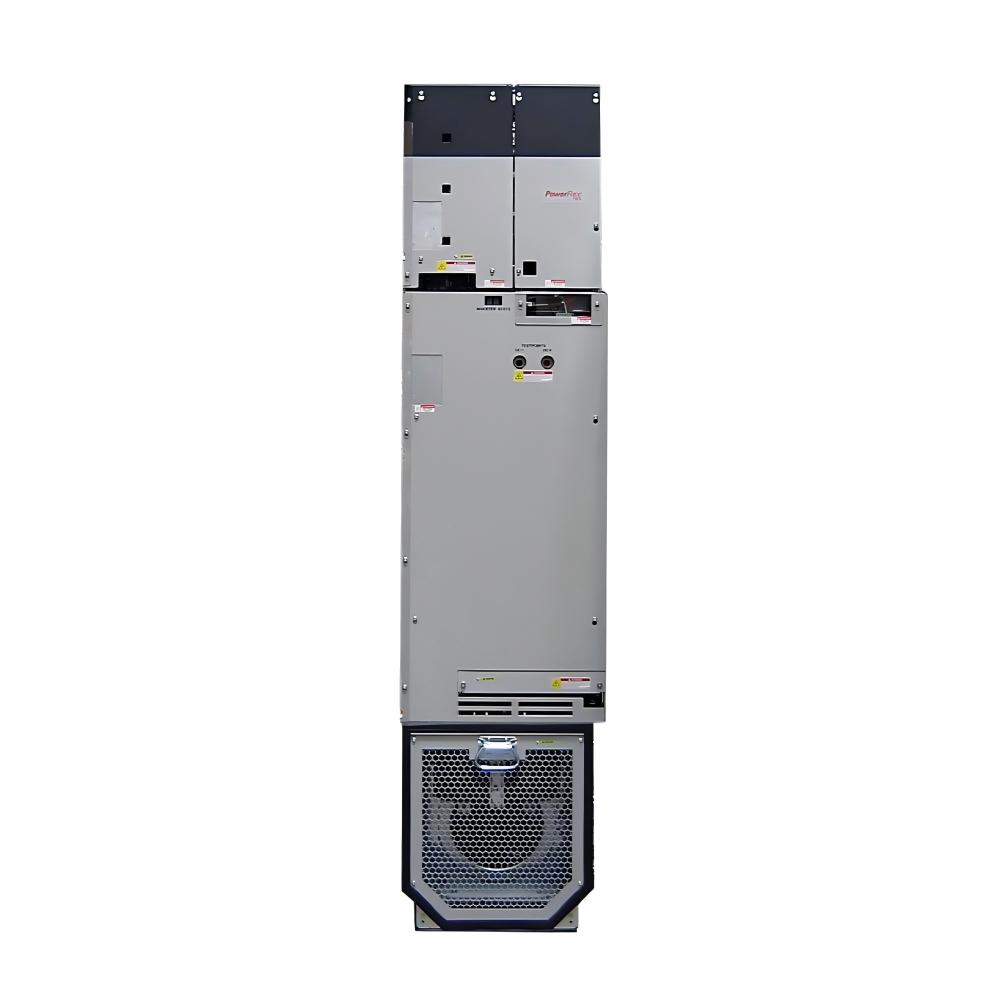
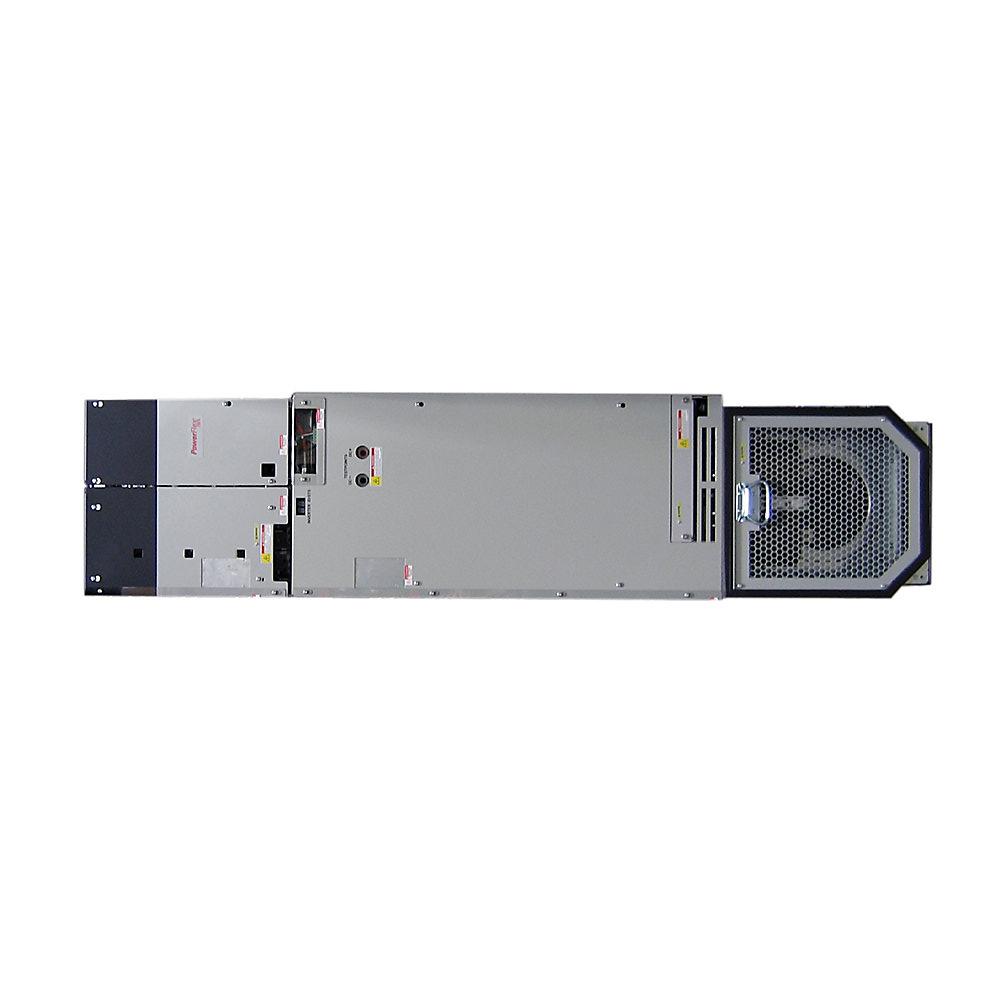
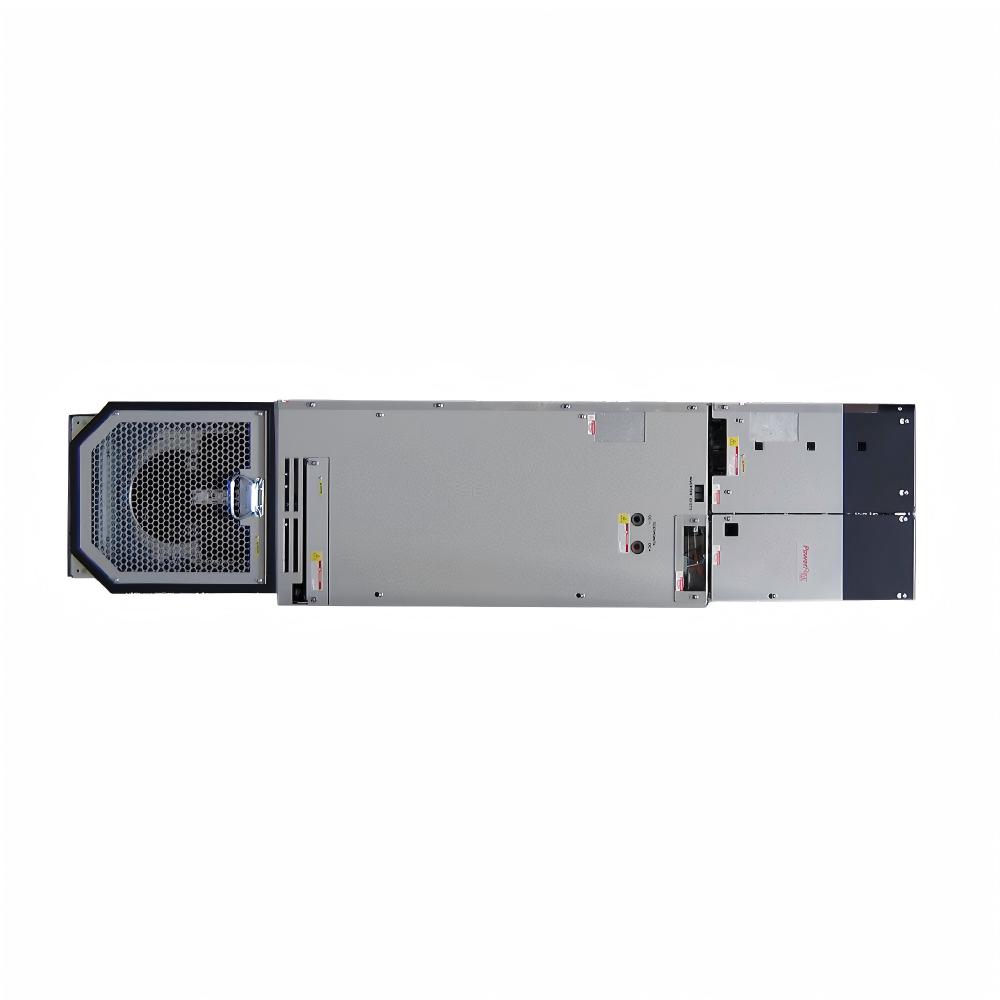
- Allen Bradley
- 20G14NE192JN0NNNNN
- PowerFlex AC Drive
- USA
- 882 × 430 × 350 mm
- 106kg
- Xiamen, China
- New & In Stock
- T/T, PayPal, Western Union
- 1 Year
- 1-3 Working Days
- DHL, UPS, TNT, FedEx and EMS.
- 24-Hour Service
- COO
- 55
Our advantage

Global Logistics
We have a 10-year logistics and express cooperation agreement, so our products can be shipped to any place in the world.

Brand new and original
Our products are imported in bulk from the place of origin. Because of the cooperative relationship, our products are all original and 100% new.

24-hour service
We provide 7*24 hours service to our customers. We will be there whenever you need us.

Price advantage
All our products are priced very favorably because we have our own warehouse and supply.
| Company Information | |||
| [email protected] | |||
| Mobile | +8615980777398 | ||
| +8615980777398 | |||
| 15980777398 |
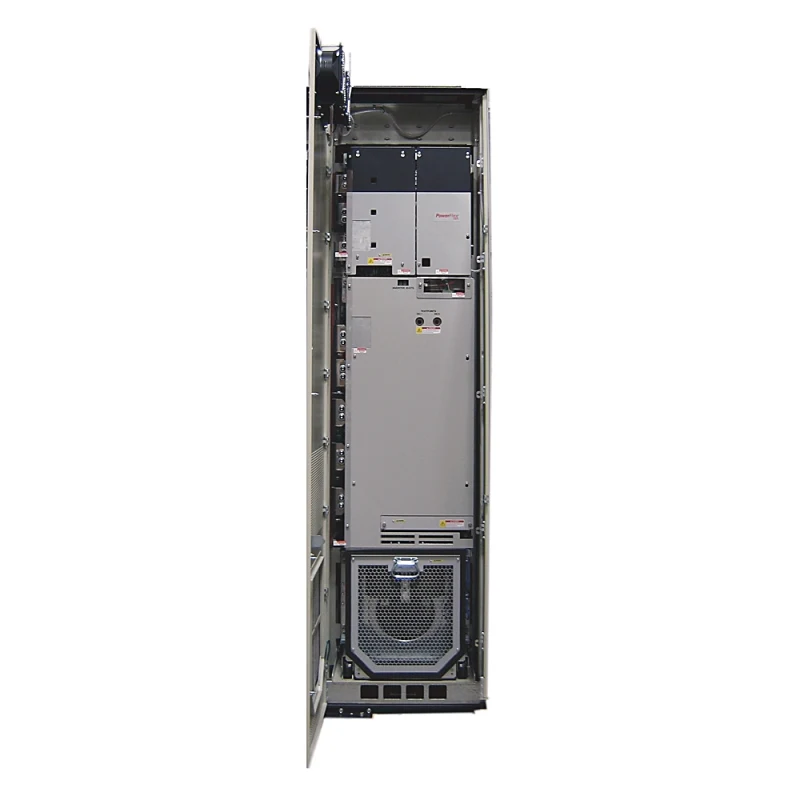
Allen-Bradley 20G14NE192JN0NNNNN PowerFlex 755 AC Drive – Detailed Product Specifications, Introduction, Applications, Advantages and Related Models
1. Product Overview
The 20G14NE192JN0NNNNN is a high-capacity Allen-Bradley PowerFlex 755 AC drive designed for large industrial motor-control applications.
It belongs to the PowerFlex 755 family within the broader PowerFlex 750-Series platform and is intended for applications that require substantial motor current, adjustable speed, controlled acceleration and deceleration, industrial networking, and reliable operation in demanding production environments.
The exact configuration is a 600 VAC, three-phase, 192 A air-cooled drive. It provides a 200 HP Normal Duty rating and a 150 HP Heavy Duty rating, placing it in the high-power range of the PowerFlex 755 product family.
This model uses Frame 7 construction and an open-type configuration. It is specified with DC input and precharge, filtering with the CM jumper installed, no dynamic braking, and a blank/no-HIM configuration.
The drive also includes embedded EtherNet/IP capability, making it suitable for integration into a larger industrial automation system.
Because of its 192 A capacity and 200 HP Normal Duty rating, this model is intended for considerably larger equipment than compact machine drives. Typical applications include large pumps, industrial fans, blowers, conveyors, feeders, mixers, material-handling systems, process machinery, and large manufacturing equipment.
2. Brand and Product Series
| Item | Specification |
|---|---|
| Brand | Allen-Bradley |
| Product Family | PowerFlex |
| Product Series | PowerFlex 755 |
| Broader Product Platform | PowerFlex 750-Series |
| Product Type | Industrial AC Drive |
| Configuration | PowerFlex 755 AC Packaged Drive |
| Model | 20G14NE192JN0NNNNN |
| Voltage Class | 600 VAC |
| Input Phase | 3 Phase |
| Current Rating | 192 A |
| Normal Duty Rating | 200 HP |
| Heavy Duty Rating | 150 HP |
| Frame Size | Frame 7 |
| Cooling | Air Cooled / Forced Air |
| Enclosure | Open Type |
| Input Configuration | DC Input with Precharge |
| Filtering | Filtered |
| CM Jumper | Installed |
| Dynamic Braking | None |
| HIM | Blank / No HIM |
| Network | Embedded EtherNet/IP |
| Lifecycle Status | Active Mature |
The PowerFlex 755 series is intended for industrial applications where a conventional small variable-frequency drive is not sufficient and where greater control flexibility, networking capability, and high-power motor control are required.
The 192 A configuration is one of the larger standard 600 V models in the family. The 600 V selection range includes 144 A, 192 A, 242 A, and 289 A configurations, allowing the drive to be scaled according to motor current and application requirements.
3. Detailed Technical Parameters
| Parameter | Specification |
|---|---|
| Model Number | 20G14NE192JN0NNNNN |
| Brand | Allen-Bradley |
| Product Series | PowerFlex 755 |
| Product Family | PowerFlex 750-Series |
| Product Type | AC Variable Frequency Drive |
| Voltage Rating | 600 VAC |
| Input Phase | 3 Phase |
| Output | Variable-frequency 3-phase AC |
| Rated Output Current | 192 A |
| Normal Duty Rating | 200 HP |
| Normal Duty Power | Approx. 149.1 kW |
| Heavy Duty Rating | 150 HP |
| Heavy Duty Power | Approx. 111.9 kW |
| Frame Size | Frame 7 |
| Cooling | Forced Air / Air Cooled |
| Enclosure | IP00/IP20 family, Open Type |
| Input Type | DC Input with Precharge |
| Filtering | Filtered |
| CM Jumper | Installed |
| Dynamic Braking | None |
| HIM | Blank / No HIM |
| Embedded Communication | EtherNet/IP |
| Typical Installation | Industrial Cabinet / Electrical Equipment |
| Approx. Height | About 882 mm* |
| Approx. Width | About 430 mm* |
| Approx. Depth | About 350 mm* |
| Approx. Weight | About 106 kg* |
| Typical Motor Application | Large Industrial AC Motors |
| Typical Load | Pumps, Fans, Conveyors, Mixers, Process Equipment |
| Control Function | Variable-Speed Motor Control |
The 192 A configuration is identified with a 200 HP Normal Duty and 150 HP Heavy Duty rating, with Frame 7 construction.
The approximate mechanical figures above are useful for preliminary planning of the Frame 7 equipment. A commonly published Frame 7 reference is approximately 882 mm × 430 mm × 350 mm, with an equipment weight in the neighborhood of 106 kg.
Because mechanical arrangements can vary with the exact drive configuration and mounting arrangement, the final dimensional drawing should be used for cabinet fabrication, mounting-hole locations, lifting arrangements, and service-clearance calculations.
4. Dimensions and Weight
| Mechanical Specification | Approximate Value |
|---|---|
| Frame | Frame 7 |
| Height | Approx. 882 mm |
| Width | Approx. 430 mm |
| Depth | Approx. 350 mm |
| Approximate Dimensions H × W × D | Approx. 882 × 430 × 350 mm |
| Approximate Weight | Approx. 106 kg |
| Enclosure Style | Open Type |
| Cooling | Forced Air |
| Installation | Industrial Cabinet / Panel Integration |
The Frame 7 construction is a significant step above the Frame 6 versions used for lower-current configurations.
This larger mechanical platform is necessary to accommodate the higher-current power components and associated thermal-management requirements.
The approximately 106 kg equipment weight should be considered during transportation, cabinet construction, lifting, and installation planning.
The cabinet structure should be capable of supporting the drive and should also allow appropriate access for electrical connections and maintenance.
5. Product Introduction
The 20G14NE192JN0NNNNN is designed to control large three-phase AC motors where adjustable-speed operation is required.
A variable-frequency drive does considerably more than simply turn a motor on and off.
It controls the electrical frequency and voltage delivered to the motor, allowing the motor to operate at different speeds according to the requirements of the machine.
This is useful in applications where the motor does not need to operate at maximum speed continuously.
For example, a large pump may need to provide different flow rates during different stages of a process.
A large fan may need different airflow depending on production conditions.
A conveyor may need to operate at different speeds according to the production rate.
A mixer may require different speeds for loading, mixing, and discharge.
In all of these cases, variable-speed control can provide much greater flexibility than a fixed-speed motor arrangement.
6. Electrical Capacity
The most important electrical characteristic of the 20G14NE192JN0NNNNN is its 192 A output-current class.
This places the model substantially above the smaller 99 A, 125 A, and 144 A configurations.
The model is rated at approximately 200 HP Normal Duty and 150 HP Heavy Duty.
| Electrical Rating | Value |
|---|---|
| Output Current | 192 A |
| Normal Duty | 200 HP |
| Normal Duty Equivalent | Approx. 149.1 kW |
| Heavy Duty | 150 HP |
| Heavy Duty Equivalent | Approx. 111.9 kW |
| Voltage | 600 VAC |
| Phase | Three Phase |
The difference between Normal Duty and Heavy Duty is important.
A drive should not be selected simply by looking at the horsepower printed on a motor nameplate.
The motor’s full-load current, load characteristics, overload requirements, acceleration requirements, duty cycle, ambient temperature, and operating conditions should all be considered.
7. 600 VAC Three-Phase Operation
The drive is designed for a 600 VAC three-phase electrical system.
This makes it particularly appropriate for industrial facilities where large motors and electrical distribution systems operate at the 600 V class.
Higher-voltage motor systems can handle substantial power while keeping current levels lower than an equivalent lower-voltage system.
This can be useful when designing large industrial motor installations.
The incoming electrical system still needs to be designed correctly, including disconnecting means, overcurrent protection, grounding, conductor sizing, short-circuit considerations, and other applicable installation requirements.
8. DC Input with Precharge
The exact configuration uses DC Input with Precharge.
This is an important characteristic of the model’s power architecture.
The drive operates around an internal DC bus, and the precharge arrangement manages the initial charging process of the DC-bus capacitors.
This type of configuration is particularly relevant to applications involving DC-bus architectures or common-bus arrangements.
For large industrial systems, DC-bus architecture can provide additional flexibility when multiple power-conversion devices need to be coordinated.
9. Forced-Air Cooling
The 20G14NE192JN0NNNNN uses forced-air cooling.
At 192 A, thermal management is a major consideration.
Power electronics generate heat during normal operation, and that heat needs to be removed effectively.
The installation therefore needs appropriate airflow and adequate thermal design.
The cooling system should not be obstructed by wiring, cabinet components, dust accumulation, or other equipment.
Regular maintenance should include inspection of cooling paths and fans.
10. Frame 7 Construction
The use of Frame 7 reflects the high-power nature of this model.
The physical construction is considerably larger than smaller PowerFlex 755 configurations.
The larger frame provides the space and thermal capacity required for higher-current power components.
For installation planning, engineers should consider:
- Overall drive dimensions.
- Power-cable entry and routing.
- Control wiring.
- Network wiring.
- Grounding connections.
- Cooling airflow.
- Service clearance.
- Mounting strength.
- Lifting requirements.
- Cabinet heat dissipation.
The approximate Frame 7 size should be treated as an initial planning value rather than the final cabinet dimension.
11. Open-Type Enclosure
The exact model uses an open-type configuration.
This type of drive is normally installed inside an appropriate industrial electrical cabinet or enclosure.
The open construction provides flexibility for system integrators because the drive can be combined with other components such as:
- Disconnect switches.
- Circuit protection.
- Terminal blocks.
- PLC equipment.
- Network components.
- Safety equipment.
- Contactors.
- Control power supplies.
- Instrumentation.
The surrounding cabinet becomes an important part of the overall environmental-protection system.
12. Filtering and CM Jumper
The model is configured as Filtered, CM Jumper Installed.
Filtering is important in high-power variable-frequency-drive installations because the switching operation of the power electronics can produce electrical noise.
The filter configuration should therefore be considered together with grounding, cable routing, motor-cable length, shield termination, control wiring, and nearby instrumentation.
The CM jumper configuration is also part of the electrical installation design and should be handled according to the applicable drive installation requirements.
13. Embedded EtherNet/IP
The PowerFlex 755 platform supports embedded EtherNet/IP communication.
This allows the drive to become part of a larger industrial automation network.
The drive can exchange operating commands and status information with a control system.
Typical information may include:
- Start and stop commands.
- Speed references.
- Actual speed.
- Drive status.
- Fault information.
- Diagnostic information.
- Operating conditions.
- Process-control information.
This is especially valuable in large production lines where multiple drives must operate together.
Instead of maintaining each drive as an isolated controller, the plant automation system can coordinate the motor-control system as part of the overall process.
14. Blank / No HIM Configuration
The catalog configuration is specified as Blank / No HIM.
A HIM is normally used for local drive operation, setup, monitoring, and parameter adjustment.
The absence of a local HIM can be useful in centralized control architectures.
For example, an operator may interact with a central HMI while the drive remains inside a control cabinet.
This arrangement can also reduce the need for operators to access the drive directly.
For maintenance, engineers should ensure that the selected external configuration provides all required commissioning and diagnostic functions.
15. Dynamic Braking
The exact configuration has no dynamic braking.
This is an important application consideration.
Some loads can stop naturally without requiring substantial braking energy.
Fans and many pump systems are examples where relatively long deceleration times may be acceptable.
Other machines are very different.
Large conveyors, centrifuges, high-inertia machines, winding equipment, and rapidly stopping mechanical systems may require additional braking arrangements.
If the machine needs rapid deceleration, the braking requirements should be evaluated before final drive selection.
16. Main Applications
Large Industrial Pumps
Large pump systems are one of the strongest application areas for this model.
The drive can be used for process pumps, cooling-water pumps, circulation pumps, transfer pumps, industrial water systems, and other large fluid-handling equipment.
Variable-speed operation allows the pump to operate according to actual process requirements.
Instead of running continuously at maximum speed and reducing flow through mechanical throttling, the motor speed can be adjusted to match demand in suitable applications.
This can improve process control and may reduce energy consumption.
Actual energy savings depend on the pump characteristics, system resistance, operating schedule, motor efficiency, and control strategy.
Large Industrial Fans
Large fans often operate under changing process conditions.
Industrial ventilation, exhaust, cooling, combustion-air, and process-air systems may not require maximum airflow continuously.
Variable-speed control allows the fan motor speed to follow the actual airflow requirement.
This can provide better control and may create opportunities for lower energy consumption during reduced-demand periods.
Industrial Blowers
Large blowers used in process systems can also benefit from adjustable-speed operation.
The drive can provide a controlled motor speed rather than relying entirely on fixed-speed operation.
This is particularly useful when airflow or pressure requirements change during production.
Large Conveyors
The high current capacity makes this drive suitable for large conveyor applications.
Controlled acceleration can reduce sudden mechanical stress on:
- Conveyor belts.
- Gearboxes.
- Couplings.
- Shafts.
- Bearings.
- Drive pulleys.
- Mechanical structures.
Adjustable speed can also allow the conveyor to follow the production rate of other machinery.
Material Handling
Large material-handling equipment frequently requires coordinated motor operation.
Examples include bulk-material conveyors, feeders, transfer systems, sorting equipment, and industrial handling machinery.
The networking capability can help integrate the drive into a larger machine-control system.
Mixers and Agitators
Large mixers may require different speeds during different stages of operation.
A variable-speed drive allows the motor speed to be changed electronically.
This can be useful for processes where the viscosity, material level, or mixing requirements change during operation.
Process Machinery
The PowerFlex 755 architecture is suitable for a wide range of industrial process machines.
These may include large rotating machinery, processing equipment, production systems, and other applications where adjustable motor speed is required.
Manufacturing Lines
Large manufacturing lines often contain multiple motors and drives.
The 20G14NE192JN0NNNNN can be integrated into a broader automation architecture and controlled alongside other equipment.
This can make centralized operation and monitoring easier.
17. Major Product Advantages
High 192 A Current Capacity
The 192 A current rating is the defining feature of this model.
It allows the drive to handle large industrial motors and makes it suitable for applications where smaller drive configurations are insufficient.
200 HP Normal Duty Rating
The 200 HP Normal Duty rating provides substantial capacity for large industrial equipment.
It is particularly relevant to applications with relatively stable load characteristics.
150 HP Heavy Duty Rating
The 150 HP Heavy Duty rating provides additional capability for more demanding applications.
The actual application should still be evaluated using motor current and load characteristics rather than horsepower alone.
600 VAC Three-Phase Design
The 600 VAC configuration makes the drive appropriate for higher-voltage industrial motor systems.
This is especially useful in facilities that already have a 600 V electrical infrastructure.
Adjustable-Speed Operation
Adjustable speed is one of the main benefits of the drive.
The motor can operate according to process demand rather than simply running at one fixed speed.
This can improve process flexibility and control.
Controlled Acceleration
Controlled acceleration can reduce mechanical shock during starting.
This is particularly useful for large conveyors, pumps, fans, and process equipment.
Controlled Deceleration
Controlled deceleration can provide smoother machine stopping.
However, because the exact configuration does not include dynamic braking, applications requiring aggressive stopping need additional engineering review.
Industrial Network Integration
EtherNet/IP integration allows the drive to participate in a larger automation system.
This can simplify:
- Remote control.
- Monitoring.
- Diagnostics.
- Production coordination.
- Fault reporting.
- Process data collection.
DC-Bus Architecture
The DC-input-with-precharge arrangement makes the model suitable for systems where DC-bus architecture is important.
This can provide additional flexibility in large industrial power-conversion systems.
Forced-Air Cooling
Forced-air cooling provides an effective method of removing heat from the drive’s power electronics.
Proper cabinet airflow remains essential.
Flexible Cabinet Integration
The open-type configuration allows the drive to be integrated into a larger industrial cabinet.
This gives system designers flexibility when combining motor control with automation, protection, networking, and safety components.
18. Five Recommended Same-Series Models
The following models are closely related 600 VAC PowerFlex 755 configurations.
| Model | Series | Voltage | Current | Normal Duty | Heavy Duty | Frame | Cooling | Approx. Dimensions | Approx. Weight |
|---|---|---|---|---|---|---|---|---|---|
| 20G14NE099JN0NNNNN | PowerFlex 755 | 600 VAC, 3PH | 99 A | 100 HP | 60 HP | 6 | Air Cooled | Approx. 665.5 × 308 × 346.4 mm | Approx. 38.6 kg |
| 20G14NE125JN0NNNNN | PowerFlex 755 | 600 VAC, 3PH | 125 A | 125 HP | 75 HP | 6 | Air Cooled | Approx. 665.5 × 308 × 346.4 mm | Approx. 38.6 kg |
| 20G14NE144JN0NNNNN | PowerFlex 755 | 600 VAC, 3PH | 144 A | 150 HP | 100 HP | 6 | Air Cooled | Frame 6 class | Approx. 38–40 kg |
| 20G14NE242JN0NNNNN | PowerFlex 755 | 600 VAC, 3PH | 242 A | 250 HP | 150 HP | 7 | Air Cooled | Frame 7 class | Approx. 100+ kg |
| 20G14NE289JN0NNNNN | PowerFlex 755 | 600 VAC, 3PH | 289 A | 300 HP | 200 HP | 7 | Air Cooled | Frame 7 class | Approx. 100+ kg |
The 600 V PowerFlex 755 range places the 192 A model between the 144 A and 242 A configurations. The same selection data identifies the 192 A model as Frame 7 and gives it a 200 HP Normal Duty rating.
The related-model dimensions and weights should be treated as preliminary values because the exact physical arrangement can vary with configuration.
19. Same-Series Capacity Comparison
| Model | Current | Normal Duty | Heavy Duty | Relative Capacity |
|---|---|---|---|---|
| 20G14NE099JN0NNNNN | 99 A | 100 HP | 60 HP | High |
| 20G14NE125JN0NNNNN | 125 A | 125 HP | 75 HP | High+ |
| 20G14NE144JN0NNNNN | 144 A | 150 HP | 100 HP | Very High |
| 20G14NE192JN0NNNNN | 192 A | 200 HP | 150 HP | Very High |
| 20G14NE242JN0NNNNN | 242 A | 250 HP | 150 HP | Extremely High |
| 20G14NE289JN0NNNNN | 289 A | 300 HP | 200 HP | Extremely High+ |
The 20G14NE192JN0NNNNN is therefore an important transition point in the 600 V range.
It provides considerably more capacity than the 144 A model while remaining below the 242 A and 289 A configurations.
20. Five Same-Brand Related Models
The following models provide useful comparisons across different product capacities and PowerFlex families.
| Model | Series | Voltage Class | Current / Capacity | Typical Power Range | Approx. Dimensions | Approx. Weight |
|---|---|---|---|---|---|---|
| 20G11TF460JN0NNNNN | PowerFlex 755 | 690 VAC, 3PH | 460 A class | Approx. 450 kW ND class | Approx. 2145 × 778 × 425 mm | Approx. 286 kg |
| 20G11TF500JN0NNNNN | PowerFlex 755 | 690 VAC, 3PH | 500 A class | Approx. 500 kW ND class | Approx. 2145 × 778 × 425 mm | Approx. 286 kg |
| 20F1ANC140JA0NNNNN | PowerFlex 753 | 480 VAC class | 140 A class | Large industrial motor class | Approx. 880 × 430 × 350 mm | Approx. 73–109 kg |
| 25B-D017N114 | PowerFlex 525 | 480 VAC class | 17 A class | Compact industrial drive | Approx. 220 × 130 × 180 mm | Approx. 4–5 kg |
| 25B-D024N114 | PowerFlex 525 | 480 VAC class | 24 A class | Compact industrial drive | Approx. 220 × 130 × 180 mm | Approx. 4–5 kg |
These models are not direct replacements for the 20G14NE192JN0NNNNN.
They are included because they represent different levels of the same overall industrial AC-drive product ecosystem, from compact machine drives to very large industrial drive systems.
21. Application Comparison
| Application | Suitability | Main Benefit |
|---|---|---|
| Large Process Pump | Excellent | Adjustable flow and motor speed |
| Cooling-Water Pump | Excellent | Variable flow control |
| Large Industrial Fan | Excellent | Adjustable airflow |
| Industrial Blower | Excellent | Process-air control |
| Large Conveyor | Excellent | Controlled acceleration and speed |
| Bulk Material Handling | Very Good | Motor coordination |
| Large Mixer | Very Good | Adjustable mixing speed |
| Process Machinery | Very Good | Flexible motor control |
| Manufacturing Line | Very Good | Network integration |
| High-Inertia Machine | Requires Review | Braking and stopping requirements |
| Rapid-Stop Machine | Requires Review | No dynamic braking in this configuration |
| Small Machine | Generally Oversized | Smaller drive usually more appropriate |
22. Energy-Saving Potential
One of the major benefits of variable-speed control is the potential to reduce energy consumption when a process frequently operates below its maximum capacity.
This is particularly relevant to centrifugal pumps and fans.
A fixed-speed motor may continue operating at full speed even when the process only requires partial flow or airflow.
A variable-frequency drive can reduce motor speed to match the actual process demand.
This can provide an opportunity for meaningful energy reduction in suitable applications.
However, actual savings should be calculated rather than assumed.
Important factors include:
- Motor efficiency.
- Pump or fan characteristics.
- System resistance.
- Average operating speed.
- Operating hours.
- Process demand.
- Control strategy.
- Number of operating cycles.
23. Mechanical Installation Considerations
The 20G14NE192JN0NNNNN is a substantial Frame 7 drive.
Its approximate physical dimensions should be considered during the early stages of cabinet design.
A preliminary planning envelope of approximately:
882 mm × 430 mm × 350 mm
can be used as a reference for the equipment itself.
The approximate weight is around:
106 kg
This weight is significant enough that lifting and mounting should be considered carefully.
The cabinet structure should be designed to support the equipment without excessive vibration or deformation.
Additional space is required for power cables, control wiring, airflow, service access, and maintenance.
24. Cabinet Thermal Management
Thermal management is especially important for a 192 A drive.
The cabinet designer should calculate the total heat load of all equipment installed in the enclosure.
This includes the drive and other heat-producing components.
Adequate airflow should be provided.
The drive’s cooling path should remain unobstructed.
Where several large drives are installed together, the combined thermal load can become substantial.
Cabinet ventilation or other thermal-management equipment may therefore be necessary depending on the installation.
25. Maintenance Recommendations
Preventive maintenance can help reduce unexpected downtime.
Cooling airflow should be inspected regularly.
Cooling fans and ventilation passages should be checked for dust accumulation and mechanical wear.
Power connections should be inspected according to the applicable maintenance procedure.
Grounding connections should also be checked.
Network connections should be inspected in systems using EtherNet/IP.
Drive fault history and diagnostic information can provide useful information about operating conditions.
A recurring fault should be investigated rather than repeatedly reset without identifying the underlying cause.
26. Environmental Considerations
Because the exact configuration is an open-type drive, the surrounding cabinet must provide appropriate environmental protection.
The installation should be evaluated for:
- Ambient temperature.
- Humidity.
- Condensation.
- Dust.
- Oil mist.
- Corrosive gases.
- Vibration.
- Airflow.
- Altitude.
- Electrical noise.
- Cabinet heat.
Industrial environments with heavy dust or contamination require particularly careful cabinet design.
27. Typical Problems That Should Be Investigated
When a large drive experiences abnormal operation, the problem should not automatically be assumed to be a drive failure.
Possible causes can include:
- Motor overload.
- Mechanical binding.
- Incorrect motor parameters.
- Excessive acceleration demand.
- Excessive deceleration demand.
- Poor power quality.
- Incorrect grounding.
- Motor-cable problems.
- Excessive ambient temperature.
- Restricted cooling airflow.
- Communication problems.
- Incorrect control references.
- Mechanical problems in the driven equipment.
A systematic troubleshooting process is therefore recommended.
28. Why the 192 A Model Is Attractive
The 20G14NE192JN0NNNNN occupies a useful position in the 600 V PowerFlex 755 range.
The 144 A model provides up to approximately 150 HP Normal Duty, while the 192 A model moves into the 200 HP Normal Duty class.
The next major step is the 242 A configuration.
This makes the 192 A model a practical choice when a 144 A drive is no longer adequate but the application does not require the capacity of a 242 A drive.
For large industrial motor systems, this can make equipment selection more precise.
29. Advantages Compared with a Fixed-Speed Starter
A traditional fixed-speed starter generally provides basic motor starting and stopping.
The 20G14NE192JN0NNNNN offers a much wider range of control possibilities.
| Function | Fixed-Speed Starter | 20G14NE192JN0NNNNN |
|---|---|---|
| Start / Stop | Yes | Yes |
| Variable Speed | No | Yes |
| Controlled Acceleration | Limited | Yes |
| Controlled Deceleration | Limited | Yes |
| Process Speed Control | No | Yes |
| Network Monitoring | Limited | Yes |
| Drive Diagnostics | No | Yes |
| DC-Bus Architecture | No | Yes |
| Industrial EtherNet/IP | No | Yes |
| Energy Optimization Potential | Limited | Stronger potential |
| Large-Motor Application | Yes | Yes |
| Precise Speed Reference | Limited | Yes |
The drive therefore provides substantially more flexibility for automated industrial machinery.
30. Engineering Selection Checklist
| Selection Item | Required Verification |
|---|---|
| Motor Voltage | Confirm 600 VAC compatibility |
| Motor Current | Confirm actual motor full-load current |
| Motor Power | Confirm 200 HP ND / 150 HP HD requirement |
| Duty Cycle | Determine Normal Duty or Heavy Duty |
| Load Type | Pump, fan, conveyor, mixer, process equipment, etc. |
| Starting Torque | Confirm actual requirement |
| Acceleration | Confirm required acceleration time |
| Deceleration | Confirm required stopping time |
| Braking | Dynamic braking is not included in this configuration |
| Input Architecture | Confirm DC input with precharge |
| Filtering | Confirm filtered configuration |
| CM Jumper | Confirm jumper-installed arrangement |
| HIM | Confirm no local HIM is required |
| Network | Confirm EtherNet/IP requirements |
| Cabinet | Confirm Frame 7 space requirements |
| Cooling | Confirm sufficient airflow |
| Environment | Confirm temperature and contamination conditions |
| Weight | Allow for approximately 106 kg |
| Dimensions | Confirm final drawing before cabinet fabrication |
| Maintenance | Provide sufficient service access |
31. Recommended Use Cases
The 20G14NE192JN0NNNNN is especially attractive when several of the following requirements exist at the same time:
- The motor operates on a 600 VAC three-phase system.
- Motor current is in the 192 A class.
- The application requires approximately 200 HP Normal Duty capacity.
- Adjustable motor speed is required.
- Controlled acceleration is desirable.
- Process conditions vary during operation.
- The drive must communicate with an industrial control system.
- The installation uses a centralized electrical cabinet.
- DC-bus architecture is required.
- The machine requires substantial industrial motor-control capacity.
For smaller motors, a lower-current PowerFlex 755 model may be more economical and physically smaller.
For motors requiring more than the 192 A class, the 242 A or 289 A configurations may be more appropriate.
32. Overall Advantages
| Advantage | Practical Value |
|---|---|
| 192 A Current Rating | Handles large industrial motor loads |
| 200 HP Normal Duty | High-capacity motor control |
| 150 HP Heavy Duty | Supports demanding load conditions |
| 600 VAC | Suitable for higher-voltage motor systems |
| Frame 7 | Designed for high-power applications |
| Air Cooling | Effective thermal management |
| DC Input with Precharge | Useful for DC-bus architectures |
| Filtered Configuration | Helps address EMC considerations |
| CM Jumper Installed | Defined filter/common-mode configuration |
| EtherNet/IP | Industrial automation integration |
| No HIM | Suitable for centralized control systems |
| Adjustable Speed | Flexible process control |
| Controlled Acceleration | Reduced mechanical shock |
| Controlled Deceleration | Smoother stopping |
| Industrial Diagnostics | Easier troubleshooting |
| Broad Application Range | Pumps, fans, conveyors, mixers and process machinery |
33. Final Product Assessment
The 20G14NE192JN0NNNNN is a high-power industrial AC drive designed for large 600 VAC three-phase motor applications.
Its 192 A output-current class, 200 HP Normal Duty rating, 150 HP Heavy Duty rating, and Frame 7 construction make it suitable for substantial industrial equipment.
The model is particularly appropriate for large pumps, fans, blowers, conveyors, material-handling systems, mixers, process machinery, and manufacturing equipment.
Its adjustable-speed operation can provide better process control than fixed-speed motor operation.
Its EtherNet/IP capability allows it to become part of a larger automation system, which is particularly valuable in modern production facilities.
The DC-input-with-precharge configuration also makes it relevant to systems where DC-bus architecture is part of the electrical design.
The open-type Frame 7 construction means that cabinet design is an important part of the installation.
A preliminary equipment size of approximately 882 × 430 × 350 mm and weight of approximately 106 kg should be considered during mechanical planning, with the final equipment drawing used before fabrication.
The absence of dynamic braking is another important selection consideration.
For pumps and fans with relatively gradual stopping requirements, this may not be a major issue.
For high-inertia equipment requiring rapid deceleration, the braking requirements should be reviewed separately.
Overall, the 20G14NE192JN0NNNNN is a strong high-capacity PowerFlex 755 configuration for industrial facilities that need reliable variable-speed control of large 600 VAC motors.
It provides a useful balance between high motor capacity, industrial networking, flexible control, DC-bus capability, and cabinet-based installation.
For applications around the 200 HP Normal Duty / 150 HP Heavy Duty range, it is one of the more substantial standard choices within the 600 V PowerFlex 755 family.