

ProductPRODUCT
Featured products
Contact Us
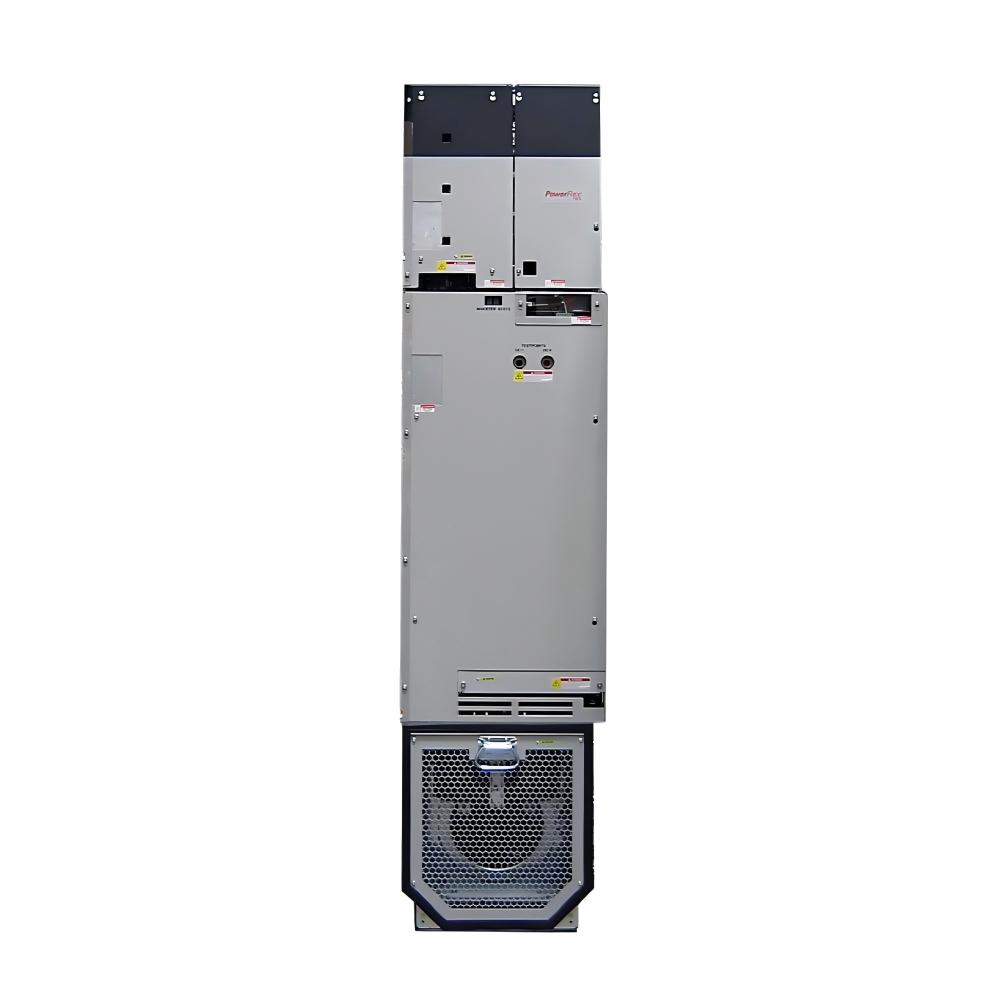
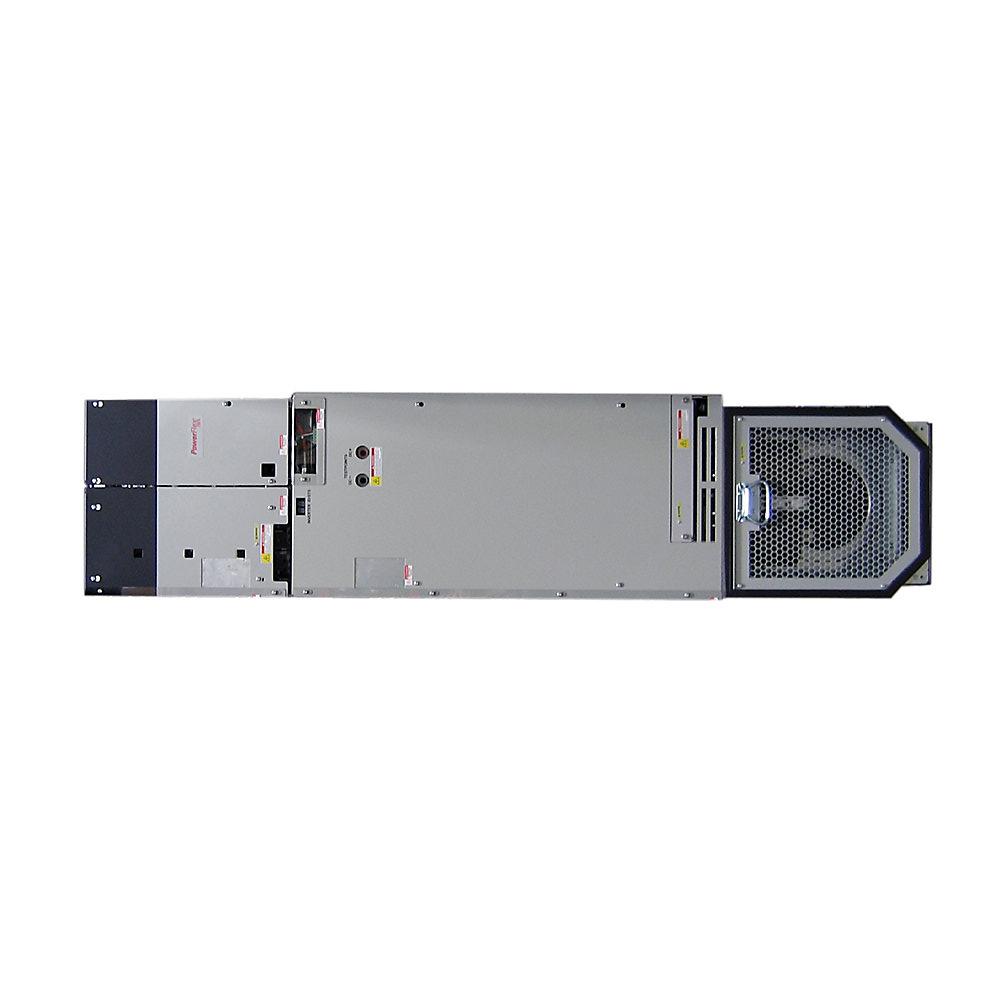
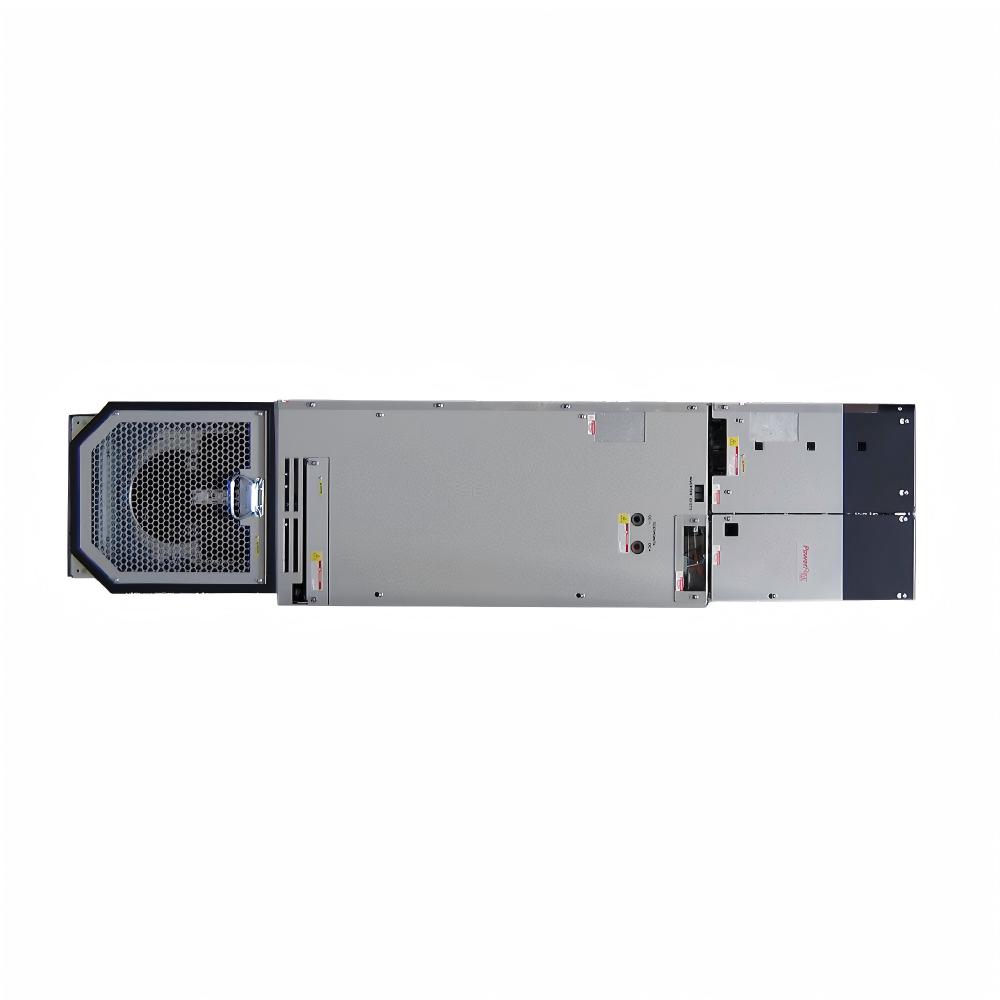
- Allen Bradley
- 20G11TF415AN0NNNNN
- PowerFlex AC Drive
- USA
- 900–1,000 × 500–600 × 500–700 mm
- 600kg
- Xiamen, China
- New & In Stock
- T/T, PayPal, Western Union
- 1 Year
- 1-3 Working Days
- DHL, UPS, TNT, FedEx and EMS.
- 24-Hour Service
- COO
- 57
Our advantage

Global Logistics
We have a 10-year logistics and express cooperation agreement, so our products can be shipped to any place in the world.

Brand new and original
Our products are imported in bulk from the place of origin. Because of the cooperative relationship, our products are all original and 100% new.

24-hour service
We provide 7*24 hours service to our customers. We will be there whenever you need us.

Price advantage
All our products are priced very favorably because we have our own warehouse and supply.
| Company Information | |||
| [email protected] | |||
| Mobile | +8615980777398 | ||
| +8615980777398 | |||
| 15980777398 |
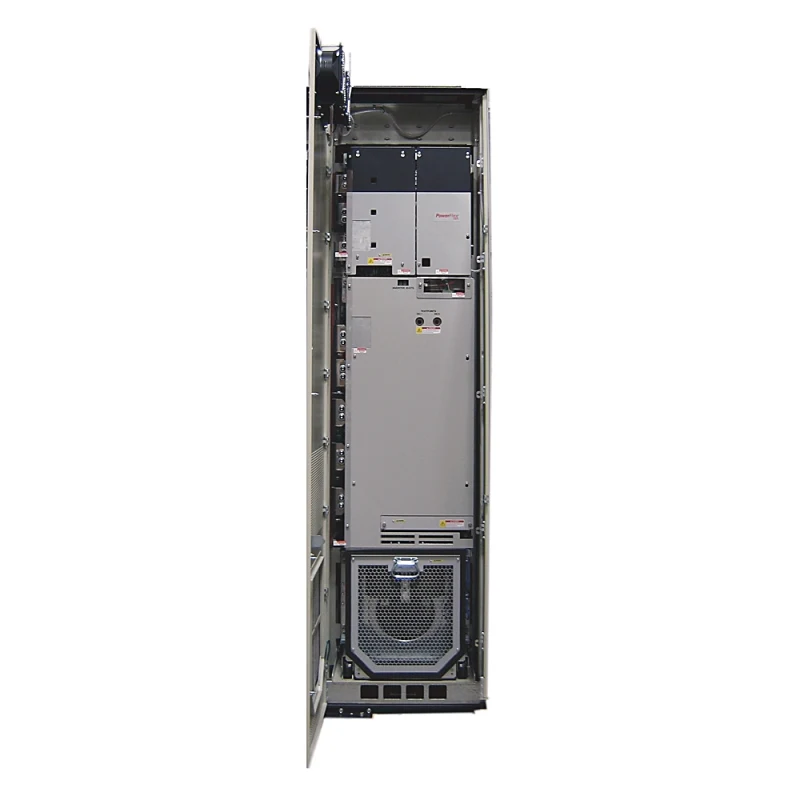
Allen-Bradley 20G11TF415AN0NNNNN PowerFlex 755 AC Drive – Detailed Product Specifications, Introduction, Applications, Advantages and Model Recommendations
The Allen-Bradley 20G11TF415AN0NNNNN is a high-power, air-cooled AC variable-frequency drive belonging to the PowerFlex 755 family. It is designed for demanding industrial motor-control applications where high voltage, substantial motor power, reliable speed regulation, controlled acceleration, and integration with industrial automation systems are required.
This model is particularly suitable for large conveyors, pumps, fans, blowers, crushers, mills, material-handling systems, and other heavy industrial machinery using large three-phase motors.
Important product-status note: this exact A-version catalog number is a discontinued configuration. Its direct current-generation counterpart uses the J configuration, namely 20G11TF415JN0NNNNN. The technical discussion below is focused on the requested 20G11TF415AN0NNNNN.
1. Basic Product Information
| Parameter | Specification |
|---|---|
| Model | 20G11TF415AN0NNNNN |
| Brand | Allen-Bradley |
| Product Family | PowerFlex |
| Product Series | PowerFlex 755 |
| Product Type | Air-Cooled AC Drive |
| Drive Category | Variable Frequency Drive / AC Motor Drive |
| Input Voltage | 690 VAC nominal |
| Input Phase | 3-phase |
| Approximate DC Bus Class | 932 VDC |
| Rated Current | 415 A class |
| Light-Duty Rating | 450 kW |
| Normal-Duty Rating | 400 kW |
| Heavy-Duty Rating | 355 kW |
| Frame Size | Frame 8 |
| Cooling | Forced-air / air-cooled |
| Enclosure Style | Open Type |
| Protection Class | IP20 class |
| Input Configuration | AC input with precharge and DC terminals |
| Filtering | Filtered / EMC filter configuration |
| Common-Mode Jumper | Removed |
| Dynamic Braking | None |
| HIM | Blank / no HIM |
| Communication | Embedded EtherNet/IP |
| Motor Control | Advanced variable-frequency motor control |
| Typical Application | Large industrial motors and heavy machinery |
| Approx. Dimensions | Approx. 900–1,000 × 500–600 × 500–700 mm class, configuration-dependent |
| Approx. Weight | Approx. 500–600 kg class, configuration-dependent |
The dimensions and weight should be treated as engineering reference values rather than an exact shipping dimension. Frame 8 high-power drives can vary depending on the installed power structure, terminal arrangement, enclosure arrangement, accessories, and cabinet configuration.
For mechanical planning, the actual dimension drawing for the final configured drive should always be used before designing the cabinet, foundation, lifting arrangement, cable entry, or maintenance clearance.
2. Brand
The brand of 20G11TF415AN0NNNNN is Allen-Bradley.
Allen-Bradley products are widely used in industrial automation, motor control, manufacturing, material handling, process machinery, mining, infrastructure, and large-scale electrical systems.
Within the Allen-Bradley drive portfolio, the PowerFlex family covers a broad range of applications, from compact machine-level variable-frequency drives to large industrial drives capable of controlling motors in the hundreds of kilowatts.
The 20G11TF415AN0NNNNN sits toward the high-power end of the PowerFlex 755 product range, making it much more suitable for large industrial equipment than compact machine drives.
3. Product Series
The 20G11TF415AN0NNNNN belongs to:
PowerFlex 755 Series
More specifically:
PowerFlex 755 Air-Cooled AC Drive
The PowerFlex 755 series is intended for applications requiring more advanced motor-control functions, higher power ratings, industrial communication, flexible configuration, and integration into larger automation systems.
Compared with smaller compact drives, the PowerFlex 755 platform is designed with considerably greater attention to system integration, large motor control, industrial networking, configuration flexibility, and demanding duty cycles.
4. Understanding the Model Number
The model number is:
20G11TF415AN0NNNNN
The individual characters identify important characteristics of the drive.
| Model Character / Section | Meaning |
|---|---|
| 20G | PowerFlex 755 family |
| 11 | Air-cooled drive configuration |
| T | High-voltage drive family |
| F | 690 VAC class |
| 415 | 415 A frame/rating designation |
| A | Filtering / common-mode configuration |
| N0 | No dynamic braking configuration |
| NNNNN | Additional factory configuration information |
The most important point for selection is the TF415 section.
The F designation identifies the 690 VAC class, while 415 identifies the high-current rating of the drive.
The A configuration indicates the common-mode capacitor jumper arrangement is removed.
5. Main Electrical Parameters
| Parameter | 20G11TF415AN0NNNNN |
|---|---|
| Model | 20G11TF415AN0NNNNN |
| Input Voltage | 690 VAC |
| Input Phase | 3-phase |
| Input Frequency | 50/60 Hz class |
| Current Rating | 415 A |
| Light-Duty Power | 450 kW |
| Normal-Duty Power | 400 kW |
| Heavy-Duty Power | 355 kW |
| Approx. LD Horsepower | 603 HP |
| Approx. ND Horsepower | 536 HP |
| Approx. HD Horsepower | 476 HP |
| DC Bus Voltage Class | 932 VDC |
| Frame | 8 |
| Cooling | Forced Air |
| Dynamic Braking | No |
| Input Precharge | Yes |
| DC Terminals | Yes |
| EMC Filtering | Yes |
| Common-Mode Jumper | Removed |
| HIM | Blank / No HIM |
| Ethernet | Embedded EtherNet/IP |
| Protection | IP20 / Open Type |
| Approx. Dimensions | 900–1,000 × 500–600 × 500–700 mm class* |
| Approx. Weight | 500–600 kg class* |
*Dimensions and weight are engineering reference ranges for a high-power Frame 8 configuration. Final dimensions and mass depend on the exact mechanical arrangement and accessories.
6. 690 VAC Voltage Class
One of the defining characteristics of this model is its 690 VAC three-phase input class.
690 VAC drives are commonly used in large industrial installations because the higher voltage allows substantial motor power to be transmitted with lower current than would be required at a lower voltage.
For a large motor, reducing current can have several practical advantages.
The required conductor cross-section can be reduced compared with an equivalent lower-voltage system, voltage drop can be easier to manage, and electrical distribution equipment can be designed more efficiently.
This makes a 690 VAC drive particularly attractive for large industrial facilities where motor ratings reach several hundred kilowatts.
The 20G11TF415AN0NNNNN therefore occupies a very different application space from compact 230 VAC, 400 VAC, or 480 VAC drives.
7. 415 A Current Rating
The 415 A class rating is one of the main reasons this model is intended for large industrial machinery.
The drive can be used for motors requiring substantial current while still maintaining the control characteristics expected from a modern industrial variable-frequency drive.
Current rating should always be selected according to the motor nameplate current and actual operating duty rather than simply matching the motor’s nominal kW value.
This is particularly important for applications involving high starting torque, frequent acceleration, heavy material loads, high inertia, or significant overload requirements.
8. Power Ratings
The 20G11TF415AN0NNNNN supports different power levels depending on the application duty.
| Duty Classification | Current Class | Power Rating |
|---|---|---|
| Light Duty | 415 A class | 450 kW |
| Normal Duty | 415 A class | 400 kW |
| Heavy Duty | 370 A class | 355 kW |
This distinction is extremely important when selecting the drive.
A 400 kW motor running under a relatively smooth load may be suitable for the normal-duty rating.
A machine with severe overload conditions, high starting torque, or repeated acceleration and deceleration may require the lower heavy-duty power rating.
Therefore, selecting a drive only by the motor’s nominal horsepower can lead to an incorrect result.
9. Light-Duty Rating – 450 kW
The 450 kW light-duty rating provides the highest nominal power capability associated with this drive configuration.
Light-duty applications are generally associated with loads that do not continuously demand very high overload torque.
Typical examples can include large centrifugal fans, certain pumps, and other variable-torque machinery.
For these applications, the motor may operate for long periods at relatively stable load levels, making the higher power utilization of the drive practical.
10. Normal-Duty Rating – 400 kW
The 400 kW normal-duty rating is particularly important because many large industrial motors fall into this range.
A 400 kW motor represents a substantial industrial power requirement.
Applications at this level are commonly found in large conveyors, pumps, fans, blowers, crushers, process machinery, and material-handling systems.
The normal-duty rating provides a good balance between motor power and thermal operating capability for applications where overload requirements are moderate.
11. Heavy-Duty Rating – 355 kW
The 355 kW heavy-duty rating is intended for applications where the motor may experience higher mechanical loading or greater overload demand.
Heavy-duty operation is especially relevant for machines that have high starting torque, sudden load changes, difficult acceleration, or repeated load cycles.
Examples include crushers, certain conveyors, mills, mixers, heavy material-handling equipment, and machinery where the motor must provide significant torque at low speed.
The lower heavy-duty kW rating should not be interpreted as a weakness.
Instead, it reflects the fact that the drive’s available current capability is being used under a more demanding operating profile.
12. Product Introduction
The PowerFlex 755 20G11TF415AN0NNNNN is a high-power industrial variable-frequency drive intended to provide controlled operation of large three-phase AC motors.
Rather than allowing the motor to run directly from the fixed-frequency electrical supply, the drive controls the motor by regulating the electrical conditions supplied to it.
This enables controlled acceleration, controlled deceleration, adjustable operating speed, improved process control, and reduced mechanical stress.
For large machinery, this can make a significant difference.
A large motor connected directly to the electrical supply can produce substantial starting current and mechanical shock.
Using a variable-frequency drive allows the motor to accelerate progressively instead of immediately applying full-speed operation.
13. Variable-Speed Motor Control
The primary function of the 20G11TF415AN0NNNNN is variable-speed control.
The drive converts incoming electrical power into a controlled output suitable for the motor.
The output frequency and voltage can be adjusted according to the required motor speed and load condition.
This means a pump does not necessarily have to run at full speed all the time.
A conveyor can operate at a controlled speed according to production requirements.
A fan can adjust airflow without relying entirely on mechanical throttling.
A process machine can maintain a more consistent operating condition.
14. Controlled Acceleration
Controlled acceleration is especially valuable for large motors.
A 400 kW-class motor can represent a very large rotating mass when connected to a large fan, pump, conveyor, or process machine.
Starting such equipment abruptly can create mechanical stress in shafts, couplings, gears, belts, bearings, and other components.
The drive allows acceleration to be programmed and controlled.
The motor can therefore transition from standstill to operating speed in a controlled manner.
This helps reduce mechanical shock and can also improve the stability of the electrical system.
15. Controlled Deceleration
The same principle applies when stopping the motor.
Instead of abruptly removing the motor’s operating speed, the drive can reduce speed according to a programmed deceleration profile.
This is valuable for large conveyors and process machinery where an abrupt stop can create unnecessary mechanical stress.
However, this particular model does not include an internal dynamic braking transistor.
Where rapid stopping or significant regenerative energy is required, the system design may therefore require an appropriate external braking or regenerative solution.
16. Embedded EtherNet/IP
The drive includes embedded EtherNet/IP communication.
This is an important advantage in modern industrial automation systems.
Instead of treating the drive as an isolated motor controller, it can be integrated into a larger control architecture.
A PLC or industrial controller can communicate with the drive for functions such as:
- Speed reference
- Start and stop commands
- Drive status
- Fault information
- Current monitoring
- Frequency monitoring
- Motor operating data
- Alarm information
- Diagnostic information
This makes the drive much easier to integrate into an automated production system.
17. Industrial Network Integration
The embedded communication capability is particularly useful when multiple drives are installed throughout a plant.
For example, a large conveyor system may have several motors.
Instead of manually controlling every motor locally, a central automation system can coordinate the drives.
The control system can determine when each motor should start, what speed it should run, whether a fault has occurred, and whether the machine is operating normally.
This can simplify plant-level automation.
18. Filtered Configuration
The 20G11TF415AN0NNNNN is a filtered configuration.
Filtering can help control high-frequency electrical noise associated with variable-frequency drive operation.
This becomes increasingly important in large industrial facilities where multiple drives, PLC systems, instrumentation, sensors, communication networks, and other electronic equipment may operate in close proximity.
Proper filtering, grounding, cable routing, and installation practices should be considered together.
A filter alone cannot compensate for poor system installation.
19. Common-Mode Jumper Removed
The A configuration in this model indicates that the common-mode capacitor jumper is removed.
This is an important configuration detail for system engineers.
Common-mode configuration affects the relationship between the drive’s electrical system and ground.
The correct configuration depends on the electrical distribution system, grounding arrangement, EMC requirements, and application environment.
Therefore, this part of the model number should not be ignored when replacing an existing drive.
A replacement drive with a different common-mode configuration may not be electrically equivalent even if its current and kW ratings appear similar.
20. AC Input With Precharge and DC Terminals
The drive uses an AC input configuration with precharge and DC terminals.
The precharge function is important in high-power drives because the DC bus contains substantial energy-storage components.
Controlled charging of the DC bus helps prevent an excessive instantaneous charging current when power is initially applied.
The DC terminals also provide additional system flexibility for applications where DC bus connections are part of the overall drive architecture.
21. No Internal Dynamic Braking
The model is configured without an internal dynamic braking transistor.
This does not prevent the drive from controlling acceleration and deceleration.
It means that applications requiring substantial dissipation of regenerative energy need to be evaluated separately.
For example, a high-inertia conveyor traveling downhill may continuously return energy to the drive during deceleration.
Similarly, lifting machinery can generate significant regenerative energy.
In such applications, the electrical system may require an appropriate external braking or regenerative arrangement.
For normal variable-torque applications such as centrifugal pumps and fans, the absence of an internal braking transistor may not be a significant limitation.
22. Blank / No HIM Configuration
The requested model is configured with a blank / no HIM arrangement.
This is particularly appropriate when the drive is installed inside a control cabinet and operated through an external PLC, HMI, SCADA system, or remote control station.
It also allows the cabinet designer to determine how the user interface should be presented instead of relying on a permanently mounted local keypad.
For centralized automation systems, this can be a practical configuration.
23. Frame 8 Construction
The 20G11TF415AN0NNNNN uses Frame 8.
Frame size becomes particularly important when working with high-power drives because the physical size, thermal management requirements, cable connections, lifting requirements, and cabinet structure become significantly more substantial than those of small drives.
Frame 8 equipment should therefore be treated as major electrical equipment rather than as a compact panel-mounted component.
Mechanical handling should be planned before installation.
For high-power Frame 8 equipment, suitable lifting or rollout equipment may be necessary during cabinet installation and power wiring.
24. Cooling System
The drive uses forced-air cooling.
Large power semiconductor devices generate significant heat during operation.
The cooling system moves air through the drive to remove heat from the power section.
Correct ventilation is therefore essential.
Cabinet designers should provide adequate airflow and prevent the intake of excessively hot air.
The drive should also be installed away from sources of dust, corrosive gases, excessive moisture, and other environmental contaminants unless an appropriate enclosure and environmental protection system is provided.
25. Mechanical Parameters
| Mechanical Parameter | Reference Value |
|---|---|
| Model | 20G11TF415AN0NNNNN |
| Frame | 8 |
| Construction | Open Type |
| Protection Class | IP20 class |
| Cooling | Forced Air |
| Installation | Cabinet / industrial enclosure |
| Approx. Height | 900–1,000 mm class |
| Approx. Width | 500–600 mm class |
| Approx. Depth | 500–700 mm class |
| Approx. Overall Dimension | Approximately 900–1,000 × 500–600 × 500–700 mm* |
| Approx. Weight | Approximately 500–600 kg* |
| Maintenance Clearance | Required around ventilation and service areas |
| Lifting Consideration | Required for high-power Frame 8 installation |
| Cabinet Integration | Recommended |
*These are practical reference ranges rather than guaranteed dimensional values. Exact mechanical dimensions and shipping weight should be taken from the final drive configuration and installation drawing.
26. Why the Dimensions and Weight Are Important
The physical size of this drive is not a minor consideration.
A drive capable of controlling a 400 kW-class motor requires a substantial power section, cooling system, bus structure, semiconductor devices, capacitors, terminals, and mechanical support structure.
Therefore, it cannot be treated like a small wall-mounted variable-frequency drive.
Before installation, the engineering team should confirm:
- Cabinet width
- Cabinet depth
- Cabinet height
- Door clearance
- Cable bending radius
- Incoming cable routing
- Motor cable routing
- Cooling airflow
- Exhaust-air path
- Maintenance access
- Lifting points
- Floor loading
- Panel reinforcement
- Service access
This is especially important when the drive is installed as part of a complete MCC or large automation cabinet.
27. Main Product Advantages
27.1 High-Power Capability
One of the biggest advantages of the 20G11TF415AN0NNNNN is its ability to control motors in the several-hundred-kilowatt range.
With a 400 kW normal-duty rating and 355 kW heavy-duty rating, it is suitable for applications that are far beyond the practical range of compact drives.
27.2 690 VAC Operation
The 690 VAC class is particularly useful for large industrial motors.
Higher voltage allows high motor power to be transmitted at a lower current than an equivalent low-voltage system.
This can simplify large-motor electrical distribution and help reduce conductor requirements.
27.3 Flexible Duty Ratings
The LD, ND, and HD ratings give engineers flexibility when matching the drive to the actual load.
This is important because two motors with identical kW ratings can have very different operating requirements.
A centrifugal pump and a heavy-duty crusher may have completely different torque and overload requirements.
The PowerFlex 755 rating structure allows the drive selection to be based on application duty rather than motor kW alone.
27.4 Advanced Motor Control
The drive provides sophisticated motor-control capabilities suitable for industrial machinery.
The result is better control over motor speed and machine operation compared with traditional fixed-speed motor starters.
This can improve production consistency and make automation systems easier to manage.
27.5 Embedded Industrial Networking
Embedded EtherNet/IP provides a convenient path for integrating the drive into an industrial automation network.
This reduces the need to treat the drive as a separate standalone device.
It can become part of the overall control system.
27.6 Controlled Starting
Large motors can draw substantial starting current when started directly across the line.
Variable-frequency starting reduces the severity of the starting event and allows the motor to accelerate according to a programmed profile.
This is particularly valuable for large mechanical systems.
27.7 Reduced Mechanical Stress
Controlled acceleration and deceleration can reduce stress on:
- Shafts
- Bearings
- Couplings
- Gearboxes
- Belts
- Chains
- Conveyor components
- Pump systems
- Fan assemblies
This may contribute to longer mechanical component life when the drive is correctly applied.
28. Energy-Saving Potential
Variable-frequency drives can provide substantial energy-saving opportunities, particularly with variable-torque loads.
Pumps and fans are good examples.
A pump that only needs 70% of full-speed operation does not necessarily need to consume the same amount of energy as when operating at 100% speed.
By adjusting motor speed to the actual process requirement, the system can reduce unnecessary energy consumption.
The exact savings depend heavily on the machine’s load curve and operating profile.
The drive itself does not automatically guarantee a specific percentage of energy savings.
The greatest benefits occur when the drive is properly matched to a variable-torque application.
29. Application: Large Conveyors
Large conveyor systems are a strong application for the PowerFlex 755.
Conveyors often require controlled starting because the belt, rollers, gearbox, and material load can have substantial inertia.
A gradual acceleration profile can reduce mechanical shock.
Speed control can also be used to coordinate material flow between different sections of a production line.
For long conveyors, the ability to integrate the drive into a central automation network is particularly valuable.
30. Application: Mining Conveyors
Mining systems often involve very large motors and demanding mechanical conditions.
The 690 VAC, high-current architecture makes this type of drive appropriate for large mining conveyor applications when the motor and duty requirements are correctly matched.
The drive can provide controlled starting, speed adjustment, monitoring, and integration into a larger mine automation system.
For especially demanding applications, engineering attention must also be given to regenerative operation, environmental conditions, dust, altitude, cooling, and mechanical loading.
31. Application: Large Pumps
Large industrial pumps are another important application.
Examples include:
- Water treatment pumps
- Cooling-water pumps
- Process pumps
- Industrial circulation pumps
- Water-supply systems
- Mining slurry systems
- Large-scale irrigation systems
For centrifugal pumps, speed control can provide an efficient way to regulate flow.
Instead of relying exclusively on throttling valves, motor speed can be adjusted according to the process requirement.
32. Application: Large Fans
Large fans and blowers are often ideal candidates for variable-frequency control.
The drive can adjust the fan speed according to actual airflow requirements.
This can reduce unnecessary energy consumption during periods of lower demand.
The controlled starting function can also reduce mechanical stress on large fan assemblies.
33. Application: Crushers
Crushers can present considerably more demanding operating conditions.
They may experience high starting torque, sudden changes in material loading, and significant mechanical shock.
The heavy-duty rating of the drive therefore becomes an important selection consideration.
The motor’s actual nameplate current and the crusher’s operating cycle should be evaluated before determining whether the 355 kW heavy-duty rating is adequate.
34. Application: Mills
Industrial mills can also benefit from high-power variable-frequency control.
Depending on the mill design, the drive can provide controlled acceleration and speed regulation.
This can help improve process consistency while reducing unnecessary mechanical shock during startup.
35. Application: Industrial Blowers
Large industrial blowers frequently require variable-speed operation.
Instead of running continuously at maximum speed, the blower can be adjusted to match the process requirement.
This makes high-power variable-frequency drives useful in manufacturing, chemical processing, material handling, air-treatment systems, and other industrial facilities.
36. Application: Mixers
Large mixers can have considerable inertia and may require controlled acceleration.
A variable-frequency drive allows the operator or automation system to control mixing speed according to the process recipe.
This can be particularly useful where different products require different mixing speeds.
37. Application: Material Handling
Large material-handling machinery often requires coordinated movement.
Examples include:
- Conveyors
- Transfer systems
- Rollers
- Feeders
- Processing lines
- Bulk-material systems
- Storage and retrieval equipment
The ability to connect the drive to an industrial control network makes coordination easier.
38. Application Suitability Table
| Application | Suitability | Main Reason |
|---|---|---|
| Large Conveyor | Excellent | High power, controlled acceleration, network integration |
| Mining Conveyor | Excellent | 690 VAC, high current, large motor capability |
| Large Pump | Excellent | Variable-speed flow control and energy-saving potential |
| Large Fan | Excellent | Variable-speed airflow control |
| Industrial Blower | Excellent | Speed regulation and controlled starting |
| Crusher | Very Good | High-power and heavy-duty capability |
| Industrial Mill | Very Good | High-power motor control |
| Large Mixer | Very Good | Controlled acceleration and speed regulation |
| Material Handling | Excellent | Large motor control and automation integration |
| Process Machinery | Excellent | Flexible speed and control architecture |
39. Five Recommended Models From the Same Series
For applications around the 690 VAC high-power range, the following models are useful comparison points.
| Model | Voltage | Current Class | LD Rating | ND Rating | HD Rating | Frame |
|---|---|---|---|---|---|---|
| 20G11TF265JN0NNNNN | 690 VAC | 265 A | 315 kW | 250 kW | 200 kW | 8 |
| 20G11TF330JN0NNNNN | 690 VAC | 330 A | 355 kW | 315 kW | 250 kW | 8 |
| 20G11TF370JN0NNNNN | 690 VAC | 370 A | 400 kW | 355 kW | 300 kW | 8 |
| 20G11TF415JN0NNNNN | 690 VAC | 415 A | 450 kW | 400 kW | 355 kW | 8 |
| 20G11TF460JN0NNNNN | 690 VAC | 460 A | 500 kW | 450 kW | 375 kW | 8 |
The 20G11TF415JN0NNNNN is the most direct current-generation comparison to the requested A-version 20G11TF415AN0NNNNN.
The 265 A and 330 A versions are useful when the motor is smaller and the higher current capacity of the 415 A drive is unnecessary.
The 370 A model is an excellent alternative when the motor falls around the 355 kW normal-duty range.
The 460 A model is appropriate when the motor and process requirements exceed the capability of the 415 A unit.
40. Same-Series Comparison
| Model | Typical Application Range | Main Advantage |
|---|---|---|
| 20G11TF265JN0NNNNN | Medium-large pumps, fans, conveyors | Lower power and current requirement |
| 20G11TF330JN0NNNNN | Large pumps, fans, conveyors | Good balance of capacity and size |
| 20G11TF370JN0NNNNN | Large conveyors, pumps, blowers | Strong 355 kW-class ND capability |
| 20G11TF415JN0NNNNN | Very large industrial motors | 400 kW ND / 355 kW HD capability |
| 20G11TF460JN0NNNNN | Very large process equipment | Higher current and 450 kW ND capability |
41. Same-Series Selection Strategy
If the motor is around 200–250 kW, the 265 A model may provide sufficient capacity depending on the motor’s actual current and duty.
For motors around 315 kW, the 330 A and 370 A models become attractive choices.
For approximately 355 kW normal-duty applications, the 370 A model is particularly useful.
For approximately 400 kW normal-duty applications, the 415 A model is a strong fit.
For applications approaching 450 kW normal duty, the 460 A model provides additional capacity.
The important point is that the model should be selected according to motor current, duty cycle, overload requirements, ambient conditions, and application characteristics, not simply by comparing nominal kW figures.
42. Five Popular Allen-Bradley Models for Broader Applications
If the goal is to compare the requested high-power PowerFlex 755 against more commonly encountered Allen-Bradley drives across different application sizes, the following models provide a useful range.
| Model | Series | Voltage Class | Approx. Current / Power | Typical Application | Approx. Dimensions | Approx. Weight |
|---|---|---|---|---|---|---|
| 25B-D010N104 | PowerFlex 525 | 480 VAC class | 10 A class | Machine automation, pumps, fans | ~180 × 90 × 150 mm | ~2–3 kg |
| 25B-D017N104 | PowerFlex 525 | 480 VAC class | 17 A class | Conveyors, pumps, machine tools | ~220 × 110 × 170 mm | ~3–4 kg |
| 25A-D030N104 | PowerFlex 523 | 480 VAC class | 30 A class | General-purpose machinery | ~250 × 130 × 190 mm | ~4–6 kg |
| 20F11NC022JA0NNNNN | PowerFlex 753 | 480 VAC class | 22 A class | Industrial machinery, pumps, fans | Configuration-dependent | Configuration-dependent |
| 20G11TF415AN0NNNNN | PowerFlex 755 | 690 VAC | 415 A class / 400 kW ND | Large industrial equipment | ~900–1,000 × 500–600 × 500–700 mm class | ~500–600 kg class |
The dimensions and weights in this table are intended for preliminary product comparison.
Small PowerFlex models can have multiple enclosure and mounting configurations, while the large PowerFlex 755 model can vary significantly depending on frame arrangement and installation configuration.
43. Compact PowerFlex Drives Versus PowerFlex 755
The difference between a compact PowerFlex 525 and the 20G11TF415AN0NNNNN is substantial.
A compact drive may weigh only a few kilograms and fit inside a relatively small control panel.
The 20G11TF415AN0NNNNN is a high-power industrial drive requiring significantly more space, ventilation, structural support, power cabling, and installation planning.
The two products therefore serve fundamentally different purposes.
A small drive is generally used for machine-level motors.
The PowerFlex 755 at this rating is intended for large industrial motors and large mechanical systems.
44. Why Choose the 415 A Model Instead of the 370 A Model?
The 370 A model provides approximately:
- 400 kW LD
- 355 kW ND
- 300 kW HD
The 415 A model increases this to approximately:
- 450 kW LD
- 400 kW ND
- 355 kW HD
Therefore, if the application is close to the upper limit of the 370 A drive, choosing the 415 A model can provide additional operating margin.
This can be particularly useful when the machine experiences high ambient temperature, high altitude, heavy acceleration, or occasional overload conditions.
However, oversizing the drive without a clear engineering reason may increase cost and physical size.
45. Why Choose the 460 A Model?
The 460 A model becomes attractive when the motor requires approximately 450 kW normal-duty capacity or when additional current capacity is required.
Its approximate ratings are:
- 500 kW LD
- 450 kW ND
- 375 kW HD
It therefore provides another step above the 415 A model.
For large process machinery where future expansion is expected, this additional capacity may also be useful.
46. Why Choose the 330 A or 370 A Models?
If the motor is substantially below the 400 kW range, selecting a smaller drive can be more economical.
The 20G11TF330 provides approximately 315 kW normal-duty capacity.
The 20G11TF370 provides approximately 355 kW normal-duty capacity.
These drives may be preferable where the motor power and application duty do not justify the 415 A drive.
47. Installation Environment
Because this is a high-power open-type drive, environmental conditions must be considered carefully.
Important factors include:
- Ambient temperature
- Altitude
- Humidity
- Dust
- Corrosive gases
- Ventilation
- Cabinet temperature
- Cooling airflow
- Electrical grounding
- Cable routing
- Electromagnetic compatibility
- Maintenance access
A large industrial drive should not simply be installed into any available cabinet.
The complete thermal and electrical design needs to be evaluated.
48. Cabinet Design Considerations
The cabinet should provide sufficient room for:
- Drive installation
- Incoming power connections
- Motor cable connections
- Control wiring
- Network wiring
- Grounding
- Airflow
- Maintenance access
- Protective devices
- Isolation equipment
- Auxiliary components
High-power drives can generate significant heat.
The cabinet designer must therefore consider the total heat load of the drive and other equipment.
If several drives are installed in the same enclosure, thermal calculations become even more important.
49. Motor Cable Considerations
Large motors can require substantial motor cables.
Cable size should be selected based on:
- Motor current
- Cable length
- Installation method
- Ambient temperature
- Voltage drop
- Local electrical regulations
- Drive output characteristics
- EMC considerations
- Grounding requirements
For very long motor cables, additional considerations may also be required regarding reflected-wave voltage, motor insulation, and output filtering.
50. Maintenance Advantages
The PowerFlex 755 architecture is well suited to industrial maintenance environments where drive status and diagnostic information are important.
Network communication can make it possible to monitor operating conditions from the control system.
Instead of waiting for a drive to fail completely, maintenance personnel can use operating information, alarms, and fault history to identify abnormal conditions.
This can support a more systematic maintenance strategy.
51. Operational Reliability
A high-power drive should not be judged only by its current rating.
Reliability also depends on correct application.
A properly selected drive operating within its environmental, electrical, and thermal limits can provide reliable long-term service.
The most important factors include:
- Correct motor sizing.
- Correct duty selection.
- Correct cabinet cooling.
- Correct grounding.
- Proper cable installation.
- Suitable protection equipment.
- Correct parameter configuration.
- Preventive maintenance.
- Clean airflow.
- Appropriate environmental protection.
52. Important Selection Factors
Before purchasing or replacing a 20G11TF415AN0NNNNN, the following information should be confirmed.
| Selection Item | Recommended Check |
|---|---|
| Model | 20G11TF415AN0NNNNN |
| Motor Voltage | Confirm motor nameplate |
| Motor Current | Confirm actual FLA |
| Motor Power | Confirm kW |
| Motor Frequency | 50/60 Hz as applicable |
| Duty | LD / ND / HD |
| Starting Torque | Determine required torque |
| Acceleration Time | Determine machine requirement |
| Deceleration Time | Determine regenerative requirement |
| Braking | External solution may be required |
| Input Voltage | Confirm 690 VAC system |
| Grounding | Confirm system grounding arrangement |
| EMC | Confirm filtering requirements |
| Ambient Temperature | Confirm site conditions |
| Altitude | Check derating requirements |
| Cooling | Confirm cabinet airflow |
| Communication | Confirm EtherNet/IP architecture |
| Cabinet Space | Confirm Frame 8 dimensions |
| Weight | Confirm actual configured shipping weight |
| Maintenance Access | Provide sufficient clearance |
53. Recommended Model by Application
| Application | Recommended Model | Reason |
|---|---|---|
| Medium-Large Pump | 20G11TF265JN0NNNNN | Suitable for lower power requirements |
| Large Fan | 20G11TF330JN0NNNNN | Good balance of power and current |
| Large Conveyor | 20G11TF370JN0NNNNN | Strong normal-duty capability |
| 400 kW Industrial Motor | 20G11TF415JN0NNNNN | 400 kW normal-duty rating |
| 450 kW Industrial Motor | 20G11TF460JN0NNNNN | Higher current and power capability |
54. Overall Technical Strengths
The main strengths of 20G11TF415AN0NNNNN can be summarized as follows:
High voltage: 690 VAC class operation makes it suitable for large industrial motor systems.
High current: 415 A class capacity provides substantial motor-control capability.
High power: Up to approximately 450 kW LD and 400 kW ND ratings make it appropriate for very large machinery.
Heavy-duty capability: 355 kW HD rating provides useful capacity for demanding mechanical applications.
Industrial communication: Embedded EtherNet/IP supports integration into modern automation systems.
Advanced control: Variable-speed control provides controlled acceleration, deceleration, and operating speed.
Large-motor suitability: Frame 8 construction is designed for high-power industrial applications.
Flexible application range: Suitable for pumps, fans, conveyors, blowers, crushers, mills, mixers, and process machinery.
55. Final Technical Specification Summary
| Category | Specification |
|---|---|
| Model | 20G11TF415AN0NNNNN |
| Brand | Allen-Bradley |
| Series | PowerFlex 755 |
| Type | Air-Cooled AC Drive |
| Voltage | 690 VAC |
| Phase | 3-phase |
| Current | 415 A class |
| Light Duty | 450 kW |
| Normal Duty | 400 kW |
| Heavy Duty | 355 kW |
| Approx. LD HP | 603 HP |
| Approx. ND HP | 536 HP |
| Approx. HD HP | 476 HP |
| Frame | 8 |
| Cooling | Forced Air |
| Input | AC with precharge and DC terminals |
| Filtering | Filtered / EMC |
| Common-Mode Configuration | Jumper removed |
| Dynamic Braking | None |
| HIM | Blank / No HIM |
| Communication | Embedded EtherNet/IP |
| Protection | IP20 / Open Type |
| Approx. Dimensions | 900–1,000 × 500–600 × 500–700 mm class |
| Approx. Weight | 500–600 kg class |
| Main Applications | Conveyors, pumps, fans, blowers, crushers, mills, mixers |
| Main Advantage | High-power 690 VAC motor control |
| Installation | Industrial cabinet / controlled environment |
56. Final Product Evaluation
The Allen-Bradley 20G11TF415AN0NNNNN is a high-capacity industrial AC drive intended for large three-phase motors and demanding automation systems.
Its combination of 690 VAC operation, 415 A current capability, 450 kW light-duty rating, 400 kW normal-duty rating, 355 kW heavy-duty rating, Frame 8 construction, forced-air cooling, filtering, and embedded EtherNet/IP makes it a strong solution for large industrial motor applications.
Its biggest advantage is not simply the high kW rating. The more important advantage is the combination of high power and controllability.
For a large conveyor, pump, fan, blower, crusher, mill, or material-handling system, the drive can provide controlled starting, adjustable speed, controlled stopping, automation-network integration, and detailed operational management.
The 690 VAC architecture also makes the model particularly attractive for large motors where electrical distribution efficiency and current management are important considerations.
The main limitation to remember is the physical scale of the equipment. A Frame 8, several-hundred-kilowatt drive requires proper cabinet engineering, cooling, cable management, grounding, mechanical support, lifting arrangements, and maintenance clearance.
For a project centered around a 400 kW-class motor on a 690 VAC system, the 415 A PowerFlex 755 configuration is a particularly important model to consider. If the motor has a more demanding torque profile, the 355 kW heavy-duty rating should be evaluated rather than relying only on the motor’s nameplate kW.
For applications below this power range, the 20G11TF265, 20G11TF330, or 20G11TF370 can provide more appropriately sized alternatives. For applications requiring additional capacity, the 20G11TF460 is the natural higher-capacity comparison.
Overall, 20G11TF415AN0NNNNN is best viewed as a high-power industrial drive for large 690 VAC motor systems, where reliable variable-speed control, substantial current capacity, network integration, and flexible duty ratings are more important than compact size.