

ProductPRODUCT
Featured products

Contact Us
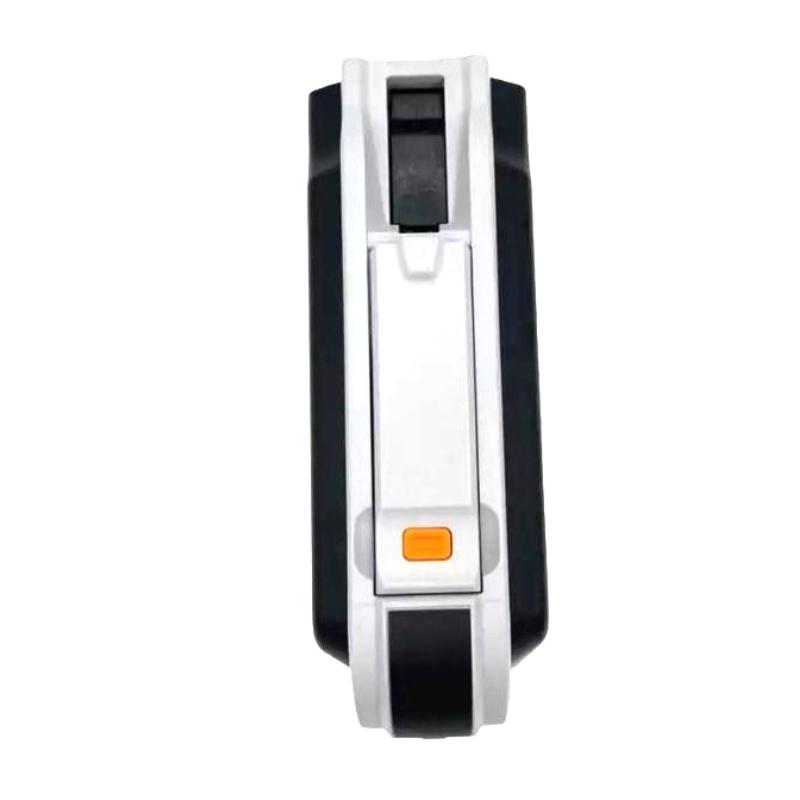
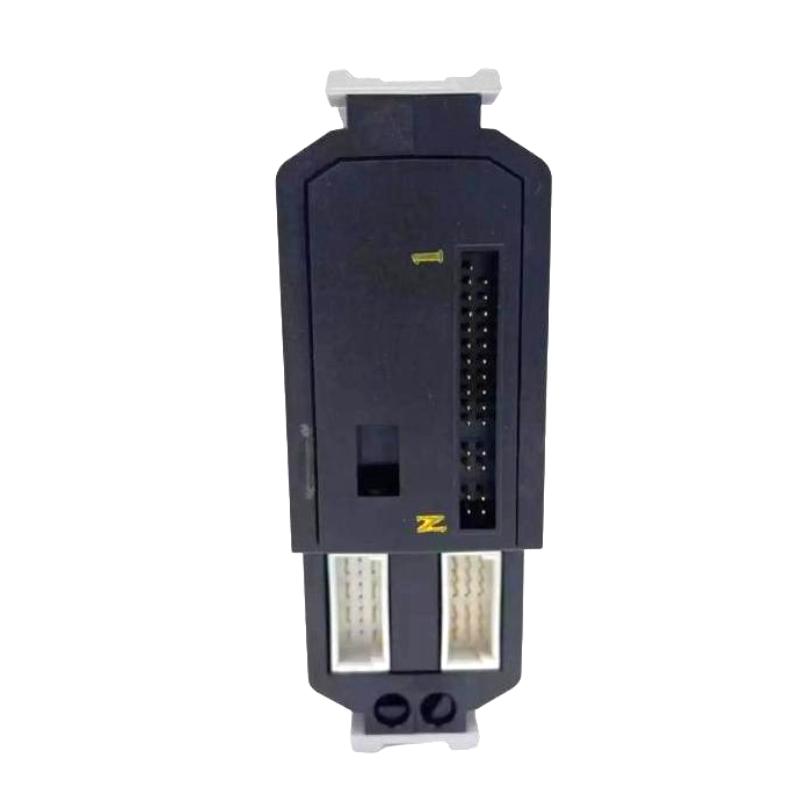
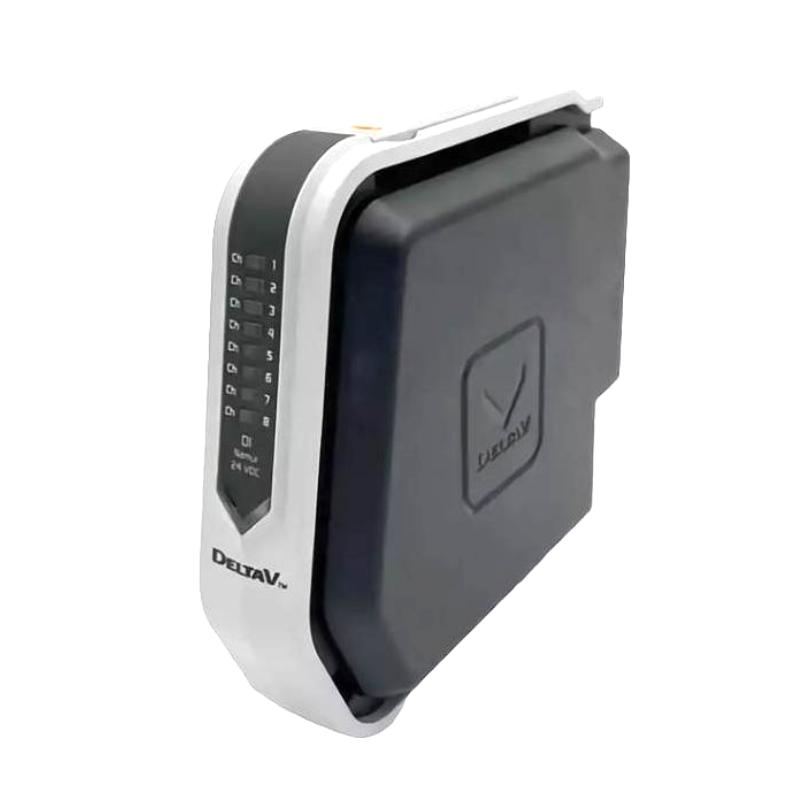
- Emerson
- SE4003S4B1
- Thermocouple Card
- USA
- 131 × 41.8 × 130.8 mm
- 0.29 kg
- Xiamen, China
- New & In Stock
- T/T, PayPal, Western Union
- 1 Year
- 1-3 Working Days
- DHL, UPS, TNT, FedEx and EMS.
- 24-Hour Service
- COO
- 46
Our advantage

Global Logistics
We have a 10-year logistics and express cooperation agreement, so our products can be shipped to any place in the world.

Brand new and original
Our products are imported in bulk from the place of origin. Because of the cooperative relationship, our products are all original and 100% new.

24-hour service
We provide 7*24 hours service to our customers. We will be there whenever you need us.

Price advantage
All our products are priced very favorably because we have our own warehouse and supply.
| Company Information | |||
| [email protected] | |||
| Mobile | +8615980777398 | ||
| +8615980777398 | |||
| 15980777398 |
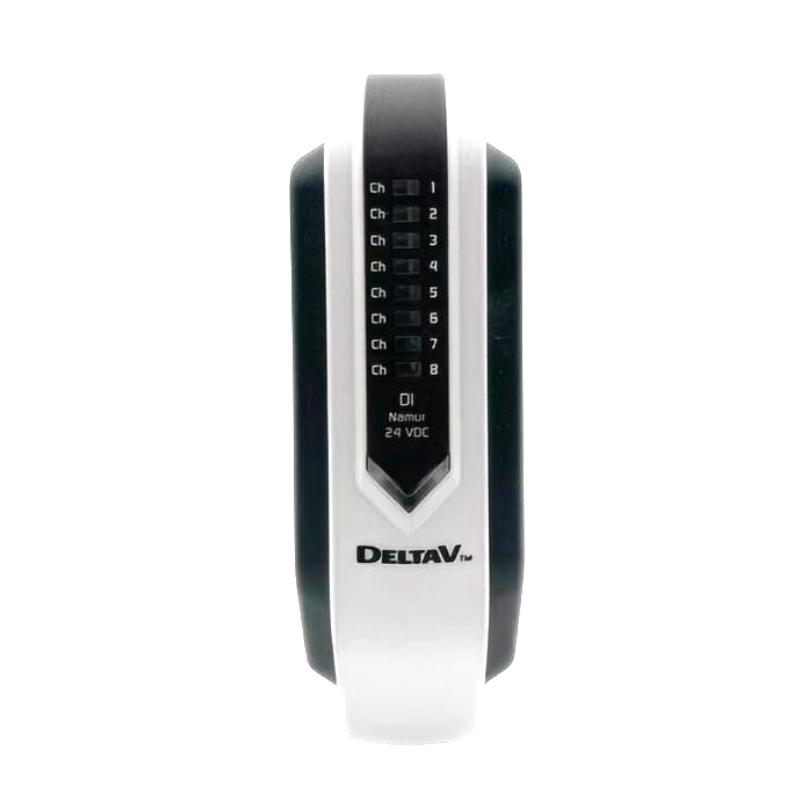
Product Overview
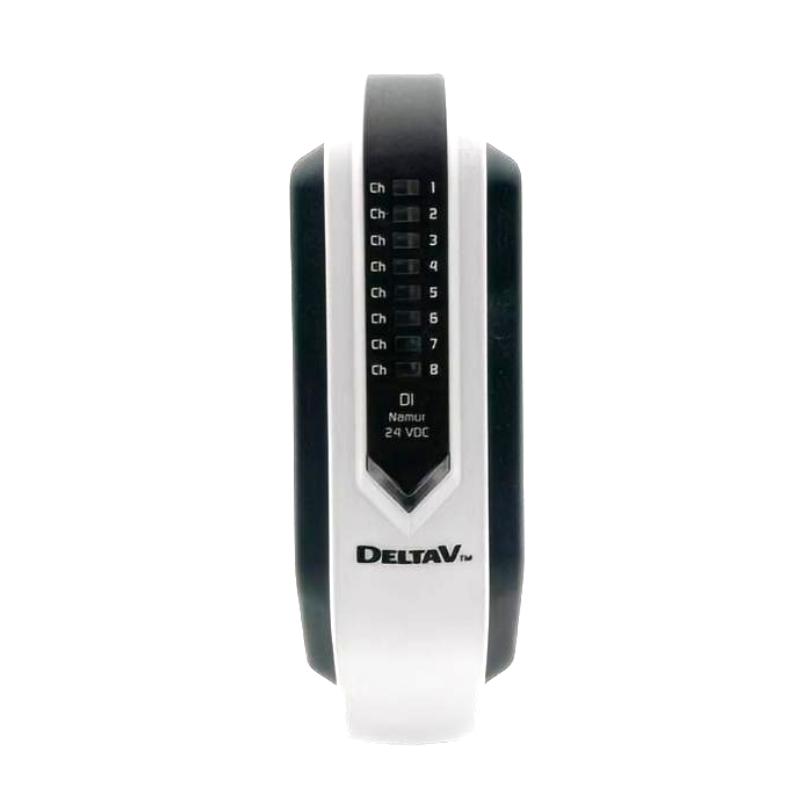
The Emerson SE4003S4B1 is a DeltaV S-series Traditional I/O Thermocouple Card used for temperature measurement within DeltaV process control systems. Unlike a general-purpose analog input card, this module is intended specifically for thermocouple-based temperature signals, making it suitable for applications where direct temperature acquisition from field sensors is required.
In a typical installation, thermocouples are positioned at process points such as reactors, furnaces, heat exchangers, ovens, process vessels, or heated pipelines. Their signals are routed through the DeltaV I/O system to the SE4003S4B1, where the temperature information becomes available to the control strategy and operator interface.
For maintenance work, the card is particularly relevant when an existing DeltaV system contains dedicated thermocouple inputs. Keeping temperature measurement within the appropriate I/O architecture makes channel identification and troubleshooting more straightforward.
Technical Specifications
| Parameter | Specification |
|---|---|
| Manufacturer | Emerson |
| Model | SE4003S4B1 |
| Product Series | DeltaV S-series |
| I/O Type | Traditional I/O |
| Product Type | Thermocouple Card |
| Dimensions | 131 × 41.8 × 130.8 mm |
| Weight | 0.29 kg |
Product Features
- Dedicated thermocouple input function — Intended for temperature measurement using thermocouple sensors.
- DeltaV S-series architecture — Integrates into the modular S-series I/O environment.
- Traditional I/O support — Suitable for DeltaV installations using the corresponding Traditional I/O architecture.
- Process temperature monitoring — Suitable for continuously monitored temperature points throughout a plant.
- Control-system integration — Temperature values can be incorporated into configured control strategies, alarms, displays, and trends.
- Modular installation — Fits distributed I/O cabinet arrangements where temperature signals are organized by process area.
Working Principle
The SE4003S4B1 receives the electrical signal generated by thermocouple sensors installed in the process.
A typical measurement path is:
Process Temperature → Thermocouple → Field Wiring → SE4003S4B1 → DeltaV Control System → Operator / Control Strategy
As process temperature changes, the thermocouple generates a corresponding thermoelectric signal. The I/O system acquires this signal and makes the temperature measurement available to DeltaV.
For example, a thermocouple installed near a reactor heating zone can continuously monitor vessel temperature. The resulting measurement can be used by a DeltaV control strategy to regulate heating equipment, generate high-temperature alarms, display the process value to operators, or record the temperature trend.
Temperature-loop troubleshooting should consider the complete measurement chain. An incorrect value may originate from the thermocouple, extension wiring, field termination, channel configuration, or I/O card. Checking these points systematically is more effective than immediately replacing the I/O hardware.
Role in a DeltaV Temperature Control System
The SE4003S4B1 occupies the temperature-input portion of the DeltaV I/O architecture.
Temperature Sensor Layer
Thermocouples installed at the process equipment
↓
I/O Layer
SE4003S4B1 Thermocouple Card
↓
Control Layer
DeltaV controller and temperature control strategy
↓
Supervisory Layer
Operator displays, alarms, trends, and historical records
This arrangement allows temperature measurements from physically distributed equipment to be incorporated into a centralized process-control environment.
For a temperature control loop, the measured value can serve as the process variable. The DeltaV control strategy can compare that measurement with the configured target and determine the appropriate control response. The I/O card therefore forms the acquisition point connecting the physical temperature sensor with the software-based control loop.
Industrial Applications
Chemical Reactors
Thermocouples installed on reactors and associated heating systems can provide continuous temperature measurements for monitoring reaction conditions and supporting temperature-control strategies.
Furnaces and Heat Treatment Equipment
High-temperature process areas commonly require multiple temperature measurement points. A dedicated thermocouple I/O card can collect these signals for centralized supervision and alarm handling.
Oil and Gas Processing
Temperature measurements from separators, heaters, process lines, vessels, and other equipment can be incorporated into DeltaV control and monitoring applications.
Power Generation
Thermocouples can be used around boilers, auxiliary equipment, heat recovery systems, and other temperature-critical areas. The collected values can support process monitoring and alarm functions.
Pharmaceutical and Specialty Chemical Plants
Temperature is often a key process variable during production and thermal treatment. Thermocouple measurements can be brought into DeltaV for continuous monitoring and automated control.
Installation and Maintenance
Before installing an SE4003S4B1, verify the intended I/O slot, associated carrier and termination hardware, field wiring, and DeltaV configuration. Thermocouple installations also require attention to the sensor type and the wiring used between the thermocouple and the I/O system.
During replacement, record the existing channel assignment and identify each connected temperature point. This is particularly important in installations with many thermocouples, where physically similar sensor circuits may belong to completely different control loops.
After installation, check the I/O status and compare the DeltaV temperature reading with an appropriate local reference. If the reading is unstable, unexpectedly high or low, or inconsistent with the actual process condition, inspect the sensor and field wiring before concluding that the I/O card is faulty.
For preventive maintenance, temperature trends can also be useful. A gradual deviation, intermittent signal, or sudden discontinuity may indicate a developing sensor or wiring problem before the process reaches an alarm condition.
Related Components
The SE4003S4B1 can form part of a larger DeltaV temperature measurement chain that may include:
- DeltaV S-series I/O carriers
- Traditional I/O termination hardware
- Thermocouple sensors
- Thermocouple extension or compensating wiring
- Field junction boxes
- DeltaV controllers
- Temperature control modules
- Operator workstations
- Process alarm and historian functions
The exact associated hardware should be matched to the installed DeltaV system and project configuration.
Recommended Related Models
For DeltaV temperature and process I/O applications, related hardware can be selected according to the required measurement type and installed architecture:
- Emerson SE4003S4B1 — DeltaV S-series Traditional I/O Thermocouple Card
- Emerson DeltaV S-series Traditional I/O Cards — Related modular I/O hardware
- Emerson DeltaV S-series I/O Carriers — Supporting hardware for S-series I/O installation
- Emerson DeltaV Traditional I/O Termination Assemblies — Field-side signal connection hardware
- Emerson DeltaV S-series Analog Input Cards — For applications requiring conventional analog process measurements
- Emerson DeltaV Temperature Measurement I/O — Related hardware for temperature acquisition applications
Key Advantages
- Dedicated interface for thermocouple temperature measurements.
- Integrates temperature signals into the DeltaV control environment.
- Suitable for distributed temperature monitoring across process equipment.
- Supports temperature control, alarms, operator displays, and trending.
- Fits modular DeltaV S-series Traditional I/O installations.
- Useful for both new I/O applications and maintenance of existing DeltaV systems.
Technical FAQs
What makes the SE4003S4B1 different from a general analog input card?
The SE4003S4B1 is intended specifically for thermocouple temperature measurement. A general analog input card and a thermocouple card should not be treated as interchangeable simply because both ultimately deliver process values to DeltaV.
What should be checked if a thermocouple reading is unstable?
Start with the sensor and its field wiring. Loose terminations, damaged thermocouple wiring, unsuitable extension wiring, or a problem at the sensor can cause unstable readings. The corresponding I/O channel and DeltaV configuration should then be checked if the field side appears normal.
Why is the thermocouple type important during system configuration?
Different thermocouple types have different temperature-to-voltage characteristics. The DeltaV configuration must correspond to the actual sensor arrangement; otherwise, the displayed process temperature may not represent the physical temperature correctly even when the wiring appears normal.
How can a maintenance engineer verify a suspected SE4003S4B1 channel fault?
A practical approach is to compare the affected channel with the field sensor and, where appropriate, an approved test source or known reference. Checking other channels can also help determine whether the issue is isolated to one measurement point or associated with a wider field or I/O problem.