

ProductPRODUCT
Featured products
Contact Us
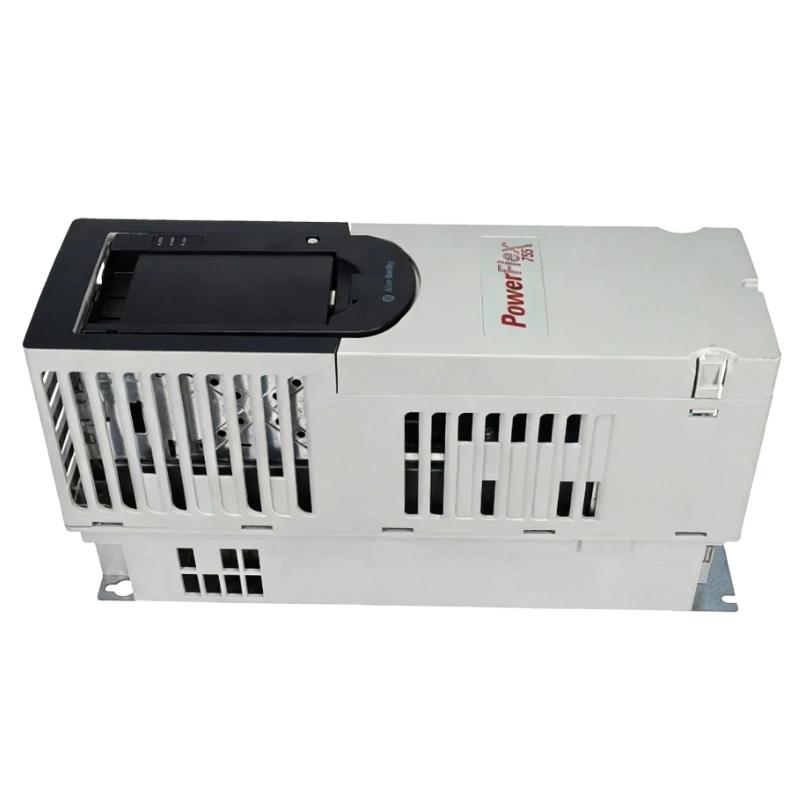
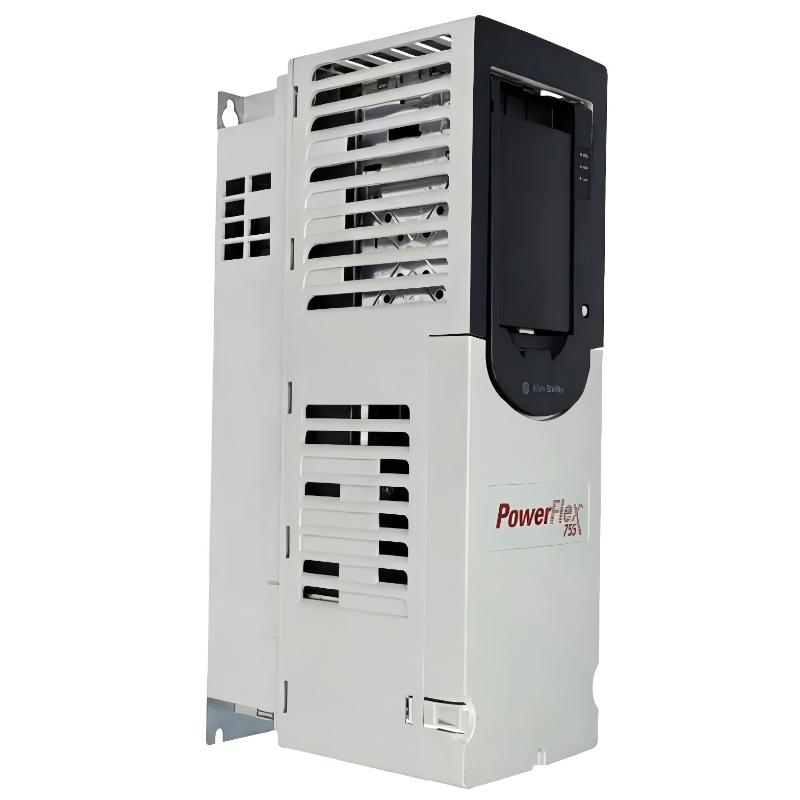
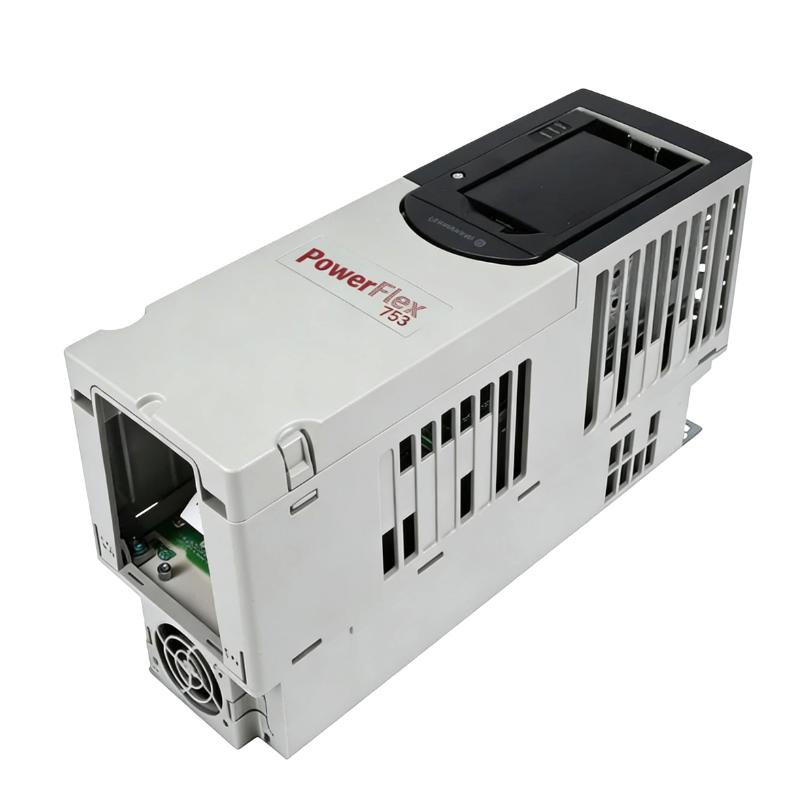
- Allen Bradley
- 20G11RC2P1AA0NNNNN
- PowerFlex AC Drive
- USA
- 454 × 190 × 212 mm
- 6kg
- Xiamen, China
- New & In Stock
- T/T, PayPal, Western Union
- 1 Year
- 1-3 Working Days
- DHL, UPS, TNT, FedEx and EMS.
- 24-Hour Service
- COO
- 57
Our advantage

Global Logistics
We have a 10-year logistics and express cooperation agreement, so our products can be shipped to any place in the world.

Brand new and original
Our products are imported in bulk from the place of origin. Because of the cooperative relationship, our products are all original and 100% new.

24-hour service
We provide 7*24 hours service to our customers. We will be there whenever you need us.

Price advantage
All our products are priced very favorably because we have our own warehouse and supply.
| Company Information | |||
| [email protected] | |||
| Mobile | +8615980777398 | ||
| +8615980777398 | |||
| 15980777398 |
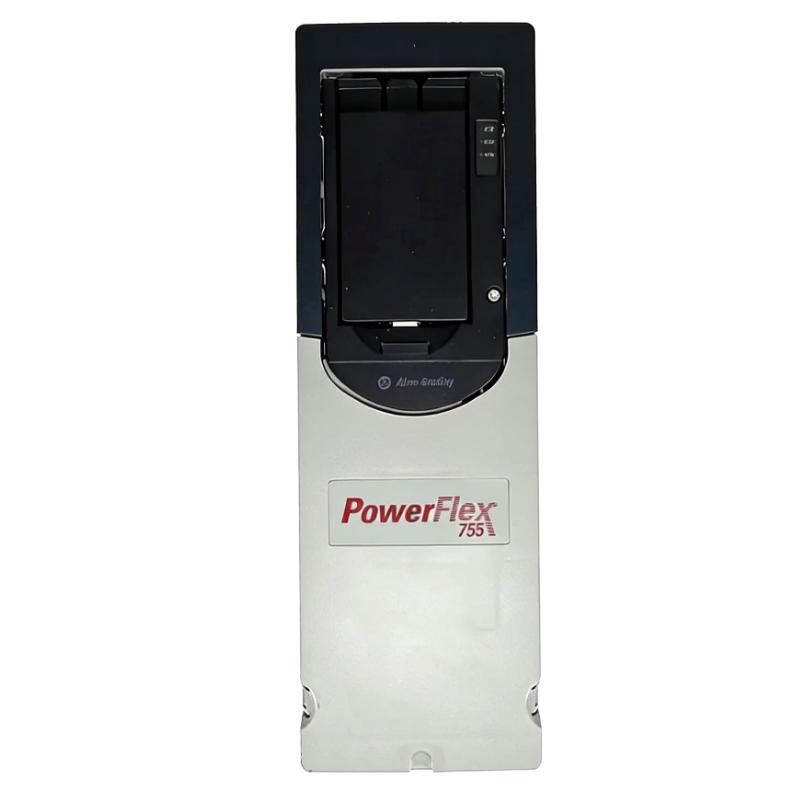
Allen-Bradley 20G11RC2P1AA0NNNNN — Detailed Product Description, Technical Specifications, Applications, Advantages and Related Models
1. Product Overview
The 20G11RC2P1AA0NNNNN is an industrial AC variable frequency drive belonging to the PowerFlex 755 series. It is designed for controlling the speed, torque, acceleration and deceleration of three-phase AC motors in industrial automation and machine-control applications.
The drive is intended for applications where stable motor operation, flexible speed control, industrial communication, programmable control functions and reliable integration with an automation system are required.
The 20G11RC2P1AA0NNNNN is a relatively small Frame 1 drive within the PowerFlex 755 family. Its nominal power rating is approximately 0.75 kW for normal-duty applications, with a lower heavy-duty rating. The drive is designed for the 400 V-class three-phase supply range and provides an approximately 2.1 A output-current rating.
The unit is an air-cooled, open-type/IP20 drive intended to be installed inside a suitable electrical cabinet or protected control enclosure.
A particularly useful characteristic of this model is its ability to work as part of an industrial automation system rather than functioning only as a local motor-speed controller. The drive can exchange control commands, operating data, status information and diagnostic information with a higher-level control system.
The product is therefore suitable for machine builders, system integrators, plant maintenance departments and industrial users who need a compact variable-speed drive with advanced control and communication functions.
2. Basic Product Information
| Item | Specification |
|---|---|
| Model | 20G11RC2P1AA0NNNNN |
| Brand | Allen-Bradley |
| Product family | PowerFlex |
| Product series | PowerFlex 755 |
| Product type | AC Variable Frequency Drive |
| Application type | Industrial motor control |
| Drive construction | Modular industrial AC drive |
| Frame size | Frame 1 |
| Cooling method | Air cooled |
| Enclosure | Open type |
| Protection rating | IP20 |
| Input supply | Three-phase AC |
| Voltage class | 400 V class |
| Nominal input frequency | 50/60 Hz |
| Output | Three-phase variable-frequency AC |
| Normal-duty power | Approximately 0.75 kW |
| Heavy-duty power | Approximately 0.37 kW |
| Nominal output current | Approximately 2.1 A |
| Dynamic braking | Integrated braking transistor |
| EMC filtering | Configured with EMC filtering |
| Communication | Integrated industrial Ethernet capability |
| Main network capability | EtherNet/IP |
| PID control | Supported |
| Motor control | Variable-speed AC motor control |
| Keypad/HIM | Not included in the base catalog configuration |
| Cooling | Forced-air |
| Approx. dimensions | 400 × 190 × 211 mm |
| Approx. weight | 6 kg |
| Installation | Electrical control cabinet / protected enclosure |
| Typical motor size | Approximately 0.75 kW class |
| Main applications | Conveyors, pumps, fans, feeders, packaging and general machinery |
3. Product Series
The 20G11RC2P1AA0NNNNN belongs to the PowerFlex 755 series.
The PowerFlex 755 series is intended for industrial applications that require more advanced motor control and automation integration than a simple general-purpose frequency inverter.
The series can be used across a broad range of industrial motor-control applications and provides a common platform for machine builders who need different drive capacities within the same general control architecture.
Typical characteristics associated with the series include:
- Variable-speed AC motor control
- Flexible motor-control configuration
- Industrial network communication
- Integrated diagnostics
- Programmable acceleration and deceleration
- Dynamic braking capability
- Process-control functions
- PID functionality
- Multiple motor-control operating modes
- Integration with industrial automation systems
- Support for a wide range of industrial applications
The main advantage of belonging to this type of drive family is that a machine can use similar drive architecture even when different motors require different drive sizes.
4. Detailed Technical Parameters
4.1 Electrical Specifications
| Parameter | 20G11RC2P1AA0NNNNN |
|---|---|
| Drive type | AC variable frequency drive |
| Input phase | 3-phase |
| Input voltage class | 400 VAC class |
| Nominal input voltage | Approximately 400 VAC |
| Supply frequency | 50/60 Hz |
| Output phase | 3-phase |
| Normal-duty output power | Approximately 0.75 kW |
| Heavy-duty output power | Approximately 0.37 kW |
| Normal-duty current | Approximately 2.1 A |
| Motor application | Three-phase AC motor |
| Output frequency | Variable |
| Maximum programmable frequency | Application/configuration dependent |
| Acceleration control | Programmable |
| Deceleration control | Programmable |
| Torque control | Supported |
| PID control | Supported |
| Motor overload protection | Supported through drive configuration |
| Electronic motor protection | Supported |
| Dynamic braking transistor | Integrated |
| External braking resistor | Application dependent |
| DC bus | Available |
| Input precharge | Integrated |
| EMC filtering | Included/configured |
| Power-loss handling | Programmable |
| Flying-start capability | Supported depending on control mode |
| Auto-tuning | Supported |
| Motor identification | Supported depending on control mode |
5. Mechanical Specifications
| Parameter | Specification |
|---|---|
| Model | 20G11RC2P1AA0NNNNN |
| Frame | Frame 1 |
| Cooling | Air cooled |
| Enclosure type | Open Type |
| Protection | IP20 |
| Approx. height | 400 mm |
| Approx. width | 190 mm |
| Approx. depth | 211 mm |
| Approx. volume | Approximately 16.0 L |
| Approx. weight (kg) | 6 kg |
| Mounting orientation | Vertical cabinet mounting |
| Installation environment | Indoor control cabinet / protected industrial environment |
| Ventilation requirement | Required |
| Heat dissipation | Forced-air cooling |
| Cabinet ventilation | Required according to installation conditions |
| Clearance | Adequate airflow clearance must be maintained |
| Cable routing | Bottom/top or designated drive terminals depending on installation arrangement |
The approximately 400 × 190 × 211 mm dimensions and approximately 6 kg weight should be considered reference values for planning purposes. Final cabinet design should always be based on the dimensional drawing applicable to the exact drive revision and installation configuration.
6. Environmental Characteristics
| Parameter | Typical Specification |
|---|---|
| Operating temperature | Approximately -20 to +60 °C, depending on derating |
| Storage temperature | Approximately -40 to +70 °C |
| Relative humidity | Non-condensing industrial environment |
| Installation altitude | Suitable for industrial installation, subject to applicable derating |
| Cooling | Forced air |
| Environment | Clean, dry industrial environment |
| Enclosure | IP20/open type |
| Outdoor installation | Not recommended without additional enclosure protection |
| Water exposure | Not suitable without additional protection |
| Dust exposure | Requires appropriate enclosure/environmental protection |
| Vibration resistance | Designed for industrial equipment environments |
| Electrical noise resistance | Designed for industrial control environments |
Because this is an IP20/open-type drive, environmental protection is an important part of the installation design.
The drive should not be treated as a weatherproof or washdown-rated product. In applications involving water, conductive dust, corrosive vapors or aggressive chemicals, the drive should be installed inside an enclosure with an appropriate environmental rating.
7. Control and Communication Functions
7.1 EtherNet/IP Communication
One of the most useful features of the drive is its industrial Ethernet communication capability.
This allows the drive to exchange information with a programmable controller or other automation equipment.
Typical information can include:
- Start command
- Stop command
- Speed reference
- Actual speed
- Motor current
- Drive status
- Drive fault status
- Warning information
- Operating parameters
- Diagnostic information
- Control commands
- Feedback information
This is especially useful when the drive is installed as one component of a larger automated production line.
7.2 Speed Reference
The motor speed can be controlled through different types of references depending on the system configuration.
The speed reference can be generated by:
- PLC commands
- Network commands
- Analog signals
- Internal parameters
- Preset speeds
- Process-control functions
This flexibility allows the drive to be adapted to different machine architectures.
7.3 Acceleration and Deceleration
The drive provides programmable acceleration and deceleration ramps.
This allows engineers to control how quickly the motor reaches operating speed and how quickly it stops.
A properly selected acceleration ramp can reduce:
- Mechanical shock
- Belt stress
- Coupling stress
- Gearbox stress
- Product movement
- Current peaks
Deceleration control can also improve the stability of the machine during stopping.
8. Dynamic Braking
The 20G11RC2P1AA0NNNNN includes a dynamic braking transistor.
This is useful for applications where the motor must slow down more rapidly than it would through normal deceleration.
During deceleration, a motor can temporarily behave as a generator, causing energy to return to the drive’s DC bus.
A braking resistor can be used with the braking transistor to dissipate this energy as heat.
Typical applications where braking may be useful include:
- High-inertia conveyors
- Material-handling machines
- Rapid-stop mechanisms
- Feed systems
- Positioning-related applications
- Machines with frequent acceleration and deceleration
The correct braking resistor must be selected according to the motor, load inertia, stopping time, duty cycle and required braking torque.
9. Product Introduction in Practical Terms
The easiest way to understand the 20G11RC2P1AA0NNNNN is to consider it a controller between an industrial power supply and a three-phase motor.
Instead of supplying the motor with fixed electrical conditions, the drive generates a controlled output waveform.
By adjusting this output, the drive can control motor speed and torque.
For example, if a conveyor needs to operate at 50% of its normal production speed, the drive can command the motor to operate at the required reduced speed rather than running the motor continuously at full speed.
If the conveyor then needs to accelerate, the drive can gradually increase motor speed according to a programmed acceleration ramp.
This approach provides much greater flexibility than simply switching the motor on and off.
10. Main Applications
10.1 Conveyor Systems
Small conveyor systems are a natural application for this type of drive.
The motor can be started smoothly and brought to operating speed according to the machine requirements.
Speed can also be adjusted through a PLC or other control system.
Typical applications include:
- Packaging conveyors
- Assembly conveyors
- Transfer conveyors
- Small material-handling systems
- Inspection conveyors
- Feed conveyors
The drive can also provide controlled stopping, which can be important when products must remain properly positioned.
10.2 Pump Applications
The drive can be used with small industrial pumps where variable-speed operation is desirable.
Instead of running the pump continuously at a fixed speed, motor speed can be adjusted according to process demand.
Potential benefits include:
- Improved flow control
- Reduced unnecessary operation
- Lower mechanical stress
- Better process stability
- Reduced starting shock
- Easier automation integration
PID functionality can also be useful in pressure or flow-control applications.
10.3 Fan Applications
Fans and blowers often do not need to operate continuously at maximum speed.
A variable-frequency drive can adjust motor speed according to airflow requirements.
This makes the drive suitable for applications such as:
- Ventilation
- Cooling
- Small air-handling systems
- Industrial extraction
- Process ventilation
- Equipment cooling
10.4 Packaging Machinery
Packaging equipment frequently contains several small motors.
These motors may drive:
- Rollers
- Feeders
- Conveyors
- Product-positioning mechanisms
- Film-handling mechanisms
- Auxiliary mechanisms
A drive such as the 20G11RC2P1AA0NNNNN can provide controlled speed and communication with the machine-control system.
10.5 Material Handling
Material-handling equipment often requires controlled motor speed.
The drive can be used for:
- Feed mechanisms
- Small conveyors
- Rollers
- Transfer equipment
- Sorting mechanisms
- Material positioning systems
10.6 General Industrial Machinery
Other possible applications include:
- Small mixers
- Small process machines
- Feeders
- Machine auxiliaries
- Small rotating equipment
- Small production machines
- Automated mechanisms
The suitability of the drive depends on motor current, load type, overload requirement and braking requirement.
11. Product Advantages
11.1 Advanced Control Compared with Basic Inverters
The PowerFlex 755 architecture provides more functionality than a simple entry-level frequency inverter.
The drive can be integrated into a larger automation system and can provide substantial operating and diagnostic information.
11.2 Industrial Network Integration
The integrated EtherNet/IP capability is a major advantage in automated production systems.
A controller can communicate directly with the drive rather than relying entirely on local pushbuttons, potentiometers or hardwired signals.
This can simplify machine architecture and improve monitoring.
11.3 Flexible Speed Control
The drive can provide precise and repeatable speed control for many industrial applications.
This is particularly useful when a production process requires different operating speeds.
11.4 Controlled Acceleration
Gradual acceleration reduces mechanical shock.
This can increase the service life of:
- Motors
- Gearboxes
- Belts
- Couplings
- Bearings
- Mechanical transmission components
11.5 Dynamic Braking Capability
The integrated braking transistor provides additional flexibility for applications requiring faster stopping.
This makes the drive more suitable for applications where normal motor deceleration is insufficient.
11.6 PID Functionality
PID control provides additional possibilities for process applications.
For example, a pressure sensor can provide feedback while the drive adjusts motor speed to maintain the desired process condition.
11.7 Diagnostic Capability
Drive diagnostics can help maintenance personnel identify problems such as:
- Overcurrent
- Overvoltage
- Undervoltage
- Motor overload
- Communication problems
- Drive faults
- Excessive temperature
- Configuration errors
This can reduce troubleshooting time when the drive is properly integrated into the automation system.
12. Advantages for Machine Builders
For machine builders, the PowerFlex 755 platform offers a useful standardized drive architecture.
A machine may contain several motors with different power ratings.
Instead of selecting completely unrelated drive platforms, the engineer can use related drive models and maintain a relatively consistent configuration approach.
This can simplify:
- Engineering
- Programming
- Maintenance
- Spare-parts management
- Operator training
- Troubleshooting
- System expansion
13. Advantages for Maintenance Departments
From a maintenance perspective, a networked variable-frequency drive provides much more information than a simple motor starter.
Maintenance personnel can potentially monitor:
- Motor current
- Motor speed
- Drive status
- Fault codes
- Warning conditions
- Operating parameters
- Communication status
This can help technicians identify whether a problem is related to the motor, mechanical load, electrical supply, drive configuration or communication system.
14. Five Recommended Models from the Same Series or Closely Related Range
The following models are useful alternatives or related configurations when working with the PowerFlex 755 family.
Because exact catalog configurations can differ by voltage, duty rating, braking arrangement and option package, the models should be selected according to the motor nameplate rather than by horsepower alone.
| Model | Series | Voltage Class | Approx. Current | Approx. Power Class | Frame | Cooling | Typical Application |
|---|---|---|---|---|---|---|---|
| 20G11RC2P1JA0NNNNN | PowerFlex 755 | 400 V | 2.1 A | 0.75 kW ND | Frame 1 | Air | Direct replacement / small motor |
| 20G11RC3P5AA0NNNNN | PowerFlex 755 | 400 V | 3.5 A | 1.5 kW class | Frame 1 | Air | Conveyors, pumps, fans |
| 20G11RC5P0AA0NNNNN | PowerFlex 755 | 400 V | 5.0 A | 2.2 kW class | Frame 1 | Air | Small industrial machinery |
| 20G11RC8P7AA0NNNNN | PowerFlex 755 | 400 V | 8.7 A | 4 kW class | Frame 1 | Air | Higher-load machinery |
| 20G11RD3P4AA0NNNNN | PowerFlex 755 | 400 V | 3.4 A | Approximately 2 HP class | Frame 1 | Air | General motor control |
15. Detailed Comparison of the Related Models
| Parameter | 20G11RC2P1JA0NNNNN | 20G11RC3P5AA0NNNNN | 20G11RC5P0AA0NNNNN | 20G11RC8P7AA0NNNNN | 20G11RD3P4AA0NNNNN |
|---|---|---|---|---|---|
| Product family | PowerFlex 755 | PowerFlex 755 | PowerFlex 755 | PowerFlex 755 | PowerFlex 755 |
| Voltage class | 400 V | 400 V | 400 V | 400 V | 400 V |
| Current | 2.1 A | 3.5 A | 5.0 A | 8.7 A | 3.4 A |
| Power class | 0.75 kW | 1.5 kW | 2.2 kW class | 4 kW class | 2 HP class |
| Frame | 1 | 1 | 1 | 1 | 1 |
| Cooling | Air | Air | Air | Air | Air |
| Protection | IP20 | IP20 | IP20 | IP20 | IP20 |
| EtherNet/IP | Yes | Yes | Yes | Yes | Yes |
| Dynamic braking transistor | Yes | Yes | Yes | Yes | Yes |
| Approx. height | 400 mm | Approx. 400 mm | Approx. 400 mm | Approx. 400 mm | Approx. 400 mm |
| Approx. width | 190 mm | Approx. 190 mm | Approx. 190 mm | Approx. 190 mm | Approx. 190 mm |
| Approx. depth | 211 mm | Approx. 211 mm | Approx. 211 mm | Approx. 211 mm | Approx. 211 mm |
| Approx. weight (kg) | 6 kg | Approx. 6–7 kg | Approx. 6–7 kg | Approx. 7 kg | Approx. 6–7 kg |
| Recommended use | Replacement | Higher motor power | Higher motor power | Larger motor | General industrial applications |
The 20G11RC2P1JA0NNNNN should receive particular attention because it is the most closely related replacement configuration for the original 20G11RC2P1AA0NNNNN.
16. Five Recommended Popular Models from the Same Brand
For users who want alternatives beyond the exact PowerFlex 755 configuration, several other models from the same brand’s drive portfolio can be considered.
The following table is intended as a practical selection guide rather than a statement that every model is a direct replacement.
| Model | Product Family | Typical Voltage | Approx. Power Range | Approx. Current Range | Drive Type | Typical Application |
|---|---|---|---|---|---|---|
| 25B-D2P3N104 | PowerFlex 525 | 400 V class | Small motor applications | Approx. 2.3 A class | Compact AC drive | Small machines, pumps, conveyors |
| 25B-D4P0N104 | PowerFlex 525 | 400 V class | Small motor applications | Approx. 4.0 A class | Compact AC drive | Machinery and material handling |
| 25B-D6P0N104 | PowerFlex 525 | 400 V class | Small-to-medium motor applications | Approx. 6.0 A class | Compact AC drive | Fans, pumps, conveyors |
| 25C-D2P3N104 | PowerFlex 523 | 400 V class | Small motor applications | Approx. 2.3 A class | Compact AC drive | General-purpose motor control |
| 25C-D4P0N104 | PowerFlex 523 | 400 V class | Small motor applications | Approx. 4.0 A class | Compact AC drive | Small industrial machinery |
These models belong to a more compact drive family and should not be considered electrically identical to the PowerFlex 755.
Their control architecture, option structure, performance characteristics and application range can differ significantly.
17. Comparison Between PowerFlex 755 and Compact Drive Families
| Feature | PowerFlex 755 | PowerFlex 525 | PowerFlex 523 |
|---|---|---|---|
| Primary positioning | Advanced industrial drive | Compact industrial drive | Compact general-purpose drive |
| Typical application | Advanced machinery and automation | General industrial machinery | Basic motor control |
| Network integration | Advanced | Strong | More basic |
| Control flexibility | High | Medium to high | Medium |
| Application complexity | High | Medium | Low to medium |
| Size | Larger | More compact | More compact |
| Engineering flexibility | High | High | Moderate |
| Advanced diagnostics | Strong | Strong | Moderate |
| Suitable for small motors | Yes | Yes | Yes |
| Suitable for complex machinery | Excellent | Good | More limited |
| Best reason to choose | Advanced control and integration | Compact flexible machine drive | Economical general-purpose control |
18. Selecting the Right Model
When choosing a replacement or alternative for 20G11RC2P1AA0NNNNN, the first parameter to check should be the motor’s rated current.
For example, if the motor nameplate specifies a current close to the original drive’s rated current, a higher-current drive may not be necessary.
However, if the motor operates under heavy load, experiences frequent acceleration, requires high starting torque or has frequent braking cycles, a larger drive may be more appropriate.
The following parameters should be checked.
| Selection Item | Why It Matters |
|---|---|
| Motor voltage | Must match the drive’s output voltage class |
| Motor current | Determines whether the drive can continuously operate the motor |
| Motor power | Provides a basic sizing reference |
| Load type | Constant torque and variable torque loads behave differently |
| Starting torque | Important for conveyors and high-load machinery |
| Acceleration time | Influences required drive capacity |
| Deceleration time | Influences braking requirements |
| Load inertia | Important for dynamic braking |
| Ambient temperature | May require drive derating |
| Installation altitude | May affect cooling and output capability |
| Enclosure | Must match environmental requirements |
| Communication | Must match PLC/network architecture |
| Safety requirements | Must match machine safety design |
| Motor feedback | Important when encoder or closed-loop control is required |
| Cabinet dimensions | Determines physical compatibility |
| Spare-part strategy | Important for long-term maintenance |
19. Installation Considerations
The 20G11RC2P1AA0NNNNN should normally be installed vertically inside a suitable electrical cabinet.
Adequate ventilation must be provided.
The drive generates heat during operation, and insufficient cabinet ventilation can cause the internal temperature to rise.
Excessive temperature can result in:
- Drive derating
- Overtemperature faults
- Reduced component life
- Unexpected shutdowns
- Reduced reliability
For this reason, cabinet thermal calculations should be performed when several drives or other heat-generating devices are installed together.
20. Electrical Installation Considerations
The power supply, motor cable, grounding system, control wiring and communication cables should be installed according to the applicable electrical design requirements.
Particular attention should be paid to:
- Protective grounding
- Input protection
- Motor cable routing
- Shielding
- EMC
- Cable length
- Braking resistor wiring
- Control signal separation
- Network cable routing
- Cabinet ventilation
Power cables and sensitive control or communication cables should be arranged carefully to reduce electromagnetic interference.
21. Maintenance Considerations
Regular inspection can help maintain drive reliability.
Typical maintenance checks include:
- Inspecting cooling-air passages.
- Checking for dust accumulation.
- Inspecting cabinet ventilation.
- Checking electrical connections.
- Checking for signs of overheating.
- Checking motor cable connections.
- Checking braking components when applicable.
- Reviewing drive fault history.
- Checking communication status.
- Verifying that the drive’s operating parameters remain correct.
In dusty industrial environments, the cooling system deserves particular attention because accumulated dust can restrict airflow and increase internal temperature.
22. Common Applications and Recommended Configuration Direction
| Application | Recommended Approach |
|---|---|
| Small conveyor | Use 20G11RC2P1-class drive if motor current is suitable |
| Small pump | Use variable-speed control with PID when required |
| Small fan | Use variable-frequency control for airflow adjustment |
| Packaging machine | Use network control for coordinated operation |
| Small feeder | Use programmable speed reference |
| Material handling | Consider acceleration/deceleration and braking |
| High-inertia load | Perform braking calculation |
| Frequent stopping | Verify braking resistor requirements |
| Outdoor machinery | Add appropriate environmental enclosure |
| Washdown machinery | Select a suitable protected installation |
| Larger motor | Move to higher-current PowerFlex configuration |
23. Key Benefits Summary
| Benefit | Practical Value |
|---|---|
| Variable-speed control | Motor speed can match machine requirements |
| Controlled acceleration | Reduces mechanical shock |
| Controlled deceleration | Improves stopping behavior |
| Dynamic braking | Supports faster stopping where correctly designed |
| EtherNet/IP | Simplifies automation integration |
| PID control | Supports process-control applications |
| Diagnostics | Helps maintenance personnel troubleshoot problems |
| Compact Frame 1 design | Suitable for small industrial motors |
| PowerFlex 755 platform | Provides a consistent architecture for industrial applications |
| Flexible configuration | Can accommodate different machine-control requirements |
24. Product Positioning
The 20G11RC2P1AA0NNNNN can be positioned as a compact industrial AC drive for applications where the motor power requirement is relatively small but the machine still benefits from advanced control and communication.
It is not simply a basic speed controller.
Its strongest value comes from combining:
small motor capacity + industrial drive control + network communication + braking capability + process-control functionality.
This combination makes it particularly useful in automated machinery where the drive is expected to communicate with the rest of the control system.
25. Quick Reference Specification Table
| Parameter | Specification |
|---|---|
| Model | 20G11RC2P1AA0NNNNN |
| Brand | Allen-Bradley |
| Series | PowerFlex 755 |
| Product type | AC Variable Frequency Drive |
| Input | 3-phase AC |
| Voltage | 400 V class |
| Frequency | 50/60 Hz |
| Output | 3-phase variable frequency |
| Normal-duty power | 0.75 kW |
| Heavy-duty power | 0.37 kW |
| Output current | 2.1 A |
| Frame | Frame 1 |
| Cooling | Air cooled |
| Enclosure | Open type |
| Protection | IP20 |
| Communication | EtherNet/IP |
| PID | Yes |
| Dynamic braking transistor | Yes |
| Keypad | Not included in base configuration |
| Approx. height | 400 mm |
| Approx. width | 190 mm |
| Approx. depth | 211 mm |
| Approx. weight (kg) | 6 kg |
| Main applications | Conveyors, pumps, fans, packaging, feeders, material handling |
| Recommended installation | Electrical cabinet |
| Replacement direction | Evaluate 20G11RC2P1JA0NNNNN first |
26. Conclusion
The 20G11RC2P1AA0NNNNN is a compact Frame 1 AC variable-frequency drive in the PowerFlex 755 series.
Its approximately 0.75 kW normal-duty rating, 2.1 A output current, 400 V-class three-phase design, IP20 enclosure, air cooling, integrated EtherNet/IP communication and dynamic braking capability make it suitable for a wide variety of small industrial motor applications.
The product is particularly attractive when a machine requires more than simple motor on/off control.
For conveyor systems, pumps, fans, feeders, packaging equipment and material-handling machinery, variable-speed control can improve machine flexibility and operating efficiency.
Its industrial communication capability also allows the drive to become part of a larger automated control system. A PLC or other controller can exchange commands, speed references, status information and diagnostic information with the drive.
The 20G11RC2P1JA0NNNNN is the most relevant model to investigate when a direct replacement for the original catalog configuration is required.
For applications requiring additional motor capacity, the 20G11RC3P5AA0NNNNN, 20G11RC5P0AA0NNNNN, 20G11RC8P7AA0NNNNN and 20G11RD3P4AA0NNNNN are useful related configurations to evaluate.
For applications where a more compact and economical drive architecture is preferred, models from the PowerFlex 525 and PowerFlex 523 families can also be considered, although these should be treated as different drive platforms rather than automatic replacements.
The most important point when selecting a substitute is that the drive should be matched to the motor nameplate voltage, motor full-load current, duty cycle, load characteristics, acceleration requirements, braking requirements, environmental conditions and communication architecture.
In practical terms, the 20G11RC2P1AA0NNNNN is best suited to a small three-phase industrial motor where the user needs reliable variable-speed control together with automation-system integration, rather than merely a simple standalone frequency converter.