

ProductPRODUCT
Featured products
Contact Us
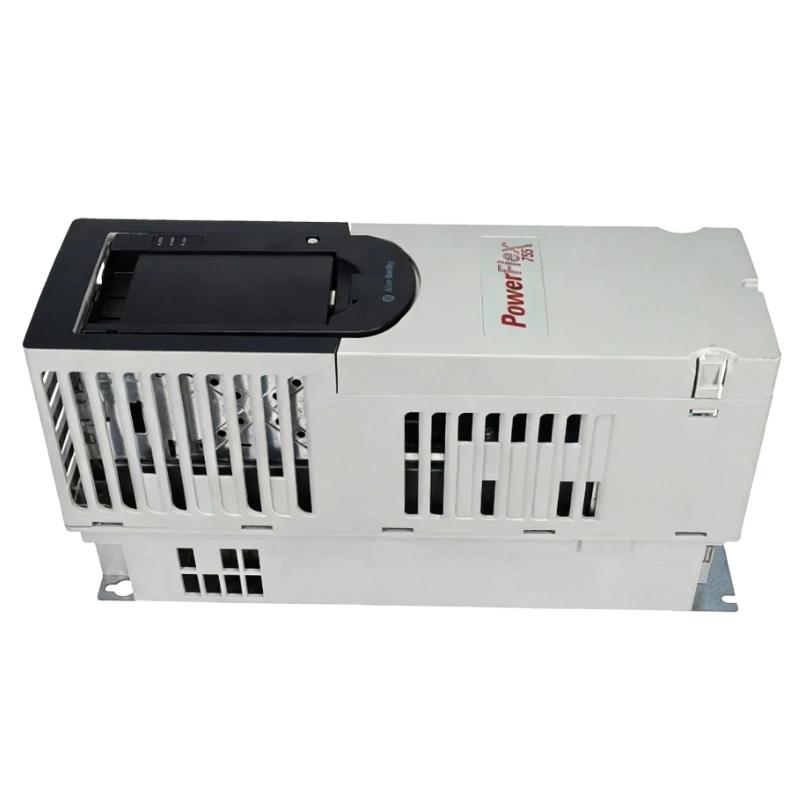
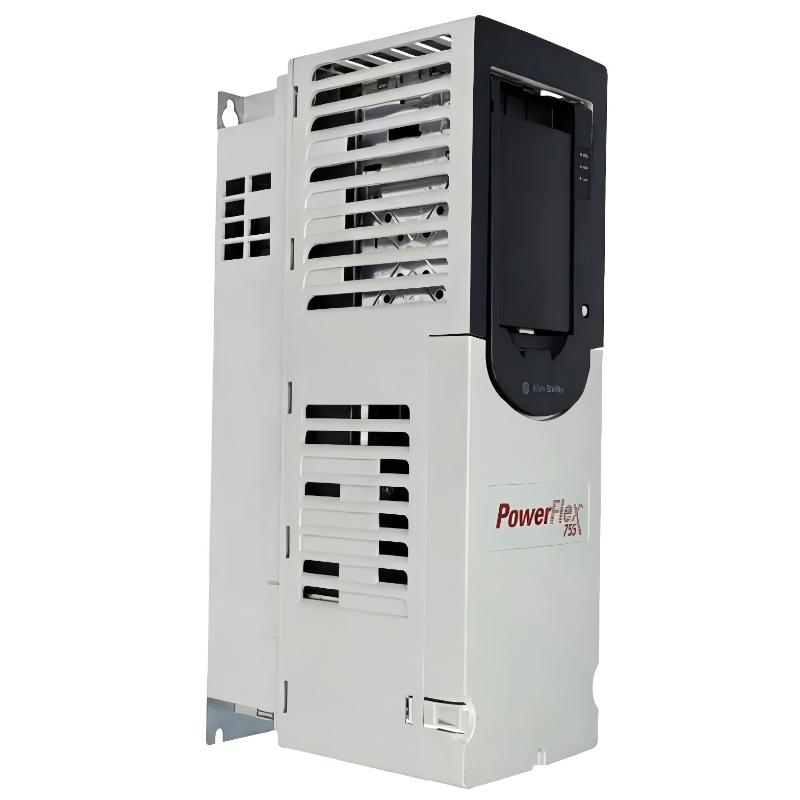
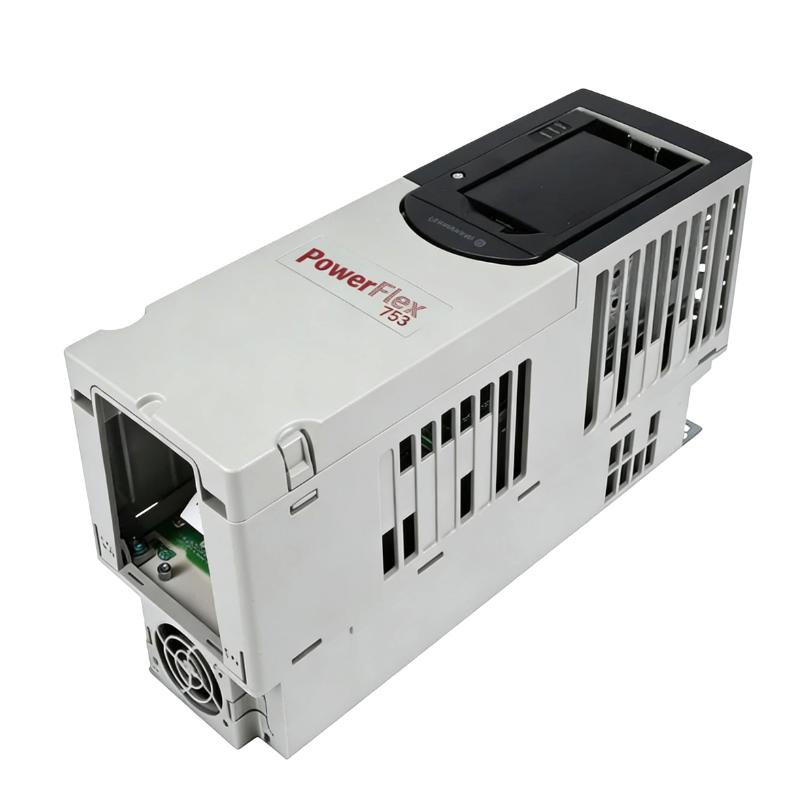
- Allen Bradley
- 20G11RC015JA0NNNNN
- PowerFlex AC Drive
- USA
- 400 × 190 × 211.1 mm
- 6kg
- Xiamen, China
- New & In Stock
- T/T, PayPal, Western Union
- 1 Year
- 1-3 Working Days
- DHL, UPS, TNT, FedEx and EMS.
- 24-Hour Service
- COO
- 46
Our advantage

Global Logistics
We have a 10-year logistics and express cooperation agreement, so our products can be shipped to any place in the world.

Brand new and original
Our products are imported in bulk from the place of origin. Because of the cooperative relationship, our products are all original and 100% new.

24-hour service
We provide 7*24 hours service to our customers. We will be there whenever you need us.

Price advantage
All our products are priced very favorably because we have our own warehouse and supply.
| Company Information | |||
| [email protected] | |||
| Mobile | +8615980777398 | ||
| +8615980777398 | |||
| 15980777398 |
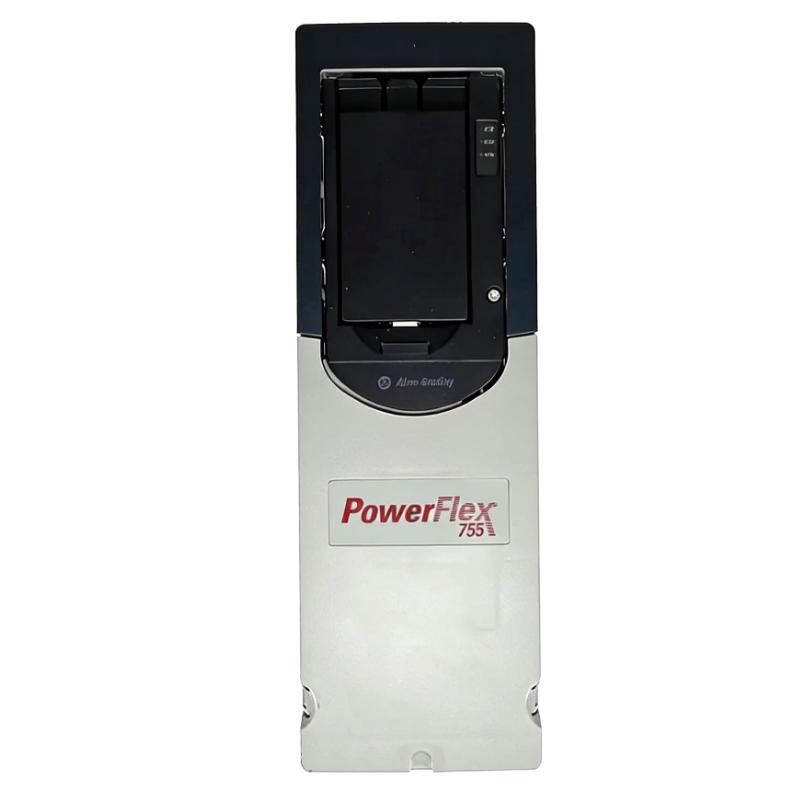
20G11RC015JA0NNNNN
PowerFlex 755 AC Drive – Detailed Product Information, Technical Parameters, Applications, Advantages, and Recommended Models
1. Product Overview
The 20G11RC015JA0NNNNN is an industrial AC variable frequency drive designed for controlling three-phase AC motors in a wide range of machinery and industrial automation applications.
It belongs to the PowerFlex 755 product series and is part of the PowerFlex 750-Series architecture. The drive is designed for applications that require adjustable motor speed, controlled acceleration and deceleration, process regulation, network communication, braking capability, and integration with an industrial automation system.
The unit is configured for a 400 V AC, three-phase power supply and provides a 15.4 A normal-duty output rating. Its normal-duty power rating is 7.5 kW, while its heavy-duty rating is 5.5 kW.
The drive uses an air-cooled Frame 1 construction and an IP20 open-type enclosure. It is intended primarily for installation inside a suitable electrical control cabinet.
This particular configuration includes embedded EtherNet/IP communication, an EMC filter, a dynamic braking transistor, and no built-in HIM keypad.
The combination of motor-control capability, communication functions, braking support, and flexible architecture makes this model suitable for pumps, fans, conveyors, blowers, processing machinery, material-handling equipment, packaging systems, and many other industrial machines.
2. Brand and Product Series
| Item | Specification |
|---|---|
| Brand | Allen-Bradley |
| Product Family | PowerFlex |
| Product Series | PowerFlex 755 |
| Product Platform | PowerFlex 750-Series |
| Product Type | Industrial AC Variable Frequency Drive |
| Drive Category | Architecture-Class AC Drive |
| Cooling Method | Forced-Air / Air Cooled |
| Installation Type | Panel Mounted |
| Enclosure | IP20 / Open Type |
| Frame Size | Frame 1 |
| Input Voltage Class | 400 V AC |
| Input Phase | Three-Phase |
| Main Function | AC Motor Speed and Torque Control |
The PowerFlex 755 series is positioned for industrial applications where the drive needs to do more than simply change motor speed.
It is particularly useful when the motor needs to communicate with a control system, operate according to process feedback, perform controlled acceleration and deceleration, or work with additional feedback and safety functions.
3. Detailed Technical Parameters
| Parameter | Specification |
|---|---|
| Model | 20G11RC015JA0NNNNN |
| Brand | Allen-Bradley |
| Product Series | PowerFlex 755 |
| Product Platform | PowerFlex 750-Series |
| Product Type | AC Variable Frequency Drive |
| Input Voltage Class | 400 V AC |
| Typical Supply Range | 380–480 V AC class |
| Input Phase | 3 Phase |
| Output Phase | 3 Phase |
| Input Frequency | 50/60 Hz |
| Normal-Duty Output Current | 15.4 A |
| Normal-Duty Power Rating | 7.5 kW |
| Normal-Duty Horsepower | Approximately 10 HP |
| Heavy-Duty Output Current | 11.5 A |
| Heavy-Duty Power Rating | 5.5 kW |
| Heavy-Duty Horsepower | Approximately 7.5 HP |
| Input Configuration | AC Input with Precharge and DC Terminals |
| Cooling | Forced Air |
| Frame Size | Frame 1 |
| Enclosure | IP20 / NEMA/UL Open Type |
| EMC Filter | Included |
| CM Jumper | Installed |
| Dynamic Braking | DB Transistor Included |
| Braking Resistor | External, application dependent |
| Communication | Embedded EtherNet/IP |
| PID Control | Supported |
| Integrated Motion | No |
| HIM Keypad | Not Included |
| Safety Functions | Supported with appropriate options/configuration |
| Mounting | Panel Mount |
| Height | 400 mm |
| Width | 190 mm |
| Depth | 211.1 mm |
| Dimensions | 400 × 190 × 211.1 mm (H × W × D) |
| Weight kg | Approximately 6 kg |
| Operating Temperature | Approximately -20 to +60 °C |
| Storage Temperature | Approximately -40 to +70 °C |
The dimensions and weight above are suitable as general planning values. For cabinet fabrication, mounting, replacement, and mechanical interference checks, the exact mechanical drawing for the particular unit should always be used.
4. Electrical Rating
The most important electrical rating of the 20G11RC015JA0NNNNN is its 15.4 A normal-duty output current.
This corresponds to a normal-duty power rating of approximately 7.5 kW.
For applications requiring heavier-duty motor operation, the drive is rated at approximately 11.5 A and 5.5 kW.
| Duty | Output Current | Power | Approx. Horsepower |
|---|---|---|---|
| Normal Duty | 15.4 A | 7.5 kW | 10 HP |
| Heavy Duty | 11.5 A | 5.5 kW | 7.5 HP |
The difference between normal-duty and heavy-duty ratings is important when selecting the drive.
A pump or fan may normally operate under a relatively predictable load, while a conveyor, mixer, or material-handling machine may experience considerably higher torque requirements during starting or overload conditions.
For this reason, the motor’s nameplate current and the actual mechanical load should be considered before selecting the drive.
5. Input and Output Configuration
The drive is designed for a three-phase 400 V AC class input.
It uses an AC input configuration with precharge and DC terminals.
The output is a controlled three-phase AC supply for the motor.
The drive internally manages the electrical conversion necessary to produce a variable-frequency output.
This allows the motor to operate at different speeds rather than being limited to a single fixed operating speed.
The output frequency can be adjusted according to the programmed operating parameters and control commands.
This makes the drive suitable for machinery where motor speed needs to change according to production requirements.
6. Product Construction
The 20G11RC015JA0NNNNN uses a Frame 1 construction.
Its approximate dimensions are:
400 mm high × 190 mm wide × 211.1 mm deep
Its approximate weight is:
6 kg
| Mechanical Parameter | Value |
|---|---|
| Model | 20G11RC015JA0NNNNN |
| Frame | Frame 1 |
| Height | 400 mm |
| Width | 190 mm |
| Depth | 211.1 mm |
| Weight kg | Approx. 6 kg |
| Enclosure | IP20 / Open Type |
| Cooling | Forced Air |
| Installation | Panel Mount |
The relatively compact Frame 1 construction makes the drive practical for many industrial control cabinets.
However, the cabinet designer should allow additional space around the unit for ventilation, wiring, maintenance, and heat dissipation.
7. Product Introduction
A variable frequency drive controls the electrical power supplied to an AC motor.
With a conventional fixed-speed motor starter, the motor normally receives the available line frequency and accelerates according to its electrical and mechanical characteristics.
A variable frequency drive provides much more control.
The 20G11RC015JA0NNNNN can control motor speed by changing the frequency and voltage supplied to the motor.
This allows the machine to operate at different speeds depending on production requirements.
For example, a conveyor can operate at low speed during loading and increase to normal production speed after the material is positioned.
A pump can operate at reduced speed when less flow is required.
A fan can reduce its speed when less ventilation is needed.
A mixer can use different operating speeds during different stages of a process.
This flexibility is one of the main reasons industrial variable frequency drives are widely used in modern machinery.
8. How the Product Works
The basic operating principle can be divided into three stages.
Stage 1 — Receiving Electrical Power
The drive receives three-phase AC power from the electrical distribution system.
For this model, the supply belongs to the 400 V AC class.
The incoming power passes through the drive’s input and precharge system.
Stage 2 — Electrical Conversion
The drive processes the incoming electrical power through its internal power electronics.
The control system determines the required output frequency and voltage based on the motor parameters and operating commands.
Stage 3 — Motor Control
The drive provides controlled three-phase power to the motor.
The motor can then accelerate, decelerate, and operate at different speeds according to the programmed control requirements.
This provides much more flexibility than simply connecting and disconnecting the motor from the power supply.
9. Embedded EtherNet/IP
One of the important characteristics of this configuration is its embedded EtherNet/IP communication capability.
This allows the drive to become part of a networked industrial automation system.
The drive can exchange operating information with a controller or other compatible automation equipment.
Typical information can include:
- Start commands.
- Stop commands.
- Speed references.
- Drive status.
- Motor speed.
- Current information.
- Fault information.
- Alarm information.
- Diagnostic information.
- Selected drive parameters.
This can reduce the amount of hardwired control wiring required in some automation systems.
It also makes it easier for operators and maintenance personnel to monitor drive operation through the control system.
10. Dynamic Braking
The drive includes a dynamic braking transistor.
Dynamic braking is useful when a motor or mechanical load needs to decelerate quickly.
When a rotating motor slows down, energy stored in the rotating mechanical system can return toward the drive.
The braking system provides a way to manage this regenerated energy.
This is particularly useful for:
- High-inertia machinery.
- Conveyors.
- Material-handling systems.
- Machines with frequent stopping.
- Machines requiring shorter deceleration times.
- Rotating processing equipment.
The braking transistor is part of the drive configuration, but a suitable external braking resistor may still be required depending on the application.
The resistor must be selected according to the required resistance, braking energy, duty cycle, and drive requirements.
11. EMC Filtering
The model includes an EMC-filtered configuration.
EMC filtering is useful in industrial environments because variable frequency drives use high-speed electronic switching.
This switching can produce electrical noise.
The EMC filtering arrangement helps control conducted electrical interference.
This can be particularly useful when the control cabinet contains:
- PLC equipment.
- Ethernet devices.
- Analog instruments.
- Sensors.
- Communication modules.
- Human-machine interfaces.
- Other variable frequency drives.
- Sensitive electronic control equipment.
Correct grounding and cable routing are still important.
The filter should be considered as one part of the overall EMC installation strategy rather than as a replacement for proper wiring practices.
12. PID Control
The drive supports PID control.
PID control is useful when the motor speed needs to respond automatically to a process variable.
For example, a pump may need to maintain a certain pressure.
A pressure sensor can provide feedback to the control system.
If the pressure decreases, the drive can increase motor speed.
If the pressure becomes higher than the required value, the drive can reduce motor speed.
The same general principle can be used for:
- Flow.
- Pressure.
- Air volume.
- Liquid level.
- Process ventilation.
- Other feedback-controlled applications.
This can make the drive particularly useful for pump and fan systems.
13. Main Product Applications
13.1 Industrial Pump Systems
The 20G11RC015JA0NNNNN can be used for many industrial pumping applications.
Typical examples include:
- Process water pumps.
- Cooling-water pumps.
- Circulation pumps.
- Transfer pumps.
- Booster pumps.
- Filtration systems.
- Water-treatment equipment.
- Industrial fluid-handling systems.
The drive allows pump speed to be adjusted according to the required process condition.
This can provide better process control than a motor that always runs at a fixed speed.
14. Fan Applications
Fans frequently benefit from variable-speed control.
The drive can be used for:
- Industrial ventilation.
- Factory exhaust.
- Cooling fans.
- Air-handling systems.
- Process ventilation.
- Dust collection.
- Industrial air circulation.
The ability to change fan speed allows airflow to be adjusted according to actual requirements.
15. Blower Applications
The drive can also be used for industrial blower systems.
Typical examples include:
- Aeration blowers.
- Process-air blowers.
- Drying systems.
- Ventilation systems.
- Air-supply systems.
- Pneumatic material-handling equipment.
Variable-speed operation allows the blower to respond to changing production requirements.
16. Conveyor Applications
Conveyors are an important application for this type of drive.
The drive can control:
- Starting.
- Acceleration.
- Running speed.
- Deceleration.
- Stopping.
This is useful for production lines where sudden acceleration could cause mechanical stress or cause products to move unexpectedly.
Possible applications include:
- Packaging conveyors.
- Assembly lines.
- Production conveyors.
- Warehouse conveyors.
- Material-transfer systems.
- Processing conveyors.
17. Packaging Equipment
Packaging machines often require controlled and repeatable motor speed.
The drive can be used for:
- Feed conveyors.
- Rollers.
- Material transport.
- Product handling.
- Packaging mechanisms.
- Auxiliary motors.
The motor speed can be adjusted according to the required production rate.
Controlled acceleration can also help reduce sudden movement when the machine starts.
18. Material Handling Equipment
The drive can be used in industrial material-handling systems.
Potential applications include:
- Belt conveyors.
- Roller conveyors.
- Feeders.
- Transfer systems.
- Material transport equipment.
- Production-line handling systems.
Controlled acceleration and deceleration can reduce mechanical stress on belts, couplings, gearboxes, and other transmission components.
19. Mixer and Processing Machinery
Mixers often require different motor speeds during different stages of operation.
For example, a machine may run slowly during material loading and increase speed during the main mixing stage.
The drive allows these operating speeds to be programmed and controlled.
Potential applications include:
- Industrial mixers.
- Blending equipment.
- Processing machinery.
- Production equipment.
- General rotating machinery.
20. Manufacturing Equipment
The PowerFlex 755 platform can be applied to many types of manufacturing machinery.
Examples include:
- Production machines.
- Processing equipment.
- Conveyor systems.
- Material-handling equipment.
- Packaging systems.
- Pumps.
- Fans.
- Blowers.
- Mixers.
- General industrial machinery.
Its network communication and flexible control architecture make it suitable for equipment that needs to communicate with a larger automation system.
21. Major Product Advantages
21.1 Adjustable Motor Speed
The primary advantage is adjustable motor speed.
The drive can operate the motor at different speeds according to process requirements.
This is useful for applications where the motor does not need to operate continuously at maximum speed.
21.2 7.5 kW Normal-Duty Rating
The drive provides a 7.5 kW normal-duty rating.
This makes it suitable for a substantial range of medium-sized industrial motor applications.
The 15.4 A current rating also provides a more useful selection reference than horsepower alone.
21.3 5.5 kW Heavy-Duty Rating
The heavy-duty rating is approximately 5.5 kW.
This provides a practical option for applications where the load requires greater overload capability than a typical variable-torque application.
21.4 Dynamic Braking Capability
The built-in braking transistor is valuable for applications requiring controlled deceleration.
It provides a practical foundation for dynamic braking without requiring a separate external drive braking interface.
21.5 Industrial Ethernet Communication
Embedded EtherNet/IP makes the drive easier to integrate into networked automation systems.
It can communicate with a controller and provide useful operating and diagnostic information.
21.6 PID Process Control
PID capability is particularly useful for pumps, fans, blowers, and other process equipment.
The drive can respond to process feedback rather than simply operating at one manually selected speed.
21.7 Flexible Architecture
The PowerFlex 755 platform is designed with a flexible architecture.
Depending on the application, additional functionality can be incorporated through suitable options and accessories.
This is useful when the machine may require additional feedback, communication, safety, or control functionality.
21.8 Compact Frame 1 Design
The Frame 1 design provides a relatively compact physical package.
Approximate dimensions:
400 × 190 × 211.1 mm
Approximate weight:
6 kg
This makes the drive practical for many industrial control cabinets.
22. Mechanical Installation
The drive is an IP20 open-type product.
It is normally installed inside a suitable electrical enclosure or control cabinet.
The cabinet should provide protection from the surrounding industrial environment.
Particular attention should be given to:
- Dust.
- Moisture.
- Metal particles.
- Excessive temperature.
- Chemical contamination.
- Mechanical impact.
- Poor ventilation.
The drive generates heat during operation, so adequate airflow is required.
23. Cabinet Design Considerations
The actual cabinet should not be designed using only the external dimensions of the drive.
Additional space is required for:
- Input power cables.
- Motor cables.
- Control wiring.
- Network cables.
- Grounding connections.
- Airflow.
- Terminal access.
- Maintenance.
- Inspection.
- Removal and replacement.
A crowded cabinet can restrict cooling airflow and make maintenance unnecessarily difficult.
24. Environmental Parameters
| Environmental Parameter | Approximate Value |
|---|---|
| Model | 20G11RC015JA0NNNNN |
| Operating Temperature | -20 to +60 °C |
| Storage Temperature | -40 to +70 °C |
| Protection Rating | IP20 |
| Cooling | Forced Air |
| Installation | Electrical Control Cabinet |
| Environment | Industrial |
| Condensation | Should be prevented |
| Dust Exposure | Should be controlled |
| Ventilation | Required |
| Altitude | Application dependent |
For installations at elevated temperatures or altitude, derating and additional engineering considerations may be required.
25. Motor Selection
When selecting a motor for this drive, the following parameters should be considered.
| Motor Parameter | Importance |
|---|---|
| Motor Voltage | Must match the drive output requirements |
| Motor Current | Critical for correct drive sizing |
| Motor Power | General capacity reference |
| Motor Frequency | Determines normal operating frequency |
| Motor Speed | Determines required operating range |
| Motor Duty | Determines overload requirements |
| Motor Type | Determines control configuration |
| Mechanical Load | Determines torque requirements |
| Acceleration Time | Affects motor and drive loading |
| Deceleration Time | Important for braking selection |
| Braking Requirement | Determines resistor/braking arrangement |
The motor nameplate current should be used as one of the primary selection parameters.
Horsepower alone should not be used to select the drive.
26. Five Recommended Same-Series or Closely Related Models
The following models provide useful alternatives within the same PowerFlex 755 family or closely related configurations.
| Model | Product Series | Voltage Class | Approx. Current | Normal-Duty Power | Heavy-Duty Power | Frame | Approx. Dimensions | Weight kg |
|---|---|---|---|---|---|---|---|---|
| 20G11RC5P0JA0NNNNN | PowerFlex 755 | 400 V AC | 5.0 A | 2.2 kW | Approx. 1.5 kW | Frame 1 | Frame 1 size | Approx. 6 |
| 20G11RC8P7JA0NNNNN | PowerFlex 755 | 400 V AC | 8.7 A | 4.0 kW | Approx. 2.2 kW | Frame 1 | Frame 1 size | Approx. 6 |
| 20G11RC011JA0NNNNN | PowerFlex 755 | 400 V AC | 11.5 A | 5.5 kW | Approx. 4.0 kW | Frame 1 | Approx. 400 × 190 × 211 mm | Approx. 6 |
| 20G11RC015AA0NNNNN | PowerFlex 755 | 400 V AC | 15.4 A | 7.5 kW | 5.5 kW | Frame 1 | Approx. 400 × 190 × 211 mm | Approx. 6 |
| 20G11RC022JA0NNNNN | PowerFlex 755 | 400 V AC | Approx. 22 A | Approx. 11 kW | Higher-duty class | Frame dependent | Larger frame | Model dependent |
These models provide a useful progression from lower-current to higher-current applications.
The 20G11RC011JA0NNNNN is particularly useful when the motor requirement is below the 7.5 kW normal-duty capacity of the main model.
The 20G11RC015AA0NNNNN is especially relevant when comparing different catalog configurations around the same 7.5 kW / 15.4 A class.
The larger-current models are more appropriate when the motor requires greater output capacity.
27. Comparison of Same-Series Models
| Parameter | 20G11RC5P0JA0NNNNN | 20G11RC8P7JA0NNNNN | 20G11RC011JA0NNNNN | 20G11RC015JA0NNNNN | 20G11RC022JA0NNNNN |
|---|---|---|---|---|---|
| Series | PowerFlex 755 | PowerFlex 755 | PowerFlex 755 | PowerFlex 755 | PowerFlex 755 |
| Voltage Class | 400 V | 400 V | 400 V | 400 V | 400 V |
| Output Current | 5.0 A | 8.7 A | 11.5 A | 15.4 A | Approx. 22 A |
| Normal Duty | 2.2 kW | 4.0 kW | 5.5 kW | 7.5 kW | Approx. 11 kW |
| Heavy Duty | Approx. 1.5 kW | Approx. 2.2 kW | Approx. 4.0 kW | 5.5 kW | Higher-duty class |
| Frame | 1 | 1 | 1 | 1 | Larger configuration |
| Dynamic Braking | Available | Available | Available | Yes | Configuration dependent |
| Cooling | Air Cooled | Air Cooled | Air Cooled | Air Cooled | Air Cooled |
| Typical Use | Small industrial motor | Medium-small motor | Medium motor | 7.5 kW motor | Higher-power machinery |
28. Five Same-Brand Popular Models
The following models provide useful comparisons across compact drives, architecture drives, and industrial automation products.
| Model | Product Series | Product Type | Typical Voltage Class | Approx. Capacity | Typical Application | Approx. Dimensions | Weight kg |
|---|---|---|---|---|---|---|---|
| 25B-D4P0N104 | PowerFlex 525 | Compact AC Drive | 480 V AC class | Approx. 1.5–2.2 kW class | Pumps, fans, conveyors | Approx. 72 × 152 × 172 mm | Approx. 1.1 |
| 25B-D6P0N104 | PowerFlex 525 | Compact AC Drive | 480 V AC class | Approx. 2.2–3 kW class | Machine control | Approx. 72 × 152 × 172 mm | Approx. 1.1 |
| 25B-D010N104 | PowerFlex 525 | Compact AC Drive | 380–480 V AC | Approx. 4 kW | Pumps, fans, conveyors | Approx. 87 × 180 × 172 mm | Approx. 1.6 |
| 20F11ND011AA0NNNNN | PowerFlex 753 | Architecture AC Drive | 400/480 V class | 11 A class | Industrial machinery | Frame dependent | Frame dependent |
| 20G11NC022JA0NNNNN | PowerFlex 755 | High-Performance AC Drive | 400 V class | Approx. 11 kW class | Industrial motor control | Larger frame | Model dependent |
These products occupy different positions in the overall drive range.
The PowerFlex 525 models are generally more compact and are often appropriate for machine-level applications where a smaller drive is sufficient.
The PowerFlex 753 is positioned for industrial applications requiring an architecture-style drive with a broad range of options.
The PowerFlex 755 provides a more advanced and flexible solution for demanding motor-control applications.
29. Comparison with Compact Drive Products
| Characteristic | 20G11RC015JA0NNNNN | 25B-D4P0N104 | 25B-D6P0N104 | 25B-D010N104 |
|---|---|---|---|---|
| Product Series | PowerFlex 755 | PowerFlex 525 | PowerFlex 525 | PowerFlex 525 |
| Product Type | Architecture AC Drive | Compact AC Drive | Compact AC Drive | Compact AC Drive |
| Voltage Class | 400 V | 480 V class | 480 V class | 380–480 V |
| Output Current | 15.4 A | Approx. 4 A | Approx. 6 A | Approx. 10.5 A |
| Normal-Duty Power | 7.5 kW | Lower | Lower | Approx. 4 kW |
| Ethernet | Embedded | Available | Available | Available |
| Dynamic Braking | DB transistor | Available | Available | Available |
| IP Rating | IP20 | IP20 | IP20 | IP20 |
| Approx. Weight | 6 kg | 1.1 kg | 1.1 kg | 1.6 kg |
| Main Advantage | High-performance architecture | Compact size | Compact size | Compact size with higher capacity |
A compact drive may be a better choice when the machine is relatively simple and cabinet space is limited.
The PowerFlex 755 becomes more attractive when the system requires greater capacity, more advanced control, broader integration capability, or a more flexible architecture.
30. Applications by Industry
| Industry | Typical Application | Suitability |
|---|---|---|
| Manufacturing | Production machinery | High |
| Food Processing | Conveyors and pumps | High |
| Packaging | Feeders and conveyors | High |
| Water Treatment | Pumps and blowers | High |
| HVAC | Fans and blowers | High |
| Material Handling | Conveyors and transfer systems | High |
| Process Industry | Pumps and mixers | High |
| General Machinery | Variable-speed motors | High |
| Warehouse Automation | Conveyor systems | High |
| Industrial Utilities | Pumps and fans | High |
31. Advantages in Pump Applications
For pump applications, the main advantage is the ability to adjust motor speed according to actual flow or pressure requirements.
A fixed-speed pump may operate at full speed even when the process requires less flow.
With a variable frequency drive, motor speed can be reduced when demand is lower.
This provides more flexible operation and can make the system easier to control.
The integrated PID functionality is particularly useful when pressure or flow must be maintained automatically.
32. Advantages in Fan Applications
Fans often operate under changing airflow requirements.
The drive allows fan speed to be adjusted according to process demand.
This is useful in:
- Factory ventilation.
- Cooling systems.
- Exhaust systems.
- Air-handling equipment.
- Process ventilation.
The drive can also provide controlled acceleration and deceleration, which can reduce sudden mechanical stress.
33. Advantages in Conveyor Applications
For conveyor systems, the drive provides controlled motor operation.
The acceleration time can be adjusted to suit the mechanical system.
The deceleration time can also be programmed according to the load.
This can reduce sudden belt movement and improve the overall operating behavior of the machine.
Dynamic braking can be especially useful when the conveyor needs relatively rapid stopping.
34. Advantages in Automated Machinery
The embedded Ethernet capability allows the drive to become part of a larger automation system.
A controller can send operating commands to the drive.
The drive can return status and diagnostic information.
This allows the machine control system to coordinate motor operation with:
- Sensors.
- Valves.
- Other motors.
- Production equipment.
- Safety systems.
- Human-machine interfaces.
This type of integration is particularly useful in automated production lines.
35. Maintenance Considerations
Regular maintenance helps maintain stable drive operation.
Important inspection items include:
- Cooling airflow.
- Fan condition.
- Dust accumulation.
- Electrical connections.
- Grounding connections.
- Motor cables.
- Input power cables.
- Control wiring.
- Communication cables.
- Drive fault history.
- Cabinet temperature.
- Ventilation.
Dust buildup can restrict airflow.
Poor ventilation can increase operating temperature.
Loose electrical connections can produce abnormal heating.
For these reasons, preventive inspection should be included in the machine maintenance schedule.
36. Replacement Considerations
When replacing an existing drive, the complete catalog number should be checked.
The replacement drive should be compared in terms of:
| Selection Parameter | Requirement |
|---|---|
| Input Voltage | 400 V AC class |
| Input Phase | Three-phase |
| Motor Current | Must be within drive rating |
| Normal Duty | 7.5 kW class |
| Heavy Duty | 5.5 kW class |
| Frame | Frame 1 |
| Cooling | Forced Air |
| Enclosure | IP20 / Open Type |
| EMC Configuration | Filtered |
| Braking | DB transistor |
| Communication | Embedded EtherNet/IP |
| HIM | No HIM in this configuration |
| Dimensions | Approx. 400 × 190 × 211.1 mm |
| Weight | Approx. 6 kg |
A replacement should not be selected only because its horsepower appears similar.
Electrical current, duty rating, voltage, braking, communication, enclosure, dimensions, and options should all be considered.
37. Product Advantages at a Glance
| Advantage | Description |
|---|---|
| High Power Capacity | 7.5 kW normal-duty rating |
| Strong Current Rating | 15.4 A normal-duty output |
| Heavy-Duty Capability | 5.5 kW heavy-duty rating |
| Ethernet Communication | Embedded EtherNet/IP |
| Braking | Integrated dynamic braking transistor |
| Process Control | PID capability |
| EMC | Filtered configuration |
| Compact Frame | Frame 1 construction |
| Cooling | Forced-air cooling |
| Industrial Integration | Suitable for networked automation |
| Flexible Architecture | Supports additional options |
| Wide Application Range | Pumps, fans, conveyors, blowers, machinery |
38. Recommended Model Selection by Motor Size
| Approx. Motor Capacity | Suggested Product | General Position |
|---|---|---|
| 1.5–2.2 kW | 25B-D4P0N104 | Compact drive |
| 2.2–3 kW | 25B-D6P0N104 | Compact drive |
| Around 4 kW | 25B-D010N104 | Compact drive |
| Around 4 kW | 20G11RC8P7JA0NNNNN | PowerFlex 755 |
| Around 5.5 kW | 20G11RC011JA0NNNNN | PowerFlex 755 |
| Around 7.5 kW | 20G11RC015JA0NNNNN | PowerFlex 755 |
| Around 11 kW | 20G11RC022JA0NNNNN | Higher PowerFlex 755 capacity |
This table is intended as a general selection guide.
The actual drive should be selected using motor nameplate current and application duty.
39. Overall Technical Assessment
The 20G11RC015JA0NNNNN occupies a useful position within the PowerFlex 755 product family.
It offers a relatively high output capacity while maintaining a Frame 1 construction.
Its 15.4 A normal-duty output makes it appropriate for approximately 7.5 kW normal-duty motor applications.
Its 5.5 kW heavy-duty rating provides additional flexibility for applications with higher torque requirements.
The embedded EtherNet/IP interface makes it suitable for networked industrial control.
The integrated dynamic braking transistor provides additional capability for applications requiring controlled deceleration.
The EMC-filtered configuration is useful in industrial electrical cabinets containing other electronic equipment.
The absence of a built-in HIM keypad also provides flexibility for systems where local operator access is not required or where a separate operator interface is preferred.
40. Final Product Summary
The 20G11RC015JA0NNNNN is an Allen-Bradley PowerFlex 755 AC variable frequency drive designed for industrial three-phase motor control.
Its main electrical rating is:
400 V AC, three-phase, 15.4 A, 7.5 kW normal duty, 5.5 kW heavy duty.
Its mechanical configuration is:
Frame 1, forced-air cooled, IP20/open type.
Its approximate dimensions are:
400 × 190 × 211.1 mm (H × W × D).
Its approximate weight is:
6 kg.
The configuration includes:
- Embedded EtherNet/IP.
- EMC filtering.
- CM jumper installed.
- Dynamic braking transistor.
- AC input with precharge.
- DC terminals.
- PID control capability.
- No built-in HIM keypad.
The drive is suitable for a broad range of industrial applications, particularly:
- Industrial pumps.
- Fans.
- Blowers.
- Conveyors.
- Packaging machines.
- Material-handling systems.
- Mixers.
- Process machinery.
- Water-treatment equipment.
- Manufacturing equipment.
- Networked production machinery.
For lower-capacity applications, the 20G11RC5P0JA0NNNNN, 20G11RC8P7JA0NNNNN, and 20G11RC011JA0NNNNN provide progressively lower-current PowerFlex 755 alternatives.
For applications requiring a similar electrical class but a different catalog configuration, the 20G11RC015AA0NNNNN is another useful comparison.
For higher-capacity applications, larger-current PowerFlex 755 models can be considered.
For compact machine applications, PowerFlex 525 models such as 25B-D4P0N104, 25B-D6P0N104, and 25B-D010N104 offer smaller physical packages and lower power ranges.
Overall, the 20G11RC015JA0NNNNN is a strong choice for industrial equipment requiring a combination of 7.5 kW normal-duty motor capacity, 400 V three-phase operation, adjustable speed, controlled acceleration and deceleration, dynamic braking, industrial Ethernet communication, PID process control, EMC filtering, and flexible industrial automation integration.
Its combination of electrical capacity and compact Frame 1 construction makes it particularly suitable for medium-sized industrial machinery where both control functionality and cabinet space are important.