

ProductPRODUCT
Featured products
Contact Us
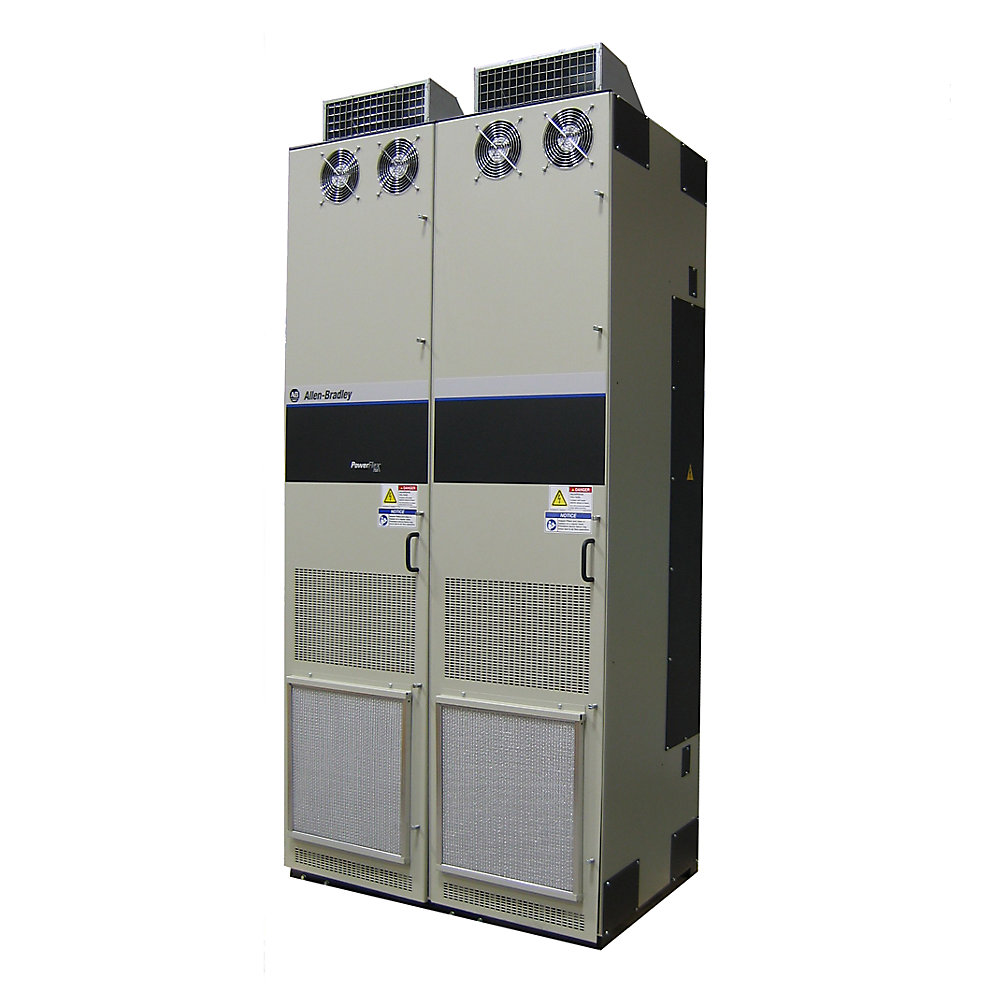
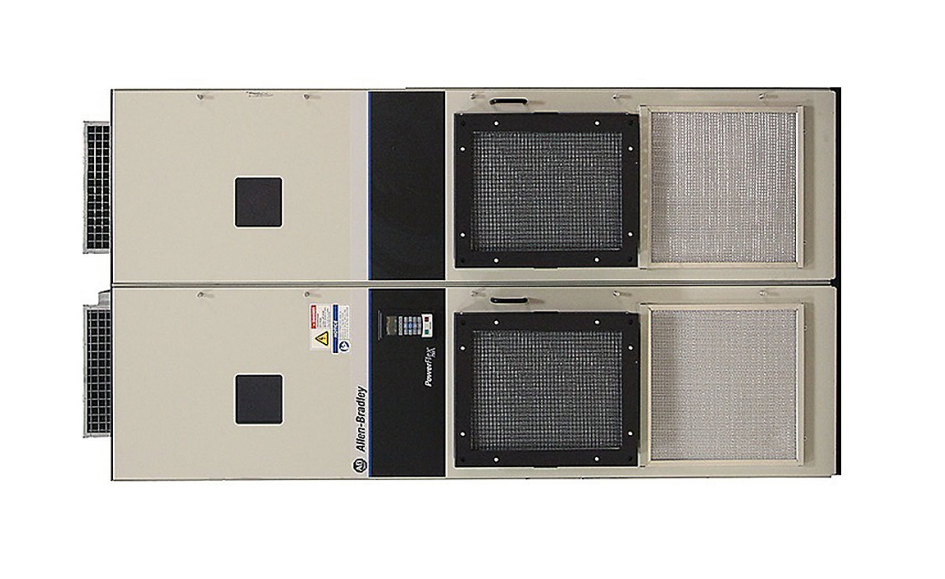
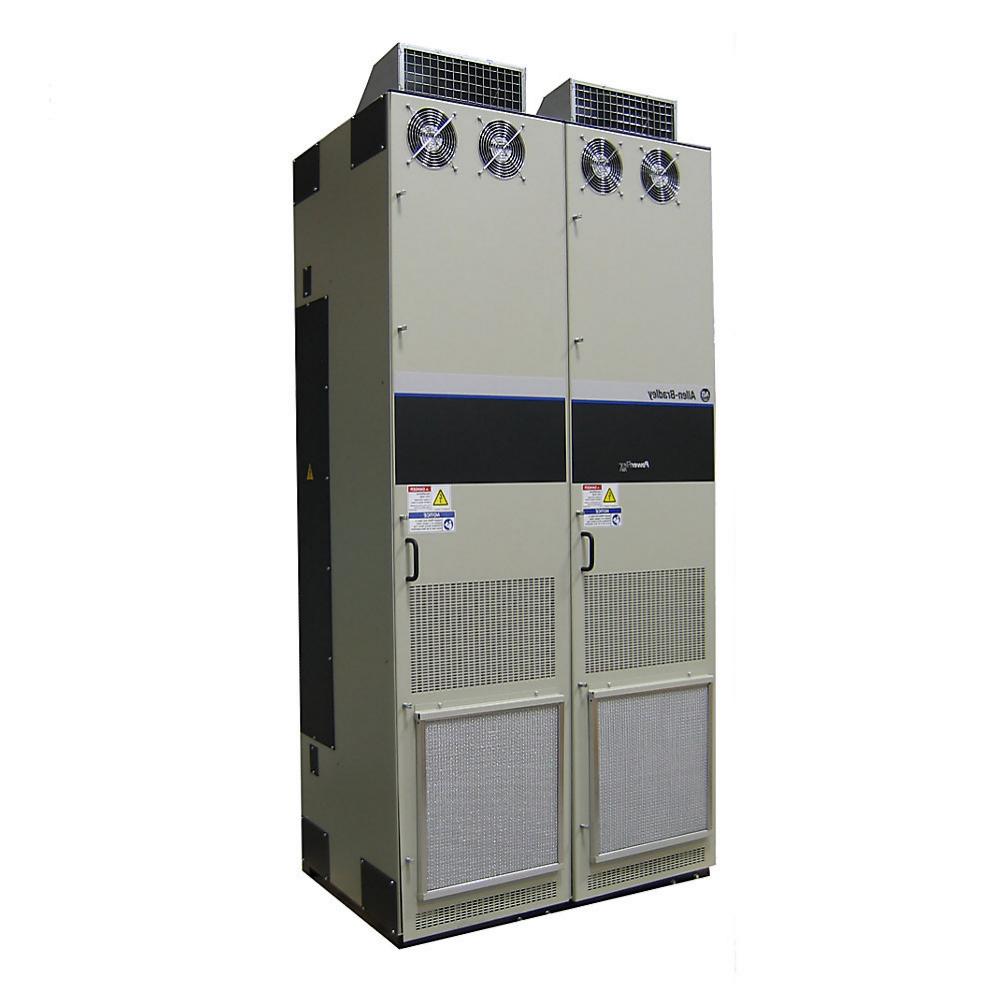
- Allen Bradley
- 20G11NC015JA0NNNNN
- PowerFlex AC Drive
- USA
- 300 × 185 × 220 mm
- 13kg
- Xiamen, China
- New & In Stock
- T/T, PayPal, Western Union
- 1 Year
- 1-3 Working Days
- DHL, UPS, TNT, FedEx and EMS.
- 24-Hour Service
- COO
- 56
Our advantage

Global Logistics
We have a 10-year logistics and express cooperation agreement, so our products can be shipped to any place in the world.

Brand new and original
Our products are imported in bulk from the place of origin. Because of the cooperative relationship, our products are all original and 100% new.

24-hour service
We provide 7*24 hours service to our customers. We will be there whenever you need us.

Price advantage
All our products are priced very favorably because we have our own warehouse and supply.
| Company Information | |||
| [email protected] | |||
| Mobile | +8615980777398 | ||
| +8615980777398 | |||
| 15980777398 |
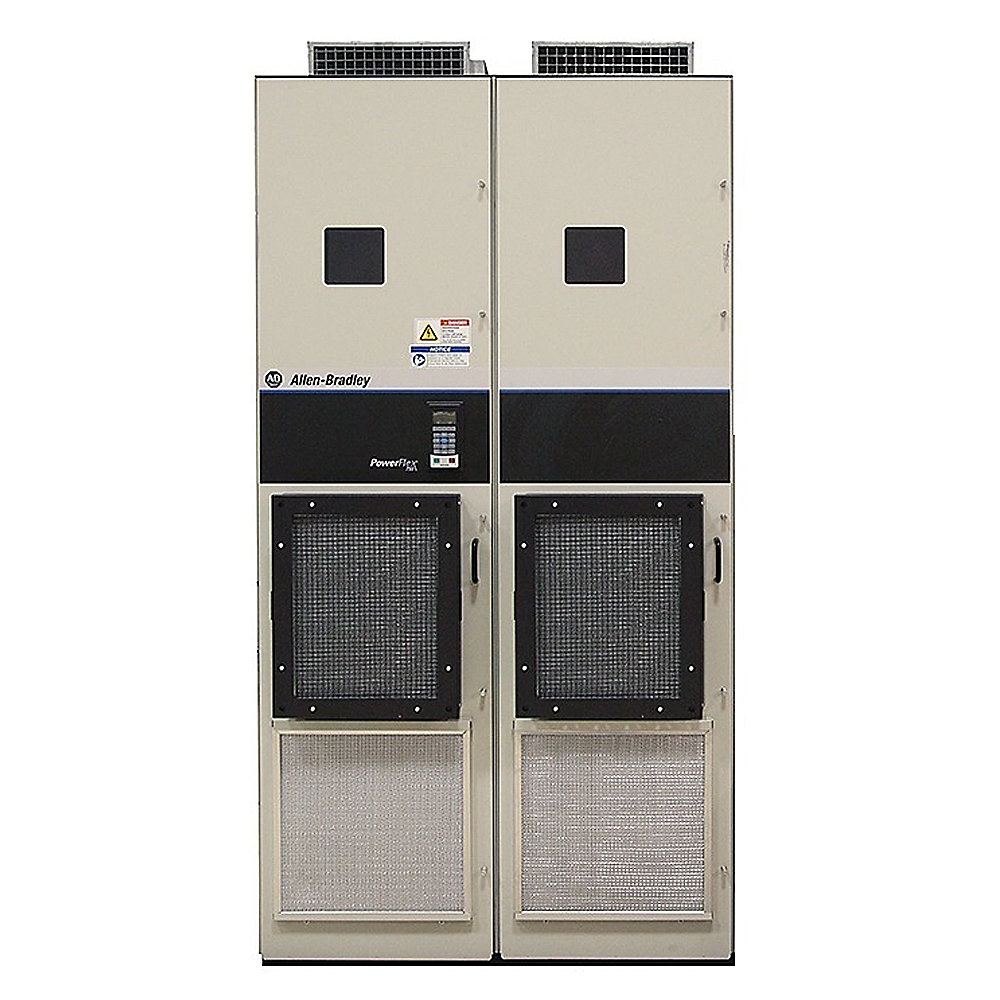
PowerFlex 755 AC Drive — 20G11NC015JA0NNNNN
1. Product Overview
The 20G11NC015JA0NNNNN is an industrial AC variable frequency drive belonging to the Allen-Bradley PowerFlex 755 series.
It is designed for three-phase AC motor control in industrial automation systems where adjustable speed, controlled acceleration and deceleration, motor protection, network communication and flexible operating control are required.
The drive is intended for medium-duty industrial machinery and can be used in applications such as conveyors, pumps, fans, blowers, mixers, material-handling equipment, process machinery and general-purpose motor-driven equipment.
The NC015 configuration represents a higher-voltage class and approximately 15 A current class within the PowerFlex 755 product family.
The unit is designed as a panel-mounted industrial drive and uses forced-air cooling.
Its architecture allows the drive to operate as part of a larger automation system rather than functioning only as an independent motor controller.
2. Basic Product Identification
| Parameter | Specification |
|---|---|
| Model | 20G11NC015JA0NNNNN |
| Brand | Allen-Bradley |
| Product Family | PowerFlex |
| Product Series | PowerFlex 755 |
| Product Category | AC Variable Frequency Drive |
| Drive Type | Industrial AC Drive |
| Voltage Class | 400 VAC class |
| Input Phase | Three Phase |
| Output Phase | Three Phase |
| Current Class | 15 A |
| Cooling | Forced Air |
| Mounting | Panel Mount |
| Enclosure Type | Open Type |
| Communication | Embedded EtherNet/IP |
| Dynamic Braking | Internal DB Transistor |
| Input Filtering | Filtered configuration |
| CM Jumper | Installed configuration |
| Operator Interface | Blank / No HIM |
| Frame | Frame 2 class |
| Approx. Weight (kg) | Approximately 11–13 kg class |
| Approx. Dimensions | Approximately 300 × 185 × 220 mm class |
3. Brand
Brand: Allen-Bradley
The product is part of the Allen-Bradley industrial automation product portfolio.
Within that portfolio, the PowerFlex family is used for variable-frequency motor control.
The model 20G11NC015JA0NNNNN belongs specifically to the PowerFlex 755 series.
4. Product Series
Series: PowerFlex 755
The PowerFlex 755 is an industrial variable-frequency-drive platform intended for applications that require more control flexibility and automation integration than a basic standalone motor drive.
The series is designed around modular industrial motor control.
Depending on the exact catalog-number configuration, PowerFlex 755 drives can include different voltage ratings, current capacities, communication functions, braking arrangements, enclosure configurations and operator-interface options.
The 20G11NC015JA0NNNNN is a specific configuration within this family.
5. Main Electrical Parameters
| Parameter | Value |
|---|---|
| Model | 20G11NC015JA0NNNNN |
| Input Voltage Class | 400 VAC |
| Typical Input Voltage Range | Approximately 380–480 VAC |
| Input Phase | 3 Phase |
| Input Frequency | Approximately 50/60 Hz |
| Output Phase | 3 Phase |
| Rated Output Current | Approximately 15 A |
| Normal-Duty Power Class | Approximately 7.5 kW / 10 HP class |
| Heavy-Duty Power Class | Approximately 5.5 kW / 7.5 HP class |
| Output Voltage | Variable |
| Output Frequency | Variable |
| Motor Speed Control | Yes |
| Acceleration Control | Yes |
| Deceleration Control | Yes |
| Torque Control | Yes |
| Dynamic Braking | Supported |
| Input Filtering | Included configuration |
| DC Bus | Available |
| Communication | Embedded EtherNet/IP |
| Cooling | Forced Air |
The exact motor horsepower rating should always be matched against the motor’s actual full-load current and the required normal-duty or heavy-duty operating profile.
For industrial motor selection, current is normally more useful than horsepower alone because different motors can have different current requirements for the same nominal horsepower.
6. Voltage Characteristics
The 20G11NC015JA0NNNNN is associated with the higher-voltage PowerFlex 755 class used for industrial three-phase motor systems.
A typical system in this voltage class is based around a 400/480 V-class three-phase supply.
This makes the drive suitable for industrial electrical systems where a higher-voltage motor supply is preferred over a 200–240 V system.
| Voltage Parameter | Specification |
|---|---|
| Model | 20G11NC015JA0NNNNN |
| Voltage Class | 400 VAC class |
| Typical Industrial Supply | 380–480 VAC class |
| Phase | Three Phase |
| Frequency | 50/60 Hz class |
| Output | Variable-voltage, variable-frequency |
| Motor Type | Three-phase AC motor |
| Grounding | Required |
| Input Protection | Required according to installation |
The actual incoming voltage should be checked before installation.
The drive should not be selected solely from the catalog number without confirming the electrical system and motor nameplate.
7. Current Rating
The model is in the 15 A output-current class.
This rating is one of the most important characteristics when selecting the drive.
The connected motor must have a full-load current that is compatible with the drive’s rating under the intended duty category.
| Current Parameter | Approximate Specification |
|---|---|
| Model | 20G11NC015JA0NNNNN |
| Output Current Class | 15 A |
| Input Current | Application dependent |
| Motor Current | Must remain within drive rating |
| Overload Capacity | Application and duty dependent |
| Normal-Duty Motor Class | Approximately 7.5 kW |
| Heavy-Duty Motor Class | Approximately 5.5 kW |
For a high-inertia or high-starting-torque machine, the heavy-duty rating should be considered rather than simply selecting the drive according to motor horsepower.
8. Power Rating
The drive is approximately in the 7.5 kW / 10 HP normal-duty class.
For heavier-duty applications, the practical rating is approximately 5.5 kW / 7.5 HP.
The distinction is important.
A pump or fan with relatively predictable load characteristics may be suitable for normal-duty operation.
A conveyor, mixer or other constant-torque machine with frequent acceleration and high torque demand may require the heavy-duty rating.
| Duty | Approximate Rating |
|---|---|
| Model | 20G11NC015JA0NNNNN |
| Normal Duty | 7.5 kW |
| Normal Duty | 10 HP |
| Heavy Duty | 5.5 kW |
| Heavy Duty | 7.5 HP |
| Output Current | Approximately 15 A |
9. Product Construction
The drive is designed as an industrial panel-mounted device.
The main power electronics are housed within a compact frame designed for installation inside an electrical cabinet.
Forced-air cooling is used to remove heat generated by the switching devices and power electronics.
The cabinet therefore needs appropriate ventilation and thermal management.
| Mechanical Parameter | Approximate Specification |
|---|---|
| Model | 20G11NC015JA0NNNNN |
| Frame | Frame 2 class |
| Mounting | Panel Mount |
| Cooling | Forced Air |
| Enclosure | Open Type |
| Protection Class | IP20/IP00 class |
| Installation | Electrical cabinet |
| Orientation | Vertical |
| Approx. Height | 300 mm |
| Approx. Width | 185 mm |
| Approx. Depth | 220 mm |
| Approx. Dimensions | 300 × 185 × 220 mm |
| Approx. Weight (kg) | 11–13 kg |
The dimensions above are presented as an engineering-level approximation rather than a fabrication drawing.
For a cabinet or mounting-panel drawing, the exact mechanical drawing for the specific hardware revision should be used.
10. Weight
The approximate drive weight is in the 11–13 kg range.
The final shipping weight will be higher because packaging materials, documentation and accessories may add additional mass.
| Weight Item | Approximate Value |
|---|---|
| Model | 20G11NC015JA0NNNNN |
| Drive Weight | Approximately 11–13 kg |
| Weight (kg) | Approximately 11–13 kg |
| Packaging | Not included |
| Cabinet | Not included |
| External Resistor | Not included |
| Additional Accessories | Not included |
The weight should be considered when designing the mounting plate and when installing the drive in a cabinet.
11. Dimensions
The 20G11NC015JA0NNNNN is approximately in the following mechanical size class:
300 mm × 185 mm × 220 mm
| Dimension | Approximate Value |
|---|---|
| Model | 20G11NC015JA0NNNNN |
| Height | Approx. 300 mm |
| Width | Approx. 185 mm |
| Depth | Approx. 220 mm |
| Overall Size | Approx. 300 × 185 × 220 mm |
| Frame | Frame 2 class |
| Mounting | Vertical panel mounting |
| Weight (kg) | Approx. 11–13 kg |
Cabinet space should be larger than the basic product envelope.
Clearance may be required for power terminals, control wiring, cooling airflow and maintenance access.
12. Cooling System
The drive uses forced-air cooling.
The cooling fans move air through the drive to remove heat generated by the power electronics.
Proper airflow is important because the drive’s internal temperature affects reliability and operating life.
The cabinet should therefore be designed to prevent hot air from accumulating around the drive.
| Cooling Parameter | Specification |
|---|---|
| Model | 20G11NC015JA0NNNNN |
| Cooling Method | Forced Air |
| Cooling Fan | Yes |
| Cabinet Ventilation | Required |
| Airflow | Must remain unobstructed |
| Installation Position | Normally vertical |
| Heat Dissipation | Must be considered in cabinet design |
| Ambient Temperature | Approximately 0–50 °C class |
13. EtherNet/IP Communication
One of the major advantages of this configuration is its integration capability.
The drive can communicate with a supervisory or machine-control system through embedded EtherNet/IP.
This allows the drive to exchange commands and operating information with a controller.
Typical information includes:
- Start command
- Stop command
- Speed reference
- Direction command
- Actual speed
- Output current
- Drive status
- Fault status
- Alarm status
- Reset command
| Communication Function | Capability |
|---|---|
| Model | 20G11NC015JA0NNNNN |
| EtherNet/IP | Embedded |
| Start/Stop | Supported |
| Speed Reference | Supported |
| Status Monitoring | Supported |
| Fault Monitoring | Supported |
| Alarm Information | Supported |
| Drive Reset | Supported |
| Networked Control | Supported |
This makes the drive particularly useful in automated production lines.
14. Dynamic Braking
The drive configuration includes an internal dynamic-braking transistor.
Dynamic braking is useful when the motor needs to decelerate rapidly or when the driven mechanical system contains significant rotational inertia.
During deceleration, energy can flow from the motor back into the drive’s DC bus.
A braking resistor can dissipate this energy when required.
| Braking Parameter | Specification |
|---|---|
| Model | 20G11NC015JA0NNNNN |
| Dynamic Braking | Supported |
| DB Transistor | Internal |
| External Braking Resistor | Application dependent |
| Main Purpose | Controlled deceleration |
| Suitable Loads | High-inertia loads |
| Typical Applications | Conveyors, mixers, rotating machinery |
The braking resistor must be selected according to the actual motor size, inertia, stopping time and braking frequency.
15. Motor Control
The PowerFlex 755 platform supports sophisticated AC motor control.
Depending on the application and programmed configuration, the drive can provide different levels of motor-control performance.
V/Hz Control
V/Hz control is suitable for relatively straightforward variable-speed applications.
Typical examples include:
- Fans
- Blowers
- Pumps
- Simple conveyors
- General-purpose machinery
Sensorless Vector Control
Sensorless vector control provides improved torque and speed response compared with simple V/Hz operation.
It is useful for applications where the motor needs better low-speed torque and load response.
Vector-Based Control
More advanced vector-control methods can be used when improved torque regulation and dynamic response are required.
The actual performance depends on motor parameters, tuning and machine characteristics.
16. Product Applications
16.1 Conveyor Systems
The drive is suitable for many industrial conveyor systems.
A conveyor does not always need to run at a single fixed speed.
The drive can allow the motor speed to be adjusted according to production requirements.
Controlled acceleration can also reduce mechanical shock.
Typical applications include:
- Packaging conveyors
- Assembly conveyors
- Material-transfer systems
- Production-line conveyors
- Warehouse conveyors
- Processing conveyors
17. Pump Applications
The drive can be used for industrial pump systems.
Variable-speed operation allows the pump motor to operate according to process demand.
Potential applications include:
- Water circulation
- Cooling systems
- Process-fluid transfer
- Industrial pumping
- Pressure-control systems
- Water-treatment equipment
The drive can provide smoother starting than direct-on-line motor operation.
It can also reduce the need for mechanical throttling in suitable variable-flow applications.
18. Fan and Blower Applications
Fans and blowers are common variable-speed applications.
The drive can reduce motor speed when less airflow is required.
Typical uses include:
- Factory ventilation
- Exhaust systems
- Cooling systems
- Air-handling systems
- Process ventilation
- Industrial blowers
For variable-torque loads, speed control can provide significant energy-saving potential.
Actual savings depend on the machine and operating profile.
19. Mixer Applications
Industrial mixers often need adjustable speed.
The required speed may change depending on:
- Material viscosity
- Product quantity
- Mixing stage
- Process temperature
- Production recipe
The drive can provide controlled motor operation throughout the production process.
For high-torque mixing applications, the heavy-duty rating should be carefully considered.
20. Material-Handling Applications
The drive can be applied to a wide range of material-handling systems.
Examples include:
- Feeders
- Conveyors
- Transfer machines
- Packaging equipment
- Automated material-handling machinery
- Production-line systems
The combination of variable speed, network control and diagnostics makes the drive particularly useful in automated machinery.
21. Industrial Processing Equipment
The drive can also be applied to general process machinery.
Potential examples include:
- Processing lines
- Rotating equipment
- Production machinery
- Auxiliary machinery
- Mechanical handling systems
- Industrial ventilation
- Manufacturing equipment
The final selection should always be based on the motor current and load characteristics.
22. Product Advantages
22.1 Adjustable Motor Speed
The most fundamental advantage is variable-speed motor control.
The motor does not have to operate continuously at its fixed rated speed.
The drive can adjust output frequency according to the machine’s requirements.
22.2 Controlled Acceleration
The drive can gradually increase motor speed.
This can reduce mechanical shock and improve the smoothness of machine operation.
Benefits can include:
- Reduced belt stress
- Reduced coupling stress
- Reduced gearbox shock
- Smoother product movement
- Improved machine starting behavior
23. Controlled Deceleration
The drive can also control the motor’s stopping process.
This is especially useful for conveyor systems and rotating machinery.
Controlled deceleration can reduce sudden mechanical forces.
Where fast stopping is necessary, the dynamic-braking capability can provide additional control.
24. Industrial Network Integration
Embedded EtherNet/IP allows the drive to communicate with a larger control system.
This reduces the need to treat the motor drive as a completely independent device.
A controller can monitor operating status and issue speed or start/stop commands.
This is valuable in automated production environments.
25. Diagnostic Capability
Drive diagnostics can help maintenance personnel identify abnormal conditions.
Typical monitored conditions include:
- Overcurrent
- Overvoltage
- Undervoltage
- Motor overload
- Drive temperature
- Ground faults
- Communication faults
- DC-bus abnormalities
This can shorten troubleshooting time.
Instead of immediately replacing components, technicians can first examine the drive’s operating and fault information.
26. Dynamic Braking Advantage
The internal braking transistor is particularly useful for machines with high inertia.
Examples include:
- Large rotating assemblies
- Conveyors
- Mixers
- Centrifugal equipment
- Material-handling machinery
When correctly configured with an appropriate braking resistor, the drive can dissipate regenerative energy during deceleration.
27. Flexible Application Range
The PowerFlex 755 platform is not limited to a single type of industrial machine.
The same general drive architecture can be adapted to many different applications.
This makes it useful for OEM machinery and plant automation systems where different machines require different motor-control strategies.
28. Energy-Saving Potential
A variable-frequency drive can provide energy-saving opportunities by reducing motor speed when full capacity is not required.
This is particularly useful for:
- Fans
- Blowers
- Pumps
For example, if a fan does not need to operate at full airflow continuously, the drive can reduce motor speed.
The actual energy savings depend on the load profile and mechanical design.
Therefore, the drive should be viewed primarily as a control device, with energy savings being an application-dependent benefit.
29. Motor Protection
The drive provides electronic monitoring of the motor and drive operating conditions.
Correct motor data should be programmed into the drive.
Important motor information includes:
- Rated voltage
- Rated current
- Rated frequency
- Rated speed
- Rated horsepower
- Motor power factor
- Motor characteristics
Correct setup improves motor-control performance and protection.
30. Installation Requirements
The drive should be installed inside a suitable electrical cabinet or protected panel.
The installation should provide:
- Correct incoming power
- Proper grounding
- Appropriate overcurrent protection
- Correct motor cable sizing
- Adequate cooling
- Sufficient wiring space
- Proper control wiring
- Appropriate EMC practices
| Installation Item | Requirement |
|---|---|
| Model | 20G11NC015JA0NNNNN |
| Mounting | Vertical panel mounting |
| Cabinet | Recommended |
| Cooling | Forced Air |
| Grounding | Required |
| Power Wiring | Properly sized |
| Motor Wiring | Properly sized |
| Control Wiring | Properly routed |
| Ventilation | Required |
| Maintenance Clearance | Required |
| Environmental Protection | Required where necessary |
31. Environmental Characteristics
The drive is intended for controlled industrial environments.
A typical operating temperature range is approximately 0–50 °C, subject to the exact installation and derating conditions.
High ambient temperatures may require derating or additional cooling.
| Environmental Parameter | Approximate Specification |
|---|---|
| Model | 20G11NC015JA0NNNNN |
| Operating Temperature | Approximately 0–50 °C |
| Storage Temperature | Approximately −40–70 °C |
| Humidity | Approximately 5–95%, non-condensing |
| Cooling | Forced Air |
| Condensation | Avoid |
| Corrosive Atmosphere | Requires additional protection |
| Conductive Dust | Requires appropriate enclosure |
| Water Exposure | Requires additional protection |
32. Five Same-Series or Related Models
The following models are useful for comparison within the PowerFlex 755 family.
The exact ratings of each catalog number should be checked against the intended motor and duty class before replacement.
| Model | Series | Voltage Class | Current Class | Approx. Power Class | Frame | Approx. Dimensions | Weight (kg) |
|---|---|---|---|---|---|---|---|
| 20G11NC010JA0NNNNN | PowerFlex 755 | 400 VAC class | 10 A | Approx. 5.5 kW ND | Frame 2 | Approx. 300 × 185 × 220 mm class | Approx. 11–13 |
| 20G11NC015JA0NNNNN | PowerFlex 755 | 400 VAC class | 15 A | Approx. 7.5 kW ND | Frame 2 | Approx. 300 × 185 × 220 mm class | Approx. 11–13 |
| 20G11NC022JA0NNNNN | PowerFlex 755 | 400 VAC class | 22 A | Approx. 11 kW ND class | Frame 3 | Larger Frame 3 class | Approx. 20–23 |
| 20G11NC027JA0NNNNN | PowerFlex 755 | 400 VAC class | 27 A | Approx. 15 kW ND class | Frame 3 | Larger Frame 3 class | Approx. 20–23 |
| 20G11NC034JA0NNNNN | PowerFlex 755 | 400 VAC class | 34 A | Approx. 18.5 kW ND class | Frame 3/4 class | Larger frame | Approx. 25+ |
The 20G11NC010JA0NNNNN is the most natural lower-capacity comparison.
The 20G11NC022JA0NNNNN, 20G11NC027JA0NNNNN and 20G11NC034JA0NNNNN are more appropriate when the motor current or power requirement is higher.
33. Same-Series Comparison
| Feature | 20G11NC010JA0NNNNN | 20G11NC015JA0NNNNN | 20G11NC022JA0NNNNN | 20G11NC027JA0NNNNN | 20G11NC034JA0NNNNN |
|---|---|---|---|---|---|
| Voltage Class | 400 V | 400 V | 400 V | 400 V | 400 V |
| Current Class | 10 A | 15 A | 22 A | 27 A | 34 A |
| Power Class | ~5.5 kW | ~7.5 kW | ~11 kW | ~15 kW | ~18.5 kW |
| Series | PF755 | PF755 | PF755 | PF755 | PF755 |
| Cooling | Forced Air | Forced Air | Forced Air | Forced Air | Forced Air |
| EtherNet/IP | Yes | Yes | Yes | Yes | Yes |
| Dynamic Braking | Supported | Supported | Supported | Supported | Supported |
| Dimensions | Compact | Compact | Larger | Larger | Larger |
| Weight (kg) | ~11–13 | ~11–13 | ~20–23 | ~20–23 | ~25+ |
34. Five Same-Brand Popular Models
For a broader comparison within the same brand, the following models represent commonly used drive families covering compact, general-purpose and higher-performance applications.
| Model | Series | Voltage Class | Approx. Current / Power Class | Typical Application | Approx. Dimensions | Weight (kg) |
|---|---|---|---|---|---|---|
| 25B-D010N104 | PowerFlex 525 | 480 V class | 10 A class | Pumps, fans, conveyors | Compact | Approx. 3–5 |
| 25B-D017N104 | PowerFlex 525 | 480 V class | 17 A class | General machinery | Compact | Approx. 4–6 |
| 25B-D027N114 | PowerFlex 525 | 480 V class | 27 A class | Industrial machinery | Compact | Approx. 5–8 |
| 20F11ND077AA0NNNNN | PowerFlex 753 | 480 V class | 77 A class | Medium industrial equipment | Larger frame | Approx. 20+ |
| 20G11NC015JA0NNNNN | PowerFlex 755 | 400 V class | 15 A / 7.5 kW class | Medium industrial motor control | Approx. 300 × 185 × 220 mm class | Approx. 11–13 |
These models are not automatically interchangeable.
Voltage, current, motor-control requirements, enclosure type, braking, communication and physical dimensions must all be considered when selecting a replacement.
35. Application Comparison
| Application | Recommended Drive Type | Main Reason |
|---|---|---|
| Small fan | 25B-D010N104 | Compact variable-speed control |
| Small pump | 25B-D017N104 | General-purpose speed control |
| General machinery | 25B-D027N114 | Compact industrial drive |
| Medium motor | 20G11NC015JA0NNNNN | 15 A / 7.5 kW class |
| Larger industrial motor | 20F11ND077AA0NNNNN | Higher current capacity |
| High-performance machinery | 20G11NC015JA0NNNNN | PowerFlex 755 architecture |
| High-inertia conveyor | 20G11NC015JA0NNNNN | Dynamic braking capability |
| Networked production line | 20G11NC015JA0NNNNN | Embedded EtherNet/IP |
36. Advantages Compared with a Conventional Starter
| Function | Conventional Starter | 20G11NC015JA0NNNNN |
|---|---|---|
| Motor Start/Stop | Yes | Yes |
| Variable Speed | No | Yes |
| Adjustable Acceleration | Limited | Yes |
| Adjustable Deceleration | Limited | Yes |
| Dynamic Braking | Usually external | Supported |
| Network Control | Limited | Yes |
| Speed Reference | No | Yes |
| Current Monitoring | Limited | Yes |
| Fault Diagnostics | Limited | Yes |
| Motor Protection | Limited | Advanced electronic functions |
| Process Control | Limited | Yes |
| Energy Optimization | Limited | Possible |
37. Main Benefits for Conveyor Machinery
The drive can provide controlled starting and stopping.
For conveyor systems, this can reduce sudden mechanical loading.
The motor can also be operated at different speeds according to the production line.
Potential benefits include:
- Smoother starting
- Smoother stopping
- Reduced belt shock
- Reduced gearbox shock
- Adjustable production speed
- Networked control
- Drive diagnostics
- Controlled reversing where applicable
38. Main Benefits for Pump Systems
Pump systems often do not require maximum motor speed at all times.
Variable-speed operation allows the pump to respond to process requirements.
Potential benefits include:
- Adjustable flow
- Adjustable pressure
- Smooth starting
- Smooth stopping
- Reduced mechanical stress
- Potential energy savings
- Automated control
39. Main Benefits for Fans and Blowers
The drive allows fan speed to be adjusted according to airflow demand.
This can provide:
- Better airflow control
- Lower operating speed when full airflow is unnecessary
- Potential energy reduction
- Reduced mechanical stress
- Reduced noise
- Improved process control
40. Main Benefits for Mixers
The drive can provide different motor speeds for different mixing stages.
This is useful when production processes require:
- Slow mixing
- Medium-speed mixing
- High-speed mixing
- Controlled acceleration
- Controlled deceleration
- Torque control
The application must be checked carefully when the mixer has a high starting torque or very high inertia.
41. Main Benefits for Material Handling
Material-handling equipment can benefit from precise speed control.
The drive can allow the machine controller to adjust the motor according to production requirements.
It can also provide controlled acceleration and deceleration.
This can be particularly useful when the material being moved is sensitive to sudden motion.
42. Maintenance Advantages
The drive’s diagnostic functions can assist maintenance personnel.
Instead of treating every machine shutdown as a motor failure, technicians can examine drive status and fault information first.
Possible diagnostic categories include:
- Motor overload
- Overcurrent
- Overvoltage
- Undervoltage
- Ground fault
- Drive overtemperature
- Communication fault
- DC-bus fault
This can make troubleshooting more systematic.
43. Cabinet Design Considerations
Because the drive uses forced-air cooling, the electrical cabinet must be designed with thermal management in mind.
The cabinet designer should consider:
- Drive heat generation
- Ambient temperature
- Airflow direction
- Cooling fan capacity
- Cabinet size
- Other heat-producing components
- Cable routing
- Maintenance access
The drive should not be installed in a confined space where hot air can circulate repeatedly through the cooling path.
44. Motor Selection Considerations
When pairing the drive with a motor, the following information should be checked.
| Motor Parameter | Importance |
|---|---|
| Model | 20G11NC015JA0NNNNN |
| Motor Voltage | Must match drive capability |
| Motor Current | Must remain within drive rating |
| Motor Frequency | Must be correctly configured |
| Motor Power | Must be within duty rating |
| Motor Speed | Required for speed-control setup |
| Motor Type | Must be compatible with control mode |
| Starting Torque | Important for heavy loads |
| Load Inertia | Important for braking |
| Duty Cycle | Important for thermal rating |
45. Recommended Operating Applications
The model is particularly suitable for applications requiring a combination of:
Three-phase higher-voltage motor power + approximately 15 A current capacity + variable-speed operation + industrial network integration + controlled acceleration/deceleration.
Good application candidates include:
- Industrial conveyors
- Pumps
- Fans
- Blowers
- Mixers
- Material-handling systems
- Packaging machinery
- Production machinery
- Process machinery
- Auxiliary rotating equipment
46. Key Advantages at a Glance
| Advantage | Description |
|---|---|
| 15 A Class | Suitable for medium-size motors |
| 400 V Class | Suitable for higher-voltage three-phase systems |
| 7.5 kW Class | Appropriate for many medium industrial applications |
| PowerFlex 755 | Advanced industrial drive platform |
| EtherNet/IP | Network integration |
| Dynamic Braking | Useful for controlled stopping |
| Forced-Air Cooling | Suitable for industrial cabinet installation |
| Variable Speed | Adjustable motor speed |
| Acceleration Control | Smooth starting |
| Deceleration Control | Smooth stopping |
| Diagnostics | Easier troubleshooting |
| Motor Protection | Electronic monitoring |
| Flexible Control | Suitable for different load types |
| Panel Mounting | Suitable for control cabinets |
47. Complete Technical Summary
| Category | Specification |
|---|---|
| Model | 20G11NC015JA0NNNNN |
| Brand | Allen-Bradley |
| Series | PowerFlex 755 |
| Product Family | PowerFlex 750-Series |
| Product Type | Variable Frequency AC Drive |
| Voltage Class | 400 VAC |
| Typical Supply | 380–480 VAC class |
| Input Phase | 3 Phase |
| Output Phase | 3 Phase |
| Output Current | Approx. 15 A |
| Normal-Duty Power | Approx. 7.5 kW / 10 HP |
| Heavy-Duty Power | Approx. 5.5 kW / 7.5 HP |
| Frame | Frame 2 class |
| Cooling | Forced Air |
| Enclosure | IP20/IP00 class |
| Mounting | Panel Mount |
| Communication | Embedded EtherNet/IP |
| Dynamic Braking | Internal DB Transistor |
| Filtering | Filtered configuration |
| CM Jumper | Installed configuration |
| Operator Interface | Blank / No HIM |
| DC Bus | Available |
| Approx. Height | 300 mm |
| Approx. Width | 185 mm |
| Approx. Depth | 220 mm |
| Approx. Dimensions | 300 × 185 × 220 mm |
| Weight (kg) | Approximately 11–13 kg |
| Operating Temperature | Approximately 0–50 °C class |
| Main Applications | Pumps, fans, conveyors, mixers, blowers, material handling |
| Main Benefit | Flexible industrial variable-speed motor control |
48. Overall Product Assessment
The 20G11NC015JA0NNNNN is a versatile industrial variable-frequency drive intended for medium-power three-phase AC motor applications.
Its approximately 15 A current class places it above many compact-drive applications while keeping the physical construction relatively manageable for industrial control cabinets.
The approximately 7.5 kW / 10 HP normal-duty class makes it appropriate for a broad range of pumps, fans, conveyors, blowers and general industrial machinery.
For heavier constant-torque applications, the approximately 5.5 kW / 7.5 HP heavy-duty class provides a more conservative selection point.
One of the strongest features is the PowerFlex 755 platform itself.
The drive is designed not simply to start and stop a motor, but to become part of a complete automation system.
The embedded EtherNet/IP capability allows control systems to communicate with the drive, while diagnostic information can be used for troubleshooting and maintenance.
The internal dynamic-braking transistor is another useful feature.
It allows compatible braking arrangements to be implemented for applications requiring controlled deceleration or higher braking performance.
The forced-air cooling system makes cabinet design important.
Adequate ventilation and thermal management should be provided, particularly when the drive is installed together with other heat-producing equipment.
The approximate physical dimensions of 300 × 185 × 220 mm and approximate weight of 11–13 kg place the unit in a relatively manageable industrial-drive size class, although additional cabinet space is required for wiring, ventilation and maintenance access.
The model is especially attractive for applications where a fixed-speed motor starter would provide insufficient control.
For a conveyor, the drive can provide controlled starting and stopping.
For a pump, it can provide adjustable flow and pressure control.
For a fan or blower, it can regulate airflow according to demand.
For a mixer, it can provide adjustable operating speed and controlled acceleration.
For material-handling equipment, it can provide smoother movement and better integration with an automated production line.
Overall, the 20G11NC015JA0NNNNN can be summarized as a 400 V-class, approximately 15 A, PowerFlex 755 industrial AC drive intended for medium-power three-phase motor applications, with variable-speed control, network communication, dynamic-braking capability, electronic diagnostics and flexible industrial automation functionality.
Its main selection points are:
15 A current class, approximately 7.5 kW / 10 HP normal-duty capability, approximately 5.5 kW / 7.5 HP heavy-duty capability, 400 V-class three-phase operation, Frame 2-class construction, forced-air cooling, embedded EtherNet/IP, internal dynamic-braking transistor, panel mounting, approximately 300 × 185 × 220 mm dimensions and approximately 11–13 kg weight.
For replacement or purchasing purposes, the complete catalog number 20G11NC015JA0NNNNN should be matched carefully because small changes in the catalog-number suffix can indicate differences in voltage, braking, filtering, communication, operator-interface or other configuration details.