

ProductPRODUCT
Featured products


Contact Us
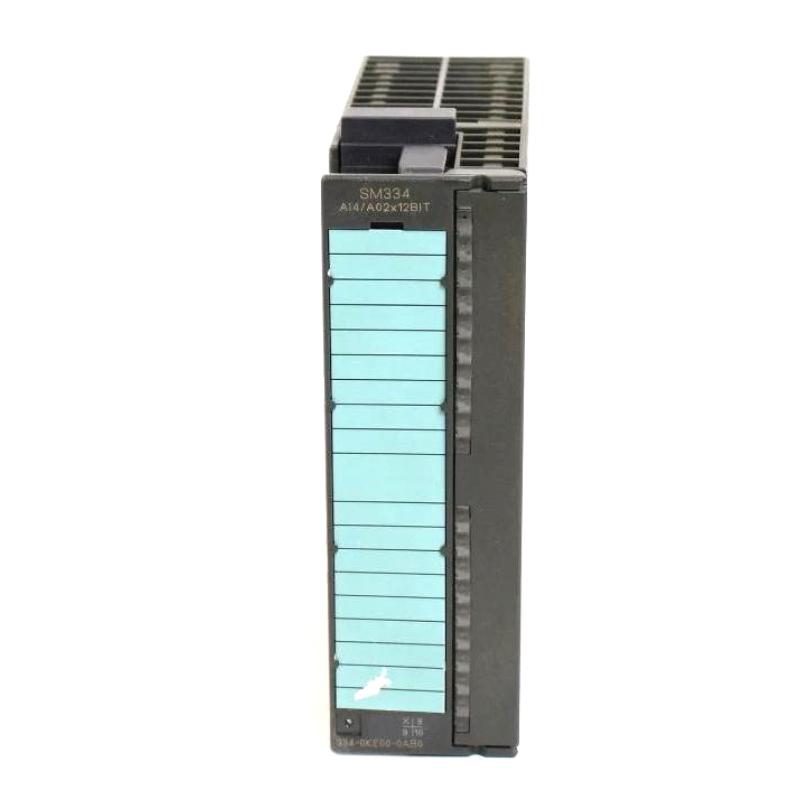
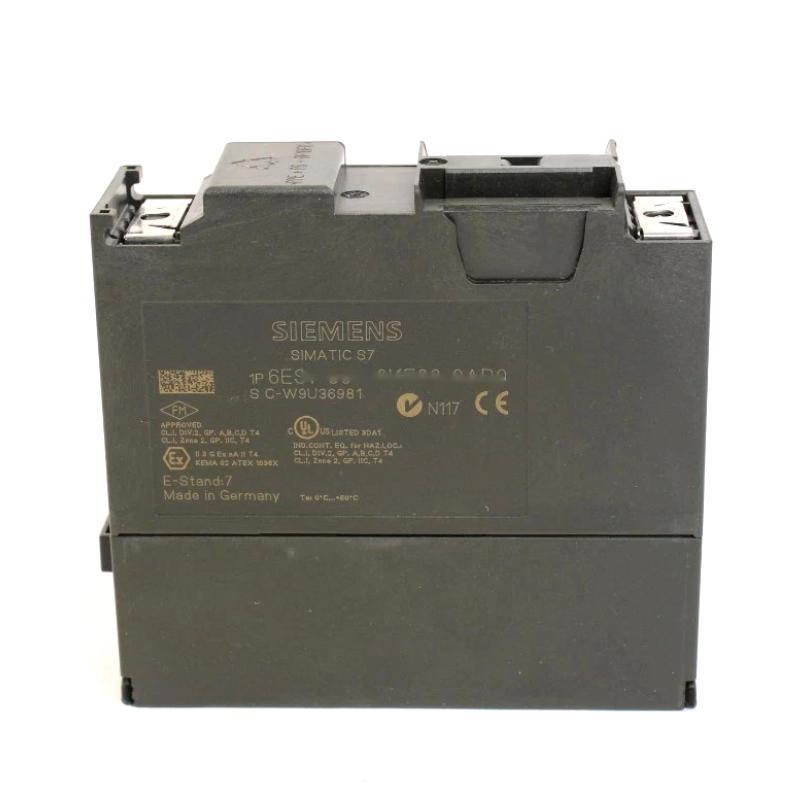
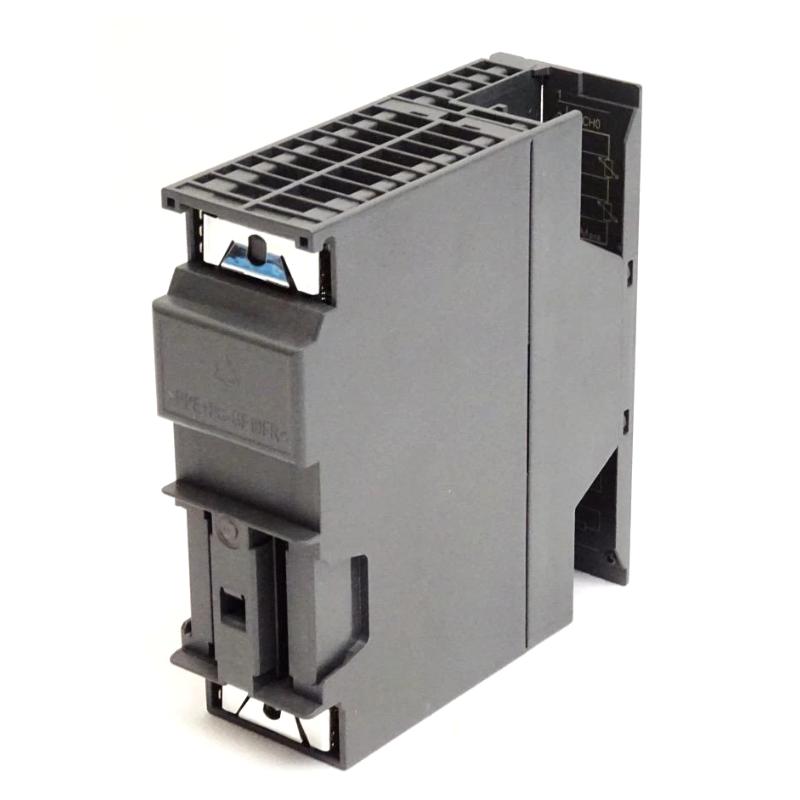
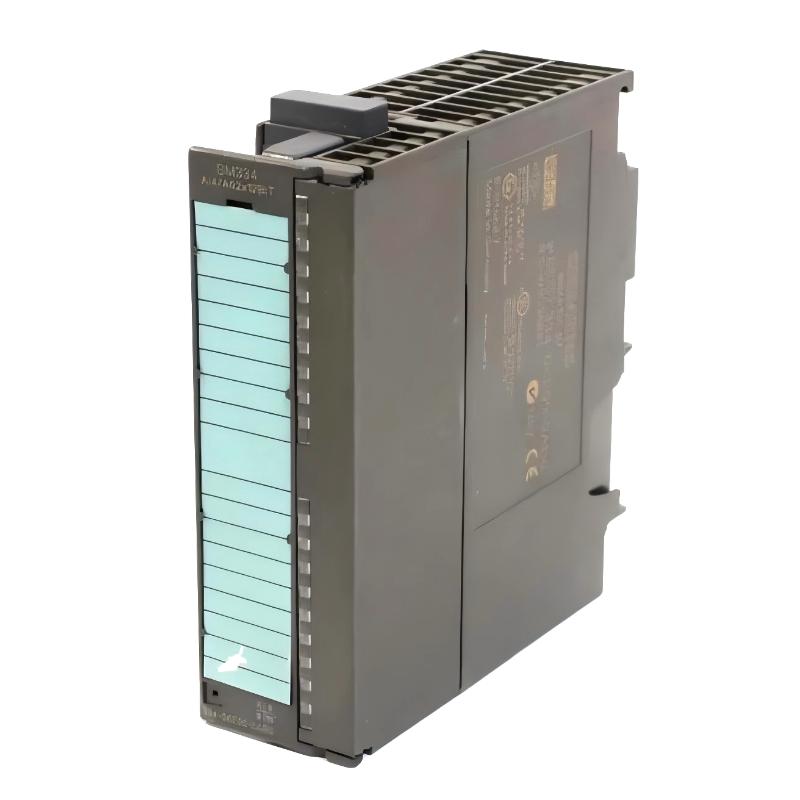
- Siemens
- 6AG1334-0KE00-7AB0
- Analog Input/Output Module
- Germany
- 40 × 125 × 117 mm
- 0.248 kg
- Xiamen, China
- New & In Stock
- T/T, PayPal, Western Union
- 1 Year
- 1-3 Working Days
- DHL, UPS, TNT, FedEx and EMS.
- 24-Hour Service
- COO
- 53
Our advantage

Global Logistics
We have a 10-year logistics and express cooperation agreement, so our products can be shipped to any place in the world.

Brand new and original
Our products are imported in bulk from the place of origin. Because of the cooperative relationship, our products are all original and 100% new.

24-hour service
We provide 7*24 hours service to our customers. We will be there whenever you need us.

Price advantage
All our products are priced very favorably because we have our own warehouse and supply.
| Company Information | |||
| [email protected] | |||
| Mobile | +8615980777398 | ||
| +8615980777398 | |||
| 15980777398 |
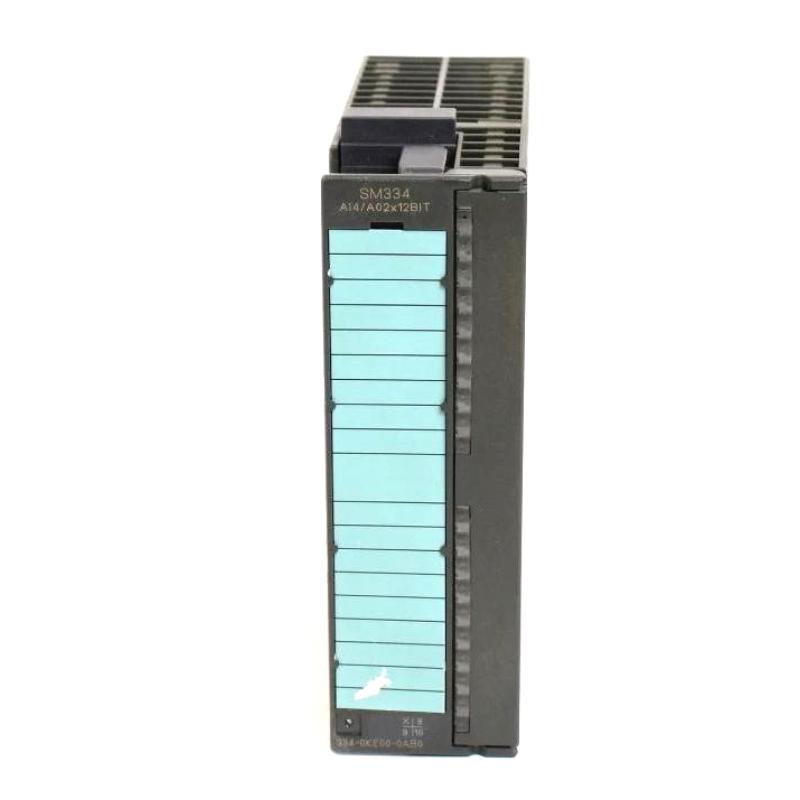
Product Overview
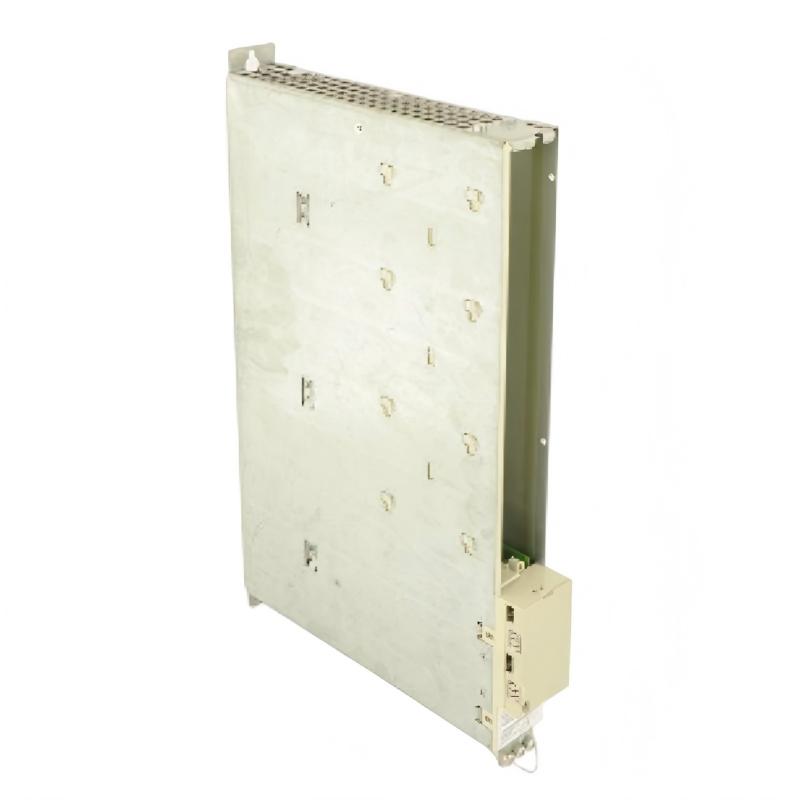
The Siemens 6AG1334-0KE00-7AB0 SIPLUS S7-300 Analog Input/Output Module combines analog signal acquisition and analog signal output within the SIPLUS S7-300 automation platform. It is suited to control architectures where process variables must be measured by the PLC while analog commands are also sent to field devices.
Unlike a digital I/O module that handles discrete ON/OFF states, this type of analog module works with continuously varying process signals. It can therefore be used where values such as pressure, temperature, flow, level, or other process variables need to be represented numerically inside the controller.
The module can serve as a compact interface between the S7-300 control system and analog instrumentation. Input channels bring measured values into the PLC program, while output channels can be used to influence compatible field devices according to the control logic executed by the CPU.
For maintenance and retrofit projects, the 6AG1334-0KE00-7AB0 is particularly relevant when an existing SIPLUS S7-300 installation requires replacement of an analog I/O module while retaining the established control architecture.
Technical Specifications
| Parameter | Specification |
|---|---|
| Manufacturer | Siemens |
| Model | 6AG1334-0KE00-7AB0 |
| Product Family | SIPLUS S7-300 |
| Product Type | Analog Input/Output Module |
| Signal Type | Analog |
| System Role | Process Signal Acquisition and Analog Control |
| Application | Industrial Automation / Process Control |
| Dimensions | 40 × 125 × 117 mm |
| Weight | 0.248 kg |
Product Features
The 6AG1334-0KE00-7AB0 combines two important analog interface functions in one S7-300 module.
Key characteristics include:
- Siemens SIPLUS S7-300 module
- Model 6AG1334-0KE00-7AB0
- Analog input and output functionality
- Interfaces the PLC with analog field instrumentation
- Supports continuous-value process control
- Suitable for measurement and control applications
- Integrates into S7-300-based automation architectures
- Useful for industrial process signal handling
- Suitable for maintenance and replacement projects
Its combined input/output architecture can simplify system layouts where measurement and analog control functions are required within the same section of an automation system.
Working Principle
The module operates as an analog interface between field devices and the S7-300 CPU.
A simplified signal flow is:
Analog Sensor / Transmitter → Analog Input → Module Signal Processing → S7-300 CPU
and in the opposite direction:
S7-300 CPU → Analog Output → Field Actuator / Control Device
For an input channel, a continuously changing electrical signal from a field instrument is acquired by the module and converted into a numerical value that can be processed by the PLC program. The CPU can then use that value for monitoring, regulation, alarming, calculation, or sequencing.
For an output channel, the PLC determines a required analog command and sends the corresponding value through the module to an appropriate field device.
This bidirectional operation allows the module to participate in a closed-loop process-control sequence:
Measurement → PLC Processing → Control Calculation → Analog Output → Process Response → New Measurement
The quality of the overall control loop depends not only on the module but also on sensor accuracy, signal wiring, field-device characteristics, scaling, PLC configuration, and grounding practices.
Role in an S7-300 Automation Architecture
The 6AG1334-0KE00-7AB0 occupies the analog field interface layer of an S7-300 control system.
A typical architecture can be represented as:
Process Instrumentation → Analog I/O Module → S7-300 CPU → Analog I/O Module → Field Equipment
The module connects real-world continuous signals with the digital control logic executed by the PLC.
For example, a process transmitter may provide a measurement representing pressure or temperature. The module acquires that signal, while the CPU evaluates the corresponding process value and determines an appropriate control response. An analog output can then transmit the required command to a compatible actuator or control device.
This makes the module useful in applications where discrete switching alone cannot provide sufficient process resolution.
Industrial Applications
| Application | Typical Use |
|---|---|
| Process Automation | Analog measurement and control |
| Water Treatment | Monitoring and regulating process variables |
| Chemical Processing | Continuous process signal handling |
| Manufacturing Systems | Analog machine parameters |
| HVAC Control | Temperature and pressure-related control |
| Pumping Systems | Process measurement and analog regulation |
| Industrial Machinery | Sensor acquisition and analog commands |
| Plant Automation | Integration of analog field instruments |
The actual signal application depends on the connected instrumentation and the configuration of the S7-300 control program.
Installation and Maintenance
Before replacing or commissioning the module, engineers should verify the hardware configuration and the analog signal assignments used by the PLC application.
Recommended practices include:
- Confirm the complete part number 6AG1334-0KE00-7AB0.
- Verify the module’s position within the S7-300 configuration.
- Record existing channel assignments before removal.
- Identify each connected analog field signal.
- Check terminal and wiring conditions.
- Inspect connectors for looseness or contamination.
- Verify signal wiring and shielding.
- Confirm correct module installation.
- Check the PLC hardware configuration after replacement.
- Verify input signal scaling within the application.
- Check analog output behavior before connecting critical actuators.
- Monitor diagnostic information during commissioning.
- Compare measured values with expected field conditions.
If an analog value appears incorrect, troubleshooting should not stop at the module. Signal polarity, wiring, transmitter output, channel configuration, scaling parameters, grounding, and the field instrument itself should also be examined.
Related Components
The module normally operates alongside several S7-300 and field-level components.
| Component | Function |
|---|---|
| S7-300 CPU | Executes the control program |
| S7-300 Rack | Provides module installation structure |
| Analog Input Devices | Supply process measurements |
| Analog Output Devices | Receive continuous control commands |
| Signal Wiring | Transfers analog field signals |
| Terminal / Interface Components | Provide field-side connections |
| Engineering Software | Supports PLC configuration |
| Power Supply | Supplies system operating power |
| Process Sensors | Measure physical process conditions |
| Control Valves / Drives | Respond to analog control signals |
Correct interaction between the module, CPU configuration, field wiring, and instrumentation is essential for reliable analog control.
Recommended Related Models
| Model / Product Family | Product Type | Typical Application |
|---|---|---|
| Siemens 6AG1334-0KE00-7AB0 | Analog Input/Output Module | Combined analog process interface |
| Siemens SIPLUS S7-300 Analog Input Modules | Analog Input Module | Process measurement |
| Siemens SIPLUS S7-300 Analog Output Modules | Analog Output Module | Analog field control |
| Siemens SIPLUS S7-300 CPU Modules | PLC CPU | Program execution |
| Siemens SIPLUS S7-300 Power Supply Modules | Power Supply | PLC system power |
Key Advantages
- Siemens SIPLUS S7-300 analog I/O module.
- Model 6AG1334-0KE00-7AB0.
- Combines analog input and output functions.
- Supports continuous process-value acquisition.
- Enables analog commands to compatible field devices.
- Suitable for process-control and industrial automation systems.
- Integrates with established S7-300 architectures.
- Useful for maintenance, replacement, and system modernization projects.
Technical FAQs
How does an analog input differ from a digital input on an S7-300 system?
An analog input represents a continuously varying electrical signal as a numerical process value, whereas a digital input normally represents discrete states such as ON/OFF. Analog acquisition is therefore better suited to variables such as temperature, pressure, flow, and level.
Why is signal scaling important when commissioning this module?
The electrical signal received by an analog channel must correspond correctly to the engineering value used by the PLC program. Incorrect scaling can cause the controller to interpret a valid field signal as an incorrect physical measurement.
What should be checked when one analog channel produces an unstable value?
The investigation should include the field transmitter, signal wiring, shielding, terminal connections, grounding, channel configuration, and the module itself. Comparing the affected channel with the actual field signal can help separate a wiring or instrumentation issue from a module problem.
What precautions are appropriate when testing an analog output?
The connected field device should be identified before forcing or manually changing an analog output. An unintended output value can cause a valve, actuator, or other controlled device to move, so output testing should be performed under controlled commissioning conditions.