

ProductPRODUCT
Featured products
Contact Us
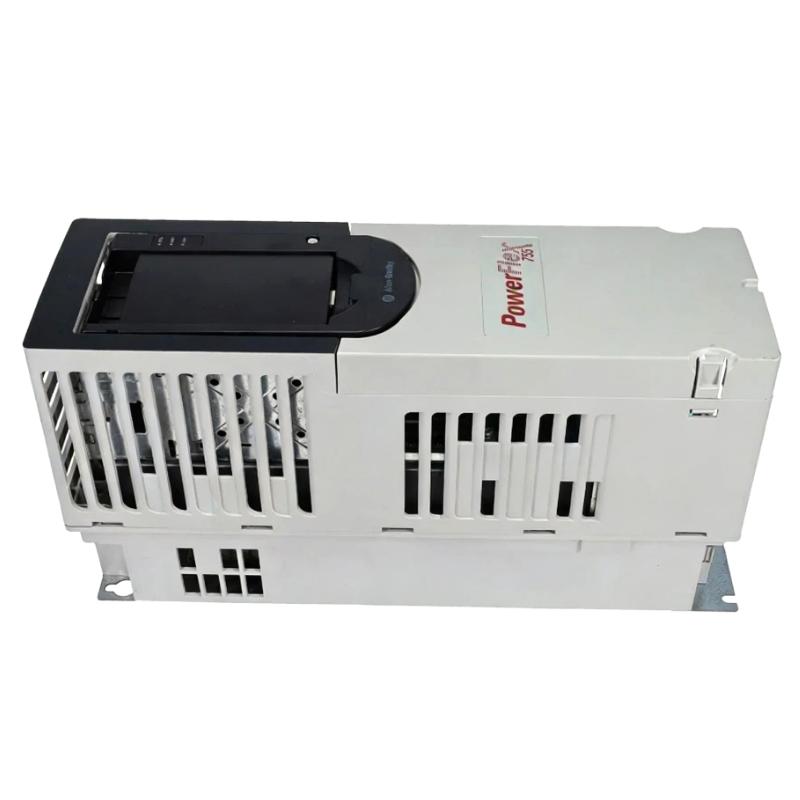
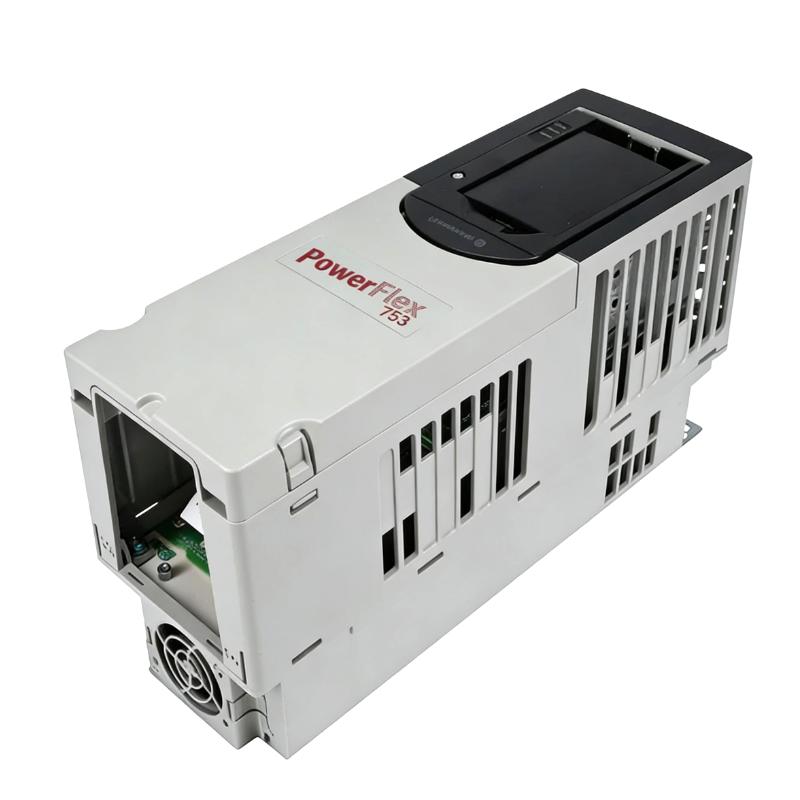
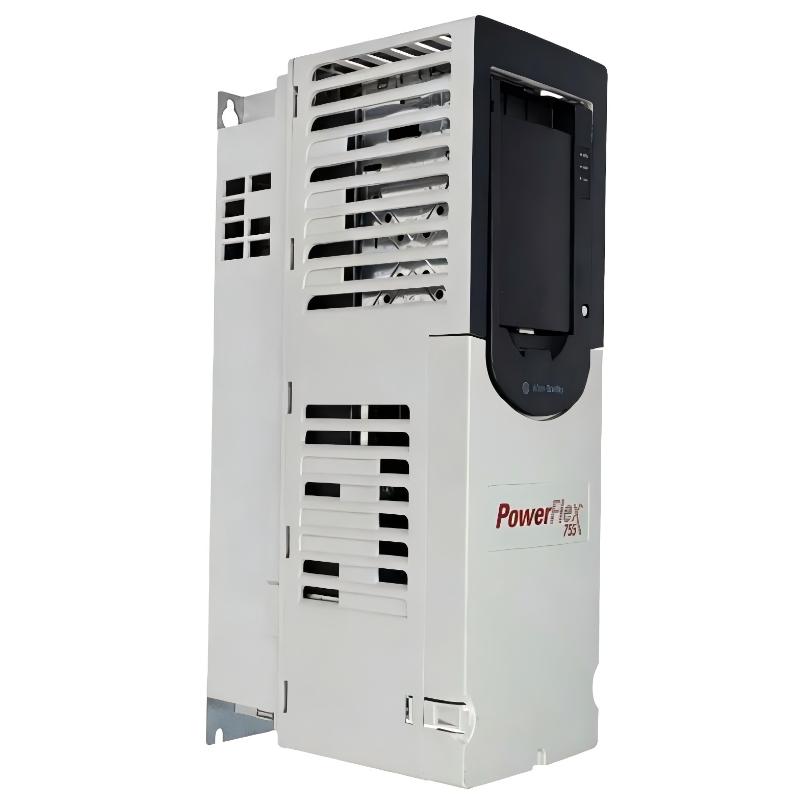
- Allen Bradley
- 20G11FC072JA0NNNNN
- PowerFlex AC Drive
- USA
- 1200 × 800 × 600 mm
- 1246kg
- Xiamen, China
- New & In Stock
- T/T, PayPal, Western Union
- 1 Year
- 1-3 Working Days
- DHL, UPS, TNT, FedEx and EMS.
- 24-Hour Service
- COO
- 84
Our advantage

Global Logistics
We have a 10-year logistics and express cooperation agreement, so our products can be shipped to any place in the world.

Brand new and original
Our products are imported in bulk from the place of origin. Because of the cooperative relationship, our products are all original and 100% new.

24-hour service
We provide 7*24 hours service to our customers. We will be there whenever you need us.

Price advantage
All our products are priced very favorably because we have our own warehouse and supply.
| Company Information | |||
| [email protected] | |||
| Mobile | +8615980777398 | ||
| +8615980777398 | |||
| 15980777398 |
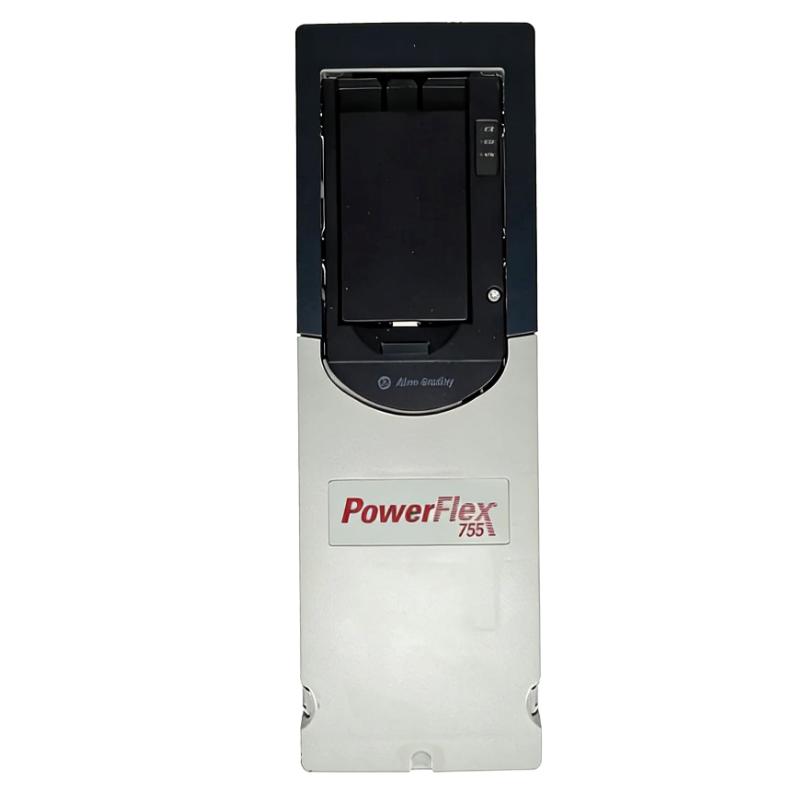
20G11FC072JA0NNNNN — Detailed Product Introduction, Technical Specifications, Applications, Advantages and Related Models
1. Product Overview
The 20G11FC072JA0NNNNN is a high-capacity industrial AC variable-frequency drive from the PowerFlex 755 product family.
It is designed for three-phase industrial motor applications in the 400 V class and provides 72 A Normal Duty output current with a 37 kW Normal Duty rating. Under Heavy Duty operation, the drive provides 60 A and 30 kW.
The model uses a Frame 4 flange-mounted, air-cooled construction. It is configured with AC input, DC terminals, an integral EMC filter, a common-mode capacitor jumper, a dynamic-braking transistor and embedded EtherNet/IP communication.
This combination makes the drive suitable for a wide range of industrial machinery, particularly applications where reliable speed regulation, controlled acceleration and deceleration, network communication, diagnostics and flexible motor-control functions are required.
2. Brand and Product Series
| Item | Specification |
|---|---|
| Model | 20G11FC072JA0NNNNN |
| Brand | Allen-Bradley |
| Product Family | PowerFlex 750-Series |
| Product Series | PowerFlex 755 |
| Product Type | Industrial AC Variable-Frequency Drive |
| Drive Classification | Architecture-Class AC Drive |
| Cooling Method | Forced Air |
| Mounting Type | Flange Mount |
| Frame Size | Frame 4 |
| Voltage Class | 400 VAC |
| Input | Three-Phase AC |
| Normal Duty Rating | 72 A / 37 kW |
| Heavy Duty Rating | 60 A / 30 kW |
| Communication | Embedded EtherNet/IP |
| Dynamic Braking | DB Transistor |
| EMC Configuration | Filtered |
| CM Capacitor Jumper | Installed |
| HIM | Blank / No HIM |
The PowerFlex 755 series is intended for industrial applications where more advanced motor control, networking, diagnostics and expansion capability are required than would normally be expected from a basic general-purpose drive.
3. Basic Model Identification
The catalog number can be viewed as a configuration identifier rather than simply a model name.
| Model Section | General Meaning |
|---|---|
| 20G | PowerFlex 755 AC drive family |
| 11 | AC input configuration with precharge and DC terminals |
| FC | Flange-mounted configuration |
| 072 | 72 A output-current class |
| J | Filtered configuration with CM jumper installed |
| A0 | Configuration positions |
| NNNNN | Additional option/configuration positions |
The 072 portion is particularly important because it identifies the drive’s nominal current class.
For system design, the motor’s actual nameplate current should always be compared with the drive’s applicable Normal Duty or Heavy Duty current rating.
4. Main Electrical Parameters
| Parameter | Specification |
|---|---|
| Catalog Number | 20G11FC072JA0NNNNN |
| Product Series | PowerFlex 755 |
| Voltage Class | 400 VAC |
| Nominal Supply | 400/415 VAC class |
| Supply Phase | 3 Phase |
| Supply Frequency | 50/60 Hz |
| Normal Duty Current | 72 A |
| Normal Duty Power | 37 kW |
| Heavy Duty Current | 60 A |
| Heavy Duty Power | 30 kW |
| Normal Duty Horsepower | Approximately 50 HP |
| Heavy Duty Horsepower | Approximately 40 HP |
| Frame Size | Frame 4 |
| Cooling | Forced Air |
| Mounting | Flange |
| Input Type | AC Input with Precharge and DC Terminals |
| EMC Filter | Yes |
| CM Jumper | Installed |
| Dynamic Braking Transistor | Yes |
| Embedded EtherNet/IP | Yes |
| Built-in HIM | No |
| PID Control | Yes |
| DeviceLogix | Supported |
| Motor Output | Three Phase |
| Main Use | Industrial Motor Speed and Torque Control |
5. Normal Duty Rating
The Normal Duty rating of this model is:
72 A / 37 kW
This rating makes it suitable for relatively large variable-speed industrial loads.
Typical Normal Duty applications include:
- Centrifugal pumps
- Industrial fans
- Blowers
- Cooling systems
- Ventilation equipment
- Conveyors with moderate loading
- Process machinery
- Material-handling equipment
For a variable-torque application, the 37 kW rating provides a useful capacity for larger motors operating under continuously controlled speed.
6. Heavy Duty Rating
The Heavy Duty rating is:
60 A / 30 kW
Heavy Duty operation is more appropriate when the motor experiences greater torque demand or more demanding acceleration conditions.
Typical examples include:
- Conveyors
- Mixers
- Agitators
- Rollers
- Material-handling equipment
- High-inertia machinery
- Processing machinery
- Machines with frequent acceleration and deceleration
The Heavy Duty rating should be checked against the actual motor current and overload requirements rather than selected solely from the motor’s kW value.
7. Input Characteristics
The model uses a three-phase AC input with a precharge arrangement and DC terminals.
The precharge system helps manage the initial charging of the drive’s DC bus when the drive is energized.
The DC terminals also provide additional flexibility for systems where DC-bus connections are required.
This type of architecture can be useful in:
- Common DC-bus systems
- Multiple-drive installations
- Energy-sharing systems
- Specialized industrial drive systems
- Applications using external DC-bus equipment
Any DC-bus connection must be designed according to the actual electrical configuration and installation requirements.
8. Output and Motor Control
The drive produces a controlled three-phase AC output for the motor.
The output frequency can be adjusted to regulate motor speed.
Depending on the control configuration, the drive can be used for:
- Basic frequency control
- V/Hz control
- Sensorless vector control
- Speed regulation
- Torque-related control
- Feedback-based control
- Process control
- Network-controlled speed reference
This allows the same drive family to cover relatively simple variable-speed applications as well as more demanding industrial machinery.
9. Physical Dimensions and Weight
For cabinet and machine design, the model should be treated as a Frame 4 flange-mounted drive.
The commonly used approximate mechanical envelope for this configuration is shown below.
| Physical Parameter | Approximate Value |
|---|---|
| Height | Approx. 535 mm |
| Width | Approx. 292 mm |
| Front/Control-Side Depth | Approx. 127 mm |
| Rear/Heatsink Depth | Approx. 85 mm |
| Overall Mounting Envelope | Approx. 535 × 292 mm plus flange sections |
| Weight | Approx. 14 kg |
| Frame | Frame 4 |
| Mounting | Flange |
| Cooling | Forced Air |
The dimensions above should be regarded as engineering-planning values. Actual cabinet drawings, mounting-hole locations, clearances and the final installed configuration should be checked before manufacturing a panel.
Additional space should be reserved for power cables, control wiring, communication cables, ventilation and maintenance access.
10. Flange-Mount Design
The flange construction is one of the more useful mechanical characteristics of this model.
Instead of placing the entire heat-generating section inside the control cabinet, the flange arrangement allows the heatsink section to extend through the cabinet mounting surface.
This can help with cabinet thermal management.
Potential benefits include:
- Reduced heat inside the control cabinet
- More efficient separation of power electronics and controls
- Greater flexibility in cabinet design
- Better utilization of enclosure space
- Easier integration into larger machine panels
For high-power drives, cabinet heat management can be an important part of the overall electrical design.
11. Cooling System
The drive uses forced-air cooling.
At a 37 kW Normal Duty rating, considerable heat is generated by the power semiconductor section during operation.
The cooling system therefore needs adequate airflow.
Important installation considerations include:
- Correct vertical mounting
- Adequate ventilation
- Proper clearance
- Clean air passages
- Correct cabinet temperature
- Avoidance of external heat sources
- Periodic inspection of cooling fans
Dust, oil mist and other industrial contaminants can gradually reduce cooling efficiency if they accumulate around the heat sink or ventilation passages.
12. EMC Filtering
The model is configured with an integral EMC filter.
This is useful for controlling high-frequency electrical noise generated by the switching operation of the drive.
EMC performance is especially important when the same cabinet contains:
- PLC equipment
- Industrial Ethernet
- Analog sensors
- Measurement equipment
- Communication devices
- Other drives
- Low-level control signals
The EMC filter is only one part of the overall EMC design.
Motor cable shielding, grounding, cable routing and cabinet bonding remain important.
13. Dynamic Braking
The drive includes a dynamic-braking transistor.
This is particularly useful when the motor and mechanical load need controlled deceleration.
During deceleration, the rotating motor and load can return energy to the drive’s DC bus.
The resulting DC-bus voltage can increase.
A braking resistor can be used to dissipate this excess energy through the drive’s braking circuit.
Applications that can benefit from dynamic braking include:
- Conveyors
- Rollers
- High-inertia machinery
- Material-handling systems
- Machine tools
- Feed mechanisms
- Processing machinery
- Rapid-stop applications
The braking resistor itself is not automatically equivalent to the braking transistor and must be selected separately according to the actual braking energy and duty cycle.
14. Embedded EtherNet/IP
Embedded EtherNet/IP is one of the important features of this model.
It allows the drive to communicate directly with an industrial control system over an Ethernet-based industrial network.
Typical data exchanged between the controller and drive can include:
| Data | Typical Function |
|---|---|
| Start Command | Starts the motor |
| Stop Command | Stops the motor |
| Speed Reference | Sets operating speed |
| Direction | Forward/reverse selection |
| Actual Speed | Speed monitoring |
| Output Current | Load monitoring |
| Drive Status | Operating-state monitoring |
| Fault Information | Troubleshooting |
| Alarm Information | Maintenance |
| Torque Data | Load analysis |
| Parameter Data | Configuration |
| Diagnostic Information | Maintenance and service |
This makes the drive particularly suitable for automated production lines.
15. PID Process Control
The drive supports PID control functions.
This allows motor speed to be automatically adjusted according to a process variable.
For example, in a pressure-control application:
Pressure decreases → drive speed increases → pump output increases → pressure rises → drive reduces speed
This principle can also be applied to:
- Flow control
- Pressure control
- Ventilation
- Cooling
- Circulation
- Air handling
- Water systems
PID control can reduce unnecessary full-speed operation and help maintain a more stable process.
16. DeviceLogix
The PowerFlex 755 architecture supports DeviceLogix functionality.
This allows selected logic operations to be performed locally within the drive.
Possible applications include:
- Local interlocking
- Sequencing
- Output control
- Status management
- Local machine logic
- Basic decision-making
- Independent drive functions
This can reduce dependence on a central controller for certain simple functions.
17. Product Applications
17.1 Industrial Pumps
The 37 kW Normal Duty rating makes this drive suitable for larger pump installations.
Potential applications include:
- Process pumps
- Water-transfer pumps
- Cooling-water pumps
- Circulation pumps
- Booster pumps
- Industrial water systems
- Fluid-processing systems
Variable-speed operation can adjust pump output according to the actual process requirement.
17.2 Fans and Blowers
Fans and blowers are common variable-torque applications.
The drive can regulate motor speed according to airflow requirements.
Typical uses include:
- Factory ventilation
- Exhaust systems
- Industrial cooling
- Air-handling equipment
- Dust extraction
- Process ventilation
- Furnace ventilation
Speed control can provide better process regulation than continuous operation at maximum motor speed.
17.3 Conveyor Systems
The drive is well suited to conveyor applications.
It can provide controlled:
- Starting
- Acceleration
- Running speed
- Deceleration
- Stopping
This can reduce mechanical stress on:
- Belts
- Gearboxes
- Couplings
- Bearings
- Shafts
- Rollers
Dynamic braking can also be useful when stopping time needs to be controlled.
17.4 Material Handling
Material-handling equipment often needs reliable speed control and communication with the machine controller.
Possible applications include:
- Transfer conveyors
- Roller conveyors
- Feed systems
- Automated handling equipment
- Production-line transportation
- Material positioning systems
EtherNet/IP makes it easier to integrate the drive into an automated machine architecture.
17.5 Mixers and Agitators
Industrial mixers often require different motor speeds during different stages of production.
A typical operating sequence might be:
- Low-speed startup.
- Controlled acceleration.
- Normal mixing speed.
- Controlled speed adjustment.
- Controlled deceleration.
- Stop.
The drive can provide the required variable-speed operation.
For particularly demanding mixer loads, the Heavy Duty current rating must be checked carefully against the motor nameplate current.
17.6 Rollers
Roller machinery can require stable and adjustable motor speed.
Applications can include:
- Material processing
- Paper machinery
- Packaging
- Film handling
- Steel processing
- Production rollers
- Conveyor rollers
Controlled acceleration and deceleration can reduce mechanical stress and improve machine operation.
17.7 Packaging Equipment
The drive can be used in packaging machinery where controlled motor speed is required.
Possible applications include:
- Feed conveyors
- Rollers
- Product transfer
- Material feeders
- Packaging lines
- Wrapping equipment
Network communication allows the drive to receive speed references and transmit operating information to the machine controller.
18. Main Product Advantages
| Advantage | Practical Benefit |
|---|---|
| 72 A Normal Duty | Suitable for relatively large 400 V motors |
| 37 kW Normal Duty | Good capacity for industrial machinery |
| 60 A Heavy Duty | Suitable for more demanding loads |
| 30 kW Heavy Duty | Useful for higher-torque applications |
| Frame 4 | Higher capacity without moving to a very large frame |
| Flange Mount | Helps optimize cabinet layout and heat management |
| Forced-Air Cooling | Suitable for continuous industrial operation |
| Dynamic Braking Transistor | Provides controlled braking capability |
| Embedded EtherNet/IP | Simplifies network integration |
| Integral EMC Filter | Helps control electrical noise |
| DC Terminals | Provides additional DC-bus flexibility |
| PID Control | Useful for process-control applications |
| DeviceLogix | Allows local drive logic |
| Expandable Architecture | Supports additional functions |
| Diagnostic Functions | Helps maintenance and troubleshooting |
19. Why the 37 kW Rating Is Useful
The 37 kW Normal Duty rating places this model in an important middle-to-high industrial capacity range.
It is suitable when:
- A smaller 22 kW drive is insufficient.
- A 30 kW drive has insufficient current capacity.
- A 45 kW drive would provide excessive capacity.
- The machine needs advanced networking.
- Dynamic braking is useful.
- Cabinet thermal management is important.
- The system requires flexible motor-control functions.
This makes the model a practical choice for many medium-to-large industrial machines.
20. Why the 72 A Rating Is Important
Motor-drive selection should normally be based on actual motor current rather than only on motor horsepower.
The 72 A Normal Duty rating gives the drive substantial current capacity.
The actual motor should be checked for:
- Rated voltage
- Rated current
- Rated frequency
- Rated speed
- Motor power
- Load torque
- Starting torque
- Overload requirements
If the motor’s actual current is close to the drive’s maximum rating, the application should be evaluated carefully rather than relying only on the nominal kW rating.
21. Why Frame 4 Is Important
Frame 4 provides a useful balance between output capacity and physical size.
The approximate flange-mounted dimensions are around:
535 mm high × 292 mm wide
with separate front and rear depth sections.
The approximate weight is:
14 kg
This makes it considerably more substantial than small compact drives but still manageable for machine-panel installation.
22. Five Same-Series or Closely Related Models
The following models are suitable for comparison within the same PowerFlex 755 400 V range.
| Model | Series | Frame | Normal Duty | Heavy Duty | Voltage Class | Approx. Physical Size | Approx. Weight |
|---|---|---|---|---|---|---|---|
| 20G11FC037JA0NNNNN | PowerFlex 755 | Frame 3 | 37 A / 18.5 kW | 30 A / 15 kW | 400 V | Frame 3 | Approx. 12 kg |
| 20G11FC043JA0NNNNN | PowerFlex 755 | Frame 3 | 43 A / 22 kW | 37 A / 18.5 kW | 400 V | Frame 3 | Approx. 12 kg |
| 20G11FC060JA0NNNNN | PowerFlex 755 | Frame 4 | 60 A / 30 kW | 43 A / 22 kW | 400 V | Frame 4 | Approx. 14 kg |
| 20G11FC072JA0NNNNN | PowerFlex 755 | Frame 4 | 72 A / 37 kW | 60 A / 30 kW | 400 V | Approx. 535 × 292 mm | Approx. 14 kg |
| 20G11FC085JA0NNNNN | PowerFlex 755 | Frame 5 | 85 A / 45 kW | 72 A / 37 kW | 400 V | Frame 5 | Approx. 20 kg |
These models provide a convenient progression in capacity.
The 20G11FC060JA0NNNNN is a reasonable lower-capacity alternative.
The 20G11FC085JA0NNNNN is the more suitable direction when additional current capacity is required.
23. Same-Series Rating Comparison
| Model | Normal Duty Current | Normal Duty Power | Heavy Duty Current | Heavy Duty Power | Frame |
|---|---|---|---|---|---|
| 20G11FC037JA0NNNNN | 37 A | 18.5 kW | 30 A | 15 kW | 3 |
| 20G11FC043JA0NNNNN | 43 A | 22 kW | 37 A | 18.5 kW | 3 |
| 20G11FC060JA0NNNNN | 60 A | 30 kW | 43 A | 22 kW | 4 |
| 20G11FC072JA0NNNNN | 72 A | 37 kW | 60 A | 30 kW | 4 |
| 20G11FC085JA0NNNNN | 85 A | 45 kW | 72 A | 37 kW | 5 |
The 20G11FC072JA0NNNNN therefore sits directly between the 30 kW and 45 kW Normal Duty versions.
This makes it particularly useful when the 30 kW model is too close to the application’s current requirement, while the 45 kW model would be unnecessarily large.
24. Five Popular Related Models From the Same Brand
| Model | Product Family | Typical Voltage Class | Current / Power Class | Typical Application | Approx. Size | Approx. Weight |
|---|---|---|---|---|---|---|
| 25B-D017N104 | PowerFlex 525 | 400/480 V class | 17 A class | General machinery | Compact | Approx. 5 kg |
| 25B-D024N104 | PowerFlex 525 | 400/480 V class | 24 A class | Pumps, fans, conveyors | Compact/medium | Approx. 6–8 kg |
| 20F11NC030JA0NNNNN | PowerFlex 753 | 400/480 V class | 30 A class | Industrial machinery | Frame dependent | Configuration dependent |
| 20G11FC060JA0NNNNN | PowerFlex 755 | 400 V | 60 A / 30 kW | Pumps, conveyors, processing | Frame 4 | Approx. 14 kg |
| 20G11FC072JA0NNNNN | PowerFlex 755 | 400 V | 72 A / 37 kW | Large industrial machinery | Approx. 535 × 292 mm | Approx. 14 kg |
These models cover several different capacity ranges.
The smaller 25B models are more appropriate for compact general-purpose machines.
The 20F and 20G families are better suited to larger industrial equipment where advanced control, communication, expansion and diagnostic capabilities are more important.
25. Application Suitability
| Application | Suitability | Main Reason |
|---|---|---|
| Large Water Pump | Excellent | 37 kW Normal Duty capacity |
| Process Pump | Excellent | Variable speed and PID |
| Cooling Pump | Excellent | Adjustable flow |
| Industrial Fan | Excellent | Variable-torque operation |
| Exhaust Fan | Excellent | Speed regulation |
| Medium/Large Conveyor | Excellent | Controlled acceleration |
| Roller System | Very Good | Stable speed control |
| Material Handling | Very Good | Network integration |
| Packaging Machinery | Very Good | Coordinated speed control |
| Mixer | Very Good | Variable-speed operation |
| Agitator | Very Good | Flexible motor control |
| Processing Machinery | Very Good | Advanced drive functions |
| High-Inertia Equipment | Good | Dynamic braking capability |
| Machine Tool | Good | Speed and braking functions |
| Large Compressor | Application Dependent | Starting and load requirements must be checked |
| Heavy Crusher | Application Dependent | Torque and overload must be checked |
| Very Large Hoist | Application Dependent | Load, braking and feedback requirements must be checked |
26. Cabinet Installation Considerations
The drive’s physical dimensions should not be used as the entire cabinet dimension.
Additional space should be provided for:
- Input power cables
- Motor cables
- Grounding conductors
- Control wiring
- Network cables
- Cable bending radius
- Ventilation
- Maintenance
- Adjacent equipment
- Braking components
A practical control cabinet should therefore be considerably larger than the drive itself.
The flange mounting arrangement should be included in the mechanical cabinet design from the beginning rather than treated as an afterthought.
27. Thermal Management
A 37 kW industrial drive can produce significant heat.
The complete cabinet should therefore be evaluated for:
- Drive losses
- PLC heat generation
- Power supply losses
- Transformer losses
- Contactor losses
- Other drive losses
- Ambient temperature
- Cabinet enclosure
- Ventilation
- Cooling method
Good thermal design can help maintain stable operating conditions and extend the service life of electronic components.
28. Motor Selection Guidelines
The motor should be matched according to its actual electrical and mechanical characteristics.
| Motor Parameter | Importance |
|---|---|
| Rated Voltage | Must be compatible with the drive |
| Rated Current | Main drive-sizing parameter |
| Rated Power | Initial selection reference |
| Rated Frequency | Determines base operating frequency |
| Rated Speed | Determines mechanical operating range |
| Power Factor | Influences motor current |
| Efficiency | Influences operating performance |
| Starting Torque | Important for difficult starts |
| Continuous Torque | Important for constant-torque loads |
| Motor Inertia | Important for acceleration |
| Braking Requirement | Determines braking-system requirements |
| Cable Length | Can affect installation and EMC |
| Motor Insulation | Important for inverter-fed operation |
A 37 kW motor may be an appropriate reference for Normal Duty operation, but the actual motor nameplate current must be checked.
29. Recommended Load Types
| Load Type | General Recommendation |
|---|---|
| Variable-Torque Pump | Excellent |
| Variable-Torque Fan | Excellent |
| Process Pump | Excellent |
| Conveyor | Excellent |
| Roller | Excellent |
| Material Handling | Very Good |
| Mixer | Very Good |
| Agitator | Very Good |
| Packaging Equipment | Very Good |
| High-Inertia Machine | Good with suitable braking |
| Constant-Torque Machine | Good within Heavy Duty rating |
| High-Overload Machine | Check larger drive size |
30. Maintenance Considerations
Regular maintenance should include inspection of:
- Cooling fans
- Heat sinks
- Air passages
- Electrical terminals
- Motor cables
- Ground connections
- Communication cables
- Cabinet ventilation
- Braking equipment
- Fault history
- Alarm history
Dust and contamination should be removed before they significantly affect cooling performance.
The drive’s diagnostic information can also be useful for identifying abnormal operating conditions.
31. Communication Advantages
The embedded EtherNet/IP function provides a convenient method of connecting the drive to an automated control system.
A controller can monitor:
- Running status
- Motor speed
- Output current
- Fault status
- Alarm status
- Drive condition
- Process information
The drive can receive:
- Start commands
- Stop commands
- Speed references
- Direction commands
- Control parameters
This makes it particularly suitable for production lines where multiple motors need to be coordinated.
32. Dynamic Braking Advantages
The built-in braking transistor is valuable for machinery with significant rotating inertia.
For example, when a conveyor carrying a heavy load is commanded to stop, the motor does not necessarily stop immediately.
The mechanical system continues to store kinetic energy.
Dynamic braking provides a controlled method for dealing with regenerated energy and can improve stopping performance.
This is particularly useful for:
- Conveyors
- Rollers
- Feed mechanisms
- Material-handling equipment
- High-inertia machinery
- Rapid-stop applications
The braking resistor must be appropriately sized for the actual application.
33. Product Advantages in Practical Use
The strongest point of this model is not one individual specification but the combination of several functions.
The drive provides a relatively high 72 A / 37 kW Normal Duty capacity, while maintaining the flexibility of the PowerFlex 755 architecture.
The 60 A / 30 kW Heavy Duty rating allows the same drive to be considered for more demanding mechanical loads.
The Frame 4 flange construction gives machine builders more freedom when designing control cabinets.
The embedded EtherNet/IP function makes the drive easier to integrate into automated systems.
The dynamic-braking transistor is valuable when controlled stopping is required.
The integral EMC filter helps with electrical-noise management.
The PID capability makes the drive useful not only as a motor-speed controller but also as part of a process-control system.
The expandable architecture also allows additional functions to be added when the basic configuration is not sufficient.
34. Complete Technical Specification Table
| Parameter | Detailed Specification |
|---|---|
| Model | 20G11FC072JA0NNNNN |
| Brand | Allen-Bradley |
| Product Series | PowerFlex 755 |
| Product Family | PowerFlex 750-Series |
| Product Type | Industrial AC Variable-Frequency Drive |
| Voltage Class | 400 VAC |
| Supply Phase | 3 Phase |
| Supply Frequency | 50/60 Hz |
| Normal Duty Current | 72 A |
| Normal Duty Power | 37 kW |
| Heavy Duty Current | 60 A |
| Heavy Duty Power | 30 kW |
| Normal Duty Horsepower | Approx. 50 HP |
| Heavy Duty Horsepower | Approx. 40 HP |
| Frame | Frame 4 |
| Cooling | Forced Air |
| Mounting | Flange Mount |
| Input Configuration | AC Input with Precharge |
| DC Terminals | Yes |
| EMC Filter | Yes |
| CM Jumper | Installed |
| Dynamic Braking Transistor | Yes |
| Dynamic Braking Resistor | Not included as standard |
| Embedded EtherNet/IP | Yes |
| PID Control | Yes |
| DeviceLogix | Supported |
| Built-in Keypad | No |
| HIM | Blank / No HIM |
| Motor Output | Three Phase AC |
| Main Control Functions | Speed, torque and process control |
| Typical Frequency Range | Application dependent |
| Main Applications | Pumps, fans, conveyors, rollers, mixers and process machinery |
| Height | Approx. 535 mm |
| Width | Approx. 292 mm |
| Front Depth | Approx. 127 mm |
| Rear/Heatsink Depth | Approx. 85 mm |
| Approx. Overall Mounting Envelope | 535 × 292 mm plus flange sections |
| Weight | Approx. 14 kg |
| Installation Orientation | Vertical |
| Cabinet Mounting | Flange |
| Cooling Requirement | Adequate forced-air ventilation |
| Control Network | EtherNet/IP |
| Braking Capability | Dynamic braking transistor |
| Process Control | PID |
| Local Logic | DeviceLogix |
| Expansion | Slot-based architecture |
| Typical Motor Range | Approximately 30–37 kW class, depending on duty and motor current |
| Main Selection Parameter | Motor rated current |
35. Five Closest Models — Quick Selection Guide
| Model | Normal Duty | Heavy Duty | Relative to 20G11FC072JA0NNNNN | Approx. Weight |
|---|---|---|---|---|
| 20G11FC037JA0NNNNN | 18.5 kW / 37 A | 15 kW / 30 A | Smaller | Approx. 12 kg |
| 20G11FC043JA0NNNNN | 22 kW / 43 A | 18.5 kW / 37 A | Smaller | Approx. 12 kg |
| 20G11FC060JA0NNNNN | 30 kW / 60 A | 22 kW / 43 A | Slightly smaller | Approx. 14 kg |
| 20G11FC072JA0NNNNN | 37 kW / 72 A | 30 kW / 60 A | Reference model | Approx. 14 kg |
| 20G11FC085JA0NNNNN | 45 kW / 85 A | 37 kW / 72 A | Larger | Approx. 20 kg |
36. Five Related Popular Models — Quick Selection Guide
| Model | Series | Approx. Capacity | Typical Use | Approx. Size | Approx. Weight |
|---|---|---|---|---|---|
| 25B-D017N104 | PowerFlex 525 | 17 A class | General machinery | Compact | Approx. 5 kg |
| 25B-D024N104 | PowerFlex 525 | 24 A class | Pumps/fans/conveyors | Compact/medium | Approx. 6–8 kg |
| 20F11NC030JA0NNNNN | PowerFlex 753 | 30 A class | Industrial machinery | Medium/large | Configuration dependent |
| 20G11FC060JA0NNNNN | PowerFlex 755 | 60 A / 30 kW | Pumps/conveyors/process | Frame 4 | Approx. 14 kg |
| 20G11FC072JA0NNNNN | PowerFlex 755 | 72 A / 37 kW | Large industrial machinery | Frame 4 | Approx. 14 kg |
37. Overall Evaluation
The 20G11FC072JA0NNNNN is a powerful and flexible industrial variable-frequency drive intended for medium-to-large three-phase motor applications.
Its main electrical specification is 72 A / 37 kW Normal Duty, with a 60 A / 30 kW Heavy Duty rating.
The 400 V three-phase configuration makes it suitable for industrial motor systems commonly found in production facilities, process plants, water systems, material-handling equipment and machine automation.
Its Frame 4 flange-mounted construction is particularly useful for cabinet applications where thermal management and installation space need to be considered carefully.
The approximate physical dimensions of 535 mm × 292 mm, together with an approximate 14 kg weight, provide a useful reference for mechanical planning.
The drive’s forced-air cooling is appropriate for its power level, while the flange arrangement can help separate the heat-generating section from the main cabinet interior.
The embedded EtherNet/IP capability is another major advantage. It allows the drive to function as an integrated part of an automated machine instead of operating only as an independent motor controller.
The dynamic-braking transistor makes it suitable for applications where controlled deceleration is important.
The integral EMC filtering can also simplify the overall electrical-noise management of an appropriately designed installation.
For process applications, PID control can be used for pressure, flow, ventilation and other feedback-controlled systems.
For more customized machinery, DeviceLogix and the expandable architecture provide additional flexibility.
Overall, the 20G11FC072JA0NNNNN is particularly well suited to 37 kW-class industrial motor applications, especially pumps, fans, conveyors, rollers, mixers, material-handling systems and automated process equipment.
When selecting between closely related models, the most important comparison is not simply the motor’s nominal kW rating. The actual motor nameplate current, duty classification, overload requirement, acceleration/deceleration requirement, braking requirement, ambient temperature and cabinet installation conditions should all be considered.
For applications below the 37 kW / 72 A level, the 20G11FC060JA0NNNNN is a natural lower-capacity alternative.
For applications requiring additional current capacity, the 20G11FC085JA0NNNNN provides the next larger capacity class.
For smaller machines, the 20G11FC043JA0NNNNN and 20G11FC037JA0NNNNN offer lower-capacity alternatives within the same series.
In short, the 20G11FC072JA0NNNNN is a strong choice when the project calls for a 400 V, three-phase, 72 A, 37 kW Normal Duty / 60 A, 30 kW Heavy Duty industrial AC drive, combined with flange mounting, forced-air cooling, dynamic braking, EMC filtering, DC terminals and integrated industrial Ethernet communication.