

ProductPRODUCT
Featured products

Contact Us
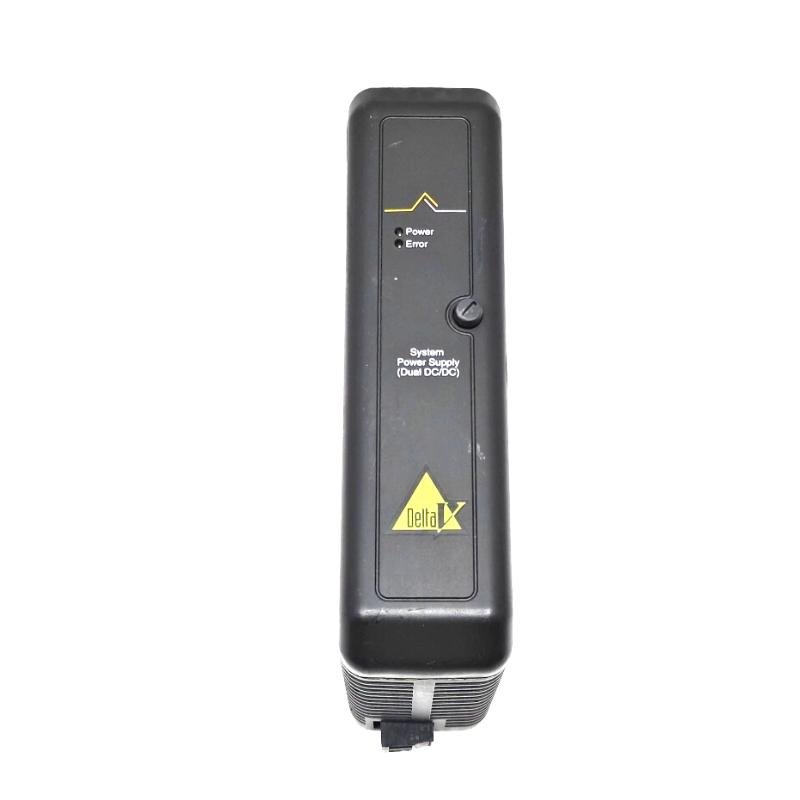
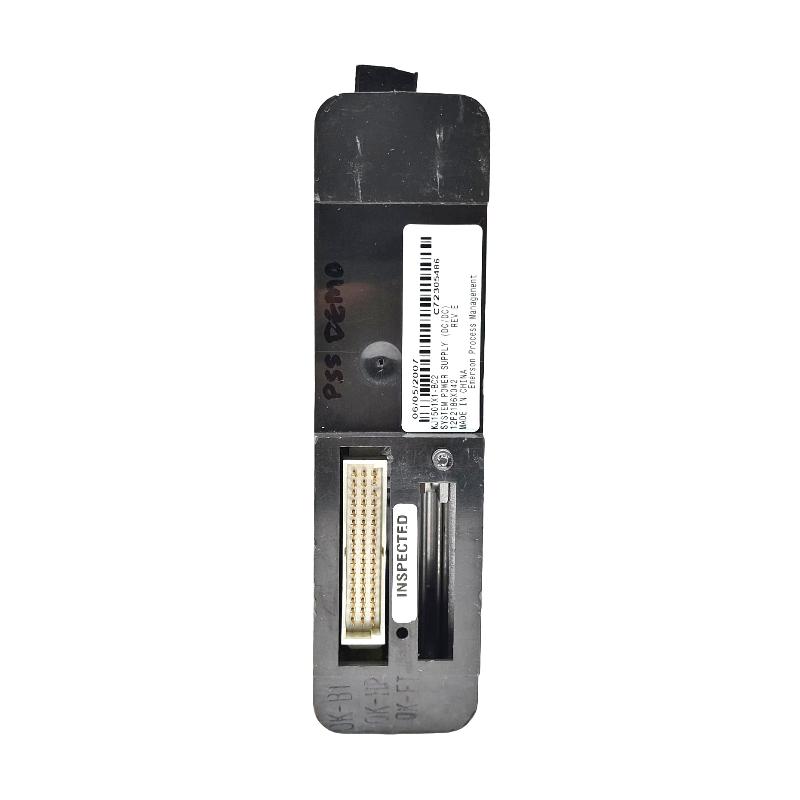
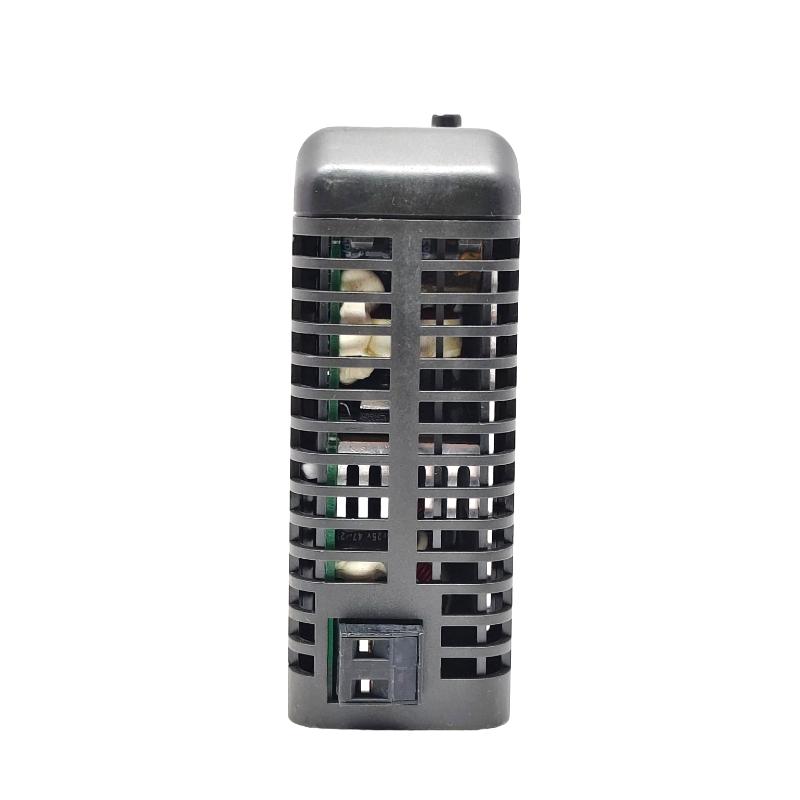
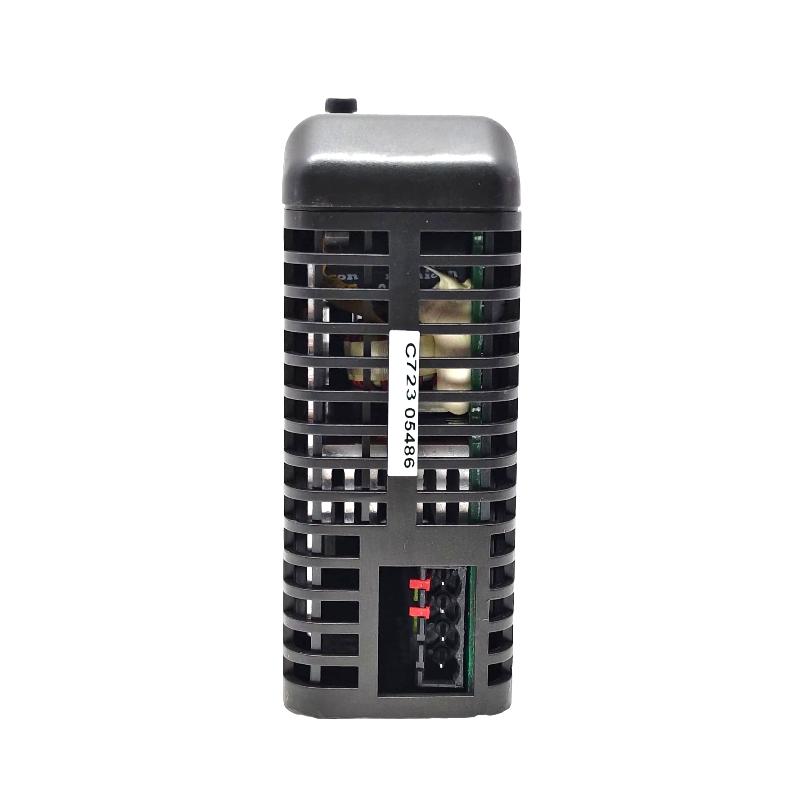
- Emerson
- KJ1501X1-BC2 12P2186X042
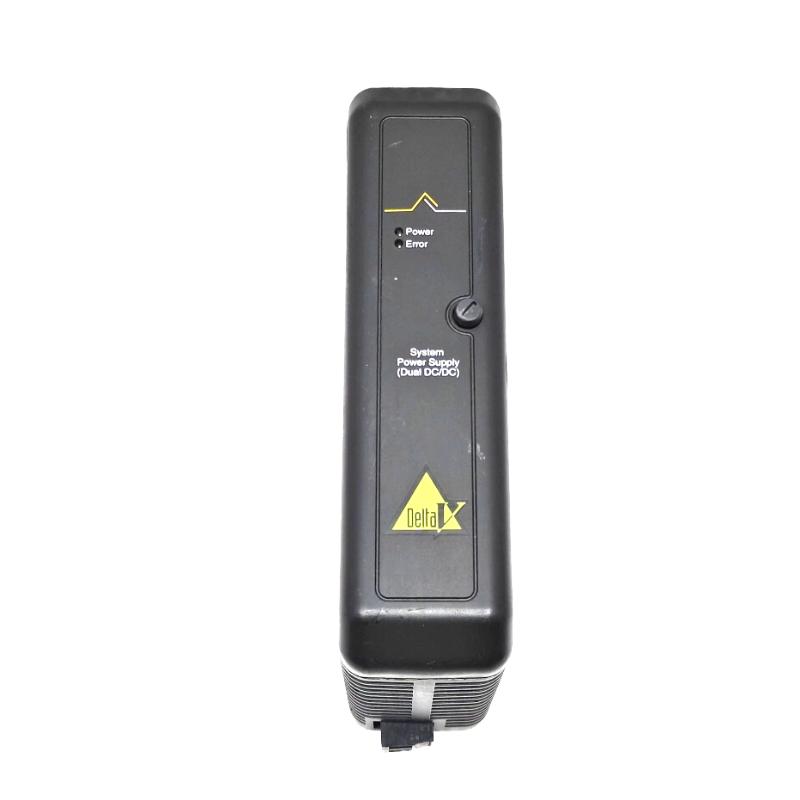
- Power Supply Module
- USA
- 145 × 120 × 60 mm
- 0.68 kg
- Xiamen, China
- New & In Stock
- T/T, PayPal, Western Union
- 1 Year
- 1-3 Working Days
- DHL, UPS, TNT, FedEx and EMS.
- 24-Hour Service
- COO
- 47
Our advantage

Global Logistics
We have a 10-year logistics and express cooperation agreement, so our products can be shipped to any place in the world.

Brand new and original
Our products are imported in bulk from the place of origin. Because of the cooperative relationship, our products are all original and 100% new.

24-hour service
We provide 7*24 hours service to our customers. We will be there whenever you need us.

Price advantage
All our products are priced very favorably because we have our own warehouse and supply.
| Company Information | |||
| [email protected] | |||
| Mobile | +8615980777398 | ||
| +8615980777398 | |||
| 15980777398 |
Product Overview
The Emerson KJ1501X1-BC2 12P2186X042 Power Supply Module is a power-supply component used within Emerson industrial automation systems. Its primary function is to provide the required electrical power for associated control-system hardware and maintain a suitable supply for continuous system operation.
In a process automation cabinet, the power supply is part of the infrastructure that supports controllers, I/O equipment, communication hardware, and other system components. Stable power is particularly important in distributed control applications because an interruption or unstable supply can affect multiple parts of the control architecture at the same time.
The KJ1501X1-BC2 is therefore best considered as a system power component, rather than a signal-processing or control module. When replacing or expanding an existing installation, the module’s electrical specifications, system compatibility, power requirements, and cabinet arrangement should be checked together.
Technical Specifications
| Parameter | Specification |
|---|---|
| Manufacturer | Emerson |
| Model | KJ1501X1-BC2 |
| Part Number | 12P2186X042 |
| Product Type | Power Supply Module |
| Primary Function | Control System Power Supply |
| Application | Industrial Automation / Process Control |
| System Role | Power Supply Layer |
| Dimensions | 145 × 120 × 60 mm |
| Weight | 0.68 kg |
The supplied physical specifications are 145 × 120 × 60 mm and 0.68 kg.
For a replacement application, the electrical input and output requirements should be confirmed against the installed system before installation. Physical compatibility alone does not establish that a power supply module can be used as a direct replacement.
Product Features
The KJ1501X1-BC2 is intended to support the power requirements of an industrial automation installation.
Key characteristics include:
- Emerson industrial automation power supply module
- Part number 12P2186X042
- Intended for control-system power distribution
- Suitable for process automation environments
- Supports associated automation hardware
- Designed for cabinet-based installation
- Forms part of the system power architecture
- Can be used alongside controller and I/O hardware
- Suitable for system maintenance and replacement applications
- Compact industrial power-supply format
- Dimensions of 145 × 120 × 60 mm
- Stated weight of 0.68 kg
Power-supply selection should take into account the complete load connected to the supply. Controller hardware, I/O modules, communication equipment, and other connected devices can all contribute to the total power demand.
Working Principle
The KJ1501X1-BC2 works at the power layer of the automation system rather than processing field signals or executing control logic.
A simplified architecture is:
Incoming Power → Power Supply Module → Automation Hardware → Controllers / I/O / Communication Equipment
The power supply receives its designated electrical input and converts or conditions it into the appropriate supply required by the associated automation hardware.
Once the output is available, connected control-system equipment can operate within its specified electrical range. This includes hardware such as controllers, I/O modules, communication interfaces, and other system components.
The power supply therefore has an indirect effect on overall control-system stability. A controller may be functioning correctly from a software perspective, for example, but inadequate or unstable power can still cause communication loss, module faults, unexpected resets, or system downtime.
For this reason, power quality and load capacity should be considered whenever automation hardware is added or replaced.
Role in a DeltaV Control System
When installed as part of an Emerson DeltaV architecture, the KJ1501X1-BC2 can be viewed as part of the infrastructure supporting the control-system hardware.
A simplified relationship is:
AC / DC Supply → Power Supply Module → Controller / I/O / Communication Hardware → Field Control System
The power supply does not execute control strategies itself. Instead, it supports the hardware that performs those functions.
This distinction is important during troubleshooting. A communication problem or controller fault may sometimes originate from an unstable supply, excessive load, poor connections, or an issue within the power-distribution path.
For system expansion, engineers should calculate the additional power demand rather than simply adding modules based on available physical mounting space.
Industrial Applications
The KJ1501X1-BC2 can be used in industrial control environments where reliable power is required for automation hardware.
| Application | Typical Power-Supply Role |
|---|---|
| Process Automation | Supplying control-system hardware |
| Oil and Gas | Supporting distributed control equipment |
| Chemical Processing | Powering controllers and I/O infrastructure |
| Power Generation | Supporting automation and monitoring hardware |
| Water Treatment | Supplying control-system components |
| Petrochemical Systems | Supporting process-control cabinets |
| Manufacturing | Powering industrial automation hardware |
| Utility Systems | Supplying distributed control equipment |
The actual application depends on the electrical configuration of the system and the total connected load.
Installation and Maintenance
The KJ1501X1-BC2 should be installed in the appropriate control-system cabinet with sufficient space for wiring, ventilation, inspection, and maintenance.
Power supplies should be evaluated as part of the complete electrical distribution system. The incoming supply, output requirements, connected load, grounding arrangement, and protection devices all need to be considered.
Recommended checks include:
- Confirm the complete KJ1501X1-BC2 model.
- Verify part number 12P2186X042.
- Confirm the applicable system architecture.
- Check the incoming power requirements.
- Verify the required output voltage and current.
- Calculate the connected load.
- Check upstream circuit protection.
- Inspect input and output wiring.
- Verify terminal tightness.
- Check grounding arrangements.
- Inspect connectors for signs of overheating.
- Confirm adequate cabinet ventilation.
- Monitor output stability during commissioning.
- Check connected controllers and I/O modules after startup.
- Review system diagnostics for power-related faults.
When replacing a power supply module, it is good practice to inspect the associated power-distribution wiring at the same time. Loose terminals, overloaded circuits, poor ventilation, or deteriorated connections can cause recurring problems even after a new power supply has been installed.
Related Components
The KJ1501X1-BC2 normally works together with several types of automation hardware.
| Component | Function |
|---|---|
| DeltaV Controller | Executes configured control strategies |
| I/O Modules | Interface with field signals |
| Communication Modules | Provide system and device communication |
| I/O Carriers | Provide mounting and system connections |
| Control Network Hardware | Connects automation-system components |
| Circuit Protection | Protects the power-supply circuit |
| Terminal Blocks | Provide electrical termination |
| Control Cabinet | Houses the automation and power equipment |
| Field Instruments | Provide process measurements |
| Final Control Elements | Execute process-control commands |
The power supply should be sized for the combined electrical demand of the hardware it supports rather than being evaluated independently.
Recommended Related Models
Related Emerson products should be selected according to system architecture, voltage requirements, load capacity, mounting arrangement, and compatibility with the installed automation platform.
| Model / Product Family | Product Type | Typical Application |
|---|---|---|
| Emerson KJ1501X1-BC2 12P2186X042 | Power Supply Module | Industrial automation system power |
| Emerson DeltaV Power Supply Modules | Power Supply Hardware | Controller and I/O system power |
| Emerson DeltaV Controllers | Controller Hardware | Process-control strategy execution |
| Emerson DeltaV I/O Modules | I/O Hardware | Field signal interface |
| Emerson DeltaV I/O Carriers | System Hardware | I/O module installation |
| Emerson DeltaV Communication Hardware | Communication Hardware | Control-system networking |
The KJ1501X1-BC2 should not be replaced solely according to its dimensions. Input voltage, output requirements, load capacity, mounting arrangement, and system compatibility should all be checked before selecting an alternative.
Key Advantages
- Emerson industrial automation power supply module.
- Model KJ1501X1-BC2.
- Part number 12P2186X042.
- Supports the power architecture of an automation system.
- Suitable for process-control environments.
- Can support associated controller, I/O, and communication hardware.
- Suitable for cabinet-based installations.
- Useful for system maintenance and replacement.
- Requires consideration of total connected power demand.
- Dimensions of 145 × 120 × 60 mm.
- Stated weight of 0.68 kg.
Technical FAQs
What role does the KJ1501X1-BC2 play in an automation system?
The KJ1501X1-BC2 functions at the power-supply layer of the automation architecture. It supplies the electrical power required by associated system hardware rather than executing control logic or directly processing field signals.
How should the power capacity be evaluated before installing this module?
The total electrical demand of the connected automation hardware should be calculated, including controllers, I/O modules, communication equipment, and other loads supplied from the same power architecture. The available supply capacity should then be compared with the actual system demand while allowing appropriate operating margin.
What symptoms can indicate a power-supply problem rather than a controller failure?
Unexpected controller resets, multiple I/O modules becoming unavailable at the same time, communication interruptions across several devices, or recurring system power alarms can point toward a common power problem. Input instability, overloaded output capacity, loose terminals, and poor connections should be checked before replacing individual control modules.
Why should the KJ1501X1-BC2 be checked together with the cabinet power-distribution system?
The power supply is only one part of the electrical path. Upstream protection, wiring, terminals, grounding, ventilation, and the connected load all affect how reliably the system operates. A replacement power supply may not resolve the problem if the underlying issue is in another part of the power-distribution circuit.