

ProductPRODUCT
Featured products
Contact Us
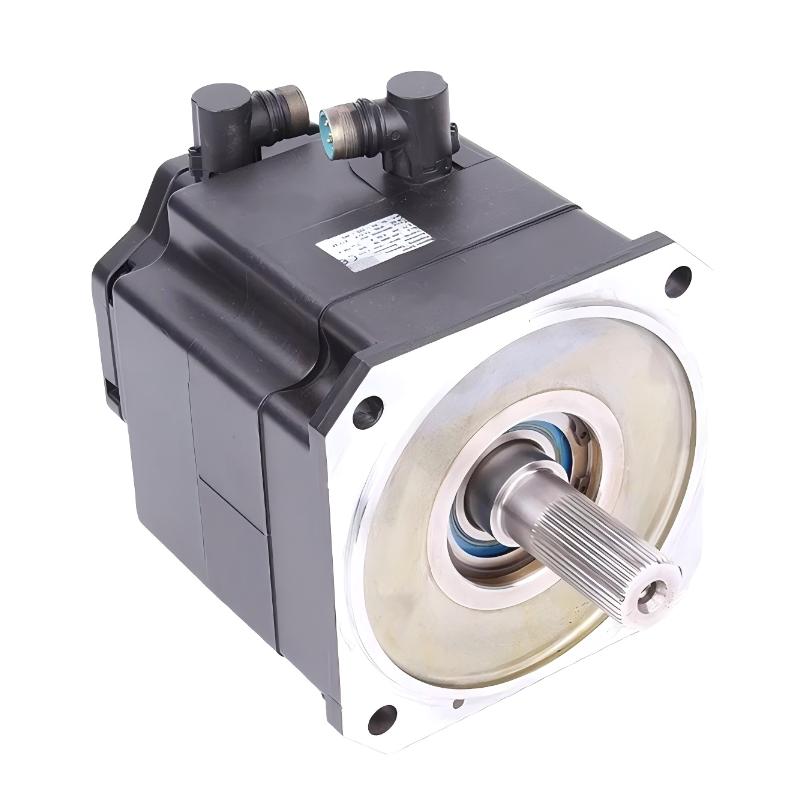
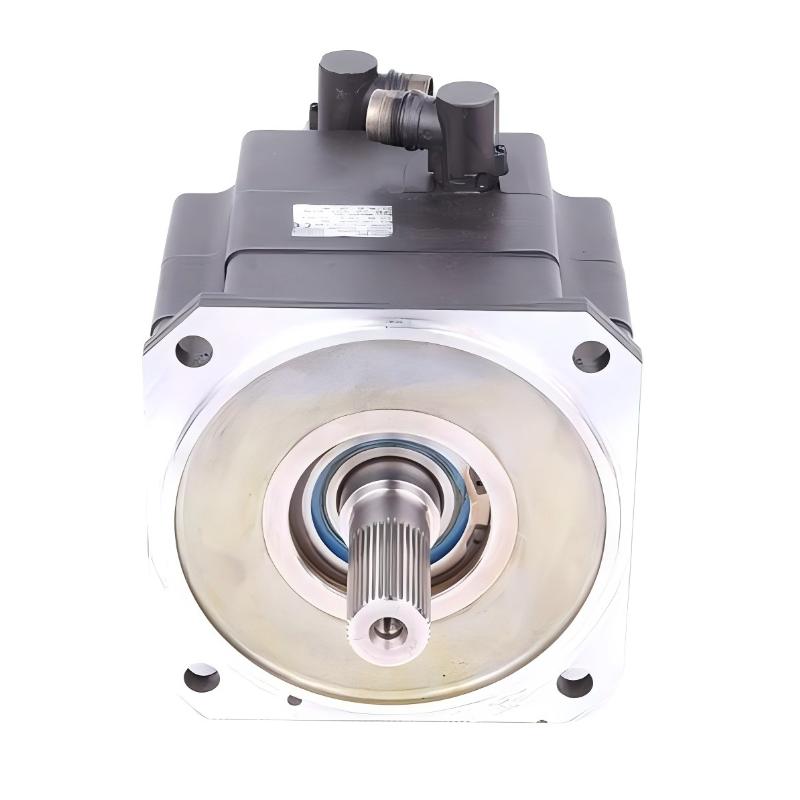
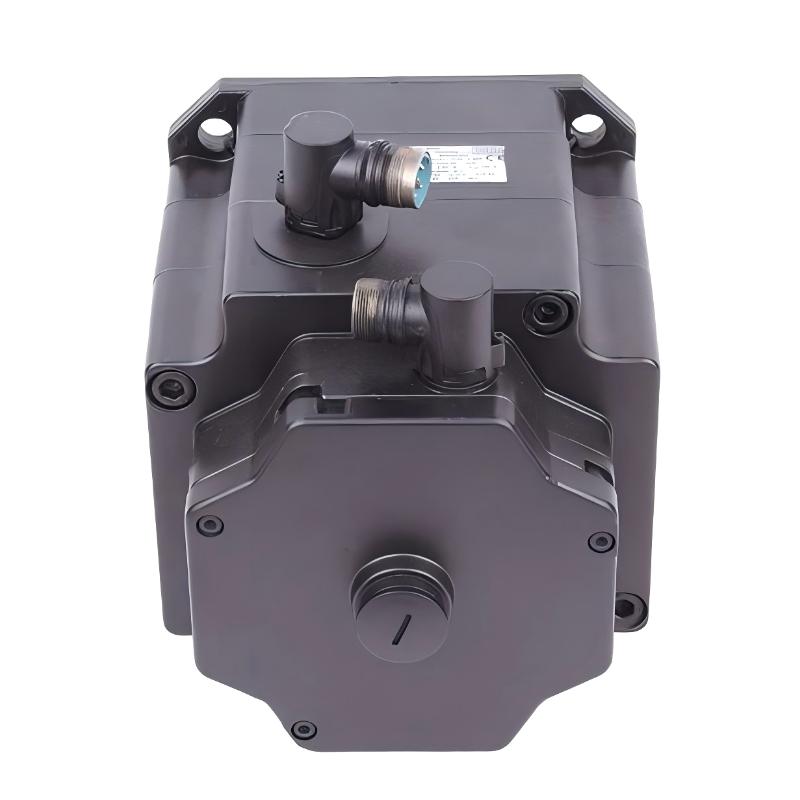
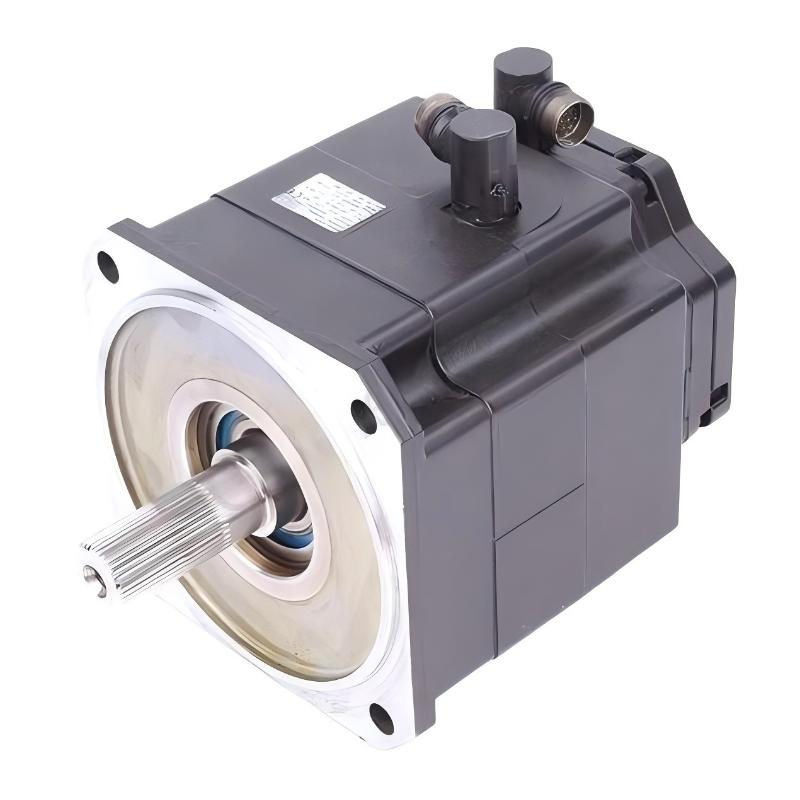
- ABB (KUKA)
- 1FK6100-8AF91-1ZZ9-ZS49 69-225-463
- 21.77 kg
- Germany
- 320 × 100 × 220 mm
- Robot Servo Motor
- Xiamen, China
- New & In Stock
- T/T, PayPal, Western Union
- 1 Year
- 1-3 Working Days
- DHL, UPS, TNT, FedEx and EMS.
- 24-Hour Service
- COO
- 61
Our advantage

Global Logistics
We have a 10-year logistics and express cooperation agreement, so our products can be shipped to any place in the world.

Brand new and original
Our products are imported in bulk from the place of origin. Because of the cooperative relationship, our products are all original and 100% new.

24-hour service
We provide 7*24 hours service to our customers. We will be there whenever you need us.

Price advantage
All our products are priced very favorably because we have our own warehouse and supply.
| Company Information | |||
| [email protected] | |||
| Mobile | +8615980777398 | ||
| +8615980777398 | |||
| 15980777398 |
Product Overview
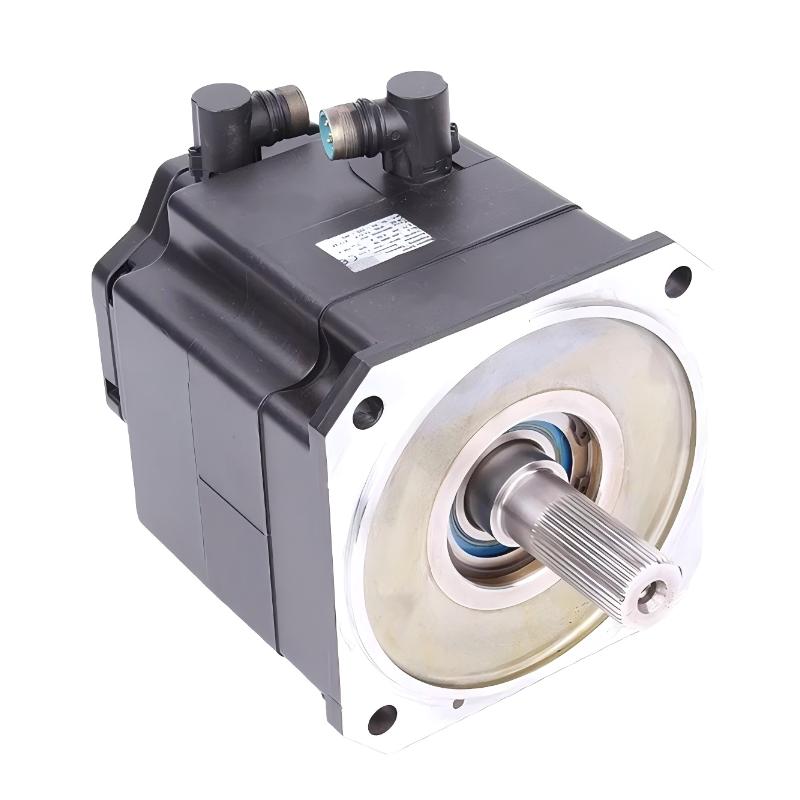
The KUKA 1FK6100-8AF91-1ZZ9-ZS49, identified by KUKA article number 69-225-463, is a brushless AC servo motor used for robotic motion and linear-track applications. This particular configuration is associated with the KUKA KL 1500/2 linear track, where the servo motor drives the track mechanism and allows the robot to move along its programmed travel path.
The motor belongs to the 1FK6100 servo motor family and has a rated output of 3.77 kW, a rated voltage of 156 V, and a rated current of 9.5 A. Its commonly specified speed range is 3000 rpm rated speed and approximately 4200 rpm maximum speed, making it suitable for dynamic positioning rather than constant-speed industrial motor service.
In a KL 1500/2 installation, the motor is part of a larger electromechanical transmission. The servo drive regulates the motor, while the motor transfers torque through the mechanical transmission of the linear axis. Depending on the track configuration, this rotary motion is converted into controlled linear movement of the robot carriage.
This arrangement allows a KUKA robot to extend its working envelope beyond the range available from the robot arm itself. The track axis can position the complete robot along the production line while the robot controller coordinates the external axis with the robot’s internal axes.
The 1FK6100-8AF91-1ZZ9-ZS49 should therefore be evaluated as an external robot-axis servo motor, rather than simply as a general-purpose 3.77 kW motor. When replacing one, the servo drive, feedback system, gearbox or transmission, coupling, and KL 1500/2 mechanical configuration all need to be considered together.
Technical Specifications
| Parameter | Specification |
|---|---|
| Manufacturer | KUKA |
| Model | 1FK6100-8AF91-1ZZ9-ZS49 |
| KUKA Article Number | 69-225-463 |
| Product Type | Robot Servo Motor |
| Motor Family | 1FK6100 |
| Motor Type | Brushless AC Servo Motor |
| Rated Power | 3.77 kW |
| Rated Voltage | 156 V |
| Rated Current | 9.5 A |
| Rated Speed | 3000 rpm |
| Maximum Speed | 4200 rpm |
| Motor Application | KUKA KL 1500/2 Linear Track |
| Servo Function | External Robot Axis Motion |
| Shaft Configuration | Splined Shaft |
| Brake | Integrated Brake Configuration |
| Mounting | Flange Mount |
| Typical Application | Robot Linear Track and External Axis |
| Dimensions | 320 × 100 × 220 mm |
| Weight | 21.77 kg |
Product Features
The 1FK6100-8AF91-1ZZ9-ZS49 combines the dynamic response of a brushless servo motor with the mechanical requirements of an external robot axis.
Its 3.77 kW output and 9.5 A rated current provide the motor capacity required for moving a robot carriage through a mechanically driven linear axis. Unlike a conventional induction motor, the servo motor is controlled through a dedicated drive so that acceleration, velocity, stopping, and positioning can be coordinated with the robot program.
Key characteristics include:
- 3.77 kW rated output
- 156 V rated voltage
- 9.5 A rated current
- 3000 rpm rated speed
- 4200 rpm maximum speed
- Brushless AC servo motor construction
- 1FK6100 motor family
- Splined shaft configuration
- Integrated brake configuration
- Flange-mounted construction
- KUKA article number 69-225-463
- Associated with the KL 1500/2 linear track
- Suitable for external robot-axis control
- Dimensions of 320 × 100 × 220 mm
- Weight of 21.77 kg
The combination of motor speed and mechanical transmission is particularly important on a linear track. The motor does not directly determine the final linear travel speed; the gearbox and track transmission determine how motor rotation is converted into carriage movement.
Working Principle
The 1FK6100-8AF91-1ZZ9-ZS49 operates within a closed-loop servo architecture:
KUKA Robot Controller → Servo Drive → Servo Motor → Gearbox / Transmission → Linear Track → Robot Carriage
When the robot program requires movement along the external axis, the controller generates a position and motion command for the track.
The servo drive receives the command and regulates the current supplied to the motor windings. The motor then develops the required torque and rotational speed. Through the mechanical transmission, this rotary movement is converted into linear travel along the KL 1500/2 track.
Feedback is essential to this process. The control system needs actual position and speed information so that the commanded track position can be compared with the actual position. Corrections can then be made by adjusting motor torque and speed.
The integrated brake serves a different purpose from the servo control loop. It can hold the motor mechanically when the axis needs to remain stationary under defined operating conditions. Brake release and engagement must be coordinated correctly with the servo drive and robot controller.
Because the external track moves the entire robot, its load characteristics are different from those of a small robot wrist axis. The servo system must account for the mass of the robot, payload, carriage, transmission friction, acceleration profile, and track condition.
Role in the External Robot Axis
The most important role of this motor is to provide the rotational drive for a KUKA KL 1500/2 linear track.
A typical arrangement can be represented as:
KUKA Robot Controller → External Axis Drive → 1FK6100 Servo Motor → Mechanical Transmission → KL 1500/2 Carriage
The track effectively adds another controlled axis to the robotic system. Instead of moving only through the six mechanical axes of the robot arm, the complete robot can travel along the production line.
This is useful when a single robot needs to reach multiple workstations, welding positions, assembly areas, fixtures, or material-handling locations.
The motor therefore has to deliver more than simple rotational movement. It must support repeatable positioning and controlled acceleration while moving a relatively large mechanical mass.
The actual linear performance depends on the complete transmission ratio and track mechanics. Consequently, replacing the motor with another unit that merely has the same 3.77 kW rating is not sufficient for a reliable substitution.
Industrial Applications
The 1FK6100-8AF91-1ZZ9-ZS49 is particularly relevant to robotic systems using an external linear axis.
| Application | Typical Use |
|---|---|
| KUKA KL 1500/2 | Drives the robot linear track |
| Robotic Welding | Moves the robot between welding positions |
| Automotive Production | Extends robot coverage along production lines |
| Material Handling | Positions the robot at multiple pickup and drop-off locations |
| Machine Tending | Allows one robot to access several machines |
| Assembly Automation | Moves the robot between workstations |
| Robotic Inspection | Provides extended travel for inspection operations |
| Multi-Station Manufacturing | Coordinates robot movement across several production areas |
The required motor performance depends on the complete external-axis configuration. Robot mass, payload, carriage design, track length, acceleration, cycle time, and mechanical transmission all affect the actual motor duty.
Installation and Maintenance
Installing this motor requires attention to both the electrical servo system and the mechanical linear-track assembly.
Before replacement, verify the complete motor designation 1FK6100-8AF91-1ZZ9-ZS49 and KUKA article number 69-225-463. The motor should also be checked against the specific KL 1500/2 configuration because external axes can have different mechanical arrangements.
The splined shaft and coupling require particular attention. The motor must engage correctly with the transmission without excessive radial or axial loading. Incorrect coupling alignment can result in vibration, bearing stress, abnormal noise, or premature mechanical failure.
Recommended checks include:
- Confirm the complete motor part number.
- Verify the 69-225-463 article number.
- Check the servo-drive configuration.
- Inspect the motor power connector.
- Verify feedback connections.
- Check brake wiring and brake release operation.
- Inspect the splined shaft for wear.
- Check the coupling and transmission interface.
- Inspect gearbox lubrication and mechanical condition.
- Check linear-track alignment.
- Inspect carriage wheels or guide components where applicable.
- Check for abnormal vibration during movement.
- Monitor motor temperature during repeated travel cycles.
- Review external-axis servo alarms.
- Perform slow-speed positioning tests after installation.
- Verify the track’s reference or mastering procedure before production operation.
If the track begins drawing excessive motor current after a motor replacement, the motor itself should not be the only suspect. Mechanical resistance, gearbox wear, track misalignment, excessive carriage load, incorrect drive parameters, or an improperly adjusted transmission can produce similar symptoms.
Related Components
The servo motor works together with several electrical and mechanical components in the KUKA external-axis system.
| Component | Function |
|---|---|
| KUKA Robot Controller | Coordinates robot and external-axis movement |
| Servo Drive | Controls motor current, speed, torque, and positioning |
| Motor Feedback System | Supplies actual motor movement information |
| Motor Brake | Holds the axis under defined stationary conditions |
| Gearbox / Reduction Unit | Converts motor speed into suitable drive torque |
| Splined Coupling | Transfers motor torque into the transmission |
| KL 1500/2 Linear Track | Converts rotary drive into linear robot movement |
| Robot Carriage | Supports and moves the robot along the track |
| Power Cable | Supplies controlled electrical power to the motor |
| Feedback Cable | Transfers motor feedback signals |
| Mechanical Guide System | Maintains accurate carriage movement |
The servo drive and feedback arrangement should be treated as part of the motor selection. Even when the mechanical motor dimensions appear correct, a feedback or drive mismatch can prevent the external axis from being commissioned successfully.
Recommended Related Models
For applications involving KUKA robot external axes and servo motors, the following components and motor families provide useful comparison points.
| Model / Component | Product Type | Typical Application |
|---|---|---|
| KUKA 1FK6100-8AF91-1ZZ9-ZS49 / 69-225-463 | Robot Servo Motor | KL 1500/2 linear track |
| KUKA 1FK6100-8AF91-1ZZ9-ZS09 | Robot Servo Motor | 1FK6100-class robotic motion applications |
| KUKA 1FK6100-8AF71-1ZZ9-ZS09 | Robot Servo Motor | Industrial robot servo-axis applications |
| KUKA KL 1500/2 | Linear Track | External robot-axis positioning |
| KUKA DSE Servo Drive System | Servo Drive | Closed-loop robot and external-axis control |
| KUKA KSD Servo Drive Family | Servo Drive | KUKA motor control and axis operation |
The KL 1500/2 is the most directly relevant system component for this particular motor because the 1FK6100-8AF91-1ZZ9-ZS49 is identified for the linear-track application.
Other 1FK6100 motors can be useful comparison products, but they should not automatically be considered direct replacements. The suffix configuration can represent differences in feedback, brake, mechanical interface, or other motor-specific characteristics.
Key Advantages
- 3.77 kW brushless AC servo motor.
- 156 V rated motor voltage.
- 9.5 A rated current.
- 3000 rpm rated speed.
- 4200 rpm maximum-speed class.
- Designed for servo-controlled robotic motion.
- Associated with the KUKA KL 1500/2 linear track.
- Suitable for external robot-axis positioning.
- Integrated brake configuration.
- Splined shaft for mechanical power transmission.
- Flange-mounted construction.
- Supports coordinated robot and linear-track movement.
- KUKA article number 69-225-463 for spare-part identification.
- Dimensions of 320 × 100 × 220 mm.
- Weight of 21.77 kg.
Technical FAQs
Why is the 1FK6100-8AF91-1ZZ9-ZS49 used on a KUKA linear track rather than as a conventional robot joint motor?
This configuration is associated with the KUKA KL 1500/2 linear track, where the motor drives an external axis that moves the robot carriage. Its function is therefore to extend the robot’s working range along a production line rather than directly actuating one of the robot arm’s internal joints.
How does the 3000 rpm motor speed translate into linear track movement?
The motor’s rotational speed is converted into linear movement through the track’s gearbox and mechanical transmission. The actual carriage speed depends on the reduction ratio and transmission geometry, so motor rpm alone cannot be used to calculate the final track speed.
What should be checked if the KL 1500/2 moves unevenly after replacing this motor?
Check the servo parameters and feedback first, then inspect the splined coupling, gearbox, track alignment, carriage mechanics, and mechanical load. Uneven travel can originate from the transmission or guide system even when the replacement servo motor is electrically healthy.
Can a 3.77 kW 1FK6100 motor with the same voltage replace the 1FK6100-8AF91-1ZZ9-ZS49?
Not automatically. The motor suffix must be checked because the detailed configuration can affect feedback, brake, shaft arrangement, and mechanical compatibility. For a KL 1500/2 replacement, the complete motor designation and KUKA article number should be matched before installation.