

ProductPRODUCT
Featured products
Contact Us
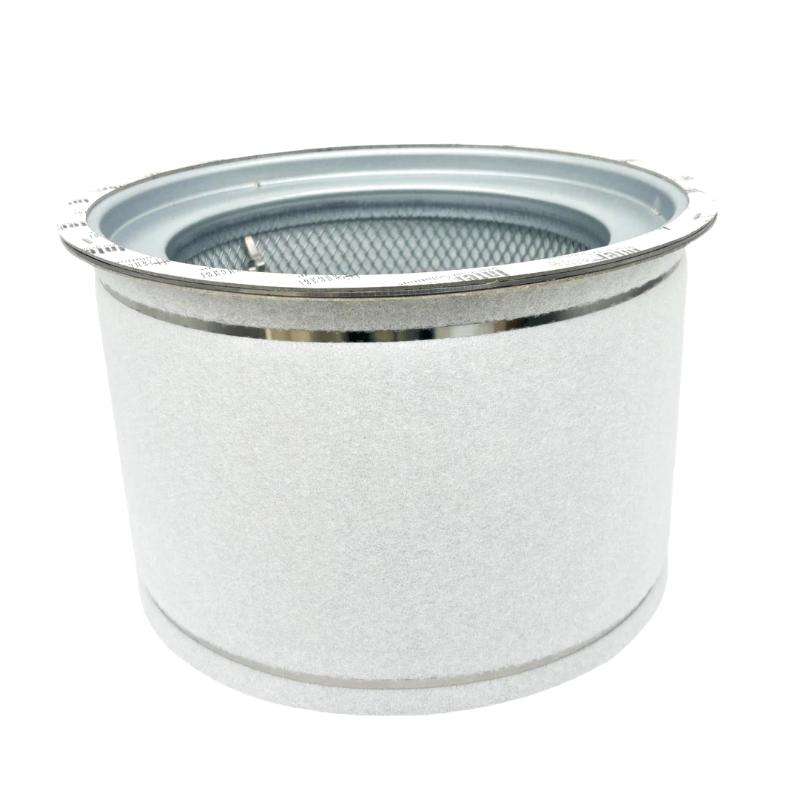
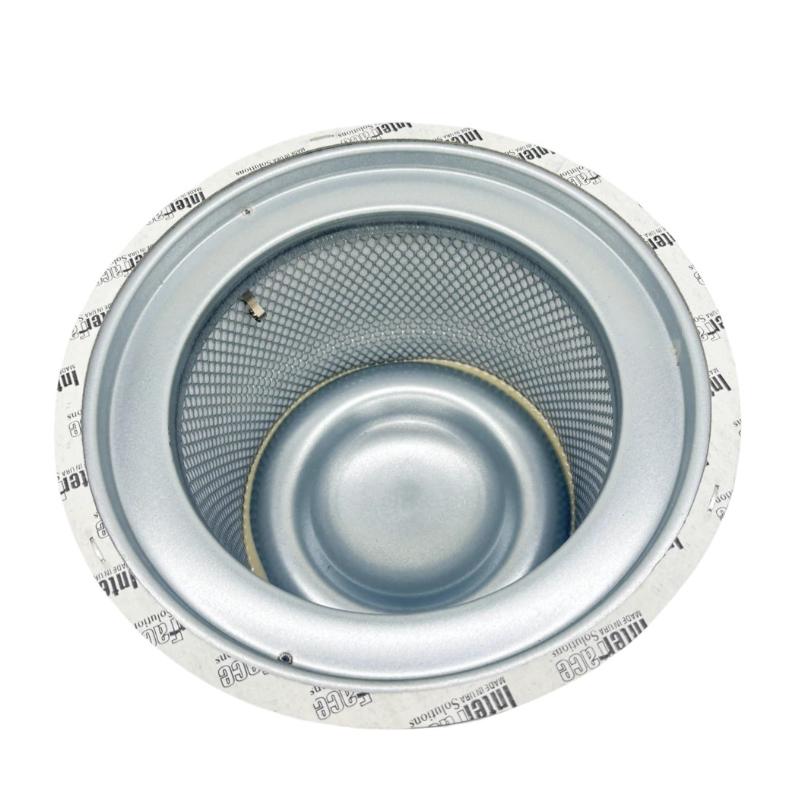
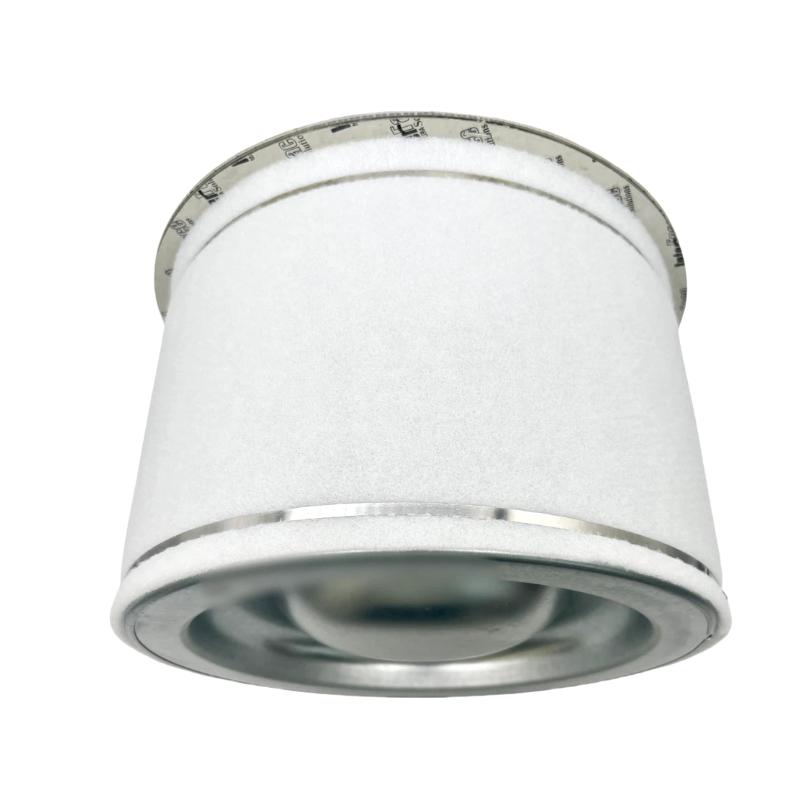
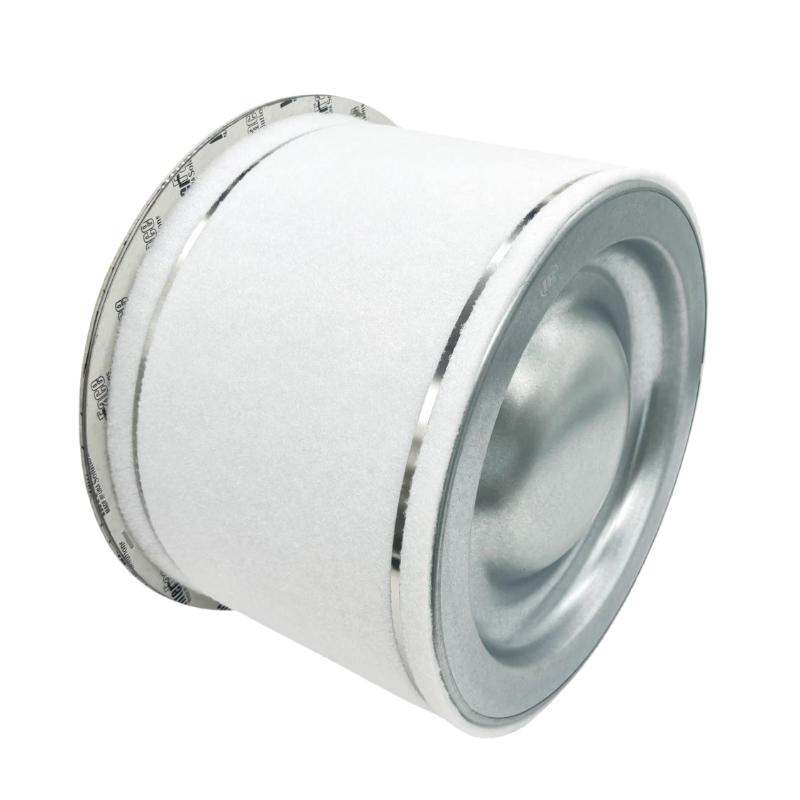
- Ingersoll Rand
- 47588693001 54601513
- Oil Separator
- USA
- 300 × 300 × 190 mm
- 5.4 kg
- Xiamen, China
- New & In Stock
- T/T, PayPal, Western Union
- 1 Year
- 1-3 Working Days
- DHL, UPS, TNT, FedEx and EMS.
- 24-Hour Service
- COO
- 87
Our advantage

Global Logistics
We have a 10-year logistics and express cooperation agreement, so our products can be shipped to any place in the world.

Brand new and original
Our products are imported in bulk from the place of origin. Because of the cooperative relationship, our products are all original and 100% new.

24-hour service
We provide 7*24 hours service to our customers. We will be there whenever you need us.

Price advantage
All our products are priced very favorably because we have our own warehouse and supply.
| Company Information | |||
| [email protected] | |||
| Mobile | +8615980777398 | ||
| +8615980777398 | |||
| 15980777398 |
Product Overview
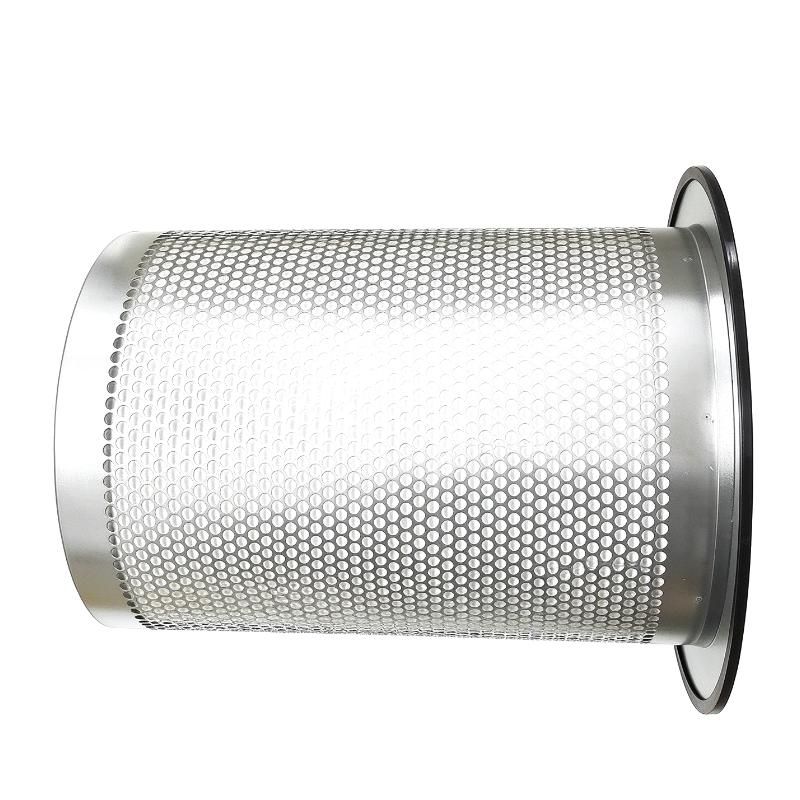
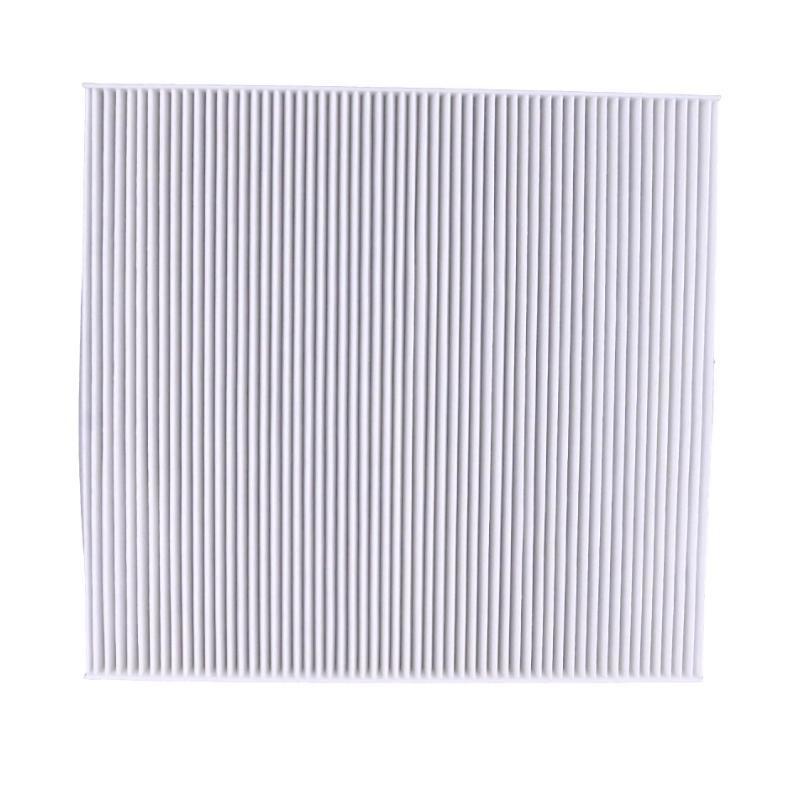
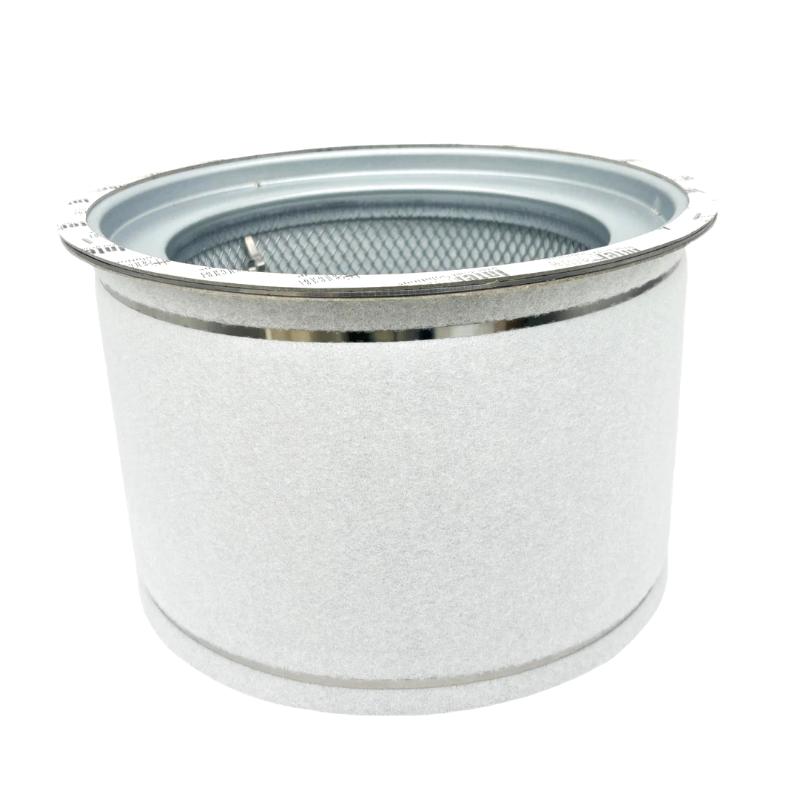
The Ingersoll Rand 47588693001 54601513 Oil Separator is a compressor air/oil separation component used in compatible Ingersoll Rand compressor systems. Its primary job is to separate entrained compressor oil from the compressed air stream before the air leaves the compression system.
In an oil-injected compressor, lubricant is introduced into the compression process for functions such as lubrication, cooling, and sealing. After compression, the resulting air-oil mixture must pass through a separation stage so that most of the oil can be recovered and returned to the compressor’s oil circuit.
The 54601513 oil separator therefore sits at an important point between the compression process and the compressed-air outlet. Its condition can influence oil carryover, compressor oil consumption, pressure behavior, and the cleanliness of the discharged air.
For maintenance purposes, the 47588693001 / 54601513 identification should be checked against the specific compressor configuration. An oil separator should not be selected only by its external dimensions because the sealing arrangement, airflow capacity, pressure conditions, and compressor design all affect compatibility.
Technical Specifications
| Parameter | Specification |
|---|---|
| Manufacturer | Ingersoll Rand |
| Model / Part Number | 47588693001 / 54601513 |
| Product Type | Oil Separator |
| Application | Industrial Air Compressor |
| Primary Function | Air/Oil Separation |
| System Role | Compressor Oil Recovery and Air Treatment |
| Installation Position | Compressor Separation System |
| Component Category | Compressor Service Part |
| Dimensions | 300 × 300 × 190 mm |
| Weight | 5.4 kg |
Product Features
The 47588693001 / 54601513 oil separator is used to support separation of compressor lubricant from compressed air in compatible systems.
Key characteristics include:
- Ingersoll Rand compressor oil separator
- Part numbers 47588693001 and 54601513
- Intended for compatible oil-injected compressor systems
- Separates oil from compressed air
- Supports recovery of separated compressor oil
- Helps control oil carryover into the compressed-air outlet
- Suitable for compressor maintenance and replacement
- Works as part of the compressor air/oil separation circuit
- Designed for industrial compressed-air equipment
- Requires correct sealing and installation for proper operation
The separator should be considered together with the compressor’s oil circuit, separator housing, pressure-control arrangement, and downstream compressed-air system.
Working Principle
The oil separator operates after the compressor has produced an air-oil mixture.
A simplified flow path is:
Air + Oil Mixture → Oil Separator → Separated Compressed Air → Air Outlet
During compression, oil can become entrained in the compressed air. The separator uses its internal separation structure to retain and collect oil while allowing the compressed air to continue toward the outlet.
The separated oil is recovered and returned to the compressor’s lubrication circuit, depending on the specific compressor architecture.
This process serves two purposes. First, it reduces the amount of oil leaving the compressor with the compressed air. Second, it allows usable lubricant to remain within the compressor system rather than being continuously lost with the air discharge.
As the separator accumulates contamination or becomes restricted, pressure conditions within the compressor can change. Excessive oil carryover can also indicate separator deterioration, sealing problems, incorrect oil level, or another issue elsewhere in the compressor system.
Role in a Compressor Air/Oil Separation System
The 54601513 oil separator forms part of the separation and oil-recovery stage of an oil-injected compressor.
A typical arrangement can be represented as:
Compressor Element → Air/Oil Mixture → Separator Vessel → Oil Separation → Compressed Air Outlet
At the same time, recovered oil is directed back toward the lubrication circuit:
Separator → Recovered Oil → Oil Circuit → Compressor
This makes the separator different from an ordinary compressed-air filter. A downstream air filter is generally intended to remove contaminants from already-compressed air, whereas the oil separator is responsible for separating compressor lubricant from the air immediately after the compression process.
For maintenance engineers, this distinction is important when diagnosing high oil carryover. The separator should be inspected together with the oil level, return circuit, seals, pressure conditions, and compressor operating state rather than being considered the only possible cause.
Industrial Applications
The 47588693001 / 54601513 oil separator is intended for compatible industrial compressor systems where oil separation is part of the compression process.
| Application | Typical Use |
|---|---|
| Industrial Air Compressors | Separation of oil from compressed air |
| Manufacturing Plants | Compressor oil-recovery maintenance |
| Pneumatic Production Systems | Controlling compressor oil carryover |
| Packaging Facilities | Maintaining compressed-air equipment |
| Process Equipment | Air/oil separation maintenance |
| Continuous-Duty Compressors | Scheduled separator replacement |
| Factory Utility Systems | Compressor servicing |
| Industrial Compressed-Air Stations | Maintaining air quality and oil circulation |
Actual performance depends on the compressor design, oil condition, operating pressure, temperature, and separator maintenance condition.
Installation and Maintenance
Oil separator replacement should be performed with the compressor shut down, isolated, and allowed to reach a safe service condition. The separator and associated components may contain hot oil and residual pressure after the compressor stops.
Recommended maintenance checks include:
- Confirm the complete 47588693001 / 54601513 part number.
- Verify compatibility with the compressor model.
- Isolate the compressor before opening the separation system.
- Allow pressure and temperature to reach a safe maintenance condition.
- Inspect the removed separator for abnormal contamination.
- Check the separator housing and sealing surfaces.
- Inspect gaskets and sealing components.
- Check oil-return connections where applicable.
- Verify that the replacement separator is installed in the correct orientation.
- Tighten connections according to the applicable maintenance procedure.
- Check for oil or air leakage after startup.
- Monitor compressor operating pressure.
- Check for excessive oil carryover at the air outlet.
- Record replacement date and operating hours.
If oil carryover remains excessive after installing a new separator, the separator should not automatically be considered defective. Incorrect oil level, blocked oil return, damaged seals, unsuitable lubricant, excessive operating temperature, or another compressor-system problem can produce similar symptoms.
Related Components
The oil separator operates as part of a larger compressor air and lubrication system.
| Component | Function |
|---|---|
| Compressor Element | Produces the compressed air and oil mixture |
| Oil Separator | Separates compressor oil from compressed air |
| Separator Housing | Contains and supports the separator |
| Oil Return Line | Returns separated oil to the lubrication circuit |
| Compressor Oil | Provides lubrication, cooling, and sealing functions where applicable |
| Oil Filter | Removes contaminants from circulating oil |
| Air Filter | Filters incoming ambient air |
| Oil Cooler | Helps control lubricant temperature |
| Pressure Control Components | Maintain appropriate compressor operating conditions |
| Aftercooler | Reduces compressed-air temperature downstream |
The separator’s performance depends on the condition of these surrounding components. In particular, the oil-return path should be checked when abnormal oil carryover or oil accumulation is observed.
Recommended Related Models
Related compressor service components should be selected according to the exact compressor configuration rather than by physical similarity alone.
| Model / Product | Product Type | Typical Application |
|---|---|---|
| Ingersoll Rand 47588693001 / 54601513 | Oil Separator | Compatible compressor air/oil separation |
| Ingersoll Rand Air/Oil Separator Series | Separator Family | Compressor oil separation |
| Ingersoll Rand Oil Filter Series | Oil Filter | Lubricant filtration |
| Ingersoll Rand Air Filter Series | Air Filter | Compressor intake protection |
| Ingersoll Rand Compressor Oil | Lubricant | Compressor lubrication and cooling |
| Ingersoll Rand Compressor Maintenance Kits | Service Components | Scheduled compressor maintenance |
When selecting a replacement separator, verify the compressor model, separator housing, sealing arrangement, pressure rating, oil-return configuration, and original service-part identification.
Key Advantages
- Ingersoll Rand compressor oil separator.
- Part numbers 47588693001 / 54601513.
- Designed for compatible oil-injected compressor systems.
- Separates entrained oil from compressed air.
- Supports compressor oil recovery.
- Helps reduce oil carryover at the compressed-air outlet.
- Supports proper operation of the compressor separation system.
- Suitable for scheduled compressor maintenance.
- Applicable to industrial compressed-air equipment.
- Useful for separator replacement and compressor service.
Technical FAQs
What happens when an oil separator becomes heavily restricted?
A restricted separator can increase pressure differential within the separation system and may affect compressor operating conditions. The compressor should be evaluated for separator restriction together with temperature, oil level, operating pressure, and other relevant parameters.
What does excessive oil carryover indicate after separator replacement?
Persistent oil carryover does not necessarily indicate a faulty new separator. Possible causes include an incorrect oil level, blocked oil-return circuit, damaged seals, unsuitable compressor lubricant, excessive operating temperature, or an underlying compressor-system issue.
Why is the oil-return circuit important to separator performance?
The separator collects oil from the compressed-air stream, but that recovered oil must be returned appropriately to the compressor lubrication circuit. If the return path becomes restricted or blocked, oil can accumulate in the separation system and contribute to abnormal oil carryover or compressor behavior.
How should the 54601513 be selected for compressor maintenance?
The complete 54601513 identification should be matched with the applicable compressor configuration. In addition to the physical dimensions, technicians should verify the separator housing, sealing arrangement, airflow requirements, operating pressure, oil-return configuration, and original compressor service documentation.