

ProductPRODUCT
Featured products
Contact Us
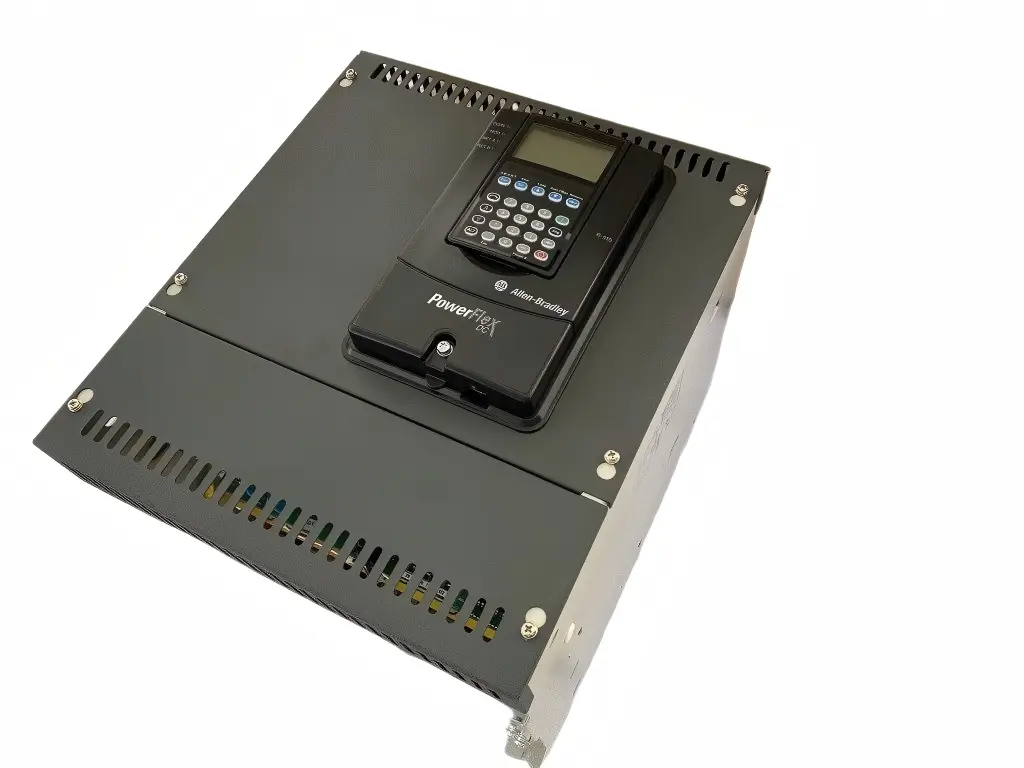
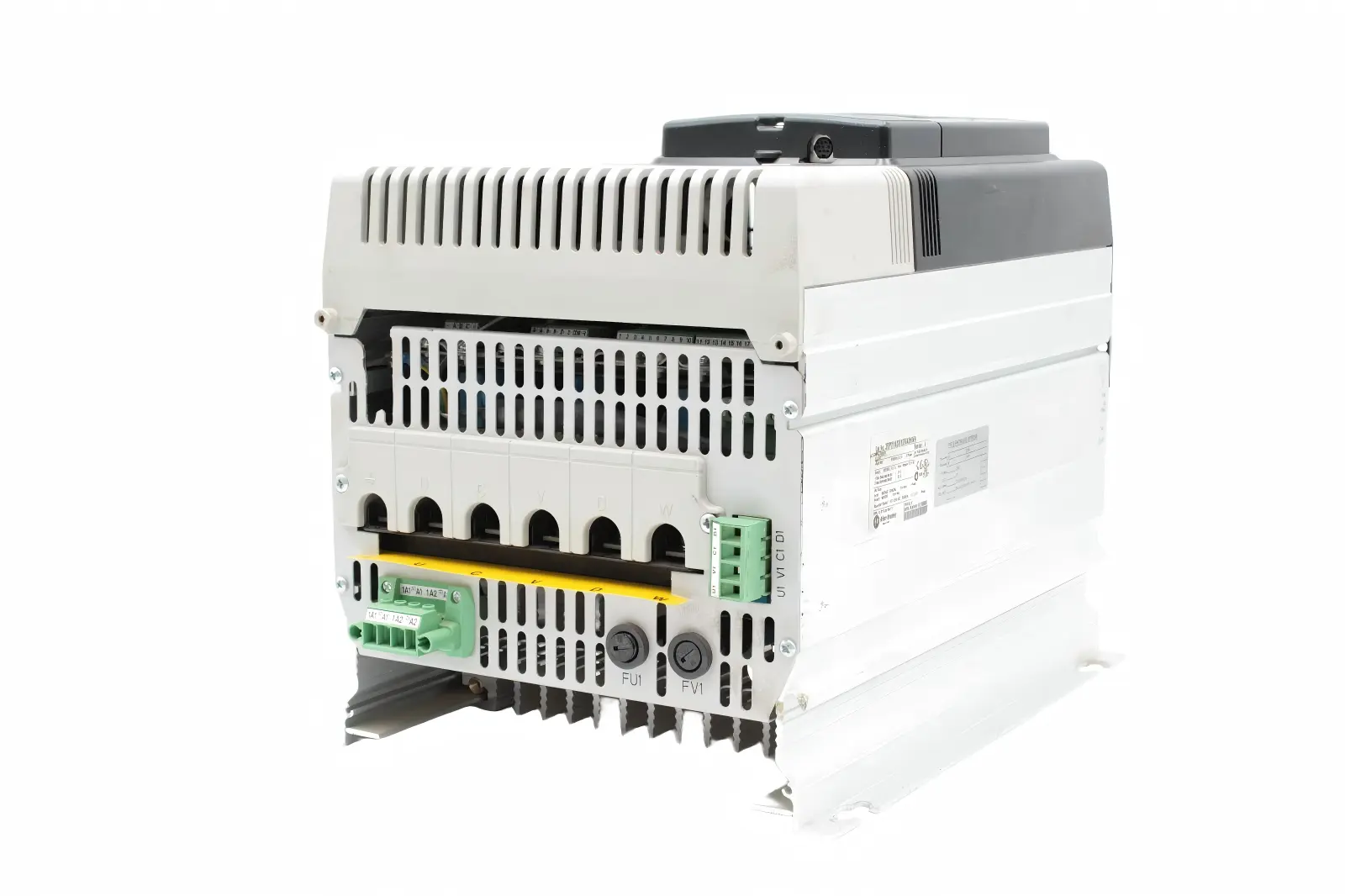
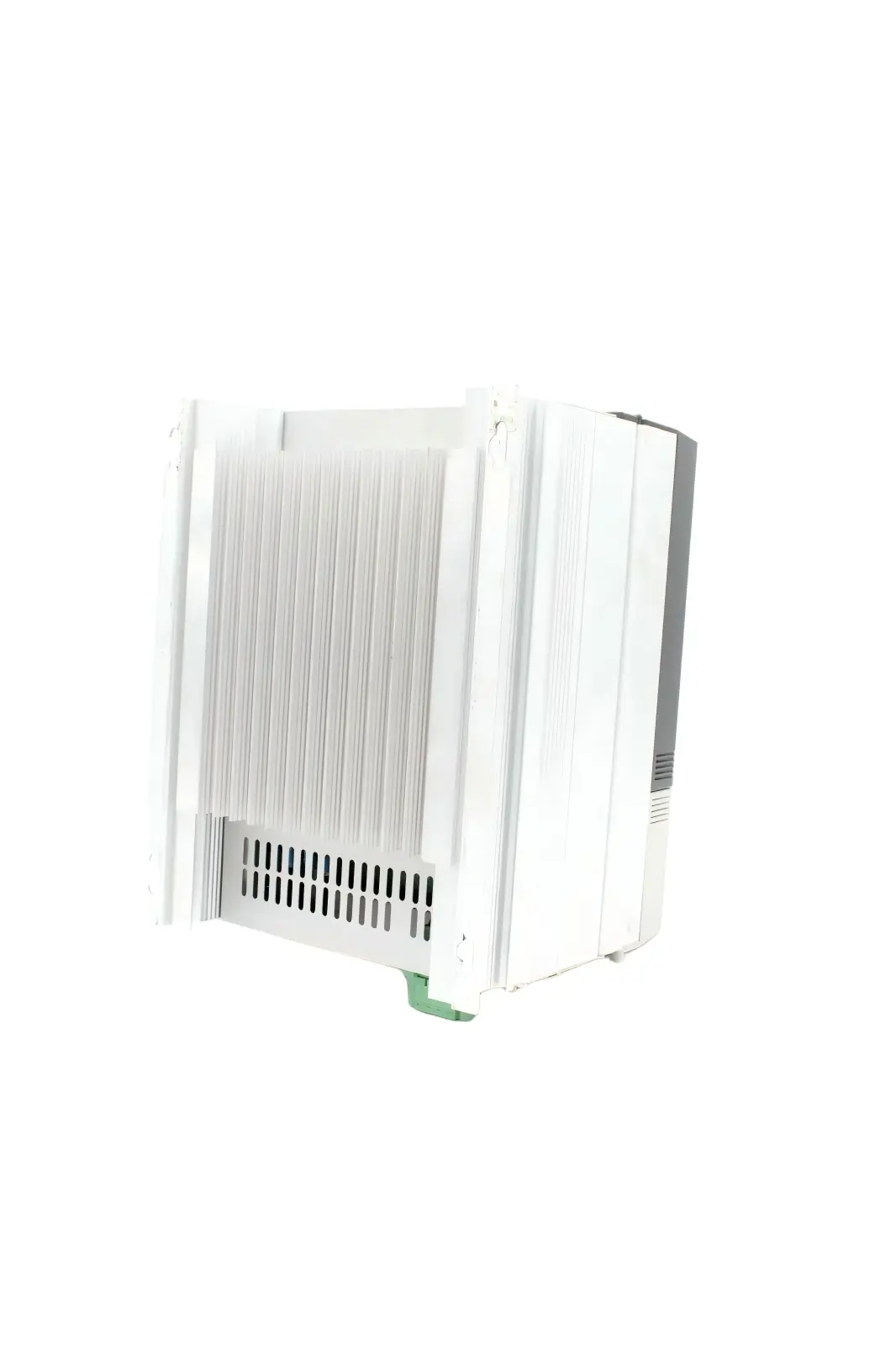
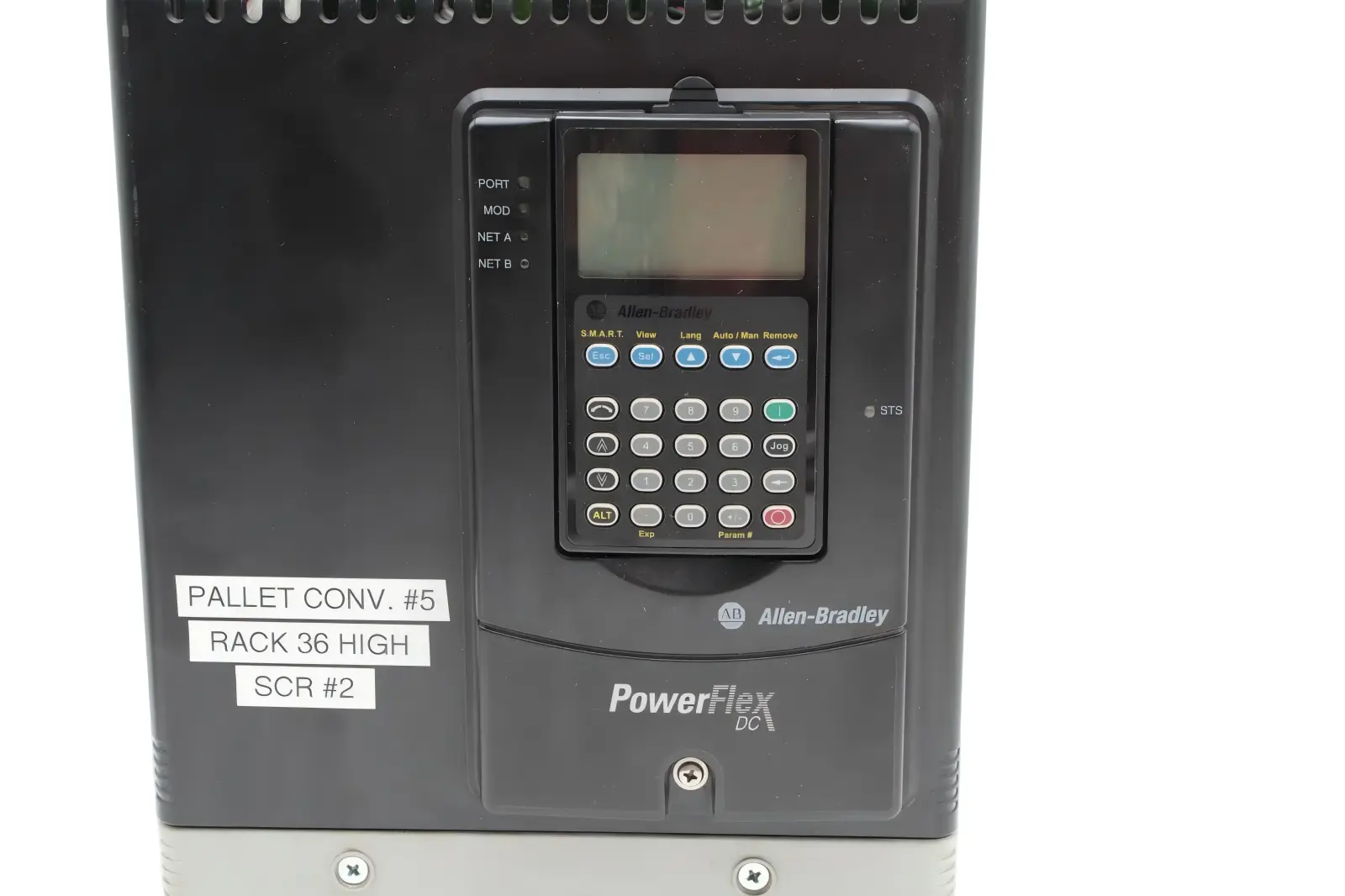
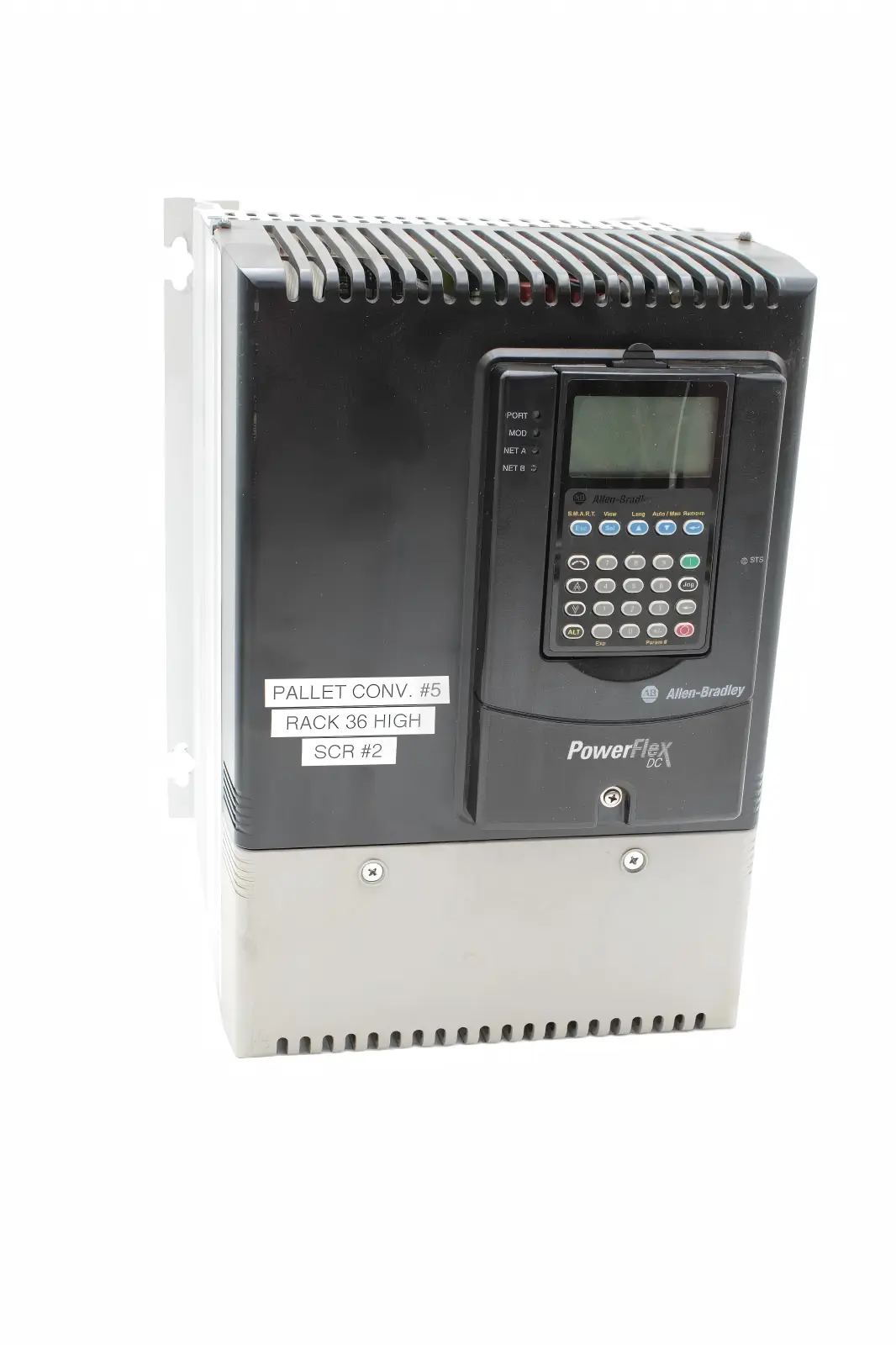
- Allen Bradley
- 20P41AB093RA0NNN
- PowerFlex AC Drive
- USA
- 107 mm × 130 mm × 32 mm
- 14.8 kg
- Xiamen, China
- New & In Stock
- T/T, PayPal, Western Union
- 1 Year
- 1-3 Working Days
- DHL, UPS, TNT, FedEx and EMS.
- 24-Hour Service
- COO
- 45
Our advantage

Global Logistics
We have a 10-year logistics and express cooperation agreement, so our products can be shipped to any place in the world.

Brand new and original
Our products are imported in bulk from the place of origin. Because of the cooperative relationship, our products are all original and 100% new.

24-hour service
We provide 7*24 hours service to our customers. We will be there whenever you need us.

Price advantage
All our products are priced very favorably because we have our own warehouse and supply.
| Company Information | |||
| [email protected] | |||
| Mobile | +8615980777398 | ||
| +8615980777398 | |||
| 15980777398 |
20P41AB093RA0NNN — Detailed Product Overview, Technical Parameters, Applications, Advantages and Related Models
1. Product Overview
The 20P41AB093RA0NNN is a PowerFlex DC regenerative drive designed for industrial DC motor control applications.
It belongs to the PowerFlex DC series and is configured for 230 V AC nominal input, three-phase operation, 93 A DC output, and a 25 HP / 18.5 kW motor rating.
The model is a four-quadrant regenerative DC drive, which means it can provide controlled motoring and regenerative operation in both forward and reverse directions.
This makes it particularly suitable for machinery where the motor needs to accelerate, decelerate, reverse direction, or absorb energy from a mechanically driven load.
The standard configuration uses an IP20, NEMA/UL Type Open enclosure, conformal-coated electronics, a blank front plate without a HIM, and no communication module in the standard configuration.
The drive uses Frame A construction and is air cooled.
2. Brand and Product Series
| Item | Specification |
|---|---|
| Model | 20P41AB093RA0NNN |
| Brand | Allen-Bradley |
| Product family | PowerFlex |
| Product series | PowerFlex DC |
| Product category | Regenerative DC Drive |
| Drive type | Digital DC motor drive |
| Rated motor power | 25 HP |
| Rated motor power | 18.5 kW |
| Rated DC output current | 93 A |
| Nominal AC input | 230 V AC |
| Input voltage class | 240 (208) V AC |
| Input phase | Three-phase |
| Input topology | 6-pulse |
| Motor operation | Four-quadrant |
| Regenerative operation | Yes |
| Frame size | A |
| Enclosure | IP20 |
| Enclosure type | NEMA/UL Type Open |
| Conformal coating | Yes |
| Front interface | Blank plate |
| HIM | Not included |
| Communication module | None in standard configuration |
| Field supply | Single-phase regulated |
| Cooling | Air cooled |
| Motor technology | DC motor |
| Main function | Speed, torque and current regulation |
3. Key Technical Parameters
| Parameter | Specification |
|---|---|
| Model | 20P41AB093RA0NNN |
| Product family | PowerFlex |
| Product series | PowerFlex DC |
| Drive type | Regenerative DC drive |
| Motor rating | 25 HP |
| Motor rating | 18.5 kW |
| DC output current | 93 A |
| AC input voltage | 240 (208) V AC |
| Nominal input voltage | 230 V AC |
| Input phase | 3-phase |
| Input configuration | 6-pulse |
| Operating mode | Four-quadrant |
| Regenerative braking | Yes |
| Field supply | Single-phase regulated |
| Frame | Frame A |
| Enclosure | IP20 |
| Enclosure type | NEMA/UL Type Open |
| Conformal coating | Yes |
| HIM | No HIM, blank plate |
| Communication module | None in standard configuration |
| Cooling | Air cooled |
| Approx. product weight | 14.8 kg |
| Approx. product weight | 32.5 lb |
| Installation | Control cabinet |
| Motor type | DC motor |
| Overload capability | 150% for 60 seconds; 200% for 3 seconds |
| Typical nominal motor class | 25 HP / 18.5 kW |
| Approx. physical size | Frame A; verify final mechanical drawing for cabinet layout |
| Typical application | Industrial DC motor control |
4. Important Note About Dimensions and Weight
The 20P41AB093RA0NNN is a Frame A unit.
Its published product weight is approximately 32.5 lb, or about 14.8 kg.
For this particular configuration, the safest engineering practice is to use the exact mechanical drawing associated with the unit when determining the cabinet cutout, mounting-hole locations, cable clearance and ventilation clearance.
The physical dimensions should therefore be treated as an installation-design value rather than simply using an estimated overall size.
For purchasing, replacement and cabinet design, the nameplate and mechanical drawing of the actual unit should take priority.
5. Product Introduction
The 20P41AB093RA0NNN is designed for applications where an industrial DC motor requires controlled speed and torque together with regenerative operation.
The 93 A output rating places it in the 25 HP / 18.5 kW class for 230 V AC three-phase applications.
Compared with smaller models in the same family, such as the 55 A and 73 A versions, this model provides additional current capacity for larger motors and heavier mechanical loads.
One of its most important characteristics is its regenerative capability.
A conventional motor drive primarily supplies electrical energy to the motor.
A regenerative drive can also manage situations where the mechanical load drives the motor.
This is important when a machine contains substantial rotational inertia or when the motor must repeatedly decelerate and reverse.
6. Four-Quadrant Operation
The four-quadrant architecture is one of the defining features of the product.
The four operating conditions can be summarized as follows:
| Quadrant | Motor Speed | Motor Torque | Operating Condition |
|---|---|---|---|
| I | Forward | Forward | Forward motoring |
| II | Forward | Reverse | Forward regenerative braking |
| III | Reverse | Reverse | Reverse motoring |
| IV | Reverse | Forward | Reverse regenerative braking |
This allows the machine to move in either direction while also providing controlled regenerative braking in either direction.
For a machine that performs frequent reversing, this is a major advantage.
7. Regenerative Operation
Regenerative operation becomes important whenever the mechanical load can drive the motor.
For example, a large winding roll may continue rotating after the drive commands deceleration.
Instead of treating the stored mechanical energy simply as unwanted energy, the motor can operate as a generator during the braking process.
The drive manages this regenerative condition.
This makes the 20P41AB093RA0NNN well suited to applications involving:
- High inertia
- Rapid acceleration and deceleration
- Frequent reversing
- Continuous regeneration
- Tension control
- Winding
- Unwinding
- Material handling
- Web processing
8. 25 HP / 18.5 kW Rating
The drive is classified at approximately:
25 HP
and:
18.5 kW
The horsepower-to-kilowatt conversion is:
25 HP × 0.746 ≈ 18.65 kW
which corresponds closely to the 18.5 kW industrial rating.
The 25 HP designation should not be used as the only motor-selection criterion.
The actual motor nameplate current is equally important.
The motor armature voltage, armature current, field voltage, field current, base speed, maximum speed and feedback arrangement should all be evaluated before final selection.
9. 93 A Output Capacity
The 93 A DC output rating is particularly important for motor selection.
DC motor torque is closely associated with armature current.
A motor requiring substantially more than the drive’s rated current should not simply be connected because its horsepower appears to be close to 25 HP.
The following information should be checked:
| Motor Parameter | Required Check |
|---|---|
| Motor power | Approximately 25 HP / 18.5 kW |
| Armature current | Must be compatible with 93 A drive capacity |
| Armature voltage | Must be compatible with drive output |
| Field voltage | Must match field supply requirements |
| Field current | Must be within drive capability |
| Base speed | Check against application |
| Maximum speed | Check against motor mechanical limits |
| Feedback | Verify encoder/tachometer arrangement |
| Duty cycle | Check continuous/intermittent operation |
| Acceleration | Check required dynamic performance |
| Deceleration | Check regenerative requirements |
| Load inertia | Check high-inertia operation |
| Reversing | Check frequency of direction changes |
10. Input Power Characteristics
The model is designed for the 208/240 V AC class.
The nominal voltage is generally described as 230 V AC.
The input is:
- Three-phase
- 6-pulse
- AC powered
- Designed for industrial DC motor applications
The corresponding configuration is suitable for industrial power systems designed around the 200–240 V class.
11. Overload Capability
The PowerFlex DC drive family provides substantial short-duration overload capability.
For the standard drive family, the published overload ratings include:
| Condition | Overload Capability |
|---|---|
| Normal continuous operation | Rated current |
| Short-duration overload | 150% for 60 seconds |
| Short-duration peak overload | 200% for 3 seconds |
This capability can be useful during acceleration and other temporary high-load conditions.
However, overload capacity does not mean that a motor can continuously operate above its rated current.
Motor thermal limits, drive thermal limits and application duty cycle still need to be considered.
12. Product Configuration
The catalog number provides information about the drive’s basic configuration.
The standard model 20P41AB093RA0NNN is configured as a regenerative drive with the following general characteristics.
| Configuration | Description |
|---|---|
| Model | 20P41AB093RA0NNN |
| Product type | PowerFlex DC drive |
| Input voltage | 240 (208) V AC |
| Nominal voltage | 230 V AC |
| Input phase | 3-phase |
| Input topology | 6-pulse |
| Output current | 93 A |
| Motor rating | 25 HP |
| Motor rating | 18.5 kW |
| Motor operation | Four-quadrant |
| Regeneration | Yes |
| Enclosure | IP20 |
| Enclosure type | NEMA/UL Type Open |
| Coating | Conformal coating |
| HIM | Blank plate / no HIM |
| Communication module | None |
| User documentation | User manual configuration |
| Frame | A |
| Cooling | Air cooled |
| Field supply | Single-phase regulated |
13. Main Product Advantages
13.1 Four-Quadrant Control
The drive can control forward motoring, forward regeneration, reverse motoring and reverse regeneration.
This is particularly useful in machinery that repeatedly changes direction.
13.2 Regenerative Braking
Regenerative braking provides controlled braking for loads with significant stored mechanical energy.
It is especially valuable in:
- Large rolls
- Winders
- Unwinders
- High-speed machinery
- Reversing equipment
- High-inertia conveyors
13.3 93 A Current Rating
The 93 A rating provides considerably more output capacity than the 55 A and 73 A versions.
This makes the model appropriate for approximately 25 HP applications when the motor’s actual nameplate requirements are compatible.
13.4 25 HP / 18.5 kW Motor Class
The model occupies a useful mid-range position within the 200–240 V PowerFlex DC product family.
It is larger than the 20 HP / 73 A model but smaller than the 30 HP / 110 A model.
This makes it a practical choice when a 73 A drive does not provide sufficient current capacity.
13.5 Good Retrofit Potential
Many industrial machines continue to use DC motors because the motors themselves are mechanically reliable.
Replacing an older DC controller with a modern digital DC drive can sometimes extend the useful life of the machine without changing the complete mechanical system.
This can potentially avoid:
- Motor replacement
- Gearbox modifications
- Coupling changes
- Mechanical redesign
- Major machine downtime
The actual feasibility depends on the existing motor and control system.
13.6 Conformal-Coated Electronics
The drive uses conformal-coated electronics.
This provides additional protection for the electronic assemblies in industrial environments.
It does not, however, turn the drive into a sealed enclosure.
The standard enclosure remains IP20 / NEMA/UL Type Open.
13.7 Compact Frame A Construction
The 93 A model remains within Frame A.
This gives it a relatively compact mechanical arrangement compared with the larger Frame B versions used for higher current ratings.
This can be advantageous when modernizing an existing cabinet with limited available space.
14. Product Applications
14.1 Winding Machines
Winding applications are among the strongest use cases for a regenerative DC drive.
During acceleration, the drive provides motor torque.
During normal production, the drive maintains speed and torque.
During deceleration, the rotating roll can drive the motor and create regenerative energy.
The four-quadrant structure is therefore highly suitable for this type of machine.
Typical examples include:
- Paper winders
- Film winders
- Foil winders
- Cable winders
- Wire winders
- Textile winding systems
- Material take-up machines
15. Unwinding Applications
Unwind machinery frequently requires braking torque rather than simple motoring torque.
The material is pulled by another machine section while the unwind motor controls the roll.
The motor may therefore operate in regeneration for extended periods.
The 20P41AB093RA0NNN is well suited to evaluating such applications where the DC motor and mechanical system are compatible.
16. Printing Equipment
Printing machinery often requires controlled speed and coordinated movement between multiple machine sections.
A stable motor speed is important for maintaining material movement and production consistency.
Potential applications include:
- Printing rollers
- Feed rollers
- Rewind sections
- Unwind sections
- Web transport
- Auxiliary drive sections
17. Paper Processing Equipment
Paper-processing equipment frequently contains multiple rotating sections.
The machine may need to:
- Accelerate a roll
- Maintain web speed
- Control tension
- Decelerate the roll
- Reverse machinery
- Handle high-inertia loads
A regenerative DC drive can be useful in such systems.
18. Film and Plastic Processing
Film-processing machinery often uses winding and unwinding mechanisms.
The changing diameter of a roll can create a continuously changing mechanical condition.
The drive may therefore need to maintain controlled speed and torque while the load changes.
Applications can include:
- Film winding
- Film unwinding
- Coating lines
- Laminating equipment
- Web transport
- Tension-control systems
19. Cable and Wire Processing
Cable and wire machinery commonly requires controlled winding and tension.
The drive may need to provide motor torque during one operating condition and braking torque during another.
Potential applications include:
- Cable take-up
- Cable pay-off
- Wire winding
- Wire drawing
- Tension-control systems
- Rewind machines
20. Metal Processing
DC drives have historically been used in numerous metal-processing applications.
Typical examples include:
- Strip handling
- Recoilers
- Feed sections
- Tension-control systems
- Material transport
- Processing lines
The regenerative characteristics can be particularly valuable when large rolls or heavy mechanical loads are involved.
21. Conveyor Applications
The drive can also be applied to suitable DC-motor-driven conveyor systems.
Four-quadrant operation can be useful where the conveyor needs:
- Forward operation
- Reverse operation
- Controlled starting
- Controlled stopping
- Frequent reversing
- Regenerative braking
22. High-Inertia Machinery
High-inertia machinery is an important application category.
Examples include:
- Large rolls
- Drums
- Flywheels
- Heavy conveyor systems
- Large rotating assemblies
- Rewinding machinery
When these systems decelerate, considerable mechanical energy can be transferred back into the motor.
The regenerative drive is designed to manage this operating condition.
23. Material Handling
Material-handling equipment can require controlled acceleration and deceleration, particularly when heavy loads are involved.
Possible applications include:
- Roll handling
- Lift mechanisms
- Transfer equipment
- Reversing conveyors
- Production-line material handling
The exact suitability depends on the motor, mechanical transmission and required duty cycle.
24. Existing DC Motor Modernization
One of the strongest reasons to consider this model is the modernization of existing DC machinery.
A typical legacy machine may contain:
- DC motor
- Tachometer
- Encoder
- Gearbox
- Coupling
- Mechanical transmission
- Existing PLC
- Operator interface
- Control cabinet
If the mechanical system is still in good condition, replacing the drive can sometimes be significantly less disruptive than replacing the complete motor-control system.
25. Mechanical and Installation Parameters
| Mechanical Parameter | Specification |
|---|---|
| Model | 20P41AB093RA0NNN |
| Frame | Frame A |
| Enclosure | IP20 |
| Enclosure style | NEMA/UL Type Open |
| Cooling | Air cooled |
| Conformal coating | Yes |
| Approx. weight | 14.8 kg |
| Approx. weight | 32.5 lb |
| Installation environment | Protected control cabinet |
| Cabinet ventilation | Required |
| Cable access | Must allow adequate bending radius |
| Service access | Recommended |
| Mounting | Cabinet/surface mounting |
| Water protection | External enclosure required |
| Dust protection | External enclosure required |
26. Why the IP20 Rating Matters
The IP20 rating means the drive is intended for installation within an appropriate protected environment.
It should not be installed as though it were a sealed outdoor industrial device.
The surrounding cabinet should provide appropriate protection from:
- Water
- Oil
- Condensation
- Conductive dust
- Excessive dust
- Chemical contamination
- Mechanical impact
The cabinet should also allow sufficient airflow around the drive.
27. Control and Feedback
DC motor applications can require precise speed regulation.
Depending on the machine configuration, feedback may be provided by:
- Tachometer
- Encoder
- Other compatible speed feedback equipment
Feedback can improve:
- Speed regulation
- Low-speed operation
- Dynamic response
- Tension control
- Load disturbance response
- Winding performance
- Production consistency
For an existing machine, the feedback device should be checked carefully before replacing the original drive.
28. Recommended Motor Matching
A suitable motor should not be selected based only on horsepower.
The following parameters should be compared.
| Motor Parameter | Recommended Check |
|---|---|
| Motor type | DC motor |
| Motor power | Approximately 25 HP / 18.5 kW |
| Armature current | Compatible with 93 A |
| Armature voltage | Compatible with drive output |
| Field voltage | Compatible with field circuit |
| Field current | Compatible with drive |
| Base speed | Compatible with required operating range |
| Maximum speed | Within motor mechanical limits |
| Feedback | Compatible with control architecture |
| Duty cycle | Compatible with thermal requirements |
| Acceleration | Within dynamic capability |
| Deceleration | Suitable for regeneration |
| Reversal | Suitable for required frequency |
| Load inertia | Must be evaluated |
| Mechanical load | Must be within motor capability |
29. Five Closely Related Models in the Same Series
The following models are particularly useful for comparison with the target model.
| Model | Motor Rating | Power | DC Output | Input | Operation | Frame | Weight (kg) |
|---|---|---|---|---|---|---|---|
| 20P41AB055RA0NNN | 15 HP | 11 kW | 55 A | 208/240 V AC, 3-phase | 4-quadrant regenerative | A | Approx. 10.8 |
| 20P41AB073RA0NNN | 20 HP | 15 kW | 73 A | 208/240 V AC, 3-phase | 4-quadrant regenerative | A | Approx. 13.0 |
| 20P41AB093RA0NNN | 25 HP | 18.5 kW | 93 A | 208/240 V AC, 3-phase | 4-quadrant regenerative | A | Approx. 14.8 |
| 20P41AB110RA0NNN | 30 HP | 22 kW | 110 A | 208/240 V AC, 3-phase | 4-quadrant regenerative | A | Approx. 14.8–15+ |
| 20P41AB146RA0NNN | 40 HP | 30 kW | 146 A | 208/240 V AC, 3-phase | 4-quadrant regenerative | B | Approx. 25.5 |
Weight figures are approximate product weights; exact shipping weight and mechanical configuration should be checked separately.
30. Same-Series Comparison
| Parameter | 20P41AB055RA0NNN | 20P41AB073RA0NNN | 20P41AB093RA0NNN | 20P41AB110RA0NNN | 20P41AB146RA0NNN |
|---|---|---|---|---|---|
| Motor HP | 15 | 20 | 25 | 30 | 40 |
| Motor kW | 11 | 15 | 18.5 | 22 | 30 |
| Output current | 55 A | 73 A | 93 A | 110 A | 146 A |
| Input voltage | 208/240 V AC | 208/240 V AC | 208/240 V AC | 208/240 V AC | 208/240 V AC |
| Input phase | 3-phase | 3-phase | 3-phase | 3-phase | 3-phase |
| Input type | 6-pulse | 6-pulse | 6-pulse | 6-pulse | 6-pulse |
| Regenerative | Yes | Yes | Yes | Yes | Yes |
| Four-quadrant | Yes | Yes | Yes | Yes | Yes |
| Frame | A | A | A | A | B |
| Enclosure | IP20 | IP20 | IP20 | IP20 | IP20 |
| Conformal coating | Yes | Yes | Yes | Yes | Yes |
| Weight | Approx. 10.8 kg | Approx. 13.0 kg | Approx. 14.8 kg | Approx. 14.8–15+ kg | Approx. 25.5 kg |
| Typical position | Lower | Lower | Target | Higher | Higher |
31. Closest Lower-Power Model — 20P41AB073RA0NNN
The 20P41AB073RA0NNN is the most logical lower-current comparison.
It is rated at approximately 20 HP / 15 kW and 73 A.
Compared with the target 93 A model, it has approximately 20 A less output-current capacity.
| Parameter | Specification |
|---|---|
| Model | 20P41AB073RA0NNN |
| Motor power | 20 HP |
| Motor power | 15 kW |
| Output current | 73 A |
| Input | 208/240 V AC |
| Phase | 3-phase |
| Regenerative | Yes |
| Four-quadrant | Yes |
| Frame | A |
| Enclosure | IP20 |
| Cooling | Air cooled |
| Approx. weight | 13.0 kg |
32. Closest Higher-Power Model — 20P41AB110RA0NNN
The 20P41AB110RA0NNN is the next major current rating above the target model.
It provides 110 A output and is intended for approximately 30 HP / 22 kW applications.
| Parameter | Specification |
|---|---|
| Model | 20P41AB110RA0NNN |
| Motor power | 30 HP |
| Motor power | 22 kW |
| Output current | 110 A |
| Input | 208/240 V AC |
| Phase | 3-phase |
| Regenerative | Yes |
| Four-quadrant | Yes |
| Frame | A |
| Enclosure | IP20 |
| Cooling | Air cooled |
| Approx. weight | Approximately 15 kg class |
33. Larger Related Model — 20P41AB146RA0NNN
The 20P41AB146RA0NNN moves into the 40 HP / 30 kW range.
Its output current is 146 A.
It also moves from Frame A to Frame B, making it physically larger than the target model.
| Parameter | Specification |
|---|---|
| Model | 20P41AB146RA0NNN |
| Motor rating | 40 HP |
| Motor rating | 30 kW |
| Output current | 146 A |
| Input | 208/240 V AC |
| Phase | 3-phase |
| Input topology | 6-pulse |
| Regenerative | Yes |
| Four-quadrant | Yes |
| Frame | B |
| Enclosure | IP20 |
| Cooling | Air cooled |
| Approx. weight | 25.5 kg |
34. Five Related Models for Different Power Levels
| Model | HP | kW | DC Current | Frame | Typical Position |
|---|---|---|---|---|---|
| 20P41AB038RA0NNN | 10 | 7.5 | 38 A | A | Smaller |
| 20P41AB055RA0NNN | 15 | 11 | 55 A | A | Smaller |
| 20P41AB073RA0NNN | 20 | 15 | 73 A | A | Smaller |
| 20P41AB093RA0NNN | 25 | 18.5 | 93 A | A | Target |
| 20P41AB110RA0NNN | 30 | 22 | 110 A | A | Larger |
35. Five Popular Models from the Same Brand
For users looking at the broader product portfolio rather than only DC drives, several AC-drive families are worth comparing.
These are not direct electrical substitutes for the 20P41AB093RA0NNN.
They become relevant primarily when an existing DC motor system is being converted to a modern AC motor and AC drive architecture.
| Model | Product Family | Drive Type | Typical Application | Power / Current Class | Input Class | Frame / Size | Weight (kg) |
|---|---|---|---|---|---|---|---|
| 25B-D010N104 | PowerFlex 525 | AC drive | General machinery | 10 A class | 480 V class | Compact | Verify configuration |
| 25B-D017N104 | PowerFlex 525 | AC drive | Conveyors and machinery | 17 A class | 480 V class | Compact | Verify configuration |
| 22B-D010N104 | PowerFlex 40 | AC drive | General-purpose motor control | 10 A class | 480 V class | Compact | Verify configuration |
| 20F11ND034AA0NNNNN | PowerFlex 753 | AC drive | Industrial machinery | 34 A class | 480 V class | Architecture class | Verify configuration |
| 20G11ND034AA0NNNNN | PowerFlex 755 | AC drive | High-performance machinery | 34 A class | 480 V class | Architecture class | Verify configuration |
36. PowerFlex 525-Type Application
The PowerFlex 525 family is primarily intended for compact AC motor control.
It can be considered when an older DC machine is being redesigned around an AC motor.
Typical applications include:
- Conveyors
- Pumps
- Fans
- Packaging equipment
- Material handling
- Small industrial machines
- General-purpose motor applications
The main difference is that the system would normally use an AC motor rather than retaining the existing DC motor.
37. PowerFlex 40-Type Application
The PowerFlex 40 family is oriented toward general-purpose AC motor control.
It is appropriate for applications where sophisticated four-quadrant DC regeneration is not the primary requirement.
Typical applications include:
- Fans
- Pumps
- Conveyors
- Simple machinery
- Material movement
- Auxiliary machine drives
38. PowerFlex 753-Type Application
The PowerFlex 753 family is intended for more advanced industrial AC motor applications.
It is worth considering when an existing DC system is undergoing a broader modernization project.
Potential applications include:
- Process equipment
- Conveyors
- Material handling
- Production machinery
- Pumps
- Fans
- Industrial machine systems
39. PowerFlex 755-Type Application
The PowerFlex 755 family is aimed at demanding industrial AC motor applications.
It may be considered where an old DC system is being completely redesigned rather than simply replacing the DC drive.
A complete conversion may involve:
- New AC motor
- New drive
- New feedback system
- New control wiring
- PLC program changes
- Mechanical modifications
- New braking strategy
Therefore, it should be regarded as a modernization alternative rather than a direct drop-in replacement.
40. Product Selection by Motor Power
The PowerFlex DC family provides a broad range of output-current ratings.
| Motor Rating | Approx. kW | DC Output Current | Model |
|---|---|---|---|
| 1.5 HP | 1.2 kW | 7 A | 20P41AB7P0RA0NNN |
| 2 HP | 1.5 kW | 9 A | 20P41AB9P0RA0NNN |
| 3 HP | 2.2 kW | 12 A | 20P41AB012RA0NNN |
| 5 HP | 3.7 kW | 20 A | 20P41AB020RA0NNN |
| 7.5 HP | 5.5 kW | 29 A | 20P41AB029RA0NNN |
| 10 HP | 7.5 kW | 38 A | 20P41AB038RA0NNN |
| 15 HP | 11 kW | 55 A | 20P41AB055RA0NNN |
| 20 HP | 15 kW | 73 A | 20P41AB073RA0NNN |
| 25 HP | 18.5 kW | 93 A | 20P41AB093RA0NNN |
| 30 HP | 22 kW | 110 A | 20P41AB110RA0NNN |
| 40 HP | 30 kW | 146 A | 20P41AB146RA0NNN |
| 50 HP | 37 kW | 180 A | 20P41AB180RA0NNN |
41. Practical Model Selection
If the existing motor is approximately 20 HP, the 73 A model is generally the closer choice.
If the motor is approximately 25 HP and its armature current is compatible, the 93 A model is the more appropriate selection.
If the motor is approximately 30 HP, the 110 A model becomes the more natural choice.
If the application requires approximately 40 HP, the 146 A Frame B model should be evaluated.
The actual motor nameplate remains the deciding factor.
42. Application Comparison
| Application | Suitability | Main Benefit |
|---|---|---|
| Winding | Excellent | Regenerative braking and tension control |
| Unwinding | Excellent | Controlled regenerative torque |
| Printing | Very good | Speed and torque regulation |
| Paper processing | Very good | Web control |
| Film processing | Very good | Winding and unwinding |
| Cable processing | Very good | Controlled winding |
| Wire processing | Very good | Tension and speed control |
| Metal processing | Very good | Torque and speed control |
| High-inertia conveyors | Very good | Regenerative deceleration |
| Reversing conveyors | Very good | Four-quadrant operation |
| Material handling | Very good | Acceleration and braking |
| Existing DC machines | Excellent | Retrofit potential |
| New AC machines | Usually not first choice | AC drive families may be more appropriate |
43. Advantages for Winding Systems
A winding machine is a good example of why the 93 A regenerative architecture can be useful.
During startup, the motor must accelerate the roll.
As the roll becomes larger, the inertia changes.
During production, the drive must maintain the required speed.
During deceleration, the rotating roll can drive the motor.
The drive must therefore operate across several different torque and energy conditions.
Four-quadrant operation gives the system the ability to transition between motoring and regenerative operation without requiring a separate basic braking architecture for every operating condition.
44. Advantages for Unwind Systems
An unwind system frequently needs the motor to provide controlled braking.
The material may be pulled by a downstream machine.
The unwind motor then prevents the roll from accelerating uncontrollably.
This requires controlled negative torque.
Regenerative operation is particularly useful in this situation.
The same principle applies to:
- Paper
- Plastic film
- Foil
- Cable
- Wire
- Textile
- Continuous web materials
45. Advantages for Reversing Machinery
Repeated forward/reverse operation can place substantial demands on the motor-control system.
A typical cycle may be:
Forward acceleration → forward running → regenerative deceleration → zero speed → reverse acceleration → reverse running → regenerative deceleration
The four-quadrant drive architecture is designed around this type of operating cycle.
This can make it particularly useful for machinery with frequent reversing requirements.
46. Advantages for High-Inertia Loads
High-inertia loads can store significant mechanical energy.
When the machine decelerates, that energy must go somewhere.
A regenerative drive allows the motor to transition into generator operation and provides controlled management of the regenerative condition.
This can improve braking control and reduce dependence on purely mechanical braking methods.
47. Retrofit Benefits
For an existing machine, the biggest advantage may not be the drive itself.
It may be the possibility of retaining the existing mechanical infrastructure.
A drive retrofit can potentially preserve:
- Existing DC motor
- Gearbox
- Coupling
- Mechanical transmission
- Machine frame
- Roll system
- Existing sensors
- Existing production tooling
This can reduce the scope of a modernization project.
However, compatibility must be checked carefully.
48. Control Cabinet Considerations
When installing a 93 A regenerative DC drive, cabinet planning should account for more than the drive’s external dimensions.
Space should be provided for:
- AC input cables
- DC motor cables
- Field wiring
- Control wiring
- Feedback wiring
- Grounding
- Ventilation
- Maintenance
- Heat dissipation
- Cable bending radius
A cabinet should not be designed with the drive installed tightly against other heat-producing equipment.
49. Thermal Management
Thermal conditions are especially important in enclosed control cabinets.
The following factors should be considered:
| Factor | Design Consideration |
|---|---|
| Ambient temperature | Must remain within allowable limits |
| Internal cabinet temperature | Should be controlled |
| Drive losses | Generate heat |
| Adjacent equipment | Adds additional heat |
| Ventilation | Helps remove heat |
| Cabinet size | Affects thermal performance |
| Air conditioning | May be necessary in hot environments |
| Installation clearance | Allows heat to dissipate |
| Dust | Can reduce cooling performance |
50. Electrical Protection
A complete installation normally requires appropriate upstream protection and switching equipment.
Depending on the machine design, this can include:
- Input protection
- Disconnecting means
- Appropriate fusing
- Input contactor
- Line reactor
- Grounding
- Motor protection
- Emergency-stop circuitry
- Control power protection
The exact components should be selected according to the machine’s electrical design and applicable installation requirements.
51. Maintenance Considerations
Regular maintenance can help extend the service life of an industrial DC drive.
Important maintenance areas include:
- Cabinet cleanliness
- Cooling airflow
- Fan condition
- Electrical connections
- Terminal condition
- Motor brushes
- Motor commutator
- Feedback device
- Grounding
- Control wiring
- Signs of overheating
For an existing DC motor installation, the condition of the motor itself is just as important as the condition of the drive.
52. Replacement Evaluation Checklist
Before replacing an existing drive with the 20P41AB093RA0NNN, check the following.
| Check Item | Requirement |
|---|---|
| Motor type | DC motor |
| Motor power | Around 25 HP / 18.5 kW |
| Armature current | Compatible with 93 A |
| Armature voltage | Compatible |
| Field voltage | Compatible |
| Field current | Compatible |
| Feedback | Verify tachometer/encoder |
| Four-quadrant requirement | Compatible |
| Regeneration | Required/appropriate |
| Input voltage | 208/240 V class |
| Input phase | Three-phase |
| Cabinet space | Frame A installation space available |
| Cooling | Adequate airflow |
| Control interface | Compatible with machine PLC/control system |
| Communication | Verify if external network control is needed |
| Motor condition | Mechanically and electrically suitable |
| Duty cycle | Compatible |
| Acceleration/deceleration | Compatible |
| Load inertia | Evaluated |
53. Full Technical Summary
| Parameter | 20P41AB093RA0NNN |
|---|---|
| Brand | Allen-Bradley |
| Product family | PowerFlex |
| Product series | PowerFlex DC |
| Product type | Regenerative DC drive |
| Motor power | 25 HP |
| Motor power | 18.5 kW |
| DC output current | 93 A |
| Nominal AC input | 230 V AC |
| Input voltage class | 240 (208) V AC |
| Input phase | 3-phase |
| Input topology | 6-pulse |
| Motor operation | Four-quadrant |
| Regenerative operation | Yes |
| Field supply | Single-phase regulated |
| Frame size | A |
| Enclosure | IP20 |
| Enclosure type | NEMA/UL Type Open |
| Conformal coating | Yes |
| HIM | No HIM / blank plate |
| Communication module | None in standard configuration |
| Cooling | Air cooled |
| Overload | 150% for 60 seconds |
| Short peak overload | 200% for 3 seconds |
| Approx. product weight | 14.8 kg |
| Approx. product weight | 32.5 lb |
| Installation | Protected control cabinet |
| Motor type | DC |
| Main application | Industrial DC motor control |
| Main feature | Four-quadrant regenerative operation |
| Typical applications | Winding, unwinding, printing, paper, film, cable, wire, metal processing, conveyors and material handling |
54. Final Assessment
The 20P41AB093RA0NNN is a 25 HP / 18.5 kW, 93 A PowerFlex DC regenerative drive intended for industrial applications requiring controlled DC motor operation.
Its most important characteristics are the 93 A output rating, four-quadrant operation, regenerative capability, 208/240 V three-phase input class, IP20 enclosure, and Frame A construction.
The model is especially well suited to machinery where the motor must do more than simply rotate in one direction.
Applications involving high inertia, rapid acceleration and deceleration, frequent reversing, winding, unwinding and tension control can benefit from the regenerative architecture.
For a machine with a 25 HP DC motor, this model provides a useful combination of power capacity and dynamic control.
The 20P41AB073RA0NNN is the closest lower-current option at 73 A and 20 HP.
The 20P41AB110RA0NNN is the next higher-current option at 110 A and 30 HP.
The 20P41AB146RA0NNN provides a larger 146 A / 40 HP solution and moves into Frame B construction.
For an existing DC machine, the 20P41AB093RA0NNN can be particularly attractive as part of a drive-modernization project because the existing DC motor and mechanical system may potentially be retained.
For a completely new machine, an AC motor and modern AC drive architecture may be worth considering instead.
The most important selection rule remains simple: do not select the drive from horsepower alone.
The motor’s armature current, armature voltage, field voltage, field current, feedback arrangement, speed range, acceleration/deceleration requirements, load inertia and duty cycle should all be checked before final installation.
In short, the 20P41AB093RA0NNN occupies a strong position in the PowerFlex DC range for medium-power, four-quadrant, regenerative DC motor applications, particularly where precise speed control, controlled braking and reliable reversing are important.