

ProductPRODUCT
Featured products
Contact Us
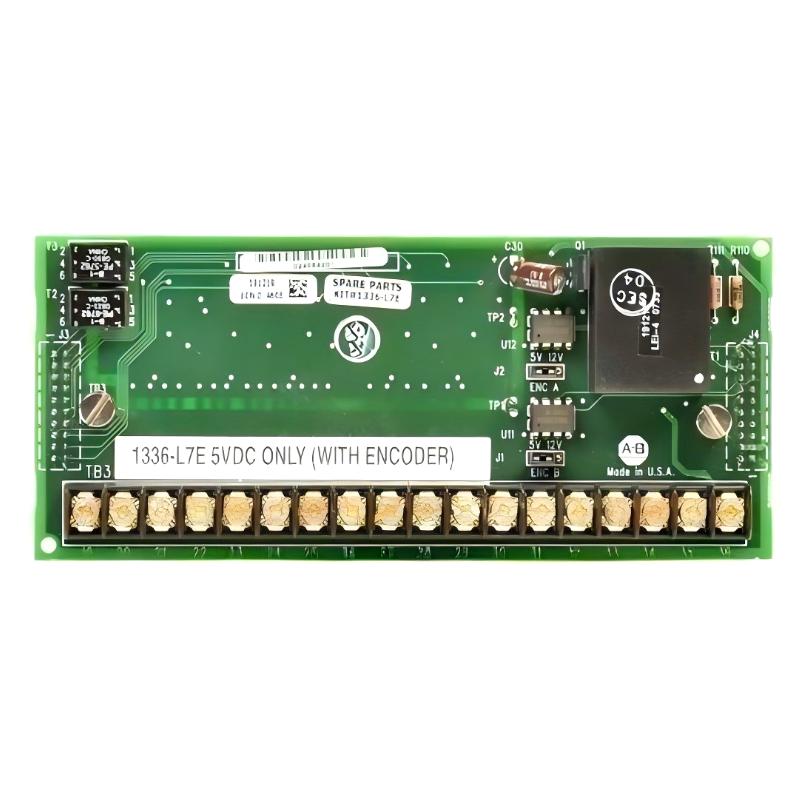
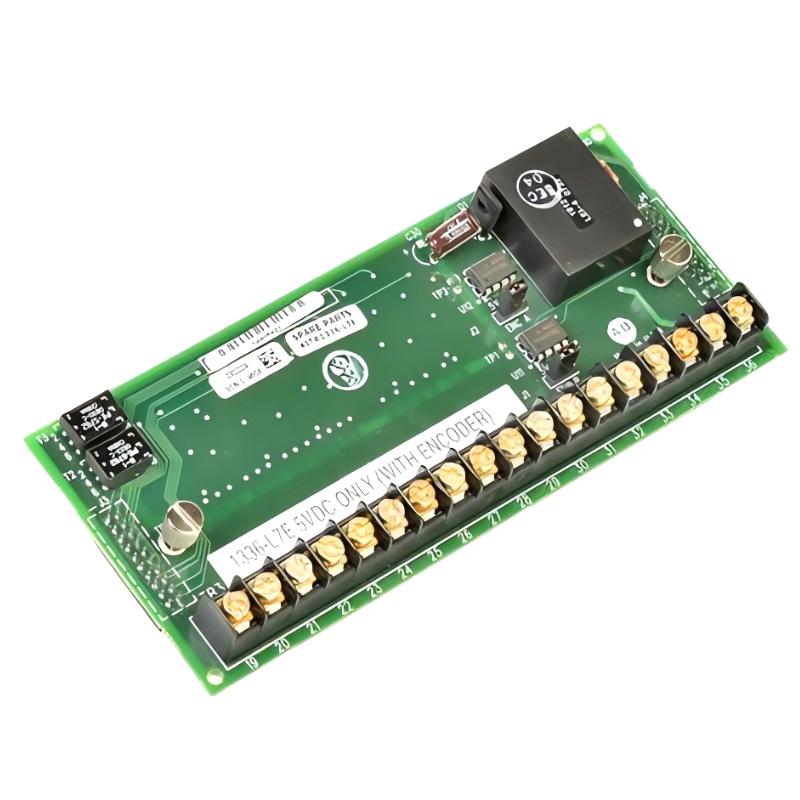
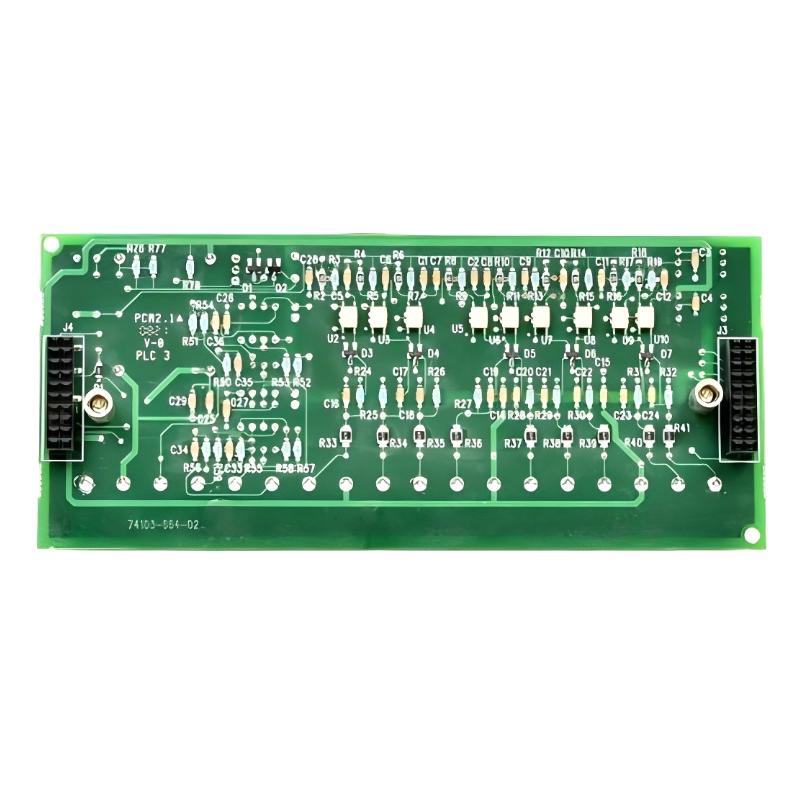
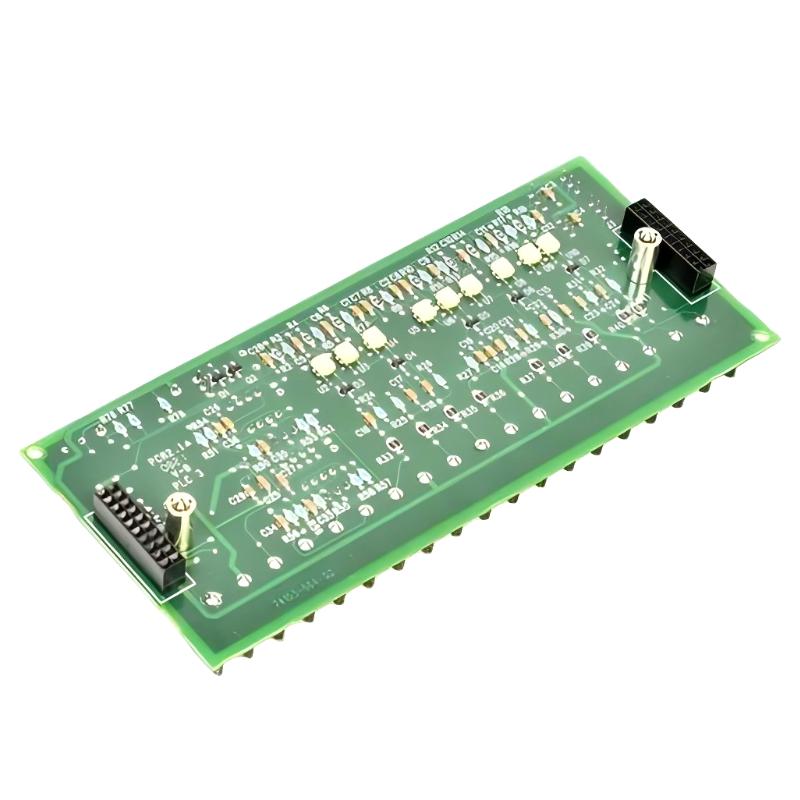
- Allen Bradley
- 1336-L7E
- Control Interface Board
- USA
- 110 × 20 × 70 mm
- 0.25 kg
- Xiamen, China
- New & In Stock
- T/T, PayPal, Western Union
- 1 Year
- 1-3 Working Days
- DHL, UPS, TNT, FedEx and EMS.
- 24-Hour Service
- COO
- 57
Our advantage

Global Logistics
We have a 10-year logistics and express cooperation agreement, so our products can be shipped to any place in the world.

Brand new and original
Our products are imported in bulk from the place of origin. Because of the cooperative relationship, our products are all original and 100% new.

24-hour service
We provide 7*24 hours service to our customers. We will be there whenever you need us.

Price advantage
All our products are priced very favorably because we have our own warehouse and supply.
| Company Information | |||
| [email protected] | |||
| Mobile | +8615980777398 | ||
| +8615980777398 | |||
| 15980777398 |
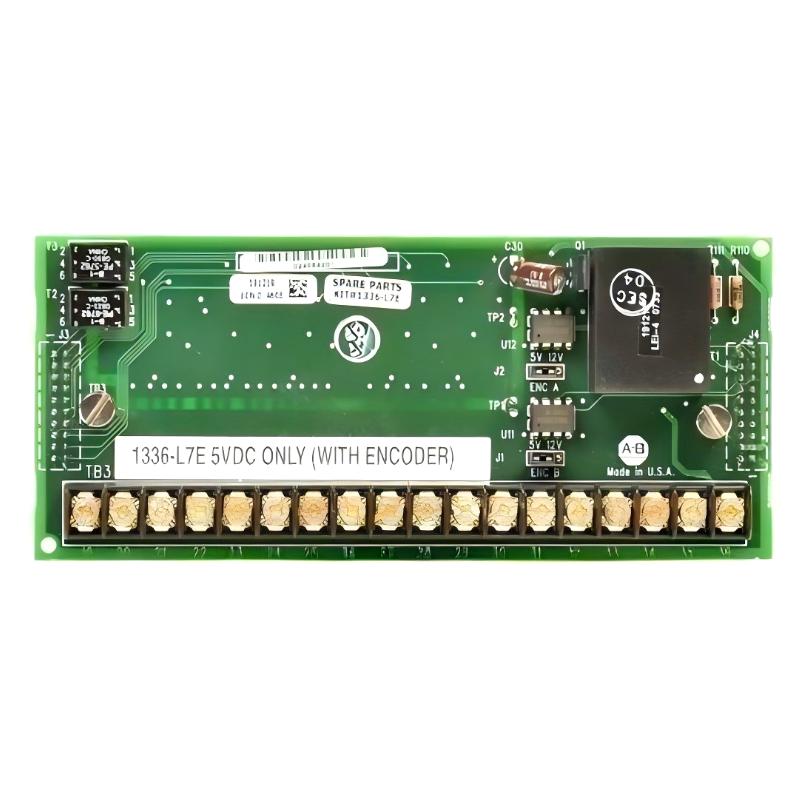
Product Overview
The Allen Bradley 1336-L7E Control Interface Board is an interface component used within Allen Bradley 1336 series drive systems. It provides the connection between control circuitry and other sections of the drive, allowing command, status, and control-related signals to be transferred between the appropriate electronic circuits.
In an industrial drive, the control interface is an important link between the main control electronics and supporting circuits. The interface board helps organize these electrical connections and allows different parts of the drive to work together as a coordinated system.
The 1336-L7E is intended to function as part of the drive’s internal electronics rather than as an independent controller. Its compatibility depends on the associated 1336 drive configuration, board revision, connectors, and surrounding control hardware.
Technical Specifications
| Parameter | Details |
|---|---|
| Manufacturer | Allen Bradley |
| Model | 1336-L7E |
| Product Type | Control Interface Board |
| Series | 1336 Series |
| Main Function | Control Signal Interface |
| System Role | Drive Control Interconnection |
| Application | Industrial Motor Drives |
| Typical Use | Drive Control and Signal Interface |
| Dimensions | 110 × 20 × 70 mm |
| Weight | 0.25 kg |
| Application Area | Industrial Automation and Motor Control |
Product Features
The 1336-L7E Control Interface Board is designed to provide an organized interface between different sections of compatible drive electronics.
Key characteristics include:
- Control interface board design
- Associated with Allen Bradley 1336 series drive hardware
- Provides signal interconnection within the drive
- Supports communication between control circuits
- Compact electronic board construction
- Suitable for industrial motor drive applications
- Dimensions of 110 × 20 × 70 mm
- Stated weight of 0.25 kg
- Designed for integration into drive control hardware
Because the board performs an interface function, the condition of its connectors, traces, and associated circuitry can directly affect communication between different drive sections.
Working Principle
The control interface board acts as an electrical connection point between related control circuits within the drive.
A simplified architecture can be represented as:
Drive Control Electronics → 1336-L7E Interface Board → Associated Drive Circuits
Signals passing through the interface may include control commands, status information, feedback-related signals, or other internal drive communications, depending on the specific hardware configuration.
The board itself is not responsible for high-power motor switching. Instead, it supports the low-level electronic communication and signal routing required for the different sections of the drive to operate together.
This separation between control electronics and power electronics is common in industrial drives because it allows sensitive control circuitry to be isolated from the high-power switching section.
Role in the Drive System
The 1336-L7E provides an interface function within the overall drive architecture.
| Function | Description |
|---|---|
| Signal Interconnection | Connects related drive control circuits |
| Control Interface | Provides an electrical path for control information |
| Internal Communication | Supports signal exchange between drive sections |
| System Integration | Helps different electronic assemblies operate together |
| Signal Routing | Routes appropriate signals through the drive architecture |
| Maintenance Support | Can be replaced when the interface hardware is damaged |
Although it is a relatively small board, an interface board can have a significant effect on overall drive operation because an open connection, damaged connector, or faulty circuit can interrupt signals required by other assemblies.
Industrial Applications
The 1336-L7E is associated with industrial motor drive applications where internal control and signal interconnection are required.
| Application | Typical Use |
|---|---|
| Conveyor Systems | Variable-speed motor control |
| Pumps | Process flow and motor regulation |
| Fans | Speed-controlled operation |
| Material Handling | Motor and equipment control |
| Production Machinery | Automated motor control |
| Machine Tools | Drive and motor coordination |
| Process Equipment | Variable-speed operation |
| Industrial Automation | Drive system integration |
The actual application depends on the specific 1336 drive and its control architecture.
Installation and Maintenance
As an internal drive circuit board, the 1336-L7E should be handled carefully during inspection or replacement.
Before accessing the board, the associated drive should be disconnected from the applicable power sources and the DC bus should be confirmed to have discharged to a safe level according to the relevant maintenance procedure.
Recommended checks include:
- Confirm the complete 1336-L7E model number.
- Verify compatibility with the associated 1336 drive.
- Check board revision and hardware configuration.
- Inspect connectors for contamination or mechanical damage.
- Check for loose connections.
- Inspect the board for burnt areas or damaged components.
- Examine related control boards and interface wiring.
- Confirm correct board orientation during installation.
- Secure all connectors before returning the drive to service.
- Perform functional testing after replacement.
When troubleshooting an interface board, it is important to check both sides of the connection. A communication or control fault may originate from the board, the connected circuit, or the wiring and connectors associated with it.
Related Drive Components
The 1336-L7E operates together with other control and power components within the drive.
| Component | Function |
|---|---|
| Drive Control Board | Processes drive commands and operating logic |
| Control Interface Board | Provides internal control signal interconnection |
| Gate Driver | Controls power switching devices |
| Bridge Rectifier | Converts AC input power to rectified DC |
| Bus Capacitor | Stores and stabilizes DC-link energy |
| Feedback Circuit | Supplies motor and electrical feedback |
| Power Switching Devices | Control electrical power delivered to the motor |
| Communication Interface | Exchanges information with external control equipment |
A complete understanding of these connections can make troubleshooting easier, particularly when the drive reports communication, control, or feedback-related faults.
Recommended Related Models
| Model / Component | Type | Primary Function | Application |
|---|---|---|---|
| Allen Bradley 1336-L7E | Control Interface Board | Internal control signal interconnection | 1336 series drives |
| Allen Bradley 1336F-MCB-SP1G | Drive Control Board | Drive control and signal processing | 1336F series drives |
| Allen Bradley 1336-BDB-SP31C | Gate Driver | Power switching control | 1336 series drives |
| Allen Bradley 1336-BR-SP5A | Bridge Rectifier | AC-to-DC rectification | 1336 series drives |
| Allen Bradley 1336-CAP-SP15A | Bus Capacitor | DC bus energy storage | 1336 series drives |
When replacing the 1336-L7E, the complete drive model, board revision, connector arrangement, and electrical compatibility should be checked. Similar physical dimensions do not necessarily indicate that two interface boards are interchangeable.
Key Advantages
- Provides internal drive control signal interconnection
- Associated with Allen Bradley 1336 series hardware
- Supports communication between drive circuits
- Compact 110 × 20 × 70 mm design
- Stated weight of 0.25 kg
- Suitable for industrial motor drive applications
- Supports integration between control-related assemblies
- Useful for drive maintenance and replacement
Technical FAQs
What role does the 1336-L7E play between the control and power sections of a drive?
The board provides an internal interface for control-related signals between associated electronic assemblies. It does not function as the main power switching device; instead, it supports the signal connections required by the drive’s control architecture.
Which symptoms can point toward an interface-board connection problem?
Intermittent drive operation, missing control signals, unexpected status indications, communication-related faults, or loss of feedback information can potentially be associated with an interface problem. Connectors and mating assemblies should be inspected before concluding that the board itself has failed.
Why should connector condition be checked when diagnosing the 1336-L7E?
An interface board depends on reliable electrical connections to transfer signals between assemblies. Oxidation, contamination, loose connections, damaged pins, or mechanical stress can create symptoms that resemble an electronic board failure.
Is a 1336 series interface board with the same dimensions automatically a replacement for the 1336-L7E?
No. Electrical interfaces, connector assignments, board revisions, circuit functions, and compatibility with the specific drive configuration must all be verified. Physical size alone is not sufficient for selecting a replacement.