

ProductPRODUCT
Featured products
Contact Us
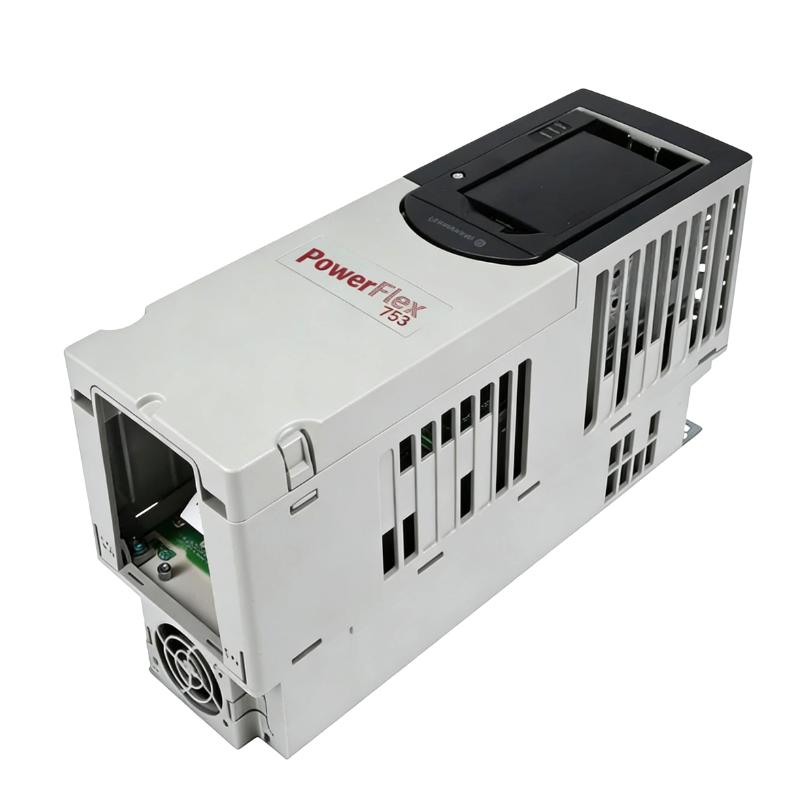
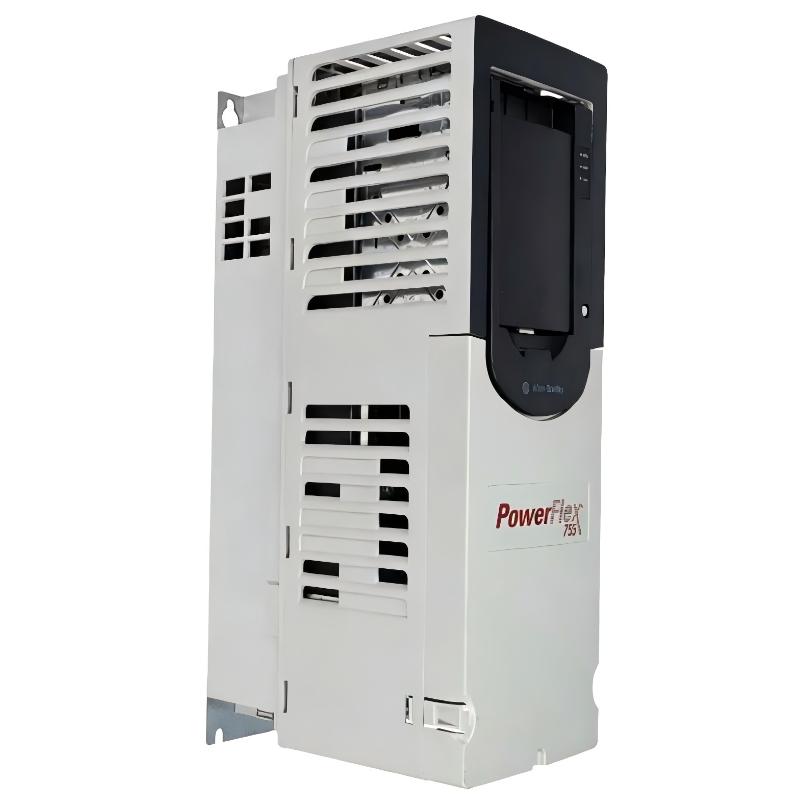
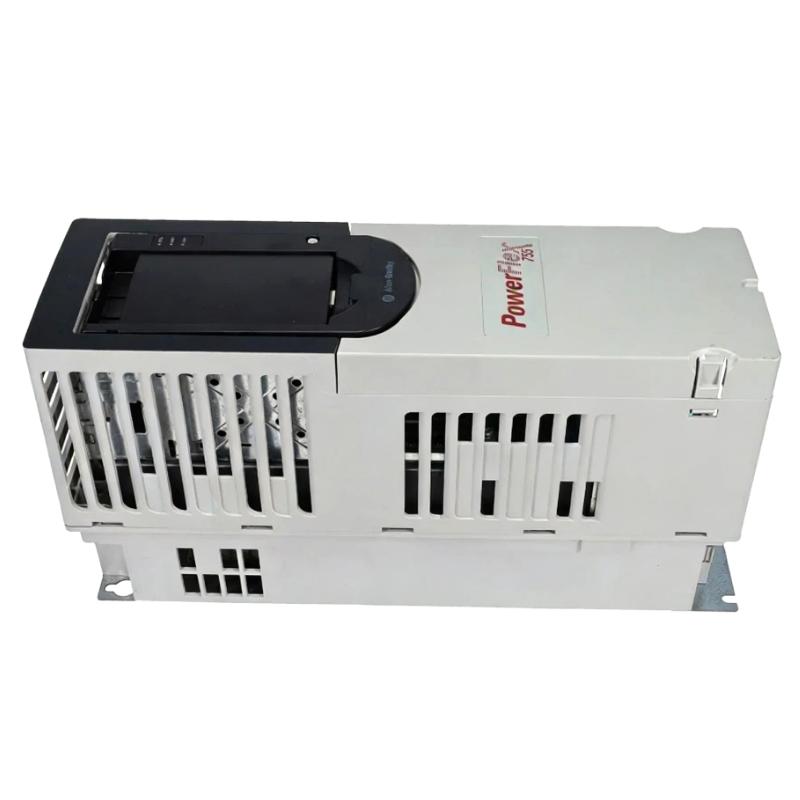
- Allen Bradley
- 20F11NC037AA0NNNNN
- PowerFlex AC Drive
- USA
- 300–350 × 500–650 × 300–350 mm
- 28kg
- Xiamen, China
- New & In Stock
- T/T, PayPal, Western Union
- 1 Year
- 1-3 Working Days
- DHL, UPS, TNT, FedEx and EMS.
- 24-Hour Service
- COO
- 45
Our advantage

Global Logistics
We have a 10-year logistics and express cooperation agreement, so our products can be shipped to any place in the world.

Brand new and original
Our products are imported in bulk from the place of origin. Because of the cooperative relationship, our products are all original and 100% new.

24-hour service
We provide 7*24 hours service to our customers. We will be there whenever you need us.

Price advantage
All our products are priced very favorably because we have our own warehouse and supply.
| Company Information | |||
| [email protected] | |||
| Mobile | +8615980777398 | ||
| +8615980777398 | |||
| 15980777398 |
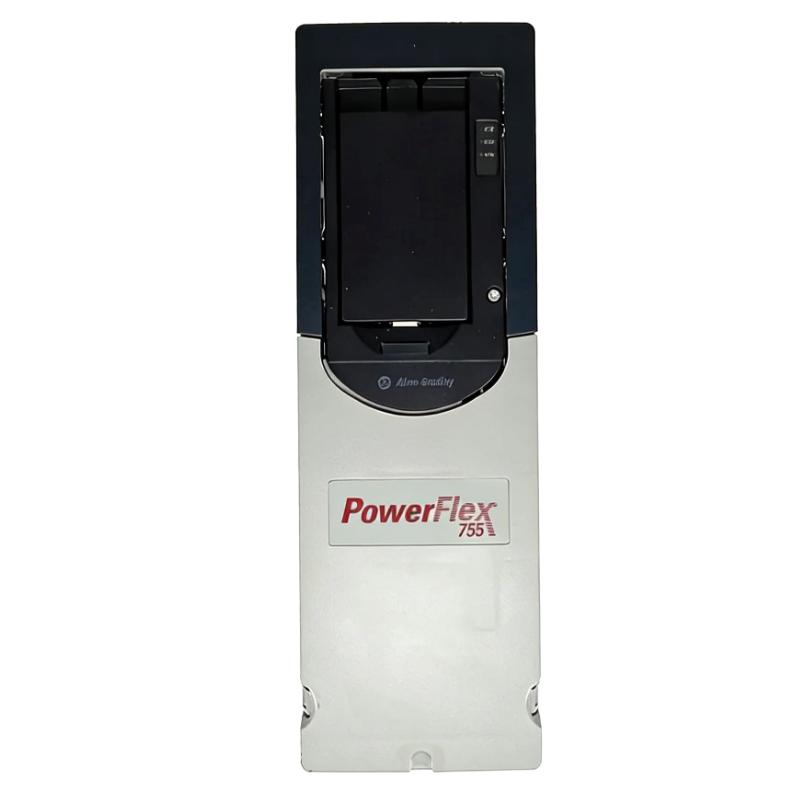
20F11NC037AA0NNNNN — Product Parameters, Introduction, Applications, Advantages and Related Models
1. Product Overview
The 20F11NC037AA0NNNNN is an industrial adjustable-frequency AC drive designed for variable-speed control of three-phase AC motors.
It belongs to the PowerFlex 753 product series and is intended for industrial machinery and automated equipment where accurate motor-speed control, controlled acceleration and deceleration, motor protection, diagnostics and integration with a larger control system are required.
The drive converts incoming three-phase AC electrical power into a controlled variable-frequency output for the motor.
By changing the output frequency and associated voltage according to the selected motor-control method, the drive allows the motor to operate at different speeds rather than being limited to one fixed operating speed.
This makes the product suitable for equipment such as conveyors, pumps, fans, blowers, mixers, rollers, feeders, material-handling machinery and general production equipment.
The 037 rating designation places this model in a higher capacity class than smaller PowerFlex 753 configurations, making it suitable for applications requiring a greater motor-current capability.
The complete catalog number should always be retained when identifying the product because individual catalog-number characters can represent different hardware and configuration options.
2. Brand and Product Series
| Item | Description |
|---|---|
| Model | 20F11NC037AA0NNNNN |
| Brand | Allen-Bradley |
| Product Family | PowerFlex |
| Product Series | PowerFlex 753 |
| Product Type | Adjustable-Frequency AC Drive |
| Drive Category | Industrial Variable Frequency Drive |
| Input | Three-phase AC |
| Output | Variable-frequency three-phase AC |
| Primary Function | Variable-speed motor control |
| Typical Installation | Electrical cabinet / industrial panel |
| Cooling | Forced-air cooling |
| Motor Type | Three-phase AC motor |
The PowerFlex 753 series is designed for industrial applications where a motor needs more than simple ON/OFF control.
The drive can become an important part of the machine’s control architecture, providing speed control, acceleration and deceleration management, protection, monitoring and communication capabilities depending on the installed configuration.
3. Product Identification
The complete model number is:
20F11NC037AA0NNNNN
For purchasing, maintenance and replacement purposes, the complete catalog number should be used instead of an abbreviated model number.
| Identification | Value |
|---|---|
| Complete Catalog Number | 20F11NC037AA0NNNNN |
| Series | PowerFlex 753 |
| Drive Type | Adjustable-frequency AC drive |
| Rating Designation | 037 class |
| Configuration | AA configuration |
| Application | Industrial motor control |
| Motor System | Three-phase AC |
| Installation | Panel / cabinet |
The catalog number represents a particular configuration.
For a replacement project, the complete catalog number should be compared with the existing unit, including options and control hardware.
4. Main Technical Parameters
| Parameter | Specification / Reference |
|---|---|
| Model | 20F11NC037AA0NNNNN |
| Brand | Allen-Bradley |
| Series | PowerFlex 753 |
| Product Type | Industrial AC Variable Frequency Drive |
| Input Phase | Three-phase |
| Voltage Class | 480 V class |
| Input Frequency | 50/60 Hz |
| Output | Three-phase variable-frequency AC |
| Current Rating Class | 37 A class |
| Motor Type | Three-phase AC motor |
| Variable-Speed Operation | Yes |
| Acceleration Control | Yes |
| Deceleration Control | Yes |
| Torque Control | Supported |
| Motor Protection | Integrated |
| Overcurrent Protection | Supported |
| Overvoltage Protection | Supported |
| Undervoltage Monitoring | Supported |
| Thermal Monitoring | Supported |
| Stall Protection | Supported |
| Fault Monitoring | Supported |
| Diagnostic Functions | Integrated |
| PID Functions | Supported where configured |
| Preset Speeds | Supported |
| Jog Function | Supported |
| Feedback | Configuration dependent |
| Communication | Configuration dependent |
| Mounting | Panel / cabinet |
| Cooling | Forced air |
| Installation Orientation | Normally vertical |
The 37 A class is an important selection parameter.
When selecting a drive for a motor, the motor’s actual full-load current should be checked rather than selecting the drive solely by motor horsepower or kilowatt value.
5. Electrical Characteristics
The 20F11NC037AA0NNNNN is intended for three-phase industrial motor applications.
The incoming AC power is processed by the drive’s power electronics and converted into a controlled output for the connected motor.
The output frequency can be adjusted according to the required motor speed.
A simplified electrical arrangement is:
Three-Phase AC Supply → AC Drive → Variable-Frequency Output → Three-Phase Motor → Mechanical Load
This arrangement gives the control system the ability to regulate motor operation.
| Electrical Parameter | Description |
|---|---|
| Input Supply | Three-phase AC |
| Voltage Class | 480 V class |
| Frequency | 50/60 Hz |
| Output | Variable-frequency three-phase AC |
| Current Class | 37 A |
| Speed Reference | Local, I/O or communication depending on configuration |
| Motor Control | Programmable |
| Acceleration | Programmable |
| Deceleration | Programmable |
| Protection | Integrated |
| Diagnostics | Integrated |
| Feedback | Optional / configuration dependent |
| Communication | Configuration dependent |
6. Motor Capacity and Drive Selection
The 037 designation indicates a higher current class within the PowerFlex 753 range.
For actual application selection, several motor parameters need to be considered.
| Motor Parameter | Importance |
|---|---|
| Rated Voltage | Must be compatible with the drive |
| Full-Load Current | Critical for drive sizing |
| Rated Power | Used for preliminary capacity selection |
| Rated Frequency | Important for motor-control setup |
| Rated Speed | Required for correct motor configuration |
| Power Factor | Useful for electrical calculations |
| Motor Efficiency | Useful for energy calculations |
| Load Type | Determines application requirements |
| Overload Requirement | Important for heavy-duty applications |
| Braking Requirement | Determines whether additional braking equipment is needed |
| Feedback Requirement | Determines required hardware/configuration |
The motor full-load current should remain within the applicable drive rating.
The application should also be checked for overload conditions, especially where the motor starts under load or operates with high torque requirements.
7. Approximate Physical Dimensions and Weight
The physical size of an industrial drive can vary according to frame size and installed options.
For this reason, the following values should be considered preliminary engineering references, not certified dimensions.
| Mechanical Parameter | Reference Value |
|---|---|
| Model | 20F11NC037AA0NNNNN |
| Installation | Panel / cabinet |
| Mounting Orientation | Vertical |
| Approximate Width | 300–350 mm |
| Approximate Height | 500–650 mm |
| Approximate Depth | 300–350 mm |
| Approximate Envelope | 300–350 × 500–650 × 300–350 mm |
| Approximate Weight | 18–28 kg |
| Weight Unit | kg |
| Cooling | Forced air |
| Ventilation | Required |
| Cabinet Mounting | Yes |
| Cable Space | Required |
| Maintenance Clearance | Required |
The actual dimensions and weight should be verified from the physical configuration before designing a mounting plate, enclosure, shipping package or lifting arrangement.
These reference values are useful for preliminary planning and model comparison but should not be used as final fabrication dimensions.
8. Product Introduction
The 20F11NC037AA0NNNNN is designed to provide controlled electrical operation of an industrial AC motor.
A motor connected directly to a conventional AC supply generally operates close to its rated operating speed.
That arrangement is adequate for many simple machines, but industrial equipment often requires different speeds during different stages of production.
For example, a conveyor may require a slow speed during loading and a higher speed during normal operation.
A pump may need to adjust its speed according to pressure or flow demand.
A fan may need to reduce its speed when ventilation requirements decrease.
A mixer may require several different operating speeds during one production cycle.
The AC drive makes these operating changes possible through electronic speed control.
The motor can be started smoothly, accelerated according to a programmed profile, operated at the required speed and decelerated according to another programmed profile.
This provides substantially more control than a basic motor starter.
9. Variable-Speed Operation
Variable-speed control is one of the primary functions of the product.
The motor speed can be controlled according to a speed reference.
Depending on the configuration, the speed command may come from:
- Local operator controls.
- Analog signals.
- Digital inputs.
- Preset-speed commands.
- An industrial controller.
- A communication network.
- A process-control system.
This allows the motor to become an adjustable component of the machine.
A typical sequence can be:
Low Speed → Acceleration → Production Speed → Speed Adjustment → Deceleration → Stop
Different acceleration, deceleration and operating-speed settings can be used for different production requirements.
10. Controlled Acceleration
Direct motor starting can result in high starting current and sudden mechanical loading.
An adjustable-frequency drive allows the motor to accelerate according to a programmed ramp.
This can provide smoother starting and reduce mechanical shock.
Controlled acceleration can be beneficial for:
- Conveyors.
- Rollers.
- Gearboxes.
- Couplings.
- Belts.
- Chains.
- Pumps.
- Fans.
- Mixers.
- High-inertia machinery.
A gradual acceleration profile can reduce stress on the mechanical transmission system.
11. Controlled Deceleration
The drive can also control how the motor slows down.
Instead of immediately disconnecting the motor from the supply, the drive can reduce output frequency according to the programmed deceleration profile.
This can provide smoother stopping.
Controlled deceleration is particularly useful for:
- Conveyor systems.
- Rollers.
- Material-handling machinery.
- High-inertia loads.
- Fans.
- Pumps.
- Production machinery.
The required braking method depends on motor size, load inertia, stopping time and application requirements.
12. Motor Speed Control
The ability to change motor speed can improve process flexibility.
For example, a conveyor may require different speeds during:
- Loading.
- Transport.
- Inspection.
- Sorting.
- Packaging.
- Discharge.
Similarly, a pump may need different speeds during different process conditions.
The drive makes it possible to control motor speed without relying exclusively on mechanical speed-changing equipment.
13. Torque Control
Torque performance is important when the mechanical load changes.
Examples include:
- Loaded conveyors.
- Mixers.
- Rollers.
- Material-handling equipment.
- Processing machinery.
- High-inertia machines.
The drive can be configured to provide appropriate motor-control behavior according to the application.
Actual torque performance depends on the selected control mode, motor data, operating speed, load characteristics and commissioning parameters.
14. Motor Protection
The drive incorporates monitoring and protective functions intended to help protect the motor and drive system.
Typical protective functions include:
- Overcurrent monitoring.
- Overvoltage protection.
- Undervoltage monitoring.
- Motor overload protection.
- Thermal monitoring.
- Stall-related protection.
- Drive temperature monitoring.
- Fault detection.
- Feedback monitoring where applicable.
Correct motor nameplate data should be entered during commissioning.
Accurate motor data is important for proper control and protection.
15. Diagnostic Capability
A modern industrial drive can provide considerably more information than a simple motor starter.
Depending on the configuration, useful information can include:
| Information | Purpose |
|---|---|
| Drive Status | Shows current operating state |
| Motor Current | Indicates motor loading |
| Output Frequency | Shows drive operating frequency |
| Speed Reference | Shows commanded speed |
| Actual Speed | Shows operating speed |
| Alarm Status | Indicates warning conditions |
| Fault Status | Helps identify shutdown conditions |
| Temperature | Supports thermal diagnosis |
| Communication Status | Helps verify system communication |
| Operating Parameters | Supports commissioning and troubleshooting |
This information can make maintenance more systematic.
Maintenance personnel can inspect operating conditions before replacing components unnecessarily.
16. Automation Integration
The drive can be incorporated into a larger industrial automation system.
A typical architecture is:
Industrial Controller → I/O or Communication Network → AC Drive → Motor → Machine
The controller can issue commands such as:
- Start.
- Stop.
- Speed reference.
- Direction.
- Preset speed.
- Process setpoint.
The drive can return information such as:
- Operating status.
- Motor speed.
- Motor current.
- Alarm status.
- Fault status.
This makes the drive suitable for automated production equipment.
17. Process Control
The drive can be used in applications where motor speed needs to respond to a process requirement.
Typical examples include:
- Pressure control.
- Flow control.
- Airflow control.
- Ventilation.
- Pumping.
- Blower systems.
- Process machinery.
A controller or process-control function can determine the required operating condition, while the drive changes motor speed accordingly.
This can provide more precise control than operating the motor continuously at one fixed speed.
18. Main Product Advantages
18.1 Variable-Speed Control
The primary advantage is the ability to adjust motor speed electronically.
This provides greater flexibility than a fixed-speed starter.
18.2 Smooth Starting
The drive can gradually accelerate the motor.
This can reduce mechanical shock and improve machine behavior.
18.3 Controlled Stopping
The drive can decelerate the motor according to programmed conditions.
This is useful for machinery that requires controlled stopping.
18.4 Improved Process Flexibility
Motor speed can be adjusted according to production requirements.
18.5 Motor Protection
Integrated monitoring can help identify abnormal operating conditions.
18.6 Diagnostic Capability
Drive operating information and fault information can support maintenance activities.
18.7 Automation Integration
The drive can form part of a larger industrial control system.
18.8 Preset Operating Speeds
Different operating speeds can be programmed for different machine conditions.
18.9 Potential Energy Savings
In suitable variable-load applications, reducing motor speed can reduce energy consumption.
This is particularly relevant to appropriate pump and fan applications.
Actual energy savings depend on the machine and operating profile.
19. Typical Applications
| Application | Suitability | Main Benefit |
|---|---|---|
| Conveyor | Excellent | Adjustable speed and smooth starting |
| Pump | Excellent | Flow and pressure adjustment |
| Fan | Excellent | Airflow control |
| Blower | Excellent | Variable airflow |
| Mixer | Excellent | Adjustable process speed |
| Roller | Excellent | Controlled rotational speed |
| Feeder | Excellent | Adjustable material flow |
| Material Handling | Excellent | Controlled acceleration |
| Production Line | Excellent | Automated motor control |
| Processing Machinery | Excellent | Flexible motor operation |
| General Machine Equipment | Very Good | Variable-speed operation |
20. Conveyor Applications
Conveyors frequently require variable operating speeds.
For example, a production line may need to change conveyor speed depending on:
- Product type.
- Production rate.
- Loading condition.
- Inspection requirements.
- Packaging speed.
The drive can provide the required speed adjustment.
Controlled acceleration is also valuable because sudden starting can place stress on belts, chains, gearboxes and couplings.
The drive can gradually bring the conveyor to the required operating speed.
Controlled deceleration can provide a similar benefit during stopping.
21. Pump Applications
Pumping systems can benefit significantly from variable-speed operation.
Instead of operating the motor continuously at full speed, the drive can adjust motor speed according to process demand.
Potential benefits include:
- Adjustable flow.
- Pressure control.
- Smooth starting.
- Smooth stopping.
- Reduced mechanical stress.
- Potential energy savings.
The actual energy performance depends on the pump type and system characteristics.
22. Fan and Blower Applications
Fans and blowers frequently operate under changing airflow requirements.
A variable-frequency drive can reduce motor speed when full airflow is not required.
Typical applications include:
- Industrial ventilation.
- Exhaust systems.
- Cooling systems.
- Air-handling equipment.
- Dust collection.
- Process ventilation.
Reducing fan speed under suitable operating conditions can reduce energy consumption.
23. Mixer Applications
Industrial mixers may require multiple operating speeds.
A typical production cycle could be:
Loading → Low-Speed Mixing → Medium-Speed Mixing → High-Speed Mixing → Controlled Stop
The drive can provide these different operating speeds.
This can be useful where different materials or process stages require different mixing conditions.
24. Roller Applications
Industrial rollers often require controlled rotational speed.
The speed of the roller can directly influence material movement and production rate.
Applications include:
- Material processing.
- Packaging machinery.
- Sheet handling.
- Web handling.
- Production lines.
- Industrial transport systems.
Stable speed control can help improve production consistency.
25. Material-Handling Applications
Material-handling systems often benefit from controlled acceleration and deceleration.
Typical equipment includes:
- Conveyors.
- Feeders.
- Transfer systems.
- Rollers.
- Sorting equipment.
- Transport machinery.
The drive allows the operating speed to be adjusted according to production requirements.
26. Installation Considerations
The 20F11NC037AA0NNNNN is intended for industrial electrical installation.
A suitable cabinet or enclosure should provide sufficient space for:
- Drive mounting.
- Power wiring.
- Motor wiring.
- Control wiring.
- Communication wiring.
- Cooling airflow.
- Maintenance.
- Cable routing.
The drive should normally be installed in the recommended orientation.
Airflow paths should remain clear.
The cabinet design should also account for the heat generated by the drive.
27. Cabinet Design Reference
| Parameter | Preliminary Reference |
|---|---|
| Drive Model | 20F11NC037AA0NNNNN |
| Approx. Width | 300–350 mm |
| Approx. Height | 500–650 mm |
| Approx. Depth | 300–350 mm |
| Approx. Weight | 18–28 kg |
| Weight Unit | kg |
| Mounting | Vertical panel/cabinet |
| Cooling | Forced air |
| Ventilation | Required |
| Cable Routing | Required |
| Maintenance Space | Required |
| Cabinet Support | Must support drive weight |
| Environmental Protection | Must suit installation environment |
The final enclosure should be designed using the actual physical dimensions of the configured drive.
28. Heat Dissipation
An AC drive generates heat during normal operation.
Heat generation can depend on:
- Motor current.
- Operating load.
- Drive efficiency.
- Ambient temperature.
- Switching conditions.
- Installation arrangement.
If several drives are installed in one cabinet, their combined heat output should be considered.
Adequate airflow is important.
Blocked ventilation paths can increase internal temperature and reduce equipment reliability.
29. Environmental Considerations
The installation environment should be evaluated before commissioning.
| Environmental Factor | Consideration |
|---|---|
| Ambient Temperature | Must remain within the permitted operating range |
| Humidity | Excessive condensation should be avoided |
| Dust | Can affect cooling |
| Chemical Vapors | May affect electrical components |
| Vibration | Should be evaluated |
| Altitude | Can affect thermal performance |
| Airflow | Must remain sufficient |
| Enclosure | Must match the environment |
| Maintenance | Cooling paths should be kept clean |
For dusty environments, cabinet filtration and cooling arrangements should be considered carefully.
30. Five Same-Series or Closely Related Models
The following models can be used as comparison candidates within the same general product family or related capacity range.
| Model | Product Series | Approx. Current Class | Voltage Class | Approx. Dimensions | Weight (kg) | Typical Application |
|---|---|---|---|---|---|---|
| 20F11NC023AA0NNNNN | PowerFlex 753 | 23 A class | 480 V | 250–300 × 450–550 × 250–300 mm | 12–20 | Pumps, conveyors and machinery |
| 20F11NC030AA0NNNNN | PowerFlex 753 | 30 A class | 480 V | 250–300 × 450–550 × 250–300 mm | 12–20 | General industrial equipment |
| 20F11NC037AA0NNNNN | PowerFlex 753 | 37 A class | 480 V | 300–350 × 500–650 × 300–350 mm | 18–28 | Medium industrial machinery |
| 20F11NC043AA0NNNNN | PowerFlex 753 | 43 A class | 480 V | 300–400 × 500–650 × 300–350 mm | 18–28 | Larger machinery |
| 20F11NC052AA0NNNNN | PowerFlex 753 | 52 A class | 480 V | 300–400 × 550–700 × 300–400 mm | 20–32 | Higher-capacity industrial equipment |
The above dimensions and weights are preliminary comparison values.
A higher-current drive is not automatically a suitable replacement for a lower-current drive.
Motor current, overload requirements, application duty and hardware configuration should all be checked.
31. Same-Series Comparison
| Parameter | 20F11NC023AA0NNNNN | 20F11NC030AA0NNNNN | 20F11NC037AA0NNNNN | 20F11NC043AA0NNNNN | 20F11NC052AA0NNNNN |
|---|---|---|---|---|---|
| Product Series | PowerFlex 753 | PowerFlex 753 | PowerFlex 753 | PowerFlex 753 | PowerFlex 753 |
| Voltage Class | 480 V | 480 V | 480 V | 480 V | 480 V |
| Current Class | 23 A | 30 A | 37 A | 43 A | 52 A |
| Input Phase | Three-phase | Three-phase | Three-phase | Three-phase | Three-phase |
| Motor Type | AC | AC | AC | AC | AC |
| Variable Speed | Yes | Yes | Yes | Yes | Yes |
| Torque Control | Supported | Supported | Supported | Supported | Supported |
| PID | Supported | Supported | Supported | Supported | Supported |
| Diagnostics | Yes | Yes | Yes | Yes | Yes |
| Feedback | Configuration dependent | Configuration dependent | Configuration dependent | Configuration dependent | Configuration dependent |
| Approx. Width | 250–300 mm | 250–300 mm | 300–350 mm | 300–400 mm | 300–400 mm |
| Approx. Height | 450–550 mm | 450–550 mm | 500–650 mm | 500–650 mm | 550–700 mm |
| Approx. Depth | 250–300 mm | 250–300 mm | 300–350 mm | 300–350 mm | 300–400 mm |
| Approx. Weight | 12–20 kg | 12–20 kg | 18–28 kg | 18–28 kg | 20–32 kg |
32. Five Related Models for Broader Selection
| Model | Product Series | Drive Type | Voltage Class | Approx. Rating | Approx. Dimensions | Weight (kg) | Typical Application |
|---|---|---|---|---|---|---|---|
| 20F11NC023AA0NNNNN | PowerFlex 753 | AC Drive | 480 V class | 23 A class | 250–300 × 450–550 × 250–300 mm | 12–20 | Medium machinery |
| 20F11NC030AA0NNNNN | PowerFlex 753 | AC Drive | 480 V class | 30 A class | 250–300 × 450–550 × 250–300 mm | 12–20 | General machinery |
| 20F11NC043AA0NNNNN | PowerFlex 753 | AC Drive | 480 V class | 43 A class | 300–400 × 500–650 × 300–350 mm | 18–28 | Larger industrial equipment |
| 20G1AND248JN0NNNNN | PowerFlex 755 | AC Drive | 480 V class | 248-class | 350–450 × 600–800 × 300–400 mm | 55–80 | Large process equipment |
| 20G1AND361JN0NNNNN | PowerFlex 755 | AC Drive | 480 V class | 361-class | 400–500 × 700–900 × 350–450 mm | 70–100 | Large industrial machinery |
The PowerFlex 753 models are closer to the original product in terms of product architecture and application positioning.
The larger PowerFlex 755 models are more suitable when the motor and mechanical system require substantially greater capacity.
33. Five Popular Models from the Same Brand
| Model | Product Series | Type | Voltage Class | Approx. Rating | Approx. Dimensions | Weight (kg) | Typical Application |
|---|---|---|---|---|---|---|---|
| 20F11NC037AA0NNNNN | PowerFlex 753 | AC Drive | 480 V class | 37 A class | 300–350 × 500–650 × 300–350 mm | 18–28 | Industrial machinery |
| 20G1AND248JN0NNNNN | PowerFlex 755 | AC Drive | 480 V class | 248-class | 350–450 × 600–800 × 300–400 mm | 55–80 | Large process equipment |
| 20G1AND361JN0NNNNN | PowerFlex 755 | AC Drive | 480 V class | 361-class | 400–500 × 700–900 × 350–450 mm | 70–100 | Large industrial machinery |
| 25B-D030N114 | PowerFlex 525 | AC Drive | 480 V class | 30 A class | 250–300 × 150–250 × 220–300 mm | 5–9 | Compact industrial equipment |
| 25B-D024N114 | PowerFlex 525 | AC Drive | 480 V class | 24 A class | 200–250 × 150–200 × 200–250 mm | 4–8 | Compact machine systems |
These products cover several different capacity and application levels.
The PowerFlex 525 models are more compact and can be considered where cabinet space is limited and the motor capacity is lower.
The PowerFlex 753 series provides a broader industrial platform for medium-duty machinery.
The PowerFlex 755 series is better suited to larger and more demanding applications.
34. PowerFlex Series Comparison
| Feature | PowerFlex 525 | PowerFlex 753 | PowerFlex 755 |
|---|---|---|---|
| General Position | Compact industrial | Industrial | Higher-performance industrial |
| Typical Application | Compact machinery | Medium industrial machinery | Large/high-performance machinery |
| Physical Size | Compact | Medium | Larger |
| Variable Speed | Yes | Yes | Yes |
| Torque Control | Supported | Advanced | Advanced |
| PID Functions | Supported | Supported | Supported |
| Diagnostics | Yes | Yes | Yes |
| Feedback | Configuration dependent | Available | Available |
| Communication | Available | Available | Extensive options |
| Expansion Capability | Good | Strong | Strong |
| Larger Motor Applications | Limited | Good | Excellent |
| Complex Machinery | Good | Very Good | Excellent |
35. Comparison with a Conventional Motor Starter
| Function | Conventional Starter | 20F11NC037AA0NNNNN |
|---|---|---|
| Start / Stop | Yes | Yes |
| Variable Speed | No | Yes |
| Controlled Acceleration | Limited | Yes |
| Controlled Deceleration | Limited | Yes |
| Motor Current Monitoring | Limited | Yes |
| Motor Protection | Basic | Advanced |
| Process Speed Control | No | Yes |
| PID Functions | No | Supported |
| Diagnostics | Limited | Advanced |
| Automation Integration | Limited | Yes |
| Preset Speeds | No | Yes |
| Energy Optimization Potential | Limited | Yes |
The key difference is that the AC drive allows the motor to operate as an adjustable part of the production process.
A conventional starter mainly provides switching and basic protection.
The drive provides a much broader range of motor-control functions.
36. Energy-Saving Potential
Variable-speed operation can provide energy-saving opportunities in applications where the required mechanical output changes during operation.
This is particularly relevant to:
- Centrifugal pumps.
- Fans.
- Blowers.
In a fixed-speed system, the motor may operate at high speed even when the process requires less output.
A drive can reduce motor speed when appropriate.
For suitable variable-torque applications, reducing speed can significantly reduce mechanical power demand.
However, energy savings should always be calculated from the actual application.
Important factors include:
- Motor efficiency.
- Load profile.
- Operating hours.
- Required speed.
- Pump or fan characteristics.
- Mechanical losses.
- Process requirements.
37. Maintenance Benefits
The drive’s monitoring capability can support preventive and corrective maintenance.
Useful information may include:
- Motor current.
- Output frequency.
- Speed reference.
- Actual speed.
- Drive status.
- Alarm status.
- Fault information.
- Temperature information.
- Communication status.
This can help maintenance personnel determine whether a problem is associated with:
- The incoming electrical supply.
- Motor loading.
- The drive.
- The mechanical load.
- Communication.
- Thermal conditions.
This can reduce unnecessary component replacement and help organize troubleshooting more efficiently.
38. Industrial Modernization
The 20F11NC037AA0NNNNN can be considered for modernization projects where an existing motor-control system requires additional functionality.
Typical modernization objectives include:
- Adding variable-speed operation.
- Improving motor protection.
- Improving diagnostics.
- Integrating motor control with automation.
- Reducing mechanical starting shock.
- Improving process control.
- Adding adjustable operating speeds.
- Improving machine flexibility.
A modernization project should evaluate the complete existing system rather than replacing the drive based only on current rating.
The motor, cabinet, wiring, braking arrangement, control architecture and mechanical load should all be considered.
39. Suitable Industrial Applications
The product can be used in a wide range of industrial applications.
| Industry / Equipment Type | Typical Use |
|---|---|
| Manufacturing | Machine motor control |
| Material Handling | Conveyor and transfer systems |
| Packaging | Rollers and feeders |
| Process Equipment | Pumps and mixers |
| HVAC-related Machinery | Fans and blowers |
| Industrial Ventilation | Airflow control |
| Production Lines | Adjustable conveyor speed |
| Mixing Equipment | Variable mixing speed |
| Pumping Systems | Flow and pressure adjustment |
| General Machinery | Variable-speed operation |
40. Motor Compatibility
Before commissioning the drive, the motor nameplate should be checked.
Important information includes:
| Motor Data | Reason |
|---|---|
| Rated Voltage | Confirms electrical compatibility |
| Rated Frequency | Required for motor setup |
| Full-Load Current | Critical for drive sizing |
| Rated Power | Used for preliminary selection |
| Rated Speed | Required for motor configuration |
| Power Factor | Useful for electrical calculations |
| Efficiency | Useful for energy calculations |
| Motor Type | Important for control selection |
| Overload Requirement | Determines duty requirements |
| Feedback | Required where applicable |
Correct motor data is essential.
Incorrect values can result in poor motor performance, incorrect protection behavior or unsuitable speed-control characteristics.
41. Cabinet and Wiring Considerations
The drive normally forms part of a larger electrical control panel.
A typical installation can include:
- Main disconnect.
- Circuit protection.
- Fuses.
- Terminal blocks.
- Control relays.
- Industrial controller.
- Communication equipment.
- Line reactors where required.
- Filters where required.
- Grounding components.
- Cooling equipment.
Adequate separation and routing of power and control wiring can help reduce electrical interference.
The cabinet must also provide adequate airflow and maintenance access.
42. Typical System Architecture
A typical power arrangement is:
Incoming Three-Phase Power
↓
Main Protection / Disconnect
↓
20F11NC037AA0NNNNN
↓
Three-Phase AC Motor
↓
Gearbox / Coupling
↓
Mechanical Load
The control architecture can be:
Industrial Controller
↓
I/O or Communication Network
↓
AC Drive
↓
Motor Speed / Torque
↓
Machine Process
This structure allows the drive to act as the electronic motor-control interface between the automation system and the mechanical equipment.
43. Typical Operating Sequence
A normal machine cycle may operate as follows.
Step 1 — Start Command
The controller sends a start command to the drive.
Step 2 — Acceleration
The drive gradually increases motor frequency.
Step 3 — Normal Operation
The motor reaches the required operating speed.
Step 4 — Process Adjustment
The controller changes the speed reference when production conditions change.
Step 5 — Speed Regulation
The drive adjusts motor operation according to the new reference.
Step 6 — Stop Command
The controller sends a stop command.
Step 7 — Deceleration
The drive reduces motor speed according to the programmed deceleration profile.
Step 8 — Motor Stop
The motor reaches the required stopped condition.
This type of controlled sequence can improve machine operation compared with direct full-voltage starting.
44. Detailed Technical Comparison
| Parameter | 20F11NC023AA0NNNNN | 20F11NC030AA0NNNNN | 20F11NC037AA0NNNNN | 20F11NC043AA0NNNNN | 20F11NC052AA0NNNNN |
|---|---|---|---|---|---|
| Series | PowerFlex 753 | PowerFlex 753 | PowerFlex 753 | PowerFlex 753 | PowerFlex 753 |
| Voltage Class | 480 V | 480 V | 480 V | 480 V | 480 V |
| Current Class | 23 A | 30 A | 37 A | 43 A | 52 A |
| Input | Three-phase | Three-phase | Three-phase | Three-phase | Three-phase |
| Motor Type | AC | AC | AC | AC | AC |
| Variable Speed | Yes | Yes | Yes | Yes | Yes |
| Torque Control | Supported | Supported | Supported | Supported | Supported |
| PID | Supported | Supported | Supported | Supported | Supported |
| Diagnostics | Yes | Yes | Yes | Yes | Yes |
| Feedback | Configuration dependent | Configuration dependent | Configuration dependent | Configuration dependent | Configuration dependent |
| Approx. Width | 250–300 mm | 250–300 mm | 300–350 mm | 300–400 mm | 300–400 mm |
| Approx. Height | 450–550 mm | 450–550 mm | 500–650 mm | 500–650 mm | 550–700 mm |
| Approx. Depth | 250–300 mm | 250–300 mm | 300–350 mm | 300–350 mm | 300–400 mm |
| Approx. Weight | 12–20 kg | 12–20 kg | 18–28 kg | 18–28 kg | 20–32 kg |
| Typical Application | Medium machinery | General machinery | Medium/high-capacity machinery | Larger machinery | Higher-capacity machinery |
45. Recommended Model Selection
If the application requires a smaller motor and lower current, a lower-capacity PowerFlex 753 model may be more appropriate.
If the motor current is close to the 37 A class, the 20F11NC037AA0NNNNN becomes a more relevant candidate.
If the motor current is significantly higher, a higher-capacity configuration should be considered.
| Application Requirement | Suitable Direction |
|---|---|
| Lower motor current | Lower-capacity PowerFlex 753 |
| Medium motor current | PowerFlex 753 |
| Around 37 A class | 20F11NC037AA0NNNNN |
| Higher motor current | Higher-capacity PowerFlex 753 |
| Large industrial motor | PowerFlex 755 |
| Compact machine | PowerFlex 525 |
| Complex industrial machinery | PowerFlex 753 / PowerFlex 755 |
| Large process equipment | PowerFlex 755 |
46. Replacement Checklist
Before replacing an existing drive, check the following.
| Check Item | Requirement |
|---|---|
| Catalog Number | 20F11NC037AA0NNNNN |
| Input Voltage | Confirm actual supply |
| Input Phase | Confirm three-phase supply |
| Motor Voltage | Check motor nameplate |
| Motor Current | Check full-load current |
| Motor Power | Check kW / HP |
| Motor Frequency | Check rated frequency |
| Motor Speed | Check rated RPM |
| Load Type | Constant / variable torque |
| Overload Requirement | Determine application duty |
| Acceleration Time | Determine required ramp |
| Deceleration Time | Determine required ramp |
| Braking | Determine braking requirement |
| Feedback | Check encoder/feedback requirement |
| Communication | Check control-system interface |
| I/O | Check control signals |
| Physical Dimensions | Verify actual unit |
| Weight | Verify actual kg |
| Cooling | Check cabinet airflow |
| Environment | Check temperature, dust and humidity |
| Mounting | Verify mounting arrangement |
47. Key Product Advantages at a Glance
| Advantage | Practical Result |
|---|---|
| Variable-speed operation | Motor speed can follow process requirements |
| Controlled acceleration | Reduced mechanical starting shock |
| Controlled deceleration | Smoother machine stopping |
| Motor protection | Better monitoring of abnormal conditions |
| Diagnostics | Easier troubleshooting |
| Process control | Better control of machine output |
| Automation integration | Suitable for automated production |
| Adjustable speed references | Flexible operation |
| Torque-control capability | Better response to changing loads |
| Industrial design | Suitable for demanding machine applications |
| Energy-saving potential | Useful for suitable variable-load systems |
| Scalable product family | Easier capacity matching |
48. Overall Technical Assessment
The 20F11NC037AA0NNNNN is a PowerFlex 753 industrial adjustable-frequency AC drive in the 37 A class.
Its main purpose is to provide controlled operation of a three-phase AC motor.
The product is particularly suitable for machinery where motor speed must be adjustable.
Its applications can include conveyors, pumps, fans, blowers, mixers, rollers, feeders and material-handling systems.
The ability to control acceleration and deceleration can reduce mechanical shock and improve the operating behavior of the machine.
The drive can also provide motor monitoring and protective functions.
Diagnostic information can help maintenance personnel understand drive and motor operating conditions.
For automated systems, the drive can be integrated into a larger control architecture through appropriate I/O and communication configurations.
For suitable pump and fan applications, variable-speed operation can also provide energy-saving opportunities.
The product is therefore well suited to industrial applications where a combination of motor-speed control, process flexibility, protection, diagnostics and automation integration is required.
49. Final Technical Summary
| Category | Information |
|---|---|
| Model | 20F11NC037AA0NNNNN |
| Brand | Allen-Bradley |
| Product Family | PowerFlex |
| Product Series | PowerFlex 753 |
| Product Type | Industrial AC Variable Frequency Drive |
| Input | Three-phase AC |
| Voltage Class | 480 V class |
| Current Class | 37 A class |
| Input Frequency | 50/60 Hz |
| Output | Variable-frequency three-phase AC |
| Motor Type | Three-phase AC motor |
| Variable-Speed Control | Yes |
| Acceleration Control | Yes |
| Deceleration Control | Yes |
| Torque Control | Supported |
| PID | Supported |
| Motor Protection | Integrated |
| Diagnostics | Integrated |
| Communication | Configuration dependent |
| Feedback | Configuration dependent |
| Cooling | Forced air |
| Mounting | Panel / cabinet |
| Approx. Width | 300–350 mm |
| Approx. Height | 500–650 mm |
| Approx. Depth | 300–350 mm |
| Approx. Weight | 18–28 kg |
| Weight Unit | kg |
| Typical Applications | Conveyors, pumps, fans, blowers, mixers, rollers, feeders and industrial machinery |
50. Conclusion
The 20F11NC037AA0NNNNN is a higher-capacity PowerFlex 753 variable-frequency AC drive intended for industrial motor-control applications.
Its 37 A class makes it suitable for applications requiring more capacity than smaller configurations in the same series.
The drive can provide variable motor speed, controlled acceleration, controlled deceleration, motor protection, diagnostics, torque-control functions and automation integration depending on the selected configuration.
For conveyor systems, it can provide adjustable transport speed and smoother starting and stopping.
For pumps and fans, it can adjust motor speed according to process demand and may provide energy-saving opportunities in suitable applications.
For mixers and processing machinery, it can provide different operating speeds for different production stages.
For material-handling equipment, controlled acceleration and deceleration can help reduce mechanical stress.
The product also offers the advantage of being part of a broader industrial drive family, allowing different current-capacity models to be selected according to motor requirements.
For preliminary planning, the 20F11NC037AA0NNNNN can be treated as approximately 300–350 mm wide, 500–650 mm high and 300–350 mm deep, with a reference weight of approximately 18–28 kg.
These mechanical figures are provided for preliminary comparison and planning only.
The final installation should use the actual dimensions and weight of the configured unit.
When evaluating the product for replacement or new installation, the most important factors are the incoming voltage, motor voltage, motor full-load current, motor power, operating frequency, required speed range, overload requirement, load type, braking requirement, feedback requirement, communication requirements and physical installation space.
Overall, the 20F11NC037AA0NNNNN is a suitable industrial variable-speed drive candidate for medium-capacity machinery where reliable motor control, flexible speed adjustment, controlled starting and stopping, protection and automation functionality are required.